
Hair grows about 1 centimeter every 28 days, or roughly 6 inches a year. That number doesn't change much no matter what you do, and that's the most important thing to understand before you start. <a data-article-id="05458F61-3F63-4A69-8C47-60D91F1B7D82">Growing long hair isn't really about making your hair grow faster</a>, it's about keeping the hair you already grow. Most people who struggle to gain length aren't failing at growth, they're losing length to breakage faster than they can retain it. Fix that, support your scalp and your body, and the length follows. If your main goal is how to grow hair long and thick, focus on retaining the length you already grow by minimizing breakage. If you're looking for the best way to grow long hair, the key is retaining the length you already grow by preventing breakage.
How Do I Grow Long Hair: Steps, Timelines, and Breakage Tips


How hair actually grows (and how long it takes)
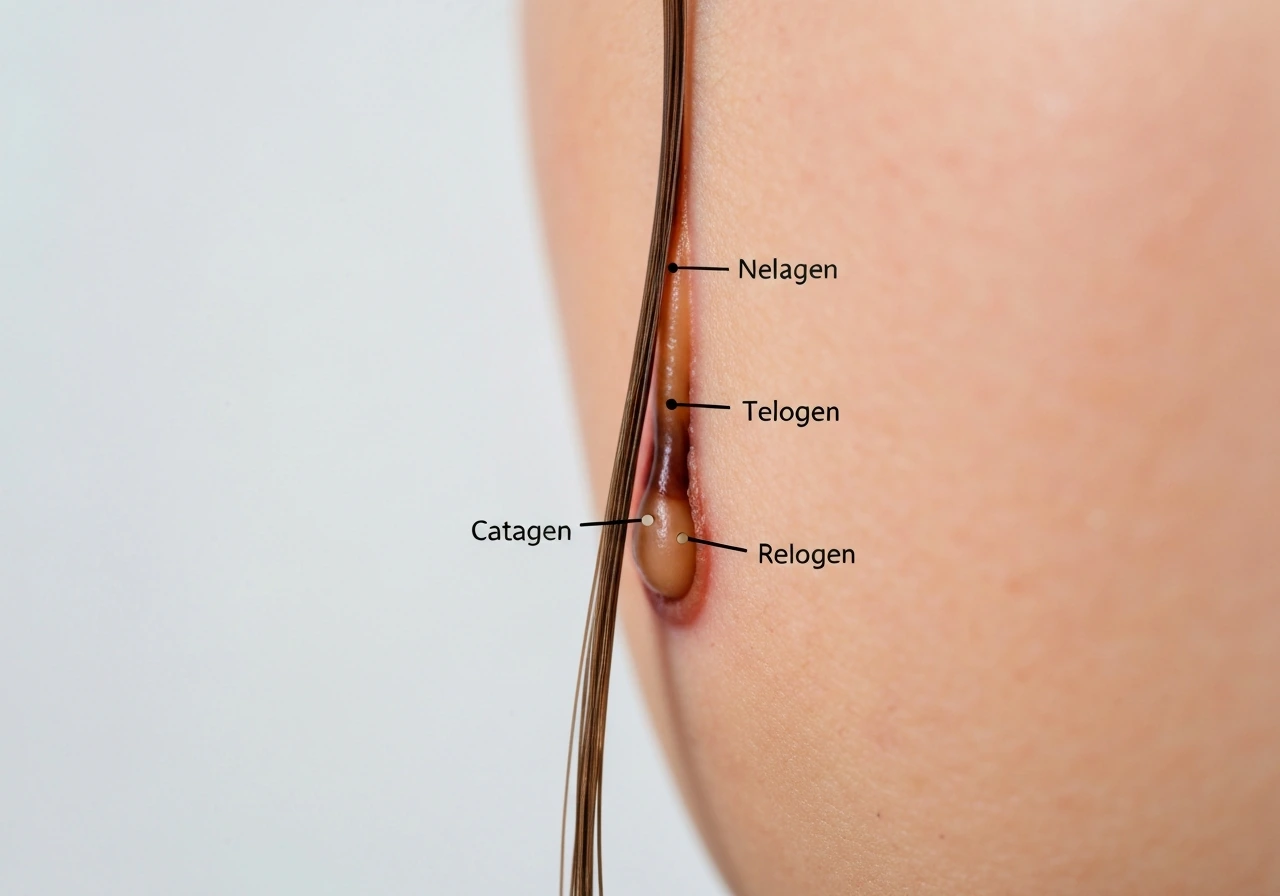
Every strand of hair goes through three phases: anagen (active growth), catagen (a brief transition lasting one to two weeks), and telogen (resting, lasting roughly two to five months before the hair sheds). The anagen phase is the one that matters most for length, because that's the window when your follicle is actively building the hair shaft. For scalp hair, anagen can last anywhere from two to seven years, and the length of that window is largely genetic. Someone with a naturally long anagen grows waist-length hair relatively easily. Someone with a shorter anagen may hit a terminal length at shoulder level no matter what they try.
So what does this mean practically? On average, you can expect about 6 inches of new growth per year, give or take depending on your individual biology, health, and hair care. Getting from a short pixie cut to shoulder length typically takes 12 to 18 months. Shoulder to bra-strap length takes another 12 to 18 months after that, assuming you're retaining what you grow. Extremely long hair, think waist or beyond, is a multi-year commitment. There's no supplement or serum that changes this math dramatically, but there's a lot you can do to avoid losing ground.
What's actually stopping your hair from getting longer
There's a critical difference between shedding and breakage, and mixing them up leads people to waste time and money on the wrong solutions. Shedding is normal. You lose roughly 50 to 100 hairs a day as part of the telogen phase, and those hairs fall out at the root with a small white bulb attached to the end. Breakage is different: the hair snaps somewhere along the shaft, leaving a blunt or frayed end and no bulb. Breakage is the main culprit behind that frustrating feeling that your hair just won't grow past a certain point.
Breakage happens when the hair shaft becomes weak or brittle. The most common causes are heat damage from flat irons and curling wands, mechanical stress from rough detangling or tight elastics, chemical damage from bleach or relaxers, and chronic dryness that leaves the hair cortex fragile. Excessive shedding, on the other hand, usually signals something systemic: nutritional deficiency, hormonal shifts, a stressful life event, thyroid issues, or a condition called telogen effluvium, where a large number of follicles shift into the resting phase at once. The fix for shedding is almost never a new shampoo. It usually involves looking at what's happening inside your body.
Your step-by-step long-hair routine
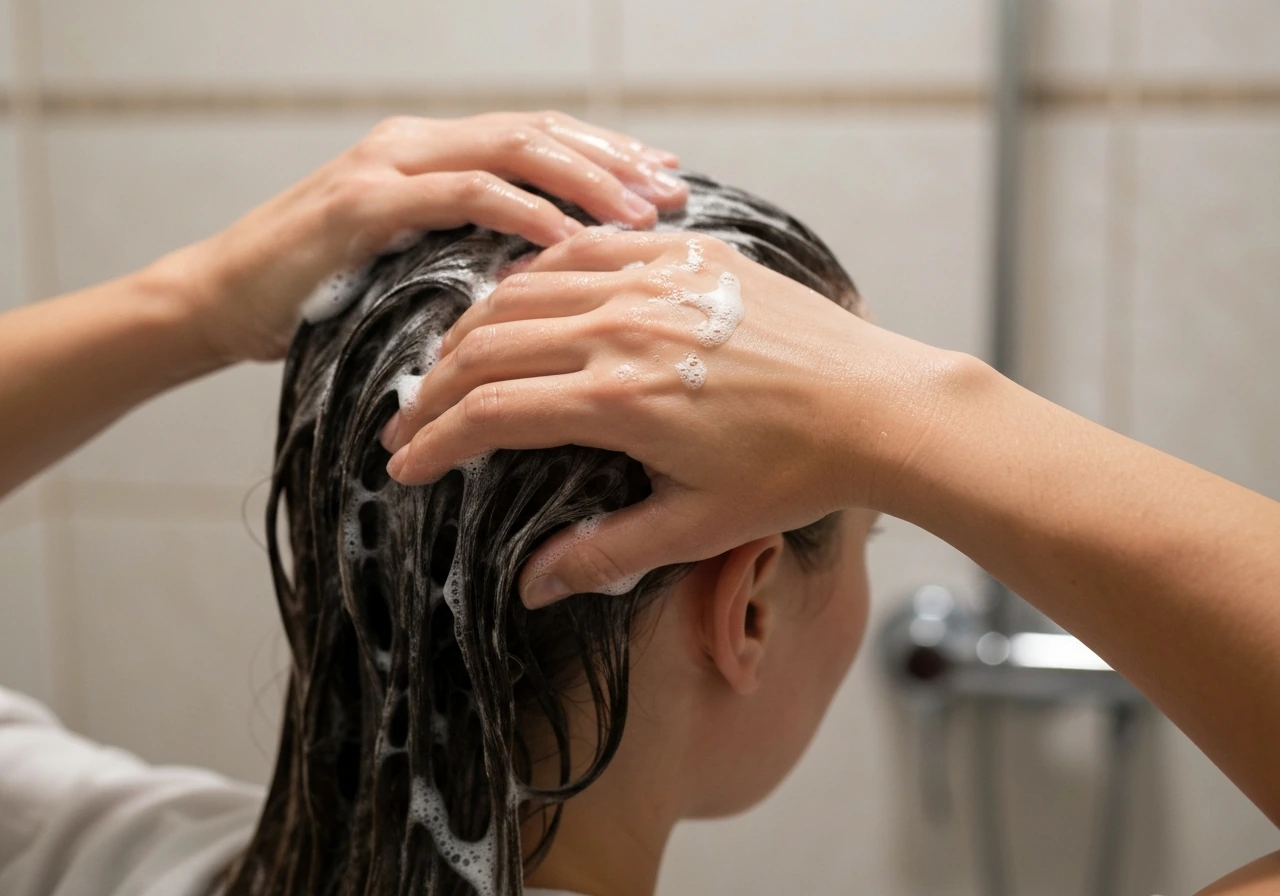
Getting a consistent, gentle routine in place is the single highest-leverage thing you can do. Hair that's handled roughly every wash day loses length week by week without you noticing. Here's how to build a routine that keeps that from happening.
Washing
Wash your scalp, not just your hair. Work the shampoo into your scalp and let it rinse through the length, rather than piling hair on top of your head and scrubbing. Over-washing strips the natural oils that protect the hair shaft, but under-washing lets product buildup and sebum block the follicle. Most people do well washing two to three times per week, though this varies by hair type and activity level. If you have fine hair, you may need to wash more often. If you have fine hair, tailor your routine to reduce breakage and keep the length you’re already growing. Thick, coily, or very dry hair may do better with once-a-week washing. Regardless of frequency, use a sulfate-free or gentle clarifying shampoo, and avoid anything that leaves your scalp feeling tight or squeaky after rinsing.
Conditioning
Conditioner is non-negotiable. It replenishes moisture and lipids that washing removes, reduces friction between strands, and makes detangling dramatically easier. Apply it from mid-length to ends, which is where hair is oldest and most vulnerable. Leave it on for at least two to three minutes, or use a deep conditioning treatment weekly if your hair is dry, coarse, or chemically processed. Some people also benefit from leave-in conditioner applied after towel-drying, especially if they live in a dry climate or have naturally porous hair.
Detangling
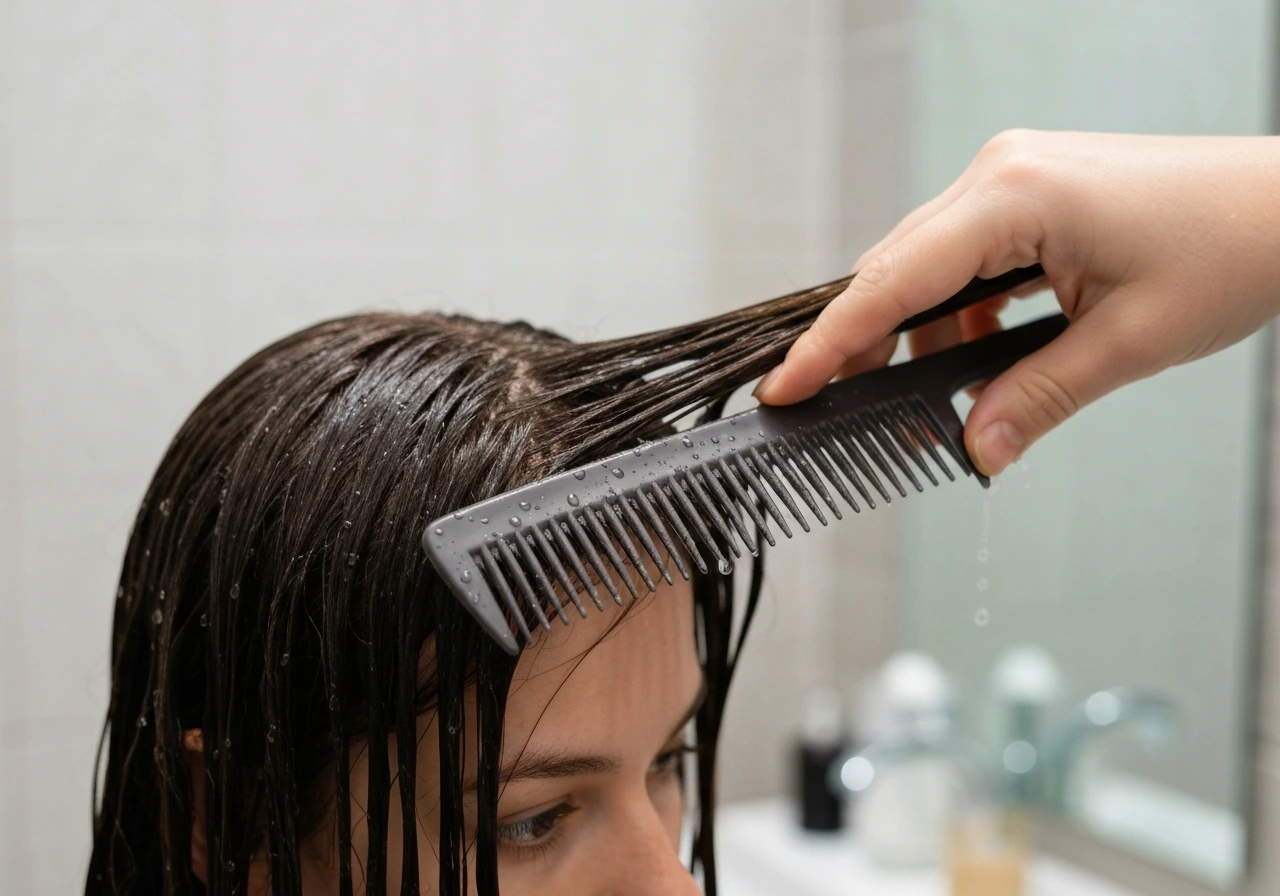
Wet hair is more elastic and more prone to snapping than dry hair, so it needs to be treated carefully. Use a wide-tooth comb rather than a brush on wet hair, working from the ends up to the roots rather than dragging from root to tip. If your hair is thick, section it into four or more sections before detangling. This approach reduces the tension on any single strand and prevents the kind of tangled mass that causes snapping. Avoid rubber bands with metal clasps, tight elastic ties, and any clip or accessory that tugs or pinches the hair shaft.
Protecting your length
Once you've washed and detangled, protect what you have. Air-drying is gentler than heat-drying when you can manage it. If you use a blow dryer, keep it on a medium heat setting and use a heat protectant spray. Limit flat iron and curling wand use to once a week or less. Sleep on a silk or satin pillowcase, or wrap your hair in a silk scarf or bonnet at night, because cotton pillowcases create friction that causes breakage over hundreds of nights. Loose protective styles like low buns, braids, or twists keep the ends tucked away and reduce daily manipulation, but avoid styles that pull tightly at the hairline or scalp. Traction alopecia, the hair loss caused by prolonged tension on the follicle, is real and reversible only if caught early.
Trimming strategy
Trimming does not make your hair grow faster. That's a myth. What it does do is remove split ends before they travel up the shaft and cause more extensive breakage. If your ends are splitting, a small trim every eight to twelve weeks makes sense. If your hair is in good condition, you can stretch trims to every four to six months. The goal is to trim as little as possible while keeping the ends healthy, not to trim on a rigid schedule regardless of what your hair actually needs.
Scalp care: the foundation of good growth
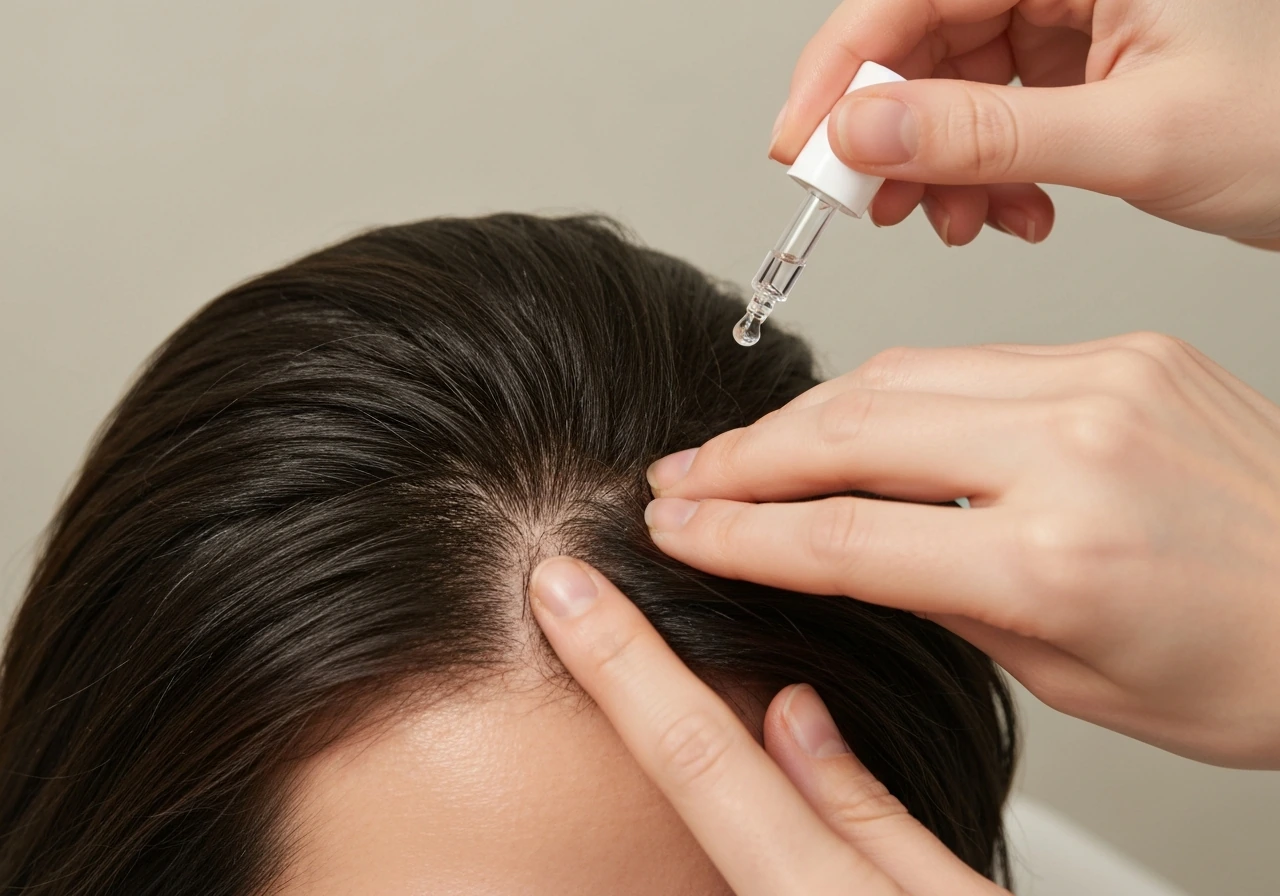
Your scalp is where the growth actually happens, and it deserves consistent attention. A healthy scalp means well-nourished, unblocked follicles in an environment that's not inflamed, dry, or irritated. Start by keeping it clean, but not stripped. Buildup from dry shampoo, styling products, or excess sebum can clog follicles and create an environment where growth is compromised.
If you deal with dandruff or seborrheic dermatitis (the flaky, sometimes itchy scalp condition caused by yeast overgrowth), treat it consistently. Over-the-counter shampoos containing selenium sulfide, zinc pyrithione, or ketoconazole are effective for most people. Merck Manual Professional Edition also recommends shampooing at least twice a week for scalp seborrheic dermatitis and notes that long-term use of antifungal shampoos is often required because it recurs selenium sulfide, zinc pyrithione, or ketoconazole. For ketoconazole shampoo, use it twice weekly for about four weeks and leave it on for at least five minutes before rinsing. Don't rush through it. An inflamed, irritated scalp creates conditions that can push follicles into the resting phase early, so managing this isn't just about comfort, it directly affects growth.
Scalp massage is a low-risk, zero-cost practice worth adding to your routine. Even four to five minutes of gentle circular massage during washing increases blood circulation to the follicles and may support the delivery of nutrients to the root. Some people do daily dry scalp massage with fingertips or a silicone massage brush. There's no dramatic clinical evidence behind this, but it's also harmless and feels good, which means you'll actually do it consistently.
What you eat matters more than any product
Hair is made of protein, specifically keratin, and it's one of the last things your body prioritizes when nutrients are scarce. If you're undereating, eating a very low-protein diet, or deficient in specific nutrients, your hair will reflect it, usually with increased shedding, slower growth, or dull, brittle strands. The good news is that correcting a deficiency often brings noticeable improvement within a few months.
Here are the nutrients most commonly linked to hair growth and hair loss when deficient:
- Protein: Hair is almost entirely protein. Aim for at least 0.7 to 1 gram per pound of body weight daily, from sources like eggs, poultry, fish, legumes, or dairy.
- Iron: Low ferritin (stored iron) is one of the most common reversible causes of hair shedding, especially in women with heavy periods. A blood test can confirm this.
- Vitamin D: Deficiency is associated with hair thinning and shedding. Many people are deficient without knowing it, particularly in northern climates or with limited sun exposure.
- Zinc: Involved in the hair growth cycle; both deficiency and excess can cause shedding, so getting it from food (oysters, pumpkin seeds, meat) is safer than high-dose supplementation.
- Omega-3 fatty acids: Found in fatty fish, walnuts, and flaxseed; support scalp health and may reduce inflammation around the follicle.
- B vitamins (especially B12 and folate): Deficiencies can cause shedding, particularly in people who follow plant-based diets or have absorption issues.
- Biotin: Despite its popularity in hair supplements, there's little solid evidence it helps unless you're actually deficient, which is rare.
Before spending money on hair supplements, it's worth getting a blood panel that checks ferritin, vitamin D, thyroid function, and B12. Supplements marketed specifically for hair growth have inconsistent evidence behind them and can interfere with lab tests or interact with medications. If a test shows you're actually low in something, supplementing under medical guidance makes sense. If your levels are normal, a well-rounded diet will serve you better than a stack of capsules.
Topicals and home remedies worth trying (and what to skip)
There's a spectrum here from clinically studied to anecdotal, and it helps to know where things fall before you invest time and money in them.
Minoxidil
Topical minoxidil is the most evidence-backed over-the-counter option for promoting hair growth and reducing shedding. For men, the standard dosing is 5% solution or foam applied twice daily. For women, 5% foam once daily is the most common regimen. A minimum of six months of consistent use is needed before you can fairly assess whether it's working. It does not cure the underlying cause of hair loss, it supports the growth phase of the follicle, and effects reduce when you stop using it. It's most useful for androgenetic alopecia (pattern loss) and is less relevant if your issue is purely breakage or a nutritional deficiency.
Rosemary oil
Rosemary oil is the home remedy with the most interesting clinical backing. A randomized trial comparing rosemary oil to 2% minoxidil found comparable improvements in hair count at both three and six months. That's a meaningful result, though it's one study and used against a lower concentration of minoxidil than many people use. To try it, dilute rosemary essential oil in a carrier like jojoba or coconut oil (about 3 to 5 drops per tablespoon of carrier), massage into the scalp, and leave on for at least 30 minutes before washing. Consistency over months matters more than any single application.
Castor oil, coconut oil, and other oils
Castor oil is widely used for hair growth but has very limited clinical evidence to support the claim. What it does do is coat the hair shaft and reduce moisture loss, which can help with breakage. Coconut oil has better evidence as a pre-wash treatment that reduces protein loss during washing, particularly for hair that's already on the drier side. Apply it 30 minutes before shampooing. These oils won't stimulate new growth, but they can genuinely improve hair quality and reduce breakage, which translates to length retention.
What to avoid
- Hair growth gummies and supplements with unverified ingredient combinations: most lack robust clinical evidence
- Extremely tight scalp treatments or aggressive scrubs that irritate the scalp
- Heavy oils applied directly to the scalp in large amounts, which can clog follicles
- Heat styling without a protectant, or at temperatures above 350–375°F for most hair types
- Bleach, relaxers, or frequent chemical processing without a conditioning recovery protocol
Men vs women: where the advice differs
The biology of hair growth is broadly the same regardless of sex, but there are real differences in how pattern hair loss shows up, how hormones affect the follicle, and what the most useful interventions are.
| Factor | Men | Women |
|---|---|---|
| Average growth rate | ~1 cm/month (same) | ~1 cm/month (same) |
| Pattern hair loss | Androgenetic alopecia: temples and crown first; driven by DHT sensitivity | Androgenetic alopecia: diffuse thinning at the crown/part; less dramatic recession |
| Hormonal triggers | DHT is the primary driver of follicle miniaturization | Estrogen shifts (postpartum, menopause, PCOS) frequently trigger telogen effluvium |
| Minoxidil dosing | 5% solution or foam, twice daily | 5% foam, once daily |
| Finasteride | FDA-approved for men with androgenetic alopecia; reduces DHT at the scalp | Not generally recommended; not approved for women of childbearing age |
| Common mistake | Waiting too long to address thinning before starting treatment | Misidentifying telogen effluvium as permanent loss and over-treating |
| Growth timeline feel | Shorter starting length means less time to visible long hair but more follicle vulnerability at temples/crown | Starting advantage of typically longer starting length; slower terminal loss |
For men growing their hair out, the awkward in-between stage (usually around the 4 to 8 month mark) is the biggest obstacle. Keeping hair clean, conditioned, and off the collar during this phase with low-manipulation styles helps get through it without reaching for scissors. For women dealing with postpartum or hormonal shedding, patience is genuinely the primary prescription, the follicles are not damaged, and most regrowth happens within six to twelve months of the trigger resolving. If you're curious about how hair type affects the journey, the approach for curly or fine hair has some important nuances worth understanding separately. Curly hair often needs a slightly different routine and extra attention to moisture and breakage, so the steps for growing long hair for curly hair can help you stay on track.
When something's not working: troubleshooting and seeing a professional
If you've been consistent with your routine for six or more months and you're still not retaining length, or if you're noticing significantly more shedding than usual, it's time to investigate rather than just add more products. Increased shedding that started three to four months after a stressful event, illness, surgery, or dietary change is almost certainly telogen effluvium, which is temporary and resolves once the underlying cause is addressed. But it needs to be identified correctly.
See a board-certified dermatologist if any of the following apply:
- You're losing more than 150 to 200 hairs a day persistently for more than three months
- You notice patchy, asymmetric, or scarring hair loss (smooth bald patches may indicate alopecia areata)
- Your hairline is receding significantly or your part is widening noticeably
- Scalp inflammation, persistent itching, or scaling isn't responding to OTC treatments
- You've had unexplained fatigue, cold intolerance, or significant weight changes alongside the hair loss (potential thyroid involvement)
- You've recently started or stopped a medication and noticed a shift in shedding
A dermatologist can run the labs that actually matter (ferritin, thyroid panel, vitamin D, hormones if relevant), look at a scalp closely to distinguish between shedding types, and recommend prescription options like finasteride or higher-dose minoxidil when appropriate. Self-treating pattern loss with home remedies alone while it progresses is one of the more common and costly mistakes people make, because some follicle damage from androgenetic alopecia is harder to reverse the longer it's left untreated.
For most people though, growing long hair doesn't require a dermatologist visit or expensive treatments. It requires a consistent, gentle routine, good nutrition, patience measured in months rather than weeks, and a realistic understanding of what you're actually working with. Start with the basics, stick with them for at least three months before judging results, and adjust from there.
FAQ
How can I tell if my hair isn’t growing or if it’s just breaking off?
Compare lengths at the same sites over time, like from your ears or collarbone down. If new growth looks healthy at the root but the ends keep getting shorter, it’s usually breakage. If shed hairs have a white bulb, it points more to shedding than snapping.
Do I need to stop trimming completely if my goal is maximum length?
No. Trimming doesn’t speed growth, but it prevents split ends from traveling upward and creating more breakage. If you see splitting, a small trim every 8 to 12 weeks is usually more length-preserving than waiting until the damage is far up the shaft.
Is it normal to lose more hair when I change my shampoo or routine?
A switch can temporarily increase shedding if your scalp gets irritated or if you were previously under-cleansing buildup. If you see a clear uptick, pause further changes and assess within 4 to 6 weeks. If shedding starts 3 to 4 months after a stressful event, it can be telogen effluvium rather than a product issue.
Should I wash less often to “save” hair from breaking?
Less washing can reduce handling, but oil and buildup can also worsen inflammation and friction. A practical approach is to keep your washing frequency in a range that keeps your scalp comfortable, commonly 2 to 3 times weekly, and focus on gentler detangling and adequate conditioning rather than simply stretching days.
What should I do if my scalp gets oily fast but my ends are dry?
Treat this as two-zone care. Shampoo should target the scalp, conditioner and treatments should start at mid-length to ends. If your scalp feels tight or squeaky, you may be over-stripping, consider a gentler sulfate-free option, or reduce friction while shampooing.
Can I detangle with a brush if I’m careful?
It’s usually better to avoid brushing wet hair. Use a wide-tooth comb, start at the ends, and work upward gradually. Brushing wet hair increases the chance of snapping because the hair is more elastic and weaker when saturated.
How often should I use heat if I want long hair?
If you style with heat, keep it limited and consistent with protection. Flat ironing or curling wands more than about once a week tends to raise breakage risk. Also, use a real heat protectant and let hair fully dry if you blow-dry before applying hot tools.
What hair ties or hairstyles are most likely to cause breakage?
High-tension styles and snaggy accessories are common culprits, like tight elastics, bands with metal clasps, and anything that pinches the hair shaft. Choose loose styles that protect the ends, and avoid pulling at the hairline for long periods to reduce traction-related damage.
Does sleep really affect hair length?
Yes, indirectly. Friction from cotton pillowcases can cause ongoing micro-breakage over time. Silk or satin helps reduce tangling and friction, and wrapping or using a bonnet is especially useful if you move a lot at night.
How long should I stick with a routine before expecting visible progress?
Assess at 3 months for breakage and shedding trends, and at 6 months for meaningful retention and thickness changes. Because growth is slow, impatience leads to constant product switching, which often increases dryness and irritation.
Will minoxidil or rosemary oil work if my main issue is breakage?
They are designed to support the growth phase of the follicle, so they won’t fix snapping ends. If your ends are splitting or you’re seeing lots of short, uneven lengths, prioritize moisture, detangling technique, and heat reduction first, then consider growth-focused options if shedding is also elevated.
What blood tests matter most if I’m shedding more than usual?
If you’re getting unusual shedding, a clinician will often check ferritin, vitamin D, thyroid function, and B12. These are useful because correcting the deficiency is what can change hair cycling. Avoid starting a supplement “just in case” before labs if you want clearer results.
When should I see a dermatologist for long-hair goals?
Go sooner if you notice patchy thinning, widening part, receding hairline, scalp symptoms that persist, or shedding that becomes significantly worse without an obvious reason. Also seek help if you’ve been consistent with retention habits for 6 months or more and still cannot hold onto length.
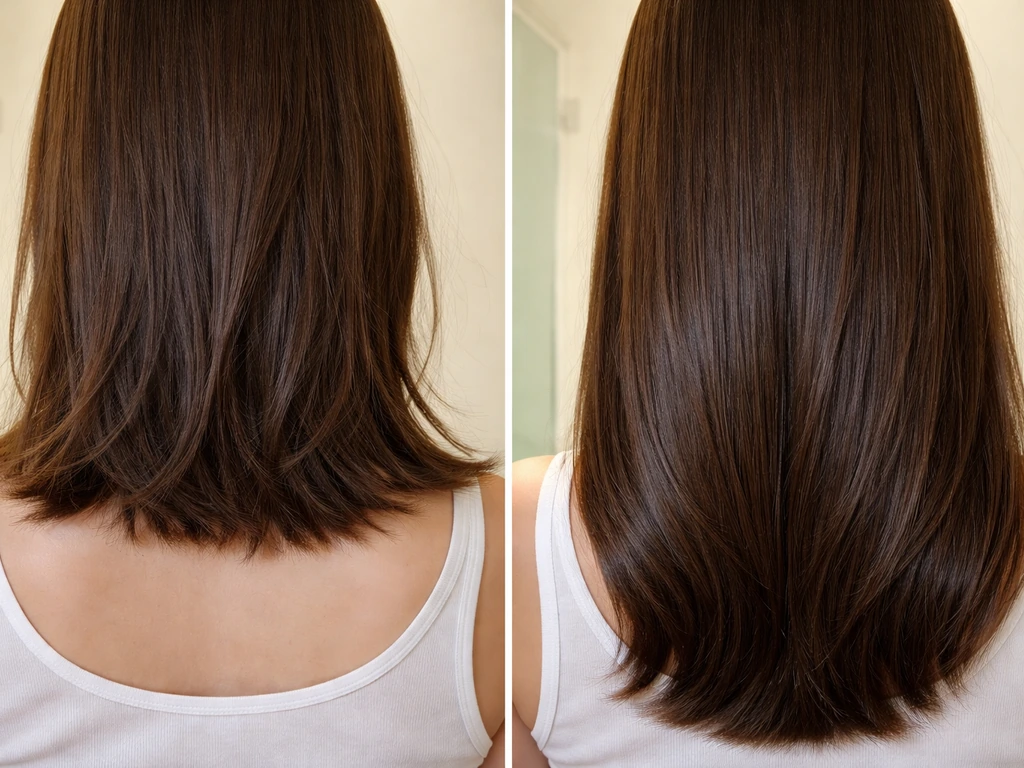
Step-by-step tips to grow hair out: stop breakage, build scalp routine, nutrition, safe actives, and track progress.
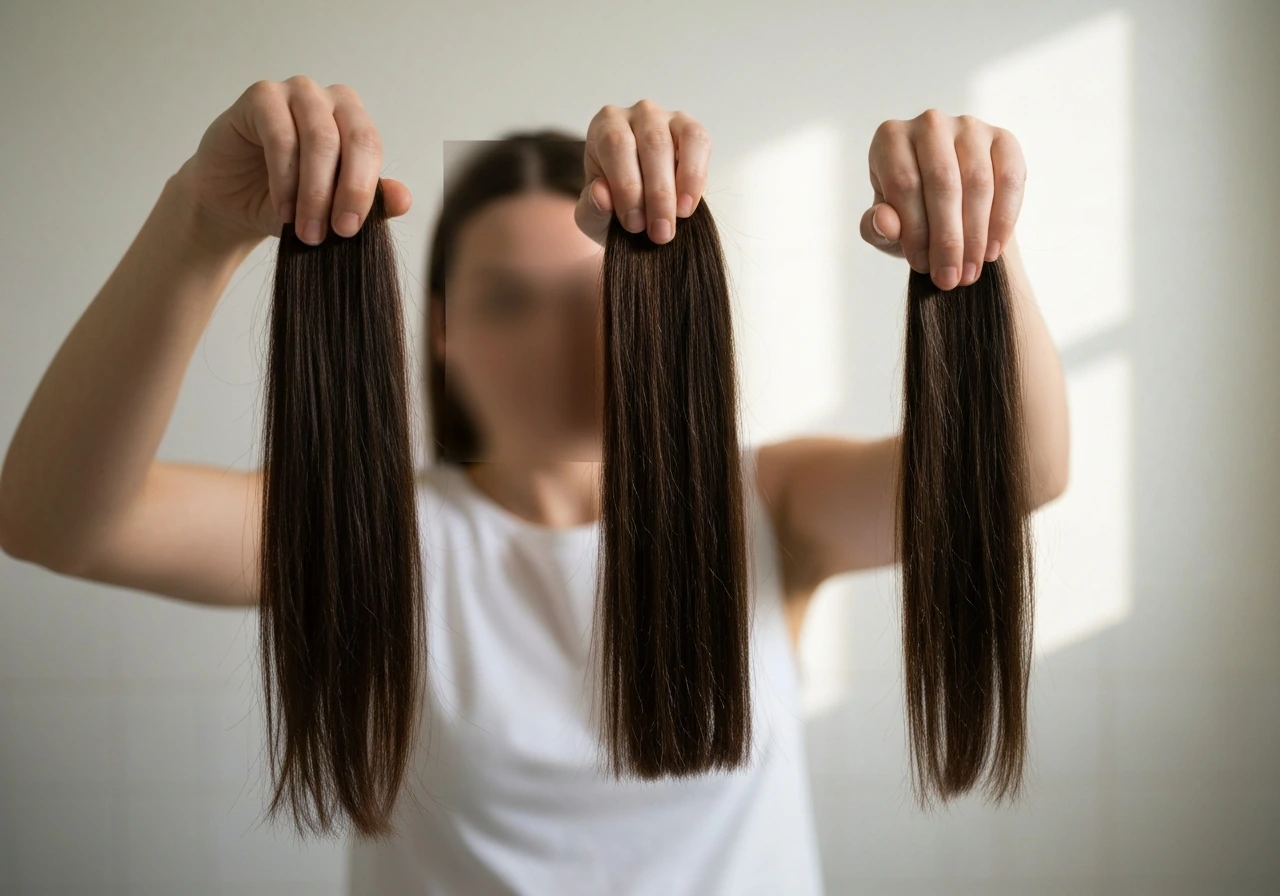
Step-by-step grow hair long tips: boost scalp health, cut breakage, improve diet, and track progress for length.
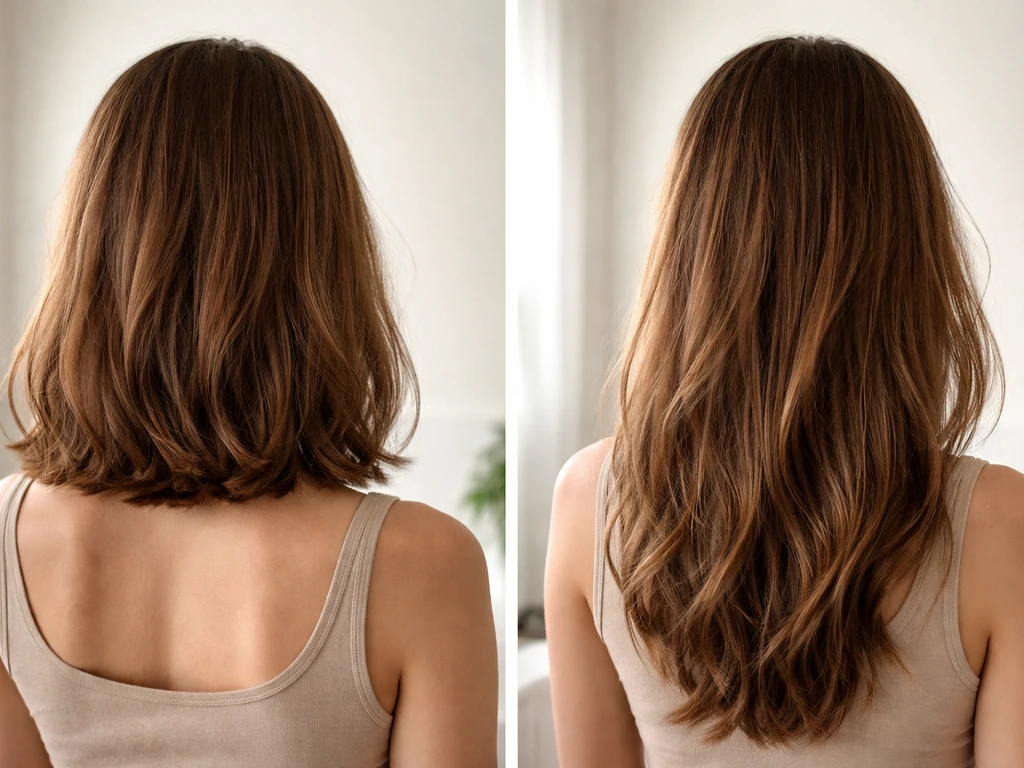
Actionable tips to grow long hair naturally: care routine, scalp habits, nutrition and breakage prevention for healthy l