
Yes, you can grow thicker hair, but what that actually means depends on where you're starting from. Some people can genuinely increase strand diameter and density with the right approach. Others, especially those dealing with genetic thinning, are more likely to slow the progression and maximize what they have. Both outcomes are worth working toward, and this guide will walk you through exactly how to do it.
How Can You Grow Thicker Hair: Step by Step Guide

Marcus Holloway
17 Apr 2026
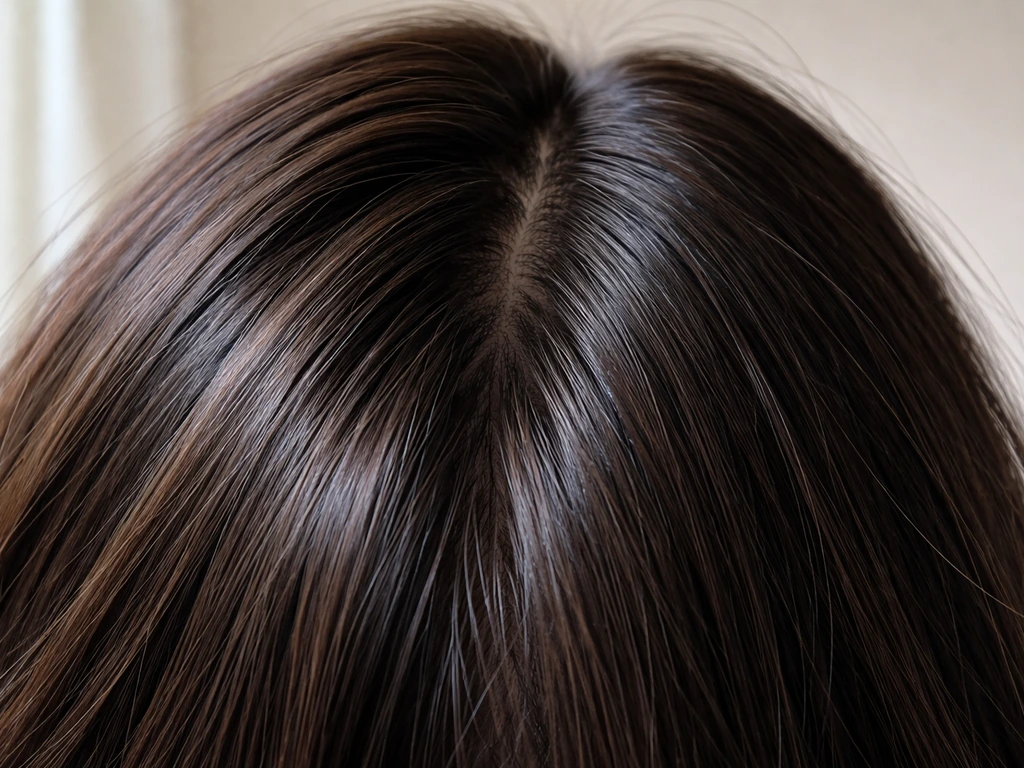
What "thicker hair" actually means (and what's possible)
Hair thickness has two separate components that often get confused. The first is strand diameter, meaning the physical width of each individual hair shaft, measured in micrometers. The second is density, which is the number of hairs per square centimeter of scalp. Research using trichoscopy (a non-invasive scalp imaging tool) shows that healthy scalp density runs around 180 to 190 hairs per square centimeter depending on the region, with frontal areas typically slightly denser than occipital-temporal zones.
When hair starts thinning, both numbers can drop. Strand diameter decreases through a process called follicular miniaturization, where the hair follicle gradually produces shorter, thinner, and paler hairs. One of the earliest diagnostic signs of androgenetic alopecia (genetic pattern hair loss) is diameter variability, called anisotrichosis, where more than 20% of hairs show significant thickness differences from each other. So if your hair feels like it's lost body and volume even without obvious bald patches, this follicle-level miniaturization is likely part of the picture.
The good news: follicle miniaturization is partially reversible, especially in early stages. If your follicles are still alive and producing hair, targeted interventions can help reverse some of that thinning and bring strand diameter back up. If you've had significant loss for years without treatment, expectations need to be more realistic, but even there, halting the progression counts as a win. For a deeper look at how to approach regrowing hair that's already thinned, how to grow hair back thicker covers the regrowth angle specifically.
Why your hair looks thinner than it used to
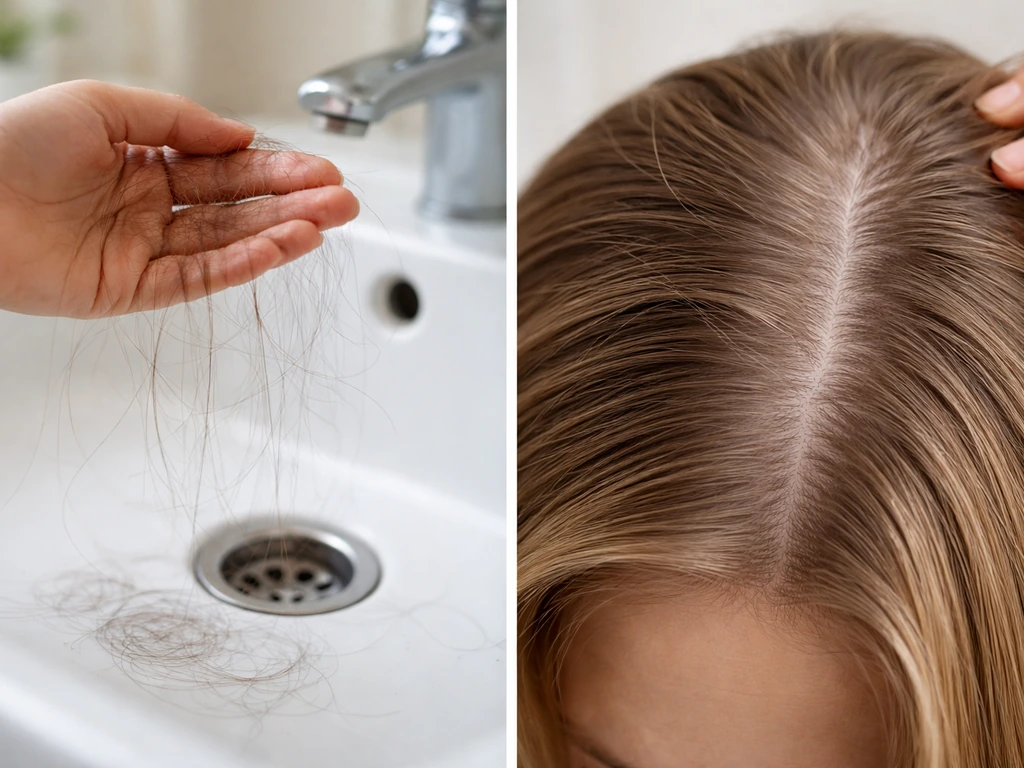
Before throwing products at the problem, it helps to understand which type of thinning you're dealing with. The cause shapes everything about the solution.
Shedding vs. structural thinning
Diffuse hair loss broadly splits into two patterns: excessive shedding (where hairs are actively falling out faster than normal) and structural thinning (where hairs stay in place but become progressively finer). The most common cause of sudden shedding is telogen effluvium, a condition where a physical or emotional stressor pushes a large number of follicles into the resting phase simultaneously. Illness, rapid weight loss, surgery, major stress, postpartum hormonal shifts, and even crash diets can all trigger it. The shedding typically shows up two to three months after the triggering event, which makes it confusing. The good news is that telogen effluvium is usually temporary, and once the stressor is resolved, regrowth commonly follows, though it can take six months or more to see noticeable recovery.
Genetics, hormones, and miniaturization
Androgenetic alopecia, the genetic pattern, works differently. It's driven by sensitivity to dihydrotestosterone (DHT), a derivative of testosterone, which gradually shrinks susceptible follicles over years. This is where you see the vellus hairs (the short, fine, barely-visible ones), increased proportions of single-hair follicular units, and that progressive diameter variability on trichoscopy. Both men and women can experience this, though the patterns differ.
Breakage and damage
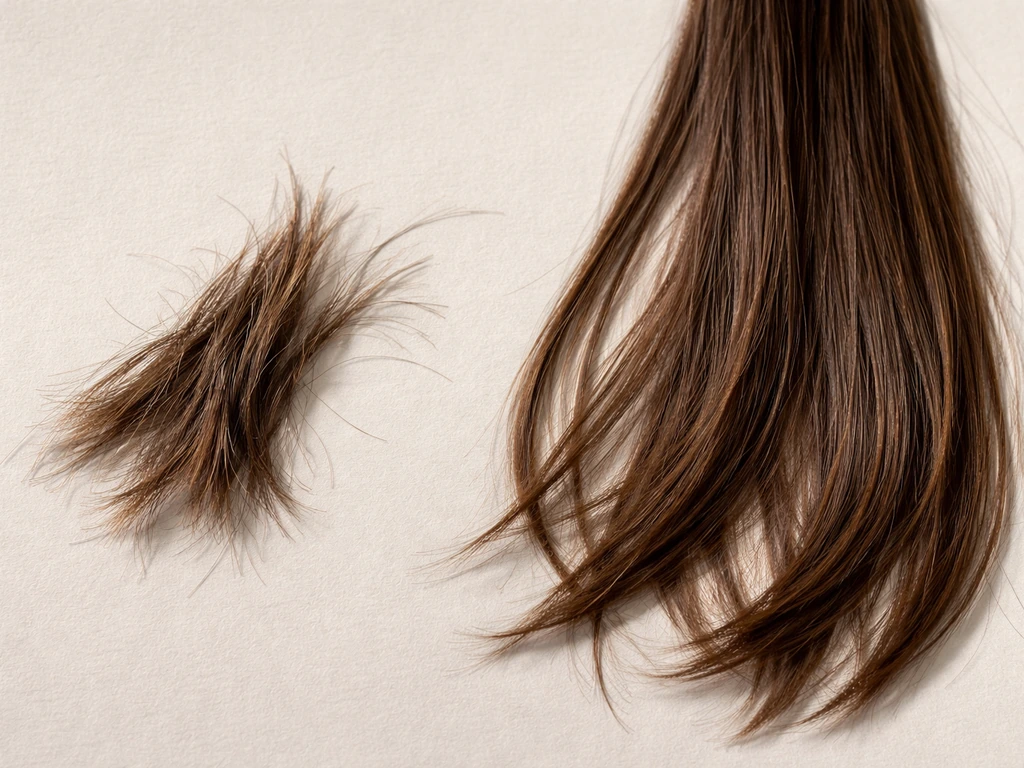
Sometimes hair isn't actually thinning from the follicle at all. It's breaking mid-shaft from heat damage, chemical processing, tight hairstyles, or mechanical stress. Breakage reduces visible length and makes hair look thinner overall because you're losing the ends rather than the whole strand. If you're seeing lots of short, broken pieces rather than hairs with a white bulb at the root, breakage is your main issue.
Scalp inflammation and dermatitis
Chronic scalp inflammation, particularly from seborrheic dermatitis (the condition behind persistent dandruff and scalp flaking), can disrupt the follicular environment and contribute to hair thinning. It's more common than people realize, and it's often an overlooked background factor in hair loss cases.
Fast wins: fix your scalp and stop unnecessary shedding first
The fastest way to see thicker-looking hair is to stop losing what you have. That means addressing scalp health before adding any growth-boosting extras.
Tackle scalp inflammation
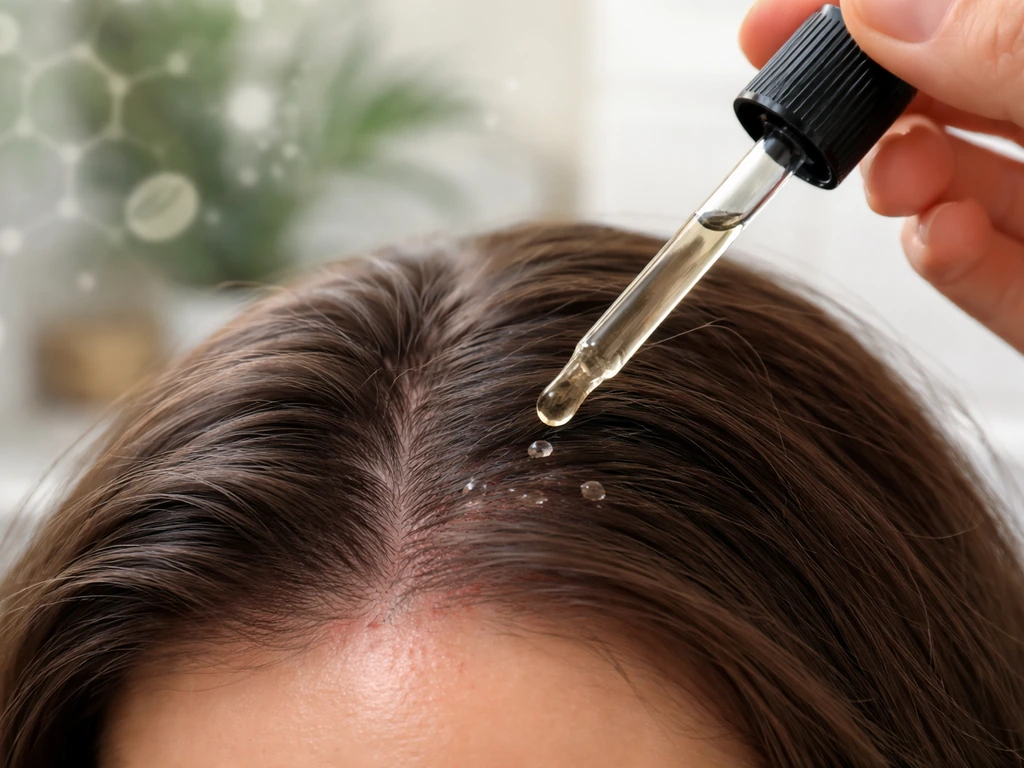
If you have flaking, itching, or a greasy, irritated scalp, treating seborrheic dermatitis should be your first move. For most people, a medicated shampoo used consistently makes a significant difference. Zinc pyrithione (1 to 2%) and selenium sulfide (2.5%) are both effective over-the-counter options for milder cases. For more stubborn dandruff, ketoconazole 2% shampoo has been shown in randomized trials to outperform zinc pyrithione 1% after about four weeks of use. A typical induction protocol is twice weekly for four weeks, then reducing frequency once symptoms are controlled. The key with medicated shampoos: leave them on for at least two to five minutes rather than rinsing immediately. If you have coily hair, you may only need to use it once weekly rather than twice to avoid over-drying.
Protect your follicles from traction and heat
Tight ponytails, braids, and extensions apply constant tension to follicles, particularly along the hairline, and can cause a specific type of hair loss called traction alopecia. If you're consistently wearing your hair in tight styles, loosening them is one of the most impactful (and zero-cost) changes you can make. Similarly, reducing heat styling frequency, using a heat protectant when you do style, and switching to a wide-tooth comb on wet hair all reduce mechanical damage that masquerades as thinning.
Build a simple scalp care routine
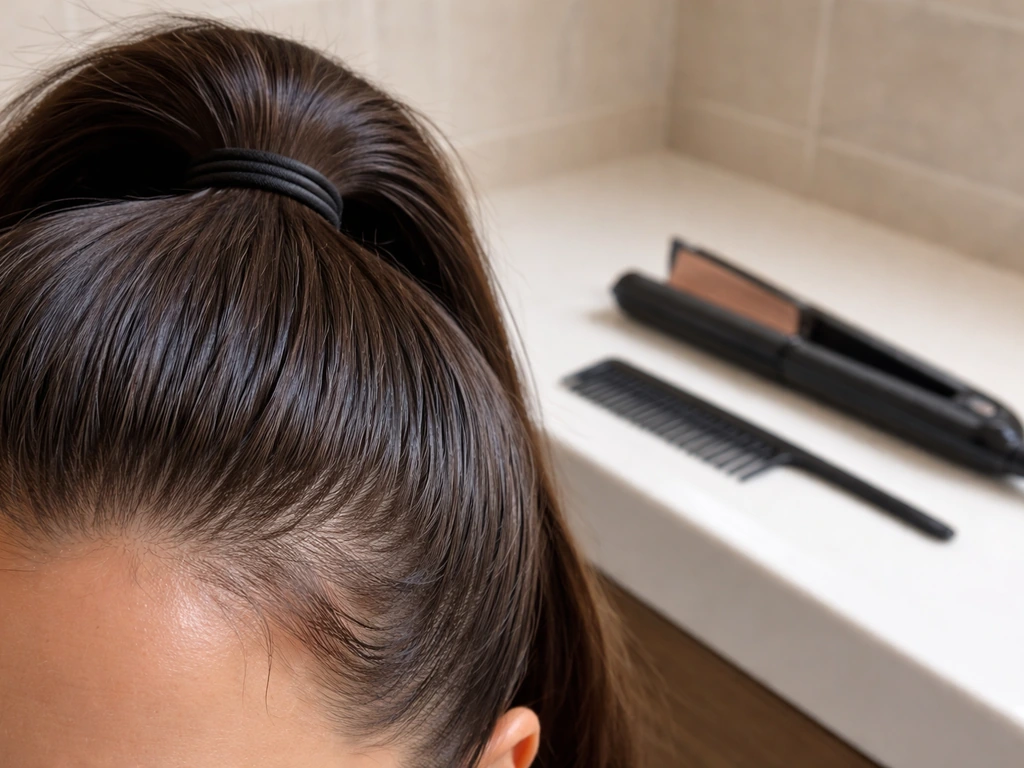
Scalp massage is worth adding to your daily routine. A few studies suggest that regular massage (around four minutes daily) may improve hair thickness over time, likely by increasing blood flow to the follicle and providing mechanical stimulation. You don't need a special tool, just use your fingertips in small circular motions. If you want to go further, how to grow thick hair on scalp goes deeper on scalp-specific care strategies worth exploring alongside the approaches here.
Grow thick hair naturally: nutrition, lifestyle, and targeted supplements
Hair is made of keratin protein, and the follicle is one of the most metabolically active structures in your body. If your diet is short on key building blocks, hair is one of the first things to suffer. This isn't about taking a handful of supplements. It's about making sure the fundamentals are covered.
Protein and iron

Protein deficiency is a direct driver of hair thinning and shedding. Most adults need around 0.8 grams of protein per kilogram of body weight daily as a baseline, and people dealing with hair loss may benefit from being toward the higher end of their range. Focus on complete protein sources: eggs, fish, poultry, legumes with grains, and dairy.
Iron deficiency is one of the most commonly missed causes of telogen effluvium, particularly in women. You don't need to be clinically anemic to have iron stores low enough to affect your hair. A proper workup includes a complete blood count, serum iron, iron saturation, and ferritin. Ferritin below 30 ng/mL is often cited as the threshold where hair shedding becomes more likely, though some practitioners prefer to see it above 70 ng/mL for optimal hair support. If you're supplementing iron, take it with vitamin C to enhance absorption, and avoid taking it with calcium or coffee.
Zinc and vitamin D
Zinc plays a role in hair follicle cycling and protein synthesis, and deficiency is associated with hair loss. It's not something to mega-dose, since too much zinc can actually interfere with iron and copper absorption, but if your diet is low in shellfish, red meat, seeds, or legumes, it's worth assessing.
Vitamin D has receptors in hair follicles, and low levels are associated with various hair loss conditions. The standard dietary recommendation for adults is 600 IU daily (800 IU if you're over 70), but many people, especially those with limited sun exposure, fall below adequate blood levels. If you're dealing with significant hair thinning, getting your 25(OH)D level tested is worthwhile. Daily intakes up to 4,000 IU are generally considered safe for adults, but if you're genuinely deficient, a doctor may recommend a higher short-term protocol (such as 50,000 IU weekly for about eight weeks) followed by maintenance dosing. Don't guess on high-dose vitamin D supplementation without testing first.
What about biotin?
Biotin is heavily marketed for hair growth, but the evidence mostly supports its use in people who are actually deficient, which is relatively uncommon. If you're eating a varied diet, you're probably getting enough. High-dose biotin supplementation can also interfere with thyroid and other lab tests, so flag it to your doctor if you're being tested for anything. Rather than chasing isolated supplements, focus on a nutrient-dense diet as the foundation.
Lifestyle factors that quietly affect hair thickness
Chronic stress keeps cortisol elevated, which can push follicles into the resting phase and suppress new growth. Poor sleep disrupts the hormonal environment that supports hair cycling. Both factors are genuinely difficult to "fix" with a simple habit change, but consistent sleep hygiene (7 to 9 hours, regular schedule) and even modest stress management (exercise, walking, time outdoors) have compounding positive effects on hair over time. These aren't filler advice items. They show up repeatedly as background contributors to unexplained shedding.
Topical treatments and home remedies: what actually works
This is where people spend a lot of money and time, so it's worth being direct about what has evidence behind it and what's more speculative.
Minoxidil
Topical minoxidil is the most evidence-backed over-the-counter treatment for hair thinning, for both men and women. For women, the standard topical dose is 1 mL of 2% solution applied to the scalp twice daily (or a once-daily 5% foam formulation). Minoxidil works by prolonging the growth phase of the follicle and increasing blood supply. In trichoscopy-based studies, it has shown measurable increases in hair shaft diameter over months, which is consistent with reversal of follicle miniaturization. Results take at least three to four months to appear, and you need to keep using it to maintain the benefit. Stopping causes the gains to reverse within a few months. It's also worth knowing that oral low-dose minoxidil (1 to 5 mg daily) is increasingly used off-label and has shown significant effects on hair density and thickness in clinical studies, so it's worth discussing with a dermatologist if topical formulations haven't been sufficient for you.
Microneedling
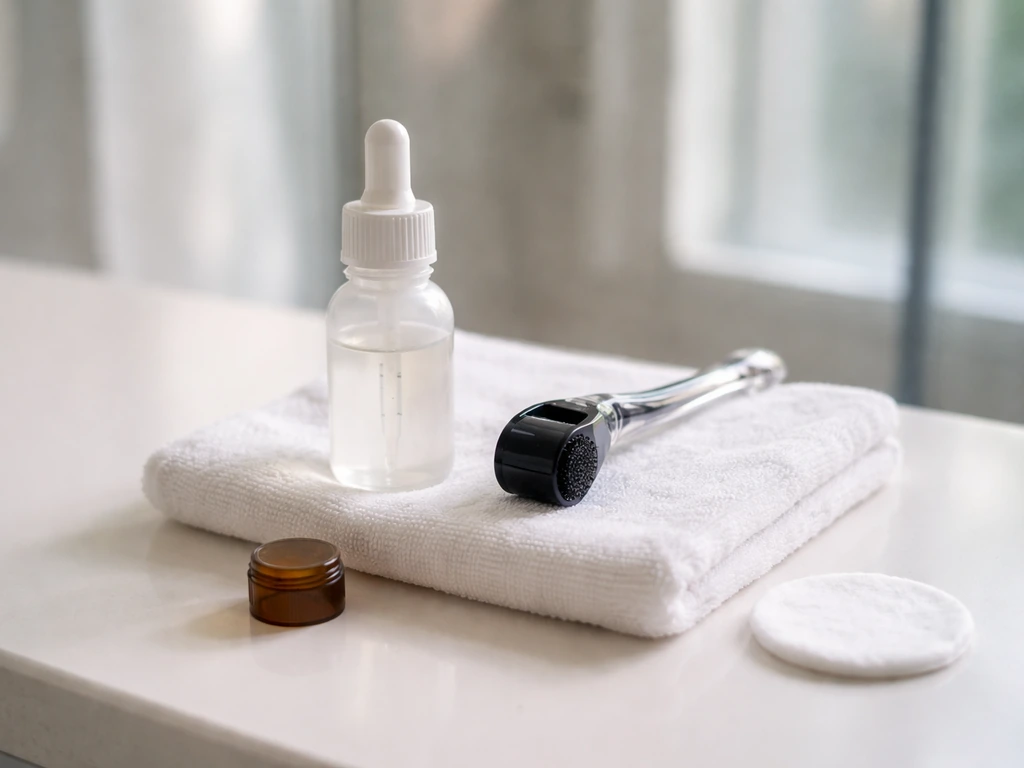
Microneedling the scalp with a dermaroller (typically 0.5 to 1.5 mm depth) has emerging evidence as an adjunct therapy, especially when combined with minoxidil. In one pilot randomized study, microneedling showed noticeable new hair growth at around six weeks, compared to ten weeks in a minoxidil-only group. A combined approach using microneedling every four weeks with twice-daily 5% minoxidil over twelve weeks showed increased hair density and diameter versus minoxidil alone. At-home dermarolling can be done once weekly with a 0.5 mm roller, though the higher-depth treatments that showed the most impressive results were clinic-based.
Caffeine topicals
Topical caffeine has been studied as a hair growth promoter, with a recent systematic review noting consistent potential for reduced hair loss and improved hair growth with minimal adverse effects. The mechanism involves caffeine's ability to counteract DHT's suppressive effect on the follicle in lab settings. Caffeine shampoos and serums are low-risk, relatively affordable options worth adding to your routine, but don't expect them to replace a proven treatment like minoxidil if you're dealing with pattern hair loss.
Natural oils and home remedies
Rosemary oil applied to the scalp has shown results comparable to 2% minoxidil in at least one clinical trial, making it one of the more credible natural options. Castor oil is popular and has some theoretical benefits (ricinoleic acid may support scalp health), but the evidence base is limited. Peppermint oil has shown follicle-stimulating effects in animal studies with some human data emerging. If you want to try oils, apply them to the scalp rather than the hair length, massage in for a few minutes, and rinse thoroughly to avoid buildup. None of these are a substitute for addressing nutritional deficiencies or treating seborrheic dermatitis if either is present.
What to avoid
- Shampoos or serums with aggressive sulfates or alcohol as main ingredients if your scalp is already irritated or dry
- Tight protective styles worn for extended periods without breaks, especially if you're already experiencing thinning around the hairline
- Overloading on supplements, particularly high-dose zinc, vitamin A, or selenium, which can cause hair loss in excess
- Heat styling without a protectant, especially on fine or already-thinning hair
- Assuming one product will solve a nutritional or hormonal root cause
If you have naturally curly or coily texture, a lot of generic "thicken your hair" advice doesn't quite translate. The curl pattern changes how density appears, how products absorb, and which styling approaches actually help. For practical guidance tailored to that texture, how to grow thicker curly hair covers curly-specific strategies worth reading alongside this.
Guidance for women: thinning patterns and what to expect
Female hair thinning is more common than it gets credit for, and it often looks different from the receding hairlines associated with men. The most common pattern in women with androgenetic alopecia is diffuse thinning across the crown and top of the scalp, with the frontal hairline largely preserved. This is called female pattern hair loss (FPHL), and it's driven by the same genetic sensitivity to DHT, though often modified by estrogen levels. Because estrogen tends to be protective, many women first notice significant thinning after pregnancy (when estrogen drops sharply), during perimenopause, or after stopping hormonal contraceptives.
Post-partum shedding is almost always telogen effluvium, meaning it's temporary. The shedding typically peaks around three to four months after delivery and then gradually resolves. It can feel alarming given the volume of hair lost, but in most cases the density returns to its pre-pregnancy baseline within six to twelve months. What can persist is underlying FPHL that was masked during pregnancy by high estrogen.
For perimenopausal and postmenopausal women, the hormonal shift can accelerate FPHL. This is when it's most important to rule out contributing factors like thyroid dysfunction (hypothyroidism is significantly more common in women and causes diffuse shedding), low ferritin, and vitamin D deficiency before attributing all thinning to genetics. A good workup covers thyroid function (TSH, free T4), iron studies, vitamin D, and sometimes androgens including DHEA-S and free testosterone.
Minoxidil 2% or 5% is FDA-approved for women with FPHL. Spironolactone (an oral anti-androgen) is commonly used off-label by dermatologists for women with hormonal hair loss. Some women also explore low-level laser therapy (LLLT) devices, which have modest evidence behind them. The key message: female thinning is treatable, but it often requires identifying the specific driver rather than reaching for a generic "hair growth" product.
For women specifically focused on building thickness from the roots up, the strategies covered in how to grow thicker hair from roots are a natural complement to the treatments discussed here.
What to realistically expect: timelines and tracking your progress
This section deserves honesty. Hair grows slowly, around half an inch per month, and follicle changes happen even more gradually. Here's a realistic framework for what to expect at different stages:
| Timeframe | What you might notice | What's actually happening |
|---|---|---|
| Weeks 1 to 4 | Less scalp irritation, less visible dandruff if you've treated seborrheic dermatitis | Inflammation is reducing; follicular environment improving |
| Weeks 4 to 8 | Possibly less shedding; some people notice increased shedding with minoxidil initially (normal and temporary) | Minoxidil "shedding phase" as follicles shift cycles; new growth beginning |
| Months 3 to 4 | First signs of new growth, slight improvement in fullness | Measurable increase in hair shaft diameter and density beginning |
| Months 6 to 12 | Noticeable thickening, especially at the crown and hairline | Ongoing follicle recovery; shaft diameter increases becoming more visible |
| 12+ months | Full benefit of treatment protocol visible; stable or continuing improvement | Maximum achievable density for your follicle health; maintenance phase |
To track progress objectively, take consistent photos in the same lighting and position every four weeks. A parting photo from directly above under bright, even light is the most revealing. You can also count hairs in a 24-hour shedding collection (lose more than 100 per day consistently and it's worth noting) or ask a dermatologist to do baseline and follow-up trichoscopy to measure shaft diameter and density numbers directly.
When to see a dermatologist
Some hair loss patterns need professional evaluation before you start treating them yourself. See a dermatologist if: you notice sudden patchy loss (could be alopecia areata), visible scarring on the scalp, thinning that accelerates quickly over a few months, or if you've tried the basics for three to six months without any change. Scarring alopecias in particular require biopsy to confirm diagnosis before starting any treatment, since the wrong approach can make things worse. Conditions like lichen planopilaris or frontal fibrosing alopecia look superficially similar to more common types of hair loss but need targeted treatments including topical steroids or immunomodulators rather than standard regrowth approaches.
The goal is to match your intervention to your actual cause. A dermatologist can run the right labs, look at your scalp under trichoscopy, and give you a targeted plan rather than a generic one. If you're managing straight-forward diffuse thinning with no red flags, the nutrition, scalp care, and topical strategies in this guide give you a solid place to start today.
A note on hair that naturally wants to go a certain direction
Some people find that as hair grows in thicker and fuller, managing the direction and weight of growth becomes its own challenge. If you're dealing with that side of things, how to make thick hair grow down addresses the styling and directional aspects that come with successfully growing denser hair.
Your starting point for today
If you want to leave this article with a clear action list, here's how to prioritize what you've just read:
- Rule out the fixable causes first: get blood work for iron (ferritin especially), vitamin D, and thyroid if you haven't recently
- Address scalp inflammation immediately with a medicated shampoo if you have any dandruff or itching
- Audit your protein intake and fill any obvious nutritional gaps before adding supplements
- Start minoxidil if you're dealing with pattern thinning (the 2% formula for women; either 2% or 5% depending on preference) and commit for at least six months
- Add scalp massage daily, reduce heat and traction, and consider a topical caffeine serum or rosemary oil as low-risk additions
- Take baseline photos today so you have something to compare in three months
- Book a dermatologist appointment if your pattern is unusual, progressing rapidly, or if you've already tried the basics without any response
Growing thicker hair takes consistency over months, not weeks. But most people who stick with a targeted approach, one that addresses their actual cause rather than the most-marketed product, do see real improvement. The follicles that are still active can respond. Start with the basics, be patient with the timeline, and adjust based on what you're seeing.
FAQ
How long does it take before you can tell you’re actually growing thicker hair (not just styling better)?
Expect visual changes in stages. Shed-related recovery (like telogen effluvium) often starts after the trigger resolves, but noticeable thickness improvements usually take 3 to 6 months. For minoxidil-based regimens, plan on at least 3 to 4 months to see measurable shaft changes, with ongoing improvement for several more months. Use fixed 4-week photos to distinguish real density gains from temporary volume from product buildup.
Can you grow thicker hair if you have shedding, but no obvious bald patches?
Yes, but the “cause of shedding” matters. If the shedding began 2 to 3 months after stress, illness, childbirth, or rapid weight loss, telogen effluvium is more likely and the focus should be removing the trigger and correcting deficiencies like iron and vitamin D. If shedding is paired with progressive miniaturization (fine vellus hairs, diameter variability), then you’ll likely need longer-term follicle-targeted treatment and earlier diagnosis.
Is it possible that my hair looks thinner because it’s breaking, not because my follicles are miniaturizing?
Yes. Breakage makes hair appear thinner because you lose the ends, so check for lots of short pieces without a white bulb at the root and frequent frizz or split ends. If breakage is the main issue, “growth” products won’t fully solve it, and you’ll need to reduce heat/chemical processing, use a wide-tooth comb on wet hair, and address scalp irritation that worsens tangling.
What’s the quickest way to decide whether my problem is androgenetic alopecia versus diffuse shedding?
Look at timing and pattern. Rapid diffuse shedding often points to telogen effluvium if it follows an event 2 to 3 months earlier. Gradual thinning with increasing fine vellus hairs, diameter differences across hairs, and a longer slow course over years fits androgenetic alopecia. If you’re unsure, trichoscopy and a physical exam are the fastest way to reduce guessing.
Do you have to keep using minoxidil to maintain thickness, and what happens if you stop?
To maintain gains, yes. Hair improvement from minoxidil depends on continued stimulation of the follicle cycle, so stopping usually leads to loss of the newly gained diameter and density within a few months. If you want to taper or switch, do it with a dermatologist’s guidance, especially if you get side effects like scalp irritation or unwanted hair growth.
How should you use medicated dandruff shampoos if you also use minoxidil?
Medicated shampoos and minoxidil can be combined, but timing helps. Shampoo first, rinse thoroughly, then wait until the scalp is fully dry before applying minoxidil to avoid diluting the medication. Also follow the leave-on time (typically 2 to 5 minutes) for anti-inflammatory benefit, and don’t stack multiple strong actives on the same wash day if your scalp gets irritated easily.
Can scalp massage actually thicken hair, or is it just a feel-good routine?
It can help, but it’s likely an adjunct, not a stand-alone cure. The benefit people report is improved scalp circulation and stimulation, but results are subtle and slow, so think “supporting habit” rather than a primary treatment. If scalp massage increases tenderness or flaking, scale back and prioritize controlling inflammation and dandruff.
What lab tests should you ask for if you suspect nutrient or hormone-related hair thinning?
For diffuse thinning, common starting labs include a complete blood count, ferritin, iron studies (iron, saturation), vitamin D (25(OH)D), and thyroid tests (TSH with free T4). Depending on the situation, ask about zinc status if diet is low, and for women with suspected hormonal hair loss, discussion of androgen testing like DHEA-S and free testosterone may be appropriate. Your doctor can decide which tests fit your symptoms and risk factors.
Is there a downside to taking biotin for hair thickness even if you’re not deficient?
Yes. High-dose biotin is marketed for hair growth, but it mostly helps when levels are low. It can also interfere with certain lab tests, including thyroid-related assays, which can delay accurate diagnosis. If you take biotin while getting blood work, tell your clinician so test timing and interpretation can be adjusted.
What if you tried the basics for 3 months, but nothing changed visibly?
That’s a sign to reassess rather than keep repeating the same routine. Hair changes can be slow, but lack of improvement after 3 to 6 months with consistent dandruff control, reduced mechanical stress, and a proven scalp treatment suggests you may need diagnosis refinement (for example, rule out scarring alopecia) or a different medication approach. If you have rapid progression, itching/burning, or patchy loss, get evaluated sooner.
When should you worry about scarring or non-genetic hair loss?
Seek dermatology care promptly if you see visible scalp changes, burning or pain, shiny or scarred-looking patches, or sudden patchy bald areas (possible alopecia areata). Scarring alopecias require earlier confirmation because the wrong treatment can worsen outcomes. Also consider evaluation if thinning accelerates quickly over a few months.
If I’m growing thicker hair, how do I prevent it from getting tangled or poofy in a way that hides density?
Density gains can look less obvious if hair is mismanaged, especially with curls and coils. Use detangling and styling methods that preserve clumps and reduce breakage, and consider texture-specific product amounts so hair can hold shape rather than frizz apart. If you notice lots of new short hairs, that can indicate breakage or over-manipulation rather than true density loss.
Next Articles
Grow Hair Long Tips: Step-by-Step Routine to Reach Length
Step-by-step grow hair long tips: boost scalp health, cut breakage, improve diet, and track progress for length.
Tips for How to Grow Long Hair: A Practical Guide
Actionable tips to grow long hair naturally: care routine, scalp habits, nutrition and breakage prevention for healthy l
Tips to Grow Healthy Hair: Simple Steps, Routine, and Red Flags
Step-by-step tips to grow healthy hair: scalp care, nutrition, routines, breakage prevention, and red flags for thinning