
The things that actually work to grow hair are: fixing the underlying cause of your hair loss, using minoxidil if you have androgenetic alopecia or chronic shedding, keeping your scalp healthy and free of inflammation, eating enough protein and correcting any nutrient deficiencies, and being consistent for at least 12 to 24 weeks before judging results. That's the honest answer. There's no single magic product, and most of the supplements and serums marketed for hair growth do very little unless your body is actually missing something. The good news is that once you match the right approach to your specific situation, real progress is absolutely possible.
What Really Works to Grow Hair: Evidence-Based Plan

Marcus Holloway
14 May 2026
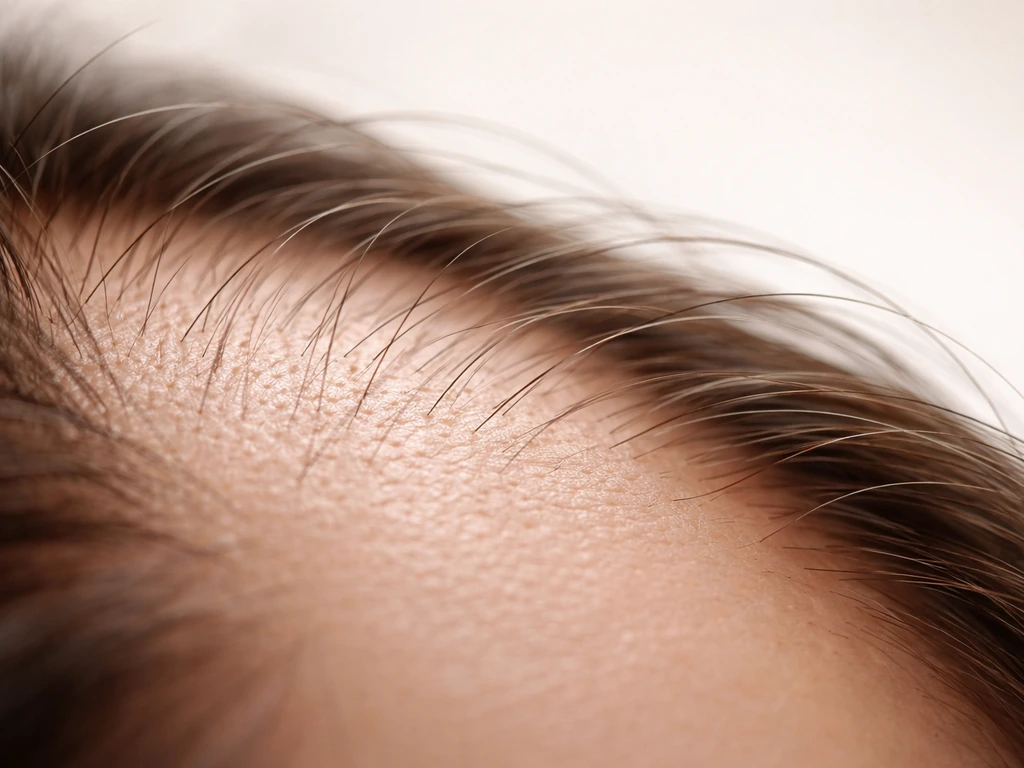
Know what kind of hair loss you have (and why it matters)
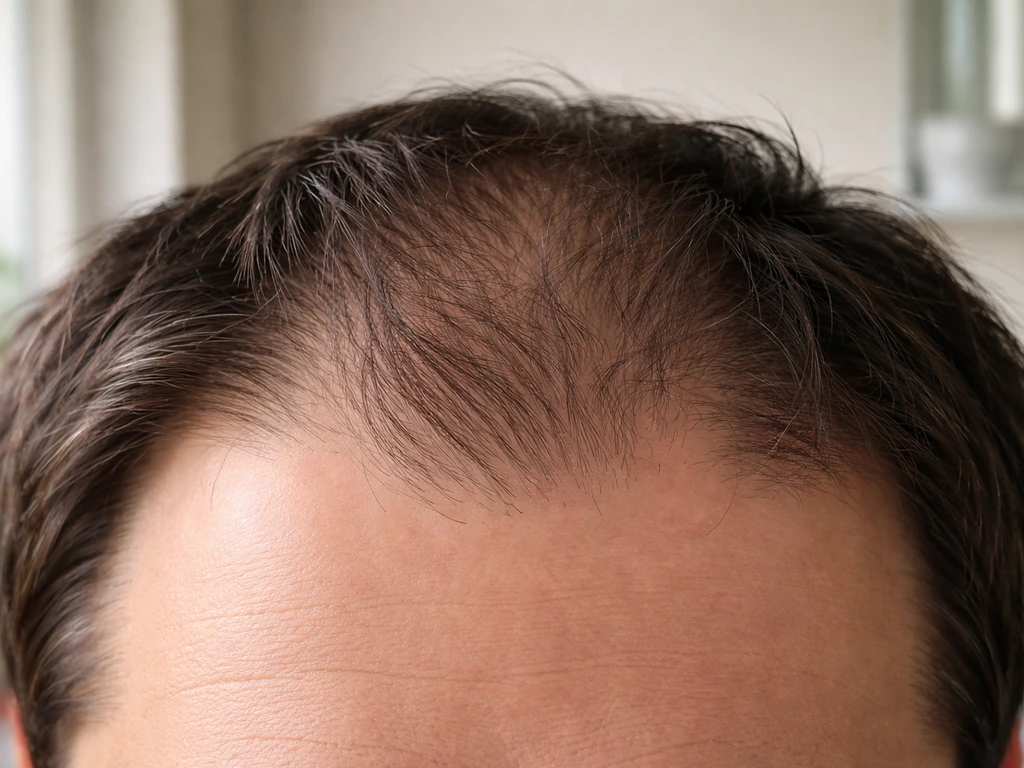
Before you spend money on anything, you need to figure out why your hair is not growing or is falling out. If you're wondering what you need to grow your hair, the first step is figuring out the cause behind your shedding or slow growth why your hair is not growing or is falling out. The cause completely changes what you should do. Using minoxidil for a nutrient deficiency, for example, won't fix anything until the deficiency is corrected. Using an iron supplement when you have androgenetic alopecia won't produce new growth. Getting this step right is the difference between results and wasted months.
Here are the most common causes and how to spot them:
- Androgenetic alopecia (genetic hair loss): gradual thinning in a predictable pattern, usually at the crown and temples in men or a widening part and diffuse thinning at the top in women. This is the most common cause overall.
- Telogen effluvium: sudden, diffuse shedding across the whole scalp, typically starting about 3 months after a triggering event like major illness, surgery, crash dieting, extreme stress, or giving birth. It's usually self-limiting and resolves within about 6 months once the trigger is gone.
- Hormonal causes: thyroid dysfunction (both hypo and hyper), postpartum hormone shifts, and polycystic ovarian syndrome (PCOS) can all cause diffuse shedding or thinning. A blood panel will catch most of these.
- Nutrient deficiencies: iron (especially ferritin), vitamin D, zinc, and protein are the most likely culprits. Hair is low on the body's priority list, so deficiencies show up here first.
- Alopecia areata: sudden, patchy, circular bald spots that appear over a few weeks. During active disease you may see short, tapered 'exclamation point' hairs at the edges of the patches. Nail pitting occurs in roughly 10 to 15% of people with this condition. This is an autoimmune condition that needs a dermatologist.
- Traction alopecia: hair loss along the hairline or wherever tension is greatest from tight ponytails, buns, braids, weaves, or extensions. The pattern directly follows the tension zones.
- Scalp inflammation: seborrheic dermatitis, psoriasis, or folliculitis can disrupt the follicle environment and cause shedding. You'll usually notice flaking, redness, or itching.
- Scarring alopecias: rarer conditions where follicles are permanently destroyed. Early diagnosis is critical here because once scarring occurs, that tissue cannot regrow hair.
If your loss is patchy, sudden, or accompanied by scalp symptoms, see a dermatologist before trying any at-home regimen. If your loss is gradual and patterned, or you've had a clear triggering event, you can reasonably start with the steps below while getting bloodwork done.
One more distinction worth understanding: true hair growth means stimulating follicles into the active (anagen) growth phase to produce new hairs. Reduced shedding and thicker existing hairs are real improvements, but they're not the same as generating new growth. Treatments like minoxidil do both to some degree, while nutrient corrections mainly stop the shedding caused by deficiency rather than dramatically growing new hair.
The highest-evidence options that actually stimulate growth
When it comes to treatments with solid clinical evidence behind them, the list is actually pretty short. That's not a bad thing, it means you can stop second-guessing and focus on what's proven.
Minoxidil
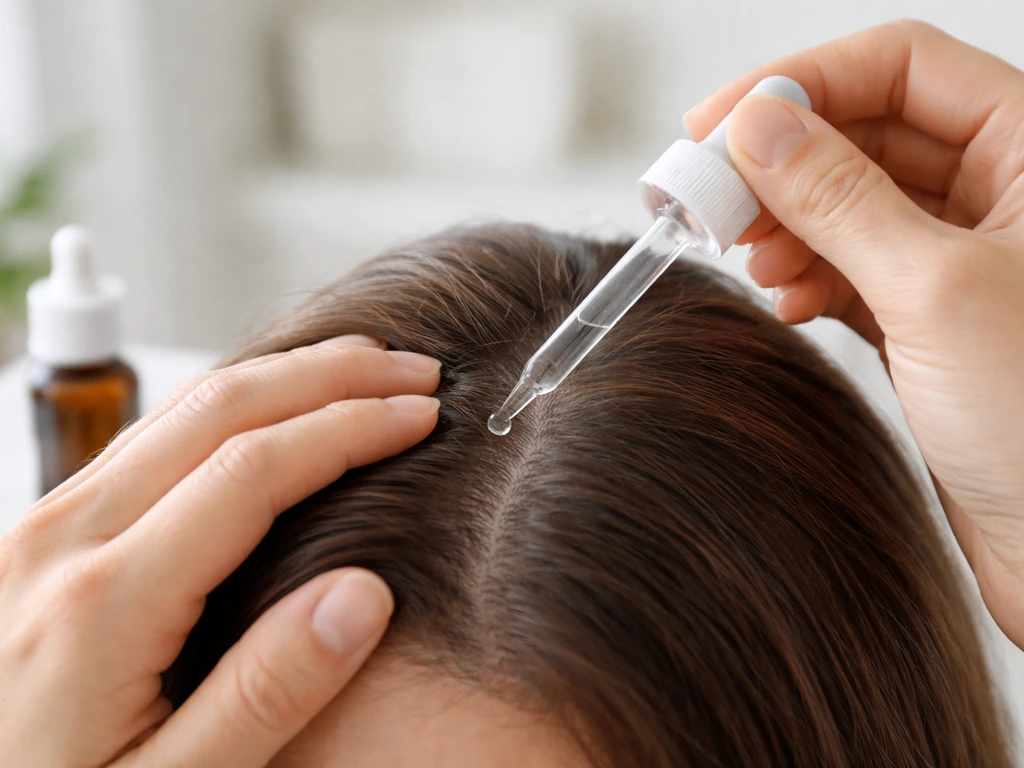
Minoxidil is the most evidence-backed over-the-counter option available. It works by prolonging the anagen (growth) phase and increasing blood flow to the follicle. It's FDA-approved for androgenetic alopecia in both men (5% topical) and women (2% or 5% topical), and oral low-dose minoxidil (0.25 to 2.5 mg/day for women, 2.5 to 5 mg/day for men) has become increasingly popular because it's easier to use consistently. Results take time: most people see meaningful regrowth at 4 to 6 months, with full results at 12 months. You have to keep using it or the new growth will shed within a few months of stopping.
Minoxidil is most effective for androgenetic alopecia and chronic telogen effluvium. It's less useful for alopecia areata or traction alopecia. If you have cardiovascular concerns or are pregnant, check with your doctor before using either oral or topical versions.
Finasteride and dutasteride (for men, primarily)
Finasteride (1 mg/day oral) blocks the conversion of testosterone to DHT, the hormone that shrinks hair follicles in genetically susceptible men. It has strong clinical evidence for male androgenetic alopecia and is often combined with minoxidil for better results. Dutasteride is a stronger version. Both require a prescription. Topical finasteride is an emerging option with fewer systemic side effects. Women of childbearing age should not use either due to risk of birth defects.
Platelet-rich plasma (PRP)
PRP involves injecting a concentration of your own platelets into the scalp to stimulate growth factors. The evidence is reasonably good for androgenetic alopecia, particularly as a complement to minoxidil or finasteride. It's not a standalone cure, it requires repeated sessions (typically 3 to 4 initially, then maintenance), and it's expensive and not covered by insurance. But for people who want to add a clinical option, it's worth a conversation with a dermatologist.
Treating the root cause directly

blank" rel="noopener noreferrer">For telogen effluvium, the most effective 'treatment' is removing the trigger and waiting. Correcting an iron deficiency, stabilizing a thyroid condition, or stopping a medication causing shedding will do more than any topical product. For alopecia areata, corticosteroid injections into the scalp are a standard first-line treatment administered by a dermatologist. StatPearls (NCBI Bookshelf) also describes active alopecia areata as often starting over a few weeks, with characteristic exclamation-mark hairs at the lesion periphery, and notes nail involvement in roughly 10, 15% of patients blank" rel="noopener noreferrer">corticosteroid injections into the scalp are a standard first-line treatment administered by a dermatologist. For traction alopecia, the intervention is simply changing the hairstyle and reducing tension, early cases often recover fully with this alone.
Scalp health: fix inflammation, shedding, and clogging issues
Your scalp is where hair actually grows, and a chronically inflamed, flaky, or clogged scalp creates a hostile environment for follicles. This step is often skipped, but it's foundational, especially if you have any itching, flaking, oiliness, or redness.
Seborrheic dermatitis is one of the most common and underdiagnosed causes of hair shedding. It's a relapsing fungal and inflammatory condition that shows up as yellow or white flakes, oiliness, and scalp irritation. The American Academy of Dermatology recommends antifungal shampoos (ketoconazole 1% is available over the counter, 2% by prescription) as a core treatment. The key is leaving the shampoo on for the recommended contact time (usually 3 to 5 minutes) rather than rinsing immediately, most people don't do this and wonder why it's not working. Washing frequency matters too: shampooing regularly (daily to every other day for oily, flaky scalps) reduces the yeast load and inflammation.
Beyond treating active conditions, general scalp hygiene habits make a real difference. Scalp massages performed for about 4 minutes daily have shown modest evidence for increasing hair thickness over time, likely by improving blood flow and stretching follicle cells mechanically. Use fingertip pads, not nails. If you use a lot of styling products, a clarifying shampoo used once a week or biweekly removes buildup that can block follicles. Keeping heat tool use low and avoiding tight hairstyles that pull on the hairline reduces mechanical stress on follicles.
- Use a ketoconazole or zinc pyrithione shampoo 2 to 3 times per week if you have flaking or itching, leaving it on for at least 3 minutes before rinsing
- Clarify once weekly if you use dry shampoo, heavy conditioners, or styling products regularly
- Massage your scalp daily for 4 to 5 minutes using fingertip pressure
- Avoid tight hairstyles along the hairline and temples, particularly if you've noticed recession in those areas
- Don't scratch or pick at a flaking scalp—it increases inflammation and can damage follicles
Nutrition + supplements: what helps (and what's mostly hype)
Nutrition is one of the most important but also most over-marketed areas of hair growth. Here's the honest breakdown: correcting a true deficiency can stop deficiency-related shedding dramatically and relatively quickly. But if your levels are already normal, adding more of that nutrient does essentially nothing for your hair. This is why bloodwork matters before you invest in supplements.
What actually matters
Protein is the single most important dietary factor. Hair is made of keratin, a protein, and inadequate protein intake is a fast route to increased shedding. Most adults need at least 0.8 grams per kilogram of body weight daily, and people experiencing significant hair loss often benefit from pushing toward 1.2 to 1.6 grams per kilogram. If you've been eating very little, lost significant weight quickly, or follow a restrictive diet, protein should be your first focus.
Iron (specifically ferritin, the storage form) is the most commonly overlooked deficiency in women with hair loss. Many doctors clear iron as 'normal' based on hemoglobin, but ferritin below 30 to 40 ng/mL is commonly associated with hair shedding even without full anemia. Ask specifically for a ferritin test. Vitamin D deficiency is widespread and clearly linked to hair follicle cycling. Zinc plays a role in follicle repair and regulation, and deficiency causes noticeable shedding. Omega-3 fatty acids from food (fatty fish, flaxseed, walnuts) support scalp health and reduce inflammatory signals.
Biotin: mostly overhyped unless you're deficient
Biotin is probably the most aggressively marketed hair supplement, but true biotin deficiency is rare. If you eat a reasonably varied diet, you almost certainly have enough biotin. Supplementing won't hurt (it's water-soluble), but don't expect it to grow hair unless you're actually deficient. A more practical concern: high-dose biotin supplementation can interfere with thyroid and cardiac lab tests, so mention it to your doctor if you're getting bloodwork.
Botanicals and hair-focused supplements
Saw palmetto has the most interesting botanical evidence, particularly for androgenetic alopecia in men, as it may mildly inhibit DHT. The effect is weaker than finasteride, but the side effect profile is much more favorable. Some studies show modest improvement in hair count and thickness with consistent use. It's a reasonable add-on for men who can't or don't want to use finasteride. For women, the evidence is thinner. Other commonly marketed ingredients like horsetail, collagen peptides, and marine protein complexes have limited or inconsistent clinical evidence, some people report benefit, but well-controlled trials are sparse.
| Nutrient / Supplement | Best evidence for | Worth it if... | Skip if... |
|---|---|---|---|
| Iron (ferritin) | Deficiency-related shedding in women | Ferritin is below 40 ng/mL | Levels are already normal |
| Vitamin D | Follicle cycling support | Deficient (very common) | Already supplementing or levels are normal |
| Zinc | Follicle repair, shedding reduction | Diet is low in zinc (common in vegans) | Levels are normal; excess zinc causes hair loss too |
| Protein | All hair loss types | Daily intake is under 0.8g/kg body weight | You're already eating adequate protein |
| Biotin | True biotin deficiency (rare) | You have confirmed deficiency | Just following marketing advice |
| Saw palmetto | Mild DHT inhibition in androgenetic alopecia | Men wanting a gentler alternative to finasteride | You want strong results quickly |
| Omega-3 fatty acids | Scalp inflammation, hair density | Diet is low in fatty fish or seeds | You already eat fatty fish 2+ times per week |
Natural/topical/home remedies: what to try safely and what to skip
Natural remedies for hair growth get a lot of attention, and some of them have legitimate supporting evidence while others are mostly tradition or marketing. Here's an honest take on the most popular ones.
Worth trying
- Rosemary oil: the most evidence-supported essential oil for hair growth, with a few small trials showing results comparable to 2% minoxidil over 6 months for androgenetic alopecia. Dilute 2 to 3 drops in a carrier oil (like jojoba or coconut) and massage into the scalp 2 to 3 times per week. It's low-risk and well-tolerated.
- Pumpkin seed oil: shows some evidence for DHT inhibition and improved hair count in men with androgenetic alopecia, taken orally (400 mg/day in the main study). A reasonable, low-risk addition.
- Scalp massage with a carrier oil: even without essential oils, regular scalp massage improves circulation. Coconut oil also reduces protein loss from hair during washing, which helps with breakage on curly and coily hair textures.
- Caffeine-containing shampoos: some evidence suggests topical caffeine may counteract DHT's effects at the follicle level and extend the anagen phase. Worth trying if you want a simple, low-effort option.
- Onion juice (applied topically): a few small studies show improved regrowth in alopecia areata when applied twice daily. Not glamorous, but the evidence is surprisingly reasonable for such a simple remedy.
Skip or approach with caution
- Undiluted essential oils directly on the scalp: tea tree, peppermint, and others can cause contact dermatitis and chemical burns when applied neat. Always dilute to 1 to 2% in a carrier oil.
- Rice water rinses: widely popular, especially in the natural hair community, but evidence is largely anecdotal. Won't harm hair but don't expect dramatic regrowth.
- Inversion method (hanging your head upside down): no real evidence this does anything meaningful for growth, and it can cause dizziness.
- Castor oil as a standalone regrowth treatment: popular for eyebrows and hairlines, but the clinical evidence for actual hair growth is very weak. It can cause buildup and is hard to wash out fully.
- Any product claiming results in 2 to 4 weeks: the hair growth cycle simply doesn't work that fast. Anagen progression takes months. Treat claims of rapid, dramatic regrowth as a red flag.
How to build a 12 to 24 week hair growth plan (with tracking)
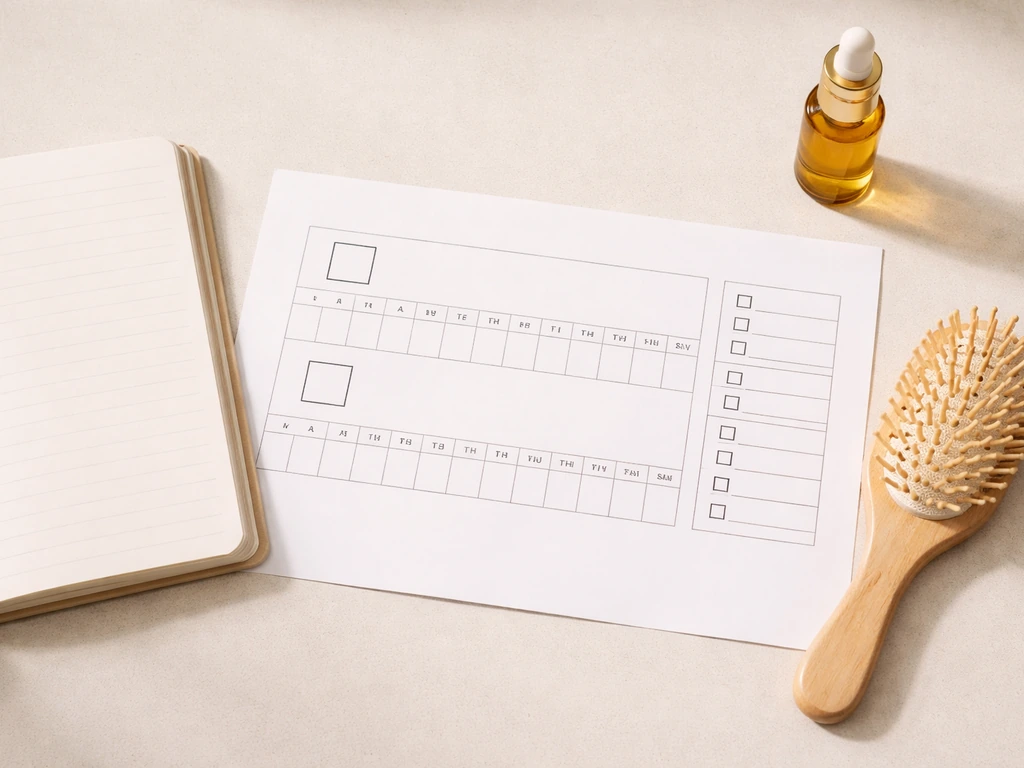
The biggest mistake people make is starting too many things at once, not seeing results in 6 weeks, and giving up or switching to something else. Hair growth is slow by biology, around half an inch per month on average, and treatments need 3 to 6 months to produce visible change. You need a plan with a realistic timeline, a way to track progress, and a decision point for adjusting. If you want a practical way to put all of this into action, follow a clear plan for how to actually grow your hair over the next few months.
Weeks 1 to 4: foundation
- Get bloodwork done: ferritin, vitamin D, zinc, thyroid panel (TSH, free T3, free T4), and a complete blood count. If you're a woman with patterned thinning, add DHEA-S and free testosterone.
- Take baseline photos in the same lighting, from the same angles (top, sides, hairline), every 4 weeks. This is the most useful tracking tool—memory alone is unreliable.
- Start a scalp care routine: address any dandruff, itching, or flaking with an antifungal or zinc pyrithione shampoo. Begin daily scalp massage.
- Assess and improve your protein intake. Aim for at least 1 to 1.2 grams per kilogram of body weight daily.
- Start correcting any deficiencies found in bloodwork with appropriate supplements.
Weeks 4 to 12: add targeted treatment
- If you have androgenetic alopecia or chronic diffuse shedding, start minoxidil (topical or oral, based on your preference and doctor's input). Apply consistently—skipping days reduces effectiveness.
- If you're a man with androgenetic alopecia and want stronger results, discuss finasteride with a dermatologist or primary care doctor.
- Add rosemary oil massages 3 times per week if you want a complementary natural option.
- Continue addressing deficiencies and retest ferritin and vitamin D at 8 to 12 weeks to confirm levels are improving.
Weeks 12 to 24: evaluate and adjust
- Compare your 12-week photos to baseline. Look for reduced parting width, new shorter hairs at the hairline or crown, and reduced daily shed count (a normal shed is 50 to 100 hairs per day).
- If you're on minoxidil, don't judge results before 16 to 20 weeks—the initial shed that some people experience in weeks 2 to 8 is normal and temporary.
- If shedding has not improved by week 16 with nutrient correction, or you're not seeing any regrowth by week 20 to 24 with minoxidil, book a dermatology appointment.
- If results are positive, continue the regimen—consistency is what maintains gains.
Adjusting for different situations
For postpartum women: telogen effluvium after birth is normal and usually resolves on its own by 6 to 12 months postpartum. Focus on protein, iron, and vitamin D. Minoxidil is not recommended while breastfeeding. The best approach is patience plus nutrition support. For men with aggressive androgenetic alopecia: start both minoxidil and finasteride together for the best combined evidence. For people with curly, coily, or textured hair: protective styling helps prevent breakage, but keep tension low. Scalp care, moisture balance, and gentle detangling are critical because breakage can mimic shedding and create the illusion of hair loss.
Maintenance, prevention, and when to see a dermatologist
Protecting what you've grown
Once you've gotten results, the goal shifts to protecting your gains and preventing new loss. For androgenetic alopecia, this means continuing your treatment indefinitely, because the genetic predisposition doesn't change. For deficiency-related shedding, fixing the deficiency and maintaining adequate intake going forward is the maintenance plan. For traction alopecia, permanent hairstyle changes are necessary, reverting to tight styles will bring the problem back.
In daily practice, reducing heat styling to a few times per week, using a heat protectant when you do, sleeping on a silk or satin pillowcase (reduces friction and breakage), and keeping hair adequately moisturized and trimmed to reduce split ends all contribute to retaining length and thickness over time. None of these grow hair on their own, but they reduce the breakage and damage that can undo real growth progress. If you want the best natural ways to grow hair, the most reliable starting point is matching the approach to the specific cause of your shedding or slow regrowth.
When you need a dermatologist, not a product
Some hair loss situations genuinely require professional diagnosis and treatment, and delaying that appointment in favor of trying products can cost you time and, in some cases, follicles. See a dermatologist if:
- You have patchy, circular bald spots appearing over days to weeks (possible alopecia areata)
- Your scalp shows redness, scarring, pain, burning, or crusting in areas of hair loss
- Hair loss is sudden and severe (more than 300 to 400 hairs per day consistently)
- You've been using minoxidil consistently for 6 months with no response at all
- You're a woman with patterned thinning and haven't ruled out hormonal causes with bloodwork
- Hair loss is accompanied by other symptoms like fatigue, weight changes, or skin changes that suggest a systemic condition
- You suspect a medication you're taking may be causing hair loss (many medications can cause this as a side effect)
- A child or teenager is experiencing significant hair loss
A dermatologist can perform dermoscopy (a magnified scalp examination), pull tests, and biopsy if needed to get a definitive diagnosis. Prescription options, topical steroids for alopecia areata, spironolactone for hormonal hair loss in women, stronger topical treatments, are only available through a provider and can make a significant difference when the diagnosis calls for them. Getting the right diagnosis is always step one, no matter what you read about what 'really works.' The best treatment in the world for the wrong condition still won't work.
FAQ
How long should I try minoxidil before deciding it is not working?
Give it at least 6 months for meaningful regrowth (many people need 12 months for the fullest change). If you see no reduced shedding or no regrowth after 4 to 6 months, reassess the diagnosis and confirm you are using the correct concentration and frequency consistently.
Will minoxidil cause increased shedding at the beginning?
Yes, some people experience early shedding as follicles shift into a new growth cycle. This can look alarming, but it is not the same as ongoing worsening. Use consistent application and judge results after the initial adjustment window, typically several months.
Do I need to keep taking finasteride or dutasteride once I see results?
For androgenetic alopecia, hair tends to revert toward baseline after stopping because the underlying hormone-driven follicle miniaturization remains. Plan on long-term use, and discuss options if you want to pause (including expected timing and regrowth loss).
Is oral minoxidil as effective as the topical version?
Oral low-dose minoxidil can work for some people and may improve adherence, but dosing is off-label in many contexts and requires medical guidance. Ask your clinician about starting dose, monitoring, and what to do if you develop side effects like swelling, dizziness, or heart palpitations.
What blood tests should I ask for if I suspect a nutrient issue?
Beyond general labs, ask specifically for ferritin (storage iron), vitamin D, and consider thyroid testing if hair loss is diffuse or fatigue and weight changes are present. Hemoglobin alone can miss iron-related shedding when ferritin is low.
If my iron and vitamin D labs are normal, should I still take supplements?
Usually no, because adding nutrients to normal levels often does not meaningfully improve growth. If you still want to supplement, do it under clinician guidance, and avoid mega-doses that can cause side effects or interfere with lab interpretation.
How can I tell the difference between shedding and breakage?
Shedding means actual hairs are falling out from the root (often with a small bulb). Breakage creates short pieces without bulb and usually follows dryness, heat, chemical processing, or tight styling. Tracking wash days, using gentle handling, and looking at the root end helps clarify which problem you are treating.
What scalp signs mean I should get evaluated before trying OTC products?
If you have pain, pus, crusting, rapidly expanding bald patches, or significant itching plus scaly, inflamed skin, see a dermatologist first. Those patterns can indicate conditions that need prescription treatment rather than antifungals or “hair growth” products.
How should I use ketoconazole or other antifungal shampoos for shedding from seborrheic dermatitis?
Leave the shampoo on the scalp for the full recommended contact time, typically a few minutes, then rinse. If you rinse immediately or only use it sporadically, yeast-driven inflammation may not calm down, reducing the chance of improvement in shedding.
Can scalp massage help, and how much is enough?
Massage may provide modest thickening support, but it is not a substitute for treating the cause of hair loss. Keep it gentle using fingertip pads for a few minutes daily, avoid aggressive rubbing, and stop if you notice irritation or increased flaking.
Is biotin useful for hair growth if I am not sure I am deficient?
Biotin deficiency is uncommon in people with a varied diet, so it often does not produce new growth when levels are normal. If you take it and then get thyroid or cardiac tests, tell your clinician because high-dose biotin can skew results.
Can saw palmetto replace prescription medications like finasteride?
Saw palmetto is generally weaker than finasteride for androgenetic alopecia and is more of an add-on for some people than a true replacement. If you are aiming for the strongest evidence-based approach, talk with a clinician about whether finasteride or similar options are a better match.
What should I do if I have postpartum hair shedding?
Postpartum telogen effluvium often improves on its own within 6 to 12 months. Focus on adequate protein, iron, and vitamin D, and if you are breastfeeding, avoid minoxidil unless your clinician advises otherwise.
Is PRP worth trying, and what should I expect?
PRP can help some people with androgenetic alopecia, but it is usually not a one-time fix. Expect multiple sessions and a maintenance plan, and consider cost and access, since results vary and insurance often does not cover it.
When should I suspect my hair loss is actually hormonal and seek a specific evaluation?
Consider hormonal evaluation if hair loss is accompanied by irregular periods, acne, scalp hair thinning without much recession at the temples, or signs of androgen excess. In women, prescription options like anti-androgen therapy may be appropriate when a clinician confirms the pattern.
What is the most effective way to track whether treatment is working?
Take standardized photos (same lighting, same angle, monthly), and use simple metrics like reduced shedding, reduced scalp inflammation, or visible density changes at the same part line. Avoid switching too many products within the first 3 to 6 months, since hair cycling is slow.
Next Articles
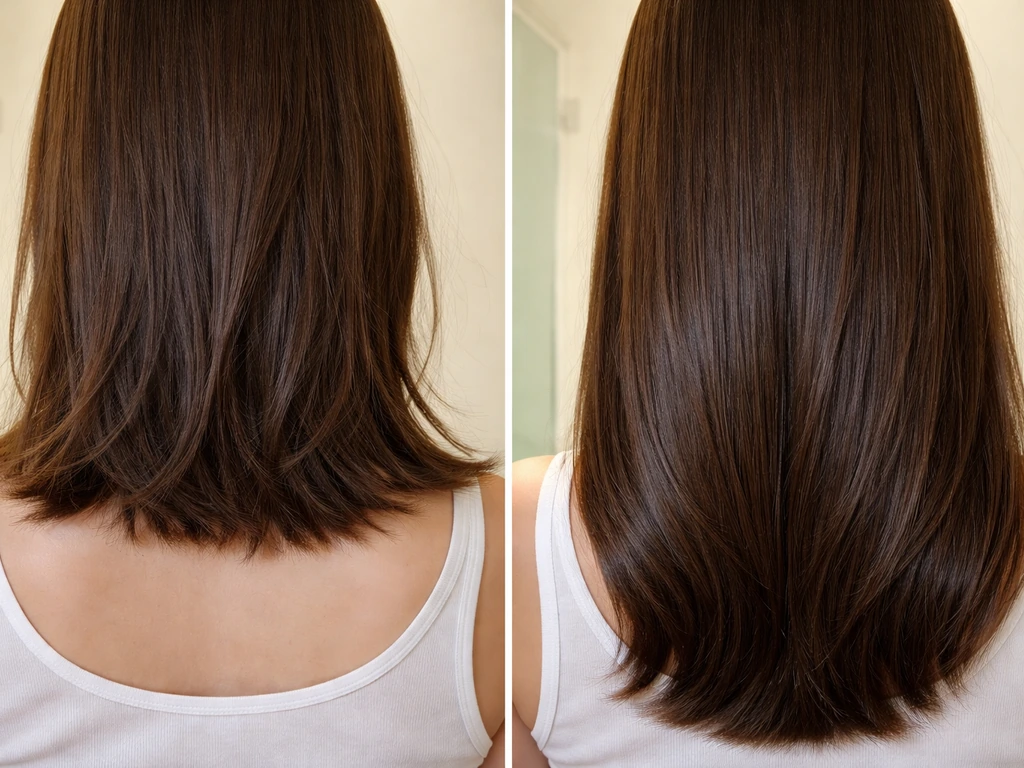
Tips on How to Grow Your Hair Out: A Step by Step Guide
Step-by-step tips to grow hair out: stop breakage, build scalp routine, nutrition, safe actives, and track progress.
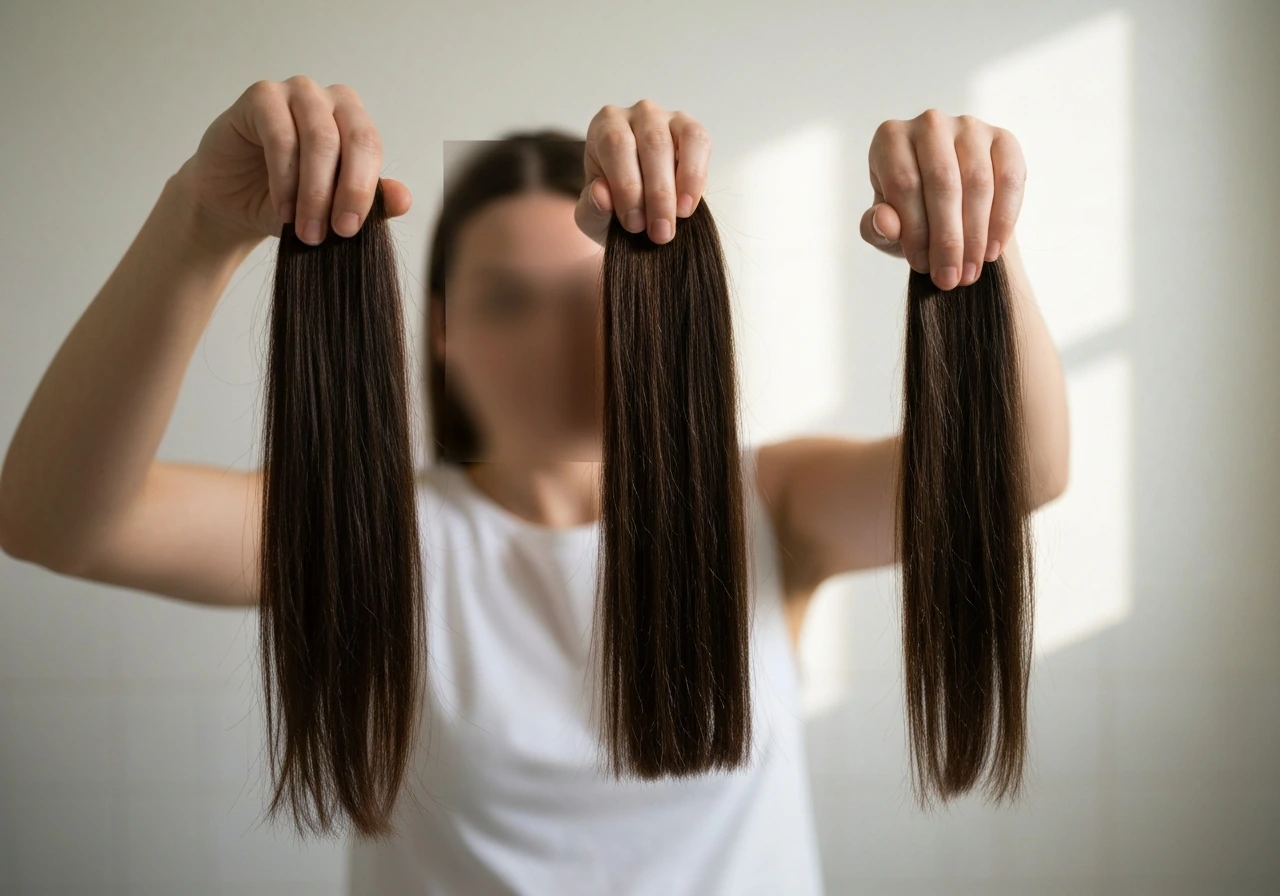
Grow Hair Long Tips: Step-by-Step Routine to Reach Length
Step-by-step grow hair long tips: boost scalp health, cut breakage, improve diet, and track progress for length.
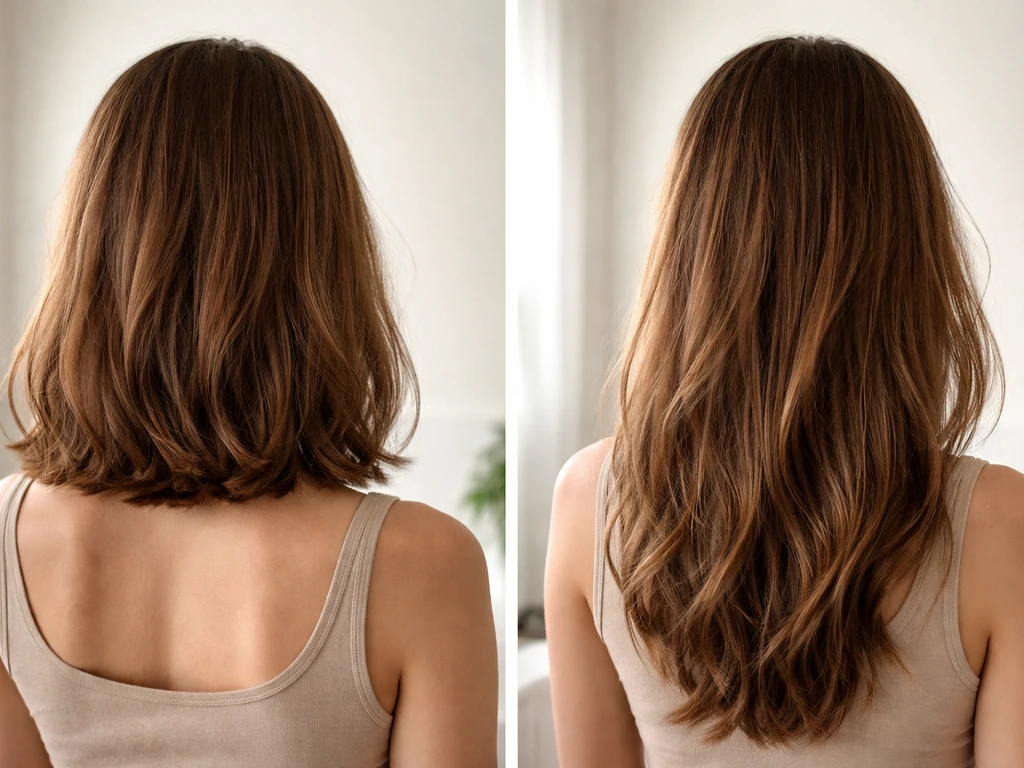
Tips for How to Grow Long Hair: A Practical Guide
Actionable tips to grow long hair naturally: care routine, scalp habits, nutrition and breakage prevention for healthy l