
No hairstyle actually makes your hair grow faster. That part is worth saying upfront, because a lot of advice online blurs the line between "stimulating growth" and "keeping the hair you grow." What certain hairstyles do really well is protect your strands from the daily friction, tension, and mechanical stress that causes breakage, and when you stop losing an inch every time your hair hits your collar, it finally starts to feel like it's growing. That's length retention, and it's the real goal here.
What Hairstyles Grow Your Hair and Help Retain Length

Marcus Holloway
24 Mar 2026
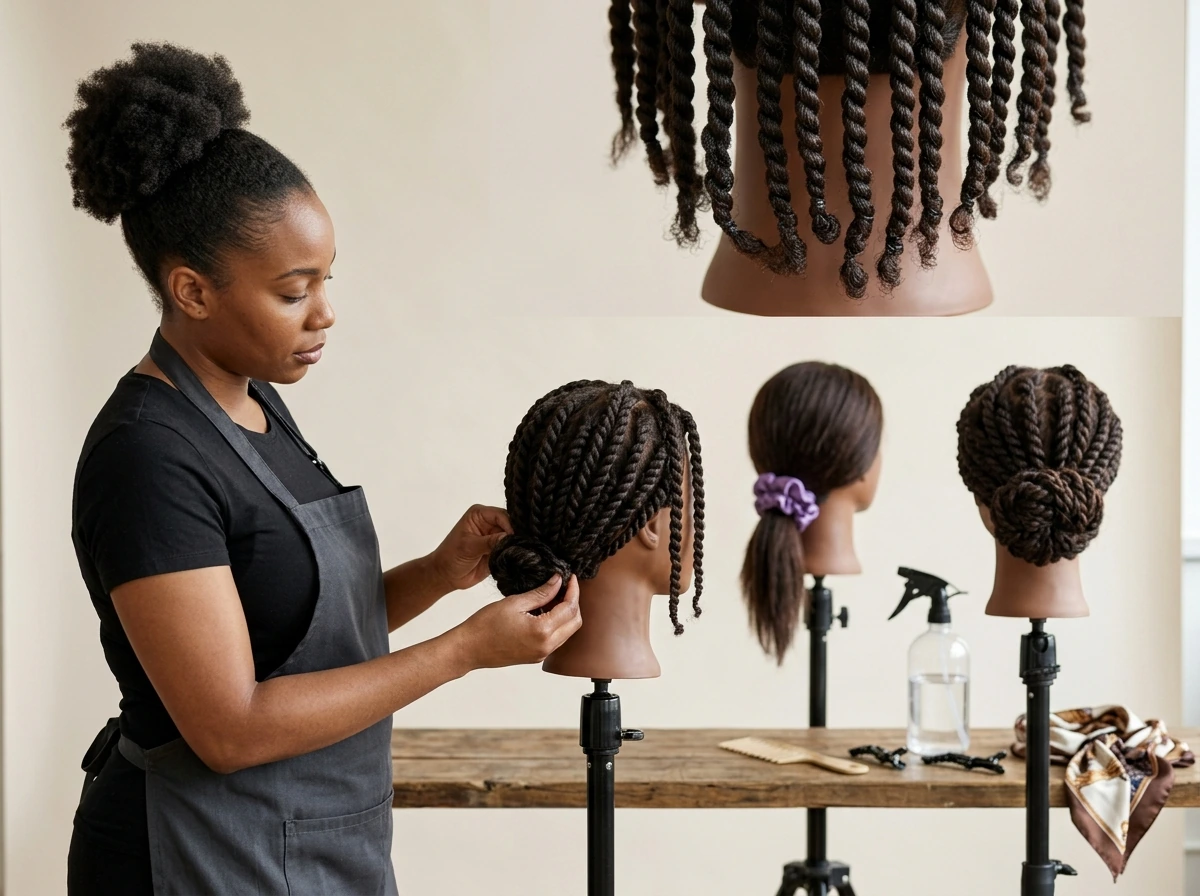
Hair growth vs. "growing your hair": what hairstyles can and can't do
Your hair grows from follicles in your scalp, cycling through anagen (active growth), catagen (a brief transition phase), and telogen (resting, then shedding). The anagen phase is where length happens, and for most people it lasts anywhere from two to six years depending on genetics. No hairstyle changes how long you stay in anagen. What hairstyles do influence is how much of that growth you actually keep.
Think of it this way: if your hair grows half an inch a month but you're losing a quarter inch to breakage and split ends, you're only netting a quarter inch. Switch to a style that cuts breakage dramatically, and suddenly you're retaining most of what your follicles produce. That feels like faster growth, even though your biology hasn't changed. This is why the hairstyle conversation matters so much for anyone frustrated by hair that seems stuck at the same length for years.
The other side of the hairstyle equation is scalp health. Tight, high-tension styles don't just break existing strands, over time, repeated mechanical pulling damages the hair follicle itself, including the dermal papilla, which is the structure responsible for producing new hair. That's the mechanism behind traction alopecia, and it's a case where a hairstyle genuinely does interfere with growth at the source. So while styles can't speed up your follicles, the wrong ones can slow them down or shut them off permanently.
The biggest hairstyle drivers of breakage and traction (what to avoid)
Most hair damage falls into two categories: mechanical breakage along the hair shaft, and traction damage at the root. Both are preventable, and both are caused by styling habits that feel completely normal until the damage becomes visible.
High-tension styles that risk your follicles
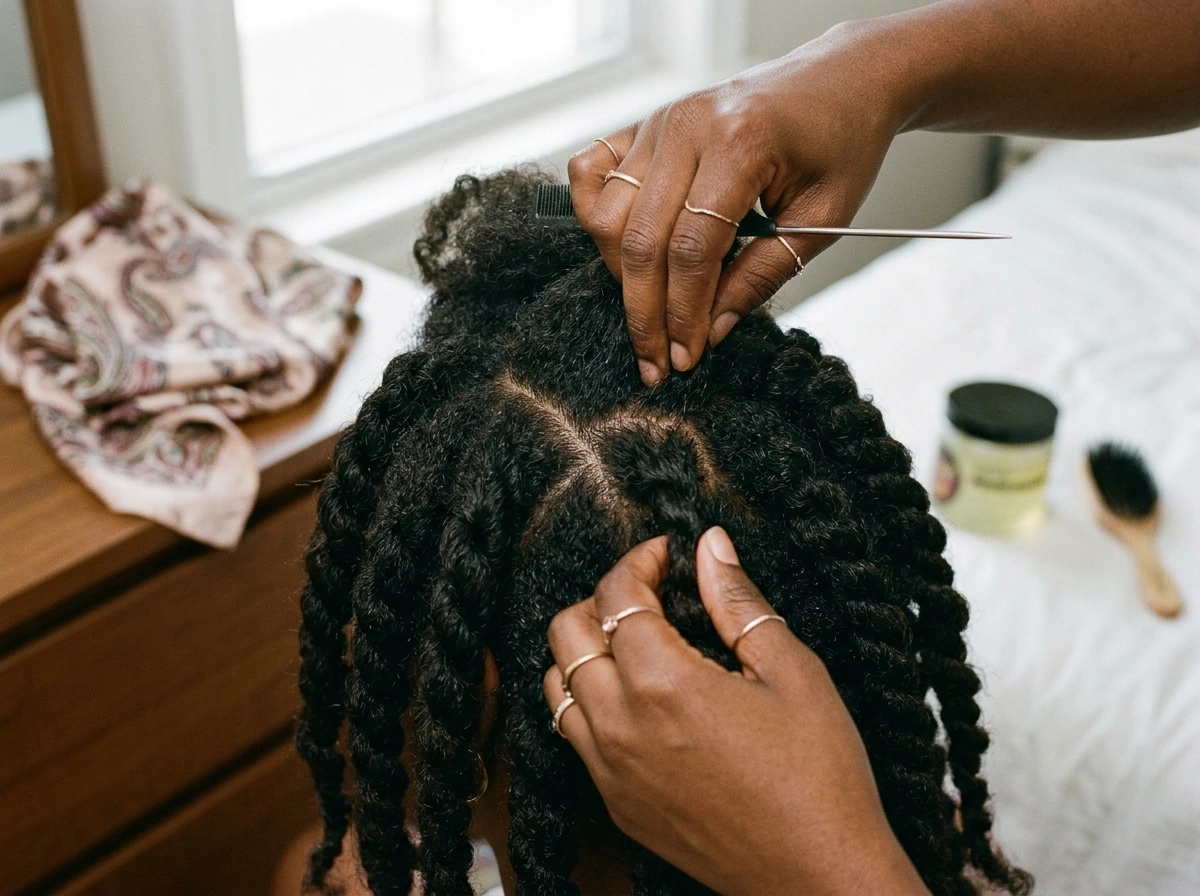
Tight ponytails, slicked-back buns, tight braids, cornrows, weaves, and dreadlocks are the most commonly flagged styles for traction alopecia risk. The American Academy of Dermatology recommends wearing these styles only occasionally, not as a daily default. The American Academy of Dermatology advises stopping hairstyles that pull the hair tightly, because frequently wearing tight, traction-inducing styles can cause traction alopecia American Academy of Dermatology recommends wearing these styles only occasionally. The scalp's hairline, especially the temples and nape, is the most vulnerable area because the follicles there sit in thinner skin with less cushioning. If you're seeing thinning along your hairline or edges, high-tension styling is often the first thing to reassess.
Hair extensions add an extra layer of concern. The American Academy of Dermatology (AAD) notes that weaves and extensions can damage natural hair and may contribute to hair loss if precautions and care are not taken blank" rel="noopener noreferrer">Hair extensions add an extra layer of concern.. When extensions are longer than shoulder length, the added weight increases the pull on your roots. Research suggests limiting extension wear to roughly three to four weeks at a time when possible, and alternating with natural, tension-free styles to give follicles a chance to recover.
- Tight rubber bands and elastic ponytail holders create a concentrated pressure point that weakens strands at the tie site
- Clips and beads that tug or dig into the scalp can cause localized traction over time
- Braids or cornrows installed very close to the scalp increase root tension significantly
- Wearing the same style in the same place every day compounds the damage even if the tension itself feels mild
Mechanical breakage along the shaft
Breakage during combing and detangling is one of the most underrated causes of stalled length. Research on hair breakage pathways identifies compression, abrasion, snagging, and impact loading as key forces that snap strands, all of which happen during a rough detangling session. Prolonged use of aggressive detangling brushes has also been linked to acquired hair shaft damage patterns including kinked and broken hairs. The fix here is technique and tool choice, which I'll cover in the maintenance section below.
Protective hairstyle options that support length retention
Protective styles work by tucking away your ends (the oldest, most fragile part of each strand), minimizing daily manipulation, and reducing friction from clothing, pillowcases, and the environment. Done correctly, they're the most effective tool you have for retaining length.
Styles worth trying
- Loose braids and twists: ends are protected, manipulation is low, and tension is minimal when installed correctly
- Buns and updos worn loosely: keep ends off your collar and reduce friction without pulling at the root
- Bantu knots: effective for coily and curly textures, good length retention when not worn too tightly
- Low manipulation styles: wash-and-go's, loose braid-outs, and twist-outs that you leave in for several days at a time
- Wigs (non-glued, properly fitted): offer full scalp rest when your natural hair is loosely tucked underneath and your edges aren't being pulled
- Satin or silk-lined styles and accessories: reduce friction breakage compared to cotton or rubber
Do's and don'ts for protective styling
| Do | Don't |
|---|---|
| Install braids and twists loosely enough that you feel no scalp tension | Pull edges tight for a sleek look — hairline thinning is a common consequence |
| Moisturize hair before installing a style and refresh mid-wear | Leave a protective style in so long that buildup and matting make removal traumatic |
| Use soft scrunchies, satin ribbon, or coil hair ties to secure styles | Use rubber bands or tight elastic holders at the same point repeatedly |
| Give your scalp rest days between protective styles | Go straight from one tight style into another without a break |
| Limit extension wear to 3–4 weeks when possible | Add extra-long extensions without factoring in the added weight on your roots |
| Sleep on a satin pillowcase or wear a satin bonnet | Sleep on rough cotton with loose strands creating friction all night |
How to style for different hair types and textures
Hair type matters a lot here because different textures have very different strengths, vulnerabilities, and moisture needs. A tight bun that a straight-haired person wears daily might look fine on the outside while causing real tension at the root; coily hair installed into dry, tight braids is prone to severe breakage on removal. Here's how to think about it by texture.
Straight hair (Type 1)
Straight hair has a smooth cuticle that lies flat, which actually makes it more vulnerable to visible grease buildup and somewhat less prone to tangling. The main risks are tight elastics creating a weak point mid-shaft, and daily heat styling thinning strands over time. Low ponytails secured with soft ties, loose braids overnight, and avoiding daily heat are the highest-return moves. Letting hair down as much as possible and varying your ponytail placement so tension doesn't concentrate in the same spot daily will go a long way.
Wavy hair (Type 2)
Wavy hair sits between straight and curly in terms of fragility. The wave pattern creates slight stress points where the strand bends, making it more prone to breakage than straight hair but more manageable than tightly coiled textures. Loose braid-outs, loose buns, and diffusing instead of brushing while wet are all solid approaches. Avoid brushing when dry, which disrupts the wave and creates frizz-driven manipulation that leads to breakage.
Curly hair (Type 3)
Curly hair has multiple bends per strand, which means more natural breakage points and more tangling potential. It also tends to be drier at the ends because natural scalp oils have trouble traveling down the curl. Protective styles that keep ends tucked away are especially valuable here. Pineapple-ing hair at night (a loose, high, soft-tie ponytail that protects the curl shape without tension), sleeping with a satin bonnet, and detangling only when saturated with conditioner are habits that make a real difference.
Coily hair (Type 4)
Coily hair is the most fragile in terms of structural mechanics because the tight curl pattern means every strand has many stress points close together. It also has the highest shrinkage, which can make length retention feel invisible even when real progress is happening. Low manipulation is the single biggest priority: the fewer times you touch and restyle it per week, the better. Twist-outs and braid-outs that you wear for several days, followed by loose braided or twisted protective styles, are the backbone of a length-retention routine. Moisture retention is non-negotiable for this texture, dry coily hair breaks on contact.
Safe maintenance routines: wash, detangle, moisturize, and secure styles
How you care for your hair between styling sessions has as much impact as the style itself. A lot of people do everything right with their protective style but then undo the progress with an aggressive wash day. hair how to grow. For a deeper walkthrough, see our guide on hair growth (including what affects follicles and how to keep your length) hair how to grow. how to grow hair for wedding
Detangling without the damage
Always detangle from ends to roots, working out the small knots at the bottom before moving higher up the strand. Starting from the roots and dragging down through knots multiplies the tension applied to already-fragile sections and causes snapping. Work in sections, hold the hair above where you're detangling to reduce root stress, and use a wide-tooth comb or your fingers rather than a fine-tooth comb or a stiff brush. Hair is most elastic and manageable when it's wet and coated with conditioner, so that's the time to detangle, not when it's dry.
Wash day rhythm
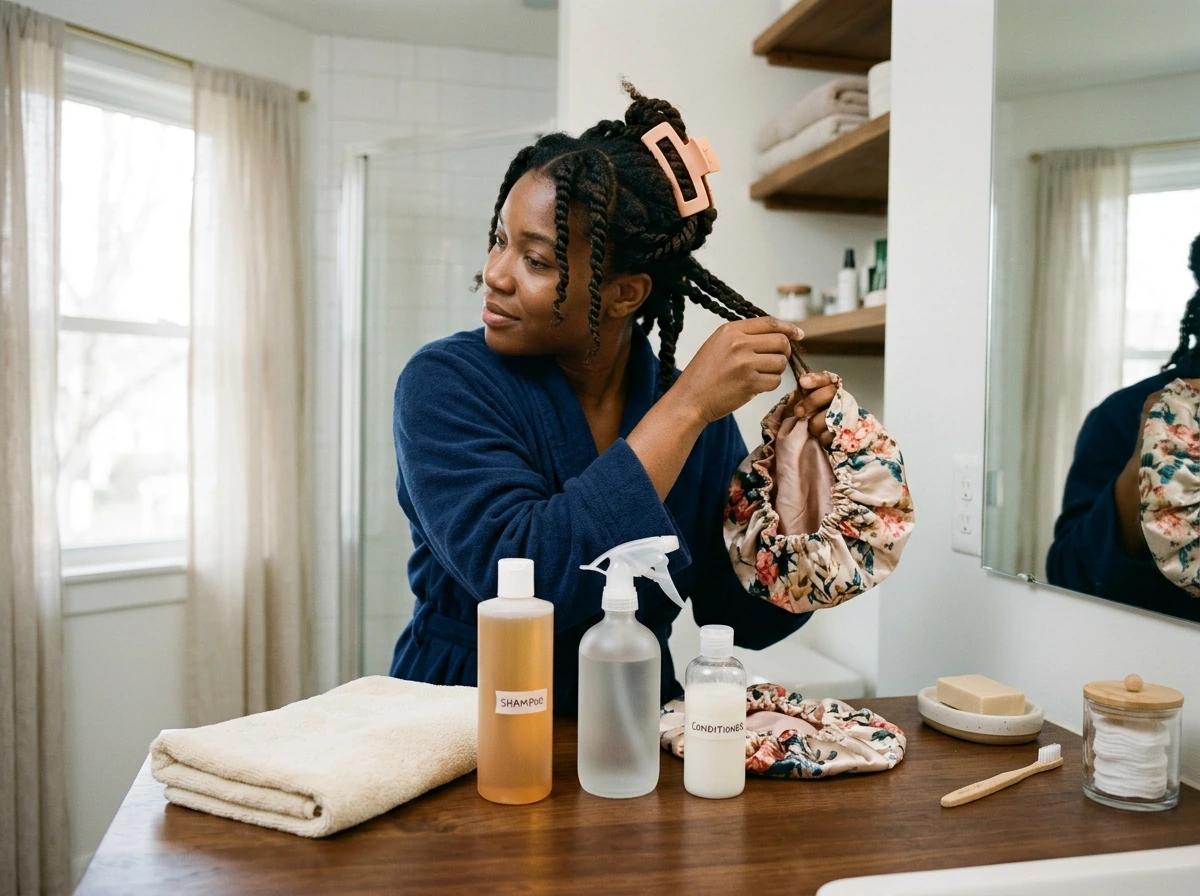
For most protective styles, washing too frequently means reinstalling styles more often, which means more manipulation. Weekly washing works well for straight and wavy hair. For curly and coily textures in protective styles, every one to two weeks is more realistic and less disruptive. What matters more than frequency is not letting buildup accumulate on your scalp for so long that removal becomes traumatic, if you're noticing flakes, itching, or visible debris in a long-wear style, take it down and address the scalp before reinstalling.
Moisture and sealing
Dry hair breaks. It's that simple. For straight and wavy types, a lightweight leave-in conditioner and occasional oil on the ends is usually enough. For curly and coily textures, a layered moisture routine (water-based leave-in, then a cream or butter, then a light oil to seal) applied to freshly washed hair before installing a style keeps the hair supple throughout the wear period. Refreshing protective styles mid-week with a water-based spray and light oil extends their life without requiring full reinstallation.
Securing styles safely
Swap elastic bands for soft scrunchies, satin-covered ties, or spiral coil hair ties. If you use clips or pins, choose ones with smooth surfaces and no sharp edges. Never wrap an elastic band multiple times to get a tighter hold, that point of maximum pressure is where breakage concentrates. Vary your part and ponytail placement from day to day so the same follicles aren't under repeated stress.
What to pair with your hairstyle routine for actual growth
Protective styles and good technique stop the loss, but they work best when your follicles are also getting what they need internally and topically. Think of styling as one layer of a broader approach.
Scalp circulation and a healthy scalp environment matter directly to follicle function. Regular gentle scalp massage (even five minutes a few times a week with fingertips or a soft silicone massager) can support blood flow to follicles without the tension risk of tight styles. Keeping your scalp clean and free of heavy product buildup also matters, a clogged, inflamed scalp is not an optimal environment for growth.
Nutrition is the other piece that hairstyling alone can't replace. Your follicles are metabolically active tissue, and deficiencies in protein, iron, zinc, and B vitamins (especially biotin) are directly linked to hair thinning and slowed growth. If you've optimized your styling but still feel stuck, a blood panel to check ferritin and nutrient levels is worth having. You can read more about the dietary side of this on the hair growth nutrition guides available on this site.
Topically, scalp-focused oils and treatments like diluted rosemary oil or peppermint oil have some evidence supporting their role in supporting a healthy scalp environment. These aren't magic, but applied consistently as part of a scalp care routine (not loaded into a tight braid where they'll just cause buildup), they complement the length-retention work you're doing with protective styles.
When you should switch strategies: scalp conditions and hair-loss red flags
Protective styling and good technique address mechanical hair loss and retention. They don't address medical causes of hair loss, and it's important to know the difference so you're not spending months on a styling approach while something else is driving the problem.
If you're seeing sudden, diffuse shedding across the whole scalp, handfuls in the shower, clumps on your pillow, that's more consistent with telogen effluvium, where a physiological stressor (illness, crash dieting, major surgery, significant hormonal change) pushes a large proportion of follicles into the resting phase simultaneously. That shedding typically starts about two to three months after the trigger, and acute cases usually resolve within six months. Changing your hairstyle won't stop it, but reducing scalp stress and supporting your nutrition during recovery helps.
If you're seeing patchy, well-defined bald spots, that's a common presentation of alopecia areata, an autoimmune condition where the immune system attacks hair follicles. This is not a styling problem and requires a dermatologist's evaluation and medical treatment.
Scalp inflammation, persistent itching, flaking, redness, or sore scalp, can signal seborrheic dermatitis or another scalp condition. Long-wear protective styles can make this worse by trapping buildup and reducing access for treatment. If over-the-counter dandruff shampoos aren't managing it within a few weeks, a board-certified dermatologist can confirm the diagnosis and prescribe appropriate treatment. Untreated scalp inflammation makes any styling strategy harder to sustain.
The clearest sign you need to shift strategies is thinning along your hairline or temples that gets progressively worse with tension styles. Early traction alopecia is reversible if you catch it and stop the pulling. Chronic traction alopecia can cause permanent follicle damage, so don't wait to see if it improves on its own.
A simple next-steps plan to start this week

You don't need to overhaul everything at once. The most effective approach is to start with the highest-impact changes and build from there. Here's a realistic first-week plan with a timeline for what to expect.
- This week: Audit your current styling habits. Are you wearing tight ponytails or buns daily? Using rubber bands? Detangling from root to end? Identify the one or two habits most likely causing breakage and commit to changing them first.
- This week: Switch your hair tie. Toss the rubber bands and get soft scrunchies or spiral coil ties today. This is the single easiest high-impact swap you can make immediately.
- Days 3–7: Choose one protective style appropriate for your texture and wear it loosely. Braids, twists, a loose bun, or a pineapple overnight — pick what works for your length and texture. Focus on low tension at the roots.
- Week 2 onward: Build your wash-day detangling routine. Detangle only on wet, conditioner-coated hair, ends first, in sections. Track how much less hair you see in the comb.
- By the end of month 1: You should notice less hair in your brush and comb. Actual length change takes longer — expect to start seeing retained growth at the 6–8 week mark if breakage was your primary issue.
- Month 2 and beyond: Add scalp care if you haven't already. A clean scalp routine, gentle massage a few times a week, and a nutritional check if growth still feels stalled. This is also a good time to review the broader hair growth guidance on this site covering diet and supplement basics.
- Ongoing: Measure progress by taking a photo monthly from the same angle, or measure a specific section with a soft tape measure. Because of shrinkage and style variation, visual checks alone aren't reliable — especially for curly and coily textures.
Realistic expectations matter here. If you've been dealing with significant breakage, removing that variable can feel dramatic within the first month. But if your underlying growth rate is the issue, whether from nutrition, stress, hormones, or a scalp condition, styling changes alone will plateau. Think of protective styling as the foundation: it creates the conditions for your hair to keep the growth your follicles are producing.
If you want a more direct, step-by-step plan for length goals, check our guide on how to let your hair grow out as a woman how to let your hair grow out female. Everything else builds on top of that. If you want the best hair style to grow hair, focus on protective styles and low-tension options that reduce breakage and help you retain length.
If your main goal is “hair how to grow,” use this strategy alongside our guide for growing your hair step by step. If your wedding is coming up, plan your protective style timeline around your hair’s growth and breakage needs how to grow hair for wedding.
FAQ
How can I tell if my “stalled growth” is breakage or normal shedding?
If your strands are snapping, the style is only helping if it reduces stress at the ends and the roots. As a quick test, track shedding on wash days (whole-hair shedding vs. short broken hairs) for 2 to 3 weeks, and do a gentle tug of a few hairs from different areas to see whether they stretch and feel intact or snap at a consistent weak point.
Can hair extensions help length retention, or do they always hurt?
Yes, but only if the extension method is low-tension and removal is handled carefully. Ask for installation that avoids tight pulling at the root, and if your hairline gets puffy, sore, or develops shedding within the wear period, remove earlier rather than waiting the full cycle, then switch to a reinstalling schedule with more scalp recovery time.
What’s the difference between a protective style and one that still causes traction?
A “protective” style can still cause traction if it tightens at the root as it loosens over time. Recheck the fit every few days, especially after washing, and loosen the perimeter if you feel pulling at the temples, nape, or edges, since those zones are where traction alopecia typically starts.
How long can I keep protective styles in without risking scalp damage?
Wear time should be guided by scalp signals, not only by a calendar. If you notice itching, burning, increased shedding during removal, foul odor, or buildup you cannot clarify, stop the long-wear plan, cleanse the scalp thoroughly, and reinstall less frequently or with a lower-tension setup.
What early signs indicate traction alopecia is starting?
Watch for changes at the hairline and part, not just overall density. Early traction signs include a widening part, roughness of edges, more short broken hairs near the roots, and a “bald look” that worsens when you wear tight styles, rather than uniform thinning across the whole scalp.
Does ponytail height (high vs. low) affect length retention?
Ponytail height changes where the tension concentrates. High styles often increase pull at the crown and edges, while low ponytails tend to spread stress; vary placement, use soft ties, and avoid making the tie the tightest point that is repeatedly pulled back into the same spot.
Can detangling frequency be more important than the hairstyle itself?
Often, but only when it leads to gentler handling. If you detangle with the right product coverage, sectioning, and a wide-tooth tool, you reduce mechanical snapping even if the schedule stays the same. If you detangle dry or rush through tangles at the ends, your new “better” style may still fail because breakage happens at maintenance time.
How do I measure progress if shrinkage makes my hair look the same length?
For coily textures, stretching without tension can reduce “invisible loss” from shrinkage, but it should not add pulling at the root. Use low-manipulation stretch methods (like twist-outs worn longer, or loose braid patterning) and prioritize moisture before styling so the hair holds shape without tugging.
When should I stop trying hairstyle fixes and get my scalp checked?
If your scalp feels tender, you have persistent itching or flaking, or you see shedding that starts 2 to 3 months after a stressor, consider that the issue may be medical rather than mechanical. Hairstyling changes can support recovery, but persistent or worsening symptoms deserve a clinician’s evaluation because follicle-cycling problems cannot be corrected by protective styles alone.
Why do some protective styles work at first, but I still lose length by removal?
Yes. A style that limits friction can make breakage less obvious, but it will not “save” already-dry hair. If you skip moisture before installation, the hair may feel softer during the wear period but still break on removal; plan a refresh routine that rehydrates mid-week and seals lightly instead of adding more product buildup.
How do I choose which changes to make first if I have both breakage and thinning?
Start by matching the style to your weakest link: if your edges are thinning, prioritize low-tension perimeter choices and avoid tight front re-braiding. If your ends are breaking, focus on end-tucking, less manipulation, and gentler detangling, because tension at the root and breakage along the shaft are solved by different adjustments.
Next Articles
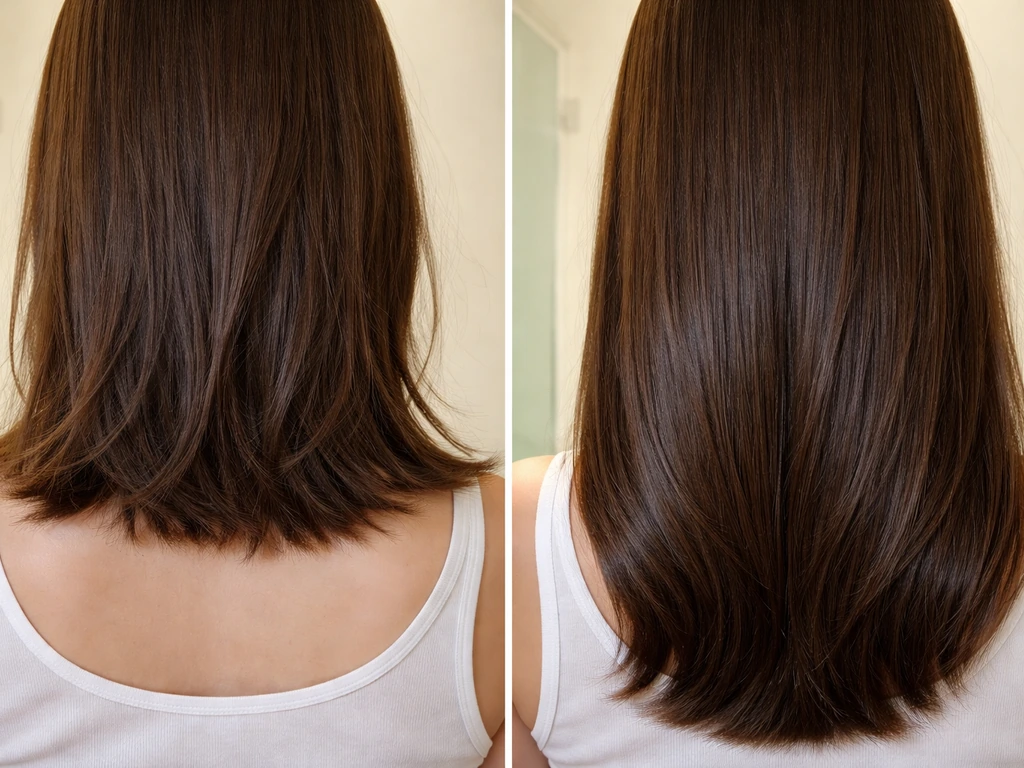
Tips on How to Grow Your Hair Out: A Step by Step Guide
Step-by-step tips to grow hair out: stop breakage, build scalp routine, nutrition, safe actives, and track progress.
Grow Hair Long Tips: Step-by-Step Routine to Reach Length
Step-by-step grow hair long tips: boost scalp health, cut breakage, improve diet, and track progress for length.
Tips for How to Grow Long Hair: A Practical Guide
Actionable tips to grow long hair naturally: care routine, scalp habits, nutrition and breakage prevention for healthy l