
Yes, a thinning hairline can often be improved, and in many cases partially or fully grown back, but only if you treat the right cause in the right way. The strategy that works for someone losing hair due to tight hairstyles is completely different from what helps someone with hormonal hair loss or a shedding episode triggered by stress. So the first and most important thing you can do today is figure out what's actually happening at your hairline, and then act on that specifically.
How to Grow Back a Thinning Hairline: Step-by-Step

Marcus Holloway
12 May 2026
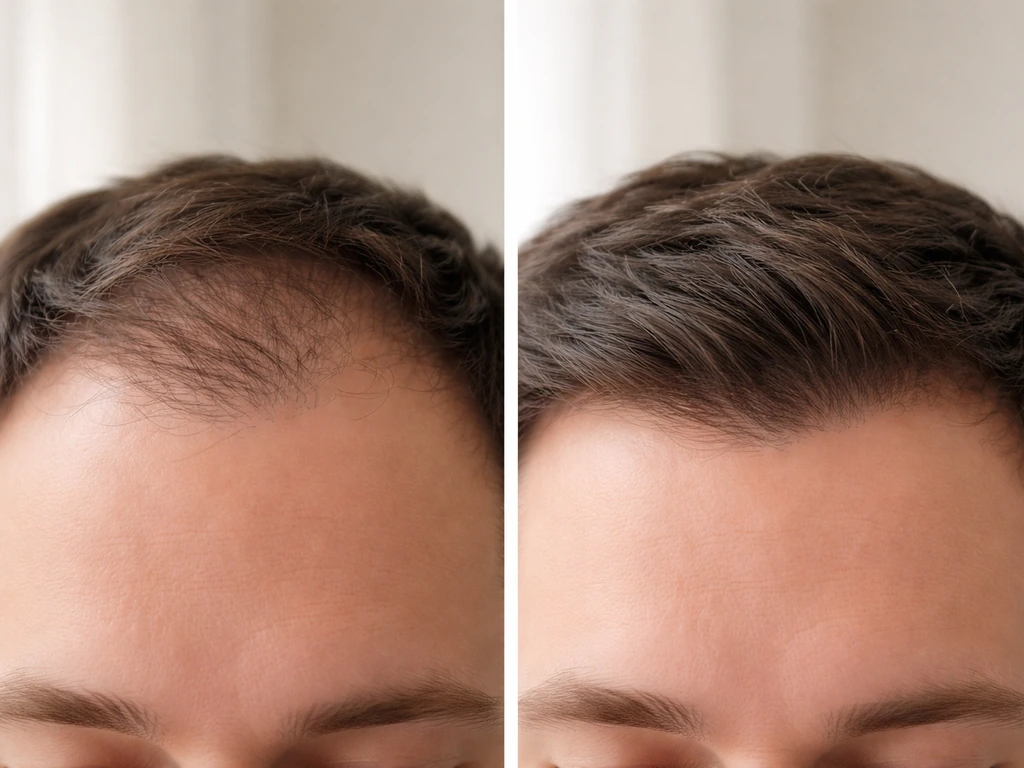
Why your hairline is thinning in the first place
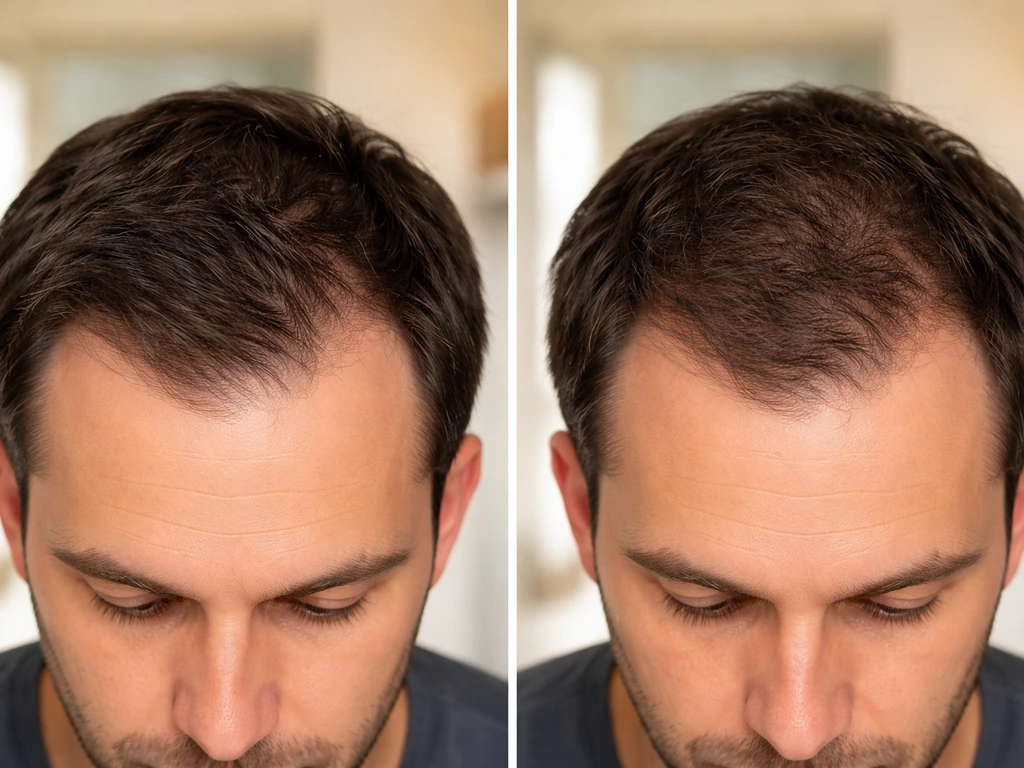
Most thinning hairlines come down to one of four causes, and knowing which one you're dealing with changes everything about how you respond.
Androgenetic alopecia (pattern hair loss) is the most common culprit. In men, it usually shows up as a receding hairline combined with thinning at the temples or crown. In women, the hairline often stays intact while the part widens, but some women do see frontal thinning too. It's a non-scarring, slowly progressive condition driven by the hormone DHT (dihydrotestosterone) gradually miniaturizing the hair follicles over years. The follicles aren't dead, just shrinking, which is why catching it early matters.
Traction alopecia is the second big one, especially if you regularly wear tight braids, ponytails, weaves, buns, or extensions. This type specifically targets the marginal hairline along the front and temples. Early signs include small pimple-like bumps (folliculitis) in high-tension areas, broken hairs, and reduced density along the edges. If you catch it early and stop the tension, the hair can fully regrow. If you keep pulling on it, it can eventually scar and become permanent, so urgency matters here.
Telogen effluvium is a temporary but alarming shedding episode triggered by a physical or emotional stressor: illness, surgery, a crash diet, childbirth, extreme anxiety. Hair doesn't fall out immediately after the trigger but about two to four months later, as follicles shift en masse into the resting (telogen) phase. A quick self-test: if you lose more than four to six hairs per pull when you gently tug a small section of hair, that's a signal worth paying attention to. The good news is that most telogen effluvium resolves on its own once the underlying trigger is addressed.
Alopecia areata is an autoimmune condition where the body attacks hair follicles, often creating patchy bald spots that can include the hairline. Dermatologists identify it partly through distinctive features visible under a dermatoscope, like black dots and short broken hairs in active areas. This one needs professional management, so if you're seeing smooth, round patches of sudden hair loss, skip the home remedies and go straight to a dermatologist.
Other contributing factors include scalp conditions like seborrheic dermatitis, nutritional deficiencies (especially iron and protein), thyroid imbalances, and certain medications. If your hairline is thinning without a clear mechanical cause, it's worth running some basic bloodwork.
Shedding vs. miniaturization: what you're actually dealing with
These two things feel similar from the outside but have very different implications for regrowth. Shedding (as in telogen effluvium) means you're losing fully grown hairs that will likely grow back on their own once the trigger resolves. Miniaturization, which is what happens in androgenetic alopecia, means the follicles themselves are producing progressively finer, shorter hairs over time, and that process won't reverse without active treatment targeting DHT or follicle stimulation.
One way to tell the difference: look at the hairs you're losing. If they're full length with a white bulb at the root, that's telogen shedding. If you're noticing that hairs at your hairline are getting finer, shorter, and almost translucent over months, that's miniaturization. Both can happen at the same time, which complicates things, but knowing which is the dominant pattern helps you prioritize your approach.
Regrowth timelines are almost universally longer than people expect. For telogen effluvium, you might start seeing baby hairs coming back within three to four months of the trigger resolving, but full regrowth often takes six to twelve months. For androgenetic alopecia, treatments like minoxidil take at least four to six months before you'll notice real improvement, and the standard guidance from dermatologists is to commit to a full twelve months before evaluating whether something is working. Traction alopecia caught early can show visible improvement in a few months after stopping tension, but it's gradual. Set your tracking intervals accordingly: photos taken in the same lighting every four to six weeks are your best tool.
Daily scalp care to keep your follicles healthy

Your scalp is skin, and it needs the same basic care as the rest of your skin: cleanliness, circulation, and not being constantly irritated. A healthy scalp environment doesn't guarantee regrowth on its own, but an unhealthy one can definitely make thinning worse.
Wash your hair often enough to prevent product buildup and sebum accumulation at the follicle opening. There's a persistent myth that washing too often causes hair loss, but normal shampooing doesn't damage follicles. If you have an oily scalp or use a lot of styling products, washing every one to two days keeps your follicles clear. If you have a drier scalp, two to three times a week is fine. Use a gentle, sulfate-free shampoo if your scalp is sensitive, and make sure you're actually massaging the scalp during washing, not just scrubbing the hair strands.
Scalp massage is one of the most underrated free tools you have. Consistent scalp massage increases blood flow to the follicles and has been shown in small studies to produce modest but measurable improvements in hair thickness over time (24 weeks in one often-cited Japanese study). Use your fingertips (not nails) in circular motions for four to five minutes daily, either during washing or as a dry massage before bed. If you want, you can do this while applying a treatment oil or serum, but the massage itself is the active part.
If you have dandruff or seborrheic dermatitis, treat it. Chronic scalp inflammation around hair follicles doesn't directly cause pattern hair loss, but it creates an unfriendly environment and can make other types of thinning worse. A zinc pyrithione or ketoconazole shampoo used two to three times per week is usually enough to bring flaking and inflammation under control.
Evidence-based topical treatments worth using
When it comes to topicals with actual clinical evidence behind them, the list is shorter than the beauty industry would have you believe.
Minoxidil
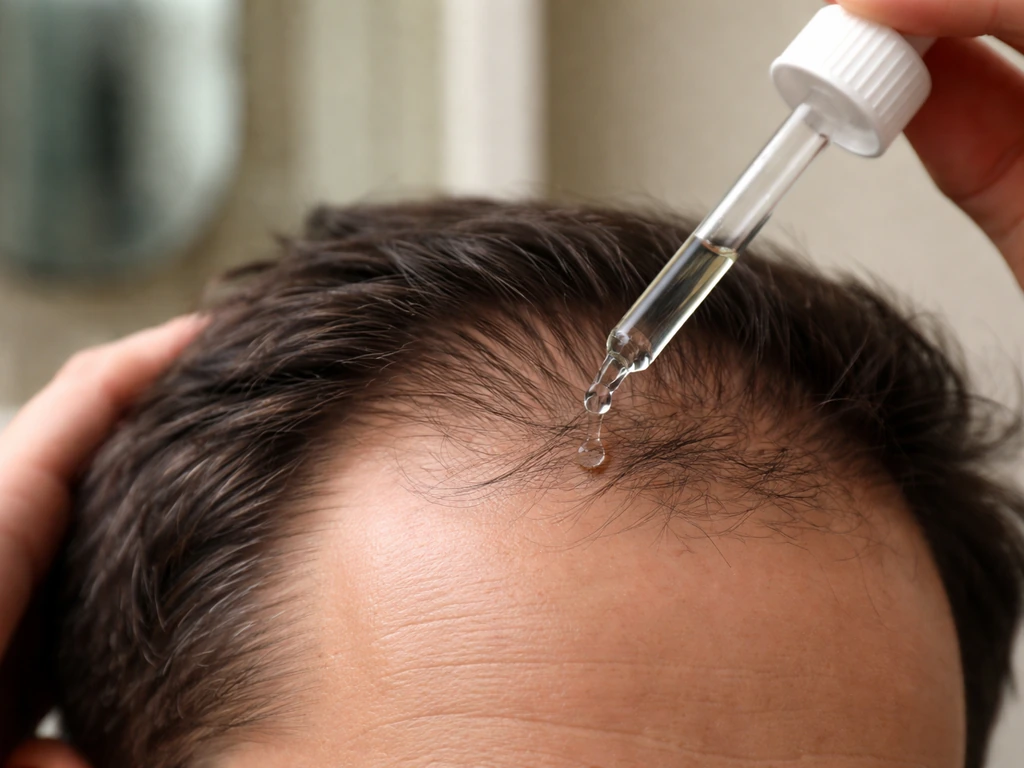
Minoxidil is the most well-established over-the-counter hair loss treatment and the one you should consider first if you suspect androgenetic alopecia. It works by prolonging the growth phase of the hair cycle and increasing blood flow to follicles. The 5% foam or solution is available without a prescription for men; women typically start with 2% solution, though many dermatologists now also recommend 5% for women in certain cases.
Apply it directly to the scalp (not the hair) twice daily, or once daily with the foam formulation. Consistency is everything with minoxidil: skip it regularly and you lose the benefit. If it's going to work for you, expect to see early changes around the four-month mark and more meaningful regrowth around six to twelve months.
One thing people don't expect: minoxidil often causes an initial shedding period in the first four to eight weeks as follicles shift to a new growth cycle. This is normal and not a sign it's making things worse. Push through it.
Ketoconazole shampoo
Ketoconazole at 1% to 2% concentration has some evidence supporting its use as an adjunct to other treatments, particularly for androgenetic alopecia. It has mild anti-androgenic properties at the scalp level and reduces scalp inflammation. Use it two to three times per week, leaving it on the scalp for a few minutes before rinsing. It's not a standalone treatment but a useful addition to your routine.
Finasteride and other prescription options
Finasteride (oral, prescription-only) is FDA-approved for male pattern hair loss and works by blocking the conversion of testosterone to DHT. It's significantly more effective than minoxidil for preventing further hairline recession and can stimulate some regrowth. MedlinePlus notes that with finasteride for male pattern hair loss, it may take at least about 3 months before any improvement is seen because hair growth and loss happen slowly. Spironolactone and oral minoxidil at low doses are options that dermatologists may discuss with women. These are conversations to have with a doctor, not DIY decisions, but knowing they exist means you can bring them up at your next appointment rather than waiting for the doctor to mention them.
Rosemary oil
Rosemary oil deserves a mention here because one well-cited randomized controlled trial found it comparable to 2% minoxidil for improving hair count over six months. Apply a diluted version (a few drops in a carrier oil like jojoba) directly to the hairline and scalp, leave it on for at least 30 minutes or overnight, then wash out. It's not going to match 5% minoxidil in most cases, but it's a reasonable option for people who want to start with something more natural or who are managing mild thinning.
Nutrition and supplements that actually move the needle
Hair is made of protein, and your follicles are metabolically active tissue that needs a steady supply of nutrients. Deficiencies in specific nutrients are a genuine cause of hair thinning, and correcting them helps. But supplements only work if you're actually deficient, and throwing a stack of hair vitamins at a DHT-driven thinning problem won't do much without addressing the hormonal component.
Protein is the foundation. Hair is almost entirely keratin (a protein), and if your diet is low in protein, your body will deprioritize hair growth. Aim for at least 0.7 to 1 gram of protein per pound of body weight daily. Eggs, fish, legumes, and Greek yogurt are all excellent sources.
Iron deficiency is one of the most common nutritional causes of hair loss, particularly in women, and it can cause or worsen both diffuse thinning and hairline thinning. Get your ferritin level checked: most hair loss researchers suggest a ferritin level above 40 to 70 ng/mL is needed to support healthy hair growth, even if you're not technically anemic. If your ferritin is low, iron supplementation (with vitamin C for absorption) is worth taking seriously.
Vitamin D deficiency is increasingly linked to hair loss across multiple types, including alopecia areata and telogen effluvium. If you don't get much sun exposure, 1,000 to 2,000 IU of vitamin D3 daily is a reasonable starting point, and getting a blood test to confirm your level is worthwhile.
Zinc plays a role in the hair growth cycle and sebum production. Deficiency can cause shedding. Most people get enough from food (meat, shellfish, seeds), but if you're on a restrictive diet, a zinc supplement (15 to 25 mg per day) may help. Don't exceed the upper limit, because too much zinc actually competes with copper and can cause its own hair-related issues.
Biotin gets enormous marketing attention, but the honest reality is that biotin deficiency is rare, and most people already get more than enough through diet. Biotin supplements are unlikely to help unless you're genuinely deficient (which would show up as brittle nails and skin issues too). Save your money here unless a test suggests otherwise. The same skepticism applies to most proprietary "hair growth blend" supplements: the individual ingredients may be fine, but the doses are often too low and the evidence for the combinations is thin.
| Nutrient | What it does | Best food sources | Worth supplementing if... |
|---|---|---|---|
| Protein | Building block of keratin (hair structure) | Eggs, fish, chicken, legumes, Greek yogurt | Intake is below ~50g/day |
| Iron (Ferritin) | Supports hair follicle cell turnover | Red meat, lentils, spinach, fortified cereals | Ferritin tested below 40–70 ng/mL |
| Vitamin D | Linked to follicle cycling; deficiency worsens multiple hair loss types | Fatty fish, egg yolks, fortified foods, sunlight | Blood level below 30 ng/mL or minimal sun exposure |
| Zinc | Hair cycle regulation, scalp sebum balance | Shellfish, seeds, legumes, meat | On a restrictive diet or blood test confirms deficiency |
| Biotin | Keratin infrastructure | Eggs, nuts, seeds, sweet potato | Confirmed deficiency (rare); skip otherwise |
Natural and home remedies: what's worth trying and what isn't
There's a lot of noise in this space, so here's a straightforward breakdown.
Worth trying (with realistic expectations)
- Rosemary oil: Has a small but legitimate evidence base. Dilute in a carrier oil and apply to the scalp regularly. Results take months.
- Scalp massage: Free, zero side effects, modest evidence for improved thickness with consistent daily use. Make it a habit.
- Castor oil: No strong clinical trials, but it's a thick, nourishing oil that can support scalp moisture and reduce breakage at the hairline. Use it sparingly so it doesn't clog follicles. Good for people with traction alopecia who are also dealing with dry, fragile edges.
- Peppermint oil: A small animal study showed impressive hair growth results, and it's thought to work through increased circulation. Evidence in humans is limited but it's low risk when properly diluted (1 to 2% in a carrier oil).
- Reducing stress: Genuinely useful, not just a platitude. Chronic stress elevates cortisol, which disrupts the hair growth cycle. Regular exercise, sleep, and stress management aren't glamorous hair-growth strategies, but they address a real physiological pathway.
Mostly hype (probably not worth your time)
- Onion juice: Popular online, but the single study people cite was small and uncontrolled. It smells terrible and the evidence isn't strong enough to recommend it as a primary strategy.
- Rice water rinses: No meaningful clinical evidence for hair regrowth. May add some shine and softness, but won't regrow a thinning hairline.
- Egg masks and mayonnaise: Can temporarily condition hair and reduce breakage, which is nice, but they don't penetrate the follicle or stimulate growth.
- Excessive oiling: Applying heavy oils to the scalp every day can actually clog follicles and worsen dandruff in some people. Use lightly and wash it out thoroughly.
How to style and care for thinning hair without making it worse
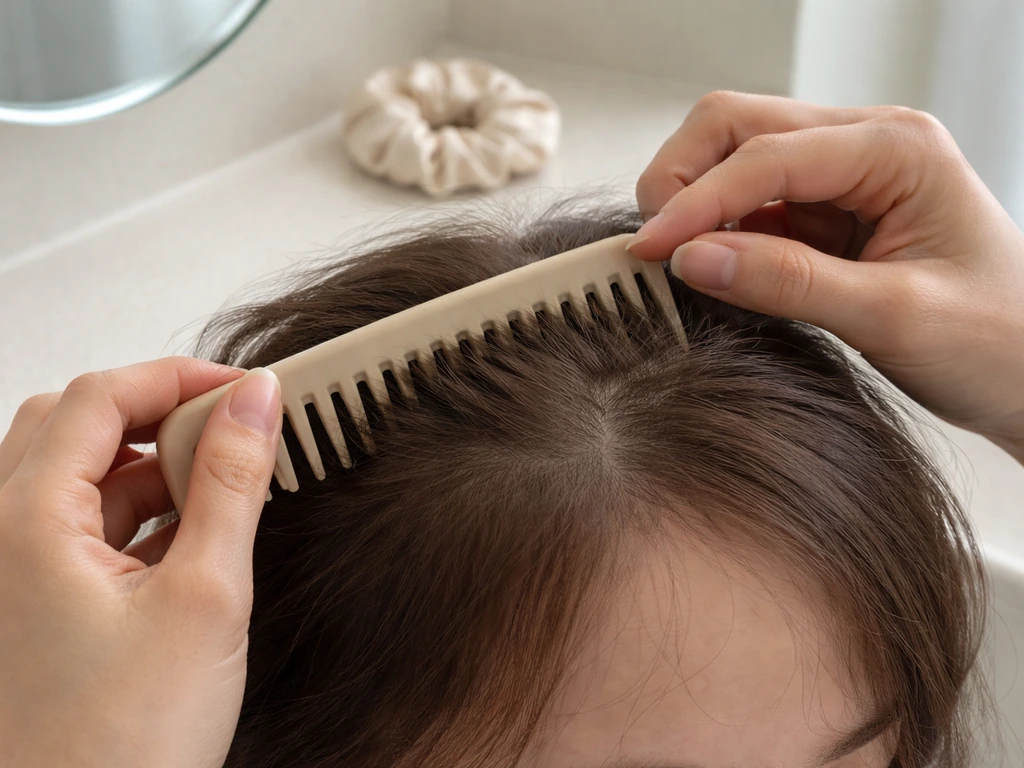
While you're waiting for treatments to work, how you handle your hair day-to-day matters more than most people realize. Mechanical damage and tension are genuinely capable of turning a borderline hairline into a more significant problem, especially at the temples and edges.
The single most important change if you're dealing with a thinning hairline: stop pulling. Tight ponytails, braids, cornrows, buns, and weaves worn frequently are a common hairline killer. If you can't give up the style entirely, alternate with loose styles, never sleep in tight protective styles, and avoid placing tension directly on the areas that are already thinning. This applies especially to Black hair care, where traction alopecia along the edges is particularly prevalent due to common styling practices.
Growing your hairline back after traction damage is very achievable when caught early, but you have to remove the cause first. If you’re working with African hair and have traction-related thinning, the same early, tension-free approach can help you grow your hairline back. If you’re wondering how to grow hairline at home, the key is to stop the cause first, then stay consistent with the right scalp care and treatments grow hairline back.
If you are wondering how to grow hair on hairline that has been affected by traction, the key is removing the tension and sticking with consistent scalp and treatment support regrowth after traction damage. If you want hairline regrowth beyond traction, the rest of the guide helps you match the right cause to the right evidence-based treatment plan how to grow hair on hairline.
Heat damage is a compounding factor. Blow dryers, flat irons, and curling tools on high heat damage the hair shaft and make hairs at the hairline (which are often finer to begin with) prone to breaking off. Use a heat protectant spray, keep the temperature below 375°F (190°C), and limit direct heat at the hairline.
When your hair is wet, it's more elastic and fragile. Avoid brushing wet hair aggressively, especially around the hairline. Use a wide-tooth comb or your fingers to detangle from the ends upward, and pat rather than rub with a towel. A microfiber towel or an old T-shirt is much gentler than a regular towel.
For people trying to grow thinning hair out in length and density simultaneously, protective styles worn loosely can actually help by minimizing daily manipulation. The key word is loosely. Think low-tension twists, loose buns secured with a scrunchie rather than an elastic, or braids that don't pull at the scalp.
From a cosmetic standpoint while you're in the regrowth phase, hair fibers (like those in Toppik or similar products) can be a helpful confidence tool without causing any damage. They're just a temporary visual fix, not a treatment, but they can make a real difference in how you feel day to day.
When home efforts aren't enough: getting medical help
There's a point where self-treatment is no longer the right approach, and it's smarter to recognize that point early than to spend months on the wrong strategy.
See a dermatologist if: your hairline has been visibly receding for more than six months without improvement, you're noticing sudden patchy hair loss (smooth round bald spots), your scalp is itchy, scaly, or inflamed, you're losing more than 150 hairs per day consistently over several months, or you've been using minoxidil correctly for six months with no result. A dermatologist can do a dermoscopy (a magnified scalp exam), a pull test, and blood panels to get a clearer picture of what's actually going on. Don't wait until thinning is severe, because some types of hair loss (particularly scarring alopecias) cause permanent damage if not treated promptly.
When you go, come prepared. Ask specifically about whether the pattern looks like androgenetic alopecia or something else, whether you're a candidate for prescription finasteride or low-dose oral minoxidil, whether bloodwork should include ferritin, thyroid panel (TSH, free T3, free T4), and vitamin D, and what the realistic regrowth prognosis is for your specific situation. Dermatologists see hair loss constantly, and a good one will give you a specific diagnosis and a treatment plan, not just generic advice.
For people dealing specifically with hairline concerns tied to texture, styling history, or ethnicity-specific patterns, there's nuance that a general practitioner may not address as thoroughly. A dermatologist with experience in treating diverse hair types is worth seeking out if traction alopecia or heat damage is part of your picture.
Beyond topicals and medications, clinic-based options like platelet-rich plasma (PRP) therapy and low-level laser therapy (LLLT) devices have growing evidence bases. They're not first-line treatments, but they're worth discussing if you've exhausted the standard options and want to explore what else is available before considering a hair transplant.
The honest bottom line: a thinning hairline is not a cosmetic death sentence. If you're wondering how to grow hairline at home, start by matching your routine to the specific cause of thinning. Most people who act early, identify the right cause, and stay consistent with evidence-based treatment see meaningful improvement within a year. The ones who struggle the most are usually those who either waited too long, used the wrong treatment for the wrong type of hair loss, or gave up at the four-month mark right before things would have started turning around. Give yourself a clear plan, a realistic timeline, and enough patience to see it through.
FAQ
Can I really grow my hairline back, or is it too late once it’s thinning?
Yes, but only when it reflects regrowth from a still-living follicle. If the loss is from androgenetic miniaturization, you can thicken the hair again, but you cannot expect the hairline to return to a youthful baseline in every case. If the follicle has been scarred (possible with long-standing traction or certain scalp inflammatory conditions), new growth may be limited. The practical step is to look for signs of scarring or inflammation and get a dermoscopy, especially if you have shiny skin, burning, or persistent follicle bumps.
What if my shedding gets worse after starting minoxidil, does that mean it’s not working?
Expect a “worse before better” phase with minoxidil, but note that shedding that starts after 4 to 8 weeks and then improves is different from ongoing rapid loss. If you have steady worsening beyond 3 months, severe scalp irritation, or no visible change by the 6-month mark, re-check the diagnosis (for example, telogen effluvium may need trigger treatment rather than DHT-focused therapy). Also, if you stop minoxidil, any gains typically fade over time, so plan for long-term consistency if it’s working for you.
How exactly should I apply minoxidil to the hairline so I don’t waste it?
Apply to the scalp, not just the hair strands, and keep the application area consistent to the same hairline zone every time. Use the correct technique for your product (foam for even coverage, solution for targeted scalp contact), and let it fully dry before styling. If you wash right away, use too little, or apply to only the outer hair, absorption may drop and you can get inconsistent results even with good adherence.
Can I use ketoconazole and minoxidil together, and how should I schedule them?
You may not get the benefit you expect if you combine products incorrectly. Ketoconazole can be used 2 to 3 times weekly as an adjunct, but try not to apply minoxidil and ketoconazole at the same moment, since washing out ketoconazole right after reduces its effect and can make routine messy. A simple rhythm is ketoconazole on alternate days (when you wash), and minoxidil on non-ketoconazole days (or after the scalp is fully dry, when both are part of the plan).
How can I tell whether my thinning is shedding (telogen) versus miniaturization (pattern loss) at home?
A “white bulb” at the root is more typical of telogen hairs, but the most reliable home check is pattern and timing. Telogen effluvium often shows diffuse shedding that ramps up 2 to 4 months after a trigger, while androgenetic alopecia tends to be gradual miniaturization at the hairline or crown over years. If you’re seeing both increased shedding and progressive miniaturization, treat the trigger and the DHT-driven component concurrently, but prioritize the dominant pattern for your plan.
Should I get bloodwork for hairline thinning even if I don’t feel sick?
Yes, especially with low iron stores. Even without anemia, low ferritin can be linked to telogen shedding or worsening density. If you suspect a nutritional or hormonal cause, ask for ferritin (not just hemoglobin), a CBC, and often vitamin D and thyroid markers. Don’t start high-dose iron blindly, because excess iron can be harmful and could delay finding the real cause.
If my hairline thinning is from traction, will it regrow after I stop tight hairstyles?
If traction is involved, hair can regrow after you stop the tension, but it can take time and it hinges on how early you act. Look for early signs like broken hairs, pimple-like bumps at the edges, and localized thinning along the margin. Once scarring develops, regrowth becomes much less likely, so the edge-of-hairline symptoms are a reason to change styles immediately rather than waiting for months.
What should make me suspect alopecia areata instead of the usual hairline recession?
If you have visible patchy, smooth, round areas, or the scalp is noticeably inflamed, skip DIY routines and get evaluated. Alopecia areata often needs targeted prescription treatments, and the earlier the management starts, the better the chance of regrowth. A dermatologist can distinguish it from pattern hair loss and traction using a focused exam and dermoscopy.
Can telogen effluvium and androgenetic alopecia happen at the same time, and how do I respond?
Yes, a flare-up of shedding can happen after triggers even if you start a hair growth treatment. For example, telogen effluvium may cause heavy shedding while androgenetic alopecia gradually miniaturizes, making timelines confusing. A helpful approach is to keep treatment steady for at least 6 to 12 months, while also documenting trigger events (illness, stress, diet changes) so you and your clinician can separate shedding phases from true miniaturization response.
Is it okay to detangle wet hair if I’m trying to grow back my thinning hairline?
You can brush wet hair gently, but avoid aggressive detangling at the hairline, because fine regrowing hairs break more easily. Use a wide-tooth comb or fingers, start at the ends, and work upward slowly. If you notice more hairline breakage than shedding, the fix is detangling technique plus reduced heat and friction (towel, pillowcase, and protective style choices).
What are the most common mistakes that stop hairline regrowth even when I’m using treatments?
Make a “tension and heat audit” before buying more products. If your hairline is thinning, heat styling and tight grooming habits often add mechanical breakage that masks actual follicle regrowth. Keep direct heat at the hairline limited, use a heat protectant, lower temperatures, and ensure protective styles are loose enough that they do not pull on the edges.
When should I consider switching strategies or seeing a dermatologist if treatments aren’t working?
If you’ve used minoxidil properly and you see no improvement by 6 months, don’t just keep waiting without reconsidering the diagnosis and adherence. Scalp irritation, incorrect application, an untreated trigger (like iron deficiency or thyroid issues), or the wrong type of hair loss can all look like “no response.” A dermatologist can also check for dermatitis, do a pull test, and confirm whether prescription options like finasteride or low-dose oral minoxidil make sense for your case.
Are hair fibers like concealment powders okay to use while I’m trying to regrow my hairline?
Yes, but avoid using them as a substitute for treatment if you want real regrowth. Hair fibers can temporarily improve appearance by increasing visual coverage, and they generally do not change follicle biology. The practical caveat is to prevent buildup on the scalp, wash out regularly, and avoid harsh rubbing at the hairline, since physical friction can worsen edge thinning.
How can I track whether I’m truly regrowing hair versus just reducing breakage?
If you want a quicker assessment of progress, track both density changes and breakage. Take photos in the same lighting and distance every 4 to 6 weeks (as mentioned), and also note whether you see shorter, broken hairs at the hairline, which suggests mechanical damage. Real regrowth usually looks like gradual coverage at the scalp rather than just less visible shedding.
Next Articles
Tips on How to Grow Your Hair Out: A Step by Step Guide
Step-by-step tips to grow hair out: stop breakage, build scalp routine, nutrition, safe actives, and track progress.
Grow Hair Long Tips: Step-by-Step Routine to Reach Length
Step-by-step grow hair long tips: boost scalp health, cut breakage, improve diet, and track progress for length.
Tips for How to Grow Long Hair: A Practical Guide
Actionable tips to grow long hair naturally: care routine, scalp habits, nutrition and breakage prevention for healthy l