
To grow your hair both longer and thicker, you need to work on two things at the same time: keeping the hair you already have from breaking off, and supporting the follicles at your scalp so they produce stronger, denser strands. Hair grows about 1 cm per month on average, so length is mostly about retention, not acceleration. Thickness is more complicated because it involves strand diameter, overall density (how many follicles are actively producing hair), and how full your hair looks and feels. The good news is that most people can make a real, visible difference with consistent nutrition, scalp care, and smarter hair habits. The less great news is that it takes months, not weeks, and there are no shortcuts that skip that biology.
How to Grow Hair Long and Thick: A Step-by-Step Plan

Marcus Holloway
29 Apr 2026
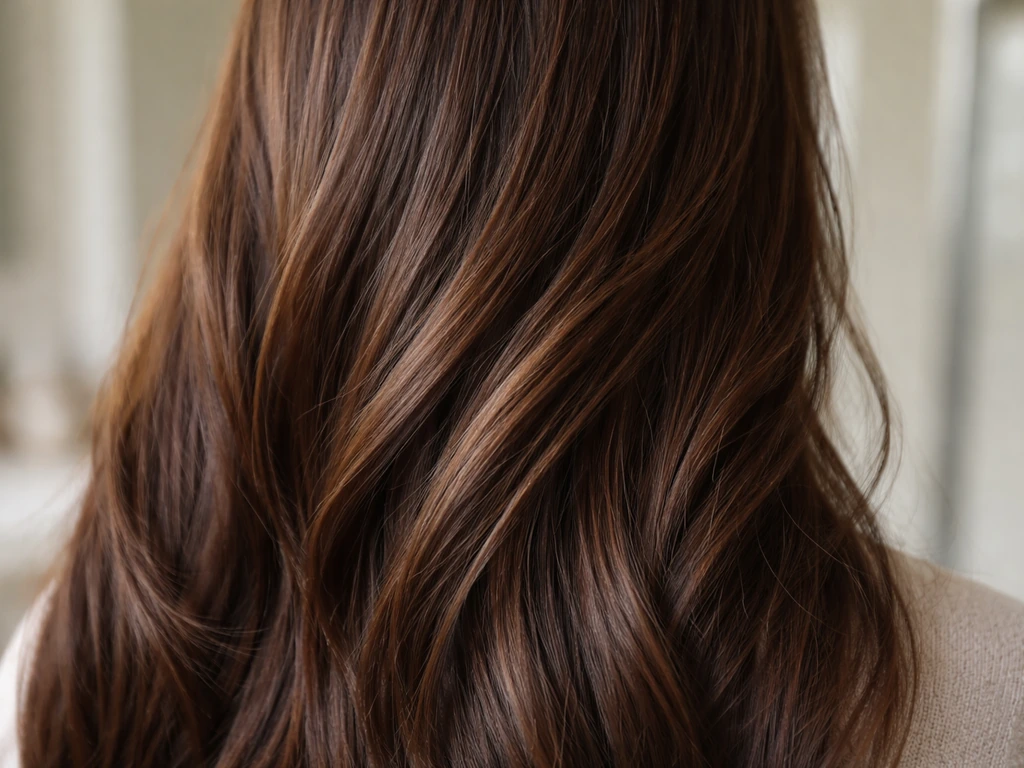
Hair thickness vs length: what actually controls each one
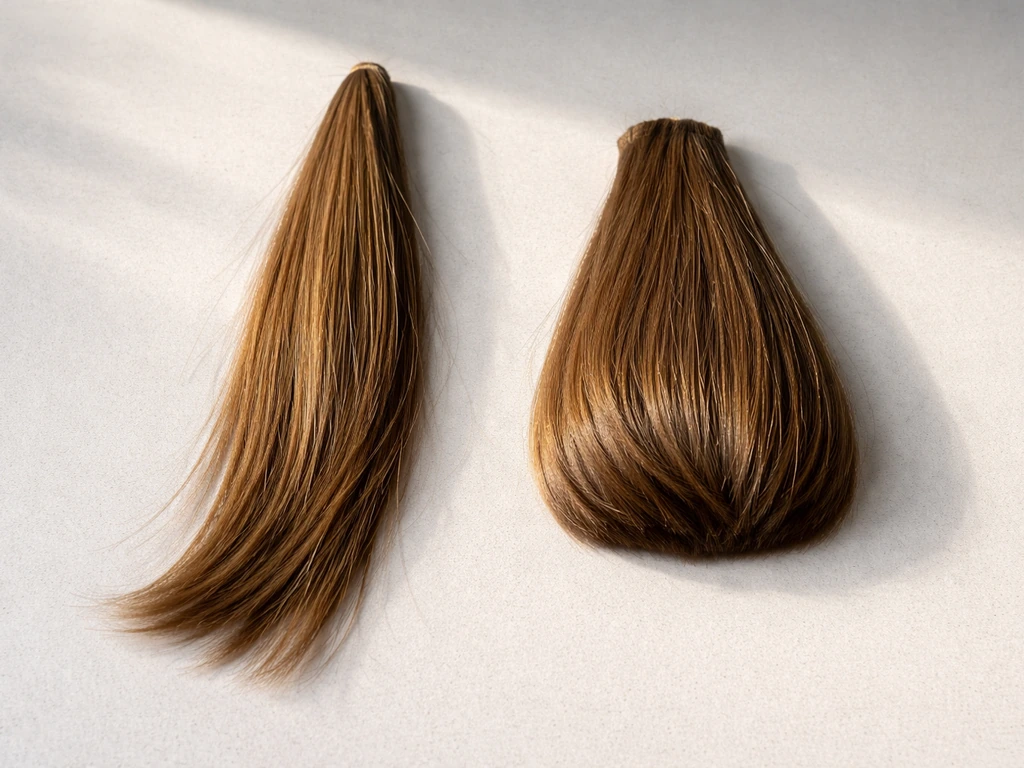
Length and thickness are controlled by different things, and confusing them is one of the main reasons people get frustrated. Length is almost entirely about how much of your growth you retain. If your main goal is the best way to grow long hair, focus on length retention through breakage control and a healthy scalp. Your scalp is already producing about 1 cm of new hair every month, but if that hair is breaking off at the ends because of heat damage, rough handling, or dryness, you'll feel like your hair never grows. It does grow. You're just losing it as fast as it comes in.
Thickness is about two separate things. Strand diameter (the physical width of each individual hair) is largely genetic, though nutritional deficiencies and hormonal imbalances can shrink it. Hair density, meaning the number of actively growing follicles on your scalp, can change more meaningfully. Each follicle cycles through a growth phase called anagen (roughly 2 to 6 years), a brief transitional phase called catagen (about 2 to 3 weeks), and a resting phase called telogen (about 2 to 4 months) before the old hair sheds and a new one starts. When more follicles sit in telogen at once, either from stress, nutritional deficiency, hormonal shifts, or illness, your hair looks and feels thinner. Restore the trigger and most follicles cycle back into anagen, though it takes a few months to see the difference. This is why targeting the scalp environment, nutrition, and breakage together gives you the best results.
Fast results vs realistic timelines
Here's what you can realistically expect, because unrealistic timelines are the number-one reason people give up on routines that are actually working.
| Timeframe | What you might notice |
|---|---|
| 2 to 4 weeks | Less shedding if you've fixed a deficiency or reduced tension/breakage; scalp feels healthier |
| 2 to 3 months | Noticeable reduction in breakage; new baby hairs at the hairline from follicles re-entering anagen |
| 4 to 6 months | Visible length gain (roughly 4 to 6 cm); modest increase in density if a trigger (stress, deficiency) has been corrected |
| 6 to 12 months | Significant length; fuller appearance from reduced shedding and stronger strands; minoxidil users may start seeing regrowth results around month 6 |
| 12+ months | Substantial length and real density improvement with consistent habits; best results from medical treatments like minoxidil |
If your hair is thinning because of something acute (a stressful event, illness, crash diet, postpartum changes), the shedding typically starts 2 to 4 months after the trigger and resolves once the trigger is gone. That kind of shedding, called telogen effluvium, usually corrects itself within 6 months of addressing the cause. Chronic thinning or pattern hair loss is a different situation and often needs medical input. Fine hair that you've always had is also different from hair that recently changed, and those two situations call for different approaches.
Nutrition, supplements, and hydration for thicker, longer hair

Hair is almost entirely protein, specifically keratin, so if your diet is low in protein, your body will deprioritize hair production. Aim for enough complete protein daily (eggs, meat, fish, legumes, dairy) as a non-negotiable foundation. Beyond protein, a few specific nutrients come up repeatedly in the research on hair loss and thinning.
- Iron: one of the most common deficiencies linked to diffuse hair thinning, especially in women with heavy periods. A blood test (ferritin level) is the best way to check, since normal hemoglobin doesn't rule out low iron stores.
- Zinc: supports the hair follicle repair cycle; deficiency can cause shedding and slower growth.
- Vitamin D: low levels are associated with hair loss; many people are deficient without knowing it.
- Omega-3 fatty acids: found in fatty fish, flaxseed, and walnuts; support scalp health and may reduce inflammation around follicles.
- B vitamins, especially folate and B12: critical for cell division and red blood cell production, both of which feed the follicle.
- Biotin: widely marketed for hair growth, but actual deficiency is rare. Supplementing without a deficiency probably won't do much, and very importantly, high-dose biotin supplements can interfere with certain blood tests (including thyroid panels), so tell your doctor if you're taking it.
Hydration matters too, though it's often overlooked. Chronic dehydration can make hair more brittle and prone to breakage. Aim for adequate water daily and pay attention to whether your scalp feels dry or flaky, which can signal that your skin barrier needs support. If you're considering a hair supplement, a broad-spectrum formula that covers iron, zinc, vitamin D, and B vitamins is more useful than a single-ingredient biotin pill for most people. That said, the most effective approach is to get a blood test first and supplement for what you're actually deficient in.
Scalp care: the routine that actually moves the needle
Healthy hair grows from a healthy scalp. It sounds obvious, but a lot of people focus entirely on their strands while ignoring the soil, so to speak. A good scalp routine has a few key components.
Cleansing and buildup control
Product buildup, excess sebum, and dead skin can clog follicles and create an environment that slows growth. How often you need to wash depends on your hair type and activity level, but most people do well with 2 to 3 washes per week. Use a gentle, sulfate-free shampoo most of the time and add a clarifying shampoo once or twice a month to remove buildup. If you have dandruff or a flaky, itchy scalp (which can indicate seborrheic dermatitis), a shampoo with 1 to 2% ketoconazole is one of the better-supported options. Controlled trials show it clears seborrheic dermatitis effectively and can prevent relapse when used once weekly for maintenance. An inflamed, irritated scalp is a stressed scalp, and that's not where you want your follicles spending their energy.
Scalp massage
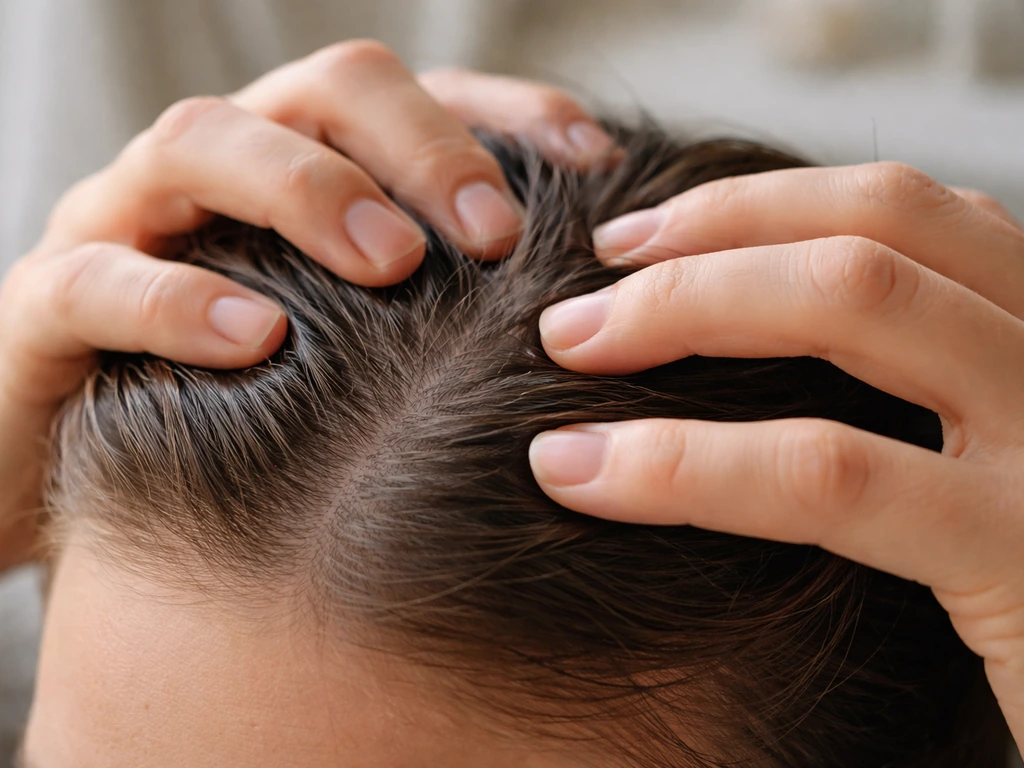
A daily scalp massage of about 4 minutes stimulates blood flow to the follicles and may support thicker strand growth over time. You can do it with your fingertips during shampooing or dry, using light to medium pressure in circular motions. It's one of those habits that costs nothing, has no downside, and adds up over months.
Scalp environment basics
Avoid leaving heavy oils, styling products, or dry shampoo sitting on your scalp for days at a time without cleansing. Heat applied directly to the scalp (very high dryer temperatures held close) can also degrade the scalp environment over time. A balanced sebum level is the goal: not stripped dry by over-washing, not gunked up from under-washing or heavy product use.
Topical treatments and natural remedies that support thickness
This is where the evidence ranges from well-established to promising but limited, so it helps to know what you're working with.
Minoxidil
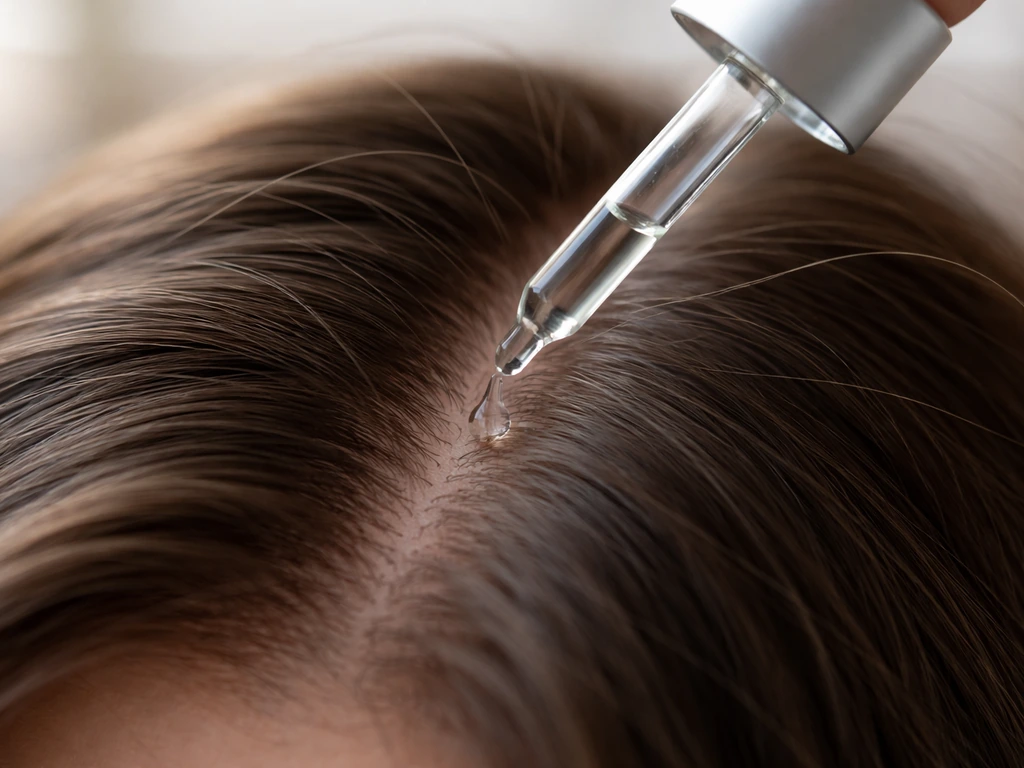
Minoxidil is the most evidence-backed topical treatment for increasing hair density and slowing hair loss in non-scarring alopecias. It's FDA-approved and available over the counter in 2% and 5% concentrations. Randomized controlled trials in women with female pattern hair loss show 5% topical minoxidil is superior to placebo on hair count and scalp coverage outcomes. Results take time, typically 6 to 12 months of consistent use, and you need to keep using it to maintain the results. It's not for everyone: it's not recommended during pregnancy or breastfeeding, and it's not the right tool for scarring alopecias or patchy, sudden hair loss (which need a diagnosis first). If you're considering it, it tends to work better as part of a broader approach rather than as a standalone fix.
Rosemary oil
Rosemary oil has gotten real research attention. One randomized trial compared it directly to 2% minoxidil for androgenetic alopecia and found comparable results at 6 months (both groups showed similar hair count improvements). The evidence is preliminary relative to minoxidil, but it's genuinely encouraging for a natural option. Dilute rosemary essential oil in a carrier oil like jojoba or coconut oil (about 2 to 3 drops per teaspoon of carrier), apply it to the scalp, and leave it on for at least 30 minutes before washing. Consistency matters more than frequency; a few times per week is realistic.
Pumpkin seed oil and other natural options
Pumpkin seed oil has been studied against 5% minoxidil foam in female pattern hair loss, but the evidence is still limited compared to the established research on minoxidil. Castor oil is popular for hair growth but lacks strong clinical evidence; it may help coat and condition the hair shaft (making it feel thicker), which has cosmetic value even if it's not stimulating new follicle activity. Caffeine-based shampoos and serums show some preliminary evidence for blocking DHT (the hormone linked to pattern hair loss) at the follicle level, but the research is not as robust as minoxidil studies.
Hair care habits that prevent breakage and make hair feel thicker
You can do everything right nutritionally and still have short, thin-looking hair if your daily habits are creating breakage. Breakage is the enemy of length retention, and it also makes hair look and feel sparse because damaged, rough strands don't lie smoothly and reflect light poorly. If you have curly hair, reducing breakage is especially important for learning how to grow long hair for curly hair.
- Detangle gently: always detangle from the ends up, never root to tip, using a wide-tooth comb or your fingers. Do it on wet hair with conditioner or on dry hair with a detangling spray, not on dry hair without slip.
- Condition every wash and deep condition weekly: moisture reduces breakage dramatically. A weekly deep conditioning mask makes a real difference, especially for drier or textured hair types.
- Limit heat: high heat from flat irons, curling wands, and blow dryers degrades the hair's protein structure over time. If you use heat, apply a heat protectant first and use the lowest effective temperature setting.
- Trim regularly: a trim every 8 to 12 weeks removes splits before they travel up the strand. This feels counterintuitive when you're trying to grow length, but it prevents the net loss that comes from splits breaking off higher up.
- Be gentle at night: sleeping on a silk or satin pillowcase (or using a silk bonnet) reduces friction-related breakage significantly, especially for textured or fine hair.
- Avoid tight hairstyles: consistent tension on the hairline and temples from tight ponytails, braids, or extensions can lead to traction alopecia. Early-stage traction alopecia is reversible once you remove the tension, but chronic cases can result in permanent loss.
- Go easy on chemical processing: bleach, color, relaxers, and perms weaken the hair's structure. If you're chemically processing and also trying to grow length, space treatments out and prioritize protein treatments in between.
Protective styles like loose braids, twists, or buns that tuck your ends away can help with length retention because they reduce the manipulation and environmental exposure that cause breakage. The key word is loose: tight protective styles become a source of damage themselves.
For women with thin or fine hair: how to tailor your approach
Women face a specific set of variables that men typically don't: hormonal fluctuations around pregnancy, postpartum, perimenopause, and menopause all affect the hair cycle directly. Postpartum shedding is probably the most common example. During pregnancy, high estrogen keeps more hairs in the anagen (growth) phase, so hair looks full. After birth, estrogen drops, those follicles all shift into telogen at once, and 2 to 4 months later you get dramatic shedding. This is normal, temporary, and resolves on its own as the cycle restores, usually within 6 months. The same basic mechanism applies to other hormonal shifts, just with different triggers and timelines.
If your hair has always been fine (thin strand diameter, lower density), you're working with your genetics, and the goal is optimization rather than transformation. Volumizing products, lightweight conditioners (applied from mid-shaft to ends, not the scalp), and avoiding heavy oils directly on the scalp will help fine hair look fuller without weighing it down. Layered haircuts create volume and the appearance of thickness. Protein treatments help fine hair temporarily because they fill in gaps in the cuticle, making strands stiffer and more voluminous.
If your hair has noticeably thinned over time, that's a different situation. Female pattern hair loss (androgenetic alopecia) typically shows as widening at the part and diffuse thinning at the crown rather than a receding hairline. This tends to progress gradually and responds well to topical minoxidil when started early. Hormonal causes like thyroid dysfunction or polycystic ovary syndrome can also produce diffuse thinning and need to be ruled out with bloodwork. For tailored advice on growing long hair specifically with curly or fine textures, those hair types come with their own specific breakage points and care strategies worth exploring separately. If you have fine hair, you can apply the same retention and breakage-prevention principles to grow it long without sacrificing thickness growing long hair specifically with curly or fine textures.
When to see a dermatologist
Most of what's covered in this guide is appropriate for someone with healthy hair who wants more length and fullness, or for someone recovering from a temporary setback like stress-related shedding or a nutritional gap. But there are real red flags that mean you need a professional evaluation rather than a new hair care routine.
- Sudden or patchy hair loss: losing hair in patches, or noticing a rapid increase in shedding (more than 100 to 150 hairs per day consistently), warrants evaluation. Conditions like alopecia areata need specific treatment that over-the-counter approaches can't address.
- Scalp symptoms: persistent itching, scaling, redness, tenderness, or visible inflammation on the scalp can indicate seborrheic dermatitis, psoriasis, fungal infection, or other conditions that are treatable but need the right diagnosis.
- Thinning that isn't resolving: if diffuse thinning has continued for more than 6 months without a clear trigger you've already addressed, a dermatologist can use scalp biopsy and bloodwork to distinguish between telogen effluvium, female pattern hair loss, and other alopecias.
- Hairline recession: progressive recession at the temples or hairline, especially if accompanied by scalp tenderness, can indicate conditions like frontal fibrosing alopecia, which is a scarring alopecia that needs early treatment to halt.
- Systemic symptoms alongside hair loss: fatigue, unexplained weight changes, temperature sensitivity, or irregular periods alongside hair thinning suggest a hormonal or systemic cause (thyroid, iron deficiency anemia, PCOS) that needs bloodwork first.
A board-certified dermatologist can give you an accurate diagnosis and match you with treatments that actually target your specific cause, rather than having you spend months on the wrong approach. The AAD notes that treating the wrong type of hair loss is a common and avoidable mistake. If you're unsure whether what you're experiencing is normal shedding or something that needs attention, it's always worth getting it checked. The earlier a hair loss condition is caught, the more options you have.
Putting it all together: your starting routine
You don't need to do everything at once. The highest-leverage starting points are: get your nutrition right (or get bloodwork to find out what's off), establish a gentle scalp-focused cleansing routine with regular massage, cut back on heat and tight styles that cause breakage, and condition consistently. If you have pattern hair loss or thinning that isn't budging with lifestyle changes, add a topical treatment like minoxidil or rosemary oil to the mix, or consult a dermatologist. Give any new routine at least 3 to 6 months before judging results. The biology is slow, but it does respond. Most people who stick with the right approach for a full year see a real difference in both length and fullness.
FAQ
How can I tell if my hair is thinning from shedding versus breakage?
Shedding usually shows more hairs coming out at the root during brushing or washing, and you may notice widening at the part or crown. Breakage shows shorter, frayed pieces along the lengths. A simple check is to look at fallen hairs, if they have a white bulb at one end it points to shedding, if they are all short and snapped it points to breakage.
What’s the best way to measure whether my hair is actually getting thicker and longer?
Track length with a monthly “comb-out” photo from the same distance and part, and measure from root to the same reference point. For thickness, measure hair density in a consistent way by taking photos of the part and crown under the same lighting, or count hairs shed per wash over a 2 to 3 week baseline. This helps prevent judging by how hair looks that day (it varies with styling and oiliness).
Can I oil my scalp to help hair grow longer and thicker?
Light oiling can improve scalp comfort and reduce dryness, but heavy or daily scalp oiling can worsen buildup in some people, which can irritate follicles. If you use oils, focus on scalp-safe amounts, avoid leaving them for days if you clog easily, and cleanse regularly. If your scalp is already oily or you get flaking, prioritize a medicated shampoo routine before adding oils.
How often should I clarify to avoid buildup without increasing breakage?
If you use styling products, dry shampoo, or you have a heavier scalp, clarifying once every 1 to 2 weeks can help, but for most people once or twice a month is enough. Clarify less often if your hair feels stripped or your ends get tangly, and consider gentler resets (wash twice with a gentle shampoo) if your scalp is sensitive.
Is biotin helpful if I want to grow hair long and thick?
Biotin can be useful if you’re truly deficient, but in most people it is not the missing piece. Instead of starting single-ingredient biotin blindly, a blood test is more efficient because deficiency patterns vary, especially for iron, vitamin D, zinc, and thyroid issues.
How long do I need to use minoxidil before I can judge results?
Plan on at least 6 months for visible changes, and up to 12 months for fuller density. Also expect that early shedding can happen in some people during the first weeks to couple months, if it’s mild and you’re otherwise tolerating it well. Stopping early commonly leads to losing the progress because the follicles revert once the treatment ends.
What should I do if I get scalp irritation from hair growth treatments?
Switch to a gentler approach rather than powering through. For medicated or active topicals, consider reducing frequency, applying only to the scalp (not the hair lengths), and using the correct product amount. If there is persistent burning, redness, or swelling, stop and get evaluated to rule out contact dermatitis and to confirm the hair loss type.
Will protective styles always help, or can they make hair thinner?
Protective styles help length retention only when they are loose and not tension-heavy. Tight edges, constant pulling, or styles that cause rubbing can trigger traction-related hair loss and worsening breakage at the perimeter. Aim for secure but comfortable tension, avoid daily tightness, and rotate styles.
Does trimming help with making hair look longer and thicker?
Trimming does not increase growth rate, but it improves retention by removing split ends that keep breaking upward. For many people, a light trim every 8 to 12 weeks during a growth phase prevents ends from fraying and helps hair look fuller sooner because fewer strands are actively snapping.
What’s the most common mistake people make when they try to grow hair long and thick?
Changing too many variables at once, which makes it impossible to know what helped. Another frequent mistake is focusing only on the hair shaft and ignoring the scalp trigger, like inflammation, telogen shedding triggers, or androgenetic alopecia. Choose one or two high-leverage changes, give them 3 to 6 months, then adjust.
How do I handle postpartum or stress-related shedding so I don’t panic?
If shedding started 2 to 4 months after a trigger like childbirth, illness, or a crash diet, it often fits a temporary telogen effluvium pattern. The key is to restore nutrition, reduce additional stress on the hair (heat and tension), and avoid aggressive treatments until the cycle stabilizes. Most cases improve within about 6 months after the underlying trigger is corrected, but persistent or progressive thinning should be checked.
When should I seek a dermatologist instead of continuing a routine?
Get professional evaluation if you see rapid shedding, patchy bald spots, scalp pain or sores, significant itching or scaling that doesn’t respond, or thinning that is clearly progressive over months. Early diagnosis matters because different hair loss types need different treatments, and some require medical management rather than more scalp care alone.
Next Articles

How Do I Grow Long Hair: Steps, Timelines, and Breakage Tips
Learn how to grow long hair with timelines, breakage prevention, scalp care, nutrition tips, and routine troubleshooting
Grow Hair Long Tips: Step-by-Step Routine to Reach Length
Step-by-step grow hair long tips: boost scalp health, cut breakage, improve diet, and track progress for length.
Tips for How to Grow Long Hair: A Practical Guide
Actionable tips to grow long hair naturally: care routine, scalp habits, nutrition and breakage prevention for healthy l