
blank" rel="noopener noreferrer">Hair grows about 1 cm per month on average, which means getting from a short cut to shoulder length takes roughly 18 to 24 months for most men. You can't dramatically change that number, but you can stop losing the length you already have to breakage, dryness, and poor scalp health. The real plan for growing longer hair is two-pronged: give your scalp and follicles the best environment to produce hair, and protect every centimeter that grows so it actually stays on your head.
How to Grow Longer Hair Male: Faster Steps and Timeline

Marcus Holloway
26 Apr 2026

Realistic timeline: how long does it actually take?
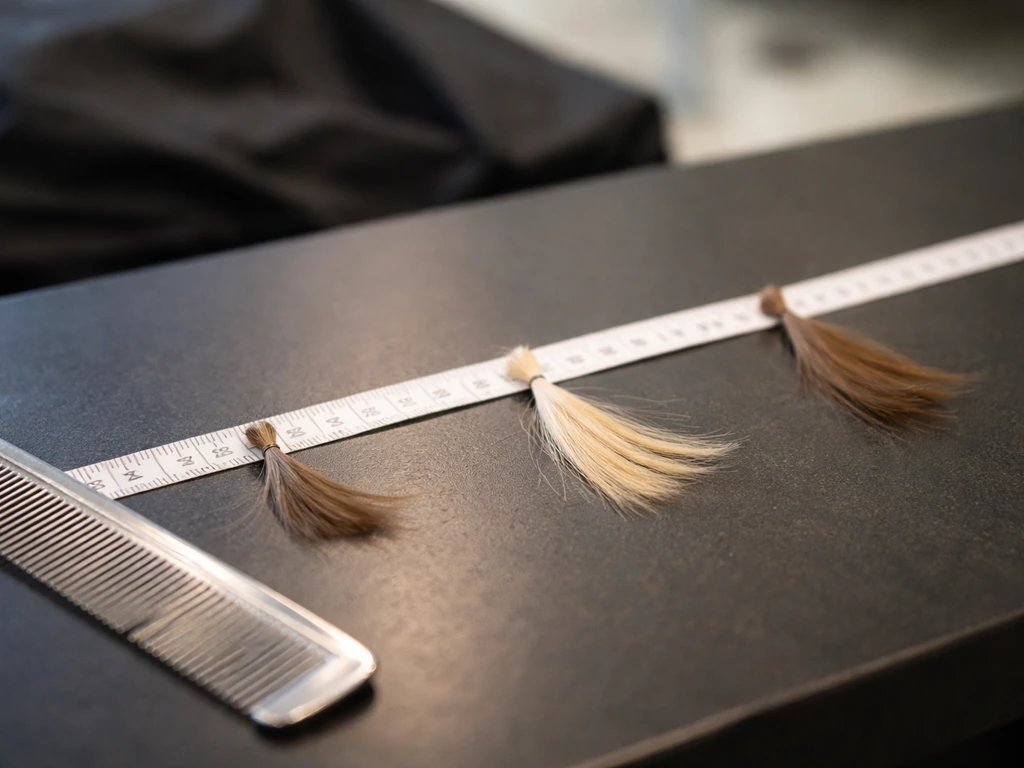
Let's be straight about this so you're not disappointed three months in. At the standard 1 cm per month, here's roughly what you're looking at from a typical men's short cut:
| Goal length | Approximate time needed |
|---|---|
| Past the ears | 3 to 6 months |
| Covering the neck ("flow" length) | 8 to 12 months |
| Shoulder length | 18 to 24 months |
| Chest/collarbone length | 3 years or more |
These are estimates. Some men grow closer to 1.5 cm per month, others grow slower. Genetics, age, hormone levels, and overall health all play a role. The point isn't to obsess over your rate, it's to understand that patience is non-negotiable and that the actions below will help you retain as much of that growth as possible rather than watching it snap off before it reaches your goal.
Growth vs. breakage: why your hair isn't getting longer
A lot of men assume their hair just "stops growing" at a certain length. It almost never does. What's actually happening is that the hair is growing but breaking off at roughly the same rate, so the length stays the same. If you want the best way to grow hair male, focus on reducing breakage while keeping your scalp and follicles in the right condition.
If you want the best way to grow hair male, focus on reducing breakage while keeping your scalp and follicles in the right condition how to grow healthy long hair male (retention-first approach). Hair that's dry, tangled, heat-damaged, or structurally weak snaps long before it reaches its potential. For men looking to grow their hair long, reducing breakage is one of the biggest wins you can make early on grow my hair long men.
If your goal is thick, long hair, the best way to grow hair male is to prioritize reducing breakage while keeping your scalp environment healthy best way to grow hair male (thick long male). Understanding this distinction changes your whole strategy. You're not just trying to stimulate your scalp, you're also trying to keep the hair you already have intact long enough to get somewhere. If you are wondering how to grow thick hair long male, the same breakage-first mindset and scalp health routine apply thick, long hair.
Men are also more likely to deal with androgenetic alopecia (pattern hair loss), which can affect the density and coverage at the top of the scalp, making longer growth feel pointless even when the hair is technically growing. If thinning is part of your situation, that's addressed separately below. But for most men who just want more length, the enemy is breakage, not a broken growth cycle.
Your daily and weekly hair routine
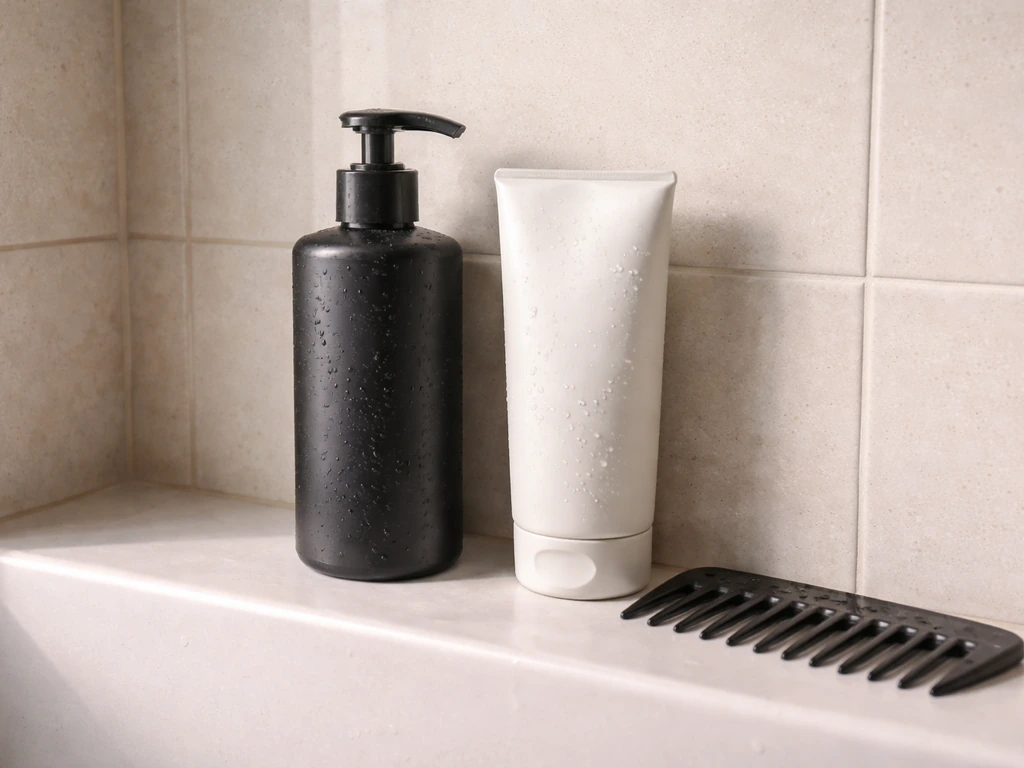
The basics matter more than any fancy product. Getting your wash, condition, and detangle routine right will have a bigger impact on your length retention than anything else.
How often to wash
Most men wash their hair daily out of habit, but daily shampooing strips away the natural oils (sebum) that coat and protect the hair shaft. Once your hair starts getting longer, aim for 2 to 3 washes per week. If you have a very oily scalp, you might need every other day at first, and that's fine. Use a sulfate-free shampoo when possible, since sulfates are effective cleansers but harsh enough to cause dryness over time, especially on longer hair.
Conditioning properly
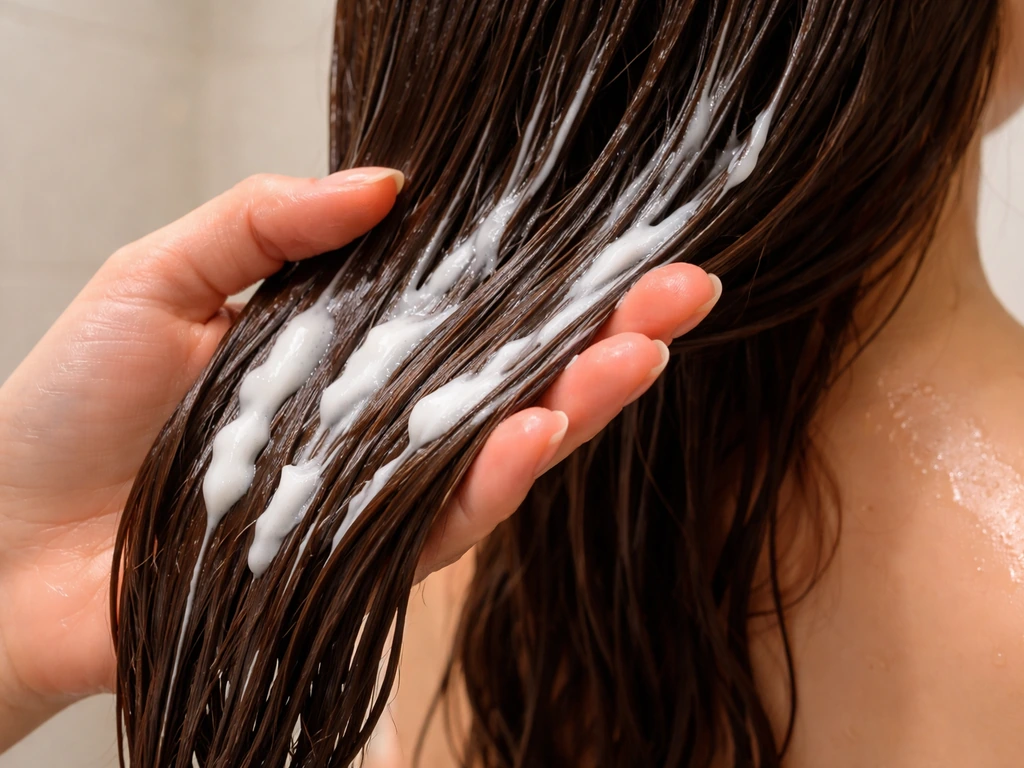
Conditioner is not optional. It replenishes moisture, reduces friction between strands, and makes detangling possible without snapping hair. Apply it from mid-lengths to ends after every wash, and leave it on for at least 2 to 3 minutes before rinsing. A deep conditioning treatment once a week is worth building into your routine, especially if your hair is dry, coarse, or color-treated. You can use a store-bought hair mask or something simple like coconut oil applied 30 minutes before you wash.
Detangling without breaking hair
This is where a huge amount of breakage happens and most men don't realize it. Never use a fine-tooth comb on wet hair. Wet hair stretches and snaps much more easily than dry hair. Wet hair stretches and can break more easily, so use a wide-tooth comb with gentle technique to detangle and reduce traction-related damage Wet hair stretches and snaps much more easily than dry hair.. Instead, use a wide-tooth comb or a detangling brush, start at the ends, and work upward toward the root. Yanking from the root downward causes immediate breakage. Take your time here, especially in the first year when your hair is growing through awkward in-between phases.
Scalp care and topical strategies that support growth
Your scalp is where every strand begins, so keeping it healthy is foundational. A clean, well-circulated, balanced scalp grows hair more consistently than a congested or irritated one.
Scalp cleansing and exfoliation
Product buildup, excess oil, and dead skin cells can clog hair follicles and create an environment that slows hair growth or causes irritation. A gentle scalp scrub or exfoliating shampoo once a week or every two weeks can help clear that buildup. You don't need anything expensive: a scrub with salicylic acid or a simple scalp brush used while shampooing does the job well. If you have dandruff or seborrheic dermatitis, use a medicated shampoo with ingredients like zinc pyrithione, ketoconazole, or selenium sulfide, because an itchy, flaky scalp is both uncomfortable and bad for consistent hair growth.
Scalp massage
Massaging your scalp for a few minutes daily increases blood flow to the follicles, which delivers the nutrients and oxygen they need to produce hair. It's free, it feels good, and there's reasonable evidence it can support growth over time. Use your fingertips (not nails) in small circular motions across your whole scalp for 3 to 5 minutes, either dry or while applying an oil or serum.
Topical treatments worth considering
If you want to go beyond basic care, minoxidil is the most evidence-backed topical option available without a prescription. It's typically discussed in the context of hair loss, but it works by extending the active growth phase of follicles, which is relevant for both thinning and for maximizing growth rate. A 5% foam or solution applied once daily is the common starting point. Rosemary oil is a popular natural alternative with some promising research behind it, and it can be diluted in a carrier oil and massaged into the scalp a few times a week. For general scalp moisture, lightweight oils like jojoba or argan oil applied to the scalp and strands can help reduce dryness without feeling greasy.
Nutrition, supplements, and lifestyle changes that actually move the needle
Your hair is made of keratin, a protein, and the follicles that produce it are among the most metabolically active structures in your body. What you eat and how you live has a real effect on how well they work.
The nutrients your hair follicles need most
- Protein: Hair is almost entirely protein, so if you're not eating enough, your body will deprioritize hair growth. Aim for at least 0.7 to 1 gram of protein per pound of body weight. Eggs, chicken, fish, legumes, and Greek yogurt are all solid sources.
- Iron: Low iron (especially ferritin, the stored form) is one of the most common and overlooked causes of excessive shedding in otherwise healthy people. If you're shedding more than usual, ask your doctor to check your ferritin levels.
- Zinc: Zinc plays a key role in hair tissue repair and growth. A deficiency can cause hair to thin and shed. Good food sources include meat, shellfish, pumpkin seeds, and legumes.
- Vitamin D: Low vitamin D is linked to hair follicle cycling problems. Many men are deficient, especially in northern climates or with limited sun exposure. A supplement of 1,000 to 2,000 IU daily is a reasonable baseline.
- Biotin: Widely marketed for hair growth, but the evidence supports supplementation mainly in people who are actually deficient. It doesn't hurt to include it, but don't expect dramatic results from biotin alone.
- Omega-3 fatty acids: Found in fatty fish, flaxseed, and walnuts, these support scalp health and reduce inflammation that can interfere with healthy follicle function.
Lifestyle factors that quietly affect your growth
Chronic stress is a real hair growth disruptor. High cortisol levels can push follicles into a resting phase, and because of the natural cycle of hair growth, you often don't see the shedding until about 3 months after the stressful event. This is called telogen effluvium, and it's more common than most men realize. Managing stress through exercise, sleep, or whatever actually works for you isn't just good advice for your general health, it genuinely protects your hair growth cycle. Prioritize 7 to 9 hours of sleep, stay well hydrated (your hair shaft and scalp both benefit from adequate hydration), and cut back on smoking if that's a factor, since it restricts blood flow to the scalp.
Should you take a hair growth supplement?
A good-quality multivitamin that covers your nutritional bases is worth taking if your diet is inconsistent. Beyond that, targeted supplements like vitamin D, iron (only if you're deficient), and a hair-specific supplement that combines biotin, zinc, and amino acids can be useful. Be skeptical of anything promising inches of new growth per month or dramatic results in a few weeks. The honest truth is that supplements fill gaps in your nutrition, they don't override biology.
How to style and protect your hair while it grows
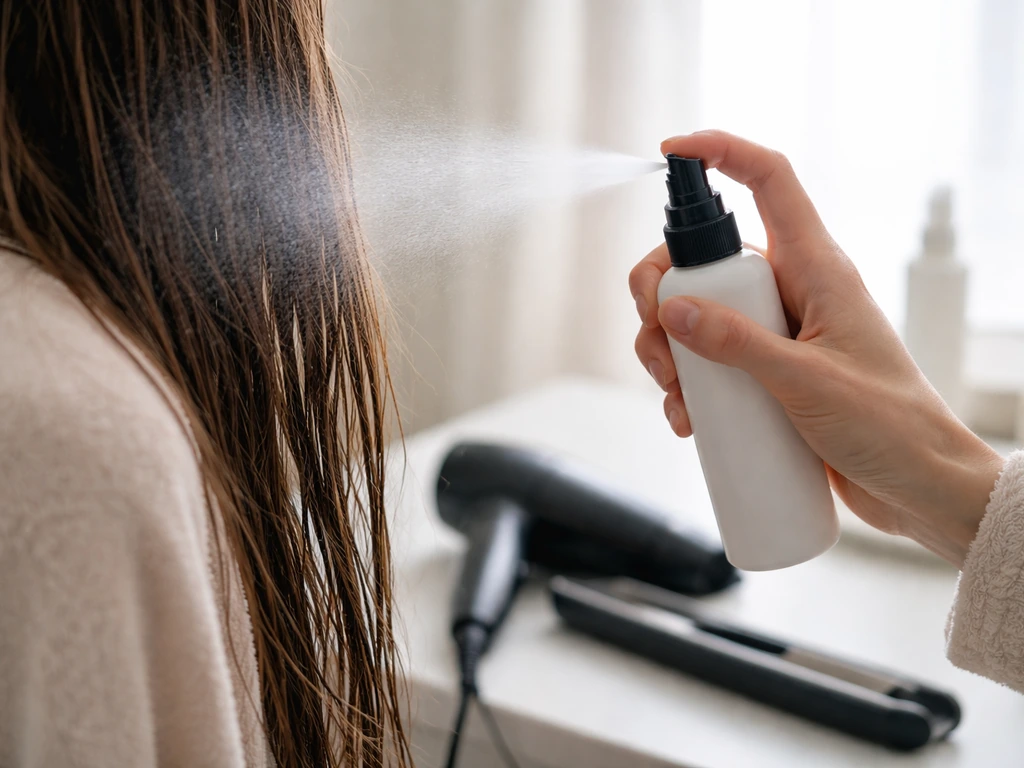
This is the stage most men underestimate. You can do everything else right and still stall your length if you're damaging the hair you have through styling choices.
Heat: use it sparingly
Blow dryers, flat irons, and curling tools all weaken the hair shaft with repeated use. If you use heat, keep the temperature below 180°C (350°F) and always apply a heat protectant spray beforehand. Better still, air dry when you can. The awkward in-between phases of growing out men's hair are often the point where guys give up, and excessive heat styling during this phase causes enough damage that they don't see the results they want.
Protective styles and accessories
As your hair gets longer, protective styling becomes a real option. Loose buns, braids, and twists reduce friction and environmental exposure. Avoid tight elastics with metal clasps since they cause breakage right at the point of contact. Swap to soft, seamless hair ties or scrunchies instead. Sleeping on a silk or satin pillowcase (or wearing a loose bonnet or satin-lined hat if that feels more natural to you) reduces friction overnight, which adds up over months.
To trim or not to trim
You're growing, so skipping trims makes sense, right? Not entirely. Split ends travel up the hair shaft and cause more damage the longer you leave them. A very small trim (3 to 5 mm) every 3 to 4 months removes split ends without meaningfully affecting your length goals. This is a discipline a lot of men skip, then wonder why their ends look thin and fried after a year of growth.
Chemical treatments
Bleaching, perming, and chemical relaxers all compromise the structural integrity of the hair shaft. If growing length is your priority, put these on pause. If you color your hair, stick to less damaging options like semi-permanent color or glosses, and always follow up with deep conditioning.
When to see a dermatologist
Most of what's covered above works well for men who are simply trying to grow hair out without any underlying issues. But there are situations where getting a professional involved is the right call, and pushing through with a DIY routine will just waste time.
- You're losing noticeably more hair than usual, especially in clumps or patches, and it's been going on for more than 2 to 3 months.
- Your scalp is persistently red, itchy, flaky, or painful despite using appropriate shampoos.
- You're seeing a receding hairline or thinning at the crown that's getting progressively worse, which may be androgenetic alopecia requiring prescription treatments like finasteride or dutasteride.
- You've had a sudden, significant shed (more than 200 to 300 hairs per day) following a stressful event, illness, surgery, or major dietary change, which may be telogen effluvium.
- You've made diet, lifestyle, and routine changes consistently for 4 to 6 months with no improvement in shedding or hair condition.
A dermatologist can run bloodwork to check ferritin, thyroid function, vitamin D, and hormone levels, all of which affect hair growth and are frequently the missing piece. Don't wait years before getting checked if something feels off. Growing longer, healthier hair is absolutely achievable for most men, but if there's an underlying condition slowing things down, treating it directly will always get you further than any routine change alone.
Putting it all together: your starting plan
If you're just starting this journey, don't try to change everything at once. If you want a shortcut, use this starting plan as your best way to grow hair male baseline, then adjust based on how your scalp and breakage respond. Start with the routine basics: switch to washing 2 to 3 times per week with a sulfate-free shampoo, condition every wash, and detangle gently with a wide-tooth comb. Add a scalp massage daily.
Look at your diet and make sure you're getting enough protein and consider a vitamin D supplement if you're not outdoors much. From there, layer in the extras: a weekly deep conditioning treatment, protective styling as your hair gets longer, and minimal heat. If you want to reach shoulder-length, use this same foundation consistently and tailor your washing, conditioning, and breakage prevention to male hair growth goals shoulder length hair male. Commit to at least 6 months before judging results.
Length goals like shoulder-length hair or a proper flow take time, and the men who get there are the ones who stopped looking for shortcuts and just built consistent habits. If you want a full, step-by-step plan for how to grow shoulder length hair male, focus on retention first, then build habits you can keep for at least 6 months.
If you are focused specifically on how to grow flow hair for men, treat the first months as a retention phase where you protect length from breakage with gentle washing, conditioning, and heat control flow hair for men growth.
FAQ
How can I tell if my hair is growing but I’m just losing length to breakage?
Look at the ends and the shed hair you’re seeing. If loose hairs have short, frayed-looking ends or you keep finding lots of short broken pieces, that points to breakage. If you see fewer broken ends and fewer short bits over time while your overall density at the hairline improves, growth is more likely happening but being protected.
Should I cut my hair more often when growing it out, or avoid trims completely?
Avoiding trims usually makes split ends travel farther up the shaft, which increases breakage later. A very small cut (about 3 to 5 mm) every 3 to 4 months is typically enough to keep ends from fraying without meaningfully slowing your length goal. If you have lots of split ends now, trim first to reset, then follow the lighter schedule.
Is it bad to oil my scalp if I have an oily scalp or dandruff?
Oil can help with dryness on the strands, but if your scalp is very oily or prone to flaking, heavy scalp oils can increase buildup and irritation. A safer approach is to apply lightweight oil mostly to mid-lengths to ends, and keep scalp products light or avoid oils on scalp if you notice more itch or flakes. If you use a medicated shampoo, time your oiling after the scalp has settled.
How often should I wash if I’m growing my hair out but my scalp gets greasy quickly?
If greasiness builds within a day or two, start with every-other-day washes rather than forcing 2 to 3 days while you’re uncomfortable. The key is using the right amount of shampoo (scalp only) and following with conditioner on lengths and ends only. Consistency matters more than chasing the perfect schedule, but you should not skip cleansing entirely if buildup is obvious.
Can minoxidil help with length growth if I’m not balding?
It may support longer retention and thicker looking hair because it can extend the growth phase, but results vary and it is typically most discussed for androgenetic thinning. If you try it, commit to a full trial period (often several months) before judging, and be aware you might get temporary shedding when starting. Also avoid applying it just to hairline ends without considering whether your main issue is breakage rather than density.
What’s the safest way to detangle during the grow-out phase?
Detangle when hair is fully conditioned and wet or damp, not with bare wet strands. Use a wide-tooth comb or detangling brush, start at the ends, then work upward in small sections. If you feel resistance, add more conditioner or a leave-in, and don’t force through knots because that’s when breakage jumps.
Does sleeping on satin really make a noticeable difference for men growing longer hair?
It can, especially once your hair reaches a length where friction from pillow rubbing becomes constant. The benefit is usually reduced tangling and less overnight snagging, which means fewer broken ends at the next wash. If you notice more morning tangles, tie your hair loosely or use a bonnet alongside the satin pillowcase for better protection.
Is heat styling ever acceptable while trying to grow longer hair?
Yes, occasional heat can fit in if you control it. Keep temperatures lower, use a heat protectant before you style, and limit direct heat frequency. If you notice a lot of dryness or rough, brittle ends during growth, reduce heat further for a couple of months, then reassess.
How long should I wait before concluding that my routine isn’t working?
Give it at least 6 months because hair growth and visible length retention both take time, and shedding events from stress can lag by a few months. A more practical check is to compare breakage patterns (broken pieces per wash, how quickly ends feel rough) rather than only relying on hair length measurements.
What bloodwork should I ask for if I suspect my hair growth is being slowed by a health issue?
Discuss ferritin (iron stores), thyroid function, vitamin D, and relevant hormone concerns with a dermatologist or clinician. If you have symptoms like fatigue, weight changes, or significant shedding, bloodwork becomes more urgent. If you are not deficient, supplements for these levels usually add little, so testing helps you avoid guessing.
Next Articles

How to Grow Long Hair for a Guy: Fast Plan + Tips
Step by step routine to grow long hair for guys fast: wash, detangle, prevent breakage, scalp care, nutrition, fixes
Tips on How to Grow Your Hair Out: A Step by Step Guide
Step-by-step tips to grow hair out: stop breakage, build scalp routine, nutrition, safe actives, and track progress.
Grow Hair Long Tips: Step-by-Step Routine to Reach Length
Step-by-step grow hair long tips: boost scalp health, cut breakage, improve diet, and track progress for length.