
No shampoo can grow your hair the way minoxidil or a nutrient-dense diet can, but the right shampoo can absolutely make your hair look and feel thicker, protect against breakage that masquerades as slow growth, and keep your scalp healthy enough to support every hair follicle you have. A simple way to do that is to start with a basic shampoo formula, then adjust the ingredients and technique based on your scalp needs how to make shampoo that grow hair. For most people dealing with thinning or slow growth, a shampoo with ingredients like biotin, caffeine, ketoconazole, niacinamide, or saw palmetto is the practical first step, used correctly, and paired with a lightweight thickening conditioner.
Best Shampoo to Grow and Thicken Hair: Pick Yours Fast

Marcus Holloway
28 Apr 2026
What shampoo can actually do for your hair (and what it can't)
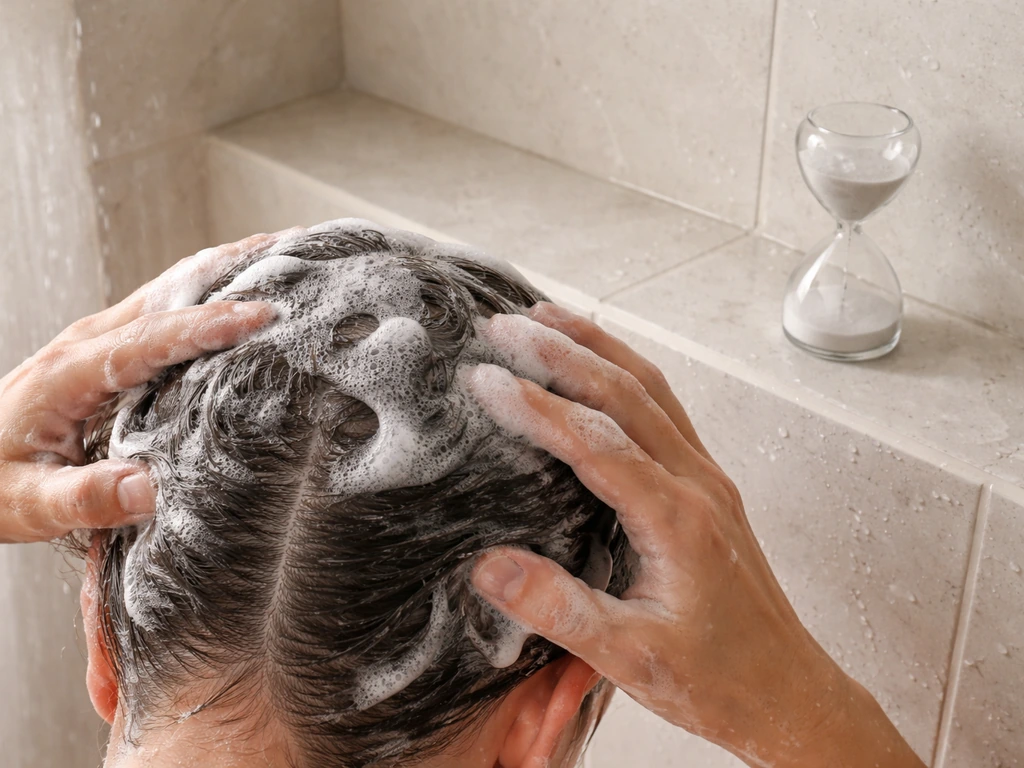
Shampoo sits on your scalp for two to three minutes at most before it rinses away. That contact time is long enough to cleanse buildup, deliver certain actives to the scalp surface, and temporarily plump the hair shaft, but it is not long enough to penetrate the dermal papilla where real growth decisions are made. The American Academy of Dermatology is clear that shedding is driven by cycle disruptions, hormonal changes, nutritional deficiencies, and genetics, not by what you wash with. So if you are expecting a bottle to reverse androgenetic alopecia on its own, that's not how biology works.
What shampoo can legitimately do is remove the sebum, dead skin, and product buildup that can clog follicles and cause inflammation. A clean, calm scalp is a better environment for hair to grow. If you're trying to grow hair longer, the best products to grow hair longer can complement a scalp-focused shampoo routine. If you're trying to grow hair longer, the best products to grow hair longer can complement a scalp-focused shampoo routine best hair routine to grow hair. Certain actives (caffeine, ketoconazole, salicylic acid) have genuine evidence for scalp-level effects that support healthier growth conditions. And volumizing or thickening shampoos deposit proteins and polymers that coat each strand, making fine hair feel and look denser immediately. That's a real, useful outcome, just don't confuse it with growing new hair.
Ingredients that actually support thicker, fuller-looking hair
When you flip a bottle over and read the label, these are the ingredients worth looking for, and why each one earns its place.
Ingredients for scalp health and growth support
- Ketoconazole (1–2%): An antifungal that also has evidence for reducing scalp DHT activity, which is relevant for pattern thinning. It's one of the most studied shampoo actives for hair density.
- Caffeine: Shown in lab and some clinical studies to extend the anagen (active growth) phase and counteract DHT effects at the follicle level. It absorbs quickly, which is why leave-on products work better—but even rinse-off shampoos deliver a dose.
- Saw palmetto extract: A natural 5-alpha reductase inhibitor that may slow DHT-driven miniaturization. Evidence is modest but promising, especially for mild pattern thinning.
- Niacinamide (Vitamin B3): Improves scalp circulation and reduces inflammation. It also strengthens the skin barrier around follicles, creating a healthier growth environment.
- Salicylic acid or zinc pyrithione: Both address scalp buildup, dandruff, and seborrheic dermatitis—all of which can impede healthy follicle function if left untreated.
- Biotin (topical): Less impactful than dietary biotin, but it coats the shaft and adds temporary body; look for it in combination formulas rather than as a standalone claim.
Ingredients for immediate thickness and strand protection
- Hydrolyzed keratin or wheat protein: Fills gaps along the hair cuticle, making each strand physically thicker and more resistant to breakage.
- Panthenol (Pro-Vitamin B5): Penetrates the shaft and binds moisture, swelling the strand slightly and adding noticeable volume.
- Biotin-fortified formulas: Coat fine strands and temporarily increase diameter perception.
- Rice water or rice protein: A trending but genuinely useful source of inositol, which strengthens the hair shaft and reduces breakage.
Ingredients to be cautious with
- Sulfates (SLS/SLES): Effective cleansers, but can strip natural oils and cause scalp irritation in sensitive or dry-scalp types. Fine for oily scalps; swap for gentler surfactants if you have dryness or color-treated hair.
- Heavy silicones (dimethicone, cyclopentasiloxane): Deliver short-term shine and slip but build up over time and can weigh fine hair down, making thinning look worse. If you use silicone-heavy products, a clarifying shampoo once a week is essential.
- Fragrances and alcohol (high on the ingredient list): Common irritants for sensitive scalps. Contact dermatitis from these can actually cause temporary shedding, so they're worth avoiding if your scalp tends to be reactive.
Choosing the right shampoo for your hair type and thinning pattern
The 'best' shampoo for growth is the one that matches both your scalp condition and the reason your hair is thinning. A one-size-fits-all answer is the quickest way to end up with the wrong product. Here's how to match yourself to a formula.
| Hair/Scalp Type | Thinning Concern | What to Look For | What to Avoid |
|---|---|---|---|
| Oily scalp, fine hair | Flat, limp, low density | Sulfate or gentle surfactant cleanse, caffeine, niacinamide, volumizing proteins | Heavy silicones, thick moisturizing formulas |
| Dry or sensitive scalp | Breakage, shedding from irritation | Sulfate-free, panthenol, ceramides, aloe vera, zinc pyrithione for flaking | SLS, high-fragrance formulas, high-alcohol content |
| Color-treated hair, fine | Damage-related thinning, breakage | Sulfate-free, hydrolyzed keratin, biotin, rice protein | Sulfates (strip color and moisture), clarifying shampoos daily |
| Coily or tightly curled hair | Shrinkage disguising length, breakage | Moisturizing sulfate-free base, shea butter, hydrolyzed proteins | Over-cleansing (once weekly is often enough), drying surfactants |
| Androgenetic alopecia (pattern thinning) | Miniaturizing strands, receding density | Ketoconazole 1–2%, saw palmetto, caffeine actives | Nothing that worsens scalp inflammation; avoid heavy buildup |
If your thinning is diffuse, meaning you're losing volume all over rather than at a specific pattern, it's more likely related to a phase disruption like telogen effluvium, triggered by stress, illness, crash dieting, or a hormonal shift. In that case, scalp health and a nutrient-rich diet matter more than any specific shampoo ingredient. A gentle, stimulating formula with niacinamide and caffeine is a solid supporting choice, but the real fix happens at the nutrition and stress level.
Pairing your shampoo with the right conditioner for real thickness
The shampoo-and-conditioner combo matters more than most people realize. Your shampoo cleans and delivers scalp-active ingredients; your conditioner manages the length and ends. Getting this pairing wrong undermines both products.
For thickness goals, the key rule is: keep conditioner off your scalp. Apply from mid-shaft to ends only. When conditioner sits on the scalp, it weighs roots down, blocks follicles, and can cause the oiliness and buildup that you're trying to clear with the shampoo. A light, protein-rich conditioner (look for hydrolyzed keratin, panthenol, or rice protein) will add body without heaviness. If your hair is fine, try a volumizing rinse-out conditioner and save deep conditioners for once every one to two weeks.
A smart pairing approach for most people targeting growth and thickness: use a scalp-focused shampoo with caffeine, ketoconazole, or niacinamide at the root, and a lightweight protein conditioner on the lengths. On weeks when you need more moisture (especially for coily or color-treated hair), swap the lightweight conditioner for a deeper treatment, but keep it away from the scalp. For extra length and breakage control, the best deep conditioner to grow hair can help you maintain moisture and reduce shedding that comes from dryness. Think of the shampoo as the treatment and the conditioner as maintenance. If you want to go deeper into treatment options beyond shampoo, leave-in treatments and hair masks build on this foundation nicely. If you are looking for the best hair treatment to grow hair, focus on targeted scalp actives and pair them with the right conditioner for lasting thickness. For the nutrition side of hair growth, the best hair food to grow hair is a nutrient-dense diet that supports follicles from the inside out.
How to use shampoo for the best growth and thickness results
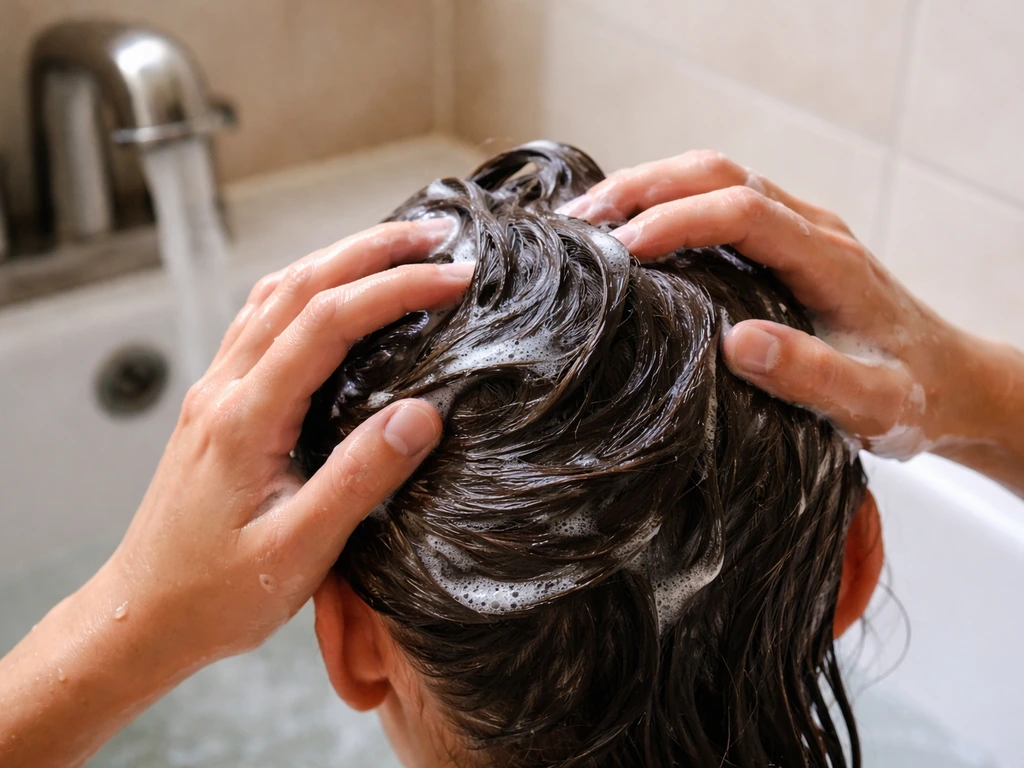
Technique matters more than most people think. Even the best formula underdelivers if you're rushing through your wash routine. Here's what actually makes a difference.
- Start with a thorough rinse. Wet hair and scalp completely with warm (not hot) water before applying shampoo. Hot water is more stripping; lukewarm is ideal for keeping the scalp barrier intact.
- Apply shampoo directly to the scalp, not the lengths. Squeeze a quarter-sized amount into your palms, emulsify it briefly, then apply it to your scalp in sections. The lengths get cleaned by the runoff.
- Massage for 2–3 full minutes. Use your fingertips (not nails) in small circular motions across your entire scalp. This step improves circulation, helps actives contact the scalp, and loosens buildup. If you use a shampoo with caffeine or ketoconazole, this contact time is especially important—it maximizes delivery.
- Rinse thoroughly. Residue is one of the most underappreciated causes of scalp irritation and buildup-related thinning. Take an extra 30 seconds to make sure every trace of shampoo is out.
- Condition length only. Apply conditioner from mid-shaft down. Leave it on for 2–3 minutes, then rinse with cool water to close the cuticle and boost shine.
- Pat dry, don't rub. Vigorous towel friction causes mechanical breakage, especially when hair is wet and vulnerable. Microfiber towels or a soft cotton T-shirt are gentler options.
How often should you wash?
Washing frequency is genuinely personal. Oily scalp types benefit from washing every one to two days, because sebum buildup can impede follicle function. Fine hair also tends to look flatter faster and usually does well with more frequent washing using a gentle formula. Dry scalp types, coily hair, and color-treated hair generally do better with two to three washes per week to preserve moisture balance. If you're using a medicated shampoo like ketoconazole for pattern thinning, follow the product guidance, typically two to three times per week is the effective dose, not daily.
Should you alternate or combine shampoos?
Alternating can be a smart strategy. For example, using a ketoconazole shampoo two or three times a week and a gentler moisturizing or volumizing shampoo on other wash days is a reasonable approach. It lets the active ingredient do its job without over-drying. If you use a lot of styling products, a clarifying shampoo once every week or two will reset buildup without being harsh on a daily basis.
What to realistically expect, and when shampoo isn't enough
Let's be straight about timelines. You'll notice immediate cosmetic changes, more volume, better body, less frizz, within the first few washes with a good thickening formula. If you want the best products to thicken and grow hair, start with a thickening shampoo that supports your scalp and set realistic timelines for results. Genuine changes to hair density (more strands, thicker individual strands) take much longer, because a single hair cycle runs three to six years for anagen phase alone. Most people who stick with a scalp-supportive routine start noticing real density improvements at the three to six month mark, provided the underlying cause is also being addressed.
Shampoo alone will not reverse significant pattern hair loss, correct a nutritional deficiency, or stop hormonally-driven shedding. The AAFP is clear that evidence-based treatments for diagnosed hair loss conditions, like topical minoxidil for androgenetic alopecia, are categorically more effective than any over-the-counter shampoo. Shampoo works best as one layer of a broader routine that also includes nutrition, scalp care, and (when relevant) medical treatment.
Signs it's time to see a dermatologist
- You're losing more than 100–150 hairs per day consistently for longer than three months.
- You notice a clearly receding hairline, widening part, or bald patches rather than diffuse thinning.
- Your scalp is persistently itchy, flaky, red, or tender—especially in patches.
- You've optimized your shampoo routine, diet, and stress management for six months with no improvement.
- You've recently had a major health event (surgery, illness, significant weight loss, postpartum recovery) that triggered a sudden shed.
A dermatologist or trichologist can run bloodwork to rule out thyroid dysfunction, iron deficiency, and hormone imbalances, all common and treatable causes of hair thinning that no shampoo will fix. Getting a diagnosis first means you're not guessing. And if you're building out a complete routine beyond shampoo, the next logical steps are looking at a targeted hair treatment to complement your wash routine, and dialing in your diet and supplement intake, because what you feed your follicles from the inside is ultimately the biggest lever you have.
FAQ
What is the best shampoo to grow and thicken hair if my thinning is from stress or a shedding phase, not a pattern?
Choose a gentle, scalp-calming shampoo with support actives like caffeine or niacinamide, then prioritize wash consistency and trigger control (stress, illness recovery, recent dieting). If shedding started suddenly, give the routine at least 8 to 12 weeks before judging, because hair density recovery lags behind scalp improvements.
How can I tell if my issue is breakage or actual hair shedding, and does the “best shampoo” differ?
If you see many shorter pieces and split ends, breakage is likely. If strands shed from the scalp with a full-length root, shedding is more likely. For breakage, emphasize shaft-coating thickening formulas plus conditioner on mid-shaft to ends, for shedding, focus on scalp actives and consider medical evaluation if it persists.
Can I use a thickening shampoo every day for maximum results?
Daily use can be okay for some, but medicated options like ketoconazole typically should be used only as directed (often a few times per week). If you go daily and your scalp feels tight, itchy, or flaky, switch to a gentler shampoo on off days to avoid over-stripping.
If I have oily roots, should I skip conditioner entirely?
You should still condition, but keep it off the scalp. Apply conditioner from mid-shaft to ends only, and for very fine or greasy hair choose a lightweight, protein-rich rinse-out. If buildup is your issue, consider a weekly clarifying reset (every one to two weeks is often enough).
Is it better to alternate between medicated shampoo and a volumizing shampoo, or use only one?
Alternating is often helpful because it balances active efficacy with moisture. A common approach is medicated shampoo two to three times weekly, then use a gentler cleansing or volumizing formula on the other days, especially if your scalp gets dry or irritated.
How long should I leave shampoo on my scalp to get the benefits?
Plan for roughly two to three minutes of contact time, then rinse thoroughly. Rushing is a common reason even “best” formulas seem underwhelming, because buildup removal and scalp-surface actives depend on adequate contact.
Does using more shampoo or scrubbing harder improve thickening faster?
Not usually. Overuse and aggressive scrubbing can increase irritation and dryness, which can worsen shedding-like symptoms. Use enough to cleanse, massage gently with your fingertips, and focus on coverage at the scalp rather than nails or harsh rubbing.
Can thickening shampoos make my hair appear thicker even if they do not grow new hair?
Yes. Many thickening shampoos create instant cosmetic density by coating the hair shaft, which boosts body and reduces limpness. Treat that as a visual improvement, and still address the root cause if you are trying to increase true density over months.
What should I do if I start a ketoconazole or other medicated shampoo and my scalp gets more itchy or dry?
Stop and reassess technique and frequency first, then consider reducing to the recommended schedule rather than daily use. If symptoms persist, switch to a gentler non-medicated cleanser on off days and consider a clinician evaluation, especially if there is burning, swelling, or worsening scaling.
Will shampoo help if my thinning is caused by thyroid issues, iron deficiency, or hormone imbalance?
Shampoo can support scalp health, but it cannot correct internal deficiencies or hormonal drivers. If thinning is new, rapid, or accompanied by fatigue, weight change, or menstrual changes, bloodwork is a practical next step so treatment targets the real cause.
When should I expect to see real density improvement versus temporary volume?
Cosmetic changes like increased volume can happen within the first few washes. For true density improvements, it usually takes about three to six months if the underlying cause is also being addressed, and longer if diagnosis or trigger management is still in progress.
How do I choose between biotin, caffeine, niacinamide, and ketoconazole if I can only buy one?
Pick based on scalp needs. Ketoconazole targets yeast-associated scalp issues and is typically medicated, niacinamide supports scalp comfort and sebum balance, caffeine is aimed at scalp-level support for healthier conditions, and biotin is more helpful if your thinning is related to deficiency or hair health support. If you have visible scale or persistent itching, prioritize ketoconazole guidance rather than relying on biotin alone.
Next Articles
Grow Hair Long Tips: Step-by-Step Routine to Reach Length
Step-by-step grow hair long tips: boost scalp health, cut breakage, improve diet, and track progress for length.
Tips for How to Grow Long Hair: A Practical Guide
Actionable tips to grow long hair naturally: care routine, scalp habits, nutrition and breakage prevention for healthy l
Tips to Grow Healthy Hair: Simple Steps, Routine, and Red Flags
Step-by-step tips to grow healthy hair: scalp care, nutrition, routines, breakage prevention, and red flags for thinning