
No shampoo is going to regrow a receding hairline on its own, but the right one can absolutely make a difference: it keeps your scalp healthy, reduces inflammation and buildup that slow follicle activity, and helps your existing hair look and feel thicker. For most men, the best shampoos for hair growth contain either ketoconazole (a proven antifungal that also appears to reduce DHT-related scalp inflammation), a caffeine base, biotin-enriched formulas, or medicated actives like zinc pyrithione and selenium sulfide. Which one is right for you depends almost entirely on why your hair is thinning and what your scalp is like right now.
Best Shampoo to Grow Hair for Men: Picks, Ingredients, Routine

Marcus Holloway
3 May 2026
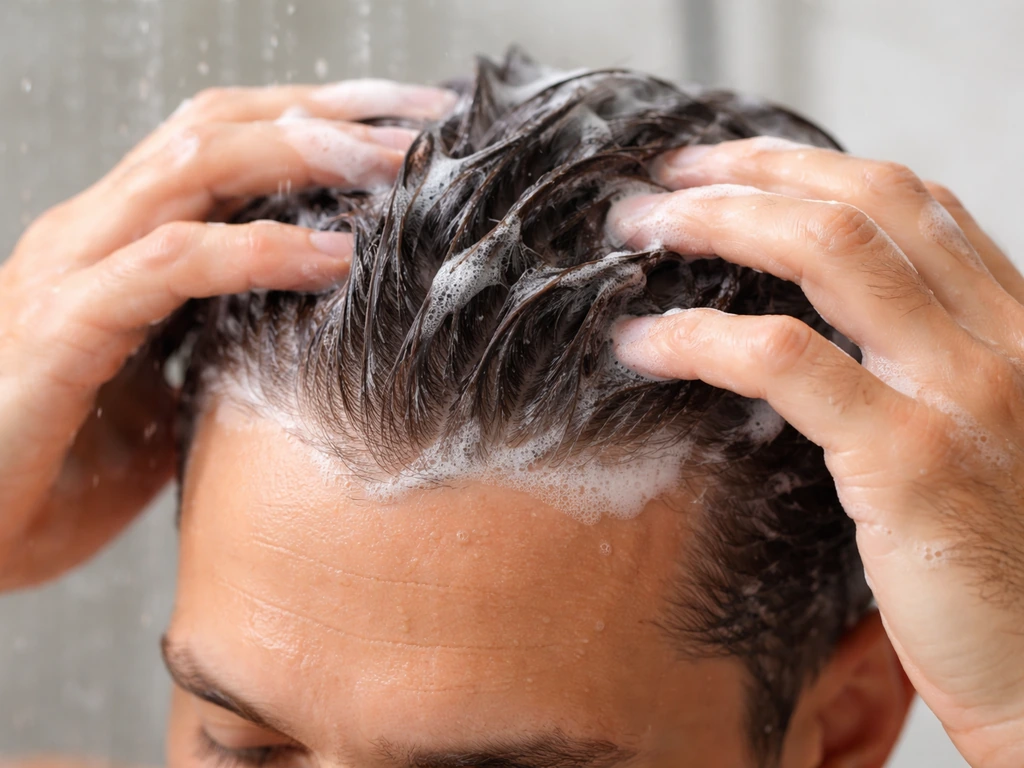
Why shampoo matters (and what it honestly can't do)
Think of your scalp as the soil your hair grows in. If that soil is clogged with sebum, flaking with dandruff, or chronically inflamed, even healthy follicles struggle to produce strong, thick strands. A good shampoo clears that environment, and that clearing can have a real, measurable effect on how much hair you keep and how healthy new growth looks.
That said, shampoo is a rinse-off product. It sits on your scalp for a few minutes and then washes away. It cannot block DHT at a systemic level, it cannot wake up follicles that have fully miniaturized from androgenetic alopecia, and it cannot replace the nutrients your follicles need from the inside. The marketing around 'hair regrowth shampoos' is often wildly overstated. blank" rel="noopener noreferrer">A Cochrane review found that ketoconazole shampoo improves scalp symptoms like scaling, itching, and redness at four weeks compared with placebo, but that evidence is about scalp symptom improvement, not about regrowing hair that's already gone. Be skeptical of any shampoo that promises dramatic regrowth on its own.
Where shampoo genuinely earns its place: controlling scalp conditions like seborrheic dermatitis and dandruff that directly accelerate shedding, removing excess oil and product buildup that clog follicles, and creating the optimal environment for any other treatments you're using (like minoxidil) to actually absorb and work.
Picking the right shampoo for your scalp type and hair loss cause
This is the step most guys skip. They grab whatever says 'hair growth' on the bottle and wonder why nothing changes. Your scalp type and the reason your hair is thinning should drive your choice, full stop.
Oily scalp or dandruff (seborrheic dermatitis)
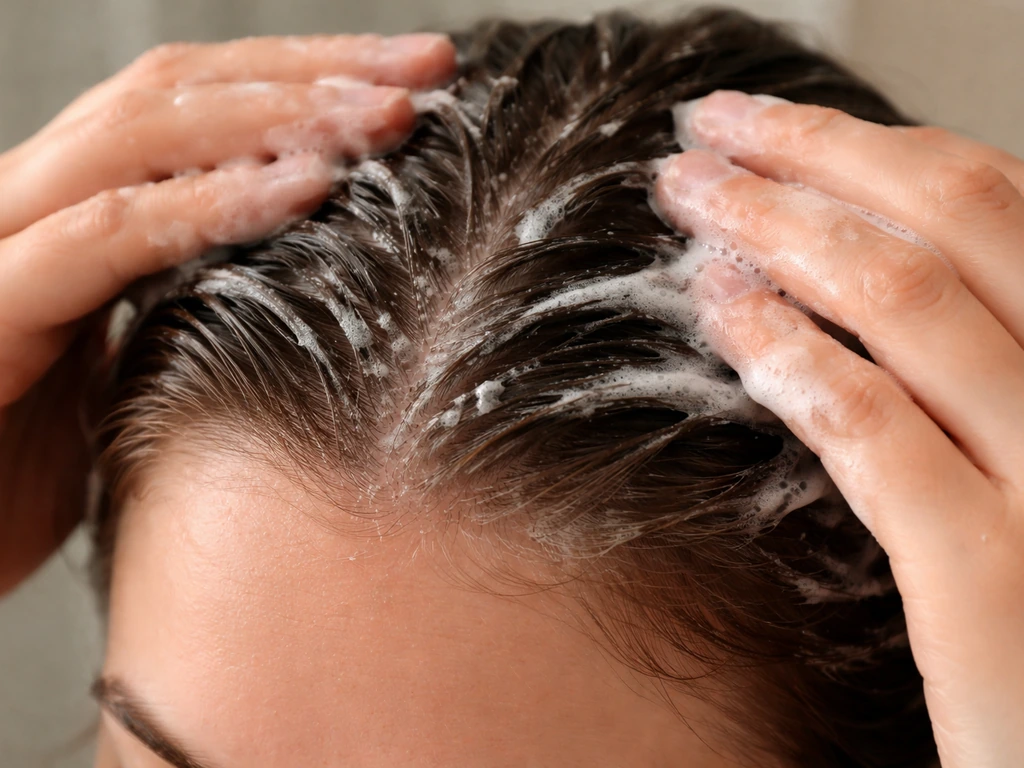
If your scalp is consistently greasy, flaky, or itchy, seborrheic dermatitis or a Malassezia yeast overgrowth is very likely contributing to your shedding. This is one of the most underdiagnosed causes of hair loss in men. For this, you want a medicated shampoo: ketoconazole 1% (available over the counter) or ketoconazole 2% (prescription), zinc pyrithione, or selenium sulfide. PMC notes that zinc pyrithione, an antifungal agent, is used in antidandruff shampoos, and that improved dandruff treatment is associated with reductions in Malassezia yeast on the scalp. The Mayo Clinic recommends using medicated shampoos like 2% ketoconazole once daily or two to three times a week for several weeks, then tapering based on symptoms. Ketoconazole is also worth calling out because some research suggests it may have a mild DHT-blocking effect at the scalp level, which is why it's a popular choice among men dealing with both dandruff and androgenetic alopecia.
Dry or sensitive scalp
A tight, dry, or irritated scalp can increase shedding through chronic low-grade inflammation. Avoid harsh sulfates (more on that in the ingredients section) and look for shampoos with scalp-soothing ingredients like niacinamide, panthenol (pro-vitamin B5), aloe vera, or tea tree oil. These calm the scalp without stripping it further. Wash frequency matters here: over-washing a dry scalp makes things worse.
Normal scalp with general thinning (androgenetic alopecia)
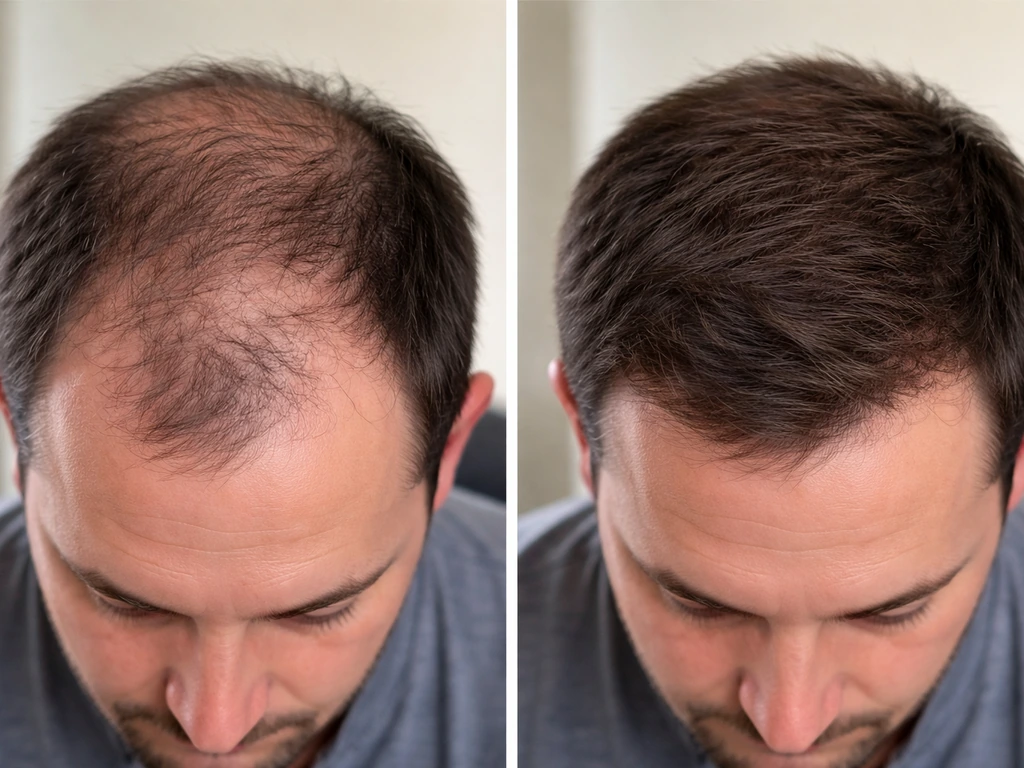
If your scalp is basically healthy but your hair is gradually thinning at the temples, crown, or hairline, you're almost certainly dealing with male androgenetic alopecia (MAA), which is the most common cause of hair loss in men. This is driven by DHT, and shampoo alone isn't going to stop it. That said, caffeine-based shampoos have shown some promising early evidence for extending the anagen (growth) phase, and ketoconazole's potential DHT-blocking effect at the scalp can serve as a useful supportive tool. Think of these as add-ons to a real treatment plan, not the plan itself.
Sudden shedding (telogen effluvium)
If you've had sudden, diffuse shedding after illness, surgery, significant stress, or a major diet change, that's most likely telogen effluvium. Here's some genuinely reassuring news: once the trigger is removed, hair typically regrows on its own. On Reddit in r/TelogenEffluvium, a user describes telogen effluvium as a temporary shedding condition tied to stress or triggers and shares personal experiences with regrowth timing and variability. The AAFP notes this directly. Your shampoo job in this case is supportive: keep the scalp healthy, avoid further irritation, and focus more energy on addressing the root cause (nutrition, stress, sleep) than on finding a magic bottle.
Ingredient checklist: what actually works (and what to avoid)
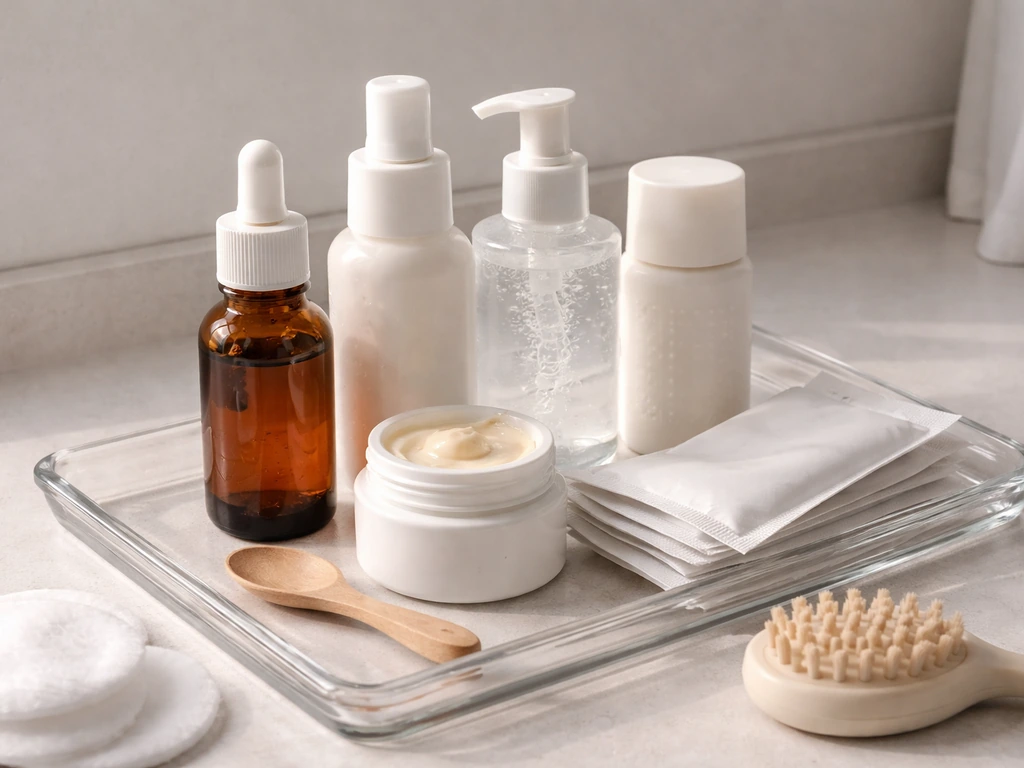
Here's a practical breakdown of ingredients worth seeking out versus ones that are either useless or actively counterproductive.
| Ingredient | What it does | Best for |
|---|---|---|
| Ketoconazole (1–2%) | Antifungal; reduces scalp inflammation; possible mild DHT reduction at scalp | Dandruff, seborrheic dermatitis, androgenetic alopecia support |
| Zinc pyrithione | Antifungal/antibacterial; controls Malassezia yeast and scalp flaking | Dandruff, oily scalp, itchiness |
| Selenium sulfide | Antifungal; slows skin cell turnover to reduce flaking | Moderate to severe dandruff |
| Caffeine | May stimulate follicle activity and extend anagen phase | General thinning support, androgenetic alopecia |
| Biotin/B-vitamins | Supports keratin production; mainly useful if deficient | Brittle or weak hair; general growth support |
| Niacinamide | Improves scalp circulation; reduces inflammation | Sensitive or dry scalp, general thinning |
| Saw palmetto extract | Mild plant-based DHT inhibitor | Androgenetic alopecia support (mild effect) |
| Panthenol (pro-vitamin B5) | Moisturizes and strengthens the hair shaft; soothes scalp | Dry or damaged scalp |
Ingredients to avoid or watch
- Sodium lauryl sulfate (SLS): A harsh detergent that strips natural oils and can irritate a sensitive or dry scalp. Sodium laureth sulfate (SLES) is milder, but if you have a reactive scalp, look for sulfate-free formulas.
- Parabens: While the research on parabens is still evolving, if you have a sensitive scalp or hormone-related hair loss, many dermatologists suggest avoiding them.
- Heavy silicones (like dimethicone): These can build up on the scalp over time and clog follicles if you're not using a clarifying shampoo regularly.
- Artificial fragrance: A common irritant for sensitive scalps. Look for 'fragrance-free' if you notice redness or itching after washing.
- Alcohol (high on the ingredient list): Can be extremely drying to both the scalp and hair shaft.
Men vs. women: what's actually different here
The core biology of hair growth is the same for men and women, but there are meaningful differences in how hair loss typically shows up and what drives it, and those differences affect your product choices.
In men, androgenetic alopecia is far and away the most common cause of thinning, and it tends to follow classic patterns: receding temples, thinning crown, or both. DHT sensitivity is central to this, which is why ketoconazole and saw palmetto-based shampoos show up so often in men's product recommendations. Men also typically have oilier scalps (higher sebum production driven by testosterone), which means they often benefit from more frequent washing and from antifungal or sebum-controlling formulas.
Women more commonly experience diffuse thinning across the whole scalp, and the causes are more varied: hormonal shifts (pregnancy, menopause, thyroid issues), iron deficiency, and telogen effluvium are all common. Women's hair is also usually longer, which means moisture retention, breakage prevention, and scalp-to-end care matter more in their overall routine. A shampoo that works brilliantly for a man with a short, oily scalp might be too stripping for a woman with long, chemically treated hair. Women dealing with hormonal thinning often do well with thickening formulas that include biotin, niacinamide, and scalp-stimulating actives, whereas men dealing with pattern loss usually benefit more from medicated or DHT-supportive formulas.
One important note: some DHT-blocking products contain ingredients that are not recommended for women who are pregnant or trying to conceive. Always check labels if that's relevant to you.
How to actually use shampoo for maximum results
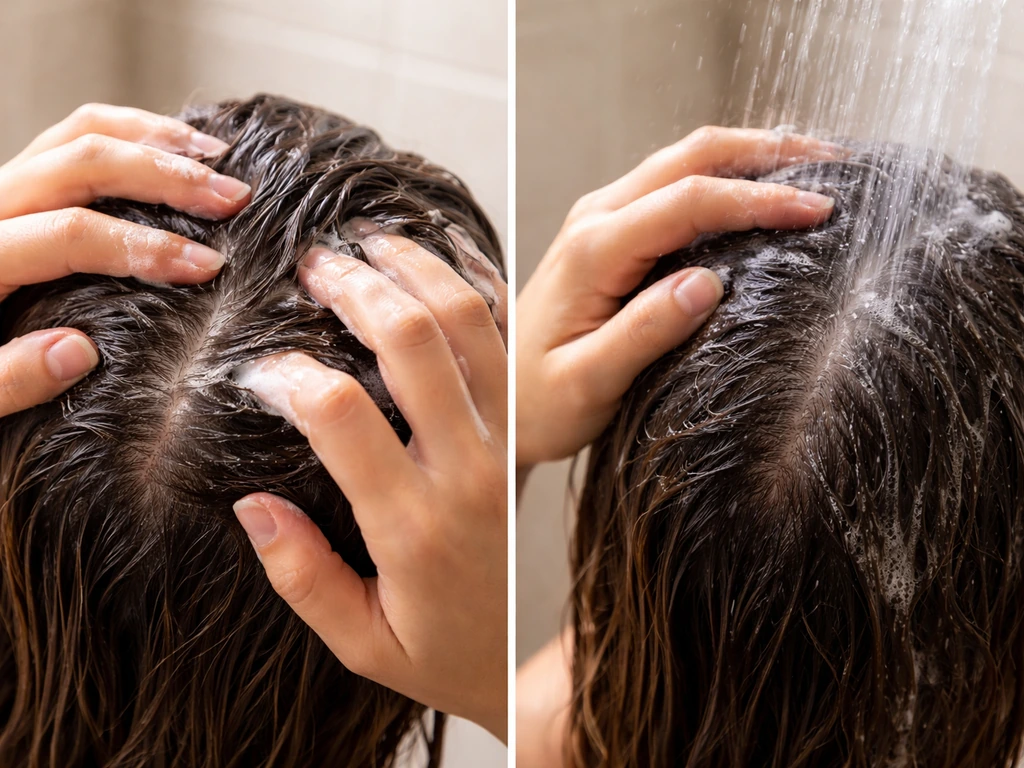
How you use shampoo matters almost as much as which one you pick. Most people rush through it without thinking, and they miss real benefits as a result.
Washing frequency
For men with oily scalps or dandruff, washing three to four times a week (or even daily with a gentle formula) is often appropriate. If you're using a medicated ketoconazole or selenium sulfide shampoo, the AAD and Mayo Clinic guidance generally points to two to three times per week to start, with adjustments based on how your scalp responds. Men with dry or sensitive scalps should wash less frequently, around two times a week, and always follow with conditioner. The goal is a clean, balanced scalp, not a stripped one.
Technique and contact time
Apply shampoo directly to your scalp, not just your hair. Use your fingertips (not nails) to massage the scalp in gentle circular motions for at least two minutes. This does two things: it mechanically loosens buildup and dead skin cells, and it stimulates blood circulation to the follicles. If you're using a medicated shampoo like ketoconazole, let it sit for three to five minutes before rinsing. That contact time is part of how the active ingredient does its job. Many people rinse too quickly and wonder why the product isn't working.
Conditioning and post-wash care
Conditioner goes on the mid-lengths and ends of your hair, not the scalp, unless you're using a leave-on scalp treatment. Applying conditioner directly to the scalp clogs follicles and undoes some of the work your shampoo just did. Rinse with cool or lukewarm water rather than hot water, which can irritate the scalp and strip moisture. Pat dry with a towel rather than rubbing aggressively. If you're using a topical treatment like minoxidil, apply it after your scalp is fully dry, not right after toweling off.
Alternating shampoos
A practical strategy many dermatologists suggest: alternate between a medicated shampoo (for active scalp issues) and a gentler growth-supportive formula during your other wash days. This keeps medicated actives working without over-drying your scalp in the process.
Pairing shampoo with treatments that actually move the needle
If you're dealing with androgenetic alopecia specifically, shampoo is a supporting player, not the main event. The treatments with the strongest clinical evidence are topical minoxidil and oral finasteride. If you’re looking for the best hair treatment to grow hair, start with evidence-based options like minoxidil and finasteride rather than relying on shampoo alone topical minoxidil and oral finasteride. Endotext (on NCBI Bookshelf) describes these as the approved treatments for male androgenetic alopecia, with dutasteride also showing strong results in certain trial settings. These options work at a level shampoo simply can't reach: minoxidil extends the growth phase and increases blood flow to follicles, while finasteride blocks the conversion of testosterone to DHT at a systemic level. A good ketoconazole or caffeine shampoo on top of one of these treatments makes sense as part of a complete routine, but it's not a substitute.
Your routine could reasonably look like this: wash with a ketoconazole or zinc pyrithione shampoo two to three times per week, use a gentle biotin or caffeine shampoo on other wash days, apply minoxidil once the scalp is dry, and take care of nutrition and sleep as foundational factors. Pair that with a good conditioner on the lengths, and you've built an actual system rather than relying on hope and a bottle.
It's also worth thinking about what you're putting into your body. Scalp health and hair growth are strongly influenced by nutrition: protein intake, iron, zinc, vitamin D, and B vitamins all play documented roles in the hair cycle. If your diet is lacking, no shampoo will compensate for that. You might also look into complementary approaches like scalp massage, which has some early evidence for increasing hair thickness when done consistently over several months.
When to see a dermatologist
If you've been using the right shampoo for your scalp type, you've added evidence-based treatments, your nutrition is solid, and you're still losing ground after three to six months, it's time to see a dermatologist. The Mayo Clinic is direct about this: sudden or patchy hair loss, more-than-usual shedding when combing or washing, and persistent loss despite treatment are all signs you need professional evaluation. A dermatologist can order bloodwork to check for thyroid issues, iron deficiency, or hormonal imbalances, rule out alopecia areata or scarring alopecia (which require different treatments entirely), and discuss prescription-strength options if over-the-counter approaches aren't cutting it. Chasing better shampoos when what you actually need is a blood panel or a prescription is a frustrating and unnecessary delay.
What to expect and where to start today
Hair growth is slow, and results from any shampoo or treatment take time. A realistic minimum timeline for noticing reduced shedding from a medicated shampoo is four to eight weeks. Visible thickness improvements from a full routine, including minoxidil, typically take three to six months. Anyone promising faster results than that is selling you something.
Here's a practical starting point for today. If your scalp is oily, flaky, or itchy, pick up a 1% ketoconazole shampoo and use it two to three times a week for at least a month. If your scalp is dry or sensitive, switch to a sulfate-free formula with niacinamide or panthenol. If you're dealing with general thinning on a healthy scalp, a caffeine-based or saw palmetto shampoo can be a reasonable addition while you decide whether to introduce minoxidil. And in all cases: be consistent, give it time, and don't rely on the shampoo alone.
Shampoo is one piece of the puzzle. If you are looking for the best hair routine to grow hair, pair the right shampoo with evidence-based treatments and consistent scalp care hair growth. If you want the best deep conditioner to grow hair, focus on moisturizing options that reduce breakage and keep your scalp and lengths healthy while you address the root cause of thinning Shampoo is one piece of the puzzle. If you are trying to find the best products to grow hair longer, focus on a routine that supports scalp health and the growth phase, not just one “miracle” shampoo. It works best when it's part of a broader routine that addresses your specific cause of hair loss, supports your scalp from the inside and outside, and pairs with clinically proven treatments where needed. If you want the best products to thicken and grow hair, focus on formulas that match your scalp type and the cause of your thinning, not vague “regrowth” claims. Start with the right shampoo for your scalp today, give it a genuine trial period, and build from there.
FAQ
Can a shampoo really grow back a receding hairline for men?
Usually no. Shampoos can improve scalp conditions like dandruff, oiliness, and inflammation, which may reduce shedding and make existing hair look thicker. If your main issue is androgenetic alopecia with miniaturized follicles, shampoo is supportive at best, you typically need treatments like topical minoxidil or oral finasteride for meaningful regrowth.
How long should I wait before judging whether a hair-growth shampoo works?
Give a medicated shampoo a minimum trial of 4 to 8 weeks for reduced shedding, and 3 to 6 months for noticeable thickness changes in a full routine. If you see no improvement by then, it is often a sign the underlying cause is different or needs prescription-level care, not that you need a different brand.
Should I use ketoconazole shampoo daily or only a few times per week?
If you are treating dandruff or seborrheic dermatitis, many men start with 2 to 3 times per week for several weeks, then taper based on symptoms. Daily use can be too drying or irritating for some scalps, so adjust to how your scalp feels rather than pushing through discomfort.
What if my scalp gets oily soon after washing, but I also feel irritated or dry?
That pattern often means irritation is triggering more inflammation and reactive oiliness. Try reducing the medicated or active frequency, switch to a gentler non-stripping cleanser on non-med days, and focus on proper contact time (3 to 5 minutes for medicated shampoos) so you do not over-wash to “make it work.”
Is it bad to use conditioner right after medicating shampoo?
Conditioner should be kept off the scalp. Apply it to mid-lengths and ends after rinsing the medicated shampoo, so you do not re-clog follicles or undo the scalp-cleansing effect. If you have very long hair and conditioner touches the scalp, consider using a lighter conditioner or detangling on lengths only.
Do caffeine shampoos actually help men with pattern thinning?
They may help some men by supporting the growth phase, but evidence is not as strong as for established therapies. Treat caffeine shampoos as add-ons, especially if your scalp is healthy, and do not delay starting minoxidil or finasteride when androgenetic alopecia is likely.
What is the best approach if I get flakes but they are not “dandruff”?
If flakes come with burning, thick scales, or persistent redness, you may have seborrheic dermatitis or another scalp condition rather than simple dryness. In those cases, a medicated antifungal shampoo (ketoconazole, zinc pyrithione, or selenium sulfide) is often more appropriate than sulfate-free moisturizing shampoos alone.
Can I combine two medicated shampoos in the same wash?
Usually it is unnecessary and can increase irritation. If you want to alternate medicated options, do it across different days (for example, one medicated shampoo on wash days and a gentler shampoo on others), rather than stacking actives in one session.
Will switching shampoos every week prevent progress?
Yes, it can. For medicated products especially, frequent switching makes it hard to tell what is helping and can keep your scalp in an adjustment cycle. Pick one appropriate shampoo for your scalp type, use it consistently during the trial window, then reassess.
Is sulfate-free always better for hair growth?
Not necessarily. Sulfates can contribute to stripping for some people, but cleansing strength itself does not create regrowth. If you have oily scalp or dandruff, an effective medicated shampoo can still be the right choice even if it is not sulfate-free. The real goal is matching the cleanser to your scalp condition without causing excessive irritation.
How should I wash for maximum benefit when using a growth or medicated shampoo?
Massage the shampoo into the scalp with fingertips for at least about two minutes, rinse thoroughly, and for medicated shampoos let it sit about 3 to 5 minutes before rinsing. These steps matter because many people do not provide enough contact time for actives to work.
What if I have sudden shedding after stress or illness, should I change my shampoo?
You can support scalp health, but the bigger lever is addressing the trigger (sleep, nutrition, recovery). Telogen effluvium often improves once the trigger resolves, so avoid constant product changes and focus on gentle, non-irritating washes while you let regrowth catch up.
When should I see a dermatologist instead of trying another shampoo?
If shedding is heavy or worsening after 3 to 6 months of appropriate use, if you have patchy or sudden hair loss, or if you have symptoms like burning, scalp pain, or visible scarring, get evaluated. A dermatologist can rule out conditions that shampoos cannot treat, such as alopecia areata or scarring alopecias, and can order labs for thyroid or iron issues.
Next Articles
Best Shampoo to Grow and Thicken Hair: Pick Yours Fast
Practical picks for the best thickening shampoo and conditioner, how to use them, and realistic timelines for fuller gro
Tips on How to Grow Your Hair Out: A Step by Step Guide
Step-by-step tips to grow hair out: stop breakage, build scalp routine, nutrition, safe actives, and track progress.
Grow Hair Long Tips: Step-by-Step Routine to Reach Length
Step-by-step grow hair long tips: boost scalp health, cut breakage, improve diet, and track progress for length.