
Here's the short answer: your hair will grow about half an inch per month, roughly six inches a year, as long as your follicles are healthy, your body has the nutrients it needs, and nothing is disrupting the hair cycle. The longer answer involves understanding why that growth sometimes slows, stops appearing, or gets outpaced by shedding or breakage. If you're wondering how do hair grow in the first place, the key is understanding the scalp hair growth cycle and how it can get disrupted. If you want a simple starting point for how 2 grow hair, focus first on keeping your scalp and follicle cycle healthy. Once you understand those mechanics, fixing it becomes a lot less overwhelming. Let's go through everything you need to know, starting with what's actually happening inside your scalp right now.
How Hair Will Grow: Step-by-Step Guide for Faster, Healthier Growth

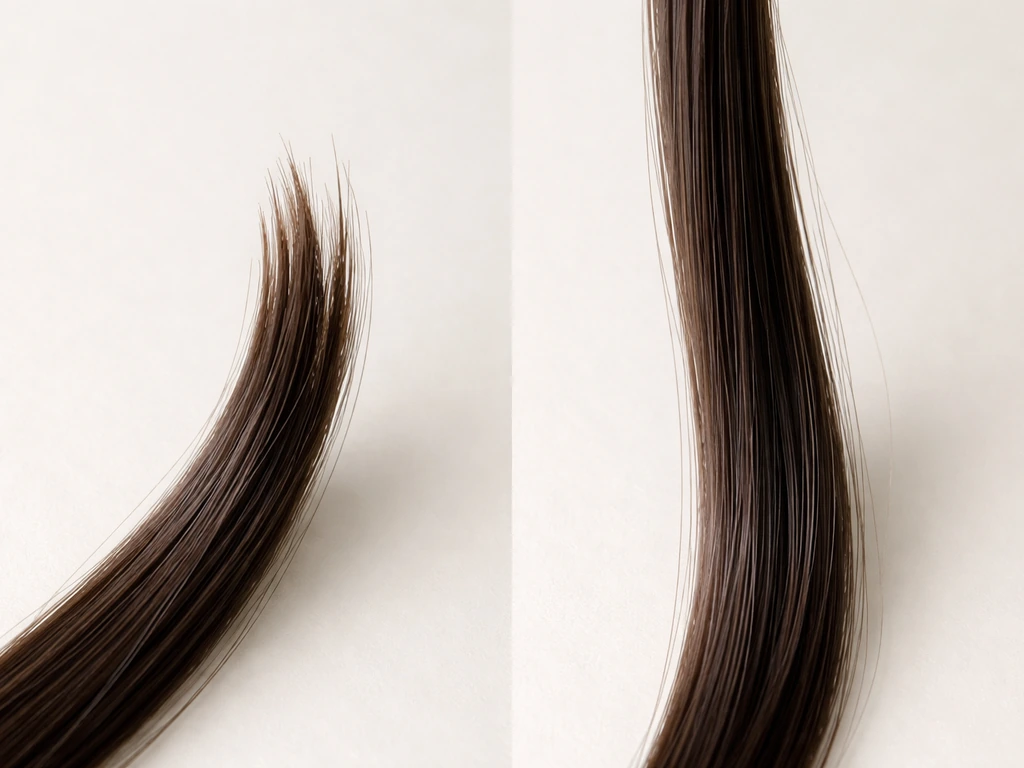
How hair actually grows: the cycle explained
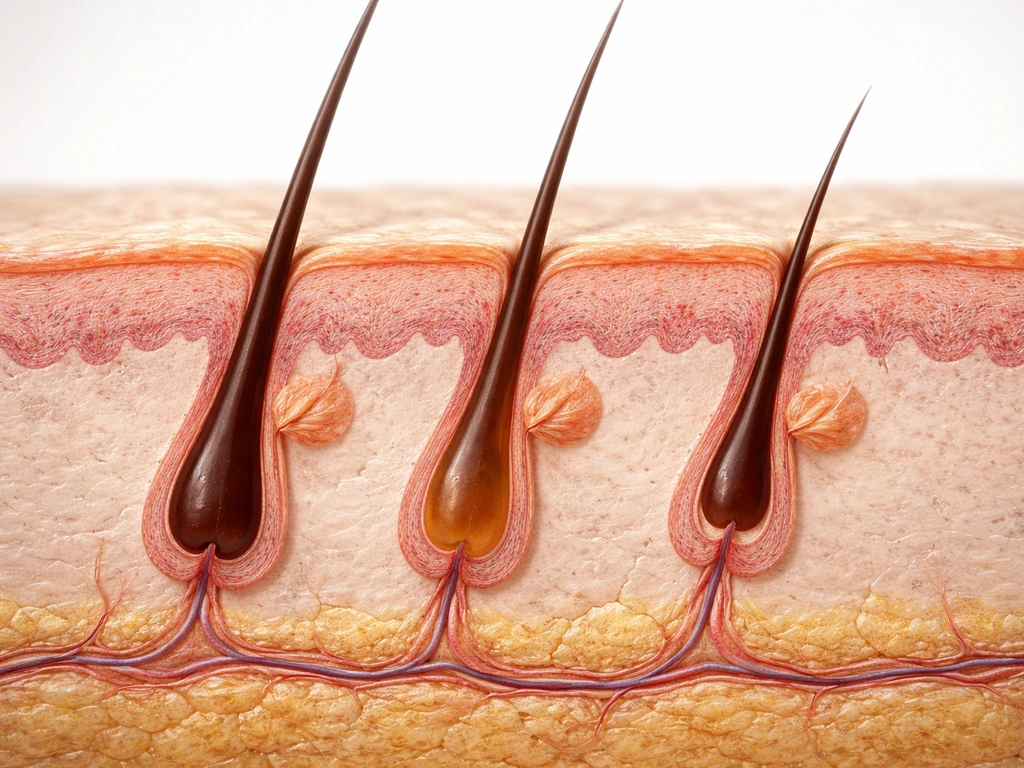
Every single hair on your head is independently cycling through three phases: anagen, catagen, and telogen. Anagen is the active growth phase, and for scalp hair it lasts anywhere from 2 to 8 years. This is the phase that determines your maximum hair length potential. The longer your anagen phase runs, the longer your hair can get. After anagen, the follicle enters catagen, a brief transition phase where growth stops. Then comes telogen, a resting phase that lasts about 2 to 4 months, after which the hair sheds and the follicle starts a new anagen phase.
What this means practically: at any given time, the majority of your hair is in anagen (growing), while a small percentage is in telogen (resting and about to shed). Losing somewhere around 100 to 150 hairs per day is completely normal. If you're seeing clumps in the shower or on your brush and panicking, take a breath. Some of that is just the cycle doing what it's supposed to do. The problem is when the system gets disrupted, pushing more follicles into telogen at once, or when anagen phases shorten and hairs never get a chance to grow long.
One thing worth knowing: visible density loss can lag behind actual shedding by weeks. You can lose a significant portion of your hair in telogen effluvium before you start noticing obvious thinning. That's why people often feel blindsided by sudden-looking hair loss that was actually building for months.
Why your hair might not be growing like it should
Before you can fix the problem, you need to figure out which problem you actually have. There's a meaningful difference between hair that's shedding in large quantities, hair that's thinning gradually, and hair that's breaking at the ends. Each points to a different cause and a different solution.
Shedding vs. thinning vs. breakage
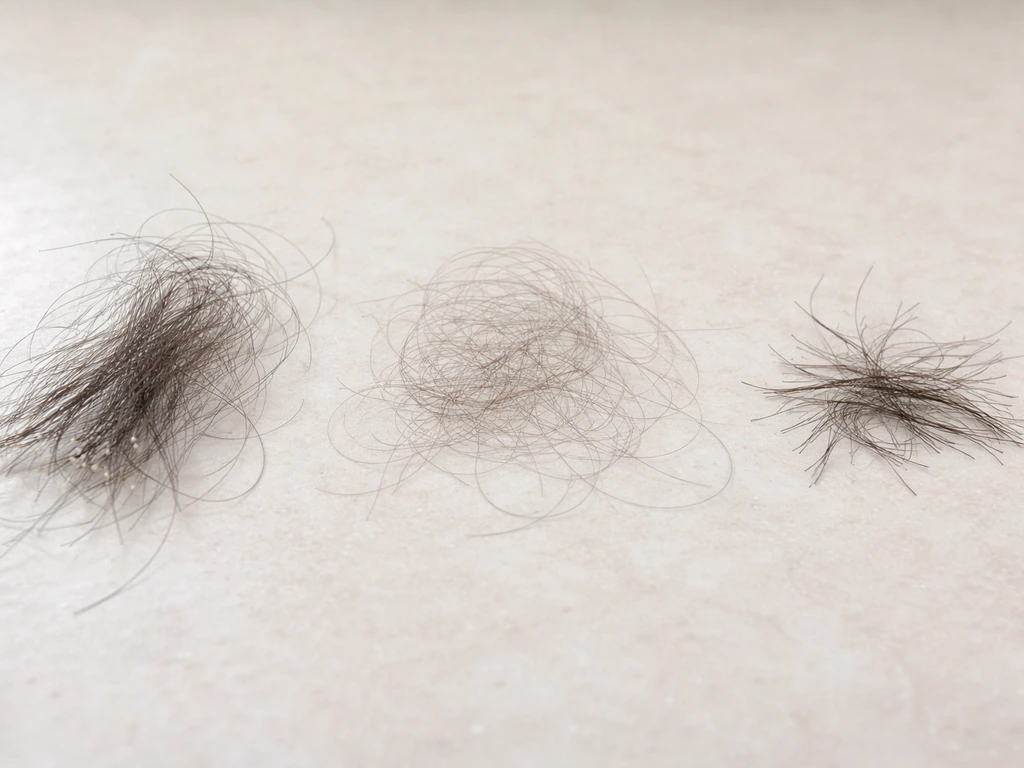
If you're losing a lot of hair all at once and it's coming out from the root (you'll see a small white bulb at the tip of the shed hair), that's shedding, most likely telogen effluvium. This is the most common cause of diffuse hair shedding, and it's triggered by a shock to the system: illness, surgery, childbirth, crash dieting, major stress, or certain medications. The good news is that acute telogen effluvium usually resolves within 3 to 6 months once the trigger is removed. If it's been going on longer than 6 months, it's considered chronic and warrants more investigation.
If your hair is thinning gradually and you're noticing more scalp visibility, a widening part, or a receding hairline, that points more toward pattern hair loss (androgenetic alopecia). This type involves progressive follicle miniaturization driven by genetics and hormones, and it tends to follow predictable patterns. It doesn't resolve on its own and typically needs ongoing treatment to slow or reverse.
If your hair feels like it's not growing but you're not actually losing more hairs from the root, breakage is the more likely culprit. Heat damage, chemical processing, tight hairstyles (traction alopecia often shows up as broken hairs around the hairline and temples, sometimes with intact hairs along the margin), and rough handling all cause the hair shaft to snap before it can reach length. This looks like hair that stays the same length no matter what, with lots of short, wispy pieces.
Other common reasons hair growth slows
- Iron deficiency: one of the most frequently overlooked causes in women, with studies showing iron deficiency in nearly 30% of women with telogen effluvium and ferritin deficiency in almost half. A ferritin level below 40 ng/mL has been proposed as a meaningful threshold for hair health.
- Thyroid dysfunction: both hypothyroidism and hyperthyroidism can cause diffuse shedding; thyroid tests are often part of a standard hair loss workup.
- Vitamin D deficiency: associated with more severe androgenetic alopecia in some studies, with vitamin D receptors playing a role in follicle cycling.
- Zinc deficiency: a known cause of hair loss, though severe deficiency is less common in people eating varied diets.
- Nutritional restriction: very low-calorie diets or protein deficiency can trigger telogen effluvium because the body deprioritizes hair when resources are scarce.
- Scalp conditions: seborrheic dermatitis, scalp psoriasis, and similar conditions create an inflammatory environment that can interfere with healthy growth.
- Hormonal changes: pregnancy, postpartum periods, perimenopause, and hormonal contraceptive changes all shift the hair cycle.
- Age: anagen phases naturally shorten as you get older, and hairs spend more time in telogen.
- Medications: several drugs list hair loss as a side effect, including certain blood pressure medications, antidepressants, and anticoagulants.
What to start doing right now: your scalp routine
The scalp is where hair growth actually begins, and most people either neglect it entirely or treat it too harshly. Think of your scalp like skin because that's exactly what it is. It needs to be clean, not inflamed, and well-circulated. Here's a practical routine you can start today.
Cleansing frequency and technique
Wash your scalp as often as it needs it, which for most people is every 2 to 3 days. Letting sebum and product build up can clog follicles and feed the yeast (Malassezia) that drives seborrheic dermatitis. That said, over-washing strips the scalp's natural barrier, especially if you're using harsh sulfate shampoos with hot water. Use lukewarm water, massage the shampoo into your scalp with your fingertips (not your nails), and rinse thoroughly. Focus conditioner on the lengths and ends, not the scalp.
Scalp massage
Daily scalp massage is one of the cheapest and most practical things you can add to your routine. It increases blood flow to the follicles, and some small studies suggest consistent massage over several months may improve hair thickness. Even just 4 to 5 minutes a day using your fingertips or a silicone scalp massager can make a difference over time. Do it while your conditioner is sitting or while watching something, it doesn't have to be a whole production.
Handling and detangling
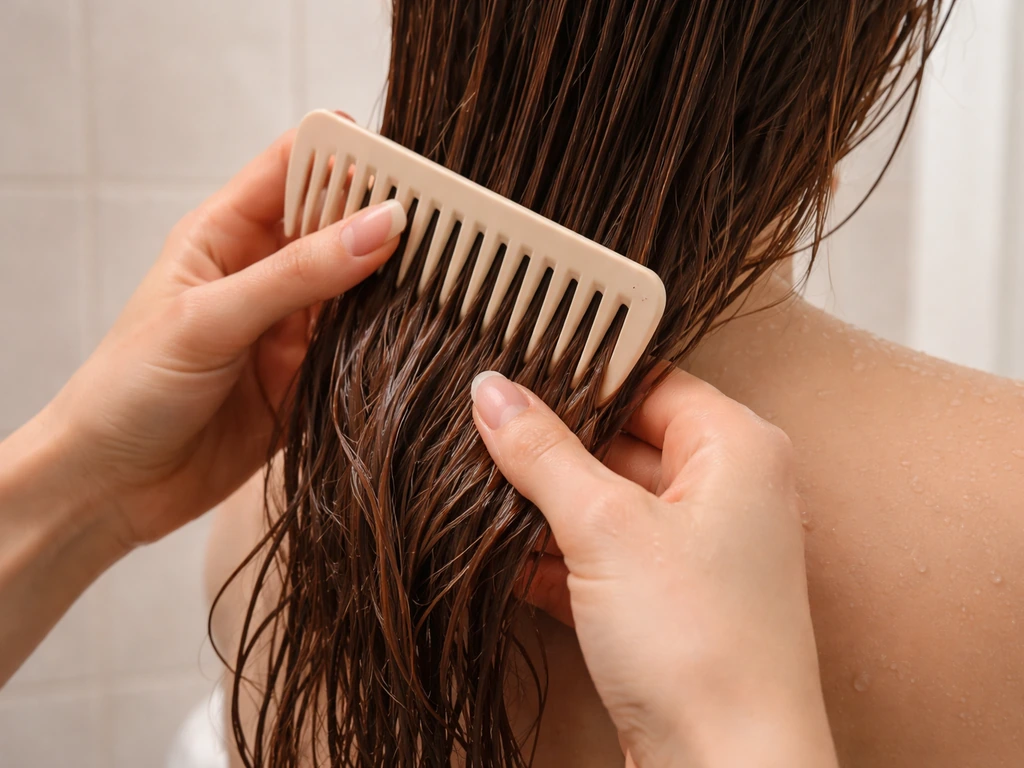
Wet hair is significantly more elastic and prone to snapping. Use a wide-tooth comb on wet hair, not a brush, and start from the ends working upward. Detangle before washing if you have longer or textured hair. Avoid tight hairstyles that pull at the hairline consistently, since traction alopecia from chronic tension can eventually become permanent if the follicle is damaged repeatedly. If you have 3b, 3a, or other curl types with tighter curl patterns, protective styles are great, but give your hair regular breaks from tension. If you're specifically trying to improve length and reduce breakage on tighter curls, the guide on how to grow type 3 hair can complement the routine here. If you're specifically trying to improve length and reduce breakage on tighter curls, the guide on how to grow type 3 hair can complement the routine here how to grow 3a hair. For <a data-article-id="1EE1B05B-E122-48B7-A037-77E110E5F594">3b hair</a> in particular, reducing tension and prioritizing protective styles helps prevent breakage so you can focus on steady length over time <a data-article-id="B193F662-A395-434C-A57A-A637289727A0">how to grow 3b hair</a>.
Managing itch, flakes, and scalp inflammation
If your scalp is itchy, flaky, or oily with visible dandruff, you likely have some degree of seborrheic dermatitis. This is extremely common and very treatable. Anti-dandruff shampoos with zinc pyrithione 1% or ketoconazole 1%–2% are well-supported first-line options. For more significant cases, prescription-strength ketoconazole or ciclopirox, and occasionally a mild topical hydrocortisone, are evidence-based choices. Use the antifungal shampoo two to three times per week until symptoms are controlled, then step down to once weekly for maintenance. A calmer scalp environment directly supports healthier follicle function.
Nutrition and supplements that actually support growth
Food comes before supplements, always. If your diet is solid, most supplements marketed for hair growth won't do anything measurable. But if you're deficient in something critical, that gap can absolutely be what's slowing your growth or triggering shedding. Here's what's worth paying attention to.
The nutrients your follicles need most

| Nutrient | Why it matters for hair | Dietary sources | When to supplement |
|---|---|---|---|
| Protein | Hair is mostly keratin; inadequate protein can trigger shedding and slow growth | Meat, eggs, fish, legumes, dairy | Rarely needed if eating a varied diet with adequate calories |
| Iron / Ferritin | Iron deficiency is a major cause of telogen effluvium, especially in women; aim for ferritin above 40 ng/mL | Red meat, lentils, spinach, fortified cereals | If blood work confirms low ferritin or iron deficiency anemia |
| Vitamin D | Deficiency linked to more severe pattern hair loss; follicles have vitamin D receptors | Fatty fish, egg yolks, fortified foods, sunlight | Very commonly deficient, worth testing; supplement if levels are low |
| Zinc | Required for follicle cell function; deficiency causes hair loss | Oysters, beef, pumpkin seeds, chickpeas | Only if deficiency is confirmed; excess zinc can actually worsen hair loss |
| Omega-3 fatty acids | Supports scalp health and reduces inflammation | Fatty fish, flaxseed, walnuts, chia seeds | Fish oil or algal oil supplement is reasonable if fish intake is low |
| Biotin | Often marketed heavily for hair; actual evidence supports benefit only in confirmed deficiency | Eggs, nuts, whole grains | Not recommended unless you have a documented deficiency or absorption issue |
A note on biotin specifically: it's in nearly every hair supplement on the market, but the clinical evidence for it in people without a deficiency is thin. If you're eating eggs and a varied diet, you're almost certainly getting enough biotin. Iron and vitamin D are far more likely to be the actual culprits if nutrition is playing a role in your hair loss, and these are worth testing with your doctor before supplementing.
Topicals and treatments: from gentle actives to medical options
This is where things get more specific depending on what you're dealing with. Not everyone needs minoxidil. But knowing what's available and what each option actually does helps you make a smarter choice.
Caffeine and other supportive topicals
Caffeine-containing shampoos and serums have some early evidence suggesting they can help counteract the effects of DHT (the hormone responsible for follicle miniaturization in androgenetic alopecia) at the follicle level. The evidence isn't as strong as for minoxidil, but caffeine-based products are low-risk and reasonable to include as part of a broader routine. Look for shampoos that list caffeine near the top of the ingredient list and let them sit on the scalp for a couple of minutes before rinsing.
Minoxidil
Minoxidil is the most well-studied topical hair growth treatment available without a prescription. It works by prolonging the anagen phase and increasing blood flow to follicles. For men, the 5% foam twice daily has strong clinical trial support. For women, 5% minoxidil foam once daily has been shown to be as effective as the older 2% solution twice daily at 24 weeks. There's one thing people don't always hear upfront: in the first few weeks of use, you may notice increased shedding. This is the follicles transitioning into a new anagen cycle, not a sign the product is making things worse. Push through it.
Realistic expectations: if you haven't seen new hair growth after 4 months of consistent use, that's the signal to stop and talk to your doctor rather than continuing indefinitely. Side effects are generally mild with topical application, but the label does flag potential systemic effects like chest pain, rapid heartbeat, or dizziness if too much is absorbed, so use the directed amount and don't apply to broken skin.
Finasteride
Finasteride 1 mg/day is a prescription oral medication approved for male pattern hair loss. It works by blocking the conversion of testosterone to DHT. It takes about 12 months to see meaningful hair count improvements, and it needs to be taken continuously because stopping reverses the gains. Reported side effects include decreased libido and erectile dysfunction in roughly 2 to 4% of users, and decreased ejaculatory volume. Women of childbearing potential should not handle crushed finasteride tablets due to fetal risk. This is a conversation to have with a dermatologist, not something to self-prescribe.
Microneedling
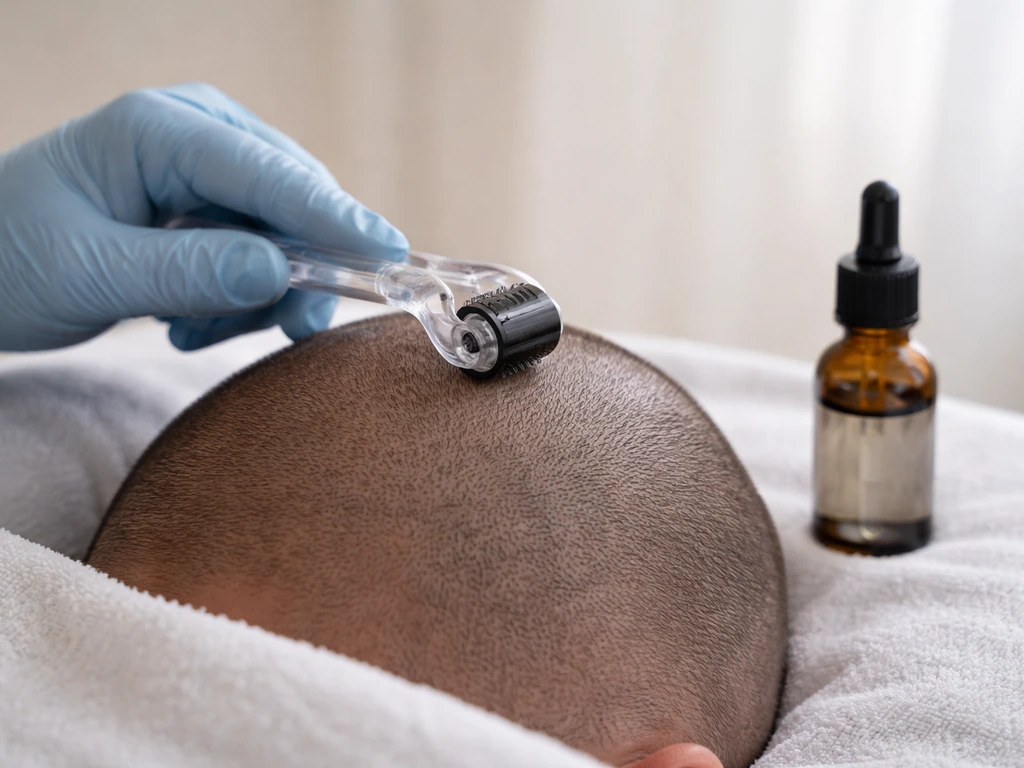
Microneedling (using a dermaroller or dermapen on the scalp) has growing evidence, particularly when combined with minoxidil. One randomized trial found that microneedling at 0.6 mm depth combined with 5% minoxidil outperformed minoxidil alone over 12 weeks in hair count and thickness. Systematic reviews confirm promise, though optimal needle depth, session frequency, and protocols are still being standardized. If you're interested in this route, an in-office procedure with a dermatologist is safer and more consistent than DIY rollers.
Natural remedies: what's worth trying and what's just hype
I'll be straight with you here: the natural remedy space for hair growth is full of claims that far outpace the evidence. That doesn't mean everything is useless, but it means being selective matters.
Rosemary oil
This is the most credible natural option with actual comparative trial data. A randomized trial compared rosemary oil to 2% minoxidil over 6 months and found comparable results on some hair growth measures. That's a meaningful finding, though 2% minoxidil is a relatively modest standard of comparison (versus the more commonly used 5% concentration now). Still, rosemary oil is low-risk, affordable, and has real evidence behind it. Apply it diluted in a carrier oil (like jojoba) directly to the scalp, massage in, and leave for at least 30 minutes before washing. Consistency over months matters.
Coconut oil and other oils
Coconut oil has good evidence as a pre-wash treatment for reducing protein loss from the hair shaft, which means it helps with breakage and moisture retention. That's genuinely useful for hair length retention. But it won't stimulate follicles or speed up growth. Other popular oils like castor oil, argan oil, and peppermint oil have much weaker evidence for growth stimulation. Peppermint oil has a couple of small animal studies and one human pilot study suggesting potential, but that's a long way from a clinical recommendation.
Onion juice, eggs, and DIY masks
Onion juice has one small study showing improved hair regrowth in alopecia areata, but the methodology is weak and the smell compliance factor is real. Egg masks and other protein treatments can improve hair shaft condition and reduce breakage, but they don't reach the follicle in a way that changes the growth cycle. They're fine for hair health maintenance, not growth acceleration.
The real value of 'natural' approaches
The most evidence-backed 'natural' strategies aren't actually products at all: they're stress management (chronic stress is a direct trigger of telogen effluvium), adequate sleep, consistent nutrition, reducing heat and chemical damage, and protective styling. These aren't as exciting as a new serum, but they remove the obstacles to growth that are often the real culprits.
Realistic timelines and when to get professional help
Hair growth is one of the most patience-testing processes in personal care. Here's what a realistic timeline actually looks like, so you're not expecting results the product label implies you should see in two weeks.
| Timeframe | What you might realistically notice |
|---|---|
| 0–4 weeks | Little to no visible change; possible initial increase in shedding if starting minoxidil |
| 4–8 weeks | Reduced shedding if telogen effluvium trigger has been addressed; scalp health improving with new routine |
| 2–4 months | Some early baby hairs or regrowth if treating telogen effluvium or using minoxidil |
| 4–6 months | More noticeable density improvement with consistent treatment; critical checkpoint for minoxidil efficacy |
| 6–12 months | Meaningful improvement in length and density if treatment is working; AGA treatment (finasteride) showing fuller results |
| 12+ months | Continued gradual improvement; hair that grew from regrowth now has meaningful length |
Remember: scalp hair grows about half an inch per month. Even if everything goes right and your follicles respond beautifully to treatment, you're not going to have noticeably longer hair in a month. Length takes time by mathematical necessity. Focus your early attention on reducing shedding, improving scalp health, and stopping damage, because those changes are what make the growth you do have actually visible.
When to see a dermatologist or trichologist
Some situations genuinely need professional evaluation, and waiting too long can matter if the cause is something progressive or reversible. See a doctor if any of the following apply:
- Shedding has been heavy for more than 3 to 4 months with no obvious trigger, or has persisted beyond 6 months
- You're noticing bald patches, smooth round areas, or scalp skin changes (redness, scaling, scarring) rather than just diffuse thinning
- You have symptoms that suggest a systemic cause: fatigue, cold sensitivity, unexplained weight changes (think thyroid or iron issues)
- Hair loss is affecting your hairline, temples, or crown in a progressive and worsening pattern
- You've tried consistent over-the-counter treatments for 4 to 6 months without any response
- You're a woman experiencing significant thinning, especially if accompanied by irregular periods, acne, or excess facial hair (may suggest hormonal imbalance)
A dermatologist can do a proper scalp exam, hair pull test, and order blood work to check ferritin, thyroid function, vitamin D, and hormones. This kind of workup takes the guesswork out of the equation and lets you treat the actual cause rather than stacking products on top of an unsolved problem.
Your practical next steps
- Identify your specific problem first: is it shedding from the root, thinning and miniaturization, or breakage? The answer changes everything about your approach.
- Start with the basics immediately: a good cleansing routine, scalp massage, gentle handling, and removing heat and tight styles where possible.
- Look honestly at your diet and get blood work if you haven't: ferritin, vitamin D, thyroid, and a basic metabolic panel are reasonable starting points.
- Address scalp inflammation if it's present: an antifungal or zinc pyrithione shampoo two to three times per week is an easy, cheap first step.
- If pattern hair loss or persistent shedding is the issue, have a conversation with your doctor about minoxidil and whether finasteride is appropriate for you.
- Give any treatment at least 4 to 6 months of consistent use before deciding it's not working.
- See a dermatologist if shedding has been going on for more than 6 months, if you notice patchy loss or scalp changes, or if over-the-counter options aren't helping.
Hair growth isn't a mystery, but it does require patience, the right diagnosis, and consistency. If you want, start with a step-by-step plan for how do we grow hair by fixing the biggest bottlenecks first. If you approach it systematically rather than reaching for the most heavily marketed supplement or the trendiest oil, you'll make real progress. Start with what you can do today, track your changes honestly, and don't hesitate to bring in professional help when you need it.
FAQ
How long should I wait to tell if my hair is actually growing, not just shedding less?
Track two things separately: shedding and length. You may see reduced shedding within a month, but visible length usually takes several months because new hair must first reach a noticeable length. If you are not seeing any improvement in hair density by around 4 months, or shedding worsens, reassess the cause with a dermatologist instead of extending a plan blindly.
If I start minoxidil and I shed more, when should that stop?
An early shed can happen in the first few weeks, as follicles shift into a new growth cycle. The typical pattern is that it tapers off and improves with continued use. If shedding becomes severe, you get scalp irritation that does not settle, or you have systemic symptoms, pause and speak with a clinician.
Does hair growth rate change by hair type (curly versus straight) or hair texture?
The follicle growth rate is not determined by curl pattern, but what you see as “length” can differ. Curly hair often shows less length because shrinkage makes ends appear shorter, and it is more prone to breakage if handled roughly. Focus on breakage prevention and measurement strategies that use stretch or consistent styling.
What’s the fastest way to confirm whether my issue is shedding, thinning, or breakage?
Look at the root and the pattern. Shed hair often has a small white bulb at one end. Breakage usually produces short pieces with no bulb. Thinning tends to show widening parts or scalp visibility over time, with fewer true “shed” hairs. If you are unsure, ask for a hair pull test and scalp exam.
Can protective styles help me grow hair, or can they cause permanent loss?
Protective styles can reduce breakage if they are not too tight and not worn constantly without relief. Chronic tension at the hairline can lead to traction alopecia, which can become harder to reverse as follicles get repeatedly damaged. Use looser tension, change styles regularly, and avoid harsh edges that rub or pull daily.
How often should I wash if I’m trying to improve hair growth?
Wash as often as your scalp needs, typically every 2 to 3 days for many people, but adjust for oiliness and dandruff. If you wash too rarely, buildup and irritation can worsen shedding triggers. If you wash too aggressively with hot water or harsh detergents, barrier disruption can increase inflammation, which can also slow growth.
Is brushing daily a problem for hair growth?
The risk is not brushing itself, it is mechanical breakage, especially when hair is wet or detangled poorly. Use a wide-tooth comb on wet hair, start detangling from ends, and be gentle. A brush can be fine for detangling dry hair for some textures, but avoid aggressive pulling that increases short, frizzy breakage pieces.
Do hair supplements make a difference if I eat normally?
Most people with a varied diet do not see meaningful growth from supplements. The more common issue is a deficiency, especially iron-related problems or low vitamin D, or an unrelated cause like telogen effluvium. If you suspect a nutritional gap, ask about blood work rather than taking high-dose products long term.
Should I stop my hair growth routine if I see short-term results?
Be careful with stop-start cycles. Many treatments help by keeping follicles in a healthier growth pattern, so stopping can lead to reversal over time (for example with minoxidil and some pattern hair loss therapies). Instead of changing everything at once, adjust one factor every few weeks and keep a consistent baseline so you can interpret results.
Can thyroid disease or iron deficiency cause hair growth to slow, and how would I know?
Yes, both can disrupt the hair cycle and contribute to diffuse shedding or thinning. Clues that point beyond routine shedding include fatigue, unusual weight change, heavy or irregular periods, or symptoms that do not match your normal stressors. If shedding persists beyond about 6 months, ask a clinician to check ferritin and thyroid function.
What scalp symptoms mean I should get evaluated instead of trying oils or gentle shampoos first?
Seek evaluation sooner if you have painful scalp, thick scaling that does not improve, pus-like bumps, significant redness, patchy hair loss, or sudden rapid thinning. These can indicate conditions beyond simple irritation, and treating the correct cause matters for both regrowth and preventing progression.
How should I measure “how hair will grow” so my results are real and not illusion?
Use a consistent method. Measure from the same reference point (for example, from root to end) on the same section of hair, and repeat monthly. If your hair is curly, consider measuring on stretched hair or using the same styling approach each time to reduce shrinkage-related confusion.
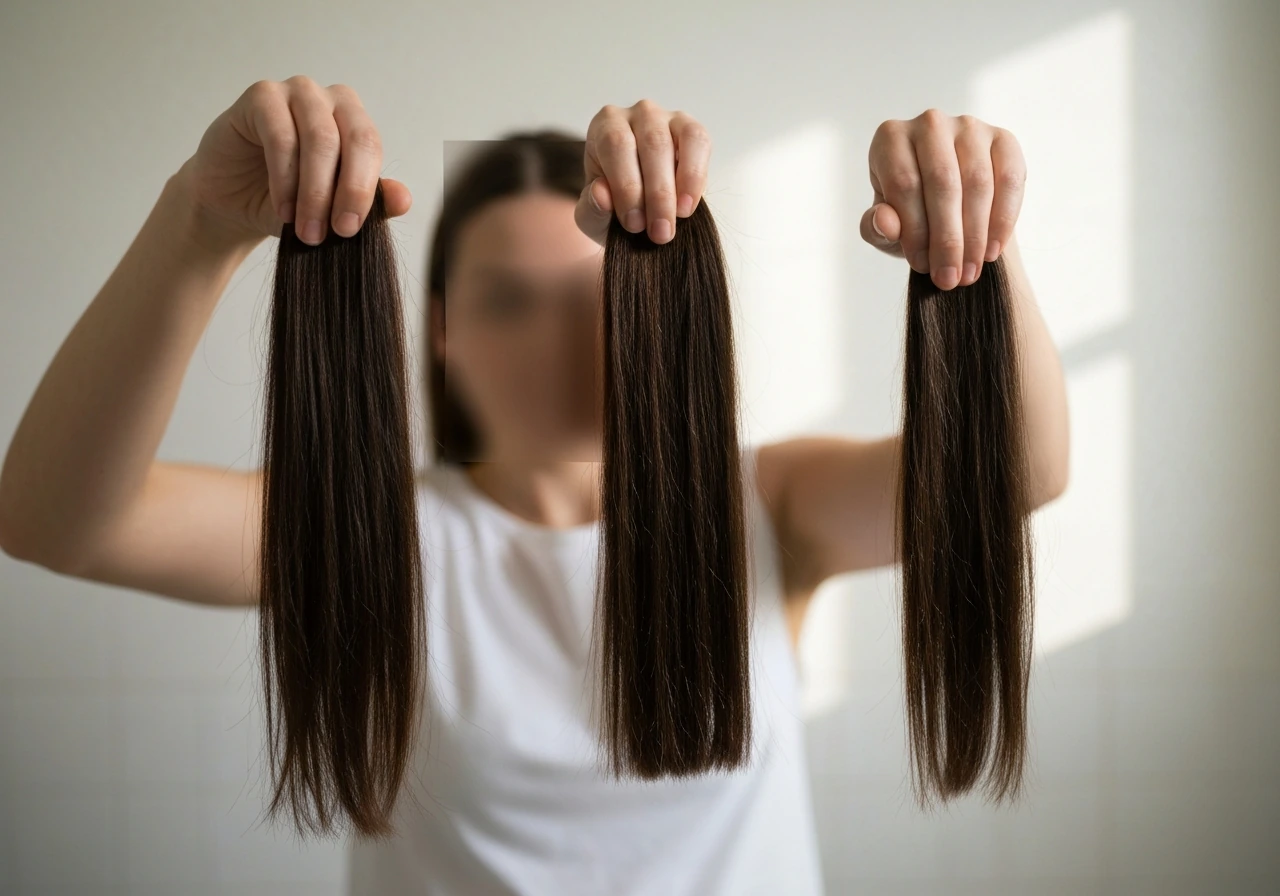
Step-by-step grow hair long tips: boost scalp health, cut breakage, improve diet, and track progress for length.
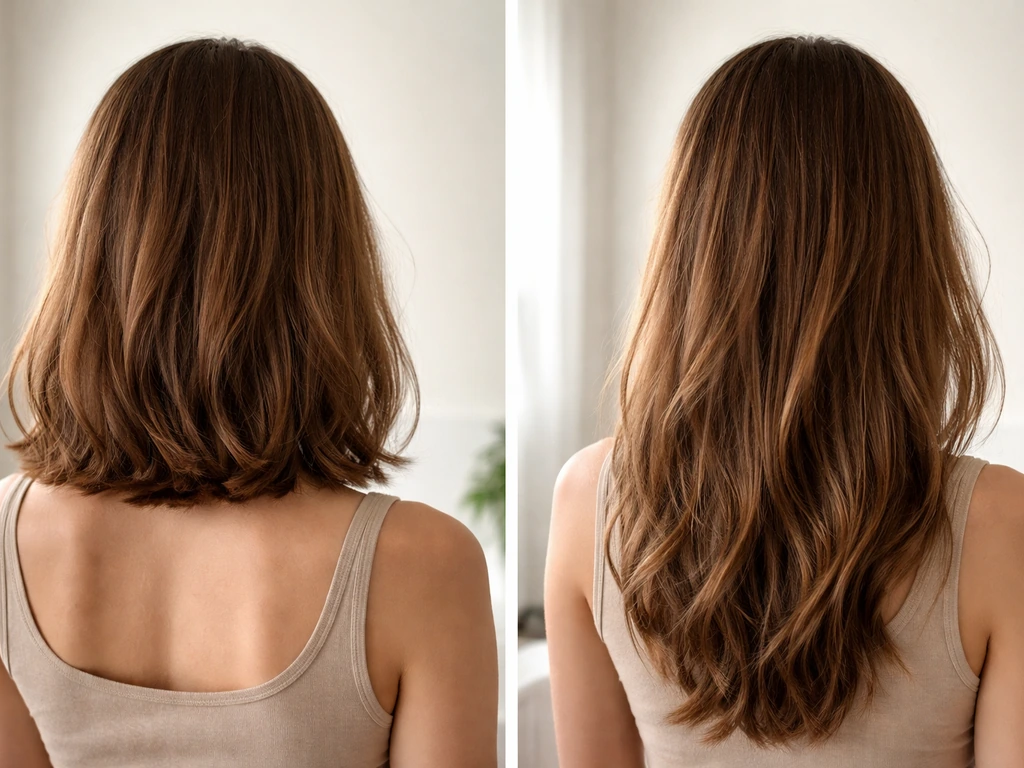
Actionable tips to grow long hair naturally: care routine, scalp habits, nutrition and breakage prevention for healthy l
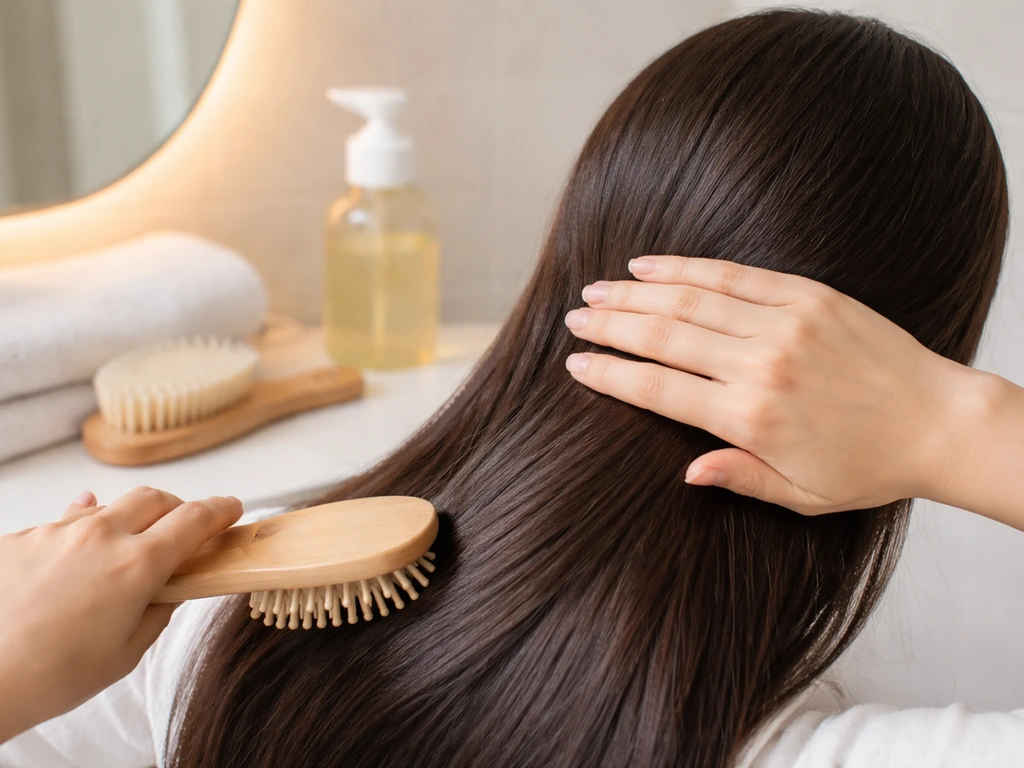
Step-by-step tips to grow healthy hair: scalp care, nutrition, routines, breakage prevention, and red flags for thinning