
Hair grows from follicles embedded in your scalp, and the honest answer is that you can't force follicles to work faster than biology allows. The average rate is about 1 centimeter per month, and no product or routine changes that ceiling in a dramatic way. What you can do is remove the things that slow or stop growth, keep your follicles healthy so they spend more time in the growth phase, and address any deficiencies or damage that are quietly stalling your progress. That's the whole game, and the rest of this guide walks you through exactly how to play it.
How Do We Grow Hair: A Practical Guide to Thicker Growth

Marcus Holloway
2 May 2026
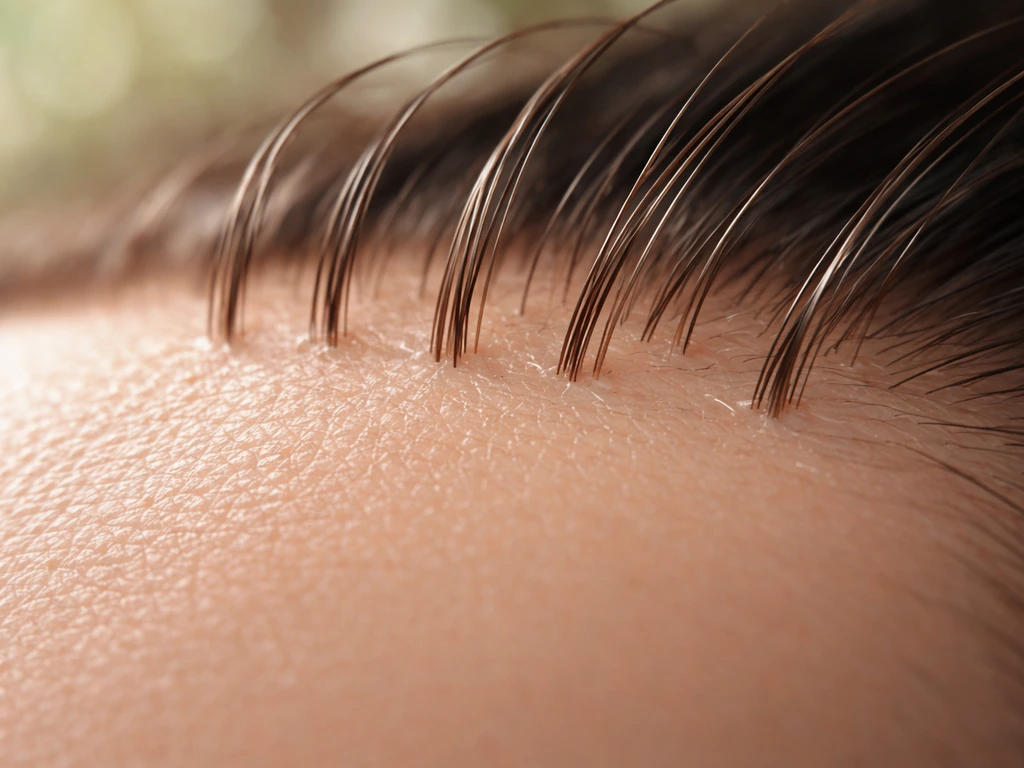
How hair growth actually works
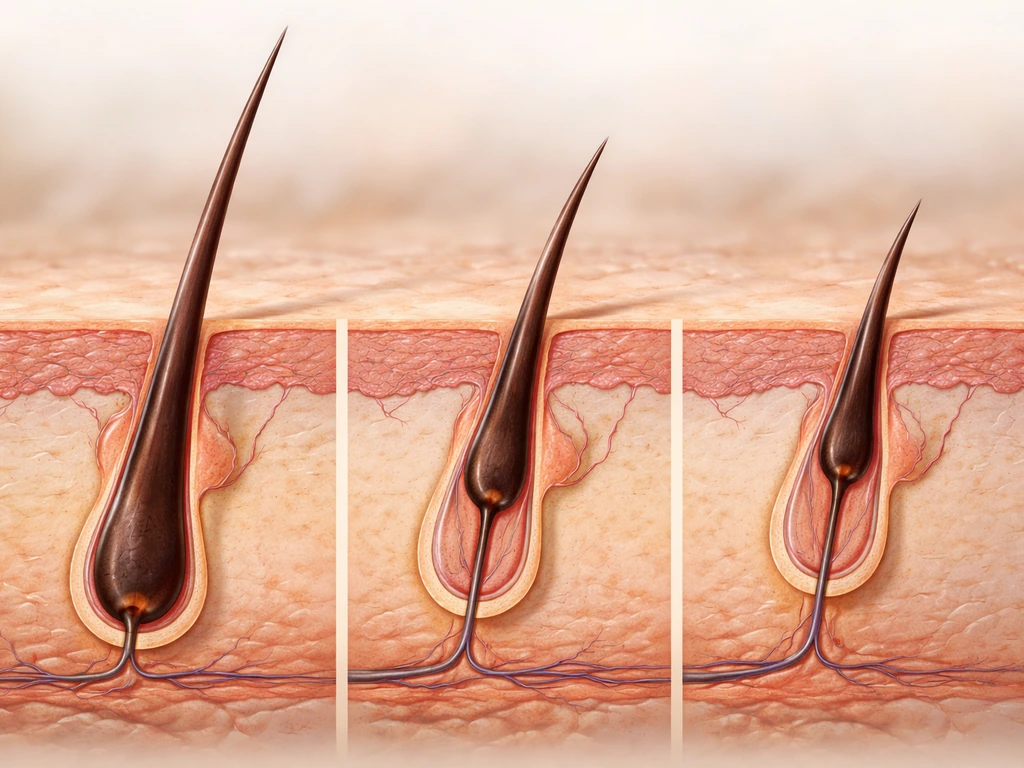
Every hair on your head is cycling through three phases: anagen (active growth), catagen (a short transitional pause), and telogen (resting and shedding). At any given moment, roughly 90% of your follicles are in anagen, about 9% are in telogen, and around 1% are in the brief catagen transition. The anagen phase is the one that matters most for length and density because it determines how long a strand grows before it sheds. For most people, anagen lasts anywhere from 2 to 6 years, which is why maximum hair length varies so much between individuals.
When people ask how hair can grow back after shedding or thinning, the key concept is anagen duration. In androgenetic alopecia (the pattern thinning that runs in families), androgen receptor activity shortens the anagen phase with each cycle while the resting phase stays the same or gets longer. Over time, that ratio shift means follicles produce finer, shorter hairs before they rest again, which is the miniaturization process behind a receding hairline or thinning crown.
In contrast, telogen effluvium is a temporary condition where a stressor pushes a large percentage of follicles into telogen at once, causing a wave of shedding a couple of months later, but the follicles themselves are intact and capable of returning to anagen once the trigger is resolved. Understanding which situation you're in shapes everything that comes next.
Losing 50 to 100 hairs per day is completely normal, according to the American Academy of Dermatology. You'll notice more hairs on wash days simply because you're releasing strands that were already loosely attached, not because washing causes extra loss. The goal isn't zero shedding; it's a healthy cycle where shed hairs are consistently replaced by new growth.
Why your hair isn't growing (or is falling out more than usual)
Before throwing products at the problem, it's worth identifying what's actually behind the slowdown. Most hair loss and stalled growth trace back to a handful of overlapping causes.
- Telogen effluvium from a stressor: illness, surgery, rapid weight loss, childbirth, or prolonged emotional stress can push follicles into telogen. The shedding typically starts 2 to 4 months after the trigger, which makes it easy to miss the connection. Most acute cases resolve within 6 to 8 months once the cause is removed.
- Nutritional deficiencies: low iron, insufficient protein, low zinc, vitamin D deficiency, and low B vitamins (especially biotin and B12) are among the most common dietary contributors to hair thinning.
- Hormonal shifts: thyroid dysfunction, postpartum hormonal changes, and the androgen sensitivity behind androgenetic alopecia are all hormonal drivers that require their own approach.
- Scalp inflammation: seborrheic dermatitis, scalp psoriasis, and chronic dandruff create an environment that's hostile to healthy follicles. You can't grow great hair on an irritated, flaky scalp.
- Mechanical and chemical damage: traction alopecia from tight hairstyles, braids, and extensions puts repeated tension on follicles. Early on it's reversible; prolonged tension causes permanent damage. Bleaching, chemical relaxers, and excessive heat also weaken the hair shaft and increase breakage.
- Pattern hair loss (androgenetic alopecia): this is genetic and progressive. Early intervention matters because follicles that have fully miniaturized and scarred over cannot regrow hair.
One thing worth repeating: some alopecias start as non-scarring (meaning follicles are still salvageable) but can progress to scarring over time if left unaddressed. Getting to the root cause quickly gives you far more options.
Scalp care: building the foundation for healthy follicles
Think of your scalp the way a gardener thinks about soil. The follicle is the seed, but if the environment around it is blocked, inflamed, or starved of circulation, growth suffers. Scalp care is often underrated compared to hair products, but it's where the most consistent gains come from.
Keep the scalp clean but not stripped
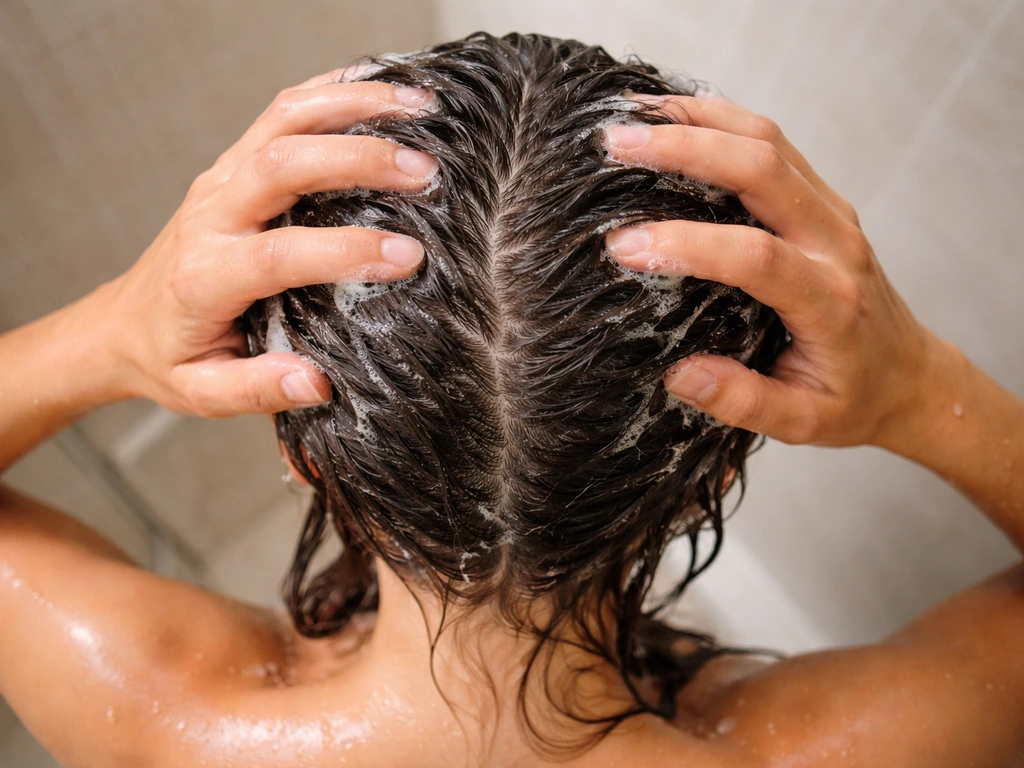
How often you should wash depends on your scalp type, hair texture, and activity level. For most people with a normal to oily scalp, washing two to four times a week is a good starting point. If you have seborrheic dermatitis or persistent dandruff, more frequent washing with a targeted shampoo is actually beneficial, not damaging. In a randomized trial design, ciclopirox olamine 1.
5% and ketoconazole 2. 0% shampoos improved itching and scaling outcomes in scalp seborrhoeic dermatitis compared with placebo [ciclopirox olamine 1. 5% shampoo and ketoconazole 2. 0% shampoo](https://pubmed.
ncbi. nlm. nih. gov/17520465/).
A 2% ketoconazole shampoo (available over the counter or by prescription) significantly improves scaling, itching, and redness in seborrheic dermatitis at the four-week mark, and it's well tolerated with serious side effects occurring in less than 1% of users. The Mayo Clinic also recommends 1% ciclopirox as an alternative. Mayo Clinic notes that ciclopirox is used as a topical treatment for seborrheic dermatitis and provides dosing directions for the shampoo form [1% ciclopirox](https://www. mayoclinic.
org/drugs-supplements/ciclopirox-topical-route/description/drg-20062888? lang=en). If your scalp is visibly inflamed, flaky, or chronically itchy, treating that condition is a prerequisite for good growth, not an optional add-on.
Scalp massage
Regular scalp massage has a decent amount of supporting evidence for increasing hair thickness, likely by improving blood flow to follicles and mechanically stimulating dermal papilla cells. You don't need a tool for this. Four to five minutes of firm fingertip pressure in circular motions, done daily, is enough. Some people do this in the shower while applying shampoo or a conditioner; others do it dry before bed. Either works. Just be consistent rather than occasional.
Reduce mechanical stress
If you regularly wear tight ponytails, braids pulled close to the scalp, weaves, or extensions, and you're noticing thinning at the temples or edges, traction alopecia is likely. The fix in the early stage is simple: reduce tension. Loosen your styles, rotate them so tension isn't always in the same spot, and avoid layering chemical treatments on hair that's already under physical stress. Caught early, traction alopecia is reversible. Ignored for months or years, it isn't.
Nutrition and supplements for thicker, stronger hair
Hair is made of keratin, a protein, and your body treats hair as a non-essential tissue. When nutrients are scarce, they get redirected to vital organs first and hair production slows or stops. Getting nutrition right isn't about buying supplements impulsively; it's about covering the gaps that actually exist for you.
The nutrients that matter most
| Nutrient | Role in hair growth | Good food sources | When to supplement |
|---|---|---|---|
| Protein | Hair shaft is made of keratin; low intake reduces growth and increases shedding | Eggs, meat, fish, legumes, Greek yogurt | If dietary intake is genuinely low (under ~50g/day for most adults) |
| Iron | Carries oxygen to follicles; deficiency is a leading cause of telogen effluvium | Red meat, lentils, spinach, fortified cereals | After confirmed deficiency via blood test (ferritin below ~30 ng/mL is often cited as a threshold) |
| Zinc | Supports follicle structure and oil gland function | Oysters, beef, pumpkin seeds, chickpeas | If blood levels are confirmed low; excess zinc can actually worsen hair loss |
| Vitamin D | Receptor plays a role in follicle cycling; deficiency is linked to alopecia areata and telogen effluvium | Fatty fish, egg yolks, fortified dairy, sunlight | Very common deficiency; worth testing and supplementing if below range |
| Biotin (B7) | Heavily marketed; actual deficiency is rare; most people won't see benefit unless deficient | Eggs, almonds, sweet potato | Only if you have confirmed deficiency or take medications that deplete it |
| Omega-3 fatty acids | Reduces scalp inflammation and supports sebum production | Fatty fish, walnuts, flaxseed, chia | Fish oil supplement if diet is low in fatty fish |
Hydration also matters more than most people realize. Chronic dehydration affects the hair shaft's elasticity and can make hair more prone to breakage. Aim for consistent water intake throughout the day rather than sporadic large amounts.
A practical approach: before buying a supplement stack, get basic bloodwork done (iron/ferritin, vitamin D, thyroid panel if your doctor agrees). That tells you exactly what to address rather than guessing. If your levels are normal, general hair growth supplements are unlikely to move the needle much.
Topical treatments and natural remedies: what's actually worth trying
There's a spectrum here from well-researched clinical treatments to oils and plant extracts with modest supporting evidence. Being clear about where each one lands helps you spend your time and money sensibly.
Minoxidil: the most evidence-backed topical option
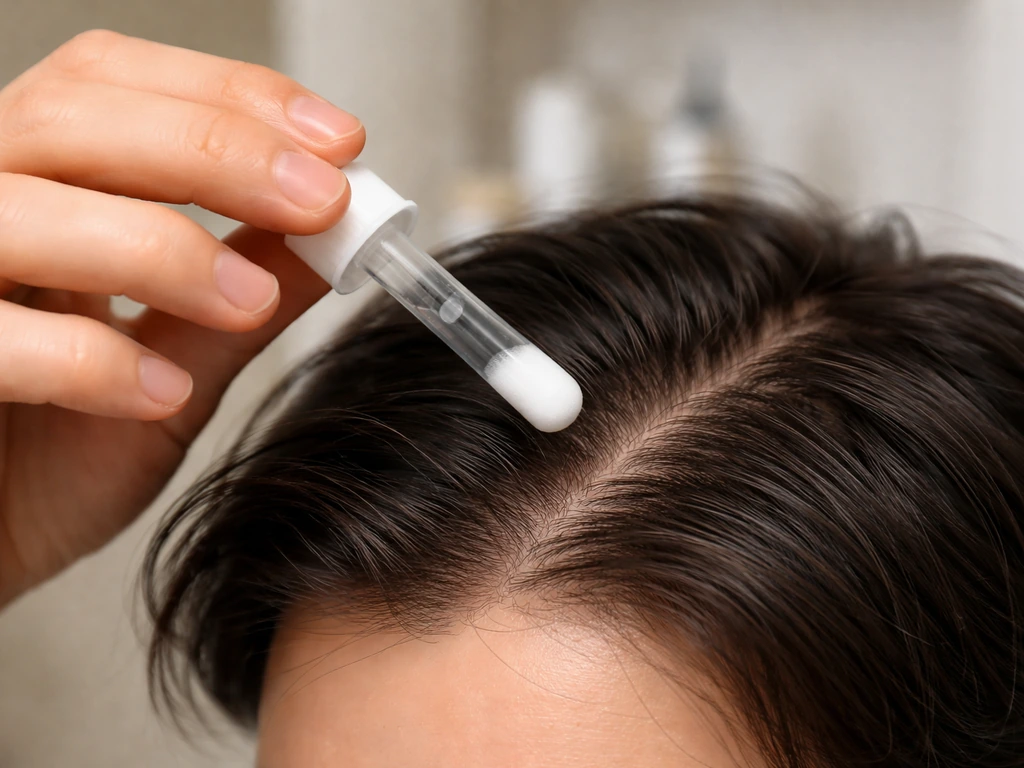
Minoxidil is the gold standard for topical hair regrowth, and it works by prolonging the anagen phase and increasing blood supply to follicles. A phase III randomized study found that once-daily 5% minoxidil foam performed comparably to twice-daily 2% minoxidil solution in women with pattern hair loss. Systematic reviews confirm that minoxidil promotes hair growth in both men and women with androgenetic alopecia.
It comes as a foam or solution; the foam is generally easier to apply without leaving residue. The 5% concentration is approved for men; the 2% is the traditional recommendation for women, though 5% foam is increasingly used off-label for women with good results. You need to use it consistently because the effect reverses if you stop. Expect to wait at least 3 to 6 months before judging whether it's working.
Oils and plant-based remedies
Oils like rosemary oil, peppermint oil, castor oil, and coconut oil come up constantly in conversations about hair growth, and the honest take is that some have promising early evidence while others are more about scalp conditioning than follicle stimulation. Rosemary oil is the most studied natural option, with a small but well-cited trial finding it comparable to 2% minoxidil in hair count after six months, though the research base is still limited. Peppermint oil has shown promise in animal studies for increasing anagen depth. Both can be diluted in a carrier oil (like jojoba or argan) at roughly 2 to 3 drops per tablespoon and massaged into the scalp two to three times a week.
Castor oil is popular but the evidence for follicle stimulation is weak; its main benefit is coating the shaft and reducing moisture loss, which helps with breakage. Coconut oil penetrates the hair shaft better than most oils and reduces protein loss during washing, which is genuinely useful for preventing breakage and improving the appearance of thickness, even if it's not stimulating new growth. Apply a small amount to the lengths before shampooing (a pre-poo treatment) and rinse thoroughly.
The honest framing for natural remedies: they can support a healthy scalp environment, reduce breakage, and in some cases show early signs of stimulating follicles, but they're not a replacement for addressing the root cause of significant hair loss. Use them as part of a broader routine rather than expecting them to carry the whole load.
Low-level laser therapy (LLLT)
LLLT devices (laser combs, helmets, and caps) have a legitimate evidence base. Systematic reviews include them alongside minoxidil and finasteride as treatments that promote hair growth in men with androgenetic alopecia. They're non-invasive and generally well tolerated, though the devices with solid evidence can be expensive. If cost is a barrier, prioritize nutrition, scalp care, and minoxidil first.
How to regrow hair: a step-by-step plan with real timelines
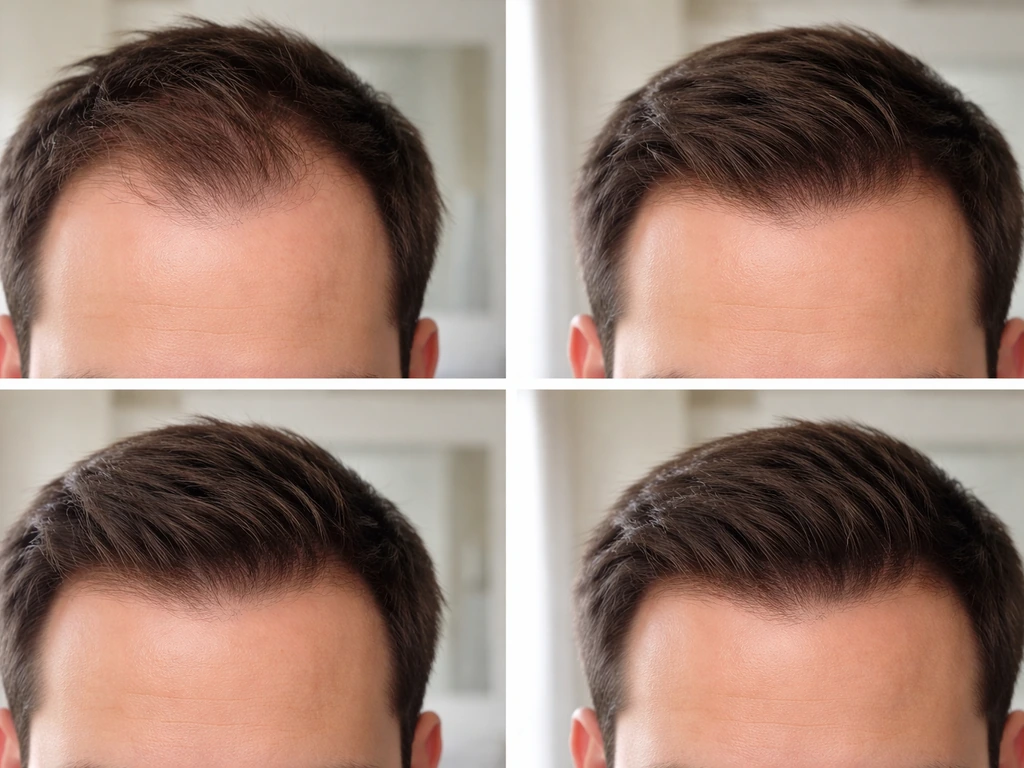
Regrowth is not instant, and one of the most common reasons people give up is expecting visible results in four weeks. Here's how progress actually unfolds and what to do at each stage. Follow this approach and you can figure out exactly how 2 grow hair step by step with realistic timelines how progress actually unfolds and what to do at each stage. If you're mapping out the steps to grow hair, focus on consistent actions across the timeline so you can track real, gradual gains Here's how progress actually unfolds.
- Weeks 1 to 4: Identify and remove the trigger. If your shedding is stress or illness-related, the scalp and follicles need time to reset before regrowth begins. Stop any hairstyles or practices adding mechanical stress. Start a consistent scalp care routine (gentle cleanser, scalp massage daily). Get bloodwork done if you haven't. Begin minoxidil if pattern hair loss is your concern.
- Months 1 to 3: Build nutritional support. Address confirmed deficiencies with dietary changes and targeted supplements. Increase protein intake if it's been low. Introduce any topical treatments (rosemary oil, minoxidil) and stick to a consistent schedule.
- Months 2 to 4: This is often when shedding from telogen effluvium peaks. It can look alarming, but it's typically a sign that the cycle is moving, not worsening. Hold steady.
- Months 3 to 6: The first signs of regrowth appear as fine, shorter hairs at the hairline or part line. These baby hairs are fragile; be gentle with heat and styling during this phase. With minoxidil, this is the window where early results become measurable.
- Months 6 to 12: Meaningful visible improvement for most people who've addressed the root cause and maintained their routine. Telogen effluvium typically resolves fully within 6 to 8 months of removing the trigger. Pattern hair loss requires ongoing treatment to maintain results.
- Beyond 12 months: Continue the routine. Hair growth is a long-term project, not a one-time fix. Reassess with a dermatologist if you haven't seen expected progress by the 6-month mark.
Remember the math: at 1 centimeter per month, a year of solid growth effort produces about 12 centimeters of new length. For curlier hair types, shrinkage means that growth may not be immediately visible even when it's actually happening. That means knowing how hair will grow can help you set realistic expectations for regrowth.
If you have curly or coily hair and want hair-type-specific guidance, the growth principles are the same but styling, moisture retention, and protective approaches vary in important ways. For a more personalized approach to how to get 3B hair to grow, consider adjustments to moisture retention, protection, and traction risk that match your curl pattern. If you’re specifically trying to grow type 3 hair, focus on protecting your curls from breakage while supporting healthy growth at the scalp.
If your goal is figuring out how to grow 3B hair, focus on the same growth principles, then tailor moisture, protection, and handling to your curl pattern.
When to see a dermatologist
Home care covers a lot of ground, but some situations need a professional diagnosis before any treatment makes sense. Going to a dermatologist doesn't mean you've failed at self-care; it means you're being smart about something with real stakes.
Red flags that warrant a visit sooner rather than later
- Sudden patchy hair loss appearing in round or oval shapes, especially with no obvious stress trigger. This pattern is typical of alopecia areata, an autoimmune condition that can progress quickly and needs clinical confirmation.
- Shedding that doesn't slow down after 6 to 8 months despite removing known stressors.
- A scalp that is painful, burning, itchy, or shows scarring, crusting, or permanent bald patches. Scarring alopecias destroy follicles permanently and require urgent treatment.
- Noticeable widening of the part or a receding hairline that has been progressing steadily, especially if there's a family history. Early intervention with evidence-based treatments (minoxidil, finasteride for men, spironolactone for women) significantly improves outcomes.
- Short, broken hairs that taper toward the root, called exclamation point hairs, which indicate active alopecia areata.
- Hair loss accompanied by other symptoms like fatigue, unexplained weight changes, or skin and nail changes, which could point to a systemic condition like thyroid disease.
What a dermatologist can offer beyond home care
A dermatologist can perform a pull test (to assess how actively hairs are shedding), trichoscopy (a dermoscopy technique that examines follicle patterns and miniaturization without a biopsy), and if needed, a scalp biopsy for a definitive diagnosis when the pattern doesn't fit standard presentations. Merck's clinical guidance notes that microscopic hair examination and scalp biopsy are sometimes necessary for clear diagnosis. Beyond diagnosis, a dermatologist can prescribe finasteride or oral minoxidil for pattern hair loss, injectable corticosteroids for alopecia areata, and targeted treatments for scarring or inflammatory alopecias. These are tools that aren't available over the counter, and for some people they make the difference between stalled and successful regrowth.
The bottom line: start with what you can control today, such as nutrition, scalp care, reducing damage, and evidence-backed topicals, and set a realistic 6-month review point. If results aren't where you expect them to be, or if any of the red flags above apply, a dermatologist visit is the right next step, not an optional one.
FAQ
How long does it really take before I can tell my hair is growing thicker?
Look at the calendar, not the mirror. If you are using an agent like minoxidil consistently, plan your first objective check at 3 to 6 months, because shedding can happen early and true thickening takes longer. For tracking, take the same photos each month (same lighting, distance, and part) and measure a fixed area like the mid-scalp part width to reduce bias.
If my hair is shedding, will it automatically grow back or do I need treatment?
It can, depending on the cause. If the trigger was temporary (for example, telogen effluvium), normal cycling often resumes after the stressor is corrected, and you may see recovery within several months. If the issue is miniaturization from pattern hair loss, shedding may slow but true density recovery typically needs targeted treatment and time, since anagen is shortened over repeated cycles.
Should I start a supplement stack to help me grow hair?
Do not use supplements to “guess” if your diet is likely adequate, because excess iron or vitamin A can harm hair or overall health. A more targeted approach is asking your clinician for labs that match your risk (commonly ferritin/iron status, vitamin D, and thyroid tests when symptoms suggest it). If labs are normal, focus on scalp inflammation, traction, breakage prevention, and evidence-based topicals rather than adding more pills.
Can washing more often or using stronger shampoos help me grow hair faster?
Yes, but it must be done safely. In general, if your scalp is flaky or itchy you should treat the inflammation first and avoid harsh scrubs or very frequent aggressive brushing, since you can irritate follicles. Start with a gentle routine, then increase washing frequency only if it helps control dandruff or oiliness, not because you are trying to “stimulate” growth mechanically.
What if my scalp is itchy or inflamed, does that change how I should grow hair?
If you have visible inflammation (redness, persistent itch, thick scales), treat that before focusing on growth. Shampoos that target seborrheic dermatitis can improve the scalp environment, which makes any growth routine more effective. If you have severe pain, pus, crusting, or rapidly worsening patches, skip home trials and get diagnosed, because some causes require prescription treatment.
Is scalp massage really worth it, and how hard should I do it?
Be cautious with massage frequency and pressure. Four to five minutes daily can be helpful, but vigorous or painful rubbing, using a hard tool, or doing it aggressively right after a chemical service can worsen irritation. The goal is steady fingertip stimulation, not soreness, and you should stop if you notice increased flaking, burning, or tenderness.
How do we grow hair if thinning is from hairstyles like braids or tight ponytails?
If you have traction alopecia from tight styles, reducing tension is the cornerstone and works best early. Continue avoiding high-tension styles and rotate where the tension sits, and be careful with extensions or chemical processing on already-stressed hair. If thinning progresses, a dermatologist can help confirm the diagnosis and rule out overlap with pattern hair loss.
How can I tell if my problem is hair growth versus hair breakage?
Yes, because breakage can masquerade as slow growth. Hair length can be growing from the scalp while the ends snap off, making your hair look like it is not getting longer. Focus on protective handling, detangling carefully, reducing heat and chemical stress, and using conditioners, then reassess length progress over months.
Are laser combs or helmets effective, and when should I expect results?
LLLT can be a reasonable option, but set expectations correctly. It is usually not an overnight fix, and you should use the device as directed and evaluate after at least 3 to 6 months. Also, if your hair loss is clearly traction-related or from active scalp inflammation, those issues still need to be addressed, since laser cannot compensate for an ongoing mechanical or inflammatory trigger.
What are the most common reasons people fail to see regrowth?
A big one is using a treatment inconsistently or stopping early, since benefits can fade when you pause evidence-based therapy. Another common mistake is expecting a visible change in weeks, especially with curly hair where shrinkage hides length gains. If you are losing more than the typical daily range for several weeks, or you see widening part, bald patches, or sudden heavy shedding, treat it as a signal to reassess the cause, not just wait longer.
When should I stop self-treating and see a dermatologist?
Yes. If you have progressive thinning at the front or crown plus family history, start thinking in terms of pattern hair loss and a plan that can include prescription options. If you have round patches, sudden dramatic shedding after stress, or scalp symptoms that do not improve with basic care, get evaluated. A dermatologist can use tools like trichoscopy to check follicle miniaturization and guide the right treatment.
How should I use minoxidil to avoid mistakes and maximize results?
If you are using minoxidil, avoid common mishaps like applying to dirty or damp scalp when the directions specify otherwise, using too much product, or skipping days. Also, be aware that shedding can occur when starting, which does not automatically mean it is not working. If you develop significant irritation or swelling, pause and talk to a clinician, because you may need an alternative formulation or a different approach.
Next Articles
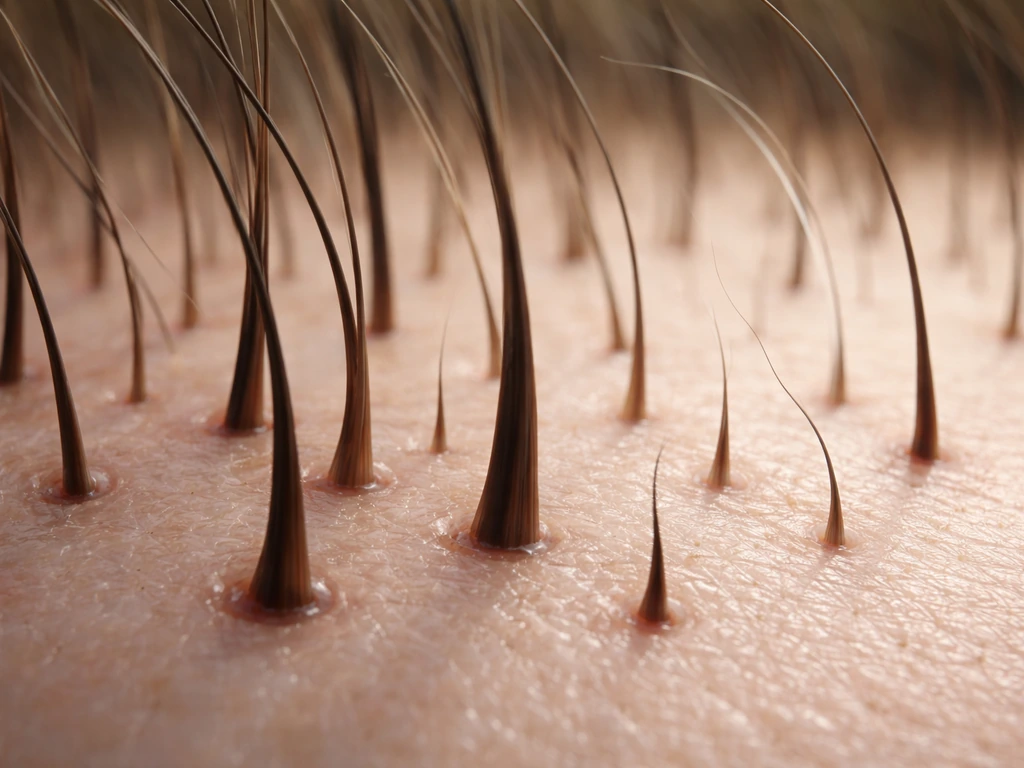
How Do Hair Grow: Cycle, Regrowth, and Growth Tips
Learn hair growth cycle, regrowth after shedding, and practical steps to boost thickness, health, and timeline expectati
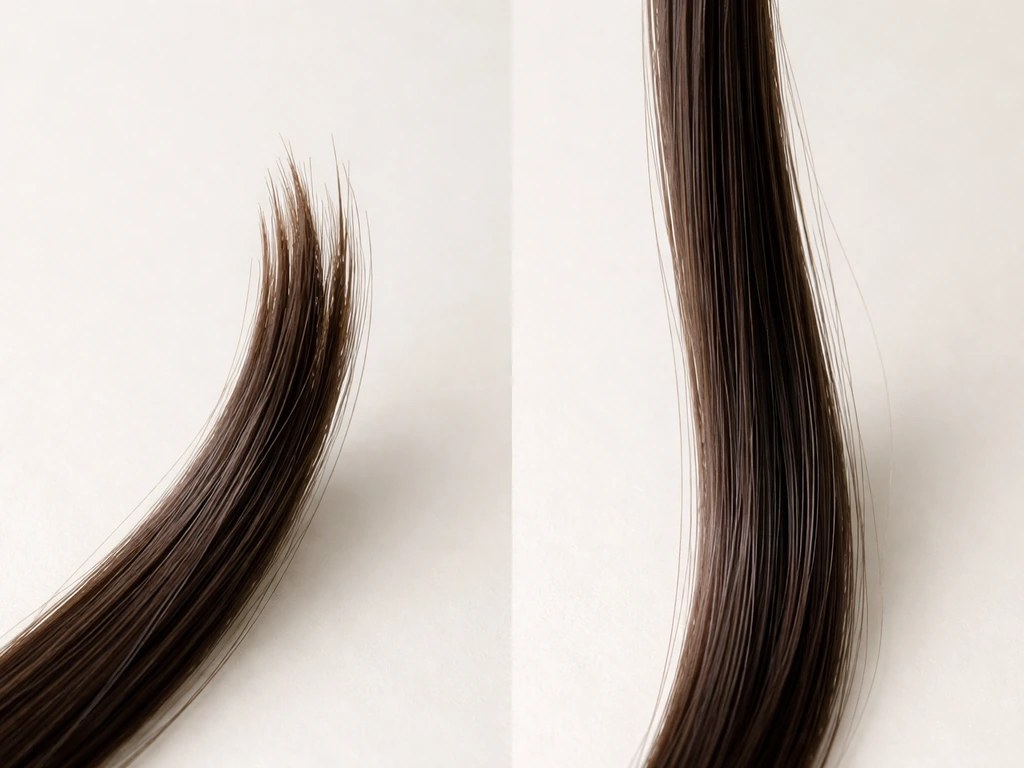
How Hair Will Grow: Step-by-Step Guide for Faster, Healthier Growth
Step-by-step plan for faster healthier hair growth, explain growth cycle, breakage vs shedding, treatments, nutrition, t
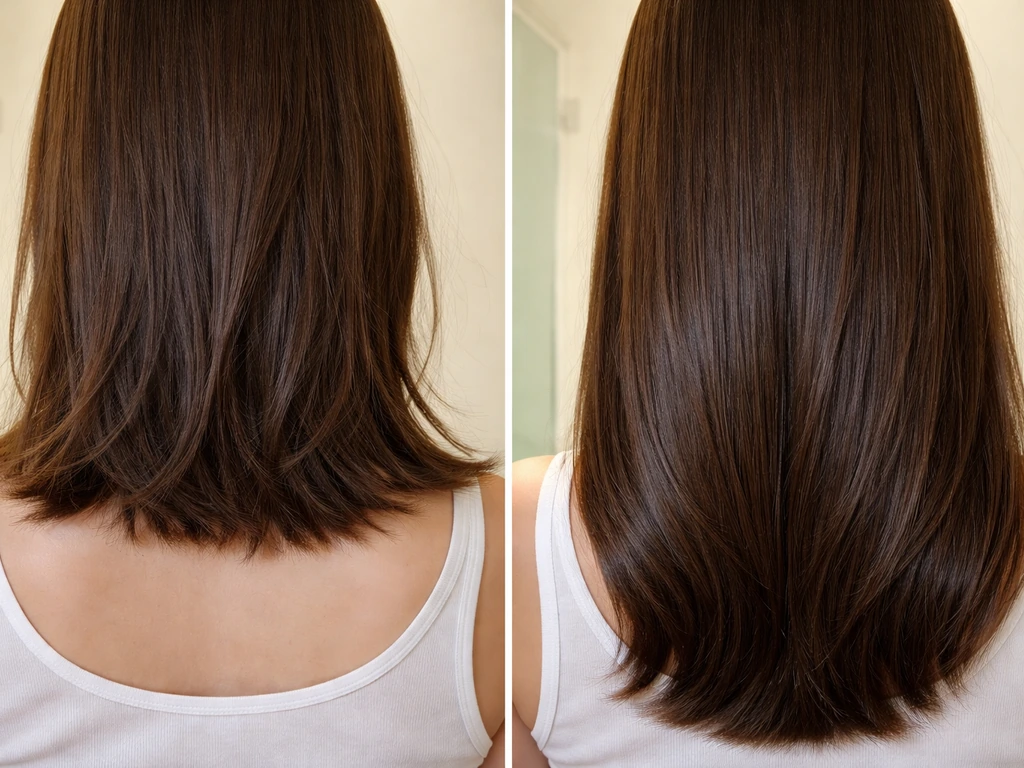
Tips on How to Grow Your Hair Out: A Step by Step Guide
Step-by-step tips to grow hair out: stop breakage, build scalp routine, nutrition, safe actives, and track progress.