
Your hair is already growing. At roughly 1 to 1.25 cm per month, your follicles are doing their job whether you do anything or not. The real question is why you're not seeing that length show up on your ends, and what you can do today to make sure it actually does. This guide walks through everything: what's slowing you down, the routine that keeps growth visible, natural approaches worth trying, nutrition that genuinely matters, and realistic timelines so you're not second-guessing yourself three months in.
How to Let Your Hair Grow Out Female: Step-by-Step

Marcus Holloway
24 Mar 2026
What "growing out" actually means for your hair
Hair growth and length retention are two different things, and mixing them up is the source of a lot of frustration. Your scalp produces about 1 to 1.25 cm of new hair every 28 days during the anagen (active growth) phase. That's roughly 6 inches per year under ideal conditions. But if your ends are breaking off at the same rate your roots are producing new hair, your length stays exactly the same.
The hair growth cycle has three phases: anagen (active growth, which can last 2 to 7 years), catagen (a short transitional phase), and telogen (the resting and shedding phase). Shedding 50 to 100 hairs per day is completely normal. Those are hairs that finished their cycle and are being pushed out by new growth, not a sign something is wrong. The problem that stalls length is breakage: hair snapping off mid-shaft from damage, dryness, or mechanical stress before it ever gets long enough to notice.
So when someone says their hair "won't grow," what they almost always mean is that their hair is breaking faster than it's retaining length. That's very fixable. Actual follicle-level growth problems do exist, but they're less common and usually come with other symptoms. If your hair is growing even a little, the game is about keeping what you grow.
Prep for length retention: trimming, breakage, and protective styles
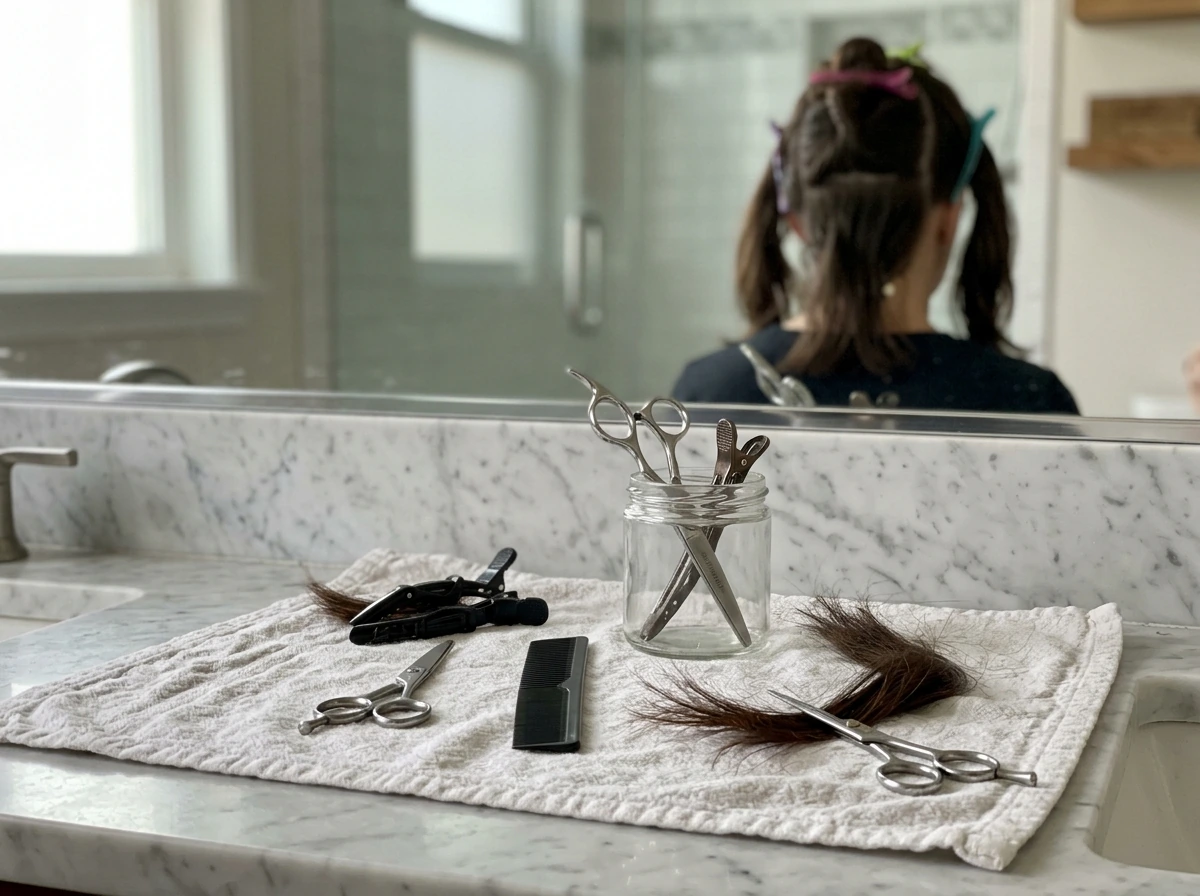
I know it sounds backwards to cut your hair when you're trying to grow it, but trimming damaged ends is non-negotiable. No product can permanently repair a split end. Once a strand splits, it will continue splitting up the shaft, taking more length with it the longer you wait. The goal of trimming isn't to make hair grow faster (it doesn't), but to stop breakage from eating away at your length.
A practical cadence for most women trying to gain length is trimming every 6 to 8 weeks, but only enough to remove the damaged portion. If your hair is in rough shape to start, your first trim might take off more than usual. After that, you can pull back to small trims every 8 to 12 weeks as your hair gets healthier. The mistake most people make is either trimming too aggressively (losing all the length they gained) or avoiding trims entirely while split ends migrate further up the shaft.
Protective styles done right
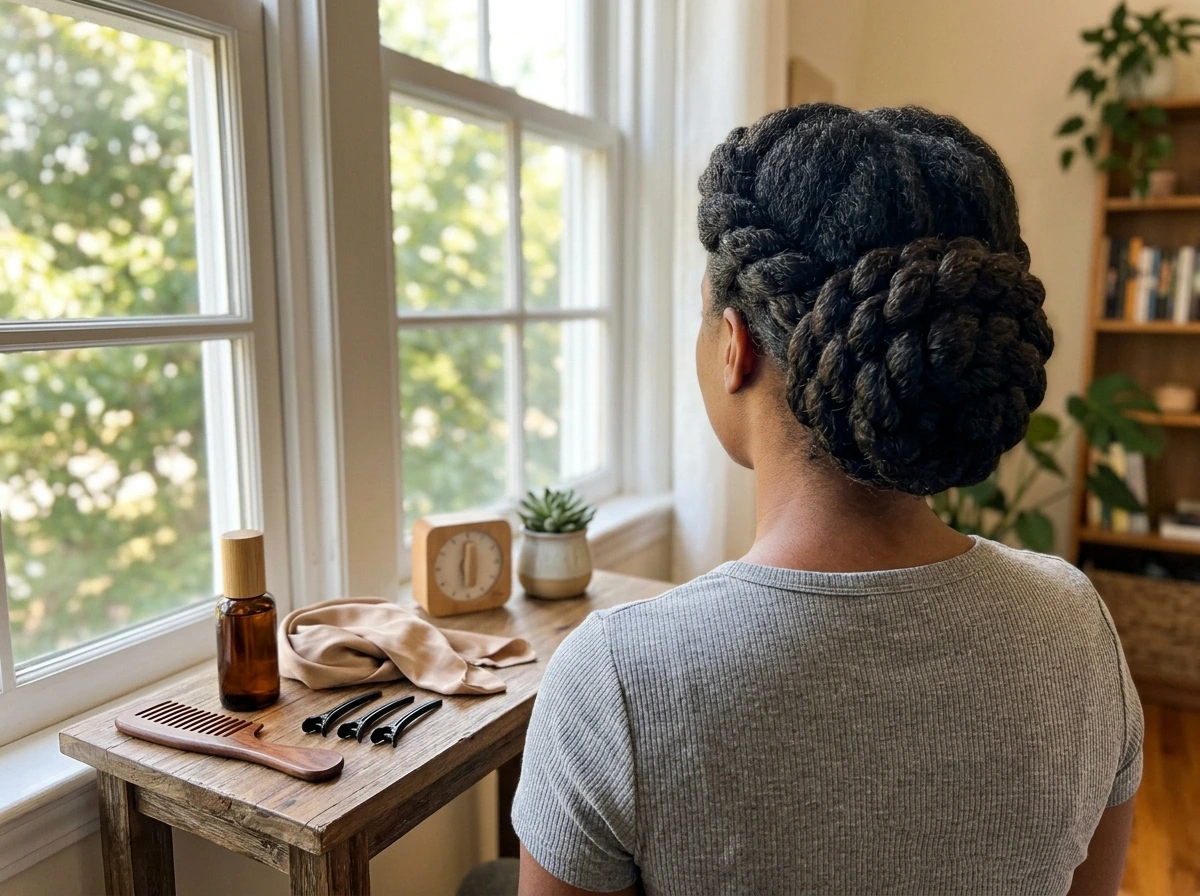
Protective styles, think braids, twists, buns, or wigs, work by reducing how much you manipulate your hair day to day. Less handling means less friction, less breakage, and more length retained. They're especially effective for textured, coily, or color-treated hair that's already prone to dryness and snapping. But there's a real downside if you overdo it: styles that are too tight or left in too long can cause traction alopecia, permanent follicle damage from repeated tension at the hairline and edges. Keep styles comfortable (you should never feel scalp pain or pulling), and don't leave braids or twists in for more than 6 to 8 weeks without giving your hair a break.
Your weekly routine for actually growing it out
A consistent routine beats any single product. Here's what to build yours around.
Scalp care
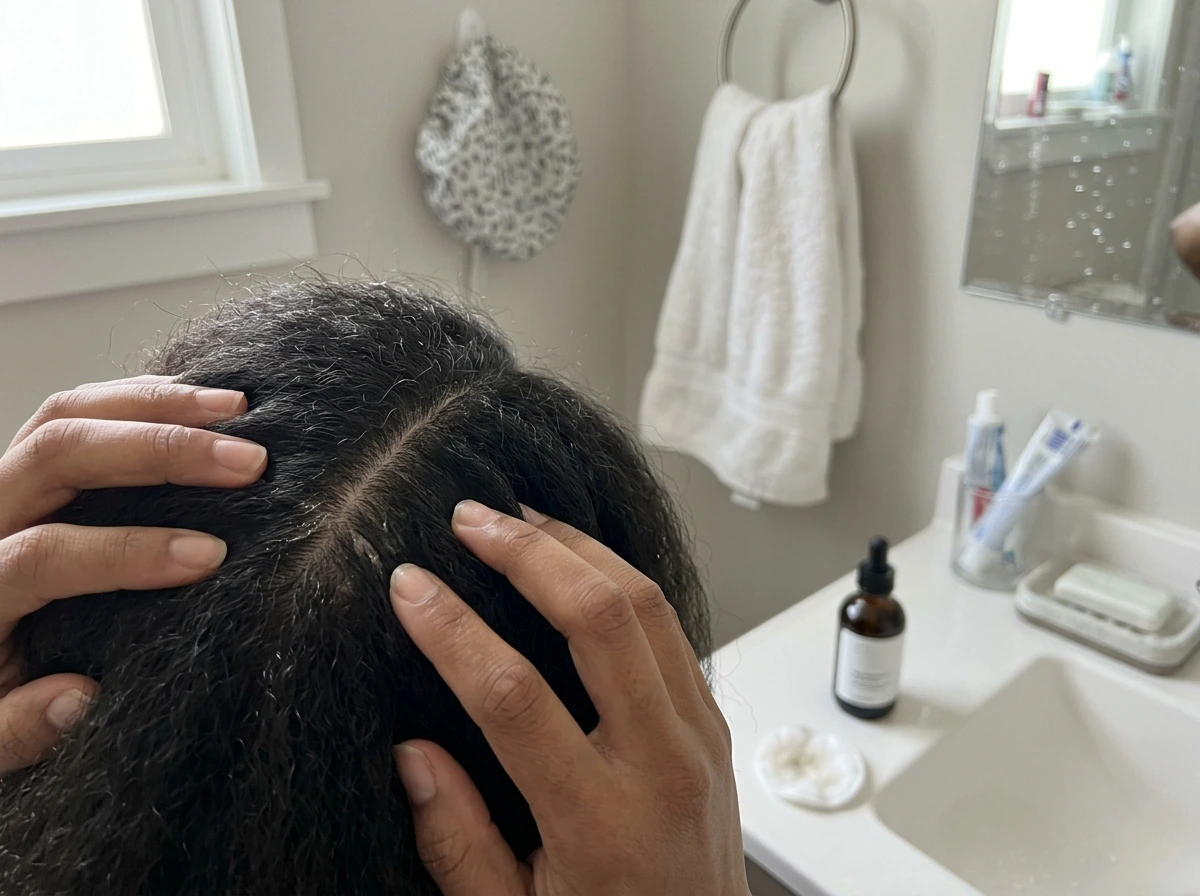
A healthy scalp is the foundation of healthy hair. Follicles sit in the scalp, and if they're clogged with buildup, inflamed from dandruff, or suffocated by product residue, hair growth suffers. Gentle scalp massage during washing increases blood flow to follicles and can feel genuinely good as part of a routine. If you have dandruff or seborrheic dermatitis (flaking, itching, oily patches), it's worth addressing directly. A 2% ketoconazole shampoo used twice a week for about four weeks has solid clinical evidence behind it for both treatment and prevention of scalp seborrheic dermatitis. If you wash your hair less frequently (which is common and totally fine for coily or textured hair), use it on your regular wash days instead. The point is to keep your scalp environment clean and inflammation-free.
Wash frequency and conditioning

How often you wash depends on your hair type, scalp, and lifestyle. Washing too often can strip natural oils and dry out the hair shaft, increasing breakage. Washing too rarely allows buildup that can irritate the scalp. For straight to wavy hair, 2 to 3 times a week is often a good starting point. For coily or tightly textured hair, once a week or even every 10 to 14 days is common and appropriate. If you have significant buildup, a clarifying shampoo every 4 to 5 washes will reset your scalp without stripping daily.
Conditioning is where a lot of women shortchange themselves. Use a rinse-out conditioner every wash, focus it on the mid-lengths and ends (where breakage happens), and leave it on for at least 2 to 3 minutes before rinsing. A deeper conditioning treatment or hair mask once a week adds an extra layer of moisture and protein that keeps strands strong and flexible rather than brittle.
Natural approaches worth actually trying
There are a lot of bold claims in the natural hair world, and it's worth being honest about what has backing and what doesn't. That said, some straightforward approaches genuinely help.
Moisture balance
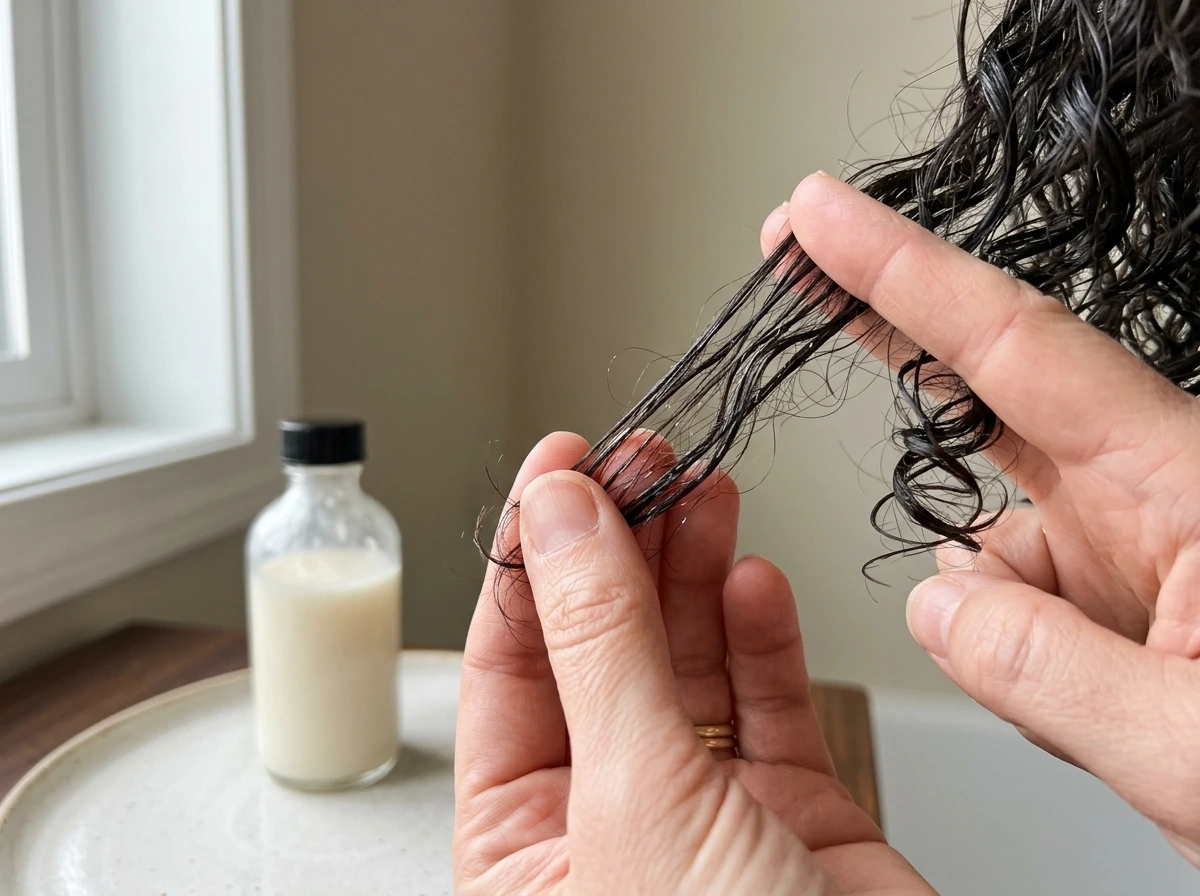
Dry hair breaks. It's that simple. Hair that's well-moisturized is more elastic and flexible, meaning it bends instead of snapping when you comb or style it. For most hair types, this means layering a water-based leave-in conditioner and sealing with a light oil or butter to lock that moisture in. Coily and curly hair benefits most from this approach because the natural curl pattern makes it harder for scalp oils to travel down the hair shaft.
Oils and home remedies
Certain oils have real utility. Coconut oil can penetrate the hair shaft (unlike most oils that just coat the surface), which reduces protein loss during washing, particularly useful for fine or chemically treated hair. Castor oil is thick and works well as a scalp massage oil to support circulation, though there's limited clinical evidence it directly stimulates growth. Jojoba oil closely resembles the scalp's natural sebum and is a good, non-greasy option for both scalp and ends.
Scalp massage, with or without oil, is worth doing regularly. Even a few minutes a few times a week can improve blood flow to follicles. It's low-effort and has a reasonable evidence base for supporting hair thickness over time. Onion juice has some small studies behind it for hair regrowth, but the smell is difficult to manage and results are modest. Rosemary oil is increasingly cited in research for stimulating growth in androgenic alopecia, with at least one study showing results comparable to 2% minoxidil after 6 months. It's not a miracle, but it's one of the more evidence-adjacent natural options.
Nutrition and supplements that actually move the needle
Your hair is made of protein and needs a steady supply of nutrients to grow. When your body is under-nourished, hair is one of the first things it deprioritizes. Here's what matters most.
| Nutrient | Why It Matters | Where to Get It | Supplement Needed? |
|---|---|---|---|
| Protein | Hair is mostly keratin; low protein = increased shedding and weak strands | Eggs, meat, fish, legumes, dairy | Rarely, if diet is adequate |
| Iron (Ferritin) | Low ferritin (below ~40 ng/mL) is linked to hair shedding in women, especially telogen effluvium | Red meat, lentils, spinach, fortified cereals | Only if bloodwork confirms deficiency |
| Vitamin D | Deficiency is associated with diffuse hair loss; oral D3 therapy has clinical support in telogen effluvium | Sunlight, fatty fish, fortified foods | Yes, if deficient (test first) |
| Zinc | Supports follicle function; deficiency causes shedding; excess can also cause hair loss | Meat, shellfish, seeds, nuts | Only if deficient |
| Omega-3 fatty acids | Supports scalp and follicle health, reduces inflammation | Fatty fish, flaxseed, walnuts, fish oil capsules | Useful if diet is low in fatty fish |
| Biotin | Deficiency is genuinely rare; no evidence it helps hair growth in people with normal levels | Eggs, nuts, whole grains | No, unless deficient |
The biotin point is worth emphasizing because it's everywhere in hair supplement marketing. Reviews of the clinical evidence are clear: biotin supplementation does not improve hair growth or quantity in people who aren't actually deficient. True biotin deficiency is uncommon. If you're already eating a varied diet, spending money on biotin is unlikely to do anything for your hair. The nutrients more likely to matter are iron, vitamin D, and zinc, and those are best confirmed through a blood test rather than guessed at.
On the avoid list: crash dieting, very low calorie or very low protein diets, and extreme restriction of any food group. These are among the most reliable triggers for telogen effluvium (the diffuse shedding that happens about 3 months after a physical or nutritional stressor). If your hair suddenly started shedding more than usual, think back three months and consider whether anything significant changed: illness, surgery, a major diet change, or high stress.
Styling, detangling, and protecting your hair from damage

Heat and chemical damage are the fastest way to sabotage length retention. Heat changes the internal structure of the hair shaft, causing the cuticle to degrade and the strand to become brittle and prone to snapping. Chemically treated hair, relaxed, bleached, or permed, already has compromised cuticle integrity, meaning it has even less tolerance for heat on top of chemical stress.
Heat styling guidelines
- Always use a heat protectant spray or serum before any hot tool touches your hair
- Keep flat irons and curling wands below 350°F (175°C) for fine or damaged hair; 375°F maximum for thicker hair
- Limit heat styling to once or twice a week at most; air-dry or use a diffuser on low heat as your default
- Never use heat on soaking wet hair; at minimum, rough dry to about 80% dry before using a flat iron
Chemical treatments
Relaxers, bleach, and permanent color all weaken the hair shaft and increase fragility. If you're committed to growing out your length, reducing the frequency of these treatments and strengthening your hair between applications is essential. Overlapping relaxer applications onto previously relaxed hair is particularly damaging. If you're transitioning away from chemical treatments entirely, protective styles and consistent moisture work are your best tools for managing the line of demarcation where the two textures meet.
Detangling the right way
Always detangle on wet or damp hair with some slip from a conditioner or detangling product. Use a wide-tooth comb or your fingers and work from the ends upward toward the roots, removing knots in sections before moving higher on the strand. Ripping a brush through dry, tangled hair from root to tip is one of the most common causes of preventable breakage. Sleeping on a satin or silk pillowcase (or using a satin bonnet) also makes a real difference by reducing friction overnight.
Realistic timelines and what to do if growth seems stalled
Here's the honest timeline: at 1 to 1. If you want a clear, step-by-step plan, follow this guide on how to grow hair style. If you want a clear, step-by-step plan, follow this guide on how to grow hair style hair how to grow. 25 cm per month, you're looking at <a data-article-id="282C27DA-67CC-4453-BE10-8D4BF4F27E1F">about 3 to 4 inches of potential new growth in 3 months</a>, and 6 to 7 inches in 6 months, assuming your follicles are healthy.
If you feel like nothing is happening after 2 to 3 months of consistent effort, ask yourself these questions first: Are you still losing significant length to breakage (look at what's in your comb, are they short pieces or long strands with a bulb at the root)? Are you shedding more than 100 hairs a day consistently? Did something stressful, dietary, or health-related happen about 3 months before the shedding increased? Increased shedding from a trigger (illness, stress, diet changes, postpartum changes) is called telogen effluvium and is almost always temporary, resolving within 6 months of the trigger passing, though visible regrowth can take up to 12 to 18 months to fully fill back in.
If you've ruled out breakage and a temporary trigger and your hair genuinely seems to not be growing at all, or if you notice patchy loss, a receding hairline, or scalp symptoms, that's the point to see a dermatologist who specializes in hair. A basic blood panel checking ferritin, vitamin D, zinc, and thyroid function can rule out the most common correctable causes quickly. You don't need to just wait and hope.
Your starting point checklist
- Get a small trim to remove current split ends so you're starting with a clean slate
- Set your wash and condition schedule based on your hair type and stick to it
- Add a weekly deep conditioning or hair mask treatment
- Start a scalp care habit: gentle massage at each wash and address dandruff if present
- Cut back heat styling to once or twice a week maximum, and use a protectant every time
- Audit your diet for protein and iron; consider getting bloodwork if you're shedding heavily
- Choose at least one protective style you can rotate into your routine regularly
- Track your length monthly with a photo so you can actually see progress
Growing your hair out takes time and there's no shortcut around that biology. But the difference between hair that gains real length and hair that stays stuck is almost always in the daily and weekly habits. Start with breakage control, build a consistent moisture routine, protect your scalp, and give it at least 3 months before evaluating. You'll likely be surprised at how much changes when you stop losing what's already growing.
FAQ
If my hair seems to stop growing, how can I tell whether it is breakage or shedding?
Do a quick comparison over 2 to 4 weeks. Save what comes out during detangling and washing. Breakage usually looks like short pieces with uneven, “frayed” ends, while shedding tends to be longer strands with a small white bulb at one end (the resting hair). Also check your ends for split edges or roughness higher up your hairline, that points to breakage.
Is it a good idea to measure my hair growth at home, and what should I track?
Measure from a fixed reference point (for example, from a hair part line or hairline) to the same point on your ends using a ruler or tape, and repeat every 4 to 6 weeks. Track both growth and “retained length,” meaning compare how much the ends feel softer and look less damaged, not just the new inch or two.
How much trimming should I do if I have layers, bangs, or uneven ends?
Instead of trimming “overall,” remove only the visibly damaged part. For layers and bangs, consider trimming each section separately on the same day to keep the shape consistent. If your ends are very split, your first trim may need to be larger than future trims to reset what is happening along the shaft.
Can I grow faster by avoiding conditioner or using more protein?
Usually not. Cutting conditioner increases dryness, which increases snapping. Using too much protein can make hair feel stiff or cause “rough” tangles, which can also lead to breakage. A practical rule is rinse-out conditioner every wash, plus one mask weekly or every other week, and adjust based on feel (if it feels hard, back off protein and add more moisture).
How often should I detangle, and what is the safest technique to prevent breakage?
Detangle only when hair is damp and has slip from conditioner or a detangling product. Work in small sections, start at the ends, and only move upward once that section is smooth. If you notice the hair “bunching” or resisting, add more slip rather than pulling harder.
Do protective styles actually help if I still take them down roughly or style aggressively?
They help most when both handling and tension are controlled. Avoid forcefully stretching, yanking knots at the base, or using tight rubber bands. When removing styles, take them down slowly and detangle gently with conditioner so the first contacts do not cause new breaks.
What tension level is considered safe for braids, twists, or wigs to reduce traction risk?
If you feel scalp pain, throbbing, burning, or pulling during the first day, it is too tight. As a safety check, you should be able to comfortably insert fingers at the hairline without noticeable indentation. If you see baby hairs thinning at the edges or a widening part near the hairline, loosen the style and consider a break.
I color or relax my hair, can I still grow it out?
Yes, but prioritize reducing cumulative damage. Space appointments when possible, avoid overlapping relaxers on already processed hair, and keep heat low because chemically treated hair has less tolerance. In the weeks between services, focus on consistent moisture, gentle detangling, and minimizing friction at the ends.
How do I choose between coconut oil, castor oil, and jojoba oil for growth versus breakage prevention?
Use oils mainly for moisture retention and friction reduction, not as a guaranteed growth booster. Coconut oil is more useful pre-wash or during washing for reducing protein loss. Jojoba is lighter and easier to use on scalp and ends without buildup. Castor oil works well for scalp massage because of its thickness, but it is not a strong direct growth treatment, so pair it with the moisture and breakage control routine.
If I get dandruff or an itchy scalp, will treating it speed up length retention?
It can, indirectly. Managing dandruff and inflammation improves how comfortable and stable your scalp feels, which makes it easier to maintain consistent washing, detangling, and protective routines. If you use a ketoconazole shampoo, stick to the recommended frequency for several weeks and apply it to the scalp, not just the hair lengths, then reassess.
What should I do if my hair sheds more than usual but I am not sure why?
Think about changes 2 to 3 months earlier. Illness, surgery, major stress, postpartum changes, stopping hormonal contraception, or a significant diet shift can trigger temporary shedding (telogen effluvium). If shedding is sudden and diffuse, it is often temporary, but if you also have patchy loss or scalp pain, get medical evaluation sooner.
Should I take biotin or other hair supplements to help my hair grow out?
Only if you are truly deficient. In people without deficiency, biotin typically does not increase growth or thickness. If you suspect a nutrient gap, the most actionable step is a blood test for ferritin (iron storage), vitamin D, zinc, and sometimes thyroid markers, then correct what is low rather than trialing high-dose supplements.
When is it time to see a dermatologist, and what symptoms matter most?
See a dermatologist specializing in hair if you have patchy bald spots, a visibly thinning crown or receding hairline, scalp redness or burning, or persistent shedding that does not improve after 3 to 6 months. Also seek care sooner if you notice breakage is not the issue, meaning your strands look intact but your volume is dropping.
Next Articles
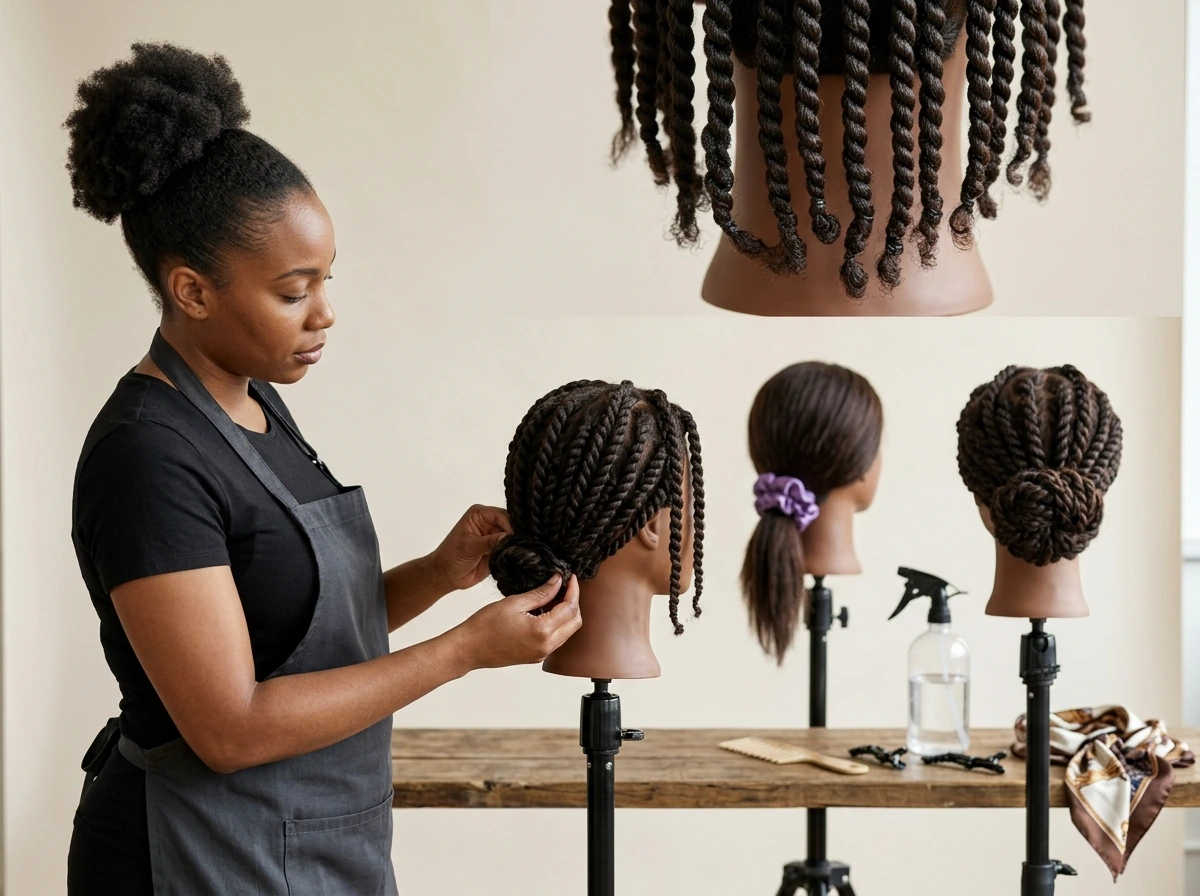
What Hairstyles Grow Your Hair and Help Retain Length
Find hairstyles that help hair grow and keep length by reducing breakage, traction, and scalp stress. Plus step-by-step
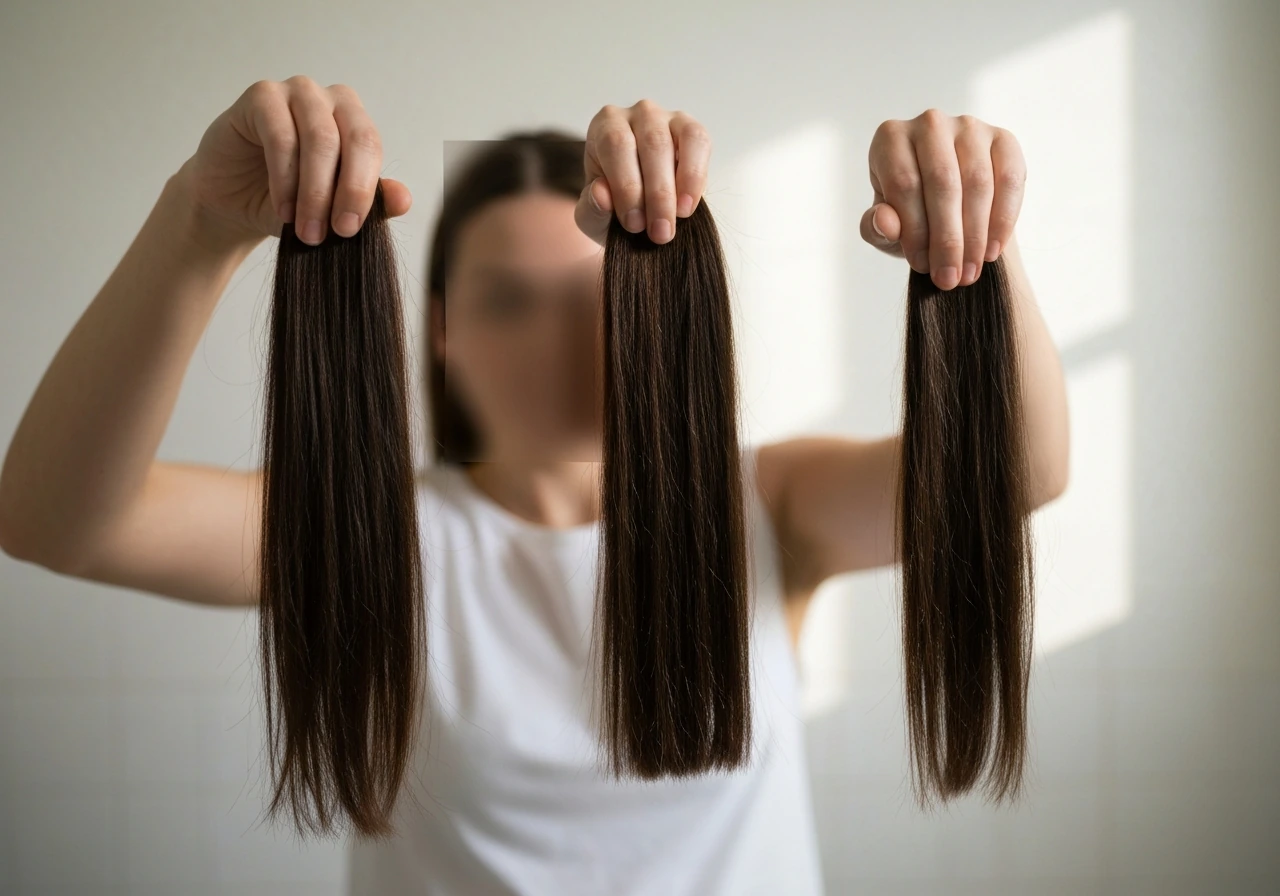
Grow Hair Long Tips: Step-by-Step Routine to Reach Length
Step-by-step grow hair long tips: boost scalp health, cut breakage, improve diet, and track progress for length.
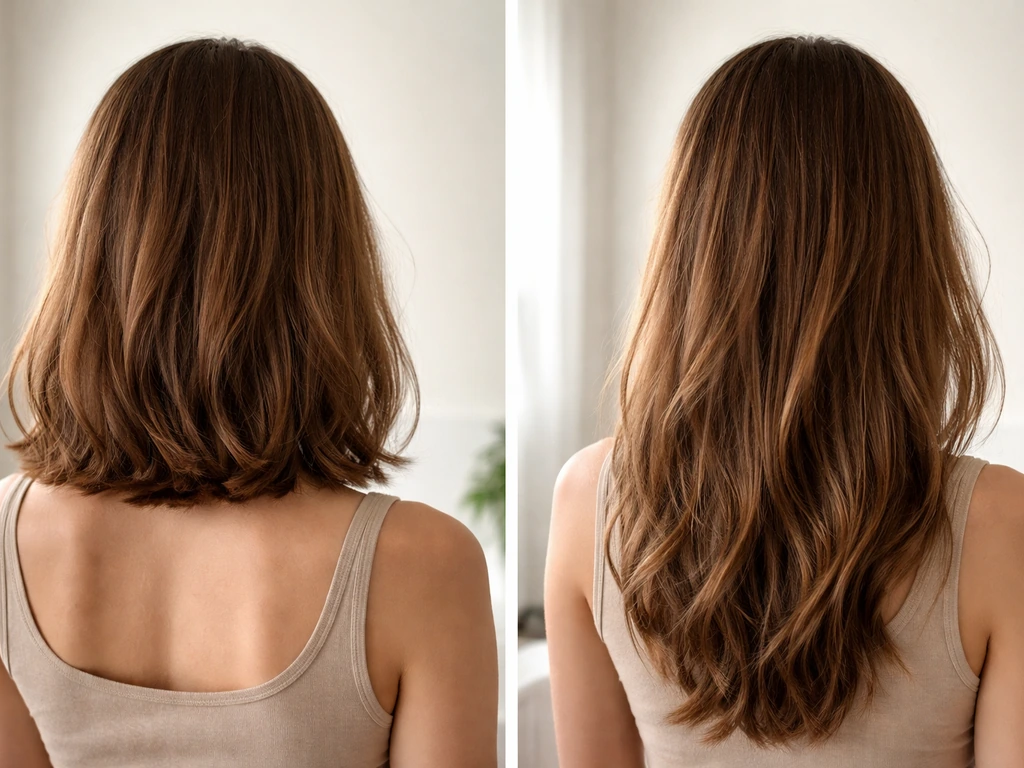
Tips for How to Grow Long Hair: A Practical Guide
Actionable tips to grow long hair naturally: care routine, scalp habits, nutrition and breakage prevention for healthy l