
Hair grows about half an inch per month on average, which means the difference between hair that stays stuck at the same length and hair that actually gets long comes down to one thing: keeping what you grow. If your hair is breaking off at the same rate it grows, you'll spin your wheels indefinitely. Growing hair long and healthy is really a two-part job: support your body so the hair follicle produces strong strands, and protect those strands so they survive long enough to give you the length you want. If you want a fuller step-by-step plan for how to grow hair long and thick, focus on the biggest levers: reduce breakage and support shedding control. Your best way to grow long hair is to combine scalp and strand protection with nutrition and hydration.
How to Grow Hair Long and Healthy: Step-by-Step Guide


What actually controls length, strength, and health
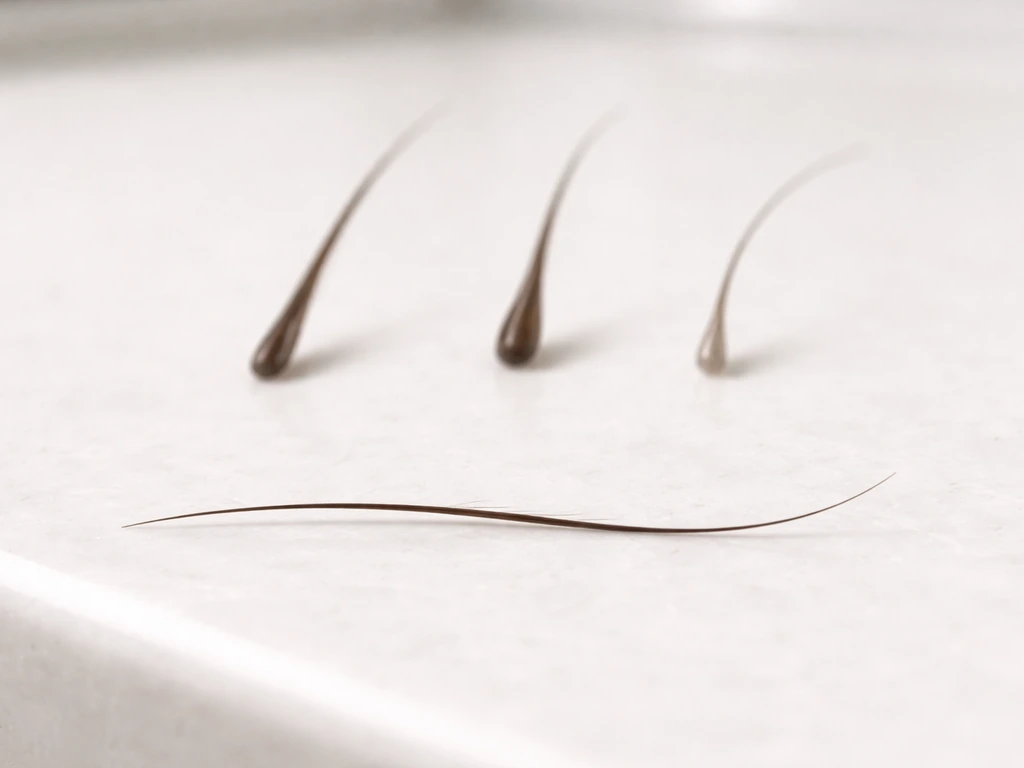
Every hair on your head goes through a growth cycle with three main phases: anagen (active growth, lasting two to seven years), catagen (a short transition phase), and telogen (resting, lasting about two to four months before the strand sheds). At any given time, roughly 85 to 90 percent of your hairs are in anagen, which is why most people shed 50 to 100 strands per day without going bald. The length your hair can reach is largely determined by how long your anagen phase runs, which is mostly genetic. You can not dramatically extend that phase through products or diet, but you can make sure nothing is cutting it short.
The two practical levers you actually control are breakage and shedding. Breakage happens when the hair shaft snaps, usually from mechanical stress, heat, dryness, or chemical damage. Shedding is the follicle releasing a strand at the end of its cycle. When shedding spikes suddenly, that is usually telogen effluvium, a condition where a physical or emotional stressor (illness, surgery, major weight loss, childbirth) pushes an abnormally large number of follicles into the resting phase at once. You often do not notice the shed until two to four months after the trigger, because that is how long the telogen phase lasts before the hair falls. The good news is that once you remove the trigger, most cases resolve on their own within six to eight months. What this means practically: if your hair seems like it stopped growing, audit both breakage and shedding separately before assuming your follicles are the problem.
Scalp health, gentle handling, and stopping breakage at the source
Your scalp is where every strand begins, so treating it like an afterthought is a mistake. A clean, well-circulated, balanced scalp keeps follicles working efficiently. Product buildup, chronic inflammation, or an overly dry or oily environment can slow things down and contribute to shedding. Massage is one of the simplest tools you have: spending four or five minutes massaging your scalp with your fingertips a few times a week increases blood flow to the follicles and costs nothing. You can do it dry or with an oil. Think of it as a daily investment with a compounding return.
Breakage is the silent length-killer. The AAD is direct about this: avoid pulling and tugging on your hair while brushing, combing, or styling. That means using a wide-tooth comb or a brush with flexible bristles, starting detangling from the ends and working upward, and never ripping through a knot. For tightly curled or coily hair, combing when wet with conditioner still in actually reduces breakage compared to detangling dry. If you want tips tailored to curly hair, focus especially on reducing breakage and protecting your curls during detangling and styling reduce breakage for curly hair. For straight and wavy hair, the opposite tends to be true because wet hair is more elastic and vulnerable to snapping. Know your hair type and handle it accordingly.
Heat is another major contributor to breakage. If you use flat irons or curling wands regularly, use them on dry hair at a low or medium heat setting and no more than every other day. A heat protectant spray is non-negotiable. Reducing heat styling frequency even by one or two sessions per week can noticeably reduce breakage over a few months. Chemical treatments like bleach, relaxers, and perms weaken the hair shaft structurally, so if growing length is the goal, consider spacing them out or pausing them entirely while you build up your hair's integrity.
Feeding your hair from the inside: nutrition and hydration

Hair is made primarily of keratin, a protein, and your body needs an adequate protein intake to manufacture it. Most adults doing fine on a balanced diet are getting enough, but if you eat very little protein or follow a very restrictive diet, hair is one of the first things your body deprioritizes. Aim for at least 0.8 grams of protein per kilogram of body weight daily, and higher if you are very active. Eggs, fish, chicken, legumes, and Greek yogurt are all solid sources.
Beyond protein, specific micronutrients have clear links to hair health. Iron deficiency is one of the most common and underappreciated contributors to hair shedding in women. Low iron pushes follicles into rest phase prematurely. If you have heavy periods, eat little red meat, or follow a plant-based diet, getting your ferritin level checked is worthwhile. Zinc, vitamin D, and vitamin B12 deficiencies can also show up as increased shedding or slow growth. Foods like leafy greens, lentils, pumpkin seeds, fatty fish, and fortified cereals cover a lot of this ground. Omega-3 fatty acids from salmon, sardines, walnuts, or flaxseed support scalp health by reducing inflammation.
Hydration matters more than most people realize. Dehydrated hair is brittle hair. Drink enough water daily (the commonly cited eight glasses is a reasonable floor), and consider your hair's internal moisture as a reflection of how hydrated your body actually is. Diet quality and water intake are slow-burn investments, meaning you will not see results in a week, but after two to three months of consistent improvements you will notice a real difference in texture and elasticity.
Supplements: when they actually help and what to test first
The supplement market for hair growth is enormous and mostly oversells its results. Here is the honest picture: supplements help when you have a deficiency. They do not give most healthy people with no deficiency any meaningful edge.
Biotin is the one you see marketed the most. It is a B vitamin, and genuine biotin deficiency does cause thinning hair and hair loss. But biotin deficiency is actually rare in people eating a varied diet. Studies on biotin supplementation in people without deficiency show very limited evidence of benefit. If you are eating normally and not on medications that deplete biotin (like some anti-seizure drugs), adding a high-dose biotin supplement is unlikely to accelerate your hair growth. It is also worth knowing that high biotin intake can interfere with certain lab tests, including thyroid panels.
Iron, vitamin D, zinc, and vitamin B12 are far more worth testing. Ask your doctor for a basic blood panel that includes ferritin (the storage form of iron) and vitamin D. If you come back deficient, correcting those levels through diet or supplementation can genuinely reverse excess shedding and support regrowth. Do not supplement iron without testing first, because excess iron has its own health consequences.
For people who want a general safety net without individual testing, a well-formulated multivitamin covers most bases. If you want a hair-specific option, look for one that includes iron (if appropriate for you), zinc, vitamin D3, and B12 rather than just a mega-dose of biotin. Saw palmetto, collagen peptides, and marine-based supplements show some early positive data but the evidence is not yet strong enough to make firm recommendations. They are low-risk additions if you want to try them, just keep realistic expectations.
| Nutrient/Supplement | Helps if deficient? | Helps without deficiency? | Worth testing? |
|---|---|---|---|
| Iron (ferritin) | Yes, strongly | Not applicable | Yes, especially women |
| Vitamin D | Yes | Possibly minor benefit | Yes |
| Zinc | Yes | Limited evidence | Yes if diet is poor |
| Vitamin B12 | Yes | No | Yes for vegans/vegetarians |
| Biotin | Yes (deficiency is rare) | Very little evidence | Only if symptomatic |
| Collagen peptides | N/A | Early positive signals | Optional, low risk |
| Multivitamin | Covers gaps broadly | Moderate safety net | Good starting point |
Topical routines that actually support growth: oils, masks, and scalp treatments
Topical treatments work primarily by improving scalp conditions, reducing breakage, and increasing moisture retention in the hair shaft. They do not directly stimulate follicle activity the way internal nutrition or certain medications do, but their impact on breakage prevention is real and significant.
Scalp oils
Rosemary oil is the standout here, with a small but solid body of research suggesting it can improve scalp circulation and may perform comparably to 2% minoxidil for certain types of hair thinning. Mix two or three drops into a tablespoon of carrier oil (jojoba, coconut, or sweet almond oil all work well), massage into your scalp, leave it for at least 30 minutes or overnight, then shampoo out. Do this two to three times per week. Peppermint oil is another option with some supporting evidence for scalp stimulation. Castor oil is popular and helps with moisture but has less direct evidence for growth stimulation specifically. Use it mainly as a conditioning treatment on the lengths and ends.
Deep conditioning and hair masks
Deep conditioning once a week makes a noticeable difference in hair elasticity and breakage, especially if your hair is color-treated, heat-styled, or on the drier side. Look for masks with ingredients like hydrolyzed keratin, shea butter, avocado oil, or argan oil. Apply to damp hair after shampooing, cover with a shower cap for 20 to 30 minutes with some gentle heat (sitting in a warm bathroom works fine), then rinse thoroughly. Protein treatments, which use ingredients like hydrolyzed wheat or silk proteins, are useful every three to four weeks for strengthening the strand, but avoid overdoing them because too much protein can make hair brittle.
Scalp treatments and exfoliation
A scalp scrub or exfoliating scalp serum used once every week or two helps remove dead skin cells and product buildup that can clog follicles. You can buy a dedicated scalp scrub or make a simple one with a tablespoon of brown sugar mixed into your shampoo. Salicylic acid or zinc pyrithione shampoos are useful if you deal with dandruff or a flaky, itchy scalp, which, left untreated, can create low-grade inflammation that is not great for follicle health.
Your practical routine for growing hair out
Consistency matters more than perfection here. A simple, repeatable routine beats an elaborate one you abandon after two weeks. Here is how to structure your week based on what the evidence supports.
Wash day routine
- Wash two to three times per week for most hair types. Straight and fine hair may need more frequent washing; coily and natural hair typically does well with once a week or less, focusing on scalp cleansing rather than stripping the lengths.
- Use a sulfate-free or gentle shampoo and focus the product on your scalp, not the ends.
- Follow with conditioner on the mid-lengths and ends every wash, and a deep conditioning mask once a week.
- Detangle gently with a wide-tooth comb while conditioner is still in, starting from the ends and working upward.
- After rinsing, pat hair dry with a microfiber towel or an old T-shirt instead of rubbing with a regular towel, which roughens the cuticle and causes breakage.
- Apply a leave-in conditioner or a light oil to damp ends before styling.
Heat and styling boundaries
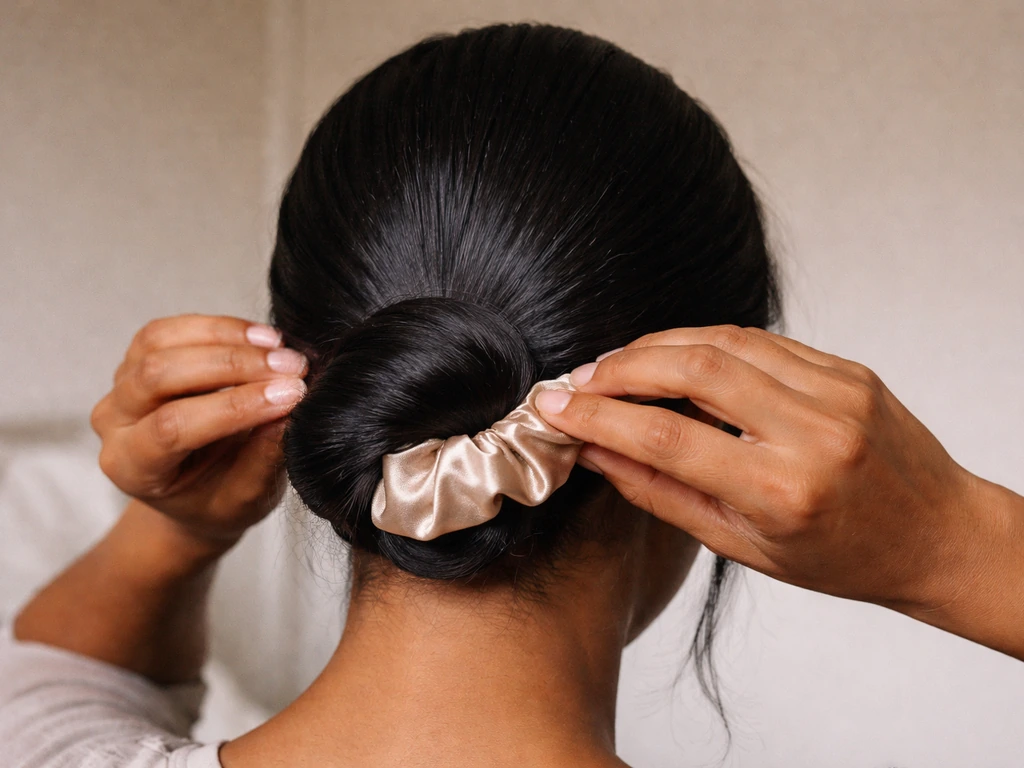
Try to limit heat styling to once or twice per week maximum. When you do use heat, apply a protectant first, use the lowest effective temperature setting, and keep the tool moving rather than holding it stationary on one section. Air drying whenever possible is the single easiest change you can make to reduce cumulative heat damage.
Protective styles and length retention
Protective styles are especially valuable if you have natural, coily, or textured hair, but the principle applies to all hair types: styles that tuck the ends away and reduce daily manipulation mean less breakage. Braids, twists, low buns, and bantu knots all qualify. The key rule with protective styles is not to make them too tight. Styles that pull at the hairline or scalp create traction and can cause a specific type of hair loss (traction alopecia) over time. Give your scalp regular breaks between styles and keep the tension gentle.
Overnight care
Sleeping on a silk or satin pillowcase reduces the friction your hair experiences overnight, which directly reduces breakage. If a pillowcase swap is not practical, wrapping your hair in a satin bonnet achieves the same thing. This is a surprisingly impactful change for the effort involved, especially for curly and natural hair types.
Realistic timelines, tracking progress, and troubleshooting setbacks
At roughly half an inch of growth per month, it takes about six months to grow three inches and a full year to grow six inches, assuming breakage is under control. That timeline shifts based on your genetic anagen phase length, your hair's current health, and how consistently you follow a low-damage routine. If your goal is really long hair, think in years, not months, and track progress in six-month intervals rather than weekly because week-to-week changes are too small to be meaningful.
The simplest way to track growth is to take a photo against a reference point (a wall mark or a familiar background) at the same time of day, in the same light, once a month. Measure a section from root to tip using a tape measure if you want numbers. This keeps you grounded and lets you spot real progress that you might otherwise miss when you are looking in the mirror every day.
Common issues and what to do about them
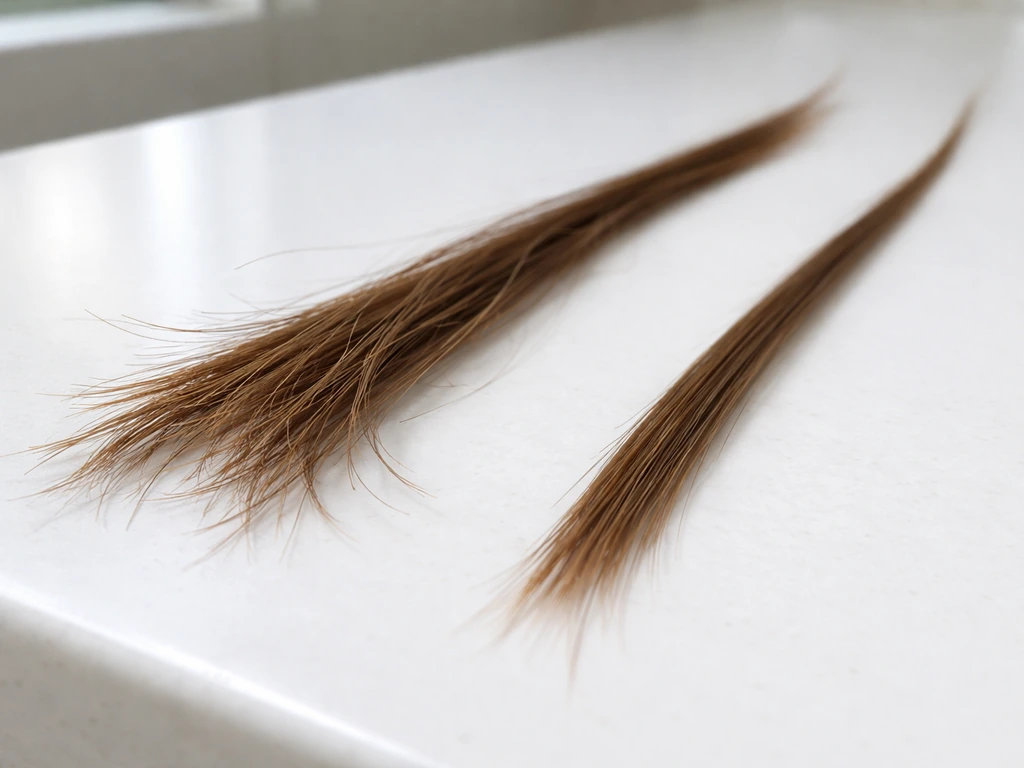
- Hair seems stuck at the same length: This is almost always breakage, not a growth problem. Audit your heat usage, detangling method, and whether your ends are dry and splitting. Trim split ends (just the split portion, not major length) and increase deep conditioning.
- Sudden increase in shedding: Think back two to four months. Was there a major stressor, illness, crash diet, surgery, or life change? Telogen effluvium triggered by those events typically resolves within six to eight months once the cause is gone. If shedding is persistent or you are seeing actual bald patches, see a dermatologist.
- Hair feels dry and brittle regardless of what you do: Check your protein-moisture balance. Too many protein treatments can cause stiffness and breakage. Try a moisture-only mask for a few weeks and see if elasticity improves. Also review your water intake and diet.
- Scalp is itchy, flaky, or oily: These conditions interfere with healthy follicle function. An anti-dandruff shampoo used two or three times per week usually resolves mild dandruff. Persistent scalp issues warrant a visit to a dermatologist.
- Growth has genuinely slowed or stopped: If you have ruled out breakage and shedding and have been consistent with your routine for six or more months, a blood panel checking ferritin, vitamin D, zinc, B12, and thyroid function is a reasonable next step. Hormonal factors, particularly thyroid imbalances, are a frequently missed cause of slow growth and persistent shedding.
A note on minoxidil: it is the most evidence-backed over-the-counter option for stimulating follicle activity, and it is worth knowing about if you are dealing with thinning rather than just slow growth. Some people notice increased shedding when they first start using it, which is temporary and part of how it works. It is not a product to start without understanding what you are treating, and a dermatologist visit makes sense before going that route.
Growing hair long and healthy is genuinely achievable for most people, but it requires patience and a consistent approach rather than a single miracle product. Whether you have straight, wavy, curly, or coily hair, the fundamentals are the same: support your body with good nutrition, treat your scalp with care, reduce damage aggressively, and let time do its work. If you want a complete step-by-step plan for long hair, focus on low-damage handling plus nutrition and scalp care as your core routine how do i grow long hair. Fine hair types and natural hair types each have nuances in how they handle moisture and styling, but those foundations apply universally. If you have fine hair, focus on reducing breakage and building healthy scalp conditions because those foundations matter even more for how to grow fine hair long. Start with the changes that cost the least and require the least effort, like a satin pillowcase and heat reduction, get those locked in, then layer in the deeper work around nutrition and topical routines. Three to six months from now, you will have real data on what is working for your specific hair.
FAQ
How can I tell if my hair is growing but just not getting longer?
Check for breakage versus shedding by doing a simple “root-to-tip” test over 4 to 6 weeks. If you see lots of short broken hairs, split ends, or fraying at the ends, it is breakage. If hairs fall out intact with a white bulb at the end, it is shedding (cycle-related). Also compare growth in the crown area versus ends, if the crown looks longer but the ends do not, breakage is the likely culprit.
Is it normal to shed more when I change my routine, wash more often, or detangle?
Yes, shedding can look higher when you start combing more thoroughly or switch to washing schedules, because you are collecting hairs that were already shedding during the telogen phase. A red flag is a sudden, sustained increase plus noticeable thinning or scalp symptoms, especially if it follows an illness, major stress, surgery, childbirth, or rapid weight change.
Should I trim my hair if I am trying to grow it long?
Trimming will not change your growth rate, but regular maintenance trims can prevent split ends from traveling up the shaft and causing progressive breakage. A good rule is small, targeted trims every 8 to 12 weeks if you are prone to splitting, and larger delays only if your ends stay intact with your current low-damage routine.
How often should I wash my hair to grow it long and healthy?
Instead of chasing a specific number, aim for scalp comfort and low buildup. If you wash too infrequently, product and oil can contribute to irritation or dandruff, which may worsen inflammation. If you wash too often and your scalp gets tight or itchy, dryness can increase breakage. Use lukewarm water, focus cleansing on the scalp, and condition lengths.
What is the safest way to detangle to minimize breakage?
Detangle in sections, start at the ends, and pause when you meet resistance. Use conditioner as slip, especially for coily or curly textures, and do not “pull” tangles apart. If knots are frequent, reassess dryness, protective styling, and whether you are brushing with too much force or too small a tool size.
Can I use protein treatments and still avoid brittle hair?
Yes, but limit them to the pattern your hair shows. If your strands feel stiff, rough, or they snap when wet, you may be overdoing protein. A practical approach is to use protein every 3 to 4 weeks only when needed (for example after color or heat overuse), then switch to more moisturizing masks when the texture normalizes.
Will oils make my hair grow faster?
Oils can improve softness, reduce friction, and help prevent moisture loss, which indirectly reduces breakage. They do not reliably extend the anagen phase or directly “stimulate growth” in the way true follicle-acting treatments can. Use oils mainly as a length and scalp comfort tool, and focus on scalp health and damage reduction for the biggest length gains.
When should I get my iron and vitamin D checked?
Consider testing if shedding is heavy, you have symptoms like fatigue, you have heavy menstrual bleeding, you are pregnant or recently postpartum, you follow a restrictive diet, or you had recent major stressors. Ask specifically for ferritin (storage iron) and vitamin D, and do not supplement iron until you know your level, because excess iron can be harmful.
What should I watch for with minoxidil so I do not mistake side effects for a problem?
Some people get an initial increase in shedding during the first weeks, it can be temporary and part of the transition. If shedding is extreme, you develop scalp irritation or significant redness, or you have thinning that is rapidly progressing, stop and consult a dermatologist. Also, results typically require ongoing use, stopping often leads to gradual loss of the gained thickness.
How do I prevent traction-related hair loss from protective styles?
Protective styles should feel secure, not tight. Avoid styles that pull at the hairline, leave the scalp under constant tension, or require frequent re-tightening. Give your scalp breaks between styles, and watch for early signs like persistent soreness, small patches of thinning, or increased shedding from the same area.
What is the fastest low-effort change for “long and healthy” results?
Reduce friction and heat immediately. Two practical moves with strong payoff are switching to a satin bonnet or pillowcase and limiting heat styling frequency (or at least using the lowest effective temperature with a protectant). These changes target the two length-killers in the simplest way, breakage and cumulative damage.
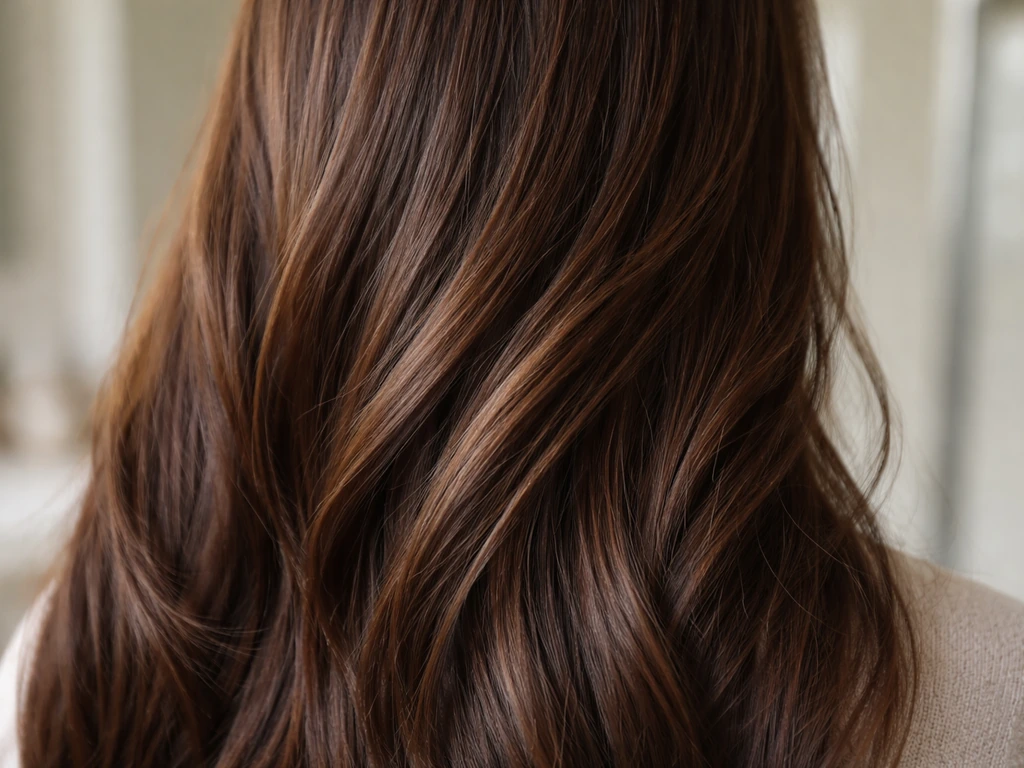
Step-by-step plan to grow longer, thicker hair with nutrition, scalp care, safe topicals, and less breakage.

Learn how to grow long hair with timelines, breakage prevention, scalp care, nutrition tips, and routine troubleshooting
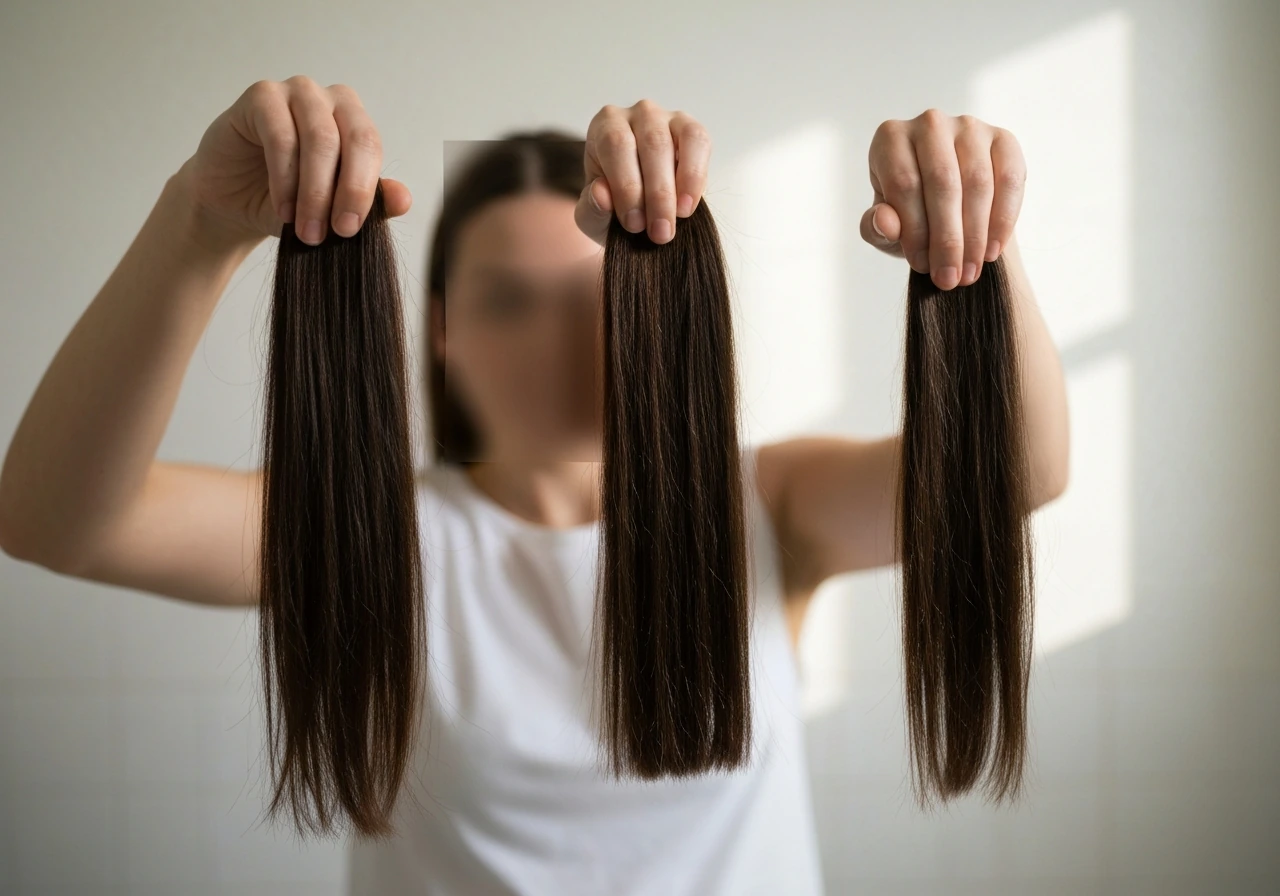
Step-by-step grow hair long tips: boost scalp health, cut breakage, improve diet, and track progress for length.