
Growing a thicker hairline is absolutely possible in many cases, but the right approach depends entirely on why your hairline is thinning in the first place. If you're dealing with traction damage or a nutrient deficiency, a consistent scalp care routine and a few targeted changes can make a real difference. If the cause is androgenetic alopecia (pattern hair loss), you'll need to think about medical treatments alongside your routine. This guide will help you figure out which situation you're in and then give you a clear, practical plan to follow.
How to Grow a Thicker Hairline: Step-by-Step Plan

Marcus Holloway
20 Apr 2026
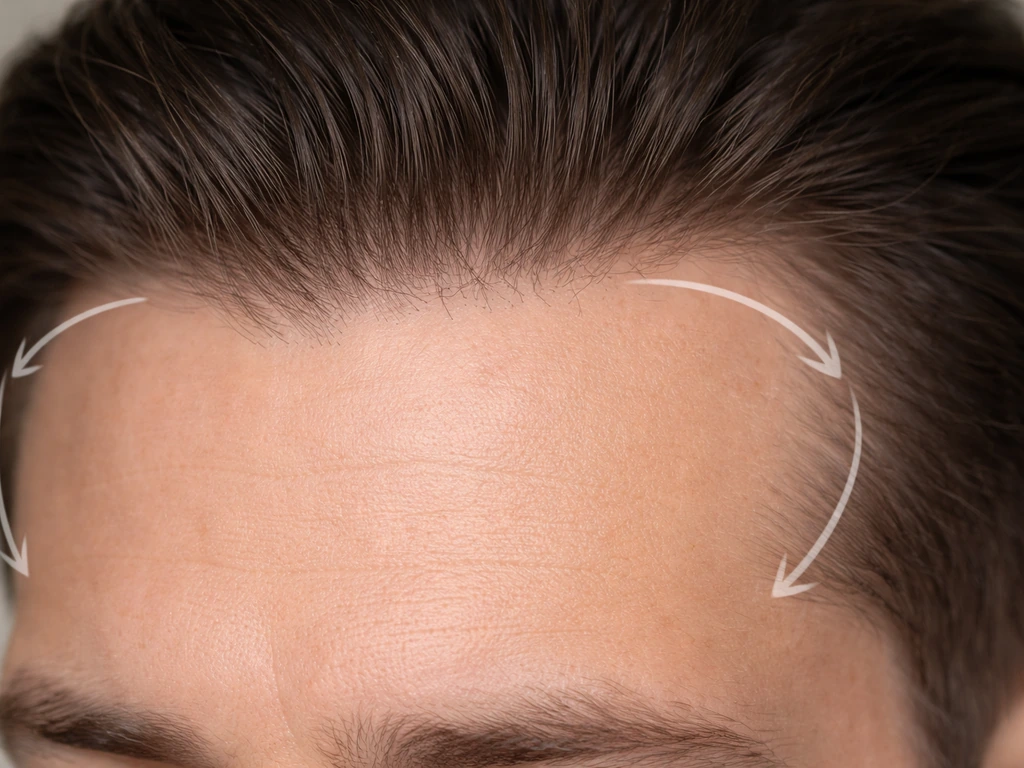
What 'thicker hairline' actually means: density, recession, and baby hairs
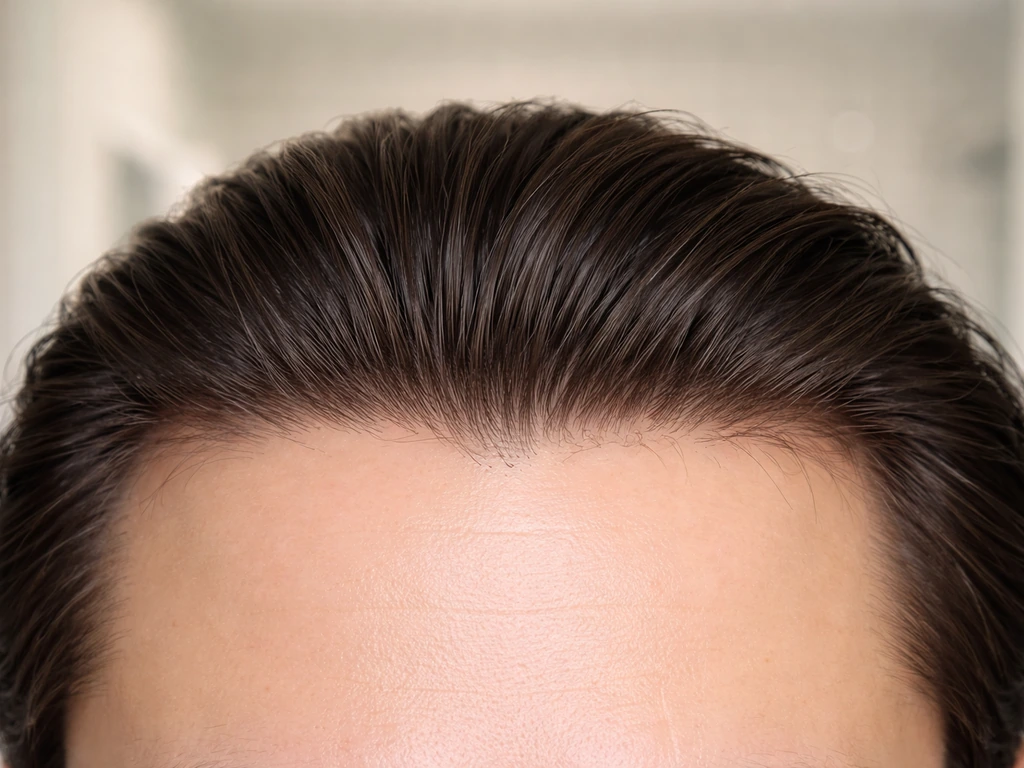
Before you start any routine, it helps to know exactly what you're trying to change. There are three distinct things people usually mean when they talk about a thicker hairline, and they're not the same problem.
- Density at the hairline edges: The individual hairs along your frontal frame look fine, sparse, or wispy. The overall hairline position may be fine, but it doesn't look full.
- Receding hairline: The hairline itself is physically moving backward at the temples or the front, which is a sign of true follicle miniaturization (usually pattern hair loss).
- Baby hair development: The vellus (very fine, nearly invisible) hairs along the hairline haven't converted to thicker terminal hairs, or terminal hairs have miniaturized back down to vellus.
The Norwood scale is the standard tool dermatologists use to grade the degree of frontal recession and vertex thinning in men, but it measures the pattern and extent of recession, not hair density per strand. That distinction matters because you can have a Norwood 1 hairline (no significant recession) and still have noticeably thin, wispy hair at the edges. Density and position are two different things. Most of the practical strategies in this guide address density, though several also slow or stabilize recession when androgenetic alopecia is the cause.
Why the hairline thins: the most common causes
The hairline is one of the first places thinning shows up, and it's not a coincidence. The follicles at the frontal and temporal edges are particularly vulnerable to mechanical stress, DHT (dihydrotestosterone), and inflammation. Here are the causes you're most likely dealing with.
Androgenetic alopecia (pattern hair loss)
This is the most common cause of hairline thinning in both men and women, driven by a genetic sensitivity to DHT that causes follicle miniaturization over time. In men, it typically follows the Norwood pattern, starting at the temples and crown. In women, it tends to present as diffuse thinning along the central part with relative sparing of the hairline itself, though the frontal edge can still thin noticeably. If your parents or grandparents have/had significant hair loss, genetics are likely playing a role.
Traction alopecia
Traction alopecia is caused by repetitive tension on the hairline from tight hairstyles: braids, weaves, tight ponytails, extensions, or even very tight headbands. A classic clinical sign is the 'fringe sign,' where a small band of shorter hairs is retained along the very edge of the marginal hairline while hair loss occurs just behind it at the frontal and temporal rim. If you notice thinning specifically at the temples and frontal hairline and you regularly wear tight styles, traction is a very likely culprit. Caught early, traction alopecia is reversible. Left untreated, the follicle damage can become permanent.
Telogen effluvium
Telogen effluvium (TE) is a temporary, stress-triggered form of diffuse shedding where a large number of hairs shift from the active growth (anagen) phase into the resting (telogen) phase all at once. The average telogen phase lasts about three months, which is why TE shedding typically becomes noticeable roughly three months after a triggering event like illness, surgery, rapid weight loss, pregnancy, or extreme emotional stress. The hairline can look noticeably thinner during this period. In most cases, once the trigger resolves, the hair grows back on its own.
Scalp inflammation and seborrheic dermatitis
Chronic inflammation at the scalp, whether from seborrheic dermatitis, dandruff, psoriasis, or even product buildup, can disrupt the follicle environment and contribute to hair thinning. The hairline is especially prone to product residue and scalp-skin overlap irritation. Seborrheic dermatitis is particularly common along the hairline, eyebrows, and sides of the nose, and the chronic low-level inflammation it causes is a real factor in hair quality.
Nutritional deficiencies and hormonal factors
Low ferritin (iron stores), low vitamin D, thyroid dysfunction, and significant hormonal shifts (postpartum, perimenopause, or stopping hormonal birth control) are all associated with diffuse hair thinning that can be very prominent at the hairline. These causes are often overlooked because they don't fit the classic pattern of androgenetic alopecia, but they're common and very treatable once identified.
Self-check: figure out your pattern and likely cause before you start
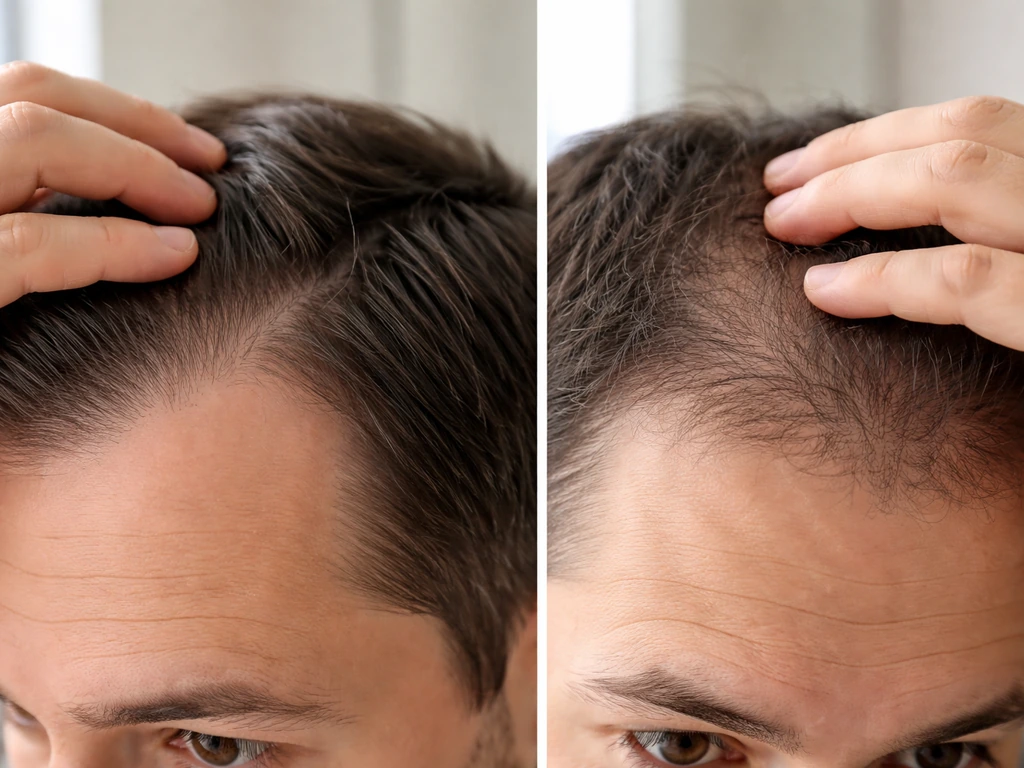
Spending a few minutes on this self-assessment will save you a lot of time and money. The wrong treatment for the wrong cause won't work, and in some cases can make things worse. If you're trying to make chin hair grow thicker, the same idea applies: you need to identify what's limiting growth and then use targeted treatments that support follicle health.
- Look at the pattern: Is the thinning only at the temples and frontal hairline, or is it diffuse across the whole scalp? Temple-only thinning in men points strongly toward androgenetic alopecia or traction. Diffuse thinning points more toward TE, nutritional, or hormonal causes.
- Check your hairstyle history: Do you regularly wear tight buns, braids, extensions, or ponytails? Have you noticed the thinning is concentrated at the exact edges where tension pulls? If yes, traction is very likely involved.
- Think back 3 to 4 months: Did you have a major illness, surgery, dietary change (like a very low-calorie diet), pregnancy, or extreme stress? A yes here strongly suggests telogen effluvium.
- Look at your scalp skin: Is your hairline area flaky, red, itchy, or oily? Visible dandruff or irritation suggests an inflammatory component that needs to be addressed.
- Check your family history: Do both sides of your family show pattern hair loss? If yes, genetics are likely part of the picture, even if another cause is also contributing.
- Consider your diet and health: Have you been eating very little protein, following a restrictive diet, or had bloodwork showing low ferritin, vitamin D, or thyroid irregularities? These are worth investigating.
- Note your hair texture and type: Very fine, straight hair shows density changes more visibly than coarse, curly, or textured hair. Knowing your hair texture helps calibrate expectations.
In many cases, you'll identify more than one contributing factor. That's normal. A common combination I see is someone with mild genetic vulnerability who also has traction damage and a vitamin D deficiency. Each layer you address will improve your results. If you're still unsure after this self-check, or if the thinning is rapid, patchy, or accompanied by scalp symptoms, that's a signal to see a dermatologist sooner rather than later.
Scalp care routine for the hairline
A consistent scalp care routine is the foundation, regardless of what's causing your thinning. Think of it as creating the best possible environment for follicles that are still active. Here's what that looks like in practice.
Cleansing and inflammation control
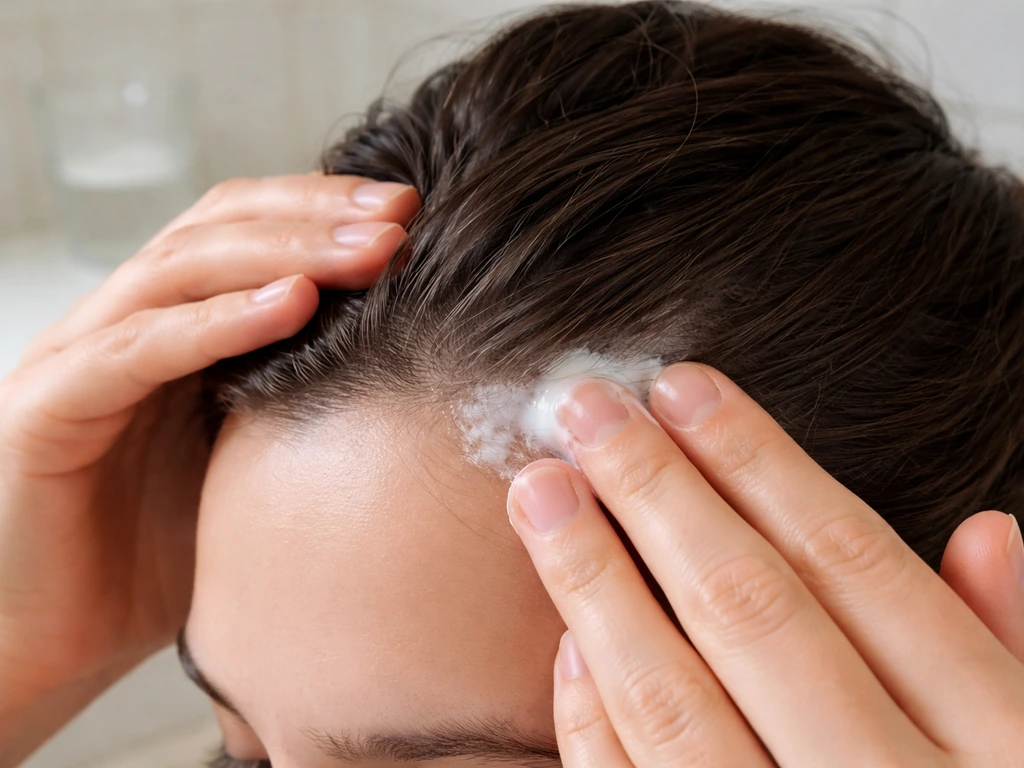
Wash your hair often enough to prevent product and sebum buildup at the hairline, but don't over-strip. For most people, two to four times per week works well. If you have dandruff or seborrheic dermatitis, using a ketoconazole 2% shampoo two to three times per week is genuinely worth doing. Ketoconazole reduces the yeast (Malassezia) that drives scalp inflammation, and there's actually research suggesting it can also positively affect hair density in androgenetic alopecia over long-term use, not just dandruff control. Let the shampoo sit for a couple of minutes before rinsing.
Scalp massage
Daily scalp massage for four to five minutes improves blood circulation to the follicles and has some evidence behind it for increasing hair thickness over time. Focus the massage on the hairline and temple areas using the pads of your fingers, not your nails. You can do this while shampooing or on dry hair with a few drops of a lightweight oil. This is one of those small habits that costs nothing and adds up over months.
Reducing traction and mechanical damage
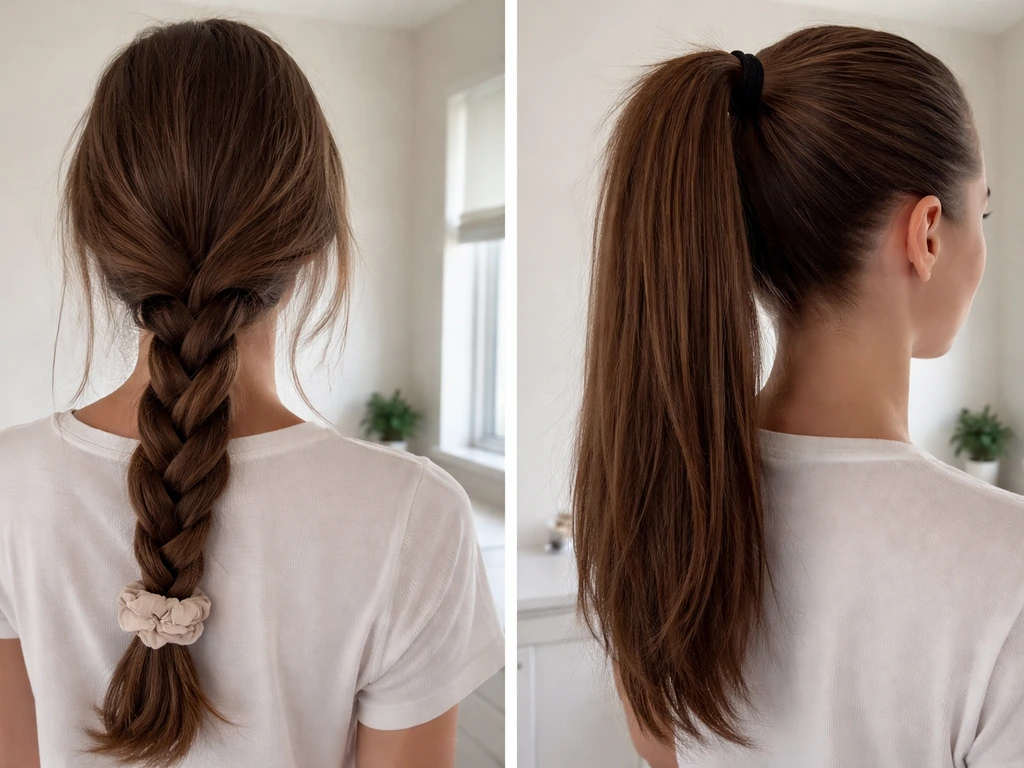
If traction is a contributing factor, this step is non-negotiable. Stop wearing tight styles at the hairline. Switch to looser braids, low-tension styles, or styles that don't pull at the frontal and temporal edges. Use silk or satin pillowcases and avoid tight headbands or hats with tight elastic. If your traction alopecia is still in an early stage (you still have some hairs at the affected area, even if thinned), the follicles can often recover over several months once the tension is removed.
What to avoid
- Heavy products (thick pomades, waxes, or oils) applied directly along the hairline and left on the scalp, which can clog follicles and cause irritation
- Vigorous towel rubbing at the hairline after washing
- Heat styling directly on the hairline edges repeatedly (flat irons, curling irons too close to the scalp)
- Scratching or picking at the scalp if you have dandruff or dryness, which increases inflammation
- Harsh chemical treatments (relaxers, bleaching) concentrated at the hairline without adequate care intervals
Nutrition and supplements that actually help
Hair follicles are metabolically active and nutritionally demanding. If you're deficient in key nutrients, hair growth is one of the first things the body deprioritizes. But supplementing randomly isn't the answer either, since some nutrients are only helpful if you're actually deficient.
Nutrients worth testing for first
If you're experiencing diffuse thinning along the hairline (not a clearly genetic pattern), it's worth getting bloodwork done before spending money on supplements. The most clinically relevant markers to check are serum ferritin (not just hemoglobin, since iron stores deplete before anemia develops), vitamin D, thyroid function (TSH, free T3/T4), and zinc. Low ferritin is particularly common in premenopausal women and is one of the most underdiagnosed contributors to hair thinning. Getting ferritin above 70 ng/mL (some hair specialists suggest even higher) is generally the target.
What to eat for hair density

Protein is the single most important macronutrient for hair. Hair is made of keratin, which is a protein, so chronically low protein intake directly limits your ability to grow dense, strong hair. Aim for at least 0.7 to 1 gram of protein per pound of body weight daily from sources like eggs, lean meat, fish, legumes, and Greek yogurt. Beyond protein, prioritize iron-rich foods (red meat, lentils, spinach paired with vitamin C for absorption), omega-3 fatty acids from fatty fish or walnuts, and zinc from oysters, pumpkin seeds, and beef.
Supplements: what helps and what to skip
If testing reveals a deficiency, supplementing the specific nutrient is absolutely worth doing and can make a noticeable difference in hair over three to six months. Vitamin D3 (with K2) and iron supplementation (if ferritin is low) have the strongest clinical rationale. Zinc can be helpful if you're deficient, but excess zinc can actually cause hair loss, so don't take high doses without confirmed deficiency. As for biotin, the honest answer is that biotin deficiency is uncommon with a normal diet, and there's no good evidence that biotin supplementation improves hair growth in people who aren't deficient. Most 'hair growth' supplements lean heavily on biotin marketing, but the research simply doesn't support it for healthy adults. Save your money unless a test shows you're actually deficient.
What to avoid (diet side)
- Very low-calorie crash diets: rapid caloric restriction is a classic trigger for telogen effluvium
- Very low-protein diets (common in restrictive vegan diets without careful planning)
- Excess vitamin A from supplements: high-dose vitamin A is actually associated with hair loss
- Ultra-processed, high-sugar diets, which contribute to systemic inflammation
Targeted treatments: topicals, microneedling, and medical options
Once your scalp care and nutrition foundations are in place, adding a targeted treatment significantly raises your chances of real improvement, especially if androgenetic alopecia is part of the picture.
Minoxidil
Topical minoxidil is the most accessible evidence-based treatment for hairline density. It works by prolonging the anagen (growth) phase of the hair cycle and increasing blood flow to the follicle. The standard recommendation is 5% for men (applied twice daily) and 2% for women (applied once daily, with the 5% foam also used once daily for women in practice). Apply it directly to the hairline and temple areas as well as the scalp, not just the top of the head. If you want how to grow hair on temples, apply your minoxidil consistently to the temple and hairline areas, then give it several months to judge results. The foam version melts with body heat, which helps it penetrate the scalp more easily. One critical thing to understand: if you stop using minoxidil, the benefits reverse within months. It's a long-term commitment, not a course of treatment.
Finasteride (for men)
For men with androgenetic alopecia, oral finasteride at 1 mg per day is one of the most effective options for slowing hairline recession and maintaining density. It works by blocking the conversion of testosterone to DHT, which is the hormone responsible for follicle miniaturization in genetically susceptible follicles. Clinical trials in men aged 18 to 41 showed that finasteride reduced the progression of pattern hair loss, and it's particularly good at protecting the hairline when started early. Like minoxidil, the effects are not permanent: if you stop taking it, the hair loss that was suppressed will return over time. Finasteride is not appropriate for women who are pregnant or may become pregnant due to teratogenic risk to a male fetus, and its use in women generally requires careful discussion with a physician. Always discuss finasteride with a doctor first.
Microneedling
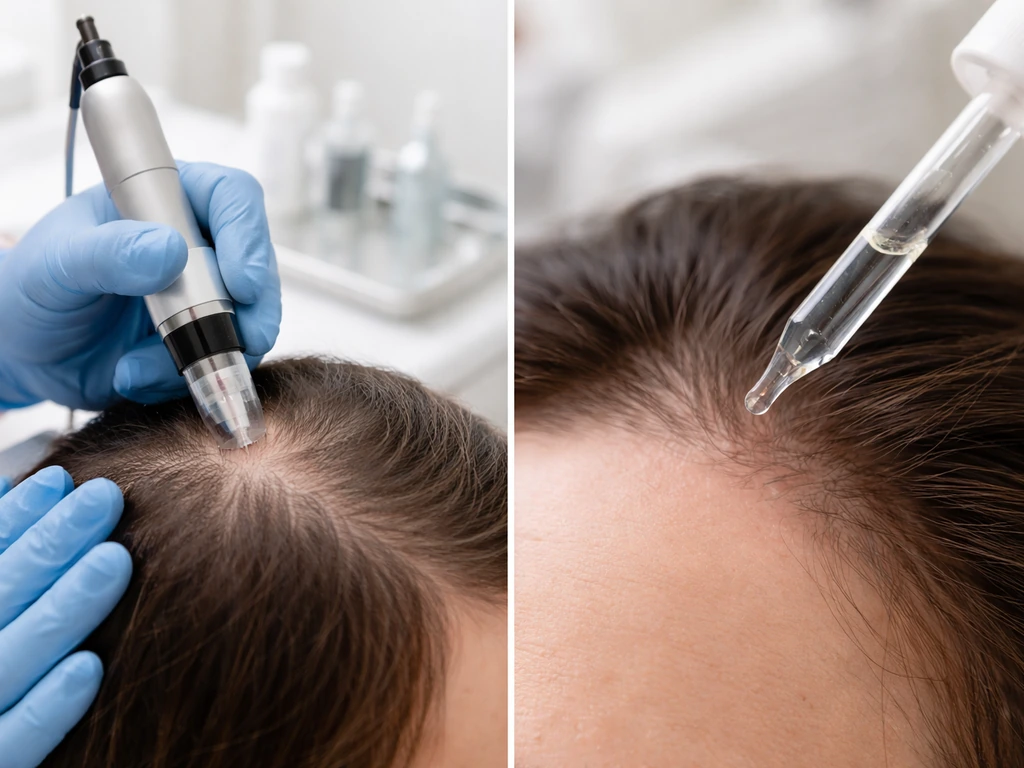
Microneedling (dermarolling) is a promising adjunct treatment that creates controlled micro-injuries in the scalp to stimulate growth factors and improve the absorption of topical treatments. There's good clinical trial evidence showing that combining microneedling with minoxidil produces better results than minoxidil alone for androgenetic alopecia, both in hair count and thickness outcomes. You can do at-home microneedling with a dermaroller (typically 0.5 mm for at-home use) once a week, followed by your topical treatment. Professional microneedling uses deeper needles (1.0 to 1.5 mm) and can be done by a dermatologist or aesthetician. Focus the roller on the hairline and temple areas. Always use a clean roller and don't microneedle over irritated, infected, or inflamed skin.
Platelet-rich plasma (PRP)
PRP involves drawing your own blood, concentrating the platelets (which are rich in growth factors), and injecting it into the scalp. Systematic reviews have reported improvements in hair density compared to baseline and placebo in patients with androgenetic alopecia. A typical protocol involves three monthly sessions followed by maintenance injections every three to six months. PRP is a clinic-based procedure and is not cheap, but it's worth discussing with a dermatologist if topical treatments alone aren't giving you the results you want.
Corticosteroids and other prescription options
If your hairline thinning involves an inflammatory or autoimmune component (such as alopecia areata, which causes patchy hair loss including at the hairline), corticosteroids are a first-line medical treatment. Intralesional corticosteroid injections administered by a dermatologist are generally more effective than topical corticosteroids for alopecia areata. These are strictly prescription treatments and require a proper diagnosis, which is another reason not to delay seeing a dermatologist if you have unusual or rapidly progressing hairline loss.
Quick comparison of main treatment options
| Treatment | Best for | Evidence level | Key notes |
|---|---|---|---|
| Topical minoxidil (2–5%) | AGA, general density improvement | Strong (FDA-approved) | Long-term use required; reverses on stopping |
| Oral finasteride 1 mg (men) | Male AGA, hairline recession | Strong (FDA-approved) | Prescription only; not for pregnant women; monitor side effects |
| Microneedling (adjunct) | AGA with topical minoxidil | Moderate–good (RCT evidence) | At-home (0.5 mm) or clinical (1–1.5 mm); enhances topical absorption |
| Ketoconazole 2% shampoo | Seborrheic dermatitis, scalp inflammation, AGA support | Moderate | Anti-inflammatory; some evidence for hair density in AGA |
| PRP injections | AGA, moderate thinning | Moderate (improving evidence) | Clinic-based; 3-session protocol; expensive but meaningful for some |
| Scalp massage + routine | All causes (foundational) | Modest but consistent | Free; improves circulation; no side effects |
| Nutrient correction (iron, vitamin D, zinc) | TE, diffuse thinning, nutritional causes | Good when deficient | Test first; supplement only confirmed deficiencies |
| Intralesional corticosteroids | Alopecia areata, inflammatory alopecia | Good for AA | Dermatologist-administered; not for AGA |
Timeline, styling, tracking, and when to see a doctor
What to realistically expect and when
The hardest part of this process is patience. Hair growth is slow by biology, and most treatments take three to six months before you'll notice meaningful change. The American Academy of Family Physicians is clear on this: expect results from treatments like minoxidil or finasteride after roughly three to six months, and dense regrowth is not guaranteed. What you're more likely to see is stabilization of loss, some filling in of thin areas, and a gradual improvement in the overall appearance of density. Set a reminder to take a monthly photo in consistent lighting so you can actually track subtle changes, because when progress is slow, it's easy to miss it.
A realistic timeline looks roughly like this: months one to three you're building the routine and foundation, months three to six you may start to notice reduced shedding and some new growth at the hairline, and months six to twelve is when the most visible density improvement typically shows if you're consistent. If you've been consistent with a good routine for six months and see no change at all, that's important information: it likely means you need a professional assessment.
Styling to make the hairline look fuller in the meantime
While you're waiting for treatments to work, smart styling can make a real visible difference. A root-touch-up powder or fiber product applied along the hairline adds the illusion of density instantly. For women with textured or curly hair, loose styles that don't pull tension at the hairline look fuller and also protect recovering follicles. For men, shorter haircuts with a soft taper can minimize the appearance of hairline thinning better than longer styles that contrast more sharply with sparse edges. Avoid styles that put the hairline under the spotlight, like slicked-back, wet looks or center parts that expose the temples.
Red flags: when to see a dermatologist
Some situations call for professional assessment sooner rather than later. Don't wait six months if you notice any of the following:
- Rapid or sudden hair loss at the hairline over weeks rather than months
- Patchy, well-defined bald spots at or near the hairline (possible alopecia areata)
- Scalp pain, burning, itching, or visible scarring along the hairline (possible scarring alopecia, which requires urgent treatment to prevent permanent loss)
- Hair loss accompanied by other symptoms like significant fatigue, unexplained weight change, or skin and nail changes (possible systemic or thyroid issue)
- No improvement whatsoever after six months of a consistent, well-executed routine
- You're a woman under 50 with significant hairline recession that looks like male-pattern loss (worth ruling out hormonal conditions like polycystic ovary syndrome)
Growing a thicker hairline is a process, not a quick fix, but most people who commit to the right combination of scalp care, nutrition, and targeted treatment do see meaningful improvement. Start with understanding your cause, build the foundation with scalp care and diet, add a topical treatment if appropriate, and give it time. If you're specifically looking for <a data-article-id="BE6C52C0-3701-4913-A6BF-1E30A91FC9F9">how to grow thicker hair for men</a>, the same step-by-step framework will help you choose treatments that match your cause. If you're specifically looking for how to grow back temple hair, the same step-by-step framework will help you choose treatments that match your cause. That's genuinely the most effective plan there is right now.
FAQ
How long does it take to see a thicker hairline, and what changes should I look for first?
In most hairline programs, the first sign is usually reduced shedding and less “see-through” edges, then gradual thickening. Many people start noticing changes between 3 and 6 months, with the clearest cosmetic improvement around 6 to 12 months. Track progress with the same lighting and hair part, and rely on photos more than day-to-day impressions.
If I start minoxidil or finasteride, when is it too early to judge results?
Avoid making a decision before about 3 months for early signals. Minoxidil and finasteride typically show stabilization and incremental growth over 3 to 6 months, then more visible density by 6 to 12 months. If you see no improvement after 6 months of consistent use, that is a strong reason to get a professional re-check of diagnosis and dosing.
Is there a “minoxidil shedding” period, and should I stop if it happens?
Some people experience temporary increased shedding in the early weeks as the hair cycle shifts. Do not stop immediately, because that shedding is often followed by regrowth if the treatment is right for your cause. If shedding is severe, accompanied by scalp irritation, or continues beyond a couple of months, reassess product type, application technique, and consider clinician input.
Where exactly should I apply minoxidil for a receding or thinning hairline?
Apply it directly to the thinning zones, not just the crown. That usually means the frontal edge and temples, extending slightly into the surrounding scalp for consistent coverage. Use enough to fully wet the target area, but keep application controlled so it does not run onto the face and irritate skin.
Can I use microneedling and minoxidil together, and how do I avoid irritating my scalp?
Yes, the typical approach is microneedling followed by topical minoxidil, which may improve uptake. Do not microneedle over inflamed, infected, or heavily dandruff-covered skin. Keep needle depth appropriate (for example, about 0.5 mm for at-home), needle hygiene strict, and space sessions at about once weekly to reduce irritation.
Does PRP work for all types of hairline thinning?
PRP is most commonly helpful for androgenetic alopecia, where follicles are miniaturizing gradually. It is less predictable for traction damage that has not been stopped early, and it is not a substitute for treating inflammatory or autoimmune causes. If your pattern is patchy, rapidly changing, or very scaly, focus on diagnosis first.
What if my hairline is thinning, but my scalp is also itchy, flaky, or red?
That combination points toward inflammation or dermatitis contributing to shedding, and you may need a treatment plan that targets scalp inflammation before expecting density gains. Consider using an anti-inflammatory antifungal shampoo approach if seborrheic dermatitis is likely, and get examined if you have severe redness, oozing, or widespread scaling.
How can I tell whether it is traction alopecia versus pattern hair loss?
Traction alopecia often follows tight styling habits and may show a “fringe sign,” where a narrow band of shorter hairs remains right at the margin while loss occurs just behind it. Pattern hair loss is usually more progressive and matches a genetic distribution. If the timeline and hairline shape do not clearly match, a dermatologist can help confirm the cause with scalp exam and dermoscopy.
What should I do about hairline thinning if I am postpartum or going through a major hormonal change?
Hormone-related shedding can behave like telogen effluvium, so the best strategy is to identify and address triggers (delivery, stress, nutrient depletion) and support the scalp and nutrition. Hair often regrows after the trigger resolves, but adding targeted deficiencies, especially iron and vitamin D, can speed recovery and improve density.
Which blood tests are most useful, and should I test before taking supplements?
If thinning is diffuse or not clearly genetic, bloodwork usually provides better guidance than random supplementation. Common high-yield tests include serum ferritin, vitamin D, thyroid markers such as TSH, and zinc. Iron stores can be low even when hemoglobin looks normal, so ferritin is particularly important for hairline thinning.
What ferritin level should I aim for, and is it safe to supplement iron without labs?
Many hair specialists target ferritin above roughly 70 ng/mL for optimal hair support. Do not take high-dose iron without labs, since excess iron can be harmful and can worsen symptoms in people who are not deficient. Use clinician-guided dosing if ferritin is low.
Can I thicken my hairline without medication, and what “non-drug” steps matter most?
Yes, especially if your cause is traction damage, inflammation, or a deficiency. The most impactful non-drug steps are stopping mechanical tension, managing dandruff or dermatitis consistently, and ensuring adequate protein plus correction of confirmed nutrient gaps. Cosmetic products like powders can help appearance while you work on the biologic timeline.
How do I reduce the risk of traction damage while still styling my hair?
Avoid styles that pull at the frontal and temporal edges, switch to lower-tension styles, and do not wear tight elastic headbands for long periods. Use gentler tie techniques, limit how often you wear protective styles that require tension, and consider silk or satin at night to reduce friction at the hairline.
Are hair growth vitamins and biotin worth trying if I am not sure what I’m deficient in?
Biotin is unlikely to help if you do not have a true deficiency, and high-dose zinc can actually worsen hair loss. If you are unsure, test first for the most relevant markers like ferritin, vitamin D, and zinc, then supplement only what your labs show or what a clinician recommends.
When should I see a dermatologist sooner rather than waiting months?
Seek earlier assessment if hair loss is rapid, patchy, accompanied by pain or significant scalp symptoms, or if you cannot identify a clear mechanical trigger. Also get checked promptly if you suspect alopecia areata or other inflammatory causes, since those often require prescription treatments rather than routine-only changes.
Next Articles
Grow Hair Long Tips: Step-by-Step Routine to Reach Length
Step-by-step grow hair long tips: boost scalp health, cut breakage, improve diet, and track progress for length.
Tips for How to Grow Long Hair: A Practical Guide
Actionable tips to grow long hair naturally: care routine, scalp habits, nutrition and breakage prevention for healthy l
Tips to Grow Healthy Hair: Simple Steps, Routine, and Red Flags
Step-by-step tips to grow healthy hair: scalp care, nutrition, routines, breakage prevention, and red flags for thinning