
You can make chin hair grow thicker by addressing the factors you actually control: nutrition, sleep, stress, skin care under the beard, and in some cases topical treatments like minoxidil. Genetics set your ceiling, but most people are nowhere near their genetic ceiling yet because fixable lifestyle and grooming habits are quietly holding them back. If you are also trying to grow a thicker hairline, the same basics apply and often start with addressing the common blockers first how to grow a thicker hairline. Fix those first, then layer in targeted topicals if you want to go further.
How to Make Chin Hair Grow Thicker: Practical Guide

Marcus Holloway
5 May 2026
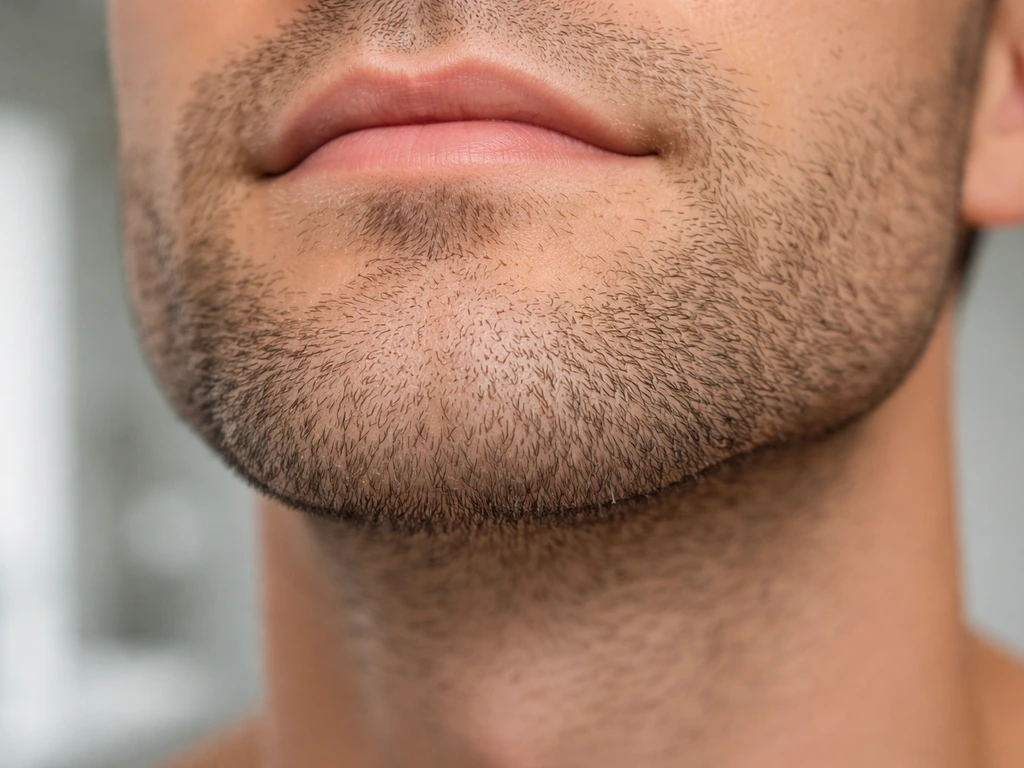
Why chin hair thickness varies in the first place
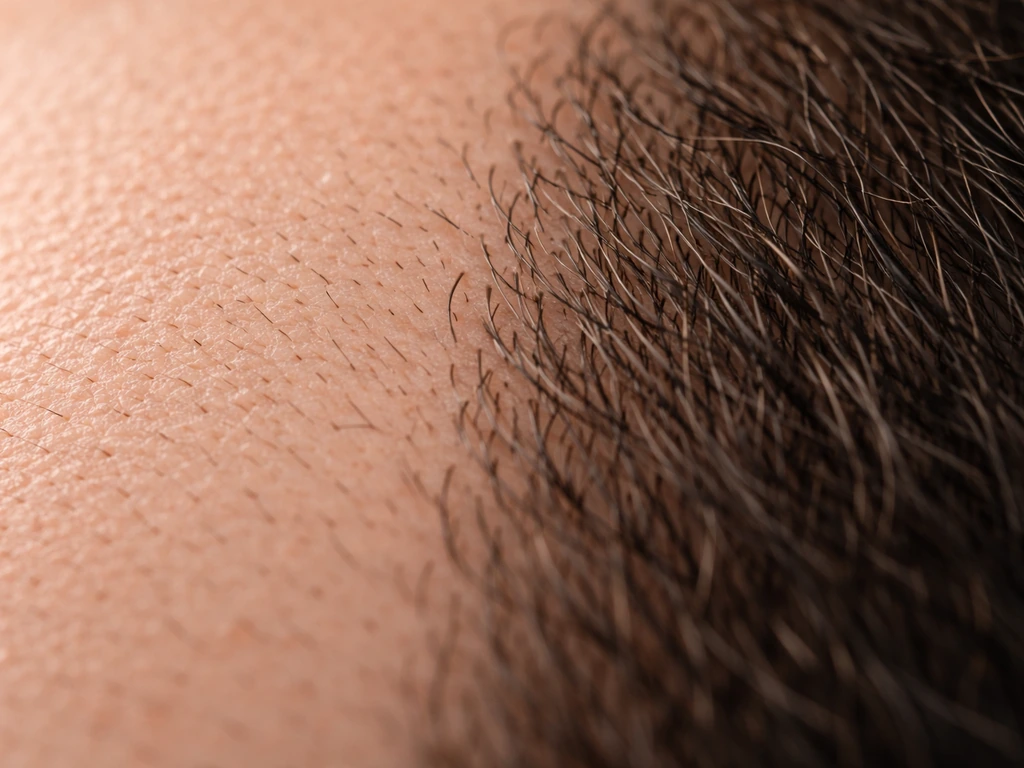
Chin hair, like all beard hair, starts out as fine vellus hair. Androgens, primarily testosterone and its more potent derivative DHT, signal those follicles to convert into thick, pigmented terminal hairs during and after puberty. How completely that conversion happens, and how thick the resulting hairs become, depends heavily on how sensitive your follicle receptors are to androgens. That sensitivity is largely genetic, which is why one guy can grow a dense chin beard at 17 while his brother is still patchy at 25.
On top of genetics, each follicle cycles through three phases: anagen (active growth), catagen (transition), and telogen (rest). When something disrupts this cycle, fewer follicles are in the growth phase at any given time, so the beard looks thinner even though follicles haven't actually died. In androgenetic alopecia, for example, the anagen phase shortens over time and telogen lengthens, which means hairs grow shorter and take longer to come back. That's the same mechanism behind the gradual thinning some men notice in their chin hair as they age.
Age also matters. Many men don't see their full beard density until their mid-to-late 20s, sometimes even early 30s. If you're younger and frustrated with patchiness, there's a real chance you're still in the middle of the process. Patience genuinely is part of the answer here.
Common blockers that quietly thin out chin hair
Before adding anything new to your routine, it's worth checking whether something is actively working against you. These are the most common culprits.
Nutrition gaps

Hair follicles are metabolically active and need a steady supply of protein, iron, zinc, and vitamins to produce strong, thick strands. Low iron stores are a well-documented trigger for telogen effluvium, a type of diffuse shedding where follicles drop prematurely into the rest phase. You don't have to be clinically anemic for this to affect growth quality. Protein restriction, crash dieting, or just not eating enough overall can have a similar effect within a few months.
Sleep and stress
Chronic stress elevates cortisol, which can disrupt the hormonal environment that follicles depend on. Poor sleep compounds this. Neither will cause dramatic overnight changes, but consistently getting under six hours of sleep or running on high stress for months creates a background of suboptimal follicle function that's easy to overlook.
Smoking and alcohol

Smoking restricts blood flow, which limits the oxygen and nutrients reaching follicles. Heavy alcohol intake disrupts nutrient absorption and sleep quality. If you smoke, that's worth addressing before investing in serums and supplements.
Grooming damage and skin irritation
Shaving too aggressively, using dull blades, or shaving against the grain raises the risk of folliculitis (inflamed, infected follicles) and pseudofolliculitis barbae, the ingrown-hair reaction that's especially common with tightly curled hair. When hairs curl back into the skin, the resulting inflammation can, over time, cause scarring that permanently affects follicle output. If you notice itchy papules, pustules, or recurring bumps in your chin area after shaving, that's a signal to change your technique and care for the skin more deliberately.
Medical causes worth ruling out
Tinea barbae (beard ringworm) is a fungal infection of beard follicles that causes red, scaly, sometimes ring-shaped patches and can lead to scarring if left untreated. Alopecia areata can also affect the beard, typically showing up as sudden smooth, round patches, sometimes with itching or tingling beforehand. Both conditions need a dermatologist, not a thicker beard serum.
Daily and weekly habits that support fuller growth
Skin care under the beard
The skin under your chin hair is easy to neglect, but it's where your follicles actually live. The American Academy of Dermatology recommends washing the beard area daily with a gentle, non-soap cleanser (soap can disrupt the skin barrier), moisturizing immediately after washing, and doing a gentle exfoliating scrub one to two times per week if you're prone to ingrown hairs or folliculitis. While you're growing stubble and the skin isn't fully covered, apply SPF 30 or higher to protect exposed skin. It sounds like basic skincare but it genuinely keeps follicles in a healthier environment.
Trimming and shaving strategy
One of the most persistent myths is that shaving makes hair grow back thicker. It doesn't. Shaving cuts hair at an angle that makes the blunt tip feel coarser, but it has zero effect on the follicle itself. What does matter is how you shave. Use a sharp, single-blade or two-blade razor, shave in the direction of hair growth, and never shave dry. Trimming with scissors or a beard trimmer is gentler than repeated wet shaving for people who are prone to follicle irritation. If pseudofolliculitis is a recurring problem, consider switching to a trimmer that leaves a little length rather than cutting flush with the skin.
Seborrheic dermatitis and dandruff in the beard
Beard dandruff is more common than most people realize and is usually seborrheic dermatitis, an inflammatory skin condition driven partly by a yeast called Malassezia. The inflammation and flaking can irritate follicles and make the overall beard look and grow less well. The AAD recommends ketoconazole-based antifungal shampoos or foams for seborrheic dermatitis, and short-term low-potency corticosteroids for flare control. If you have persistent flaking, redness, or itching in your chin or beard area, treating the underlying dermatitis matters before anything else.
Topical options with real evidence behind them
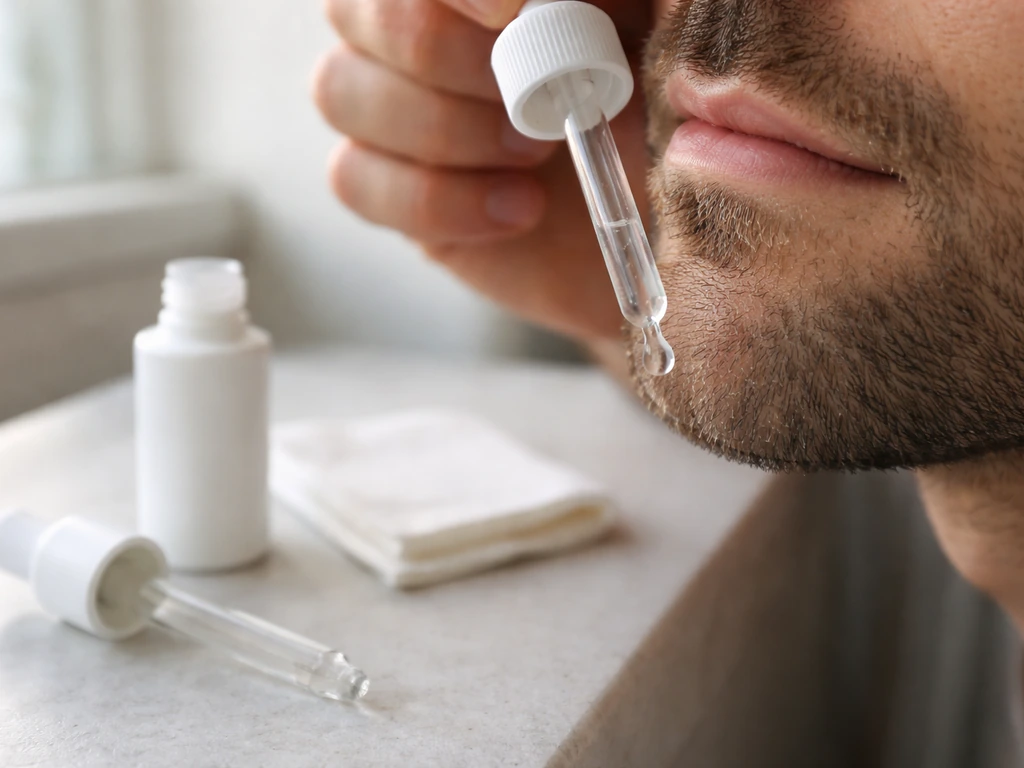
Minoxidil
Minoxidil is the most studied topical for promoting hair growth and is increasingly used off-label on the beard. The standard guidance for men is 5% minoxidil solution applied twice daily. It works by prolonging the anagen (growth) phase and improving blood flow to follicles. For beard use, you apply a small amount to the chin area, let it absorb, and wash your hands thoroughly. Results typically start becoming visible after three to four months of consistent use, with fuller results taking six months or more. Don't expect overnight changes.
A few important caveats: don't use minoxidil on irritated, broken, or infected skin. The most common side effect on the beard is localized hypertrichosis, meaning unwanted hair growth in adjacent areas if the product migrates. Wash your hands well after applying and avoid touching your face to a partner's skin right after application. Oral minoxidil carries serious cardiovascular risks including pericardial effusion and angina and requires a prescription and medical supervision. Topical absorption is minimal but not zero, so if you have any cardiovascular concerns, discuss it with a doctor first.
Caffeine-based topicals
Topical caffeine has a biologically plausible mechanism: it inhibits phosphodiesterase, which raises cyclic AMP levels in the follicle, potentially counteracting some of DHT's miniaturizing effects. A 2025 systematic review found that topical caffeine interventions showed hair growth or reduced hair loss across included studies with minimal adverse effects. The honest caveat is that study quality varies, samples are often small, and most research is on scalp hair rather than beard hair specifically. That said, caffeine shampoos and serums are low-risk additions if you want to try something beyond minoxidil, just go in with calibrated expectations.
Nutrition and supplements that actually support hair growth
Protein
Hair is made of keratin, a protein, so your intake has a direct effect on fiber quality. A practical target for most active men is around 1.2 to 1.6 grams of protein per kilogram of body weight per day. If you're eating very low protein or in a significant caloric deficit, that's one of the fastest fixes available. Eggs, meat, fish, legumes, and dairy are all good sources.
Iron, zinc, and vitamin D

Rather than supplementing these blindly, get labs first. Low ferritin (stored iron) is a documented driver of telogen effluvium even in the absence of anemia. Zinc deficiency affects follicle cycling and protein synthesis. Vitamin D receptors are present in hair follicles, and deficiency has been associated with various types of hair loss.
If your levels are low, targeted supplementation makes sense. If they're normal, adding more won't help and can cause harm. The tolerable upper limit for zinc is 40 mg/day for adults, excess zinc blocks copper absorption and impairs immune function. For iron, the adult upper limit is 45 mg/day from all sources, with high doses causing GI damage and in extreme cases organ failure.
For vitamin D, the adult upper limit is 4,000 IU per day, though toxicity typically only occurs at much higher intakes sustained over time.
Biotin and other trendy supplements
Biotin deficiency is genuinely rare in people eating a varied diet, and there's no meaningful evidence that biotin supplements thicken beard hair in people who aren't deficient. Many hair supplements are heavy on biotin marketing but light on efficacy data. If you want a supplement approach, focus on a quality multivitamin to fill gaps and prioritize getting labs on iron, vitamin D, and zinc before buying a stack of individual pills.
| Nutrient | Why it matters for hair | How to approach it | Upper limit to know |
|---|---|---|---|
| Protein | Keratin production; fiber strength | 1.2–1.6g per kg body weight daily from food | No UL, but excess protein doesn't add extra benefit |
| Iron (ferritin) | Telogen effluvium trigger if low | Get serum ferritin tested before supplementing | 45 mg/day from all sources |
| Zinc | Follicle cycling and protein synthesis | Test first; supplement only if deficient | 40 mg/day (excess blocks copper) |
| Vitamin D | Follicle receptor function | Test 25(OH)D; supplement if deficient | 4,000 IU/day |
| Biotin | Rarely deficient in varied diets | Skip unless blood test shows deficiency | No established UL, but routine use is low-yield |
Natural remedies: what's worth trying and what isn't

Castor oil is probably the most popular natural remedy for beard growth. It's thick, moisturizing, and some people swear by it for looking fuller. The honest truth is there's no clinical trial evidence specifically supporting castor oil for beard thickness. What it may do is condition the hair shaft and reduce breakage, which can make existing hairs look slightly fuller and healthier. It's low-risk and inexpensive, so if you want to try massaging a small amount into your chin area a few nights per week, go ahead, just don't expect it to grow new follicles.
Peppermint oil has shown some promising results in animal studies and a small human trial for scalp hair, with the proposed mechanism being improved circulation. The evidence base is thin and almost entirely scalp-focused, but it's another low-risk option if diluted properly in a carrier oil (around 2 to 3 drops per tablespoon of carrier oil). Never apply undiluted essential oils directly to skin.
Derma rolling (microneedling) at home gets attention for beard growth. Small needles create micro-injuries that trigger a wound-healing response, theoretically stimulating follicles. There's reasonable evidence for this on the scalp, and some dermatologists use it clinically in combination with minoxidil. Done incorrectly at home, though, it can cause blank" rel="noopener noreferrer">irritation, infection, and scarring, particularly in the chin area where pseudofolliculitis is already a risk. If you're curious about microneedling for beard density, it's worth discussing with a dermatologist rather than going at it solo with an Amazon roller. The FDA warns that microneedling devices can pose risks such as infection and cross-contamination, and notes there are alternative treatments blank" rel="noopener noreferrer">microneedling for beard density.
When to see a dermatologist and what to watch for
Most people asking how to grow thicker chin hair just need to optimize their habits and give things time. If you're looking for the same goal across the whole head, the approach is similar: address lifestyle blockers and use evidence-based topicals when appropriate how to grow thicker hair for men. But there are situations where a dermatologist visit isn't optional, it's the right first step.
- Sudden patchy hair loss in the chin area, especially smooth round or oval patches, could be alopecia areata and needs a diagnosis, not a serum
- Itching, tingling, or burning preceding hair loss is a recognized alopecia areata symptom worth evaluating
- Red, scaly, ring-shaped patches suggest tinea barbae; untreated, it can cause permanent scarring and follicle damage
- Recurring folliculitis or pseudofolliculitis that doesn't improve with better shaving technique after two weeks of self-care warrants a dermatology or primary care visit
- Widespread or painful folliculitis, or folliculitis that seems to be spreading, needs professional care promptly
- Thinning that's happening rapidly or is associated with other symptoms like fatigue, weight changes, or skin changes may have a hormonal or systemic cause worth investigating with bloodwork
On realistic timelines: if you clean up your nutrition, improve sleep, fix your grooming routine, and start minoxidil, expect to wait three to four months before noticing meaningful change and six months for a fair assessment. Hair growth cycles run on their own clock. Men who see the best results are almost always the ones who commit to consistency over months rather than cycling through products every few weeks.
If you're also working on thickening hair in other areas, like the temples or hairline, the same fundamentals around nutrition, scalp skin care, and topical treatments apply across all of them. If you're also trying to grow back hair in other areas, like your temples or hairline, the same fundamentals around nutrition, skin care, and topicals can help.
If you are wondering how to grow hair on temples, start with the same basics and then choose evidence-based topicals thickening hair in other areas, like the temples. The same approach is also useful for learning how to grow a thicker hairline by supporting follicles with nutrition, sleep, and appropriate topicals thickening hair in other areas, like the temples or hairline.
Keep it simple to start. Fix any obvious blockers, get your nutrition solid, take care of the skin under your beard, and if you want to add a topical, minoxidil has the strongest evidence. Give it real time before deciding whether it's working. That's not a glamorous answer, but it's the honest one.
FAQ
How long should I try lifestyle changes before judging results for thicker chin hair?
Give at least 8 to 12 weeks before you assess, because the beard cycle and irritation changes take time. If you also start minoxidil, use the article timeline as your main checkpoint (3 to 4 months to see anything, about 6 months for a fair read).
What if my chin hair is growing, but it feels wiry and not thicker?
That often reflects how light the hairs are or how much they’re breaking rather than true follicle output. Focus on reducing friction and irritation (gentle cleanse, moisturize, avoid dry shaving) and consider treating beard dandruff or folliculitis if flaking or bumps are present.
Does waxing, laser hair removal, or dermaplaning affect chin hair thickness?
These can change how hair looks and grows back temporarily, but they do not reliably increase follicle thickness. In the case of procedures that irritate follicles, they can backfire by triggering inflammation, so if you’re prone to ingrowns, prioritize trimming and skin barrier care instead.
Can beard thinning be caused by something other than “not enough growth” from genetics?
Yes. Sudden or patchy smooth areas can point to alopecia areata, and red scaly patches can suggest fungal infection (tinea barbae). If you see sudden patchiness, ring-shaped scaling, or persistent itching, get a dermatologist evaluation rather than adding more growth products.
Is it safe to use minoxidil if I get frequent chin acne or folliculitis bumps?
Avoid starting minoxidil on irritated, broken, or infected skin. If you have recurring bumps after shaving, stabilize the skin first (and consider medical treatment for folliculitis or dermatitis) then revisit topicals once the area is calm.
How do I reduce the risk of unwanted hair growth spreading from minoxidil to my neck or cheeks?
Apply only to the designated chin area, use a small amount, and let it fully absorb before touching or wiping your face. Wash your hands thoroughly, avoid immediately pressing your chin against skin, and be extra careful if you’re sweating soon after applying.
Should I stop minoxidil if I miss doses or if I take a break?
Expect performance to decline when you stop, because it depends on ongoing follicle signaling. If you need a break due to irritation, pause until the skin is stable, then restart consistently rather than cycling on and off every couple of weeks.
What’s the safest way to test whether my beard shedding is nutrition-related?
Do not guess with high-dose supplements. If shedding has been going on for months, ask your clinician for targeted labs (commonly ferritin, iron studies, vitamin D, zinc) because correcting a true deficiency can improve cycling, while random megadosing can cause harm.
Can stress or poor sleep alone reduce chin hair thickness?
Yes, they can disrupt the follicle growth environment over time, but they usually contribute alongside other factors like diet shortfalls or skin irritation. If you’re consistently sleeping under 6 hours or running high stress for months, tightening those basics can improve results even before adding any topical.
What should I do if I’m getting beard dandruff and ingrown hairs at the same time?
Treat the underlying seborrheic dermatitis first, because inflammation can worsen follicle irritation and make it harder to tell what’s helping. Use a ketoconazole-based product as directed for flares, then keep shaving gentler (shave with the grain, avoid dry shaving) and moisturize right after cleansing.
Is derma rolling helpful for chin hair, or does it increase risk?
It can, but at-home microneedling is higher risk on the chin because ingrowns and pseudofolliculitis are common there. If you try it at all, you should use medical guidance first, keep the area infection-free, and discontinue if redness, bumps, or pigmentation changes worsen.
If biotin and “hair stacks” don’t help most people, what should I buy instead?
If your diet is varied, prioritize a basic multivitamin only if it fills gaps, and spend your effort on iron, vitamin D, and zinc testing rather than adding biotin. If labs are normal, more pills usually won’t thicken beard hair and can cause side effects at high doses.
When should I see a dermatologist specifically for chin hair thickness?
Go sooner if you notice sudden patchiness, painful or scarring bumps, ring-shaped scaly lesions, or symptoms that don’t improve after basic skin care and shaving adjustments. Early diagnosis matters because some conditions require targeted treatment to prevent permanent follicle damage.
Next Articles
How to Grow Thicker Hair for Men: Density, Growth Steps
Learn what makes men hair grow thicker and follow an 8-12 week plan for density, less shedding, and faster growth.
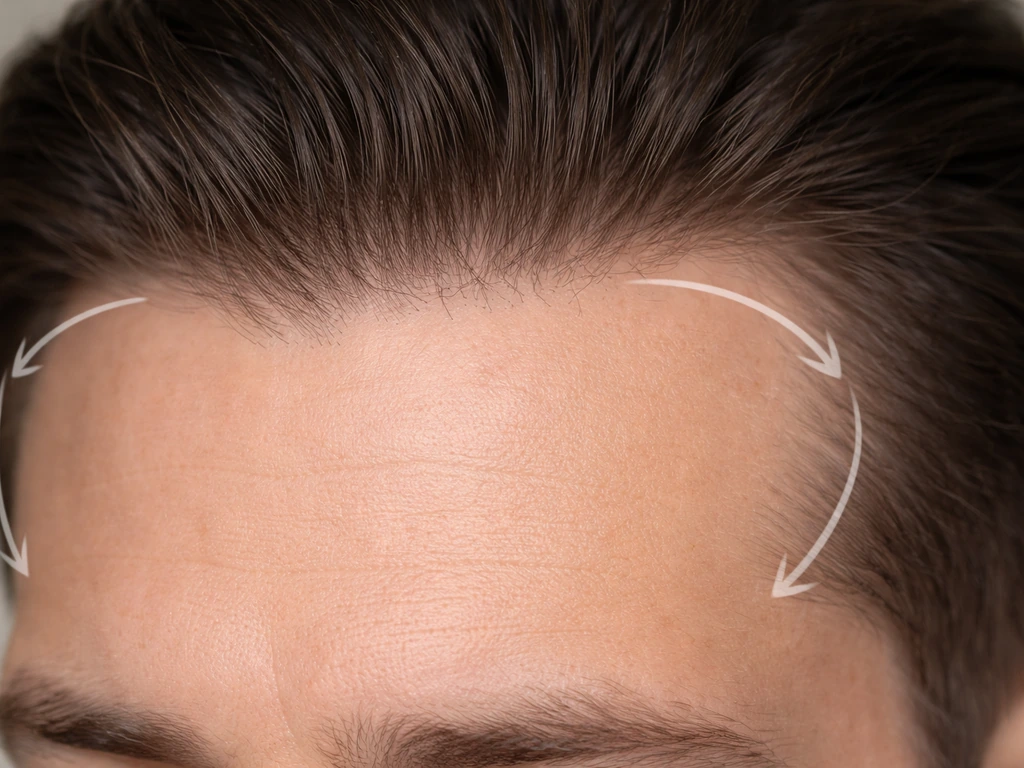
How to Grow a Thicker Hairline: Step-by-Step Plan
Step-by-step plan to grow a thicker hairline, assess causes, optimize scalp care, and choose treatments safely.
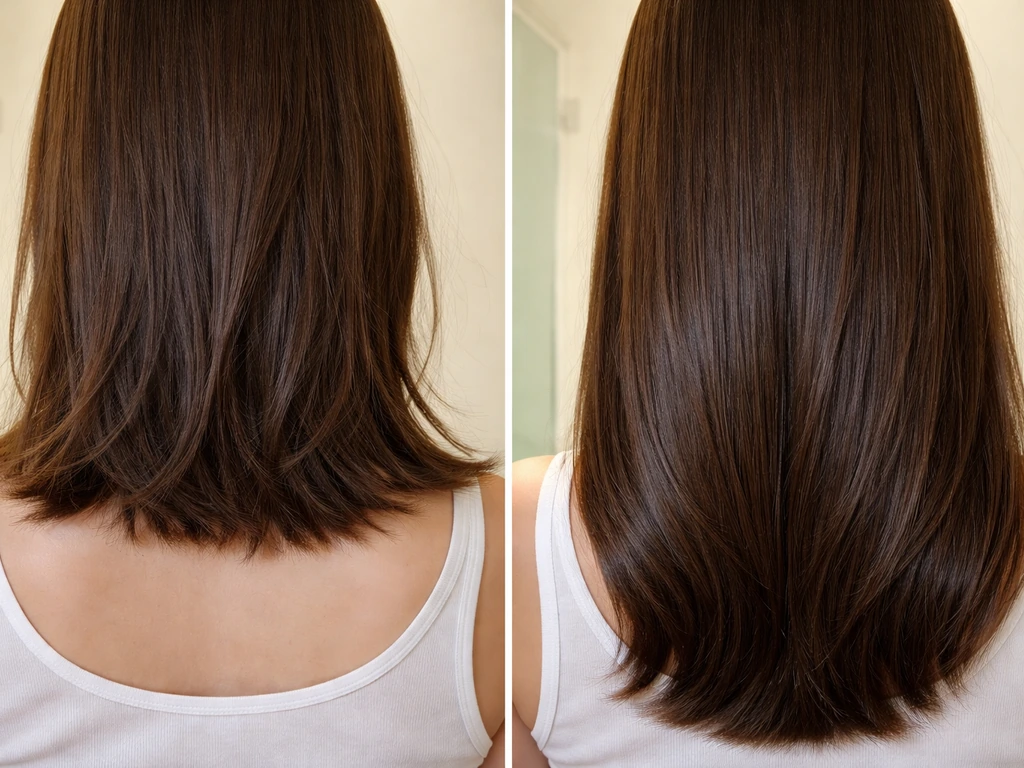
Tips on How to Grow Your Hair Out: A Step by Step Guide
Step-by-step tips to grow hair out: stop breakage, build scalp routine, nutrition, safe actives, and track progress.