
You can make your hair look and feel noticeably thicker within 8 to 12 weeks by combining scalp care, targeted nutrition, and the right topical habits. But here's the thing most guides skip: "thicker hair" can mean two very different things. It can mean each strand has a wider diameter, or it can mean you have more active hairs per square centimeter (density). If you are also wondering how to make chin hair grow thicker, remember that thickness can mean either strand diameter or overall density, so the right strategy depends on which problem you are dealing with. Both matter, both respond to different strategies, and knowing which one you're actually dealing with changes everything about where you focus your effort.
How to Grow Thicker Hair for Men: Density, Growth Steps

Marcus Holloway
27 Apr 2026
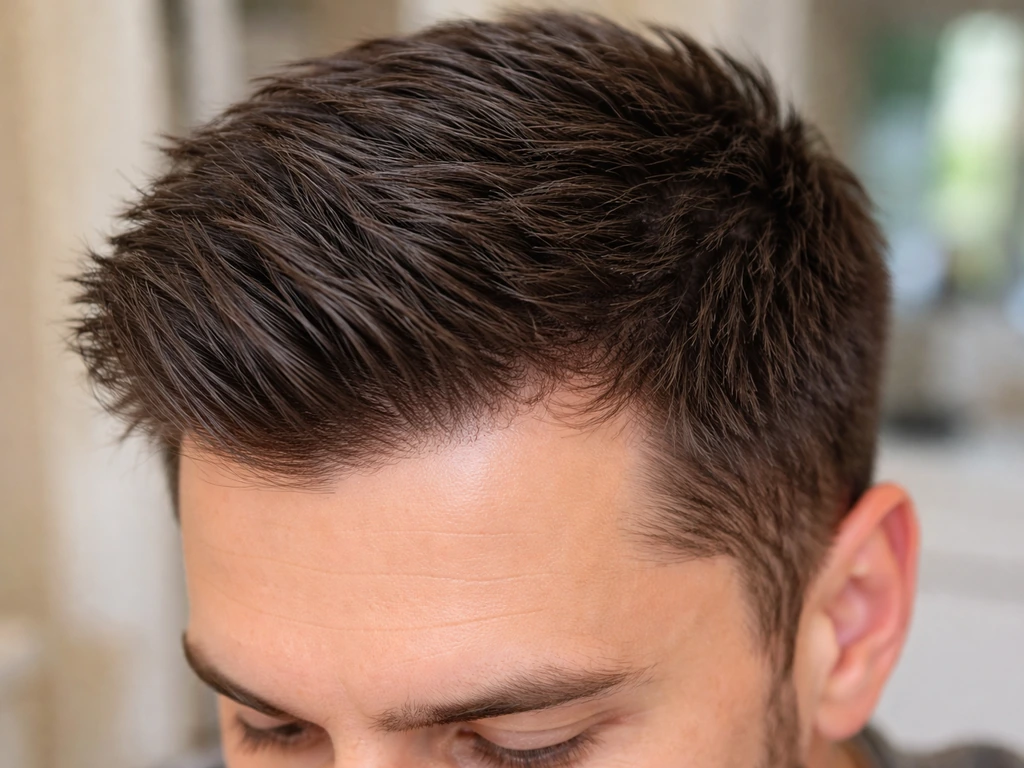
Thicker hair vs. more hair: why the difference matters
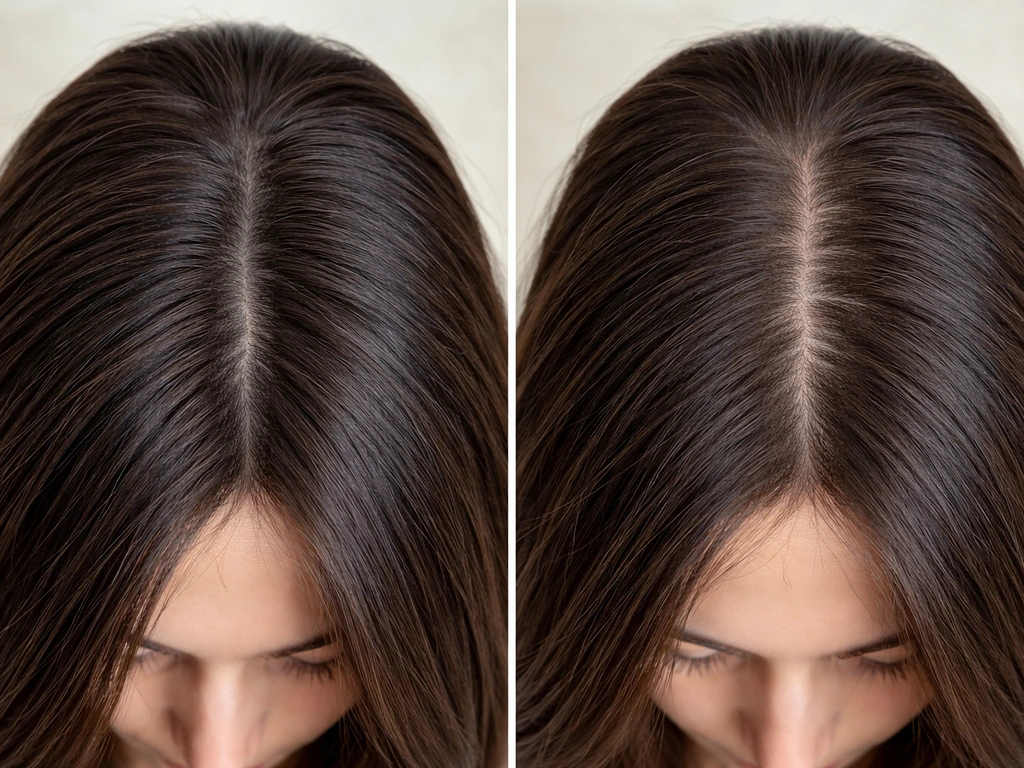
When most guys say they want thicker hair, they usually mean one of three things: more volume, less visible scalp, or individual strands that feel coarser and fuller. These aren't the same problem. Hair shaft diameter (how wide each strand is) is largely genetic, but it's also influenced by nutrition, hormones, and scalp health. Hair density (the number of active follicles producing terminal, pigmented hairs) is what gets attacked in the most common type of male hair loss, androgenetic alopecia (AGA).
In AGA, the issue is miniaturization: a hormone called DHT gradually shrinks follicles so they produce thinner, shorter, lighter vellus hairs instead of the full terminal hairs you had before. Clinicians can actually measure this with a tool called a trichoscope. One diagnostic marker for AGA is hair shaft diameter variation of more than 20% across the scalp, meaning some follicles are already miniaturizing while others are still normal. So when you're targeting "thicker hair," you're either trying to stop miniaturization, reduce shedding that's thinning your overall density, or improve the condition of the hairs you already have. The approach for each of those is different, though there's plenty of overlap.
What's actually making your hair look thinner
Before you throw money at products, it helps to figure out what's going on. The two most common culprits in men are androgenetic alopecia (genetic/hormonal) and telogen effluvium (stress or deficiency-triggered shedding), and they need different responses.
Androgenetic alopecia (the genetic pattern)
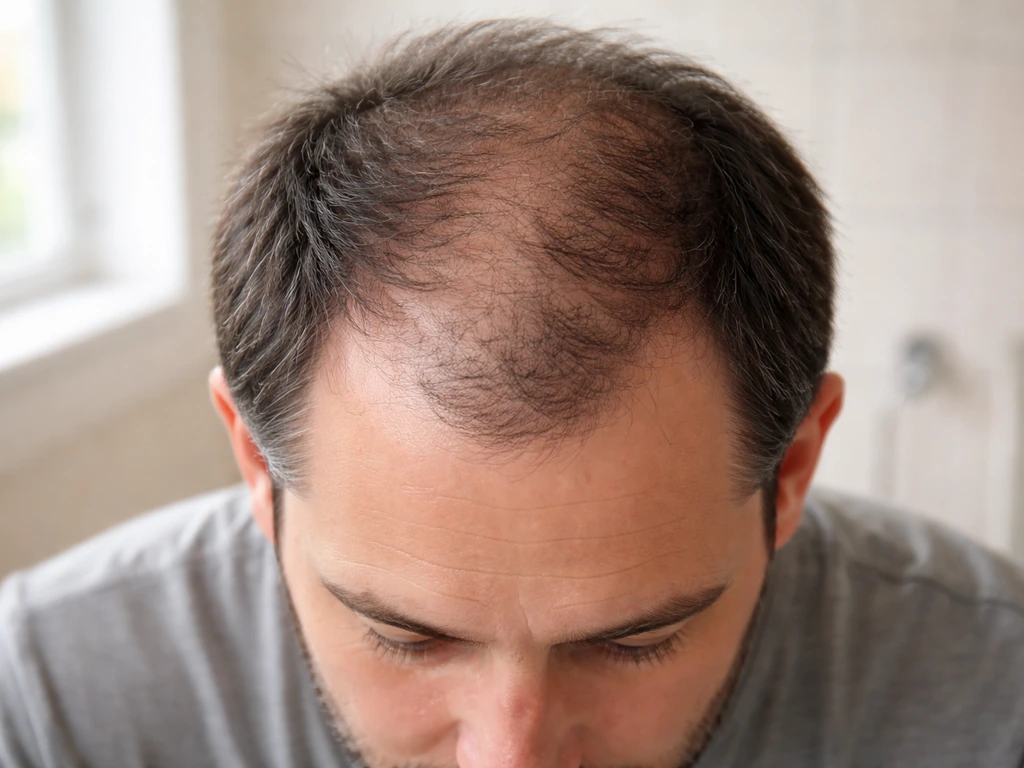
This is the classic "male pattern" thinning that starts at the temples or crown. It's driven by DHT acting on genetically sensitive follicles. One thing worth knowing: thinning from AGA often isn't noticeable until you've lost around 50% of hairs in a given area. That's a sobering fact, but it also means early action has a meaningful impact because you're preserving follicles that haven't fully miniaturized yet. If your thinning follows a pattern (receding temples, crown thinning, or a widening part) and it's been gradual over years, AGA is the most likely driver. If you’re specifically trying to grow back temple hair, focus on stopping miniaturization early and supporting follicles with the right routine and proven treatments. A growing number of thinning hairs along the hairline and temples may also connect to what affects your overall hairline density.
Telogen effluvium (stress-triggered shedding)
Telogen effluvium is a temporary but alarming type of shedding where a large number of hairs are pushed into the resting (telogen) phase at the same time, then shed about 2 to 3 months later. Triggers include high physical or emotional stress, crash dieting, illness, surgery, or rapid weight loss. A simple home check is the pull test: run your fingers through a small section of clean, dry hair and gently tug. If you pull out four or more hairs consistently with a gentle tug, that's a signal your shedding rate is elevated. Normal daily shedding can be up to about 100 hairs a day, but if you're clumping them off in handfuls with light pressure, something is pushing more follicles into the shedding phase than usual. Telogen effluvium is also diffuse (spread evenly across the scalp, not patterned), which is one way to tell it apart from AGA.
Other common causes to consider
- Nutritional deficiencies (iron, zinc, vitamin D, and protein are the most common culprits in men)
- Scalp inflammation from dandruff (seborrheic dermatitis) or product buildup that clogs follicles
- Over-styling or heat damage that weakens shafts and causes breakage (which looks like thinning but isn't actual follicle loss)
- Thyroid dysfunction (hypothyroidism causes diffuse thinning and is easily tested with a blood panel)
- Medications including blood pressure drugs, statins, and certain antidepressants
Natural and lifestyle steps that genuinely support thickness
No lifestyle change will override a strong genetic predisposition to AGA, but lifestyle absolutely determines how well your follicles function within their genetic limits. Think of it as optimizing the environment your hair follicles live in.
Manage stress (this one is bigger than most guys realize)
Chronic stress elevates cortisol, which disrupts the hair growth cycle and can push follicles prematurely into the resting phase. If you've noticed your hair thinning several months after a stressful period (job change, health scare, relationship issues), that 2 to 3 month delay is exactly how telogen effluvium works. Regular exercise (even 30 minutes of moderate cardio, 4 to 5 days a week) improves scalp circulation and reduces cortisol. Quality sleep matters too, since growth hormone that supports follicle repair is largely secreted during deep sleep.
Stop habits that damage the shaft
- Cut heat tool use to 2 to 3 times per week at most, and always use a heat protectant
- Avoid aggressive towel-drying (pat, don't rub) since wet hair is more elastic and prone to breakage
- Loosen up if you wear your hair in tight styles regularly (tight pulling stresses the follicle over time)
- Switch to a wide-tooth comb when detangling wet hair
Improve scalp circulation
Follicles need a steady supply of oxygen and nutrients delivered through the bloodstream. Scalp massage is one of the most accessible ways to improve local circulation. A small Japanese study had participants massage their scalps for 4 minutes daily and measured a modest increase in hair thickness after 24 weeks. It's not a miracle, but it's free, it feels good, and it supports the other things you're doing. Use firm circular motions with your fingertips for 3 to 5 minutes daily, ideally when applying oils or serums.
Eating for thicker hair: nutrition and supplements

Your hair shaft is mostly keratin protein, and your follicles are among the most metabolically active cells in your body. They're also one of the first things to get deprioritized when your body senses a nutrient shortage. Fixing deficiencies often produces visible improvements in thickness and reduced shedding within 3 to 6 months.
The most important nutrients for men's hair
| Nutrient | Why it matters | Best food sources | Supplement dose (if needed) |
|---|---|---|---|
| Protein | Hair is ~95% keratin; inadequate intake directly limits growth and shaft diameter | Eggs, chicken, fish, Greek yogurt, legumes | Aim for 0.7–1g per pound of bodyweight from food first |
| Iron | Low ferritin (stored iron) is one of the most common causes of diffuse thinning in men | Red meat, spinach, lentils, fortified cereals | Only supplement if blood test confirms deficiency (excess iron is harmful) |
| Zinc | Supports follicle cell repair and regulates DHT metabolism | Oysters, beef, pumpkin seeds, chickpeas | 8–11mg/day; don't over-supplement as excess blocks copper absorption |
| Vitamin D | Receptors in hair follicles; deficiency is strongly linked to hair loss | Fatty fish, fortified milk, sunlight | 1,000–2,000 IU/day, or as advised by a doctor after testing |
| Biotin (B7) | Supports keratin infrastructure; deficiency causes hair loss though true deficiency is rare | Eggs, sweet potato, almonds, liver | Most people don't need extra; 2,500–5,000 mcg only if deficient |
| Omega-3 fatty acids | Reduce scalp inflammation and support follicle cell membrane health | Salmon, sardines, walnuts, flaxseed | Fish oil 1,000–2,000mg EPA+DHA if diet is low in fatty fish |
One supplement worth calling out separately is saw palmetto. It works similarly to finasteride by blocking the conversion of testosterone to DHT at the follicle level, just with a weaker effect. Studies using 320mg daily have shown modest but real reductions in hair loss from AGA with minimal side effects compared to the pharmaceutical option. blank" rel="noopener noreferrer">A 16-week randomized placebo-controlled study of standardized saw palmetto oil in androgenetic alopecia reported reductions in hair fall and improvements in hair growth outcomes. A 2025 Frontiers in Nutrition paper also reports on blank" rel="noopener noreferrer">saw palmetto dosing, including 320 mg, as one of the studied interventions for androgenetic alopecia. If you're not ready for a dermatologist visit but suspect AGA, saw palmetto is one of the more evidence-supported OTC options to try.
Hydration and what it does for your hair
Dehydration affects hair shaft strength and scalp health. The hair shaft itself is about 10 to 15% water by weight, and when that drops, strands become brittle and prone to breakage. Aim for around 2.5 to 3.5 liters of water daily depending on your size and activity level. This won't thicken strands dramatically on its own, but chronic mild dehydration is an easy thing to fix that removes one barrier to healthy growth.
Building a scalp care routine that works
Think of your scalp as a garden. It needs to be clean (but not stripped), well-circulated, and free of inflammation. Each of those is a separate task.
Cleansing: how often and what to use
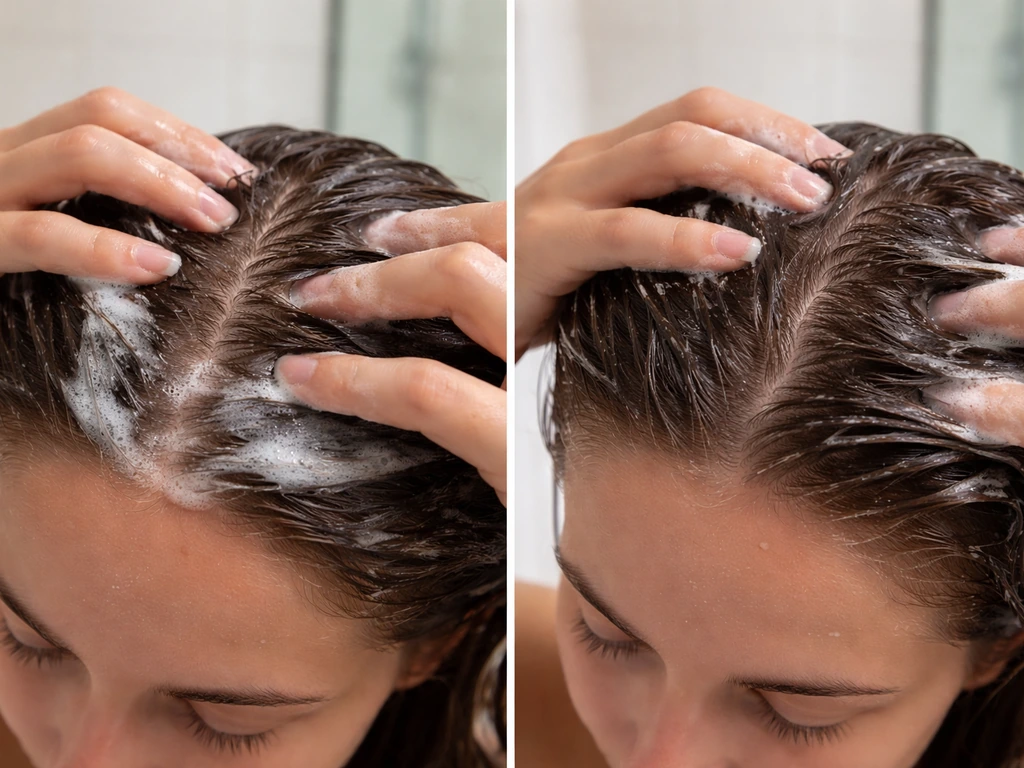
Most men should wash their hair every 2 to 3 days. Washing too infrequently allows sebum, dead skin, and product residue to build up around the follicle opening, which can contribute to inflammation and impair healthy growth. Washing every single day can strip the scalp's natural lipid barrier, triggering rebound oil production and potential irritation. Use a sulfate-free or mild shampoo if your scalp tends toward dryness, or a shampoo with zinc pyrithione or ketoconazole (1% OTC, 2% prescription) if you deal with dandruff or an itchy, flaky scalp. Seborrheic dermatitis is genuinely linked to increased hair shedding, so if your scalp is chronically inflamed, treating it is also a hair-thickness strategy.
Reducing scalp inflammation
Chronic low-grade scalp inflammation is an underappreciated driver of thinning in men, especially around the hairline and crown. Beyond using an anti-dandruff shampoo when needed, look at your product use. Heavy waxes, pomades, and styling products left on overnight are common irritants. Rinse thoroughly, and if you use leave-in products, opt for water-based formulas rather than petroleum or heavy oil-based ones. Scalp serums with niacinamide or salicylic acid can also help calm a reactive scalp without drying it out.
Scalp massage and circulation
This is worth doing at the shampoo step too. When you apply shampoo, spend 2 to 3 minutes actually massaging your scalp rather than just rubbing your hair. Use your fingertips (not nails) with medium pressure in circular motions. You can also do a dry massage before bed, or apply a lightweight oil (more on that below) and massage it in before washing the next morning.
Topical treatments and home remedies worth trying
Minoxidil (the gold standard OTC option)
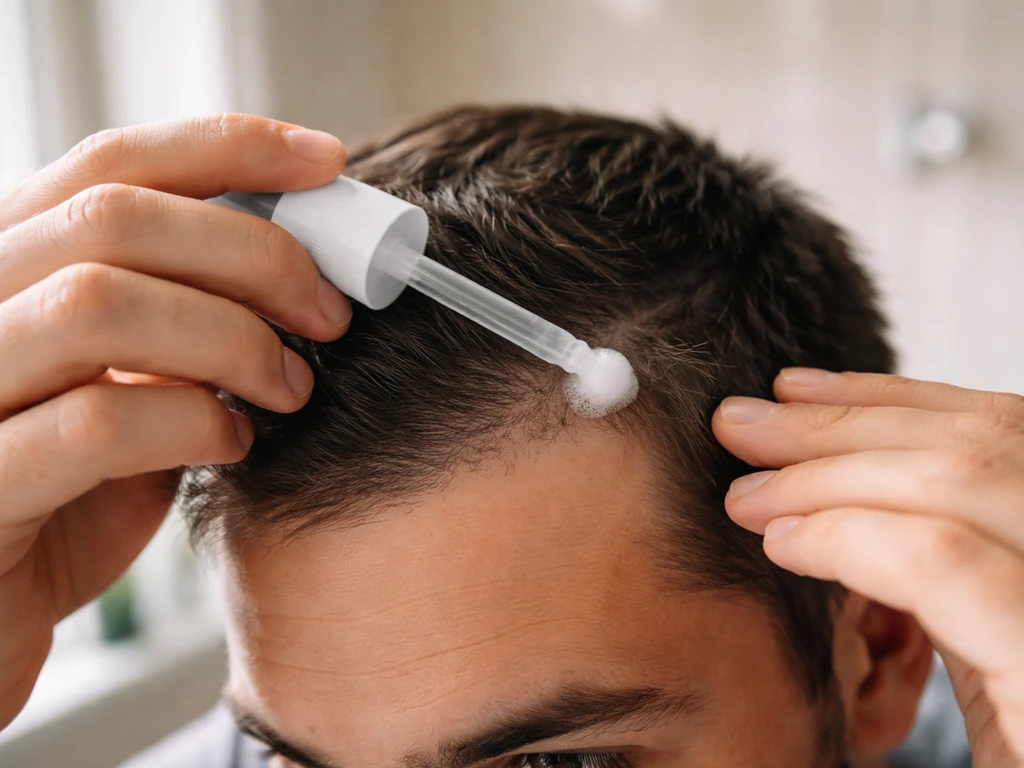
Minoxidil is the most evidence-backed topical treatment for increasing hair density in men with AGA or general thinning. It works by prolonging the growth phase of the hair cycle and improving blood flow to follicles. The 5% foam or solution is available without a prescription. You apply it to a dry scalp twice daily (some men use 5% once daily with comparable results and better compliance). It takes a minimum of 4 months to see meaningful changes, and you need to keep using it to maintain results. If you stop, gains reverse over 3 to 6 months. It doesn't work for everyone, and it works better the earlier you start. A newer oral low-dose form (2.5 to 5mg) is increasingly used under doctor supervision and may be more effective for some men.
Rosemary oil
Rosemary oil is the most credible natural topical option. A 2015 randomized controlled trial directly compared rosemary oil to 2% minoxidil and found comparable hair count improvements at 6 months, with less scalp itching in the rosemary group. Dilute 2 to 3 drops of rosemary essential oil into a tablespoon of carrier oil (jojoba or coconut), massage into the scalp, leave on for 30 to 60 minutes, then wash out. Do this 3 to 4 times per week.
Peppermint oil
Peppermint oil has shown stimulating effects on hair follicles in at least one animal study, likely due to increased dermal papilla cell activity and blood flow from its menthol component. It's less studied than rosemary in humans but shows enough promise to include in a rotation. Use the same dilution approach (2 to 3 drops in a carrier oil), and be cautious with it if you have a sensitive scalp since the tingling sensation can cross into irritation.
Caffeine shampoos and topicals
Caffeine applied topically has been shown in cell culture and some clinical studies to counteract DHT-induced suppression of hair follicle growth. It penetrates the scalp quickly (within 2 minutes of contact), so caffeine shampoos can deliver an active dose even in a short rinse time. Alpecin is the most studied brand, and while the evidence isn't as strong as minoxidil, it's a reasonable addition to a shampoo routine for men concerned about AGA.
Castor oil
Castor oil is popular in natural hair communities for thickness, but the evidence is mostly anecdotal. It's rich in ricinoleic acid which has anti-inflammatory properties, and it coats the hair shaft and adds visual thickness. The main practical issue is that it's very thick and sticky, which makes it hard to wash out fully. Mix it with a lighter carrier oil like jojoba (50/50) to make it more manageable and apply to the scalp and lengths once a week before washing.
Your 8 to 12 week action plan (and when to see a doctor)
Here's a realistic timeline to set expectations: cosmetic changes from lifestyle and nutrition show up in weeks 4 to 8. Reduced shedding is usually the first thing you notice. Visible density changes take longer, typically 3 to 6 months with consistent effort. Minoxidil results show up between months 4 and 6 for most men. Don't quit anything before the 3-month mark and judge it fairly at 6 months.
- Week 1: Get your nutrition baseline right. Track your protein intake for 3 days. If you're under 100g/day, that's the first fix. Add a daily multivitamin or targeted supplements (vitamin D, zinc, iron if you suspect deficiency and can get bloodwork). Start drinking at least 2.5 liters of water daily.
- Week 1: Start scalp massage. 3 to 5 minutes daily, either dry or with a small amount of rosemary or peppermint oil diluted in a carrier oil. Do this every day or at least 5 days per week.
- Week 1: Set your wash schedule. Every 2 to 3 days with a mild or anti-dandruff shampoo depending on your scalp type. Spend 2 to 3 minutes massaging at each wash.
- Week 2: Introduce a topical treatment. Start minoxidil 5% foam applied to dry scalp (usually once at night works well for compliance), or commit to rosemary oil 3 to 4 nights per week if you prefer a natural approach. Pick one and be consistent.
- Week 2 to 4: Audit your diet and cut the obvious hair-damaging habits. Less heat styling, no aggressive towel drying, no overnight pomade or wax buildup. Add more eggs, leafy greens, salmon, and legumes to your weekly meals.
- Week 4 to 8: You'll likely notice less hair in the shower drain and on your pillowcase. This is the shedding reduction phase. Don't stop. Keep going.
- Week 8 to 12: Start evaluating thickness changes. Take a photo at week 1 from directly overhead in consistent lighting and compare at week 12. Density changes are subtle early on and easy to miss without a side-by-side comparison.
- Week 12 and beyond: If you're using minoxidil and seeing no change by month 4 to 6, or if your thinning is rapid, patterned, and significant, that's your cue to see a dermatologist.
When a dermatologist is the right next step
Go see a dermatologist if your thinning is aggressive and happening fast, if you've lost significant ground at the temples (hairline and temple thinning can signal both AGA and other conditions worth addressing early), or if lifestyle changes after 3 to 4 months haven't moved the needle at all. If your goal is to grow a thicker hairline, pay close attention to whether you are dealing with miniaturization from AGA or shedding from telogen effluvium hairline and temples. If your hairline is thinning, getting the right diagnosis early can help you choose the fastest path to a thicker hairline. A dermatologist can perform trichoscopy to confirm whether miniaturization is occurring, check blood panels for deficiencies and hormonal imbalances, and discuss prescription options like finasteride or low-dose oral minoxidil. These medications are significantly more effective than OTC approaches for moderate to severe AGA and the earlier you start, the more follicles you preserve. Don't wait until you've lost most of your density to have that conversation.
The bottom line is that thicker, healthier hair for men isn't one big intervention, it's several small consistent ones. Fix the nutrition, keep the scalp clean and unstressed, use a proven topical, and give it real time. Most guys who are frustrated with slow progress either haven't addressed their diet or haven't been consistent long enough. Start the plan this week, stay with it for 12 weeks, and then reassess from there.
FAQ
How can I tell if my hair is getting thinner from breakage versus real follicle miniaturization?
Look at the ends. If you see many short, uneven hairs and damaged tips, breakage is likely. If you see shed hairs with a tapered root and your part looks wider while lengths stay relatively intact, miniaturization or shedding is more likely. In practice, the pull test tells you about shedding, but a dermatologist or trichoscopy is the fastest way to confirm what the follicles are doing.
Can I make hair thicker without using minoxidil or prescription DHT blockers?
Yes, but expectations should be narrower. The biggest non-prescription wins usually come from fixing deficiencies, calming scalp inflammation, and reducing shedding triggers (telogen effluvium). For androgenetic alopecia, you may improve appearance (less breakage, better scalp health) but density gains tend to be smaller and slower compared with minoxidil or oral options under medical care.
What’s the fastest way to improve “visible thickness” if I have an event in 4 to 6 weeks?
Focus on reduce shedding and reduce breakage. Use a gentle cleansing schedule to prevent inflammation, treat dandruff if present, ensure adequate protein and calories, and consider a topical like caffeine shampoo or rosemary oil for supportive effects. Also switch to a style that reduces scalp visibility (shorter, textured cut or volume styling) because true follicle density changes usually take 3 to 6 months.
If I start minoxidil, should I expect increased shedding at first?
Some men do notice a temporary shed in the first weeks because more hairs shift phases. Don’t judge results by the first 2 to 6 weeks. Use the 4-month milestone as your first check, and only stop if you have significant irritation, swelling, or other side effects.
How do I avoid scalp irritation from minoxidil, oils, or medicated shampoos?
Rotate active products and avoid stacking too many irritants the same day. Apply minoxidil to a fully dry scalp, use only one medicated shampoo at a time (for example ketoconazole or zinc pyrithione), and keep essential oils properly diluted. If you get burning, scaling, or worsening itch, reduce frequency and consider patch testing carrier oil blends first.
How long should I try saw palmetto before deciding it’s not helping?
Give it at least 3 to 6 months, because DHT-related changes and density preservation are gradual. If you’re dealing with telogen effluvium, saw palmetto may do little because the problem is shedding after a trigger, so addressing the trigger usually matters more.
What diet targets help most for thicker hair in men?
Prioritize adequate protein daily and watch for iron and zinc insufficiency if you have heavy exercise, dietary restriction, or fatigue symptoms. If you recently lost weight quickly, crash dieted, or changed your calories, that can drive telogen effluvium and overwhelm topical efforts until intake stabilizes.
Should I use scalp massage every day, and how hard is “too hard”?
Daily gentle to moderate massage is fine, but avoid aggressive scrubbing or using nails. Aim for consistent technique (fingertips, circular motions, 3 to 5 minutes). If you notice increased flaking, tenderness, or worsening shedding, cut back and reassess your shampoo and scalp inflammation first.
Does water intake really affect hair thickness, or is it mainly for comfort?
Hydration can reduce brittleness and breakage, so it can improve how full hair looks. It’s unlikely to create major density changes by itself, especially in androgenetic alopecia. Use it as a supporting habit, not the main treatment.
Can caffeine shampoo speed up results compared with minoxidil?
Caffeine can be a reasonable add-on, but it usually should not replace minoxidil for true density improvement in male pattern thinning. If you use it, keep minoxidil as the main evidence-backed density step and track results over 4 to 6 months.
When should I stop experimenting at home and see a dermatologist?
Go sooner if thinning is rapid, you’re seeing patchy loss, or you have scalp pain or significant redness. Also seek help if no meaningful reduction in shedding or visible improvement occurs after about 3 to 4 months of consistent routine, especially if thinning is patterned at the temples or crown.
What should I ask a dermatologist to speed up the diagnosis?
Ask whether your pattern suggests androgenetic alopecia versus telogen effluvium, and request trichoscopy if available. Also ask for targeted bloodwork if shedding is diffuse or you suspect a deficiency (commonly iron-related markers and other nutritional or hormonal contributors). This prevents treating the wrong mechanism for months.
Next Articles
How to Grow a Thicker Hairline: Step-by-Step Plan
Step-by-step plan to grow a thicker hairline, assess causes, optimize scalp care, and choose treatments safely.
Tips on How to Grow Your Hair Out: A Step by Step Guide
Step-by-step tips to grow hair out: stop breakage, build scalp routine, nutrition, safe actives, and track progress.
Grow Hair Long Tips: Step-by-Step Routine to Reach Length
Step-by-step grow hair long tips: boost scalp health, cut breakage, improve diet, and track progress for length.