
Growing thicker hair from the roots comes down to two things: keeping the follicles you have healthy enough to produce a full-diameter strand, and reducing the shedding and breakage that make your hair look thinner than it actually is. You can't change your genetic hair diameter overnight, but you can absolutely improve follicle function, cut down on unnecessary shedding, and create the right scalp environment for denser regrowth. The plan involves scalp care, nutrition, targeted topicals, and (sometimes) supplements, and you'll need at least three to six months of consistency before you judge whether it's working.
How to Grow Thicker Hair From Roots: A Step-by-Step Plan

Marcus Holloway
6 Jul 2026
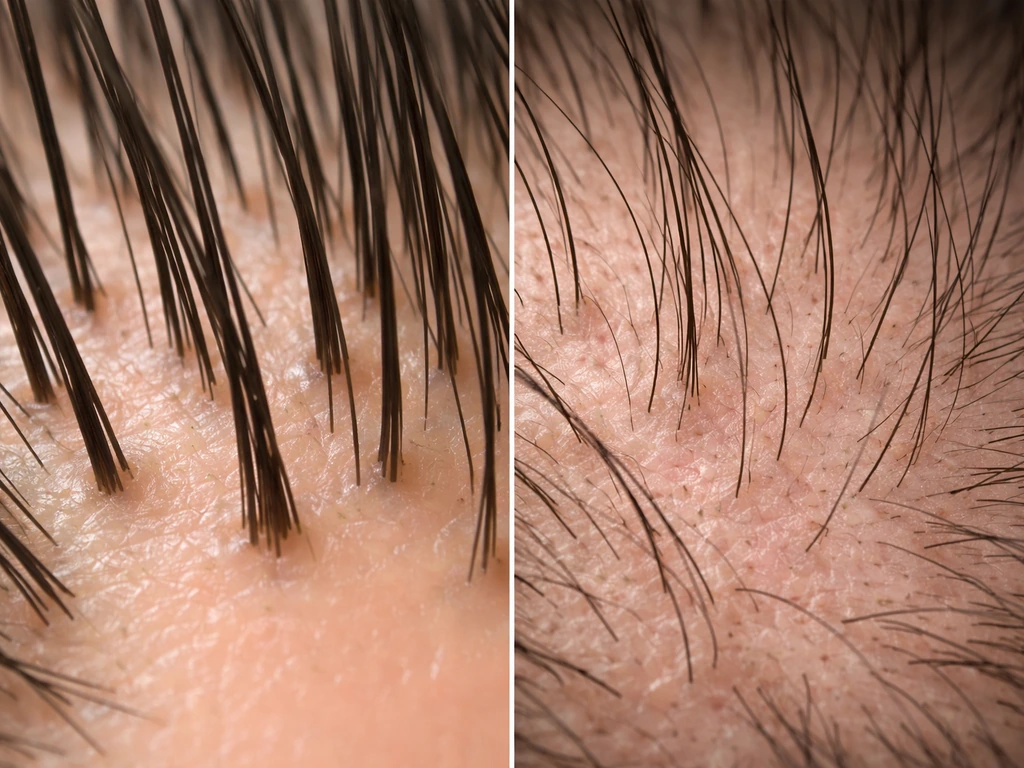
First, figure out what's actually happening to your hair
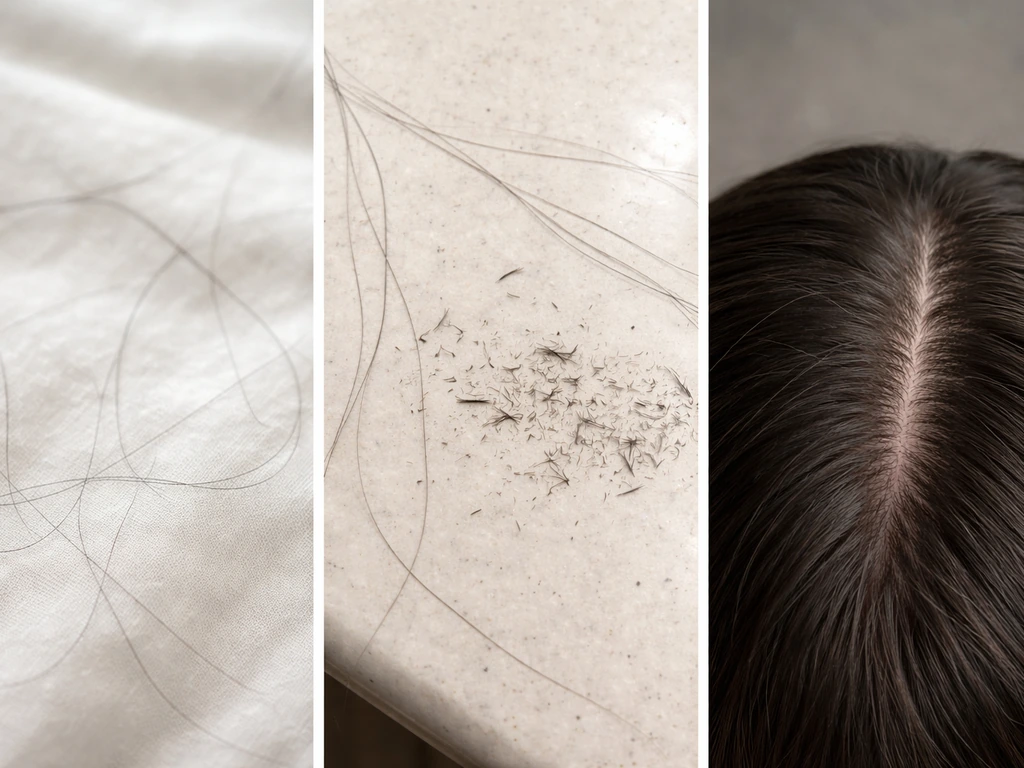
Before you buy a single product, you need to know whether you're dealing with shedding, breakage, or true thinning from the roots, because the fix for each one is different. A lot of people assume their hair is "just thin" when they're actually losing thickness from preventable causes.
Shedding means more whole hairs than usual are falling out from the root (you'll see the tiny white bulb at the end of the strand). The American Academy of Dermatology distinguishes this from hair loss, which is a progressive, long-term reduction in density where your scalp becomes increasingly visible over time. Shedding can be dramatic but is often temporary. Breakage, on the other hand, is when the strand snaps mid-shaft, leaving behind short, jagged pieces with no bulb. It's often caused by heat damage, chemical processing, or rough handling, and it makes hair look sparse even when your follicles are completely healthy.
A quick home test: do a hair pull test on a small section of dry, unwashed hair. Pinch about 40 to 60 strands between your thumb and forefinger and pull firmly from root to tip. Losing more than 5 or 6 hairs consistently is considered a positive result and suggests active shedding worth investigating.
In the review context discussed in Hair Evaluation Methods: Merits and Demerits, pulling more than about 10% of hairs away from the scalp constitutes a positive hair-pull test estimate of active shedding [Losing more than 5 or 6 hairs consistently is considered a positive result and suggests active shedding worth investigating. ](https://pmc. ncbi. nlm.
nih. gov/articles/PMC2938572/). If you mostly see short broken pieces without bulbs, your problem is strand integrity, not follicle output.
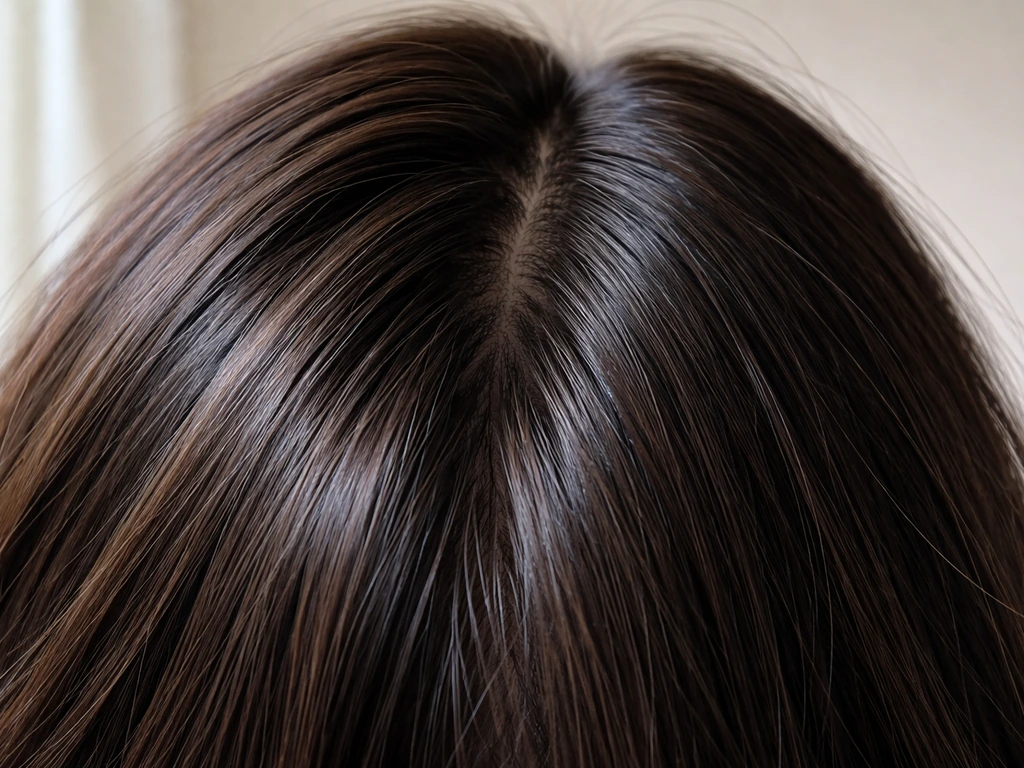
True root-level thinning, where the hair shaft itself is narrower and the scalp becomes visible, points to follicle miniaturization. This is what happens in androgenetic alopecia (the most common type in both men and women), where follicles gradually shrink and produce finer, shorter hairs over time. It's also what happens with chronic telogen effluvium, where a sustained trigger keeps too many follicles in the resting phase at once. The two can look similar, which is one reason a dermatologist's evaluation can be genuinely useful if you're not sure.
Dig into the root cause before you treat anything
Treating hair thinning without knowing the cause is like taking a painkiller without finding the injury. You might get some temporary relief, but the problem keeps going. The most common drivers of thinning from the roots fall into a few clear categories.
Hormones and genetics
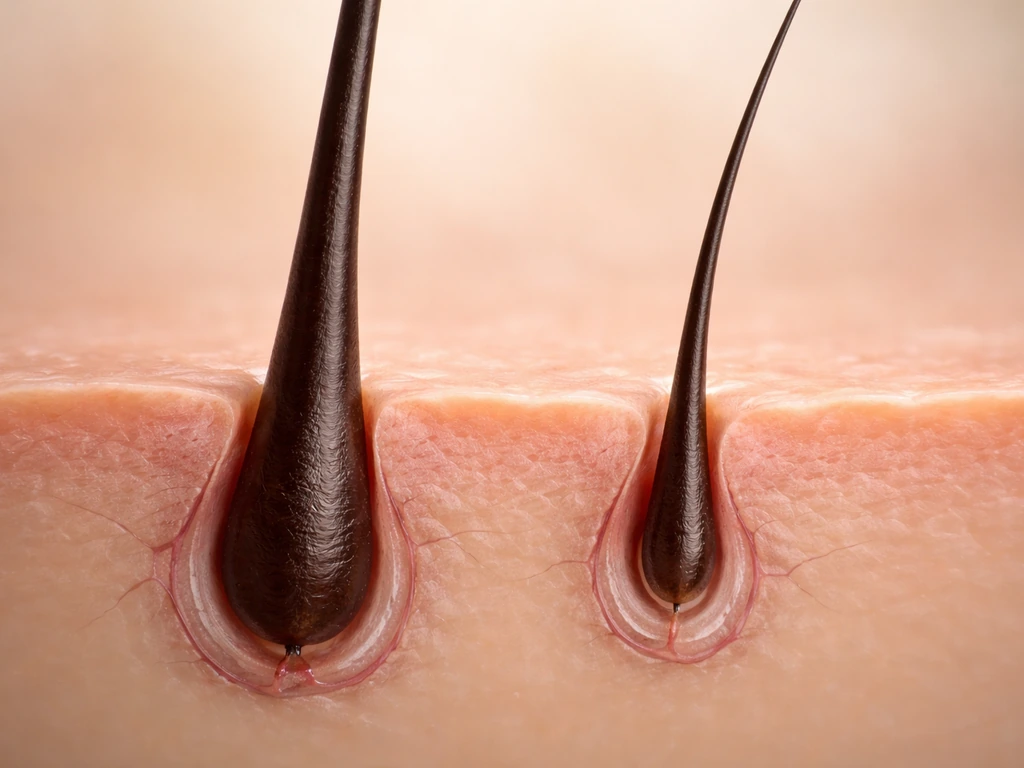
Androgenetic alopecia, driven by sensitivity to dihydrotestosterone (DHT), is the most common cause of progressive thinning in both men and women. In men it usually shows up as a receding hairline or crown thinning. In women it tends to present as diffuse thinning at the part line with the front hairline mostly preserved. Hormonal shifts from pregnancy, postpartum recovery, thyroid dysfunction, or perimenopause can all trigger significant shedding as well. If thinning came on after a major hormonal event, that timeline is worth noting for your doctor.
Stress and telogen effluvium
Physical or emotional stress pushes a large number of follicles into the resting (telogen) phase at once, and the hair sheds two to four months later. This is called telogen effluvium, and it's shockingly common after illness, surgery, rapid weight loss, or prolonged psychological stress. The good news is that it's usually reversible once the trigger is resolved, though regrowth takes time.
Nutritional deficiencies
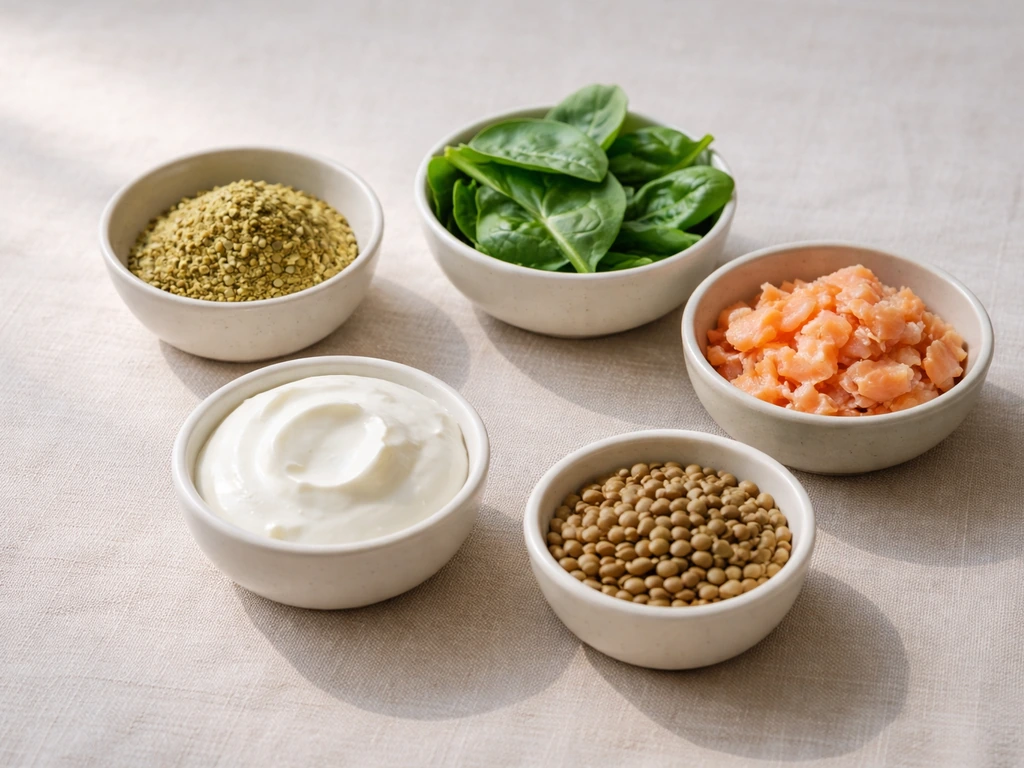
Low iron (particularly ferritin levels below 30 ng/mL), low vitamin D, zinc deficiency, and inadequate protein are all well-documented triggers for diffuse shedding. These deficiencies are common and easy to miss without a blood test. If you've been dieting aggressively, eating a restrictive diet, or dealing with poor absorption, a nutritional workup is worth doing before anything else.
Scalp inflammation and traction
Chronic scalp inflammation from dandruff (seborrheic dermatitis), folliculitis, or contact reactions to products can disrupt the follicle environment enough to contribute to thinning. Traction alopecia, caused by tight hairstyles like tight ponytails, braids, or extensions, is diagnosed clinically and can be reversed if caught early, but becomes permanent scarring if the tension is sustained for years. If you notice a receding hairline specifically along the edges, traction is a likely contributor.
Build a scalp-first routine
Your scalp is where hair growth happens, so this is the most immediate place to make changes. A good scalp routine doesn't need to be complicated, but it does need to be consistent.
How often and how to wash
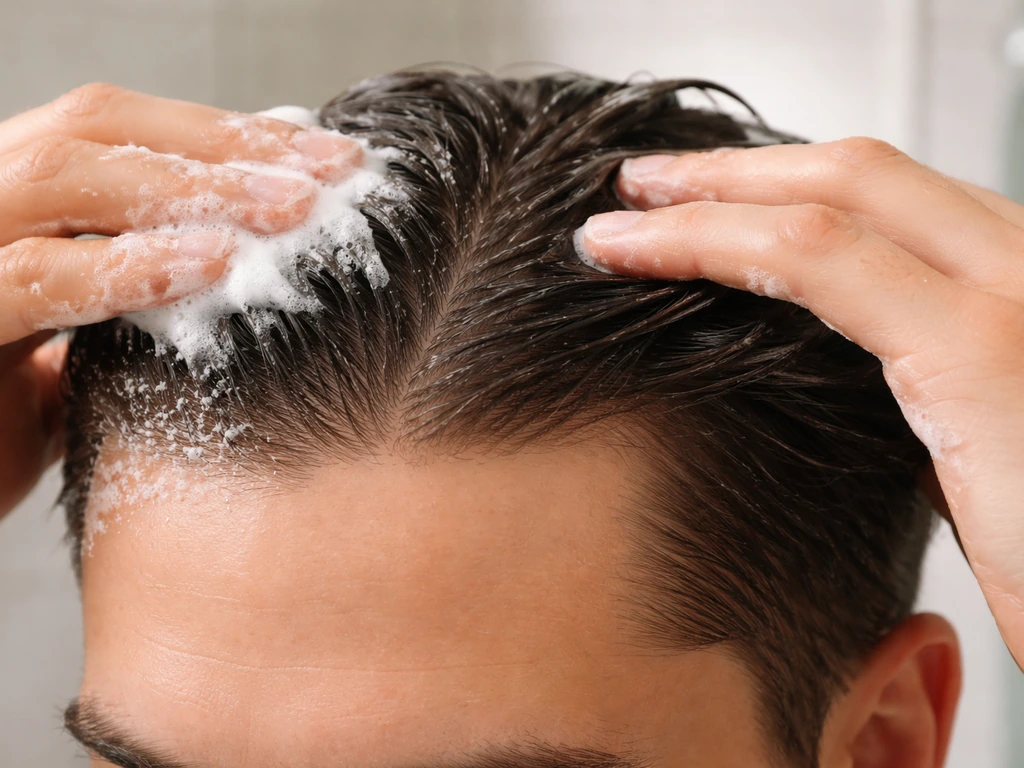
Washing frequency depends on your scalp type, but for most people with thinning concerns, washing two to four times a week with a gentle, sulfate-free shampoo is a reasonable baseline. Product buildup and excess sebum can clog follicles and create a low-grade inflammatory environment, so don't skip washing in the name of "protecting" your hair. If you have a very oily scalp, daily washing with a mild shampoo is fine. The key is to massage the shampoo into the scalp (not just the hair) and rinse thoroughly.
Managing dandruff and inflammation
If you have persistent flaking, itching, or a greasy scalp, you're likely dealing with seborrheic dermatitis driven by the Malassezia yeast. This is worth treating directly because the associated inflammation genuinely interferes with follicle health. Shampoos containing ketoconazole (1% or 2%), zinc pyrithione, or selenium sulfide are the most evidence-backed options. Use an anti-dandruff shampoo two to three times per week for four to eight weeks, then drop to once a week as maintenance. If OTC options aren't clearing things up after a month, a dermatologist can prescribe stronger antifungals.
Scalp massage mechanics
Scalp massage has a small but real evidence base. A 2016 study found that standardized scalp massage (4 minutes daily for 24 weeks) increased hair thickness. The proposed mechanism is that mechanical stimulation stretches follicle cells and may upregulate genes involved in hair growth. Use your fingertips (not nails) and apply firm circular pressure across the whole scalp for four to five minutes, either during washing or as a dry daily habit. You can do this with your fingers alone or use a silicone scalp massager. Don't press so hard that it's uncomfortable, and avoid aggressive rubbing if you have active inflammation or sores.
Protecting the scalp barrier
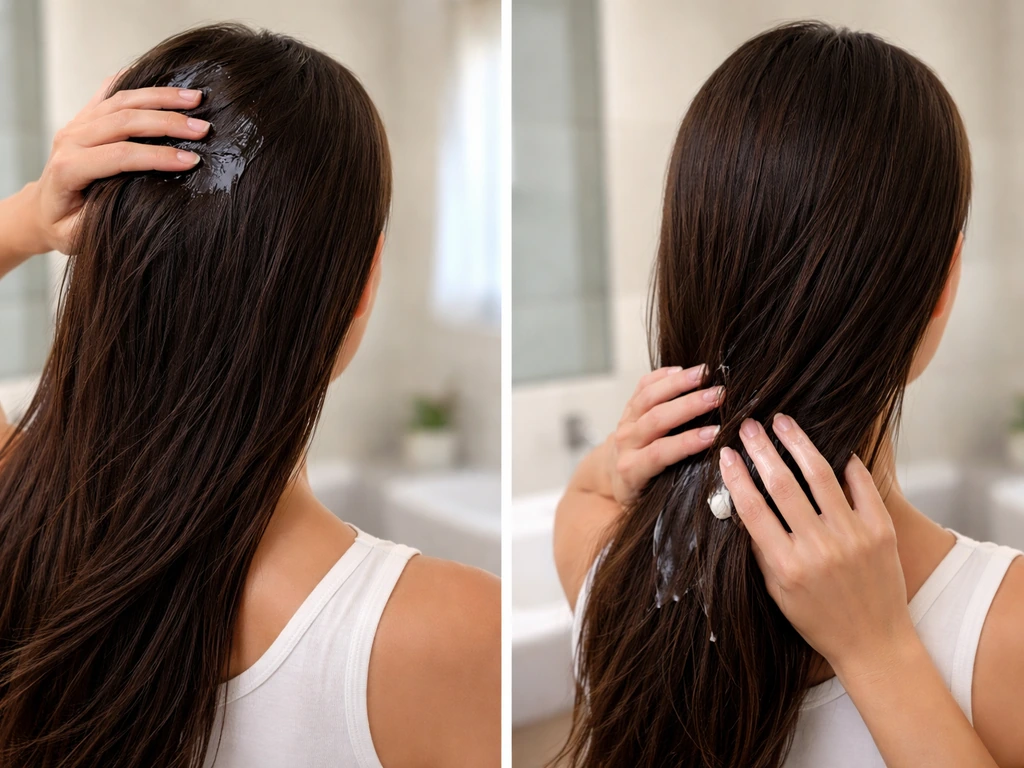
Avoid applying heavy oils or butters directly to the scalp if you're prone to buildup or have seborrheic dermatitis, as this can feed the Malassezia yeast. Skip tight hairstyles that pull at the hairline. Let your hair air dry when possible, and if you use heat tools, keep them below 350°F (175°C) and use a heat protectant on the strands. These aren't glamorous steps, but they prevent the kind of cumulative damage that undermines everything else you're doing.
Eat for thicker roots: what nutrition actually moves the needle
Hair is made mostly of keratin, a protein, and the follicle is one of the most metabolically active tissues in the body. That means your diet has a direct and measurable impact on what your hair can produce. If you're eating well and not deficient in anything, extra supplementation probably won't do much. But if you have gaps, filling them can produce real, visible change in hair thickness over several months.
Protein
This is the most overlooked piece. If you're not eating enough protein, your body will deprioritize hair growth in favor of more critical functions. Aim for at least 0.8 grams per kilogram of body weight per day, and ideally closer to 1.2 to 1.6 grams if you're active or recovering from significant shedding. Eggs, meat, fish, legumes, Greek yogurt, and tofu are all solid sources. The amino acids cysteine and methionine are particularly important for keratin production.
Iron and ferritin
Low ferritin is one of the most common, most underdiagnosed causes of diffuse hair shedding in women. Serum ferritin below 30 ng/mL is frequently associated with hair loss, even when full iron panel numbers look normal. If you haven't had your ferritin checked, that's the first blood test to ask for. Red meat, lentils, spinach, and fortified cereals are good dietary sources. If you're supplementing iron, take it with vitamin C to improve absorption, and don't take it alongside calcium supplements or coffee, which block absorption.
Vitamin D
Vitamin D receptors are expressed in hair follicles, and deficiency is linked to alopecia areata and telogen effluvium. Most people in northern latitudes are deficient, especially in winter. A blood level of 40 to 60 ng/mL (100 to 150 nmol/L) is considered optimal for general health. Getting your level tested before supplementing is worthwhile, as toxicity from oversupplementation is possible. If you're deficient, 2,000 to 4,000 IU daily under medical guidance is a typical starting point.
Zinc and omega-3s
Zinc plays a role in hair follicle cycling and protein synthesis. Deficiency, which is common in people eating low-meat diets, can cause diffuse shedding. Dietary sources include oysters, beef, pumpkin seeds, and chickpeas. Omega-3 fatty acids (found in fatty fish, flaxseed, and walnuts) support scalp health by reducing inflammation and are associated with reduced hair shedding in some studies. These are worth getting through food first before considering supplements.
Topicals and treatments with real evidence behind them
If scalp health and nutrition are the foundation, topical treatments are where you can add meaningful horsepower, especially for follicle-level thinning. There's a clear hierarchy here based on the evidence.
Minoxidil
Minoxidil is the most thoroughly studied topical for hair growth and is FDA-approved for both men (2% and 5%) and women (2%, and 5% in some formulations). It works by prolonging the anagen (growth) phase of the hair cycle and increasing follicle size, which produces a thicker, longer hair shaft over time.
If you are trying to figure out how can you grow thicker hair, this is the type of mechanism that supports denser regrowth over time increasing follicle size. Apply it to a dry scalp, not the hair, twice daily (or once daily for some 5% foam formulations). Expect a shedding phase in the first four to eight weeks as resting hairs are pushed out to make way for new growth. This is normal and temporary.
Real thickness improvements typically appear at three to six months, with maximum effect around 12 months. If you stop using it, the gains reverse within several months.
Ketoconazole shampoo
Ketoconazole is worth a separate mention beyond its anti-dandruff function. Several studies suggest it may have mild anti-androgenic properties at the follicle level, making it a useful addition even if you don't have visible dandruff. Using a 1% or 2% ketoconazole shampoo two to three times weekly alongside minoxidil is a well-tolerated combination.
Rosemary oil
Rosemary oil is the most credible natural option. A 2015 randomized controlled trial found that rosemary oil applied topically twice daily for six months performed comparably to 2% minoxidil for androgenetic alopecia, with less scalp itching reported. The proposed mechanism involves improved circulation and some anti-inflammatory activity. Dilute it to about 2% in a carrier oil (like jojoba or grapeseed oil): that's roughly 12 drops of rosemary essential oil per tablespoon of carrier. Apply to the scalp, massage in, leave for at least 30 minutes or overnight, then wash out. It won't replace minoxidil for moderate to severe thinning, but it's a reasonable supportive option.
Other options worth knowing about
Caffeine shampoos (such as Alpecin) have some in-vitro evidence suggesting caffeine can counteract DHT's effects on follicles, though large-scale human trials are limited. Platelet-rich plasma (PRP) injections, low-level laser therapy (LLLT) devices like laser caps and combs, and oral minoxidil (a low-dose prescription version showing strong results) are all options your dermatologist can discuss if topical minoxidil alone isn't delivering results. For men with androgenetic alopecia, finasteride (a prescription DHT blocker) has strong evidence and is often used alongside topical minoxidil.
Supplements: when they help and what to actually look for
The supplement aisle for hair growth is full of noise. Here's an honest breakdown of what's worth considering and what's mostly marketing.
| Supplement | Evidence Level | Best For | Realistic Dose | Safety Note |
|---|---|---|---|---|
| Iron (ferritin) | Strong | Confirmed deficiency (ferritin under 30) | As directed by doctor | Can cause GI issues; test before supplementing |
| Vitamin D3 | Moderate | Confirmed deficiency | 1,000–4,000 IU/day | Test levels first; fat-soluble, can accumulate |
| Zinc | Moderate | Confirmed deficiency or low-meat diet | 8–11 mg/day from diet; 25–40 mg supplement if deficient | High doses suppress copper absorption |
| Biotin | Weak (unless deficient) | Biotin deficiency (rare) | No established effective dose for hair | High doses can skew lab results |
| Omega-3s (fish oil) | Moderate | Scalp inflammation, general shedding reduction | 1,000–3,000 mg EPA/DHA daily | Blood-thinning at high doses |
| Saw palmetto | Limited | Androgenetic alopecia (mild DHT blocking) | 300–320 mg/day | Generally well tolerated; limited long-term data |
| Collagen peptides | Limited | Supporting amino acid availability for keratin | 5–10 g/day | Generally safe |
| Viviscal / Nutrafol-type blends | Proprietary studies only | Diffuse shedding, nutritional gaps | Per product instructions | Check for iodine and iron levels in formula |
The most important thing to know about hair supplements: if you're not deficient in something, supplementing it usually won't make your hair thicker. Biotin is the best example of this. It's in almost every hair supplement, deficiency is genuinely rare, and there's no strong evidence it improves hair thickness in people with normal biotin levels. It can also interfere with thyroid and cardiac biomarker blood tests, which is worth knowing. Supplements make the most sense as part of a targeted plan based on your actual nutrient status, not as a shotgun approach.
How long this takes and how to track real progress
This is where most people give up too early or get discouraged. Hair grows roughly half an inch (about 1.25 cm) per month on average, and the anagen cycle for scalp hair lasts two to six years. That means any intervention you start today won't produce visible new growth at the roots for six to eight weeks at the earliest, and meaningful thickness improvement takes three to six months of consistent effort. Full results from minoxidil, for example, are typically evaluated at 12 months.
To track your progress without going crazy, take a consistent set of photos every four weeks under the same lighting, from the same angles (top of head, part line, temples). You can also track shed counts: collect and count hairs from your shower drain or brush over two or three days per week. Losing fewer than 100 hairs per day is generally considered within the normal range. If that number is dropping over weeks and months, you're moving in the right direction even before you can see it visually.
One thing to watch for at the two to three month mark: short, new hairs appearing near the scalp (especially along the part and temples) are a reliable early sign that follicles are responding. These new hairs will be fine at first and thicken up over time. They can also look like flyaways initially, which is actually a good sign.
A weekly routine to get started today
- Every wash day (2–4x/week): Use a gentle or anti-dandruff shampoo, massage into scalp for 2–3 minutes, rinse thoroughly. Apply a moisturizing conditioner from mid-length to ends only.
- Daily (5 minutes): Scalp massage with fingertips, dry or during washing. This is free, low-effort, and has real supporting evidence.
- Daily (if using minoxidil): Apply to dry scalp morning or evening. Give it 4 hours before washing off if possible.
- 2–3x/week (if using rosemary oil): Diluted rosemary in carrier oil, massaged in before washing.
- Daily: Hit your protein target. If you're unsure you're getting enough, track it for one week to find out.
- Monthly: Check and compare your scalp photos. Note changes in shed count, new growth along the hairline, and overall density.
When home steps aren't enough: red flags and when to see a professional
Not every cause of hair thinning responds to the approaches above, and some causes need professional diagnosis. See a dermatologist or trichologist if any of the following apply to you.
- Patchy or circular hair loss (smooth bald spots) rather than diffuse thinning, which suggests alopecia areata or other conditions requiring different treatment
- Rapid shedding that started suddenly and hasn't improved after three months of addressing obvious triggers like stress or nutrient deficiency
- Scalp symptoms that don't improve with anti-dandruff shampoo after four to six weeks: persistent burning, pain, oozing, or severe itching
- A receding hairline specifically at the temples or edges that's progressing despite stopping tight hairstyles (may be frontal fibrosing alopecia, a scarring type)
- No visible improvement after six consistent months of minoxidil use
- Hair thinning that started alongside other symptoms: fatigue, weight changes, irregular periods, or cold sensitivity (suggests thyroid or hormonal cause needing a blood workup)
- Any scarring, scaling, or permanently smooth areas of scalp where hair no longer grows
A dermatologist can perform trichoscopy (dermoscopy of the scalp), which allows them to see features like hair shaft diameter variation, miniaturized follicles, and follicular inflammation that aren't visible to the naked eye. This is how they distinguish between androgenetic alopecia, chronic telogen effluvium, and other types that can look nearly identical at first glance. Once you know which pattern you have, you can tailor a plan for how to make thick hair grow down again and other types that can look nearly identical. A blood panel checking ferritin, thyroid function, vitamin D, zinc, and CBC is a reasonable starting point even before your appointment so you come prepared.
If you're working through this as a woman and your thinning is specifically diffuse across the top of the scalp with your frontal hairline mostly intact, that pattern aligns with female androgenetic alopecia, and there are specific prescription options (including oral minoxidil and anti-androgens like spironolactone) that a doctor can add to your plan. People with curly or coily hair have some additional considerations around styling tension, shrinkage, and product choice that affect how thinning presents and how regrowth is best supported. If you’re aiming for thicker, fuller curls, the same scalp-first and nutrition-focused steps usually work best, but you’ll want to tailor your regimen to curly hair needs curly or coily hair. Whatever your starting point, the same core principles apply: a calm scalp, adequate nutrition, consistent treatment, and realistic patience.
FAQ
How long should I use minoxidil before I can tell if I’m actually regrowing thicker hair from the roots?
Give it at least 4 to 6 months before judging thickness, not just shedding. For many people, visible density gains peak closer to 12 months, and the first 4 to 8 weeks can include temporary shedding as the growth cycle shifts.
Is it normal to see more shedding when starting a thickening routine?
Yes, especially with minoxidil. If shedding is accompanied by scalp redness, burning, or worsening flakes, it may be irritation rather than a normal “push-out” phase, and you may need a gentler product schedule or a different formulation.
What if my hair pull test shows low shedding, but my part still looks wider?
A wider part can reflect miniaturization (narrower shafts) even when shedding is not obvious. A dermatologist can confirm with trichoscopy, and treatment may need to focus more on follicle miniaturization patterns rather than shedding triggers.
How can I tell whether I’m dealing with breakage instead of true thinning from the roots?
Look for snapped, short pieces without the tiny white bulb at the end. Breakage often correlates with heat, bleach, chemical straightening, or rough detangling, so switching to lower-heat styling, protective handling, and conditioning becomes as important as scalp treatments.
Can I wash less often or too often and still grow thicker hair from the roots?
Both extremes can backfire. Too little washing can worsen buildup and inflammation, too frequent washing can dry a sensitive scalp depending on your shampoo. For thinning concerns, many people do best at 2 to 4 times weekly with a gentle shampoo, adjusting based on oiliness and flaking.
Do I need both ketoconazole and minoxidil, or should I choose one?
If you have dandruff, persistent flaking, itching, or a history of scalp inflammation, ketoconazole can help create a healthier follicle environment. Many people tolerate using ketoconazole 2 to 3 times weekly alongside minoxidil, but if irritation occurs, stagger days and consider a dermatologist-guided plan.
What’s the correct way to apply minoxidil so it reaches the scalp, not just my hair?
Apply to dry scalp in the exact areas where thinning occurs and let it fully absorb before touching or styling. Avoid rubbing it into the lengths, because that reduces scalp contact. Use consistent timing (twice daily for typical solutions) for best results.
Can rosemary oil replace medical treatments for androgenetic alopecia?
It can be a supportive add-on, but it usually will not match the strength of evidence and results for moderate to severe thinning compared with minoxidil. If you are seeing progression, relying on rosemary alone may delay effective treatment.
Should I take biotin or other hair vitamins to thicken hair from the roots?
Only supplement if you are likely deficient or your clinician has identified a gap. Biotin deficiency is uncommon, and biotin can also interfere with certain lab tests, including some thyroid and cardiac biomarker assays, so tell your doctor if you’re taking it.
What blood tests are most useful if I suspect thinning is rooted in nutrition or hormones?
A practical starting set is ferritin (often overlooked), vitamin D, zinc, thyroid function, and CBC. If you have heavy periods, dietary restriction, or fatigue, asking specifically about iron stores (ferritin) can be especially important.
If I’m deficient in iron or vitamin D, how soon should I see improvement?
Even after correcting deficiencies, new visible thickness takes time because hair cycles must progress. Many people notice early changes around 2 to 3 months, with more meaningful density improvements over 3 to 6 months, and longer timelines if shedding was prolonged.
Is scalp massage safe if I have dandruff or irritation?
Be cautious. Gentle massage is fine, but if you have active sores, significant burning, or inflamed scaling, prioritize treating the inflammation first. Use fingertip pressure only and avoid harsh rubbing that worsens flaking.
Can oils directly on the scalp make thinning worse for people with seborrheic dermatitis?
Yes, especially if you are prone to yeast-driven dandruff. Heavy oils and butters can increase buildup and feed the environment that Malassezia thrives in, so consider avoiding direct scalp application and use them only on lengths if your scalp tolerates it.
When should I see a dermatologist urgently, not just “wait and see”?
Seek evaluation sooner if you have sudden patchy loss, scalp pain, thick scaling that doesn’t respond to OTC treatment after about a month, or rapid progression. Also get help promptly if thinning started after childbirth but is severe or not improving over time.
How do I track progress in a way that doesn’t mislead me?
Use photos every 4 weeks from the same angles and lighting, and track shed counts over 2 to 3 days weekly. Also watch for early “fine new hairs” near the scalp at 2 to 3 months, since visible thickness improvements often lag behind early regrowth.
Next Articles
How to Grow Thicker Curly Hair: Routine for Length
Step-by-step routine to grow thicker curly hair: stop breakage, boost curl definition, support scalp health, and retain
How to Grow Hair Back Thicker: Step-by-Step Plan
Step-by-step plan to regrow thicker hair: scalp routine, nutrition, topical options, lifestyle fixes, and when to see a
How Can You Grow Thicker Hair: Step by Step Guide
Step-by-step plan to grow thicker hair naturally, improve strand size and density, and track results safely.