
Growing thicker curly hair comes down to two things happening at the same time: keeping the hair you already have on your head longer (by stopping breakage and shedding), and making sure your scalp is healthy enough to produce strong new strands. Do both consistently, and you will see a real difference in density and length over the next few months. The steps below are things you can start today, no special equipment required.
How to Grow Thicker Curly Hair: Routine for Length

Marcus Holloway
28 Jun 2026
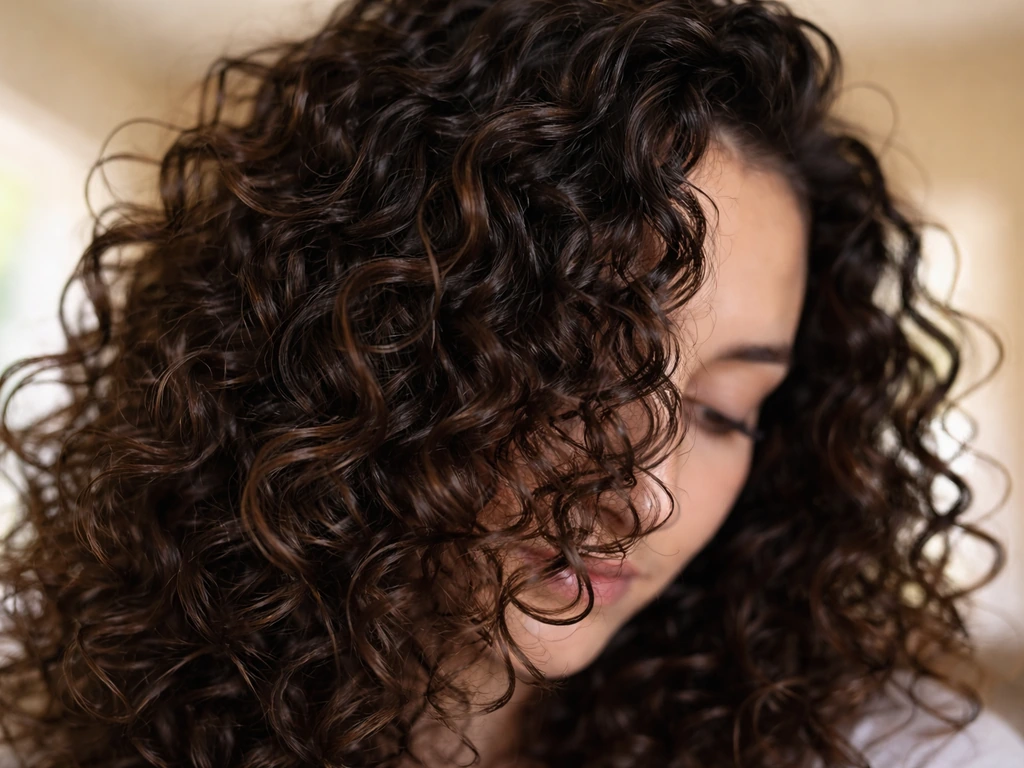
Why curly hair can look thin (and what 'thicker' really means)
Curly and coily hair has a structural quirk that makes thinning show up differently than it does on straight hair. Because each curl coils back on itself, a single inch of actual growth might only add a fraction of an inch of visible length. That same coil structure also means the hair shaft bends repeatedly, creating weak points where breakage happens easily. So when people say their curly hair looks thin, they are usually experiencing one of three things (or all three at once): reduced follicle density, where fewer hairs are actively growing; excessive breakage, where strands are snapping off before they get long enough to contribute to volume; or poor curl definition, where clumped, frizzy, or stretched-out curls look limp rather than full.
When someone is asking how to grow thicker curly hair, they often actually mean 'how do I get more volume and length retention,' not necessarily 'how do I increase the diameter of each individual hair strand.' The diameter of your individual strands is mostly genetic. What you can genuinely change is how many strands are actively growing, how long they survive before breaking, and how well your curl pattern expresses itself. That is what this guide focuses on.
Thinning curly hair specifically is worth addressing head-on. If your curls have always been thick and are now noticeably thinner, that is a different problem than curls that have always looked fine. Causes range from scalp buildup and product damage to hormonal shifts, nutritional deficiencies, and conditions like telogen effluvium or androgenetic alopecia. The American Academy of Dermatology notes alopecia areata typically begins as a round or oval bald patch and recommends evaluation by a board‑certified dermatologist to determine regrowth options (AAD) Alopecia areata overview (American Academy of Dermatology).
Harvard Health also notes that telogen effluvium may involve substantially higher daily shedding (for example, around 300 hairs per day) and is typically diagnosed using a history plus a scalp and hair exam, sometimes with counting shed hairs diagnosed with a history plus a scalp and hair exam.
The good news is most of these are addressable, and the guide to growing hair back thicker after a thinning episode follows the same foundational steps you'll find below.
Hair growth basics for longer, thicker curls
Every single hair follicle on your scalp runs through a repeating cycle: a growth phase called anagen, a short transitional phase called catagen, and a resting phase called telogen, after which the hair sheds and the cycle starts again. On the scalp, the anagen phase lasts roughly 1,000 days (close to three years), which is why scalp hair can grow so long compared to eyebrows. The telogen phase lasts about 100 days before the hair falls out.
The practical upshot is this: losing 50 to 100 hairs per day is completely normal, according to the American Academy of Dermatology. You are not going bald if you see hair in the shower drain. Where it gets concerning is if you are consistently shedding much more than that. Research from Harvard Health describes telogen effluvium (a stress-triggered mass shedding event) involving something closer to 300 hairs per day. If that resonates with what you are seeing, keep reading to the thinning section near the end of this article.
For most people trying to grow thicker curls, the real enemy is not the normal shed cycle but breakage. When a strand snaps mid-shaft, it never shows up as a shed hair in your brush. It just disappears, and your overall length and density go nowhere despite months of effort. Reducing that breakage is where the biggest gains come from.
Scalp care routine to reduce breakage and support growth
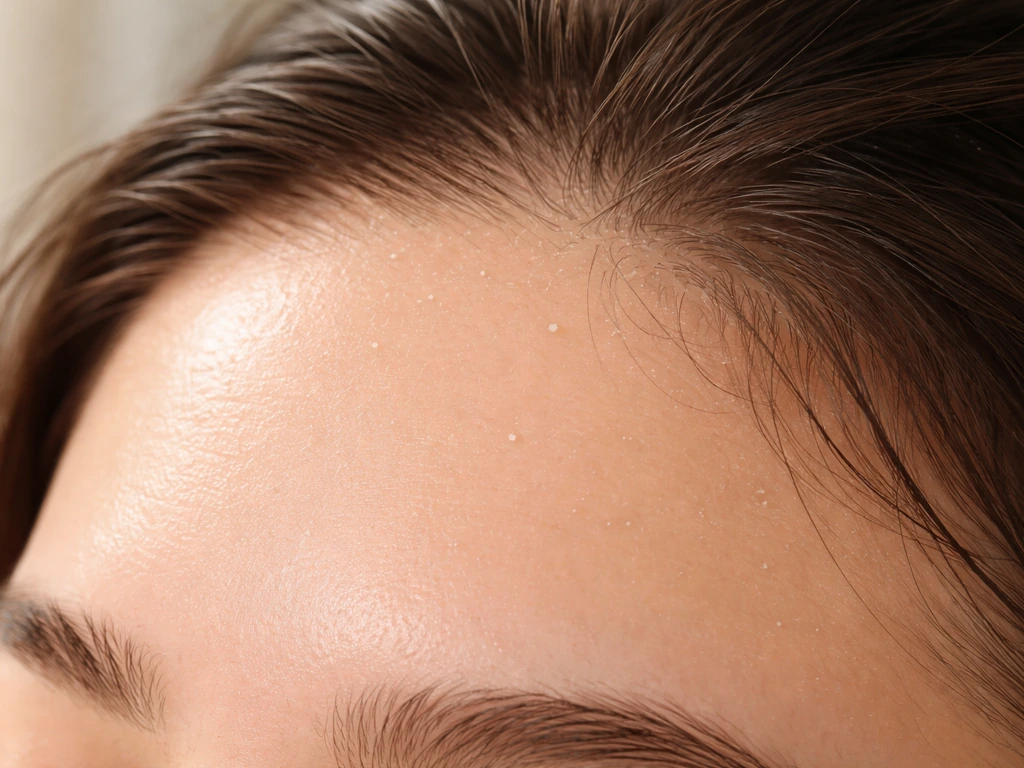
A healthy scalp is the foundation. You cannot grow thick, healthy curls from a clogged, inflamed, or dry scalp any more than you can grow a strong plant in compacted soil. The goal here is a clean, balanced scalp that gets enough circulation without being stripped dry.
Clarify without stripping
Heavy creams and gels are standard in curly hair routines, and they do build up on the scalp over time. Clarifying with a sulfate-free or low-sulfate shampoo every one to two weeks removes that buildup without destroying your moisture barrier. If you have dandruff or a flaky scalp, that adds another layer of complexity: active ingredients like zinc pyrithione, ketoconazole, selenium sulfide, salicylic acid, and sulfur all have evidence behind them for treating dandruff. The AAD specifically recommends applying these shampoos to the scalp only and rinsing them off promptly, which is good advice anyway for curly hair since the active ingredients can dry out your strands if left on.
Scalp massage
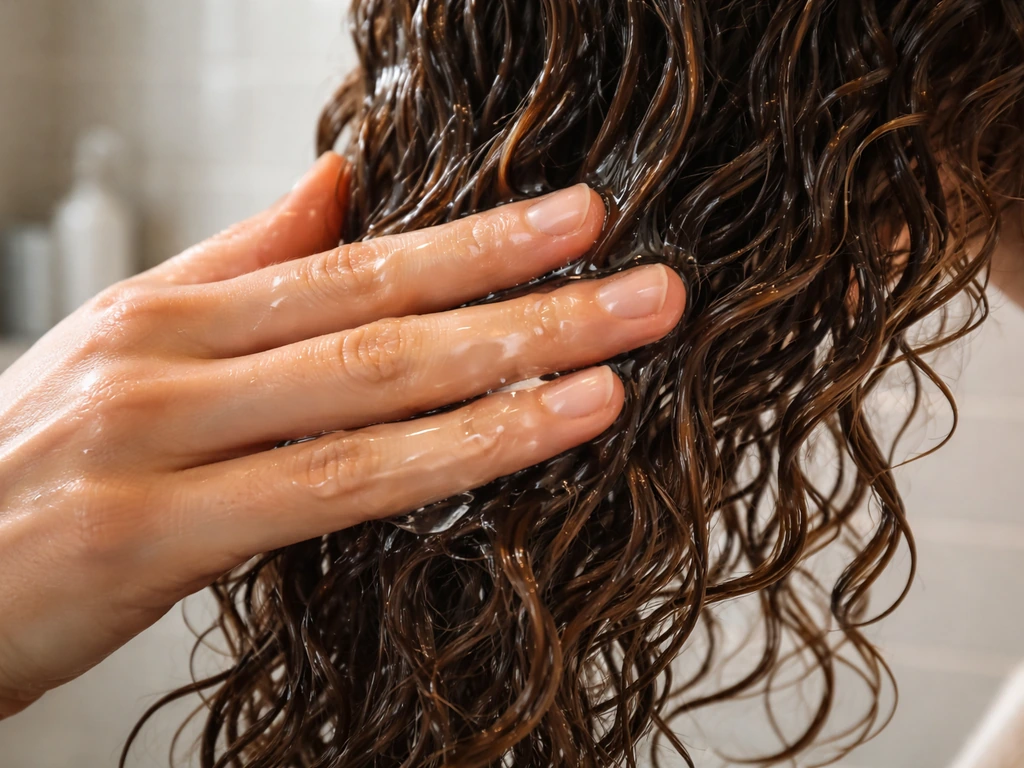
Scalp massage is one of the easiest, cheapest interventions you can add to your routine. It increases blood flow to the follicles, which brings more oxygen and nutrients to the cells doing the work. Do it for three to five minutes while your conditioner is in, using your fingertips (not nails) in small circular motions across the whole scalp. Some people add a light oil like jojoba or castor oil for extra slip, though the massage itself is what matters more than the oil.
Handle your scalp gently during detangling
Aggressive combing at the roots tears hairs out of the follicle prematurely, adding to your shed count and keeping density down. Always detangle on wet hair with a wide-tooth comb or your fingers, starting from the ends and working up. Never yank through a knot from root to tip. This single habit change can meaningfully reduce the amount of hair you lose on wash days.
Moisture, protein, and styling practices for fuller, thicker-looking curls
Curly hair is inherently drier than straight hair because the natural oils from your scalp have a harder time traveling down the coiled shaft. That dryness makes curls brittle and prone to snapping. The solution is keeping a consistent moisture-protein balance, which sounds complicated but really isn't.
Moisture first, always
Deep conditioning every one to two weeks is non-negotiable for most curly hair types trying to grow length. Look for products containing humectants (glycerin, aloe vera, honey) to draw moisture in and occlusive ingredients (shea butter, oils) to seal it. Apply to soaking wet hair, cover with a shower cap for 20 to 30 minutes with a bit of heat if you can, and rinse thoroughly. Your hair should feel elastic and soft afterward, not crunchy or stiff.
When to add protein
Protein treatments strengthen the hair shaft by temporarily filling in gaps in the cuticle. Signs you need one: your hair feels mushy when wet, stretches a lot without snapping back, or looks limp and lacks definition. Signs you have had too much protein: your hair feels hard, straw-like, or is snapping easily. Most curly-haired people do well with a light protein treatment once a month and a moisture-focused deep conditioner every other week. If you over-protein, back off and do a few moisture-only treatments until balance is restored.
Styling habits that preserve length

The goal when styling for thicker, longer curls is to minimize friction and mechanical stress. Here are the practices that make the biggest difference:
- Sleep on a satin or silk pillowcase, or use a satin bonnet or hair wrap. Cotton pillowcases create friction that breaks off curl ends overnight.
- Avoid tight hairstyles like high ponytails or braids pulled too tightly at the roots. These cause traction alopecia, which can thin out the hairline and edges over time.
- Limit heat styling. If you use a diffuser, keep it on low heat. Direct heat from flat irons and curling wands is especially damaging to the already vulnerable curl bend points.
- Apply leave-in conditioner before any styler (gel, cream, or mousse) to create a slip layer that reduces friction during clumping and styling.
- Let curls air dry or diffuse when possible rather than towel-drying, which roughens the cuticle and creates frizz and breakage. Use a microfiber towel or an old t-shirt to blot gently if needed.
Nutrition and supplements for curl health and density
Hair follicles are among the most metabolically active cells in your body, which means they are also among the first to suffer when your nutrition is lacking. If your diet is genuinely deficient in certain nutrients, no topical product will fully compensate. This is especially relevant for people whose curls have thinned noticeably over a period of months.
The nutrients that matter most
| Nutrient | Why it matters for hair | Where to get it |
|---|---|---|
| Protein | Hair is made of keratin, a protein. Low dietary protein slows growth and weakens strands. | Eggs, meat, fish, legumes, Greek yogurt |
| Iron / Ferritin | Low ferritin (stored iron) is a well-known trigger for diffuse shedding, especially in women. | Red meat, lentils, spinach, fortified cereals |
| Zinc | Supports the hair growth and repair cycle; deficiency is linked to hair loss. | Pumpkin seeds, oysters, beef, chickpeas |
| Vitamin D | Deficiency is associated with hair thinning and follicle cycling disruption. | Fatty fish, fortified foods, sunlight, supplements |
| Biotin (B7) | Deficiency can cause thinning hair and brittle nails; supplements are most useful when you are actually deficient. | Eggs, nuts, seeds, sweet potatoes |
| Omega-3 fatty acids | Anti-inflammatory; supports scalp health and reduces dryness. | Fatty fish (salmon, mackerel), walnuts, flaxseed |
Biotin gets a lot of hype in the hair supplement world, and while the NIH confirms that biotin deficiency does cause thinning and hair loss, most people eating a varied diet are not deficient. Supplementing biotin when you are not deficient has not been shown to grow thicker hair in healthy people. If you want to try it, it is safe at commonly available doses (most supplements are 5,000 to 10,000 mcg, and studies have used even higher amounts without toxicity), but do not expect a miracle if your levels are fine.
Iron is worth mentioning separately because low ferritin (stored iron) is one of the most commonly missed reasons for diffuse hair shedding in women. A general blood panel might come back 'normal' even when ferritin is in the low-normal range, which many hair specialists consider suboptimal for hair growth. If you have been shedding heavily and your diet is low in red meat or you have heavy periods, ask your doctor to check ferritin specifically, not just hemoglobin.
If you want a starting supplement stack, a high-quality multivitamin that covers iron, zinc, vitamin D, and B vitamins is a reasonable baseline. Add an omega-3 supplement if your oily fish intake is low. Beyond that, target specific deficiencies based on bloodwork rather than guessing.
Targeted treatments for thinning: minoxidil, other options, and when to see a doctor
If your curly hair is genuinely thinning (not just thin-looking due to dryness or breakage), the routine above is still the right foundation, but you may also need targeted treatment. Targeted treatments like minoxidil and other options can help you grow thicker hair when thinning is real. Let's break down what is actually available.
Topical minoxidil
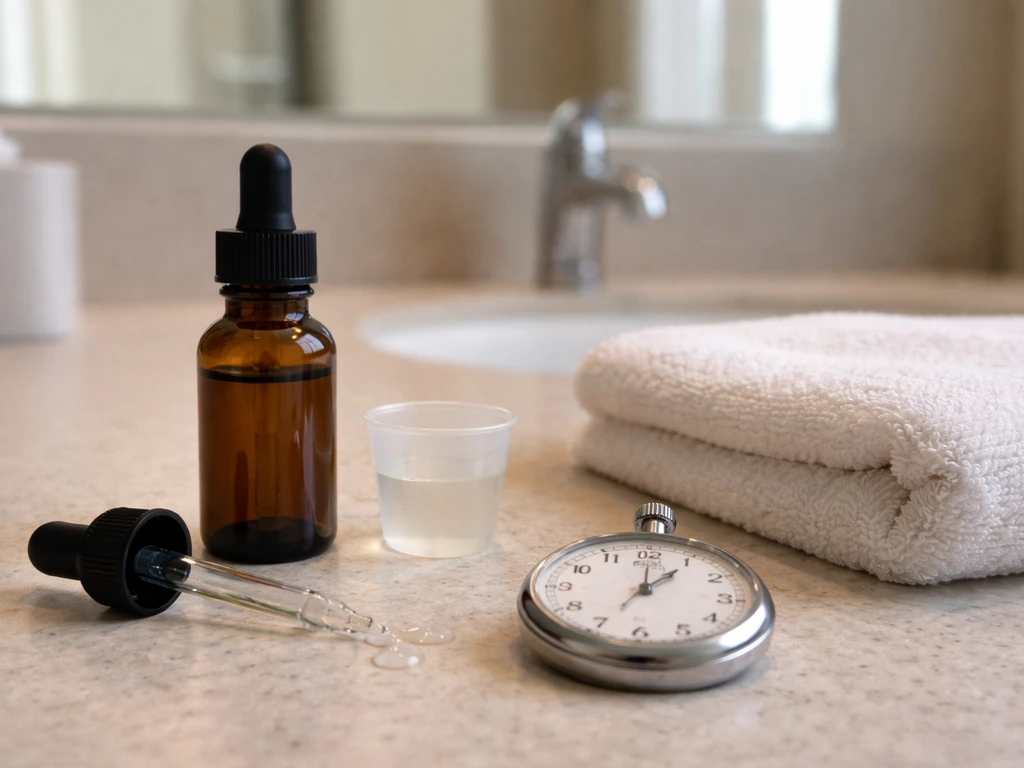
Minoxidil is the most well-researched over-the-counter option for hair regrowth. It works by prolonging the anagen (growth) phase of the hair cycle and increasing blood flow to the follicle. The FDA-approved 5% topical solution (sold as Rogaine and generics) is labeled specifically for men with thinning at the crown, but 2% minoxidil is commonly used by women and a 5% foam formulation is also widely used off-label by women with good results. Apply it directly to a dry scalp twice daily, not to the hair length. For curly hair, the foam formula is often easier to apply without disturbing your curl pattern.
Minoxidil takes time. Most people see shedding increase in the first four to eight weeks as dormant follicles are pushed out of telogen (this is expected and temporary). Visible regrowth typically takes at least three to six months of consistent use. If you stop using it, the benefit reverses within a few months. That is not a reason to avoid it, but it is something to know going in.
Finasteride
Finasteride (Propecia) is an oral prescription medication that works by blocking DHT, the hormone responsible for androgenetic alopecia (pattern hair loss). The FDA label indicates it is for men only. It is not approved for use in women who are or may become pregnant due to risk of birth defects. Men with curly hair experiencing classic vertex thinning or a receding hairline should ask a dermatologist whether finasteride is appropriate for their situation.
Ketoconazole shampoo
Ketoconazole at 1% (available over the counter) or 2% (prescription) is primarily an antifungal used to treat seborrheic dermatitis and dandruff, but it has a secondary benefit for scalp inflammation that may contribute to hair thinning. It is generally considered an adjunct to minoxidil or finasteride rather than a standalone treatment for pattern hair loss, but for people with a flaky, inflamed scalp it can make a real difference. Use it two to three times per week, apply to the scalp only, and leave on for a few minutes before rinsing.
Microneedling as an add-on
Microneedling (using a dermaroller on the scalp) has emerging evidence as a complement to minoxidil for androgenetic alopecia. A recent systematic review and meta-analysis found that combining microneedling with minoxidil outperformed minoxidil alone on multiple hair parameters. It is thought to work by stimulating growth factors and improving minoxidil absorption. Dermarollers with 0.5 to 1.5 mm needles are used on the scalp weekly or biweekly. It is a reasonable option to explore if you are already using minoxidil and want to maximize results, but start slow and keep tools sterile.
When the routine is not enough: go see a dermatologist
Some causes of thinning require a medical diagnosis and cannot be fixed with products or diet alone. You should see a board-certified dermatologist if any of the following apply to you:
- You are shedding dramatically more than 100 hairs per day, consistently, over several weeks.
- You have noticed a round or oval bald patch appearing suddenly (this is a hallmark of alopecia areata, which the AAD notes commonly begins this way and needs professional evaluation).
- Your hairline is receding or you have progressive thinning at the crown that is not responding to six months of consistent home care.
- You have a scalp that is painful, itchy, or showing sores or significant redness.
- Hair loss happened suddenly after a major illness, surgery, crash diet, or severe stress (this is likely telogen effluvium, which the Cleveland Clinic notes usually resolves within three to six months, but a doctor can confirm and rule out other causes).
A dermatologist can run bloodwork to check ferritin, thyroid function, vitamin D, and hormone levels, do a scalp examination, and sometimes a scalp biopsy if needed to pin down the exact cause. Getting a diagnosis before throwing money at products and supplements is almost always worth it.
Realistic timeline: how long does growing out thick curly hair actually take?
Scalp hair grows roughly half an inch per month on average, though curly and coily hair may appear to grow more slowly because the curl shrinks the visible length. With good retention practices (less breakage, protective habits, proper moisture), you will keep more of that growth and start to see a real difference in density and length within three to six months. That is not a guess, it is what most people experience when they are consistent.
If you are recovering from telogen effluvium, the Cleveland Clinic puts the typical regrowth timeline at around three to six months after the trigger is resolved. If you are using minoxidil, plan for at least three months before judging results, and six months for a fair assessment. If you are growing out short curly hair to a significantly longer length, expect one to two years minimum to see dramatic length gains, given shrinkage. None of this is discouraging once you accept it. The routine becomes habit, and progress does show up. Following the same scalp health and breakage prevention steps can help your hair grow down thicker over time progress does show up.
The people who get the best results are the ones who address all four levers at once: scalp health, moisture-protein balance, gentle styling, and nutrition. Doing one while ignoring the others is why progress stalls. Start with what you can control today, add the next piece next week, and give it time. Thick, defined, long curls are achievable. They just do not happen overnight.
FAQ
How can I tell if my hair looks thinner because of shedding versus breakage?
Do a simple comparison over 2 to 4 weeks. If you see lots of short, snapped pieces and your ends look ragged, it is likely breakage. If you see full-length hairs with a tiny bulb at one end, that points more to shedding. Also note whether your new growth looks thicker at the roots but the overall length still seems weak, that pattern usually favors breakage.
Do I need to wash less often to grow thicker curly hair?
Not necessarily. The goal is clean scalp without over-stripping, then moisture for the hair. If buildup makes your scalp itchy or flakey, you may need more frequent cleansing or a clarifying shampoo every 1 to 2 weeks, but keep conditioner away from the scalp if you tend to get product-heavy.
Should I use a clarifying shampoo before starting minoxidil or after?
Minoxidil works best when it is applied to a dry, clean scalp. If you have residue, use your sulfate-free or low-sulfate clarifier as planned, then wait until your scalp is fully dry before applying minoxidil. Avoid applying any leave-on actives (like heavy oils or butters) right up to the application area, they can interfere with even contact.
How do I reduce hair shrinkage so my growth looks less “slow”?
Shrinkage is normal for curls, and you cannot fully prevent it without affecting curl formation. To make growth more visible and reduce tangling, keep curls well-defined with consistent conditioning and gentle detangling, then try styles that stretch slightly (like banding, twist-outs with longer set times, or loose protective updos) rather than aggressive combing when dry.
Can I use protein and moisture back to back, or should I separate treatments?
Separate them if your hair gets hard or snappy. A practical approach is deep conditioning every 1 to 2 weeks, then add a light protein treatment only when your hair shows the “mushy when wet” warning signs. If you are unsure, do one protein session, reassess after the next wash day, and adjust frequency rather than stacking multiple protein products in the same week.
What if my curls get limp after deep conditioning?
Limpness usually means either over-softening (too much occlusive) or product buildup. Rinse thoroughly, check that your conditioner is not sitting on the scalp, and consider clarifying if you have been using multiple heavy creams and oils. If the issue is protein imbalance, a small protein boost may restore spring, but avoid hardening the hair.
Is scalp massage actually safe and how hard should I press?
Yes, as long as you use fingertip pressure and avoid tangling or rubbing hair aggressively. Limit it to 3 to 5 minutes, work over the whole scalp, and stop if you notice soreness, increased flaking, or skin irritation. If you have active dermatitis, you may need to treat the inflammation first rather than massaging through it.
Will biotin help me grow thicker curly hair if my diet is decent?
Probably not if you are not deficient. Biotin tends to help when there is a true deficiency, but for most people with varied diets it will not noticeably increase thickness. If you choose to try it, avoid mega-dosing for long periods without a reason, and understand that high-dose biotin can interfere with some lab tests, so tell your clinician if you are taking it.
What ferritin level should I ask for if I am shedding heavily?
Ask for ferritin specifically, and discuss what range your dermatologist or clinician considers optimal for hair growth. Many specialists focus on not just “normal,” but a better margin above the low end, especially when shedding is diffuse. Also factor in your diet and menstrual history, heavy periods often require targeted iron evaluation.
How long should I give minoxidil before deciding it is not working?
Plan for an honest timeline: at least 3 to 6 months for a fair assessment, and do not panic if shedding increases in the first month or two. Take photos in the same lighting and part your hair similarly each time, then evaluate change in density rather than day-to-day strand fall.
What should I do if minoxidil causes scalp irritation on my curls?
First, ensure you are applying to the scalp only and letting it fully dry before styling. If irritation persists, consider switching from solution to foam (foam often disturbs curls less), reduce frequency only if your prescriber agrees, and use an anti-dandruff shampoo a couple of times per week if flaking is part of the problem. If you develop burning or significant redness, stop and consult a dermatologist.
Can microneedling help with curly hair thinning if I am not using minoxidil?
Microneedling has the best evidence as an add-on, especially when paired with minoxidil. If you are not using minoxidil, it may still help some people, but expectations should be more cautious. If you try it, prioritize sterile technique, start with the lowest needle length, and avoid it during active scalp inflammation or infection.
Are there signs that I should see a dermatologist instead of adjusting my routine?
Yes. Get evaluated if you have sudden diffuse shedding, visible widening of the part, patchy hair loss, scalp pain or intense itching, or thinning that is progressing despite good routine adherence. Also seek care quickly if you suspect a trigger like childbirth, major illness, new medications, or rapid weight loss, because treatments differ depending on the cause.
Next Articles
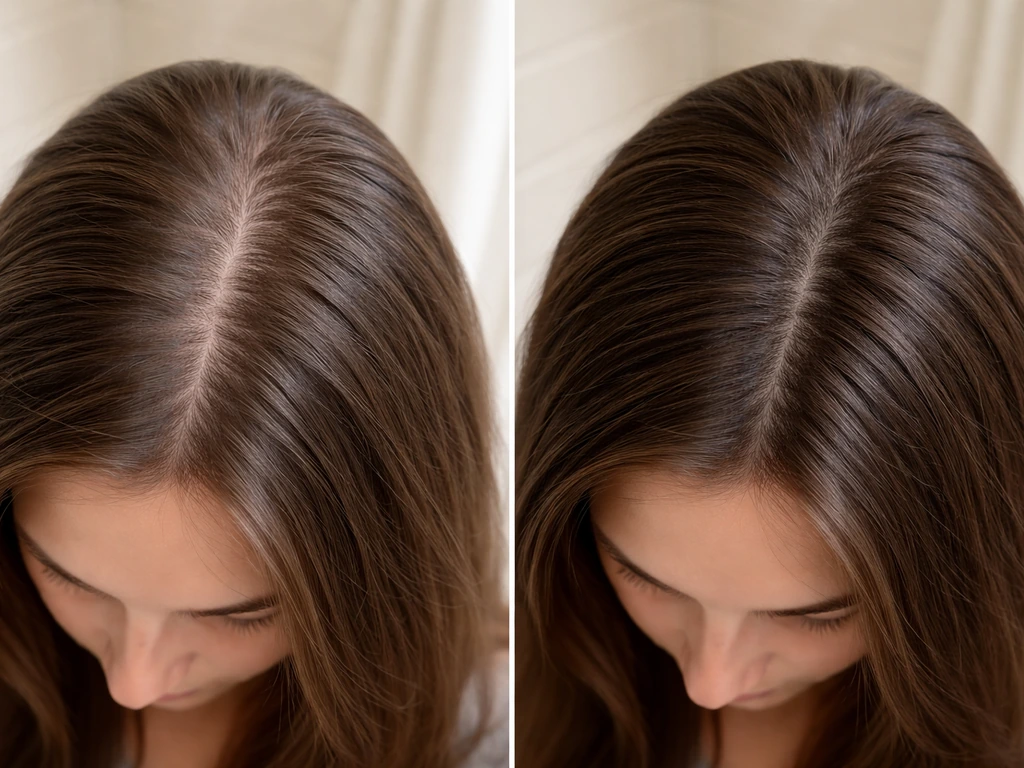
How to Grow Hair Back Thicker: Step-by-Step Plan
Step-by-step plan to regrow thicker hair: scalp routine, nutrition, topical options, lifestyle fixes, and when to see a
How Can You Grow Thicker Hair: Step by Step Guide
Step-by-step plan to grow thicker hair naturally, improve strand size and density, and track results safely.
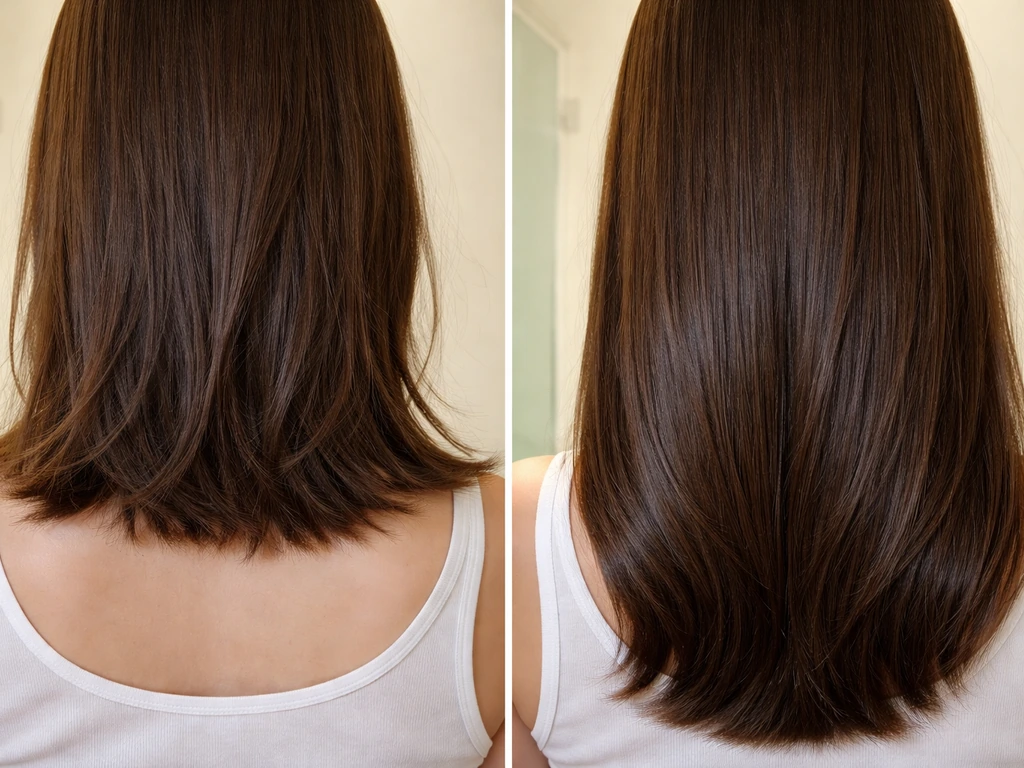
Tips on How to Grow Your Hair Out: A Step by Step Guide
Step-by-step tips to grow hair out: stop breakage, build scalp routine, nutrition, safe actives, and track progress.