
Yes, you can grow your hair back thicker, but whether that means restoring lost volume, reversing miniaturization, or recovering from a shed depends on what caused the thinning in the first place. Fix the root cause, support your scalp and follicles with the right nutrients and care, and give it a realistic timeline (think months, not weeks), and most people see meaningful improvement. Here's the full plan.
How to Grow Hair Back Thicker: Step-by-Step Plan

Marcus Holloway
20 May 2026
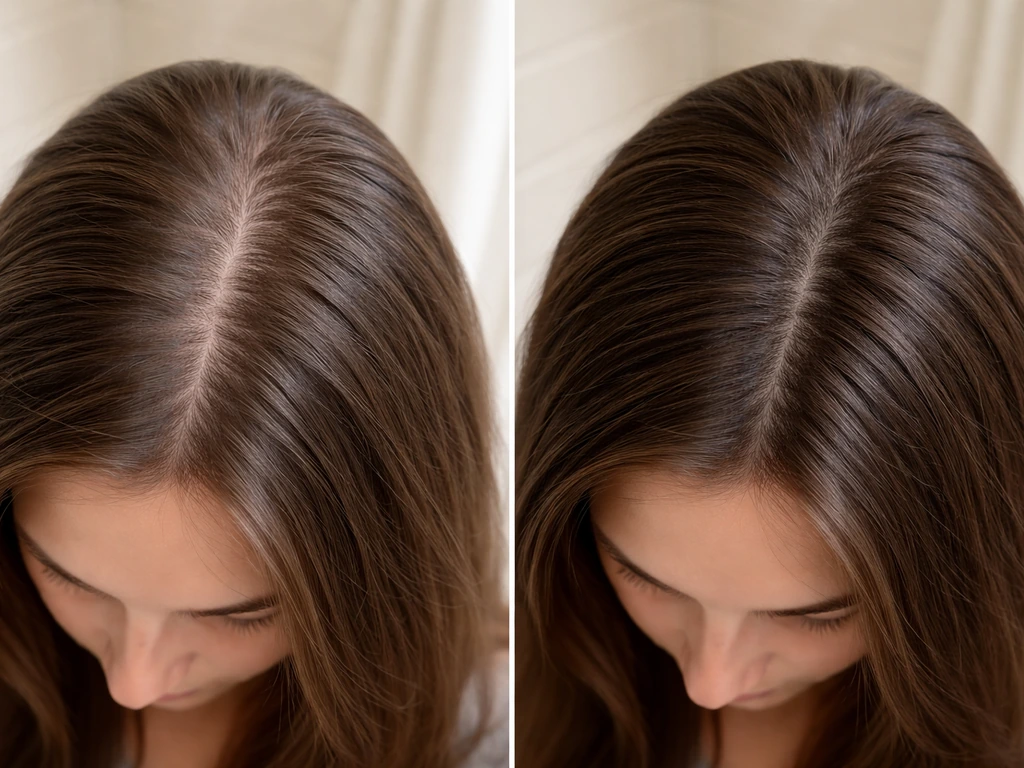
Why your hair got thinner (and why this matters before anything else)
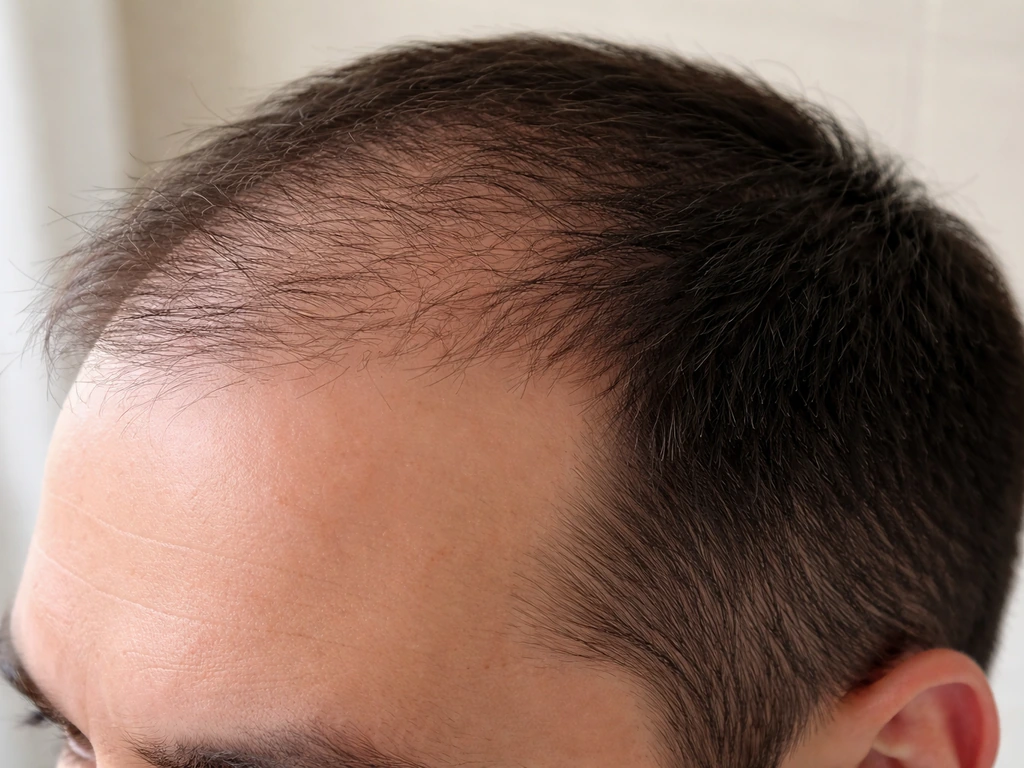
Before you start buying products or changing your routine, it helps to know what you're dealing with. Hair thins for different reasons, and those reasons respond to different fixes. A good place to start is learning what drives scalp thinning in the first place, because the right approach to thickening hair depends on the cause thickening hair on the scalp. The most common culprits fall into a few main categories.
- Androgenetic alopecia (pattern hair loss): The most common cause in both men and women. It's driven by genetics and hormones — specifically, a sensitivity to DHT that gradually miniaturizes hair follicles over time, turning thick terminal hairs into finer, shorter ones. It's progressive if left unaddressed.
- Telogen effluvium: A diffuse, often sudden shed triggered by physical or emotional stress, illness, surgery, childbirth, rapid weight loss, or nutritional deficiency. Hairs shift out of the active growth phase and into the resting phase in large numbers, then fall out about 2–3 months later. It's alarming but usually reversible.
- Nutritional deficiencies: Low ferritin (stored iron), zinc deficiency, and vitamin D insufficiency are all associated with hair thinning and excessive shedding. Thyroid dysfunction — both hypo and hyperthyroidism — can also cause noticeable hair changes.
- Traction alopecia: Repeated mechanical tension from tight ponytails, braids, weaves, or extensions physically damages the follicle over time, especially along the frontal and temporal hairline.
- Alopecia areata: An autoimmune condition causing patchy hair loss. It's distinct from the others and typically needs dermatologist involvement.
- Damage and breakage: Heat styling, chemical treatments, and harsh handling don't cause follicle-level loss, but they break the hair shaft — making hair look and feel dramatically thinner.
These conditions can also overlap. Telogen effluvium, for example, can unmask underlying pattern hair loss that was quietly progressing, which is why some people feel like their hair never quite recovered after a stressful event. Knowing which you're dealing with shapes every decision that follows.
What 'growing hair back thicker' actually means (setting real expectations)
Hair grows roughly 1 cm per month. That's slow, and it means any improvement in thickness takes time to show up at scalp level, let alone as visible length. The hair growth cycle has three phases: anagen (active growth, lasting 2–6 years), catagen (a brief transition), and telogen (rest, lasting about 2–4 months before the hair sheds). When something disrupts that cycle, you don't see the fallout immediately, it typically shows up 2–3 months after the triggering event.
What this means practically: if you had a major health event or nutritional crash in February, you might be noticing the shedding now in May, even though you've already started recovering. That gap is normal and not a sign that your efforts aren't working. Regrowth after telogen effluvium often starts within a few months of resolving the trigger, but you'll need to wait for those new hairs to grow long enough to blend in and add visible volume, and that realistically takes 6–12 months to look noticeably different.
For androgenetic alopecia, 'thicker' usually means slowing miniaturization and potentially reversing it in follicles that haven't been permanently lost. Minoxidil, for instance, shows early results around 2 months with consistent twice-daily use, but meaningful density improvement typically takes longer. The honest truth: consistency over months is the game, not quick fixes.
If you're also curious about growing thicker hair from the root up or improving thickness in specific hair types like curly hair, those are related angles that involve some of the same strategies, particularly scalp health and protein retention, but with some technique-specific differences. If your goal is specifically how to grow thicker curly hair, you can apply these same scalp and nutrition principles while also focusing on reducing breakage and improving moisture retention.
A scalp care routine you can start today
Your scalp is where thickness starts. Clogged follicles, inflammation, and buildup all create an environment where hair grows in finer or sheds faster. Getting this right is foundational, and it doesn't have to be complicated.
Cleansing and buildup
Wash your scalp regularly enough to prevent product buildup, excess sebum, and dandruff, all of which can block follicles and contribute to low-grade inflammation. For most people, 2–3 times per week works well. If you have an oily scalp or dandruff, a zinc pyrithione or ketoconazole shampoo used once or twice a week can reduce scalp inflammation meaningfully. If you have a drier scalp, a gentler sulfate-free formula keeps things clean without stripping. Focus the shampoo on your scalp, not your lengths.
Scalp massage
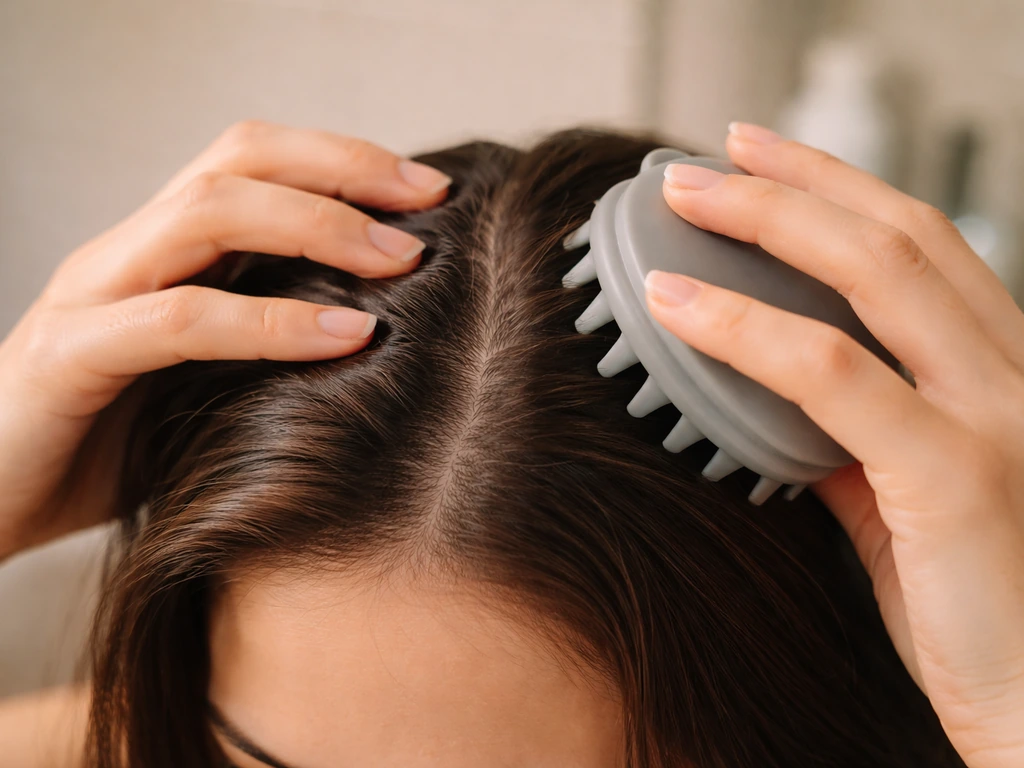
A daily 4–5 minute scalp massage, fingers or a silicone scalp massager, improves blood circulation to the follicles and has some research support for promoting thickness. Do it on dry hair before washing, or while applying a scalp serum. It's one of those habits that costs nothing and compounds over time.
Reducing breakage at the scalp
Breakage close to the root makes hair look thin even when follicle health is fine. Avoid tight hairstyles that pull on the hairline, this is the direct mechanical driver of traction alopecia. Sleep on a silk or satin pillowcase, and switch to a wide-tooth comb or a detangling brush, especially when hair is wet. Detangle from the ends up, not root to tip.
Nutrition and supplements that support thicker hair growth

Hair is a low-priority tissue in your body's resource allocation. When nutrients are scarce, your body redirects them to essential organs first, and your hair follicles feel that shortage. Getting your nutrition right is one of the highest-leverage things you can do, especially if a deficiency triggered your thinning in the first place.
The nutrients that matter most
| Nutrient | Role in hair growth | Food sources | When to test/supplement |
|---|---|---|---|
| Iron (ferritin) | Low ferritin is one of the most common drivers of hair shedding in women; stored iron supports anagen phase | Red meat, lentils, spinach, fortified cereals | Get a ferritin blood test before supplementing — excess iron is harmful |
| Zinc | Deficiency causes hair loss; zinc supports follicle cell production and protein synthesis | Oysters, beef, pumpkin seeds, chickpeas | Test if you're at risk; supplement only if deficient |
| Protein | Hair is almost entirely keratin (protein); inadequate intake leads to weaker, finer hair and increased shedding | Eggs, chicken, fish, legumes, Greek yogurt | Aim for at least 0.8g per kg of body weight daily, more if active |
| Vitamin D | Low vitamin D is associated with alopecia areata and telogen effluvium | Fatty fish, egg yolks, fortified foods, sunlight | Blood test is reliable; supplementation is low-risk and widely recommended |
| Biotin | Biotin deficiency causes hair loss and brittle nails, but deficiency is rare in the U.S.; supplementing without proven deficiency shows little evidence of benefit | Eggs, nuts, seeds, salmon | Only supplement if deficiency is confirmed or suspected |
The biotin thing is worth dwelling on for a second. You'll see it in almost every 'hair growth' supplement, and it's not harmful, but the evidence for biotin improving hair in people who aren't deficient is weak. The NIH Office of Dietary Supplements is pretty direct about this: biotin's reputation in hair care products outpaces the science. Iron and vitamin D, by contrast, have much stronger associations with hair loss when they're low.
Supplement options worth considering
Beyond single-nutrient supplementation, some oral hair supplements combine ingredients like amino acids (l-cystine), saw palmetto (Serenoa repens), and other botanicals. A double-blind, placebo-controlled study showed hair density improvements at 3 and 6 months in people with chronic telogen effluvium and androgenetic alopecia taking one such combination supplement. Results vary, and these aren't miracle pills, but if you're looking for something beyond basic vitamins, a combination formula with some clinical backing is a reasonable middle step before pharmaceutical options.
The practical move: get bloodwork done. A full panel including ferritin, zinc, vitamin D, thyroid (TSH, T3, T4), and a complete blood count gives you a map of what's actually low and what isn't. Supplementing blindly is expensive and sometimes counterproductive.
Topical treatments and natural remedies that may help
Minoxidil, the most evidence-backed OTC option
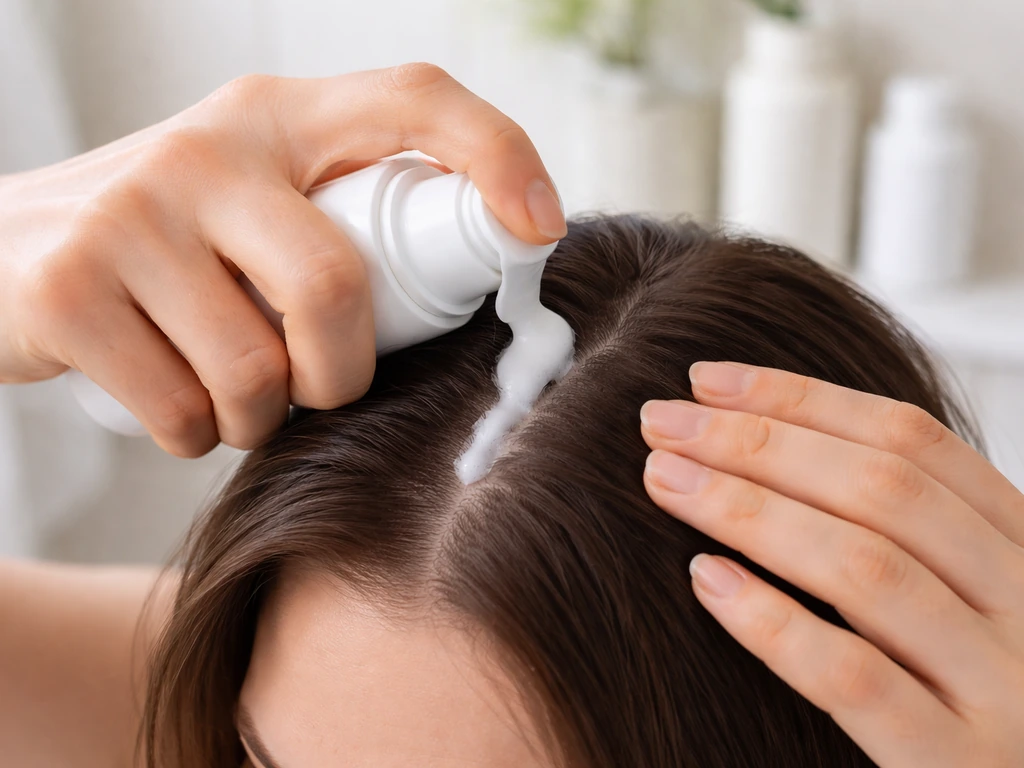
Minoxidil is the go-to topical treatment for both androgenetic alopecia and some other types of hair thinning. It's available without a prescription and comes as a solution or foam. Standard dosing is 1 mL of 2% or 5% solution applied twice daily for men; women typically use 1 mL of 2% solution twice daily, though [research also supports 5% foam once daily as a comparable alternative](https://pubmed. ncbi.
nlm. nih. gov/21700360/). You need to apply it to a dry scalp, let it absorb before lying down, and use it consistently, skipping applications slows results significantly.
Early signs can appear around 2 months, but don't expect dramatic density improvement before 4–6 months of consistent use. A common (and alarming) early side effect is a temporary increase in shedding as follicles shift into a new growth cycle, this is normal and typically resolves within a month.
Natural and home-based options
A few natural remedies have enough supporting research or plausible mechanisms to be worth trying alongside your other efforts, though none replace minoxidil if you have pattern hair loss.
- Rosemary oil: A 2015 study compared rosemary oil to 2% minoxidil solution and found comparable results at 6 months for androgenetic alopecia. Mix a few drops into a carrier oil (like jojoba or coconut) and massage into the scalp 2–3 times per week. It likely works partly through improved circulation and possible DHT-inhibiting effects.
- Peppermint oil: Some animal and early human research suggests peppermint oil may promote anagen-phase hair growth. Like rosemary, use diluted in a carrier oil and massage in before washing.
- Ketoconazole shampoo: While primarily an antifungal, ketoconazole also has mild anti-androgenic effects at the scalp level. Some studies show it improves hair density in people with androgenetic alopecia when used regularly. Available OTC at lower strengths and by prescription at 2%.
- Castor oil: Widely used for hair growth, though the evidence is mostly anecdotal. It can help with scalp moisture and has ricinoleic acid, which may support follicle health. If you try it, use it sparingly — it's thick and hard to wash out, and buildup can cause its own problems.
- Scalp exfoliation: A gentle scalp scrub or exfoliating shampoo once a week helps remove dead skin cells and buildup, keeping follicles clear. This is basic maintenance that makes everything else work better.
Lifestyle factors that quietly sabotage regrowth
You can do everything right topically and nutritionally and still see slow results if the bigger lifestyle picture is working against you. These are the factors that tend to get underestimated.
Stress and sleep
Chronic psychological stress is a real driver of telogen effluvium, it can push large numbers of follicles out of the anagen phase. The cruel irony is that noticing hair loss causes more stress, which prolongs the problem. Sleep is when most cellular repair and growth hormone release happens, so consistently poor sleep (under 7 hours) genuinely affects follicle recovery. This isn't soft wellness advice, it has a direct biological mechanism. Prioritizing stress management (exercise, sleep hygiene, whatever works for you) is part of the treatment plan, not an afterthought.
Hormonal factors
Thyroid dysfunction, particularly hypothyroidism, is one of the more commonly missed causes of hair thinning. Symptoms like fatigue, weight changes, and hair thinning often get attributed to stress or aging when the thyroid is actually the issue. Similarly, hormonal changes from postpartum shifts, perimenopause, stopping hormonal birth control, or polycystic ovary syndrome (PCOS) can all trigger significant shedding or progressive thinning. If hormones are a factor, topical remedies alone won't fully resolve the problem, the underlying hormonal imbalance needs to be addressed.
Heat, chemicals, and styling damage
Repeated heat styling above 365°F (185°C), bleaching, perming, and relaxing all degrade the hair shaft, causing breakage that mimics thinning. If your follicles are healthy but your hair keeps breaking, you'll stay stuck. Practical steps: use a heat protectant every time, drop your styling tool temperature to the lowest effective setting, space out chemical treatments, and add a protein treatment to your routine monthly if your hair is chemically processed. Avoid hairstyles that pull on the hairline consistently, the damage from traction alopecia can become permanent if caught too late.
When to see a dermatologist
Self-care strategies work well for mild to moderate thinning, nutritional-driven shedding, and damage-related breakage. But there are situations where you need a professional evaluation sooner rather than later, and waiting can cost you follicles you can't get back.
Red flags that warrant a dermatologist visit
- Sudden, significant shedding (more than 150–200 hairs per day consistently, or clumps in the shower)
- Patchy hair loss — round or irregular bald patches, which may indicate alopecia areata
- Scalp pain, burning, itching, or visible scaling/redness that doesn't resolve with antidandruff shampoo
- Receding hairline or thinning at the crown that has been progressing over months to years
- Hair loss along the marginal hairline (front, sides, or back) that correlates with tight hairstyles — early intervention for traction alopecia matters
- No improvement after 6 months of consistent at-home efforts
- Hair loss accompanied by other symptoms: fatigue, weight changes, irregular periods, or skin changes (these point to systemic causes)
What a dermatologist can offer beyond basics
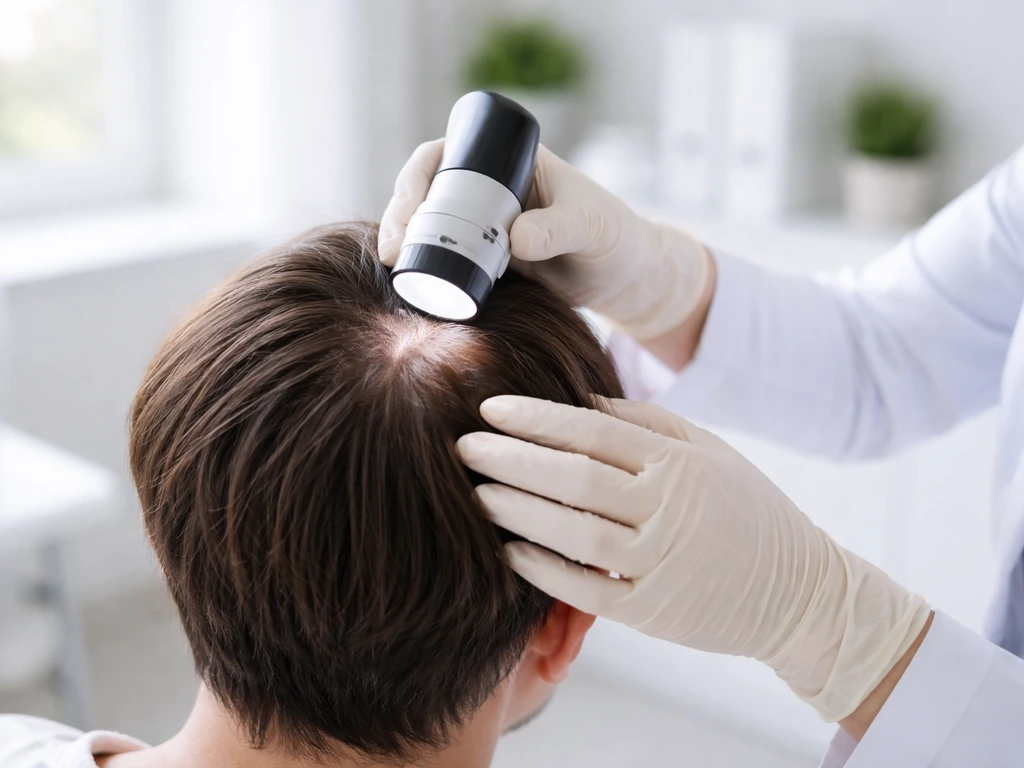
A dermatologist can perform a scalp biopsy, dermoscopy, or pull test to diagnose the specific type of hair loss, which matters a lot for treatment. For androgenetic alopecia, prescription options include oral finasteride for men (or topical finasteride spray, which reduces systemic exposure, studied in phase III RCTs), spironolactone for women, and higher-dose or prescription-strength minoxidil. Platelet-rich plasma (PRP) injections are another option for stimulating follicle activity. For alopecia areata, corticosteroid injections or newer JAK inhibitor medications may be recommended. The point is: if OTC strategies haven't moved the needle after 6 months, there's a whole tier of effective treatments available that you can only access through a professional.
Your starting plan, what to do this week
- Get bloodwork done: Ask your doctor for ferritin, vitamin D, zinc, thyroid panel (TSH, free T3, free T4), and CBC. This tells you what's actually driving the thinning and whether supplementation will help.
- Start a scalp care routine: Switch to a gentle or anti-dandruff shampoo appropriate for your scalp type. Add a 4–5 minute daily scalp massage. Stop any hairstyles that consistently pull on the hairline.
- Audit your protein intake: Make sure you're eating adequate protein daily — at least 0.8g per kilogram of body weight, ideally more. Hair is protein, and deficiency shows up fast.
- Consider minoxidil if you have pattern hair loss: This is the most evidence-backed OTC move for androgenetic alopecia. Commit to consistent use for at least 4–6 months before evaluating results.
- Try rosemary oil if you want a natural complement: Dilute in jojoba oil and massage in 2–3 times weekly. Low risk, some evidence, easy to add.
- Address your stress and sleep honestly: Not as a nice-to-have but as part of the treatment. Chronic stress sustains telogen effluvium.
- Book a dermatologist appointment if any red flags apply: Don't wait 12 months to escalate. Follicles lost to scarring or prolonged traction can't grow back.
Thicker hair is an achievable goal for most people, but it's a process that runs on months, not days. If you're specifically focused on how to make thick hair grow down, aim for steady regrowth at the root plus breakage control along the length. The readers who get the best results are the ones who diagnose the cause accurately, fix it at the root, and stay consistent long enough to see the hair cycle turn over. Give yourself a real runway, track your progress with photos every 4 weeks, and don't hesitate to get professional eyes on it if you're not moving in the right direction.
FAQ
If my hair is shedding more after starting minoxidil, should I stop?.
Take “more shedding” early on as a sign to evaluate timing, not to quit immediately. For minoxidil, an initial shed in the first 2 to 6 weeks can happen as follicles shift into a new cycle, it usually settles within about a month. If shedding is extreme, you get scalp irritation, or it continues past that window, pause and talk with a clinician rather than pushing through.
Can I truly regrow hair back thicker for any type of hair loss?.
Yes, but the goal matters. You can often improve density and reduce miniaturization in androgenetic alopecia, and you can see regrowth after telogen effluvium once the trigger resolves. If follicles are permanently lost or scarring is present, topical and supplements may not restore thickness enough, and you may need procedural options.
What labs should I ask for if I want to find the cause of thinning?.
Bloodwork is most useful when it’s targeted to common drivers, not just “everything.” Ask for ferritin, vitamin D, zinc, thyroid markers (TSH with T3/T4 as indicated), and a complete blood count, and also mention recent triggers like major illness, surgery, postpartum status, new meds, or rapid weight loss so your clinician can interpret results in context.
When should I expect to see thicker regrowth, and how do I measure it accurately?.
Do it consistently for at least one full hair cycle window. The clearest “is this working?” point is usually around 4 to 6 months for early density changes, and 6 to 12 months for visible blending and fullness, especially after telogen effluvium. Progress checks should be based on photos taken with the same lighting, part width, and camera distance.
Is biotin worth taking to grow hair back thicker?.
Not necessarily. Biotin is often included in hair vitamins, but if you are not deficient, it rarely changes thickness. Before adding extra supplements, prioritize correcting known lows like iron stores (ferritin) and vitamin D, and avoid stacking multiple products that duplicate the same nutrients.
How often should I wash my hair and scalp to support thick regrowth?.
Even if you use the right treatments, washing frequency can derail scalp progress if you either under-clean or over-strip. For oily scalp or dandruff, 2 to 3 washes per week is common, medicated anti-inflammatory shampoos are typically used once or twice weekly, and shampoo should contact the scalp long enough to work. If your scalp is dry, switch to gentler cleansers and avoid leaving buildup to accumulate.
What are the biggest mistakes people make with topical treatments like minoxidil?.
Two common mistakes are applying products to the hair rather than the scalp, and missing doses. For minoxidil, apply to a dry scalp, let it fully absorb before hair touches pillows or shirts, and stay on schedule, because inconsistent use slows results. If you get irritation, adjust application timing and consider speaking with a dermatologist about formulation changes rather than stopping entirely.
My scalp looks fine but my hair feels thin, could it be breakage instead of hair loss?.
If you’re dealing with hair that seems thin because it breaks, treat breakage and tension first, even while you support follicle health. Switch to wide-tooth detangling on wet hair, avoid aggressive brushing near the root, use heat protection and lower temperatures, and minimize hairstyles that pull consistently on the hairline, because traction can become permanent.
Why did my shedding start weeks or months after a stressful event or illness?.
Timing can be confusing after a trigger. Shedding from an internal event often shows up 2 to 3 months later because follicles cycle out of growth after the initial disruption. So if symptoms began recently, start documenting now and expect changes in a delayed window rather than assuming the trigger was unrelated.
When is it better to see a dermatologist sooner instead of waiting and trying OTC?.
If you see signs that point beyond typical shedding, don’t wait 6 months. Seek earlier evaluation for patchy bald spots, scarring, burning or pain on the scalp, sudden dramatic thinning, or rapid progression. These patterns can indicate conditions that need specific medical treatment rather than general thickening routines.
Could postpartum, perimenopause, or stopping birth control be causing my thinning?.
If your thinning started after stopping hormonal birth control, after pregnancy, or around perimenopause, hormone shifts can drive shedding or make miniaturization more apparent. In these cases, topical strategies may help the scalp environment, but the underlying hormonal cause may need separate evaluation, so bring your timeline to a clinician.
Does scalp massage actually help, and how should I do it safely?.
Silicone scalp massagers and finger massage can be supportive, but avoid harsh pressure if you have scalp tenderness or active dermatitis. A short daily session (around 4 to 5 minutes) is usually enough, and massaging before washing works well because it pairs with cleaner scalp contact. Think “consistent and gentle,” not “scrub aggressively.”
Next Articles
How Can You Grow Thicker Hair: Step by Step Guide
Step-by-step plan to grow thicker hair naturally, improve strand size and density, and track results safely.
Tips on How to Grow Your Hair Out: A Step by Step Guide
Step-by-step tips to grow hair out: stop breakage, build scalp routine, nutrition, safe actives, and track progress.
Grow Hair Long Tips: Step-by-Step Routine to Reach Length
Step-by-step grow hair long tips: boost scalp health, cut breakage, improve diet, and track progress for length.