
Hair grows from tiny structures in your scalp called follicles, and each one runs through a repeating cycle of active growth, transition, and rest. Understanding that cycle is the key to understanding everything else: why your hair is the length it is, why it sheds, why growth slows down after stress or illness, and what you can actually do to encourage more of it. If you want to know how do we grow hair in a practical way, start by supporting the growth cycle with nutrition, scalp care, and consistency encourage more of it. This guide walks through the biology first, then gives you a clear, practical plan for supporting growth and dealing with thinning or loss. If you want a texture-specific approach to how to grow type 3 hair, the same growth-cycle biology applies, but you will also want to prioritize moisture and reduce breakage to reveal the length you are gaining.
How Do Hair Grow: Cycle, Regrowth, and Growth Tips

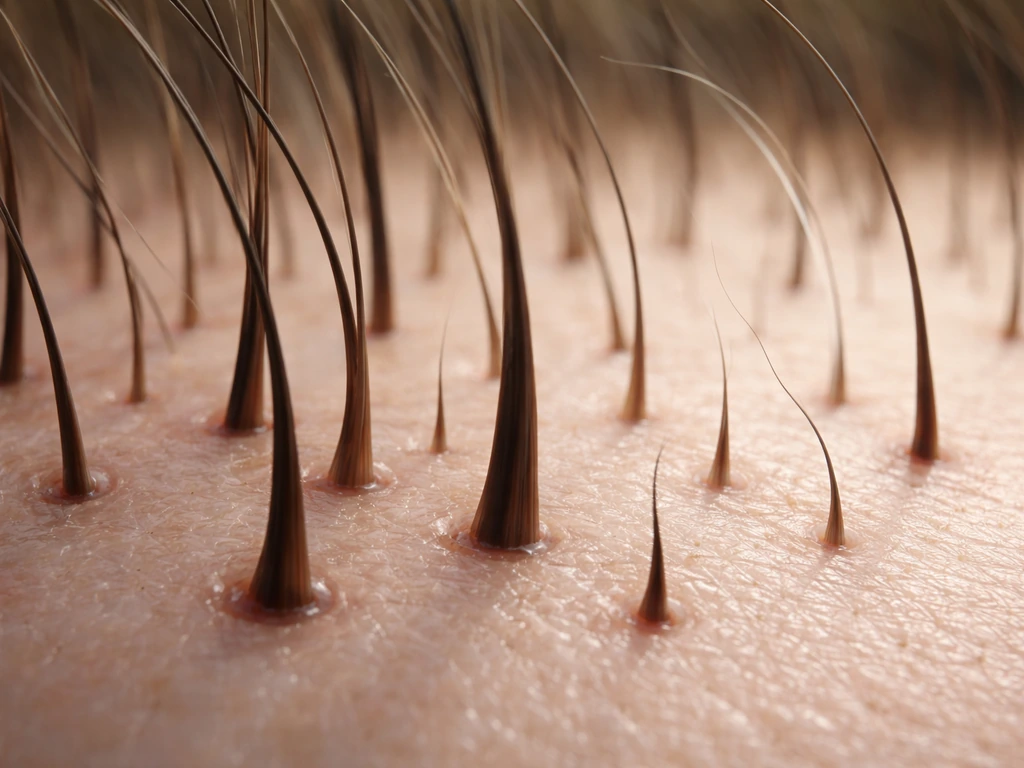
How hair growth works: the hair growth cycle
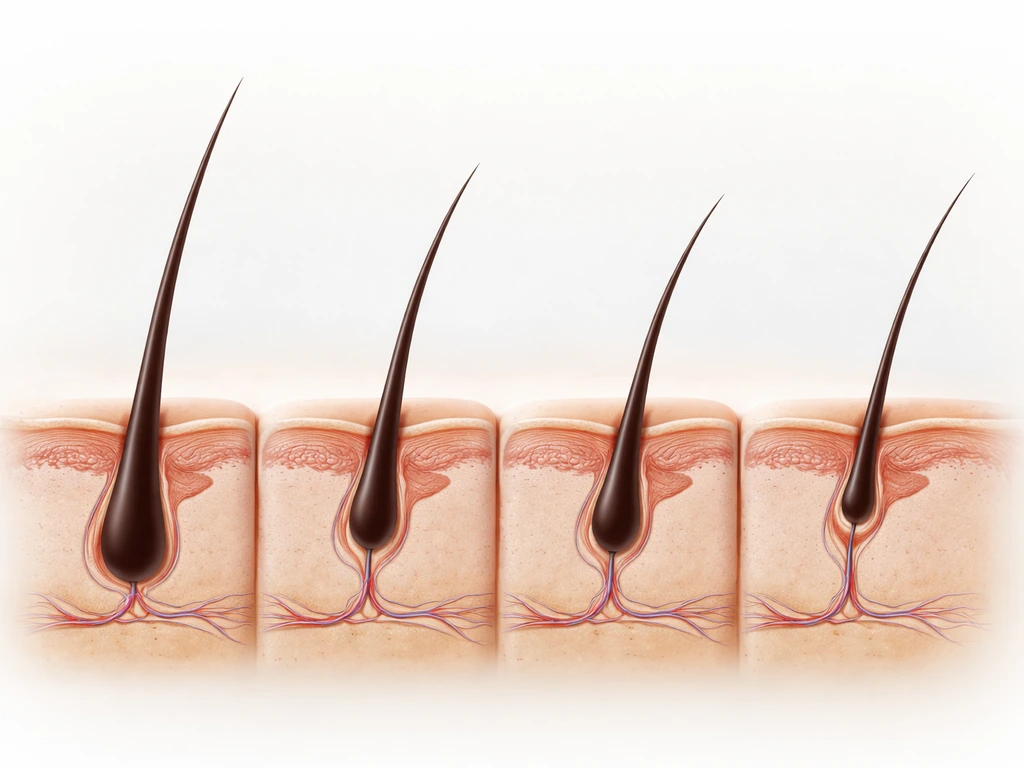
Every hair on your head is produced by a follicle that cycles through four phases: anagen (active growth), catagen (transition), telogen (rest), and exogen (shedding). These phases don't happen in sync across your whole scalp. Each follicle runs its own independent clock, which is why you don't lose all your hair at once.
Anagen is the phase that actually matters most for length. During anagen, cells at the base of the follicle divide rapidly and push a new hair shaft upward. This phase can last anywhere from 2 to 8 years, and that range is almost entirely genetic. If your anagen phase runs long, you can grow very long hair. If it runs short, your maximum length is lower before the follicle moves on. At any given moment, roughly 85 to 90 percent of your scalp follicles are in anagen.
Catagen is the shortest phase, lasting only about 2 to 3 weeks. The follicle shrinks, detaches from its blood supply, and stops producing new hair. Only about 1 to 3 percent of follicles are in catagen at any time.
Telogen is the resting phase. The hair fiber sits in the follicle without growing for roughly 2 to 4 months. About 5 to 10 percent of your follicles are here at any time. At the end of telogen, the follicle re-enters anagen, and the new growing hair eventually pushes the old one out. That final release is sometimes called the exogen phase. Losing 50 to 100 hairs per day is completely normal and is just the natural result of follicles cycling through.
How your hair actually grows over time
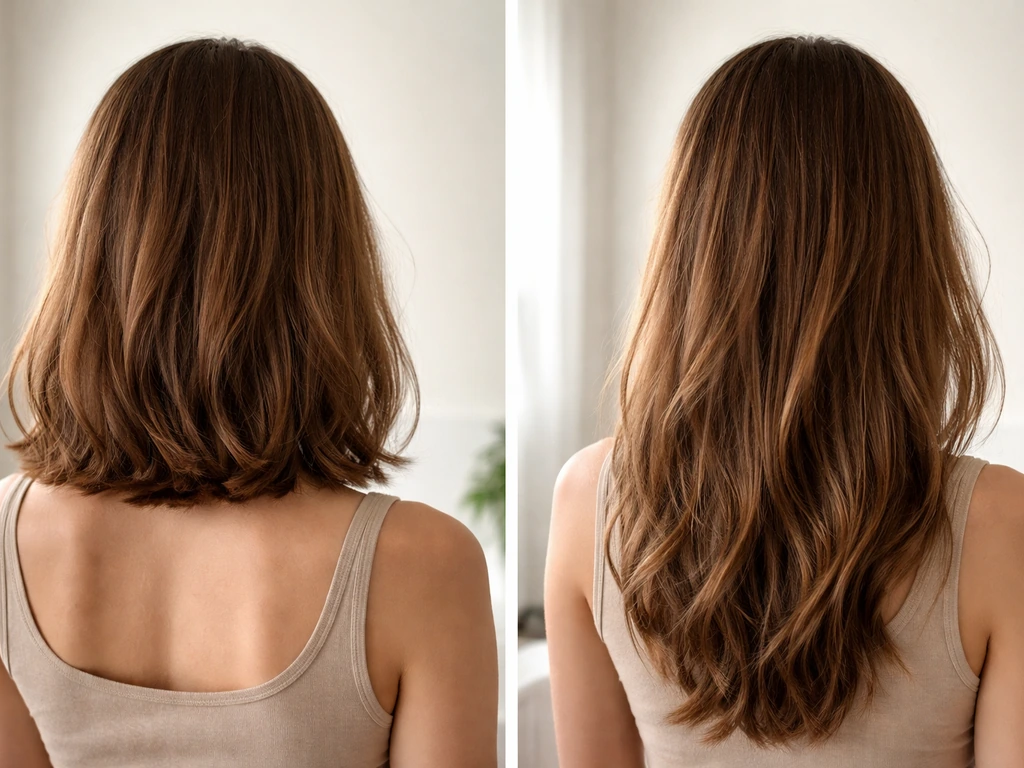
Hair grows roughly half an inch (about 1.25 cm) per month on average, though individual rates vary. That works out to around 6 inches per year. Your genetics set the upper limits: the length of your anagen phase, your follicle density, and your hair's diameter. But several factors influence how close you get to those limits.
Age plays a real role. Anagen phases tend to shorten as you get older, which means maximum achievable length gradually decreases and hair may appear thinner over time. Hormones are another big variable. Androgens (male hormones present in both sexes) can shrink follicles in people with a genetic predisposition, which is the mechanism behind androgenetic alopecia (pattern hair loss). Estrogen tends to prolong anagen, which is why many people notice thicker, faster-growing hair during pregnancy, and then significant shedding in the months after delivery when estrogen drops.
Different hair types also have structural differences that affect how hair behaves. Curly and coily hair types (like type 3 and type 4 hair) follow the same growth cycle but have a curved follicle shape, which means the hair shaft can be more prone to dryness and breakage. If you're working with tighter curl patterns, retaining length requires extra attention to moisture and gentle handling, since breakage can mask real growth. There's specific guidance worth exploring for <a data-article-id="B193F662-A395-434C-A57A-A637289727A0">type 3 and 3b hair</a> if that's your texture. If you are wondering how to grow 3a hair specifically, the same hair growth biology applies, but your curl pattern means you also need to focus on moisture and breakage prevention type 3 and 3b hair. If you want to tailor growth strategies to your texture, the guidance for type 3 and 3b hair is a helpful next step.
Why hair growth slows or hair loss happens
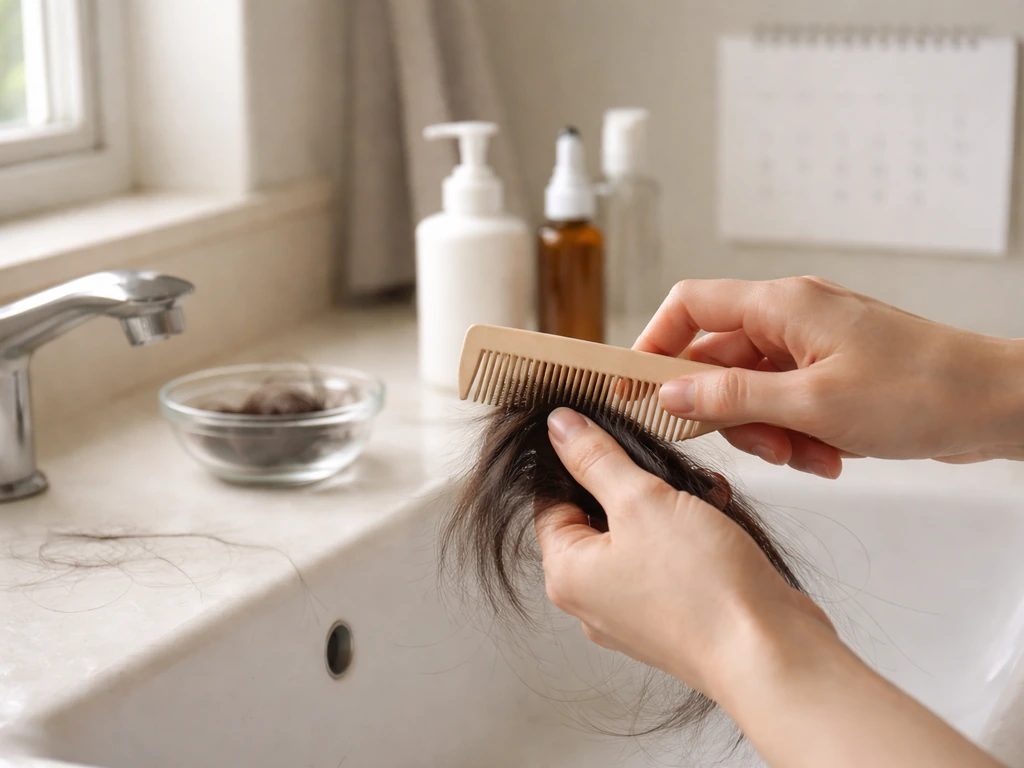
The most important thing to know here: if your hair is shedding heavily, you almost certainly won't see it start until 2 to 4 months after whatever caused it. This is because the trigger pushes follicles from anagen into telogen prematurely, and telogen hairs sit in the follicle for months before they shed. So if you got sick, went through a major surgery, started a restrictive diet, or experienced a big emotional shock, expect shedding to show up around the 3-month mark, not immediately.
This condition is called telogen effluvium, and it's one of the most common causes of diffuse hair shedding. The good news is that once the trigger is resolved, most cases resolve on their own over 3 to 6 months as follicles cycle back into anagen. The less-good news is that if the underlying cause isn't addressed (ongoing stress, nutrient deficiency, thyroid issues), it can become chronic.
Here are the most common reasons hair growth slows or shedding increases:
- Nutritional deficiencies, especially iron, ferritin, zinc, and B vitamins (particularly biotin and B12)
- Protein deficiency, since hair is made almost entirely of the protein keratin
- Physical stressors: illness, surgery, childbirth, rapid weight loss
- Psychological stress, which can push follicles into telogen
- Hormonal changes: postpartum, perimenopause, thyroid dysfunction (both hypo and hyper), and polycystic ovary syndrome (PCOS)
- Scalp conditions like seborrheic dermatitis, psoriasis, or fungal infections that disrupt the follicle environment
- Breakage from heat damage, chemical treatments, tight hairstyles, or aggressive handling (this doesn't cause true hair loss but makes hair appear thinner)
- Androgenetic alopecia (genetic pattern hair loss), which causes follicles to gradually miniaturize over time
- Certain medications, including some blood pressure drugs, retinoids, anticoagulants, and chemotherapy
If your shedding is diffuse, sudden, and started around 2 to 3 months after a stressful event, telogen effluvium is very likely. If you're noticing a receding hairline, widening part, or thinning crown that's been slowly progressing over years, pattern hair loss is more likely. Both are worth talking to a dermatologist or doctor about, especially if the shedding doesn't slow after 6 months.
How to make hair grow back: practical strategies for regrowth
Hair regrowth is possible in most cases of non-scarring hair loss, but the timeline is slow. Even after a trigger resolves, it takes several months for follicles to re-enter anagen and produce visible growth. Don't expect to see results in 4 weeks. A realistic window for noticing improvement is 3 to 6 months of consistent effort. If you're still wondering how 2 grow hair, the same basics of addressing the root cause and consistent effort over time are what drive real regrowth.
- Identify and fix the root cause first. If your hair loss is driven by iron deficiency, stress, or thyroid dysfunction, treating the cause is far more effective than any topical product. Get bloodwork done to rule out treatable underlying issues.
- Consider minoxidil if pattern hair loss is involved. It's the most evidence-backed over-the-counter topical for androgenetic alopecia. It works by prolonging the anagen phase and increasing blood flow to follicles. Results take at least 4 to 6 months of consistent use to evaluate.
- Reduce mechanical and thermal damage. Heat styling, tight braids, and rough detangling cause breakage that makes regrowth seem impossible even when follicles are actually producing hair. Give your hair gentler handling while you focus on growth.
- Stay consistent with scalp care. A healthy scalp environment supports healthy follicle function. More on this below.
- Be patient and track progress with photos. Because changes are gradual, monthly photos in the same light are one of the most useful tools for seeing whether things are actually improving.
Nutrition and supplements that support hair growth

Hair is a fast-growing tissue, which makes it sensitive to what you eat. Deficiencies show up in your hair often before other symptoms appear. But this cuts both ways: if your nutrition is already adequate, adding more of a nutrient won't supercharge your growth. Supplements help when there's a genuine gap.
What to focus on in your diet
- Protein: Hair is made of keratin, a protein. Eat enough total protein daily (most adults need around 0.8g per kg of body weight minimum; more if you're active). Good sources include eggs, fish, poultry, legumes, and dairy.
- Iron and ferritin: Low ferritin (stored iron) is one of the most common nutritional contributors to hair shedding. Lean red meat, lentils, spinach, and tofu are good sources. Pair plant-based iron with vitamin C to improve absorption.
- Zinc: Supports follicle repair and protein synthesis. Found in oysters, beef, pumpkin seeds, and chickpeas.
- Biotin (B7): Often overhyped, but genuinely important if you're deficient. Eggs, nuts, and seeds are good dietary sources.
- Vitamin D: Low levels are associated with hair loss. Fatty fish, eggs, and fortified foods help, but many people need a supplement especially in winter or with limited sun exposure.
- Omega-3 fatty acids: Found in fatty fish, flaxseed, and walnuts. Support scalp health and reduce inflammation.
Supplements worth considering
Get bloodwork before supplementing. Random supplementation wastes money and, in some cases (like with zinc or vitamin A), too much can actually worsen hair loss. That said, these are the supplements with the strongest evidence:
| Supplement | Best for | Evidence level | Notes |
|---|---|---|---|
| Iron/Ferritin | Shedding linked to low ferritin | Strong | Only supplement if bloodwork confirms deficiency |
| Vitamin D | Deficiency-related shedding | Moderate | Many people are deficient; widely safe at moderate doses |
| Zinc | Deficiency-related loss | Moderate | Too much zinc can cause hair loss; test first |
| Biotin | Confirmed biotin deficiency | Limited for healthy people | Very common in supplements; real deficiency is rare |
| Collagen peptides | General hair health | Emerging | May support keratin production; well tolerated |
| Saw palmetto | Androgenetic alopecia | Moderate | May mildly block DHT; less studied than minoxidil |
Avoid crash diets and very low-calorie eating. Rapid weight loss is one of the most reliable triggers for telogen effluvium. If you're trying to lose weight, do it gradually and maintain adequate protein intake.
Scalp care and topical routines

Your scalp is skin, and it needs the same basic care principles as the rest of your skin: kept clean, not stripped of its natural barrier, and well-circulated. Follicles are embedded in scalp tissue, so the condition of that tissue directly affects how well they function.
Washing frequency
There's no single right answer for how often to wash, but leaving too much buildup of sebum, sweat, and product on the scalp can clog follicles and contribute to inflammation. Most people do well washing 2 to 4 times per week. If you have a dry or sensitive scalp, less frequent washing with a gentle, sulfate-free shampoo works well. If you have an oily scalp or use a lot of products, washing more often (even daily with the right shampoo) is fine. Scalp conditions like seborrheic dermatitis often respond well to medicated shampoos containing zinc pyrithione, ketoconazole, or selenium sulfide.
Scalp massage
Scalp massage is one of the more evidence-supported low-cost habits for supporting hair growth. Regular massage (4 minutes daily in one study) has been shown to increase hair thickness over time, likely by stimulating blood flow to the follicles and mechanically stretching the dermal papilla cells. You don't need a special tool, though a silicone scalp massager makes it easier. Use your fingertips in small circular motions, working across the whole scalp. It's easy to build into your shampooing routine.
Topical treatments
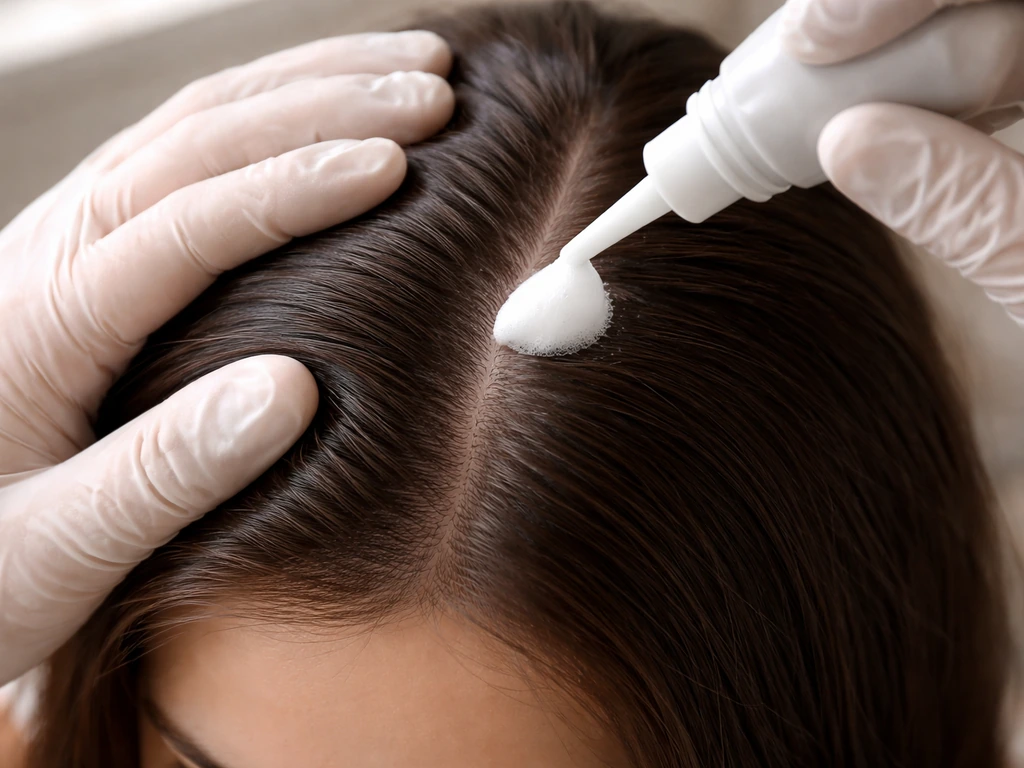
- Minoxidil (2% or 5% for women, 5% foam for men): Applied once or twice daily to the scalp. Give it at least 4 to 6 months before evaluating results. Expect some initial shedding in the first 4 to 8 weeks as resting hairs are pushed out.
- Ketoconazole shampoo: Originally an antifungal, but some research suggests it may have mild anti-androgenic effects that help with pattern thinning. Worth using if you also have scalp flaking.
- Rosemary oil: Discussed more below in natural remedies, but has the strongest botanical evidence and is now commonly recommended alongside other treatments.
- Scalp serums with peptides or caffeine: Mildly supported by emerging research; generally low-risk additions to a routine.
Home remedies and natural options: what actually helps vs. what's hype
This is the area where there's the biggest gap between popular advice and actual evidence. Some natural approaches have real data behind them. Many don't. Here's a straight breakdown.
What has real evidence
- Rosemary oil: A small but well-cited study found rosemary oil as effective as 2% minoxidil for androgenetic alopecia after 6 months, with less scalp itching. Dilute it in a carrier oil (like jojoba) at about 2 to 3% concentration and apply to the scalp a few times per week.
- Scalp massage: As mentioned above, there's actual clinical data behind this one. Simple and free.
- Pumpkin seed oil: Some trial evidence suggests it may mildly inhibit 5-alpha reductase (the enzyme that converts testosterone to DHT, which drives pattern hair loss). Most promising as a supplement rather than topical.
- Caffeine topicals: Lab and some small human studies suggest caffeine can counteract the effects of DHT on follicles when applied topically. Several commercial products use this. Low risk, modest evidence.
What's mostly hype
- Castor oil: Extremely popular, but there are no well-controlled human clinical trials showing it grows hair. It may coat the shaft and reduce breakage (helping with length retention), but that's different from stimulating growth.
- Onion juice: A handful of small, older studies showed some regrowth, but the methodology is weak and the smell is a significant deterrent. Not worth prioritizing.
- Egg masks and other protein treatments: These condition the hair shaft temporarily but don't penetrate to the follicle or meaningfully stimulate growth.
- Biotin supplements (when not deficient): Almost everyone taking biotin for hair growth doesn't have a biotin deficiency. There is no reliable evidence that supplementing biotin above baseline needs does anything for hair in a healthy person.
- Hair growth shampoos with vague 'strengthening' claims: Shampoos are rinsed off quickly and can't meaningfully deliver active ingredients to the follicle. The scalp benefits from clean, not from a long ingredient list.
When to see a doctor
If your hair loss has been going on for more than 6 months without improvement, if you're losing hair in patches, if shedding is sudden and severe, or if you have other symptoms like fatigue, weight changes, or skin issues, see a dermatologist or your primary care doctor. They can run bloodwork (ferritin, thyroid panel, vitamin D, zinc, hormones) and determine whether your hair loss is pattern-related, deficiency-driven, or something else entirely. Getting a diagnosis is far more efficient than guessing with products.
Hair growth is genuinely slow and the cycle is long. Most real changes take 3 to 6 months to become visible, and full results from any treatment take closer to a year. The most effective approach combines addressing the root cause, supporting your body with good nutrition, maintaining a clean and stimulated scalp environment, protecting your hair from mechanical damage, and being consistent. There's no shortcut, but the biology is working in your favor: every follicle has the potential to re-enter its growth phase.
FAQ
If I lose hair after stress, will I see shedding immediately?
Usually not. Shedding from telogen effluvium typically shows up about 2 to 4 months after the trigger because follicles shift into the resting phase first, then the telogen hairs release later. If you see immediate shedding after an event, consider irritation or breakage (for example, harsh styling or scalp inflammation) in addition to the growth-cycle delay.
How can I tell whether my hair loss is shedding versus breakage?
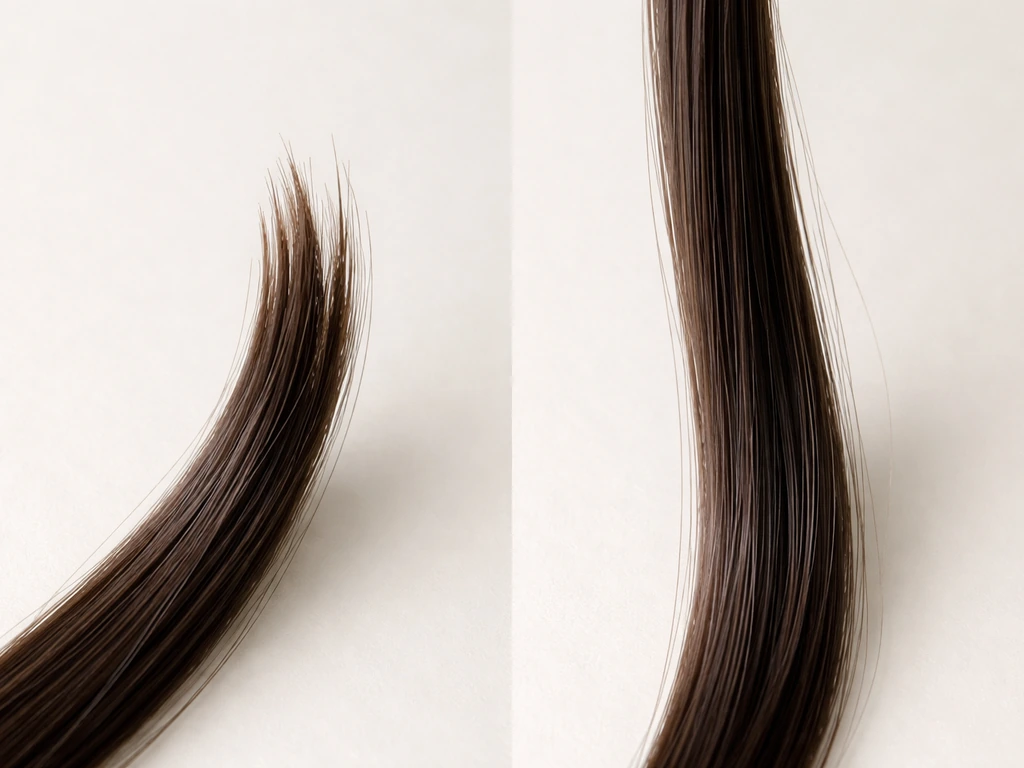
Shedding usually means you see hairs with a small bulb at one end and your part may look less dense over time. Breakage tends to produce shorter pieces, frayed ends, and rough texture without true loss from the follicle. A simple clue is checking whether “new” shorter hairs appear along the hairline and around curls where mechanical stress is highest.
Does hair grow faster if I cut it or trim it regularly?
Trims do not change the growth rate from the follicle, but they can help you retain length by removing split or weak ends before they travel up the shaft. If you are seeing lots of snapping, focus on reducing friction and moisture loss, trims are secondary, not a growth booster.
Is 50 to 100 hairs per day normal for everyone?
That range is commonly normal, but your personal baseline matters. Hair length, washing frequency, hair density, and styling habits change what you notice in the shower or brush. If your shedding stays heavy for more than about 6 months, or your scalp feels itchy, painful, or inflamed, it is worth getting evaluated.
Why did my hair get thicker during pregnancy, and what happens after delivery?
Pregnancy often increases estrogen, which can prolong the growth phase. After delivery, estrogen drops and many people experience a noticeable shedding phase a couple months later, commonly within the telogen effluvium window. Most cases improve as follicles re-enter anagen, but persistent thinning beyond 6 to 12 months should be assessed.
Can supplements make my hair grow if I eat pretty well?
Supplements help mainly when there is a real deficiency, extra intake will not reliably “supercharge” growth. Because overdosing can cause problems (for example, high vitamin A or zinc), the safest next step is targeted bloodwork before supplementing, especially if shedding is diffuse.
What bloodwork should I ask about for hair loss?
Common starting points include ferritin (iron stores), thyroid tests, vitamin D, zinc, and sometimes hormone-related labs depending on sex and symptoms. If results suggest anemia, thyroid dysfunction, or mineral deficiency, correcting the underlying issue is usually more effective than trying multiple topical or oral products without a diagnosis.
How often should I wash my scalp to support growth?
A practical range is 2 to 4 times per week for many people, but the right frequency depends on oil production and product buildup. If you use heavy styling products or you have an oily scalp, washing more often can reduce scalp inflammation. If your scalp is dry or sensitive, less frequent washing with a gentle, sulfate-free shampoo can be better than stripping.
Can scalp massage really help, and what is the right way to do it?
Scalp massage may support thickness by improving local circulation and reducing stiffness, it is not a standalone cure. Aim for consistent, gentle fingertip massage about a few minutes daily, covering the whole scalp, and avoid aggressive rubbing if you have irritation, eczema, or tenderness.
Are there signs that I should see a dermatologist sooner rather than waiting 3 to 6 months?
Yes. Seek evaluation if hair loss is patchy, very sudden and severe, associated with scalp pain or scaling that does not improve, or accompanied by systemic symptoms like unexplained weight change, fatigue, or new skin findings. Also get help if you suspect scarring conditions, which require prompt treatment.
Does pattern hair loss respond the same way as telogen effluvium?
Not exactly. Telogen effluvium often improves after the trigger is resolved because follicles cycle back into growth. Pattern hair loss is driven by genetic sensitivity of follicles to hormones and usually requires a different, longer-term plan, so diagnosis matters for choosing the right approach.
Will protecting my curls from breakage help me see growth sooner?
Yes. For curly and coily hair, follicles may be producing new length, but tight curls and dryness can mask it through breakage. Reducing friction, improving moisture retention, and handling hair gently can make the new growth easier to keep and measure, even though the follicle growth rate stays the same.
Step-by-step plan for faster healthier hair growth, explain growth cycle, breakage vs shedding, treatments, nutrition, t
Step-by-step grow hair long tips: boost scalp health, cut breakage, improve diet, and track progress for length.
Actionable tips to grow long hair naturally: care routine, scalp habits, nutrition and breakage prevention for healthy l