
Growing 3B hair longer comes down to one thing more than anything else: keeping the hair you already grow on your head. Your follicles are almost certainly producing new hair at a normal rate of roughly half an inch per month. The problem is that tight curl geometry makes 3B and 3C strands structurally vulnerable to breakage, so that new growth snaps off before you ever see it in the mirror. Fix the breakage problem, and the length starts to show up on its own.
How to Grow 3B Hair: Length Retention Steps for 3B/3C

Marcus Holloway
22 Jun 2026
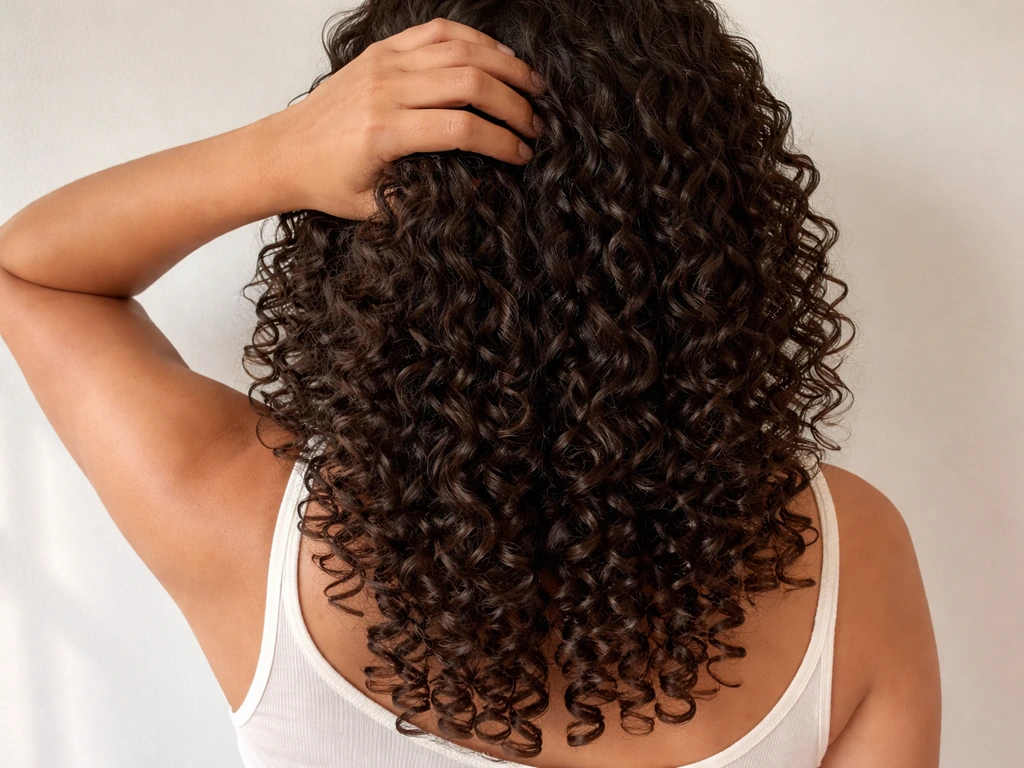
Why 3B/3C hair breaks instead of grows (it's not actually slow growth)
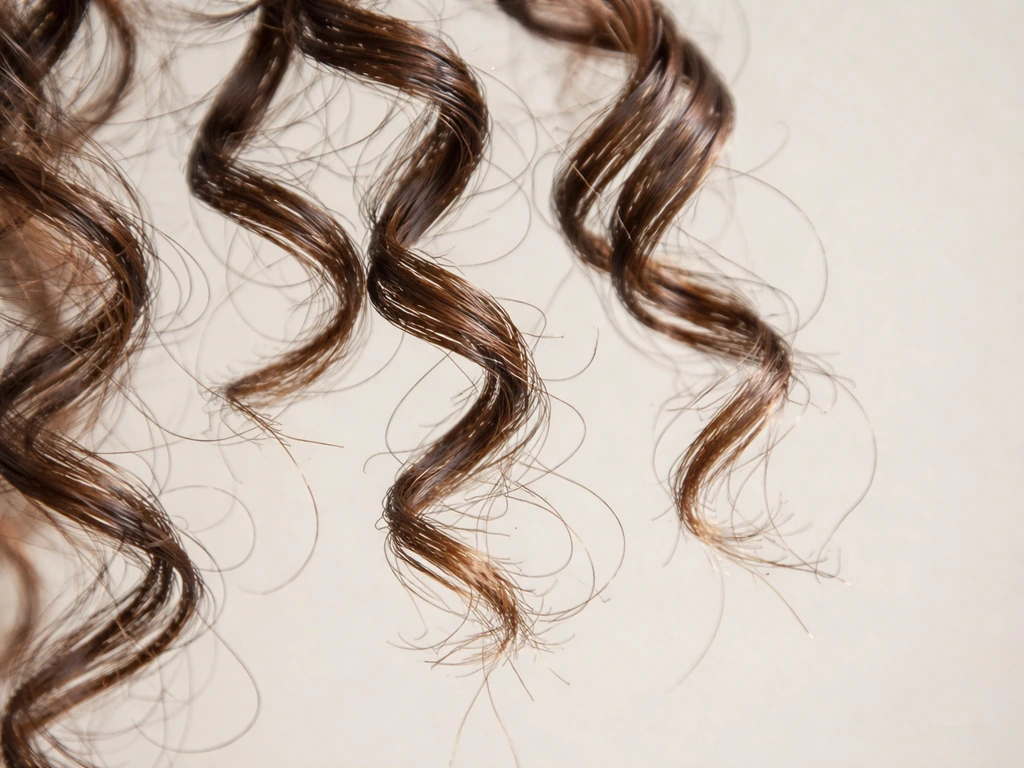
A 2015 study in the British Journal of Dermatology confirmed what most people with curly hair already sense: breakage in curly hair is driven by mechanical and structural factors unique to the hair type itself. The tight helical shape of a 3B or 3C curl creates multiple points where the strand bends sharply, and those bends are where mechanical stress concentrates. Every time you detangle, style, or even sleep on your hair, those high-curvature points take the hit. Research on the biomechanics of splitting hairs shows that tangles further amplify that stress, which is why a single bad detangling session can set your length retention back weeks.
Before you can fix the breakage, you need to know whether you're dealing with breakage or shedding, because the solutions are completely different. Shed hairs have a white bulb at the root and are the full length of your hair. Broken hairs are short fragments without a bulb. If you're finding lots of short pieces on your shirt or in the sink, that's breakage, and your routine is the culprit. If you're finding full-length hairs in large numbers suddenly, that could be telogen effluvium, a condition where a physical or emotional stressor triggers a wave of shedding about 2 to 3 months after the trigger. The American Academy of Dermatology notes that a dermatologist can definitively distinguish between the two, which matters because telogen effluvium is usually self-limiting and resolves within 3 to 6 months, while persistent or scarring loss needs early professional intervention.
Audit your routine right now: wash, detangle, moisture, and seal
The fastest wins for length retention always come from fixing your core routine. Go through each step below and honestly assess where yours is breaking down.
Washing
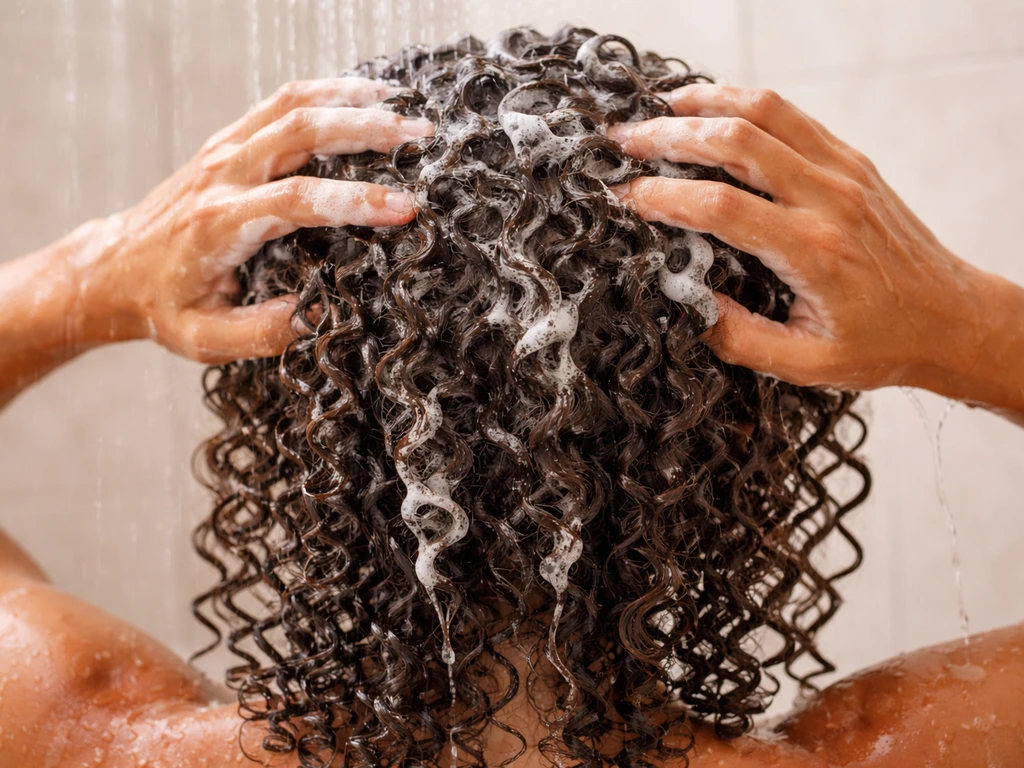
Washing too frequently strips the natural oils that give 3B/3C curls any slip and flexibility. Most people with this curl type do well washing once a week or every 10 days, using a sulfate-free shampoo on the scalp rather than the lengths. Co-washing (using conditioner only) between wash days can refresh curls without stripping. The goal on wash day is a clean scalp, not squeaky-clean strands.
Detangling
This is where most 3B hair growth efforts fail silently. If you want real steps to grow hair, focus on detangling with conditioner and handling your curls gently to reduce breakage 3B hair growth efforts. A PubMed-indexed study found that conditioner significantly decreases breakage during combing, and the AAD specifically recommends detangling textured hair when it's wet and coated with conditioner, not dry. Always start from the ends and work your way up in sections. A wide-tooth comb or your fingers work better than a brush on dry or damp hair. Detangle with conditioner or a detangling product in, never without slip.
Moisturizing and sealing
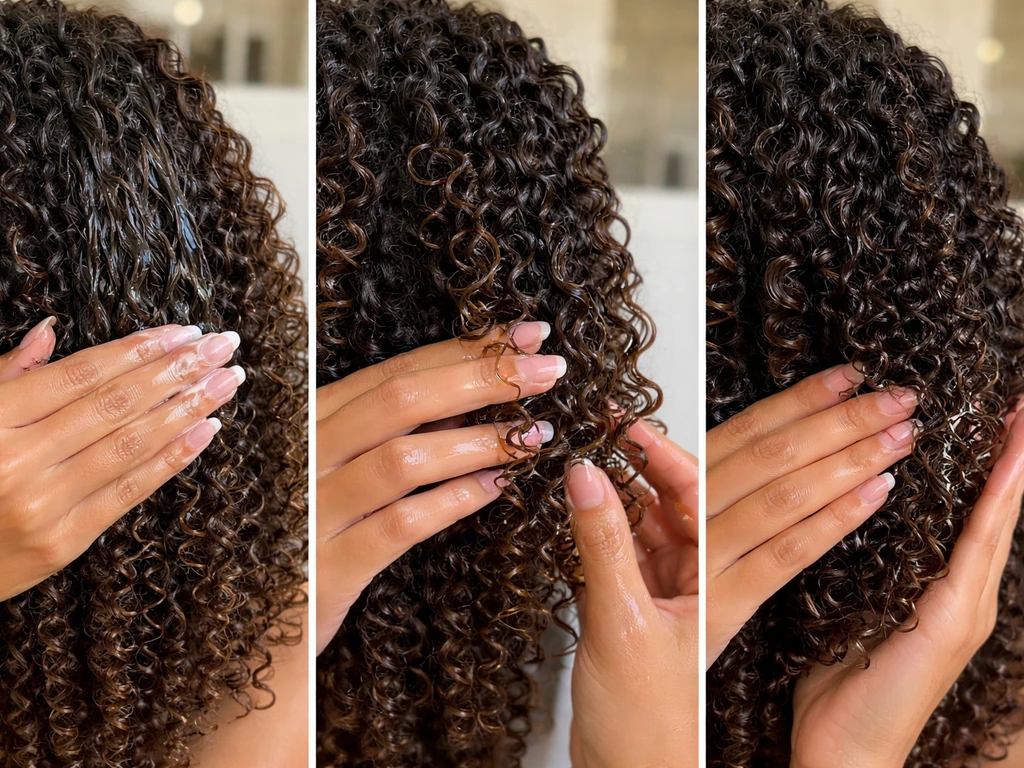
3B and 3C curls are naturally drier than straighter hair types because the natural sebum from your scalp has a harder time traveling down a tightly coiled strand. The LOC or LCO method (liquid or water-based product, oil, and cream, applied in that order) works well for most people with this curl type. The water-based step hydrates the strand, the cream provides moisture and definition, and the oil seals everything in. If you want more specific guidance, see our full guide on how to grow 3A hair. On refresh days between washes, a light mist of water plus a leave-in conditioner can bring curls back without buildup.
Styling for length retention
Styling choices either protect your length or eat it. Avoid styles that require daily manipulation, since every time you touch, comb, or re-style, you risk breakage at those high-curvature bend points. Twist-outs, braid-outs, and wash-and-go styles that you set once and refresh gently are generally safer for 3B hair than styles that need daily combing. Avoid anything with tight rubber bands or metal clasps directly on the hair shaft.
Building a healthy scalp for steady growth
Your scalp is where growth actually happens, so if it's inflamed, clogged, or chronically dry, the hair coming out of it will be weaker from the start. If you want to know how do we grow hair more reliably, start by keeping your scalp healthy before you invest in more products steady hair growth. Scalp buildup from heavy products is common with 3B/3C hair because many of the creams and butters that work great for moisture don't rinse out easily. Use a clarifying shampoo once or twice a month to remove buildup, and massage your scalp gently while shampooing to stimulate blood flow to the follicles.
Scalp conditions like seborrheic dermatitis (the clinical name for dandruff that involves Malassezia yeast) are more common in textured hair and can quietly inflame follicles over time. Cleveland Clinic describes seborrheic dermatitis as associated with dry or greasy scalp scaling, commonly called dandruff, and notes Malassezia yeast as a key cause. Cleveland Clinic identifies Malassezia as a key driver of seborrheic dermatitis, and Mayo Clinic notes that 2% ketoconazole or 1% ciclopirox shampoos are effective treatments. If you're seeing flaking, itching, or scaling, treat it rather than masking it with heavy oils. Research published on seborrheic dermatitis in skin of color specifically notes that modified treatment approaches may be needed given differences in hair texture and washing frequency, which is a good reason to work with a dermatologist rather than guessing.
For scalp massage, a few minutes of firm but gentle fingertip massage a few times a week improves circulation and feels good. You don't need an oil for this to be effective, though a lightweight oil like jojoba or grapeseed won't add unnecessary buildup the way heavier butters can.
What you eat and drink matters more than most products
Hair is made of protein, and it grows from follicles that are among the fastest-dividing cells in the body. That means they're sensitive to nutritional shortfalls. A PMC review on vitamins, minerals, and hair loss found that deficiencies in vitamin D, iron/ferritin, and zinc are consistently implicated in hair loss and reduced hair quality. A systematic review on micronutrients and androgenetic alopecia confirmed these associations, though it also made clear that supplementing without an actual deficiency shows limited benefit. The bottom line: get tested before you load up on supplements.
The nutrients worth paying attention to
- Iron and ferritin: Low ferritin (stored iron) is one of the most common and most overlooked causes of excess shedding in women. Ask for a ferritin level, not just a standard hemoglobin check.
- Vitamin D: Many people are deficient, especially in winter or with limited sun exposure. A simple blood test tells you where you stand.
- Zinc: Involved in hair tissue growth and repair. Low zinc is associated with hair loss, but excess zinc can actually cause it, so don't over-supplement.
- Protein: Hair is keratin, a protein. Aim for adequate total protein from whole food sources: eggs, legumes, meat, fish, dairy, or tofu.
- Biotin: The NIH states that evidence for biotin supplementation improving hair growth is limited to cases of genuine deficiency, which is rare. Most people don't need a biotin supplement.
- Selenium: The NIH warns that excess selenium intake can cause hair brittleness and even hair loss. Avoid high-dose selenium supplements unless prescribed.
- Water: Hydration affects hair flexibility. Chronically dehydrated strands are more brittle and prone to snapping at those curl bends.
If your diet is balanced and your labs are normal, you're unlikely to see dramatic hair changes from adding supplements. But if you've been eating poorly, restricting calories significantly, or going through sustained stress, those are real inputs your follicles feel, and fixing them matters.
Heat, protective styling, and trimming: the length-retention trifecta
Managing heat
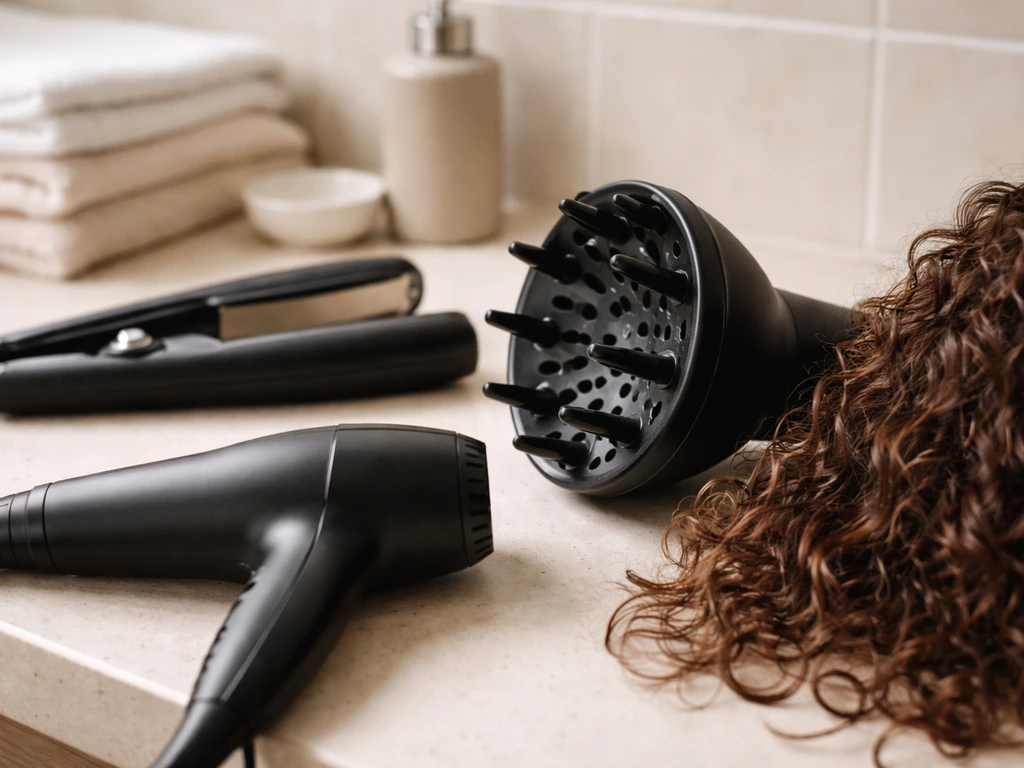
The AAD is clear that excessive heat damages hair, and a PMC study on hair shaft damage from heat found that repeated thermal exposure affects hair's moisture balance and structural integrity. For 3B hair, this matters especially because heat-damaged curls lose their elasticity and become brittle, which makes them snap far more easily at the curl bends. If you use heat at all, use a heat protectant, keep temperatures below 350°F (175°C) for this curl type, and stretch the time between heat sessions to once a month or less. Air drying or diffusing on low heat is significantly safer.
Protective styling
Protective styles (braids, twists, buns, and similar styles where the ends are tucked away) reduce daily manipulation and environmental stress on your ends. They work really well for length retention, but they come with a catch: styles that pull too tightly at the hairline or are left in too long can cause traction alopecia. StatPearls describes early traction alopecia signs as folliculitis, reduced density, and broken hairs along the hairline, and notes that catching it early and discontinuing the tight style may allow regrowth. A PMC study on nocturnal traction also found that even sleeping habits (like tight buns or ponytails) contribute to ongoing tension. Keep styles tension-free, moisturize your hair inside protective styles every 1 to 2 weeks, and take protective styles down before 6 to 8 weeks.
Trimming strategy
Trimming does not make your hair grow faster, but it does prevent split ends from traveling up the hair shaft and causing further damage. If your goal is to know how to grow type 3 hair, start by minimizing breakage and focusing on protective styling, moisture, and a scalp-friendly routine. For 3B hair, a small trim (sometimes called dusting, where only the very tips are cut) every 3 to 4 months is usually enough to keep ends healthy without sacrificing noticeable length. If your ends are visibly thin, stringy, or split, that's your cue to trim more aggressively once and then maintain. Skipping trims to preserve length often backfires because the damaged ends break off higher up the shaft anyway.
Troubleshooting the most common 3B/3C problems
| Problem | Most Likely Cause | What to Try First |
|---|---|---|
| Chronic dryness and frizz | Moisture loss through the curl bends; low-porosity strands repelling water | Switch to a water-based leave-in, try the LOC/LCO method, use a microfiber towel or cotton t-shirt to dry |
| Single-strand knots (fairy knots) | Shed hairs curling back and knotting around the live strand | Detangle more frequently, keep ends moisturized, protective styles reduce the tangling environment |
| Breakage at the ends | Over-manipulation, dryness, heat damage, or split ends traveling up | Trim the damage, deep condition weekly, reduce heat and daily styling |
| Breakage at the crown or edges | Tight styling, friction from cotton pillowcases, tension from accessories | Satin or silk pillowcase, looser styles, satin-lined hats/scarves |
| Uneven curl pattern | Heat damage to part of the hair, product buildup, or new growth with different texture | Clarify to remove buildup, assess heat damage history, allow time for new growth |
| Scalp buildup or itching | Heavy product accumulation, seborrheic dermatitis, or infrequent clarifying | Clarify monthly, assess for dandruff, consider medicated shampoo if scaling persists |
| Sudden heavy shedding | Telogen effluvium triggered by stress, illness, diet changes, or hormonal shift | Identify and address the trigger, allow 3 to 6 months for recovery, see a dermatologist if prolonged |
The single-strand knot problem is one that genuinely frustrates people growing out 3B and 3C curls. If your goal is to get 3B hair to grow, focus on reducing breakage while supporting a healthy scalp and nutrition so you keep more length over time how to get 3b hair to grow. These tiny knots form where a shed hair wraps around a live strand and tightens as the curl coils. You can minimize them but rarely eliminate them completely. Keeping ends coated in moisture and in protective styles significantly reduces how many form. When you detangle and feel a knot, gently try to slide it off the end of the strand before cutting. Sometimes it works; often it doesn't, and a tiny snip is better than tearing.
How to track progress and when to call in a professional
Curl shrinkage means stretched length measurements give you a more accurate picture of growth than looking at your hair in its natural state. On wash day, before adding product, gently stretch a section near the nape of your neck and mark the length against a door frame or with a piece of tape on a mirror. Take a photo. Do this every 4 to 6 weeks. You're looking for roughly half an inch of new growth per month, though this varies by individual. If you see that growth but your overall length isn't increasing, your ends are breaking off at the same rate, which confirms a breakage problem rather than a slow-growth problem. If you want the full plan for how 2 grow hair with 3B and 3C curls, focus on breakage prevention, scalp health, nutrition, and a consistent routine.
Also pay attention to thickness and overall density, not just length. If your ponytail circumference is shrinking, or your part looks wider than it used to, those are signs of a different kind of loss. Harvard Health suggests counting shed hairs (losing more than 100 hairs a day consistently is worth noting) and tracking changes over 1 to 2 week intervals. Losing 50 to 100 hairs a day is within the normal range.
Signs it's time to see a dermatologist or trichologist
- Your hairline is receding or thinning, especially at the temples or nape, even after releasing tight styles
- You're finding patches of hair loss or smooth bald spots rather than diffuse shedding
- Heavy shedding has continued for more than 6 months without a clear trigger or improvement
- You have persistent scalp itching, pain, redness, or visible folliculitis that doesn't resolve with over-the-counter dandruff shampoo
- Your hair texture has changed significantly and permanently without any obvious cause like heat or chemical processing
- You've corrected your routine, nutrition, and lifestyle for 6 or more months and see no improvement in breakage or length retention
A dermatologist can run a full panel including ferritin, vitamin D, zinc, thyroid function, and hormonal markers to rule out systemic causes. A trichologist specializes specifically in hair and scalp conditions and can perform a scalp analysis. Getting professional eyes on the situation early, before potential scarring or permanent follicle damage, is always worth it if you're unsure.
Your starter plan: a simple checklist to begin this week
- Switch to a sulfate-free shampoo and use it on your scalp only, once a week or every 10 days.
- Detangle only on wet, conditioner-coated hair using a wide-tooth comb, starting from the ends.
- Apply moisture using the LOC or LCO method after every wash and gently refresh mid-week with water and leave-in.
- Replace your cotton pillowcase with satin or silk, or start sleeping in a satin bonnet.
- Reduce heat styling to once a month or less, and always use a heat protectant.
- Take a baseline length photo and measurement on your next wash day.
- Schedule a blood test for ferritin, vitamin D, and zinc if you haven't had one recently.
- Clarify your scalp once this month to start fresh.
- Choose one low-manipulation protective style to wear for the next few weeks.
- Trim any visibly split or thin ends before starting the routine so you're working with healthy hair from the beginning.
Give this approach at least 3 months before judging results. Hair growth is genuinely slow, and the improvements in breakage that drive length retention happen gradually. Hair growth follows a slow but steady cycle, and what you do to reduce breakage and shedding determines how much of that growth you actually keep how do hair grow. You'll likely notice better curl definition, less frizz, and softer texture before you notice length, and those changes are a sign the plan is working. Stick with it, track honestly, and adjust based on what your own hair is telling you rather than chasing every new product or trend.
FAQ
How do I tell if my 3B hair isn’t growing or if I’m just breaking it off?
Use a growth baseline method: gently stretch a small section near the nape before product on wash day, mark the length, and repeat every 4 to 6 weeks. If you see new growth at the root but your overall length does not increase, breakage is the main issue. If neither the baseline nor overall length changes, reassess shedding, scalp inflammation, and nutrition.
What’s the best detangling approach for 3B hair to avoid setbacks?
Detangle only when hair is fully coated with slip (usually conditioner or detangling product), work in sections, start at the ends, and use fingers or a wide-tooth comb. If you feel resistance, stop and add more product or water-based conditioner rather than forcing through, because forcing increases single-strand knots and snapping at tight curl bends.
How often should I wash 3B hair if I’m trying to maximize length retention?
A common starting point is once a week or every 10 days, using sulfate-free shampoo on the scalp and letting conditioner handle the lengths. If your scalp is dry or product buildup is high, you may need minor adjustments (for example, co-wash refreshes between washes, and occasional clarifying). The key is clean scalp without stripping your curl pattern.
Should I use heat at all for 3B hair growth?
If you can, avoid regular heat. If you do use it, plan for fewer sessions and lower risk: use heat protectant, keep temps under 350°F (175°C), and limit frequency to about once a month or less. Also, stop heat styling when hair feels less elastic, because brittle curls break more easily at curl bends.
What’s the safest way to clarify without ruining my curl pattern?
Clarify once or twice a month to remove heavy buildup that can prevent scalp health. After clarifying, follow with a deep conditioner or moisturizing routine (for example, water-based leave-in plus cream and light oil) to restore slip and reduce detangling stress. If your scalp gets tight or itchy after clarifying, reduce frequency or switch to a gentler clarifier.
Is LOC or LCO better for 3B hair?
Either can work, but most people with 3B/3C see good results with LOC, because water-based hydration first improves curl response, cream supports moisture and definition, and oil helps seal. If you notice buildup or your hair feels coated too quickly, try LCO with a lighter oil step or reduce how much product you use on refresh days.
How do I refresh 3B curls without causing breakage?
Between washes, use a light mist of water plus a leave-in conditioner to recoat curls without aggressive manipulation. Avoid dry combing on refreshed curls, and do not “re-style” daily. If you must detangle, only do it when fully coated with slip and in small sections.
What protective style duration is safe to prevent traction?
Avoid overly tight styles at the hairline and keep most protective styles on for about 6 to 8 weeks or less. If you feel constant tension, see thinning near the edges, or notice more breakage around the perimeter, take the style down sooner. Moisturize inside the style every 1 to 2 weeks to reduce dryness-related snapping.
How often should I trim 3B hair for length retention?
Trims do not speed growth, they prevent split ends from traveling upward. A typical plan is dusting (only very tips) every 3 to 4 months. If your ends look thin, stringy, or visibly split, do a more decisive trim once, then return to dusting.
How do I handle single-strand knots without tearing my hair?
When you detect a knot, try to slide it off toward the end gently before deciding to cut. If it will not move, a tiny snip is usually safer than pulling, because forced removal increases breakage and can start new tangles. Keeping ends moisturized and using protective styling reduces how many knots you encounter.
What if my hair sheds a lot after stress, illness, or a major life event?
Sudden heavy shedding 2 to 3 months after a stressor can fit telogen effluvium. This often resolves in 3 to 6 months, but you should still consider a dermatologist visit if shedding persists beyond that window, is accompanied by scalp symptoms, or you notice patchy or scarring-style loss.
How can I tell if my hair loss is normal shedding versus a problem?
Tracking helps. Losing around 50 to 100 hairs per day can be within normal range. If you consistently shed more than 100 hairs per day for 1 to 2 weeks, notice widening parts, reduced ponytail circumference, or scalp redness and itching, get evaluated rather than continuing the same routine.
Should I take supplements to grow 3B hair longer?
Supplements help mainly when there is an actual deficiency. If your diet is adequate and labs are normal, adding vitamins often changes little. If you suspect deficiencies or have symptoms, ask a clinician for tests (commonly including ferritin, vitamin D, and zinc) before supplementing to avoid unnecessary dosing.
When should I see a dermatologist or trichologist for 3B hair growth issues?
If you have persistent itching, scaling, significant or worsening shedding, signs of traction at the hairline, or you cannot tell whether it’s breakage versus systemic loss, professional assessment is worth it. Dermatologists can distinguish shedding types and may run labs, while a trichologist can offer scalp-focused analysis.
Next Articles
Steps to Grow Hair: A Daily Plan for Longer Hair
Actionable daily and weekly steps to grow long hair, reduce breakage, boost scalp health, and when to seek medical help.
How Do We Grow Hair: A Practical Guide to Thicker Growth
Learn how hair grows and how to grow it back with scalp care, nutrition, safe topicals, timelines, and when to see a doc
How Do Hair Grow: Cycle, Regrowth, and Growth Tips
Learn hair growth cycle, regrowth after shedding, and practical steps to boost thickness, health, and timeline expectati