
Growing hair easily comes down to three things working together: a healthy scalp, enough nutritional raw material, and protecting the hair you already have from breaking. Most people skip one of those and wonder why nothing changes. The good news is that the highest-impact steps are straightforward and cheap, and you can genuinely start today.
How to Grow Hair Easily: Simple Steps for Growth

Marcus Holloway
30 May 2026
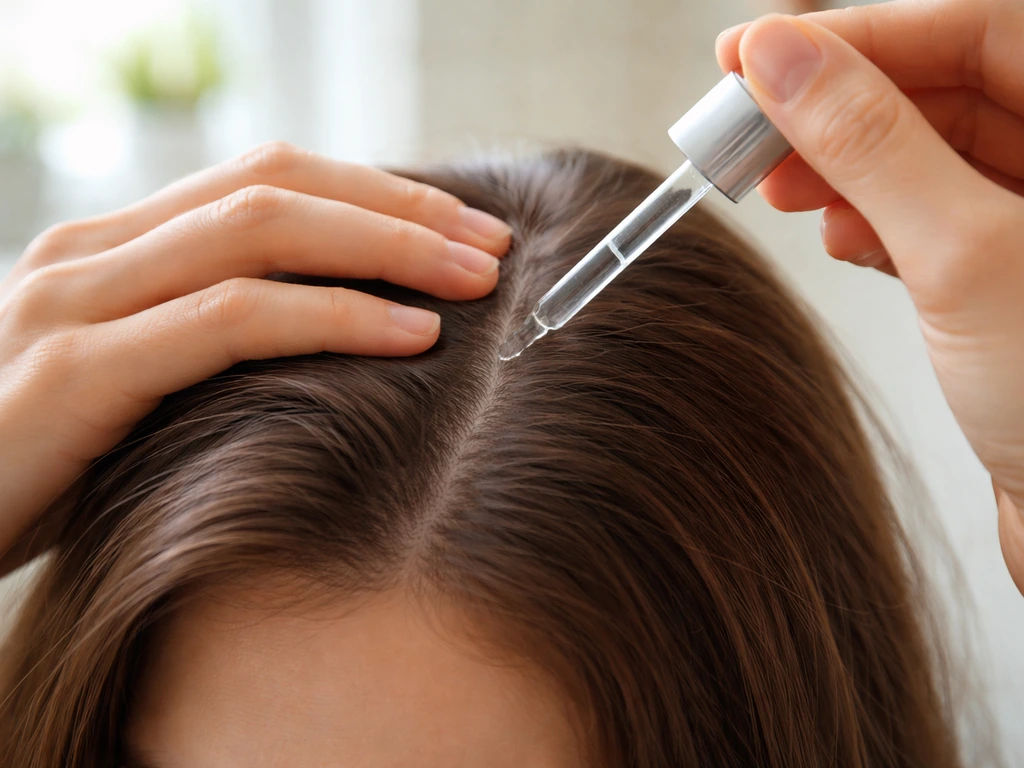
What 'easy hair growth' really means
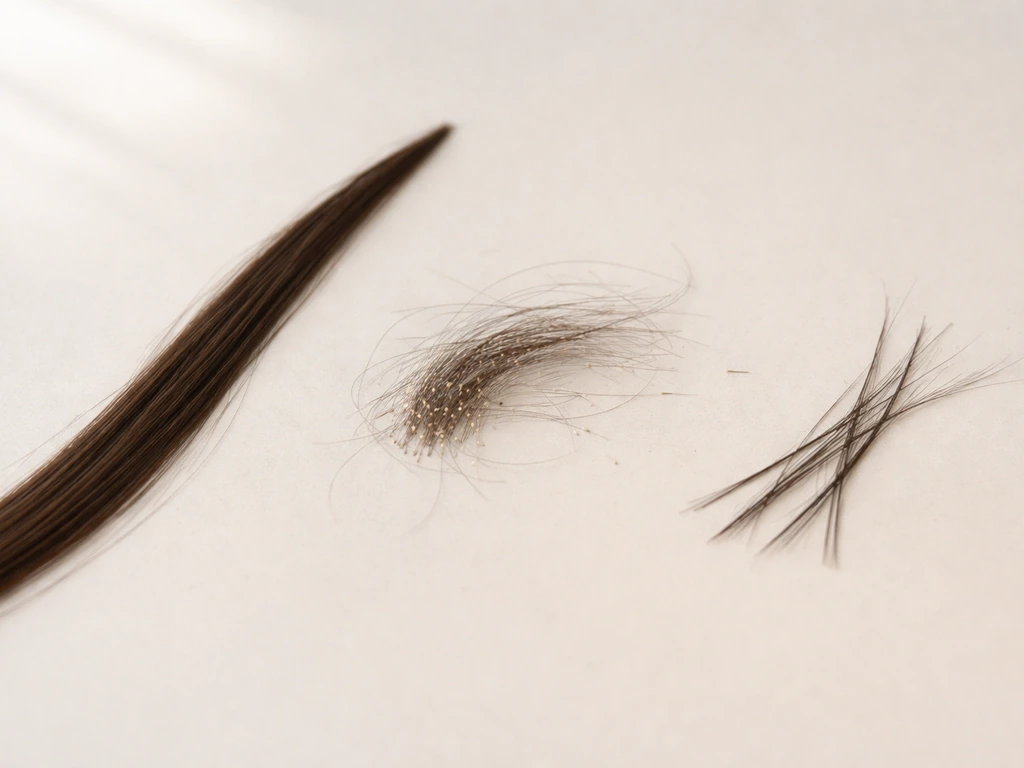
Before you change anything, it helps to understand what you're actually dealing with. Hair growth, shedding, and breakage are three different problems with three different fixes, and mixing them up is the most common reason people feel stuck.
Your hair grows about half an inch per month on average, which works out to roughly 6 inches a year. That rate is largely set by genetics, but it can be slowed by nutritional deficiencies, scalp inflammation, hormonal shifts, and plain physical damage. So when people say they want to 'grow hair easily,' they usually mean one or more of these: they want more growth speed, they want to stop losing length to breakage, or they're worried about actual thinning or shedding. If you want to know how to grow your hair, start by sorting out whether your main issue is slow growth, shedding, breakage, or thinning.
Normal shedding is about 50 to 100 hairs a day. You might notice more on days you wash or comb, because hairs that were already detached collect until you disturb them. If you're consistently losing dramatically more than that, especially in clumps or all over the scalp, that's a different situation called telogen effluvium.
This is when a physical or emotional shock (illness, surgery, a high fever, a major stressor, or a big dietary change) pushes a large number of hairs into the shedding phase at once. Shedding in telogen effluvium can average around 300 hairs a day, and it typically shows up about 3 to 4 months after the triggering event. The important thing to know: it usually resolves on its own within 6 to 8 months once the cause is addressed.
Pattern hair loss (androgenetic alopecia) is something different again. It's a gradual, progressive thinning driven by genetics and hormones. [Men typically see recession at the hairline and thinning at the crown. ](https://www.
ncbi. nlm. nih. gov/sites/books/NBK278957/) Women tend to keep their frontal hairline but notice diffuse thinning across the top of the scalp.
This one doesn't resolve on its own, but it can be managed. Breakage, meanwhile, isn't true hair loss at all. It's damage to the hair shaft from heat, chemical treatments, or rough handling, so strands snap before they can reach their full length. If your ends look frayed and you're not gaining length despite healthy new growth, breakage is probably the culprit.
Sorting out which of these applies to you shapes everything else you do. If you want a simple, step-by-step plan for how to grow hair, start by sorting out whether you are dealing with shedding, breakage, or pattern hair loss.
Your quick-start scalp and hair care routine
The scalp is where growth actually happens, so it gets priority. Think of it like soil: compacted, inflamed, or congested soil doesn't grow much. Here's the most practical routine to start with. If you want the fastest, most reliable approach, focus on the highest-impact basics first: scalp health, reduced breakage, nutrition, and evidence-based options when needed best ways to grow hair.
Wash and cleanse correctly
Washing frequency depends on your scalp type, but most people do well washing every 2 to 4 days. If you have an oily or flaky scalp, washing more often is fine and actually helpful. Product buildup and sebum can clog follicles and contribute to irritation, so don't be afraid to shampoo. Use a gentle, sulfate-free shampoo if your scalp tends to be dry or sensitive, and apply it to the scalp itself rather than working it through the lengths. Let the rinse do the work on the ends.
Scalp massage: simple and actually evidence-supported
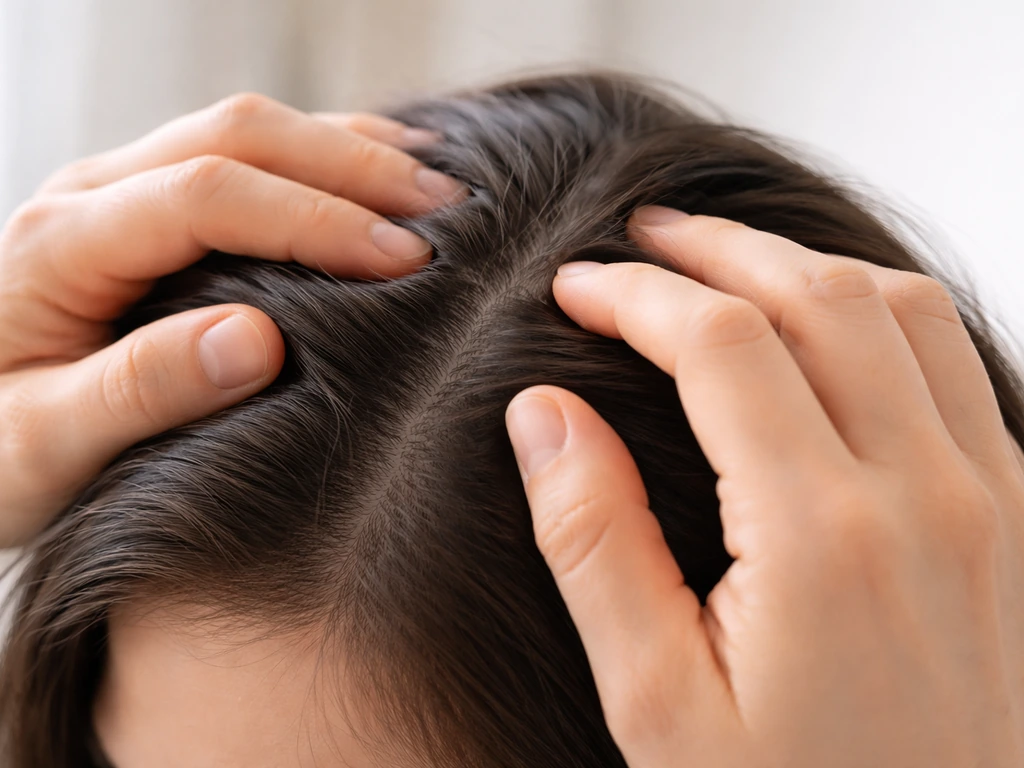
Scalp massage is one of the easiest things you can add today. Use your fingertips (not nails) to apply gentle circular pressure across the scalp for 4 to 5 minutes, either during washing or on dry hair. It increases blood flow to the follicles and may help stretch follicle cells in ways that support thicker hair. Do it daily if you can. You don't need a special tool, though a rubber scalp massager works fine if you prefer one.
Reduce mechanical damage
A lot of 'hard to grow' hair is actually hair that's growing fine but breaking before it gets long. If you feel like your hair is hard to grow, this is often a combination of slow growth and breakage, so focusing on reducing mechanical damage can help you retain more length. Use a wide-tooth comb on wet hair, always detangle from the ends upward, sleep on a satin or silk pillowcase to reduce friction, and keep heat styling to a minimum. If you use heat, always apply a protectant first. These aren't glamorous tips, but they genuinely make a big difference in retained length over months.
What to eat to support hair growth

Hair is made of protein, and it's one of the body's lower-priority tissues when nutrients are scarce. That means if your diet is lacking, your hair is often one of the first things to suffer. The most impactful nutritional moves are fixing actual deficiencies and making sure you're eating enough overall.
Protein first
Aim for at least 50 to 70 grams of protein a day, and more if you're active. Eggs, chicken, fish, Greek yogurt, legumes, and tofu are all good sources. If you've significantly cut calories or gone through a period of undereating, that alone can trigger telogen effluvium, and restoring adequate intake is the fix.
Nutrients that commonly run low
These are the deficiencies most often linked to increased shedding and slowed growth. If you suspect any of them, a blood test can confirm it before you start supplementing.
| Nutrient | Good Food Sources | Why It Matters for Hair |
|---|---|---|
| Iron | Red meat, lentils, spinach, fortified cereals | Carries oxygen to follicles; low ferritin is one of the most common causes of diffuse shedding in women |
| Zinc | Oysters, beef, pumpkin seeds, chickpeas | Supports follicle repair and the oil glands around the follicle |
| Vitamin D | Fatty fish, egg yolks, fortified dairy, sunlight | Involved in the hair cycle; deficiency is extremely common and linked to alopecia |
| Omega-3 fatty acids | Salmon, sardines, flaxseed, walnuts | Reduces scalp inflammation; supports sebum production and hair density |
| Biotin (B7) | Eggs, liver, nuts, sweet potato | Required for keratin synthesis; deficiency is rare but does cause hair loss when present |
Iron and vitamin D are worth flagging in particular. Low ferritin (stored iron) is one of the most underdiagnosed causes of hair shedding, especially in women with heavy periods or plant-heavy diets. Vitamin D deficiency is extremely common globally, and research links it to several types of alopecia. Getting these tested before supplementing is the smart move.
Supplements and topical options worth knowing about
Supplements: only what's useful
If you're eating a balanced diet and aren't deficient in anything, most hair supplements will do very little for you. The supplement industry is full of over-promising products, so here's a practical take. If bloodwork shows a deficiency, fix it with a targeted supplement. If everything is normal, focus on diet rather than adding more pills. The exceptions where supplementing makes sense without confirmed deficiency are vitamin D (because most people are low and it's generally safe to supplement) and omega-3s if you eat little to no fish.
Biotin is worth a specific note: it's heavily marketed for hair growth, but biotin deficiency is genuinely rare. If you're not deficient, taking extra biotin is unlikely to speed up growth. It can also interfere with thyroid and other lab tests, so mention it to your doctor if you're getting bloodwork done.
Topical minoxidil: the clearest evidence
If you're dealing with pattern hair loss rather than a temporary shed or breakage, topical minoxidil is the most evidence-backed over-the-counter option available. The standard dosing is about 1 mL applied twice daily: 2% solution for women, and either 2% or 5% for men. It works by extending the growth phase of the hair cycle and is applied directly to the scalp. It does require consistent use, and you'll typically need to wait 2 to 4 months before you notice a visible difference, sometimes longer for full effect. It's not a cure for pattern loss, but it genuinely helps maintain and sometimes regrow hair when used consistently.
Skip or approach with caution
- Collagen supplements: promising in theory but limited direct evidence for hair growth specifically
- Most 'hair growth gummies': often underdosed and overpriced relative to whole food alternatives
- Aggressive DIY scalp treatments with undiluted essential oils: can cause contact dermatitis and worsen scalp inflammation
- Keratin treatments used too frequently: can cause long-term weakening and breakage with repeated use
Natural remedies and at-home scalp habits that genuinely help
There are some natural approaches with decent support, and others that are popular but not particularly useful. Here's what's worth your time.
Rosemary oil
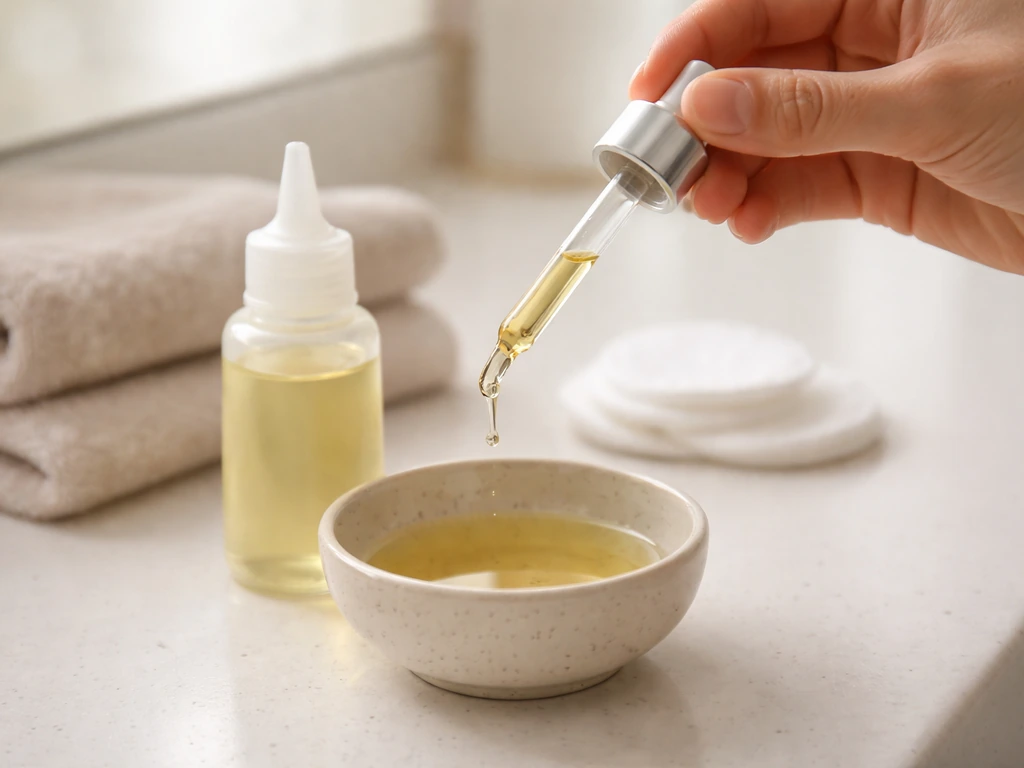
Rosemary oil has shown real promise in small studies, with one often-cited trial finding it comparable to 2% minoxidil for hair count after 6 months. Mix 2 to 3 drops of rosemary essential oil with a tablespoon of carrier oil (jojoba or coconut work well), massage it into the scalp, leave for at least 30 minutes or overnight, then wash out. Do this 2 to 3 times a week. It's low risk and affordable, making it a reasonable addition to your routine.
Keeping the scalp clean and inflammation-free
Dandruff and seborrheic dermatitis cause scalp inflammation that can interfere with healthy follicle function. If your scalp is consistently flaky, itchy, or irritated, use a shampoo containing zinc pyrithione, ketoconazole, or selenium sulfide. Getting the scalp into a calm, healthy state removes a real barrier to growth. Don't underestimate this one.
Microneedling at home
Microneedling has been studied in combination with minoxidil for androgenetic alopecia and shows additive benefit. Home dermarollers use very short needles (around 0.1 mm) compared to clinical versions (0.5 to 1.5 mm), so the effect is milder but still worth considering if you're using minoxidil. Roll gently over the scalp once a week and apply your topical immediately after. Keep the roller clean and replace it regularly to avoid introducing bacteria to the scalp.
Stress management
Chronic stress elevates cortisol, which disrupts the hair growth cycle. This is one of the mechanisms behind telogen effluvium. It sounds obvious, but genuinely working on sleep quality, physical activity, and stress reduction has a measurable effect on hair health over time. It's not a quick fix, but it addresses a root cause rather than a symptom.
Realistic timelines and when to get professional help
What to actually expect
Hair growth is slow, and this is the hardest part for most people. A realistic breakdown looks like this: in the first 4 to 8 weeks, you're mostly creating better conditions at the scalp and in your body. You won't see visible length yet, but shedding may start to normalize if you've corrected a deficiency or stressor. If you want a step-by-step plan to speed things up safely, see how to grow hair early alongside these timelines and conditions.
By months 3 to 4, most people notice a change in shedding rate or texture. If you're using minoxidil, this is about the earliest you'd see any visible improvement. By 6 months, new growth should be measurable, and length retention improves noticeably if you've also dialed in your protective routine. Telogen effluvium typically resolves within 6 to 8 months of addressing the cause.
How to track your progress
Take a photo of your scalp (top and hairline) under consistent lighting on day one, then repeat monthly. It's much easier to spot progress or problems this way than by relying on memory. You can also do a simple pull test: grasp a small section of about 40 to 60 hairs between your fingers and gently pull. Losing more than 6 hairs consistently suggests active shedding worth investigating. Track what you're doing each week, especially any dietary changes or new products, so you can identify what's actually working.
When to see a dermatologist
Some situations genuinely need professional evaluation and shouldn't be managed at home. See a dermatologist if you notice patchy bald spots, significant recession at the hairline, shedding that hasn't improved after 6 to 8 months of addressing potential causes, scalp pain or scarring, or if you're a woman experiencing diffuse thinning with no obvious trigger. A dermatologist can order ferritin, thyroid function, vitamin D, zinc, and hormone panels that help pinpoint the cause, and they can prescribe treatments (like finasteride or spironolactone) that aren't available over the counter. Catching pattern loss early matters because it's much easier to maintain hair than to regrow it after significant miniaturization has occurred.
The bottom line is that growing hair easily is mostly about removing the obstacles: nutritional gaps, scalp inflammation, physical damage, and unmanaged shedding. Fix those, protect what you have, be patient with the timeline, and you'll see real progress. If after several consistent months things still aren't improving, that's a sign to dig deeper with a professional rather than keep guessing.
FAQ
How long should I try these steps before I expect to see results?
Use a timeline by problem type. If you mainly had breakage, you may see length retention within 4 to 8 weeks because new hair looks healthier at the ends. If you are correcting shedding from a trigger (like stress, illness, or dieting), shedding often starts normalizing around 8 to 12 weeks, and it usually takes 6 to 8 months for clear resolution. If you suspect pattern thinning, you typically need 3 to 6 months to judge whether treatments like minoxidil are helping, and longer for best results.
Is it okay to wash my hair more often if I’m trying to grow it faster?
Yes, for most people, washing 2 to 4 days apart is fine, and washing more often can be beneficial if you have oiliness or flaking. The key is product strategy, use a gentle shampoo for your scalp needs and avoid heavily moisturizing the scalp area if you clog easily. You should not scrub the scalp aggressively, instead use light finger pressure and rinse well.
What should I do if my hair sheds more after starting a new routine or supplements?
A short-term increase can happen if the change triggers scalp irritation, for example a new shampoo, essential oil, or heavy conditioner on the roots. But if shedding jumps 3 to 4 months after a specific event (diet change, fever, major stress), it can match telogen effluvium. Track trigger timing and symptoms, itch, burning, or more flaking suggests you should adjust products first.
How do I tell whether my issue is shedding, breakage, or true thinning at home?
Look at the hair ends and the pattern. Breakage usually produces shorter, uneven strands and frayed ends, with shedding hairs that lack a clear root. Shedding involves more individual hairs with an intact root. True thinning, especially pattern loss, shows less density over time (widening part, visible scalp through the top), not just shorter strands.
Should I stop brushing or detangling to prevent hair loss?
Do not stop entirely, detangling is part of preventing breakage. Instead, detangle when hair is wet and conditioned, use a wide-tooth comb, start from the ends and work upward gradually, and be gentle. If you feel resistance, add more slip with conditioner rather than forcing the comb through.
Does hair growth medicine work if I have dandruff or scalp irritation?
It works better when the scalp is calm. Inflammation from seborrheic dermatitis or persistent flaking can interfere with healthy follicle cycling, so treating dandruff with an appropriate medicated shampoo (zinc pyrithione, ketoconazole, or selenium sulfide) typically improves the conditions for other treatments. Give the medicated shampoo time, a few weeks, and avoid switching multiple new products at once.
Can I use rosemary oil safely, and how do I prevent scalp irritation?
Use it diluted, 2 to 3 drops per tablespoon of carrier oil, and patch test on a small scalp area for 24 to 48 hours first. Stop if you get burning, significant redness, or swelling. Also avoid using rosemary oil immediately before applying a medicated treatment, give a rinse-out time so you do not combine irritants.
Is microneedling worth trying at home, and what are the risks?
It can add mild benefit for some people, especially when combined with minoxidil, but the main risk is introducing bacteria or causing irritation if the roller is not cleaned and replaced correctly. Do not microneedle over active acne, open sores, or inflamed scalp. Stick to low frequency (once weekly as described) and stop if you develop persistent pain, scabbing, or worsening redness.
What minoxidil routine should I use to avoid common mistakes?
Consistency matters more than experimenting. Apply the measured dose to the scalp, not just the hair, and let it fully dry before styling. Expect an adjustment period, some people shed initially, and visible improvement usually takes 2 to 4 months. Avoid skipping doses for more than a few days, and do not exceed the recommended volume.
Do I need blood tests, or can I just start supplements?
If your diet is generally balanced and you do not have clear signs of deficiency, supplements often add little. If shedding is significant or persistent, testing ferritin and vitamin D is especially helpful because low ferritin and low vitamin D are common and fixable. Also consider that heavy periods, recent dieting, or fatigue can change what to prioritize, so ask for targeted labs rather than broad high-dose stacks.
Can biotin affect my lab results, and when should I stop it before testing?
Biotin can interfere with some thyroid and hormone-related lab assays, which can lead to misleading results. If you are planning bloodwork, tell your clinician and ask how long to stop biotin beforehand. Do not increase biotin unless a deficiency is confirmed, because extra biotin rarely speeds growth if you are not deficient.
What’s the simplest way to track progress without getting discouraged?
Use standardized photos (same lighting, same angles, monthly) and also track shedding days by counting hairs on a consistent baseline, like after a normal wash and comb routine. Measuring only length is misleading if you are shedding or breaking, so focus on retained length and density changes. If nothing improves after several consistent months, that is a signal to re-check your diagnosis rather than keep changing products.
When should I see a dermatologist instead of continuing at home?
Get evaluated sooner if you notice patchy bald spots, scalp scarring or pain, sudden dramatic shedding that does not fit a clear trigger, or no improvement after 6 to 8 months of addressing suspected causes. Also seek care for diffuse thinning in women with no obvious reason, because early treatment can prevent miniaturization from progressing.
Next Articles
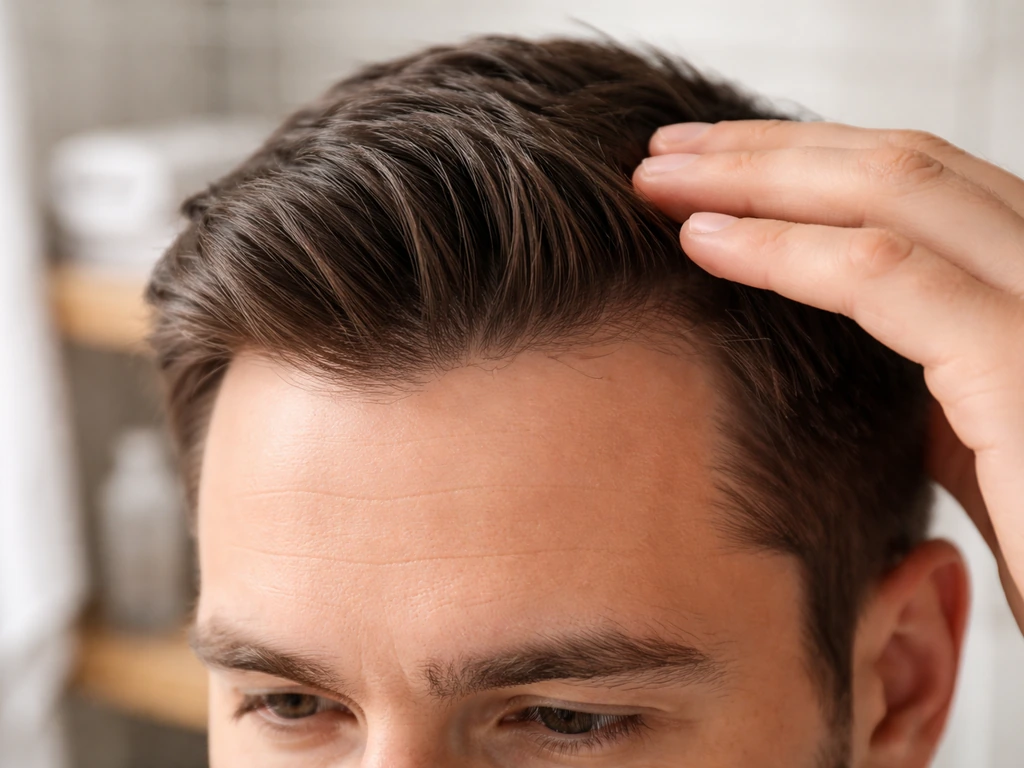
Best Ways to Grow Hair: Length, Regrowth, and Men’s Guide
Best ways to grow hair faster and fuller, including length, regrowth for thinning, and men’s routines with safety tips.
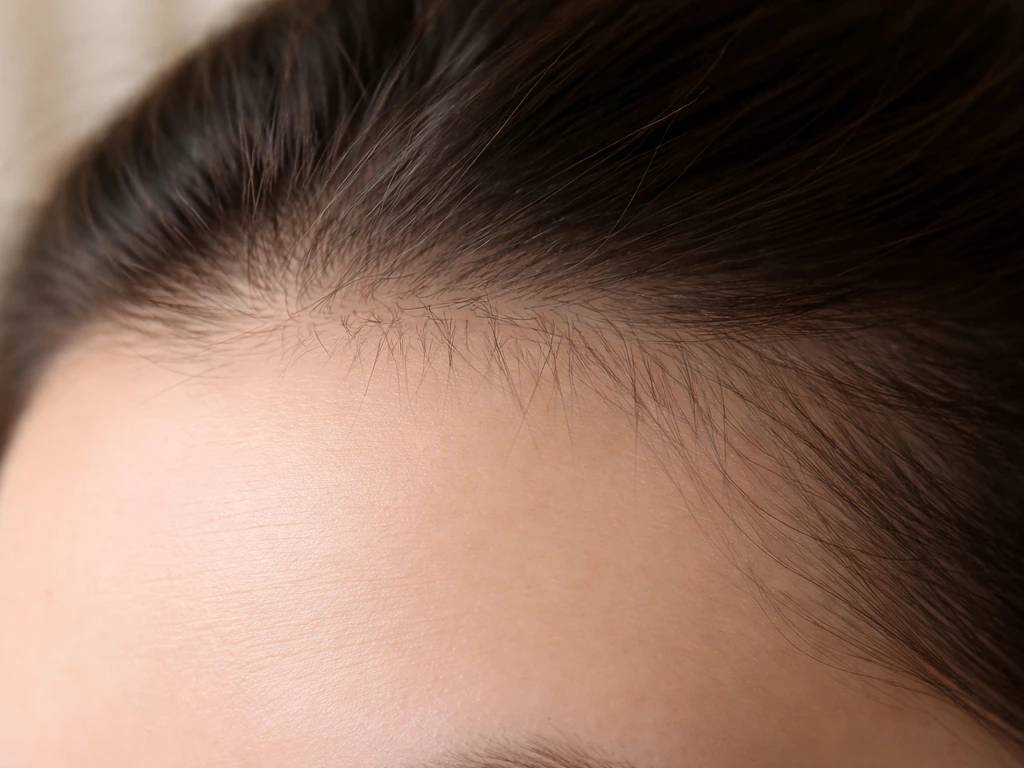
Best Things to Grow Hair: Evidence-Based Guide for Faster Regrowth
Evidence-based best things to grow hair: proven ingredients, scalp care routine, supplements, safety and dermatologist w
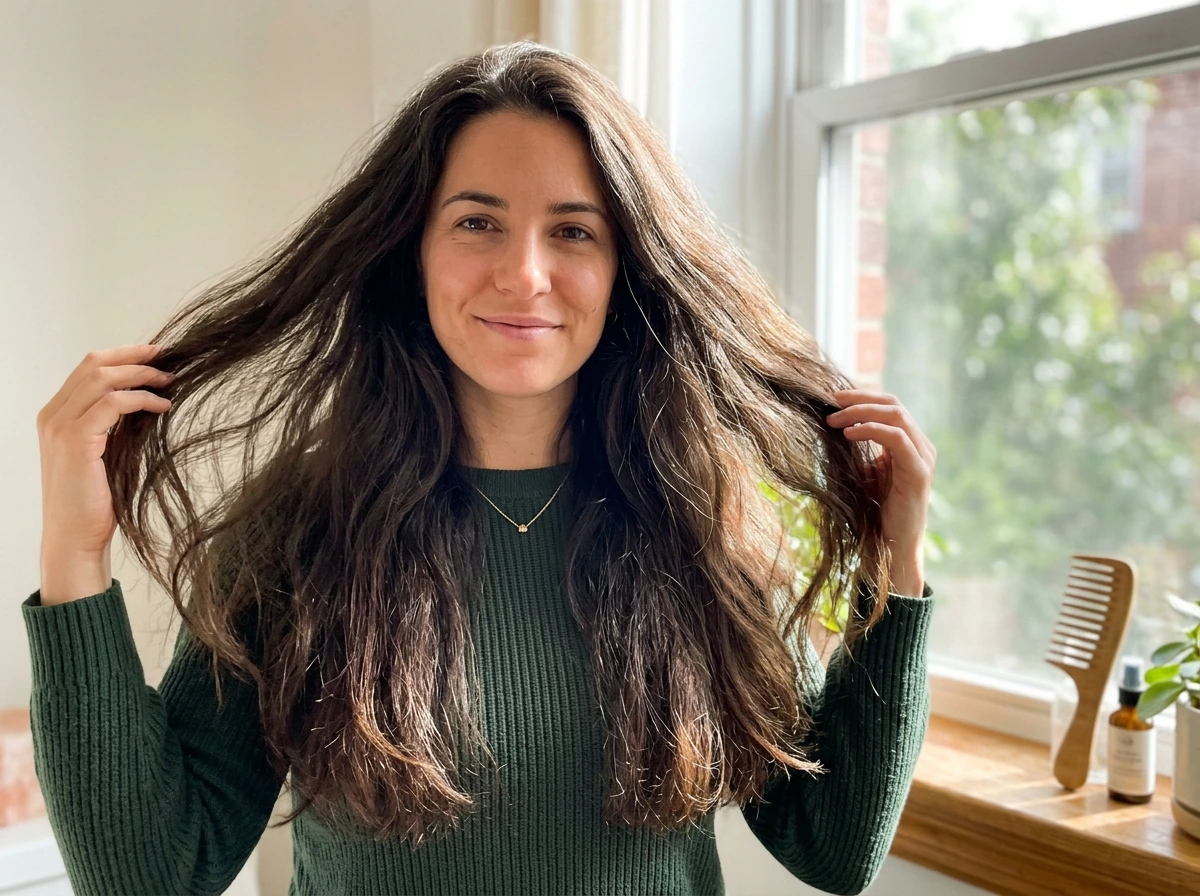
How to Grow Big Hair: Density, Thickness, and Length Plan
Step by step plan to grow big hair by boosting density, thickness, and length while reducing breakage and thinning.