
The best ways to grow hair depend on what you're actually trying to do. If you want longer hair, the focus is on protecting what you already have, feeding your follicles well, and keeping your scalp healthy so each strand reaches its full potential length. If you're trying to regrow hair after shedding or thinning, the priority shifts to finding and fixing the root cause first, then supporting regrowth with targeted treatments. Most people need a mix of both approaches, and the good news is that the foundation, which is nutrition, scalp care, and a few proven topical strategies, overlaps heavily between the two goals.
Best Ways to Grow Hair: Length, Regrowth, and Men’s Guide

Marcus Holloway
25 Apr 2026
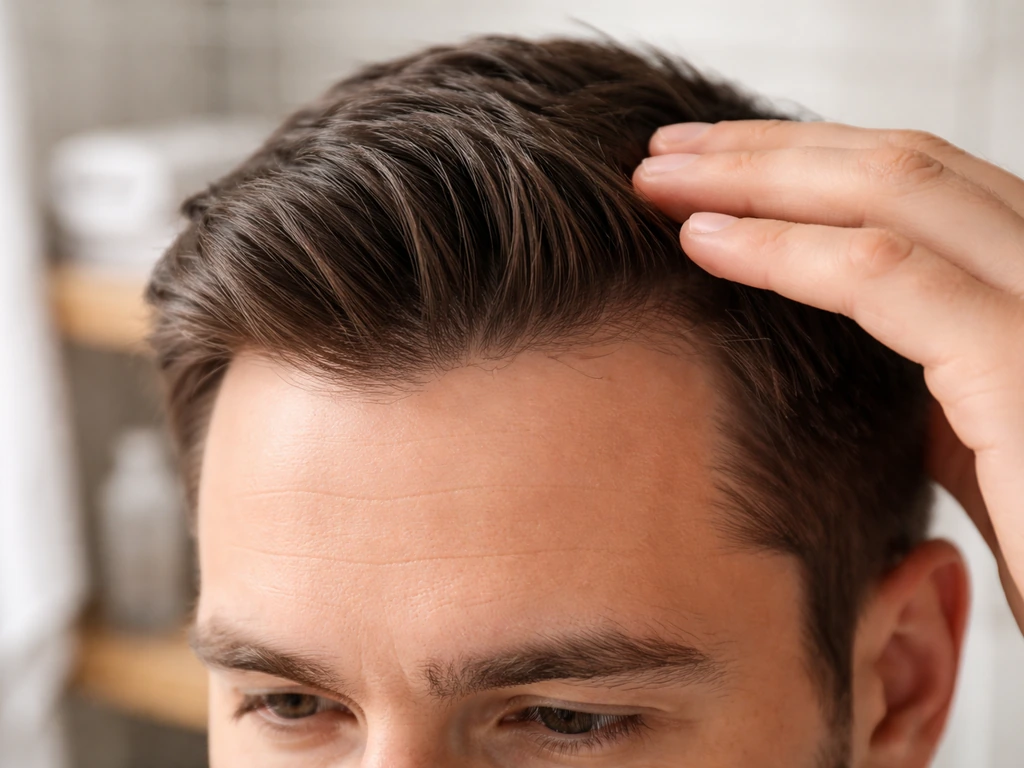
First, figure out what you're actually trying to grow
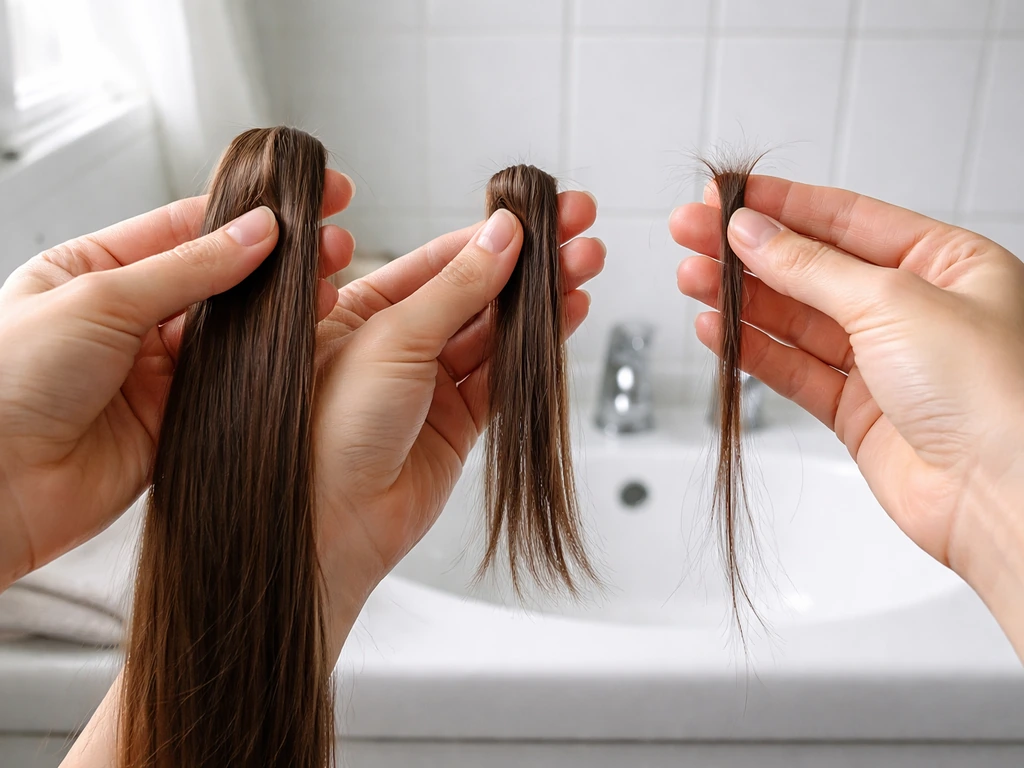
Before you buy anything or change your routine, it helps to be honest about which problem you're solving. These are genuinely different situations with different solutions.
- Growing hair longer or out: Your follicles are working fine, but you want to maximize growth rate and minimize breakage so your hair retains length. Think nutrition, gentle handling, moisture, and scalp health.
- Regrowing after shedding or thinning: You've noticed more hair than usual coming out, patches thinning, or your density decreasing over time. Here, the goal is to identify why follicles have slowed or stopped, then either address the trigger (like nutritional deficiency or stress) or use active treatments like minoxidil for pattern hair loss.
- Growing new baby hairs or filling in sparse areas: This sits between the two above, and usually involves a combination of scalp stimulation, fixing any deficiencies, and sometimes topical treatments.
The distinction matters because if you're shedding heavily due to a nutritional deficiency or a stressful event, no amount of scalp massage will overcome that trigger until the underlying cause is addressed. On the flip side, if your hair is just slow-growing and you're in good health, you don't need regrowth medications, you need a solid foundation routine.
How hair actually grows (and why it matters for your plan)
Scalp hair grows at roughly 1 cm per month on average, though the actual range is wide, anywhere from about 0.6 cm to 3.36 cm per month depending on the individual. That works out to around 15 cm per year under good conditions. You can't dramatically change your genetic growth rate, but you can make sure nothing is actively slowing it down.
Each follicle cycles through three phases. The anagen phase is active growth and can last years. The catagen phase is a brief transitional period lasting just a few days. The telogen phase is a resting phase that lasts about 100 days (roughly 3 months), after which the hair sheds and the cycle restarts. Normally, you shed around 100 to 150 telogen hairs per day, which sounds like a lot but is entirely healthy when new hairs are growing in at the same rate.
When something disrupts the cycle, whether it's a nutritional crash, a stressful event, illness, or hormonal change, a large number of follicles can shift into telogen all at once. You won't notice the shedding until about 2 to 3 months after the trigger, and that delay is one of the most confusing parts of hair loss. You might have already recovered from whatever caused it, but your hair is only just starting to show the consequences. The scalp follicle's health is also closely tied to circulation, inflammation, and the local hormonal environment, all of which become relevant when choosing how to treat it.
The best evidence-based habits for growing hair
Eat enough protein and iron

Hair is made of keratin, a protein, so if your diet is low in protein, your body will deprioritize hair growth to protect more critical functions. This is one of the clearest dietary links in the hair loss literature. Crash diets and protein-calorie restriction are well-documented triggers for telogen effluvium, and profuse shedding has been reported appearing 2 to 5 months after a severe weight-reduction program. You don't need to eat huge amounts, but you do need consistent, adequate protein at every meal. Think eggs, fish, legumes, dairy, poultry, or whatever fits your diet.
Iron deficiency is another common and correctable cause of shedding, particularly in women. Low ferritin (your stored iron) is associated with hair loss even when you're not technically anemic yet. If you're shedding more than usual and your diet is low in iron-rich foods, it's worth getting a blood test before loading up on supplements, since excess iron has its own risks.
Sleep and stress management
Chronic stress keeps your body in a state that's not conducive to hair growth. Physiological stress, including major surgery, serious illness, or prolonged emotional stress, is a recognized trigger for telogen effluvium. Sleep is when your body repairs and regulates hormones, and consistently poor sleep affects everything from cortisol to growth factors involved in hair cycling. This isn't a soft wellness platitude; it's a real biological mechanism. If you're managing a period of high stress, don't expect your hair to thrive until things settle.
Stop the habits that stall growth
- Smoking: A systematic review found a meaningful association between smoking and androgenetic alopecia. The proposed mechanisms include oxidative stress and impaired circulation to the follicle. If you smoke and you're worried about hair loss, that's another reason to quit.
- Over-processing your hair: Bleaching, excessive heat styling, and tight hairstyles (traction alopecia) all cause mechanical damage and breakage that prevents length retention. You can grow hair at a normal rate and still see no progress if you're breaking it off faster than it grows.
- Crash dieting: Already covered above, but worth repeating because this one catches people off guard. Losing weight rapidly disrupts more than your waistline.
Scalp care, washing, and topical strategies that actually help
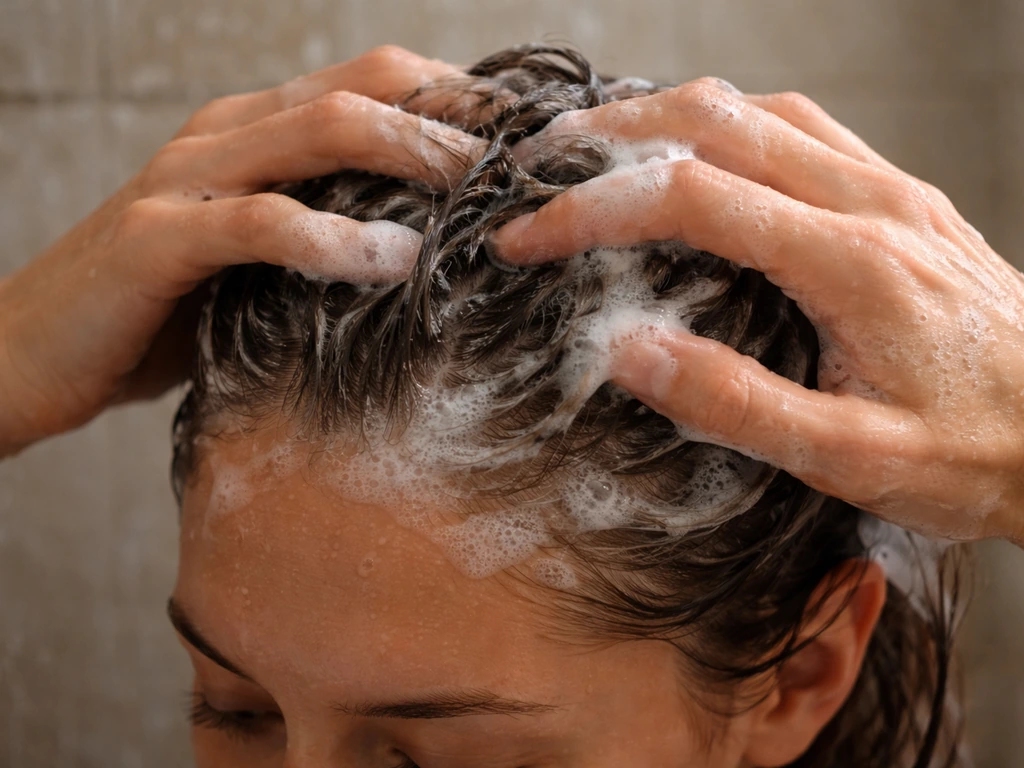
Your scalp is skin, and healthy skin produces healthy hair. A clean, well-circulated, inflammation-free scalp is the physical environment your follicles need to perform. This doesn't mean obsessing over every product, but it does mean having a consistent routine that keeps the scalp clean without stripping it.
Washing frequency and technique
How often you should wash depends on your scalp type, hair texture, and lifestyle. Scalp buildup from sebum, dead skin, and product residue can clog follicles and contribute to inflammation, so washing regularly enough to keep the scalp clean is important. But over-washing, especially with harsh sulfate shampoos on dry or curly hair, can strip the scalp and trigger reactive oil production. Most people do well washing two to three times a week, but this varies. Focus the shampoo on your scalp, not your lengths.
Scalp massage
Scalp massage is one of the easiest and most accessible things you can do. It increases blood flow to the follicles and may help with the delivery of nutrients and active ingredients. There's some small-study evidence suggesting regular scalp massage (around 4 minutes daily) can increase hair thickness over time. It also feels good and doubles as stress relief. Use your fingertips in circular motions rather than your nails, and you can do this while shampooing or with a dry scalp.
Ketoconazole shampoo for scalp health
If you have dandruff, flaking, or seborrheic dermatitis, treating it matters for hair growth because chronic scalp inflammation is not a neutral environment for follicles. Ketoconazole 2% shampoo is a well-studied antifungal that reduces the yeast-driven inflammation associated with dandruff and seborrheic dermatitis. There's also research suggesting it may have a modest benefit for androgenetic alopecia specifically, beyond just treating the scalp condition. The Mayo Clinic and NHS both recommend it for scalp seborrheic dermatitis. Side effects can include dry or oily hair and, less commonly, scalp irritation, so it's typically used two to three times a week rather than daily.
Minoxidil (topical)
Topical minoxidil is available over the counter and is one of the few treatments with solid clinical evidence behind it for both male and female pattern hair loss. It works by extending the anagen (growth) phase and increasing blood flow to the follicle. The catch is patience: the American Academy of Dermatology notes that it usually takes about 6 to 12 months to see results, and some people experience a temporary increase in shedding when they first start, which is normal and not a sign it's failing. It needs to be used consistently and continuously, since stopping typically results in returning to baseline. Apply it directly to the dry scalp, not to the hair strands.
Supplements and natural remedies: what helps and what's hype
This is the area with the most noise and the least reliable evidence, so it pays to be selective. Some supplements genuinely help, but usually when you're deficient in what they contain. Taking extra of a nutrient you already have enough of rarely does much.
What has real support
- Iron: If you're deficient, correcting it can significantly reduce shedding and support regrowth. Get tested first.
- Vitamin D: Low vitamin D is associated with various forms of hair loss. Again, test before supplementing.
- Zinc: Deficiency is linked to hair loss; supplementing helps if you're genuinely low.
- Overall dietary supplements: A 2025 systematic review and network meta-analysis found that dietary supplements can have positive impacts on hair density in androgenetic alopecia, though effect sizes vary and evidence quality differs between products.
Biotin: the overhyped one
Biotin supplements are everywhere in hair care marketing, but the clinical evidence tells a more nuanced story. StatPearls is direct about this: there are no trials supporting routine biotin supplementation for improving hair quality or quantity in people who aren't deficient. Biotin deficiency is actually rare, and if you are deficient, supplementing at doses like 5 to 10 mg per day can be helpful. But if your biotin levels are normal, buying a biotin supplement is unlikely to move the needle on your hair growth.
Natural remedies worth knowing about
Rosemary oil is the natural remedy with the most interesting evidence behind it. A randomized trial compared rosemary oil to 2% minoxidil over 6 months for androgenetic alopecia and found comparable results between the two groups. That doesn't mean it's a replacement for minoxidil in all cases, but it's a legitimate option for people who want to try a plant-based approach first, especially for mild thinning. Apply diluted rosemary oil to the scalp (mixed with a carrier oil like jojoba), leave it on for at least 30 minutes, then wash out.
Pumpkin seed oil has a small amount of clinical trial data for male androgenetic alopecia at a dose of 400 mg per day. Results showed increased hair count compared to placebo. It's not a home-run treatment, but it's low risk and might contribute to a broader strategy. As with any supplement, give it at least 4 to 6 months before deciding if it's working.
What to do if your hair is thinning or falling out
If you're dealing with significant shedding or noticeable thinning, the approach shifts. The first step is figuring out whether what you're experiencing is telogen effluvium (triggered shedding that can resolve) or pattern hair loss (androgenetic alopecia, which is progressive and needs ongoing management).
Telogen effluvium: shedding after a trigger
Telogen effluvium is when a stressful event, illness, crash diet, nutritional deficiency, hormonal change (like postpartum hair loss), or major surgery pushes a large number of follicles into the resting phase at once. The shedding hits about 2 to 3 months after the trigger. Acute telogen effluvium lasts less than 6 months and typically resolves on its own within 6 to 8 months after the cause is addressed. You usually don't need hair-specific medication for this, you need to fix whatever caused it. That said, visible thinning might not be obvious until around 50% of hair is lost, so it can feel dramatic even when it's temporary. If shedding persists beyond 6 months, that's classified as chronic telogen effluvium and warrants a doctor's assessment.
Pattern hair loss: when to escalate
If thinning is gradual, follows a predictable pattern (receding at the temples or crown for men, widening part for women), and doesn't have an obvious trigger, androgenetic alopecia is the more likely cause. This involves miniaturization of follicles driven by hormonal factors and genetics. A systematic review reports that smoking may have a significant role in androgenetic alopecia presence, with associations supported across studies smoking may have a significant role in AGA presence. It doesn't resolve on its own, and the earlier you address it, the better your results tend to be. Topical minoxidil is the first-line OTC option for both men and women. For men, prescription finasteride (oral) is also FDA-approved and works by reducing the hormone that miniaturizes follicles. Low-level light therapy is another FDA-cleared option. If these approaches aren't working after 12 months of consistent use, or if your hair loss is progressing rapidly, see a dermatologist.
Guidance specifically for men
Men experience hair loss and growth challenges somewhat differently than women, and the options available reflect that. Male pattern baldness (androgenetic alopecia) is the most common cause, affecting a large proportion of men by their 50s. It typically starts at the hairline or crown and progresses gradually. The good news is there are more proven treatment options for men than for almost any other group.
The practical plan for men
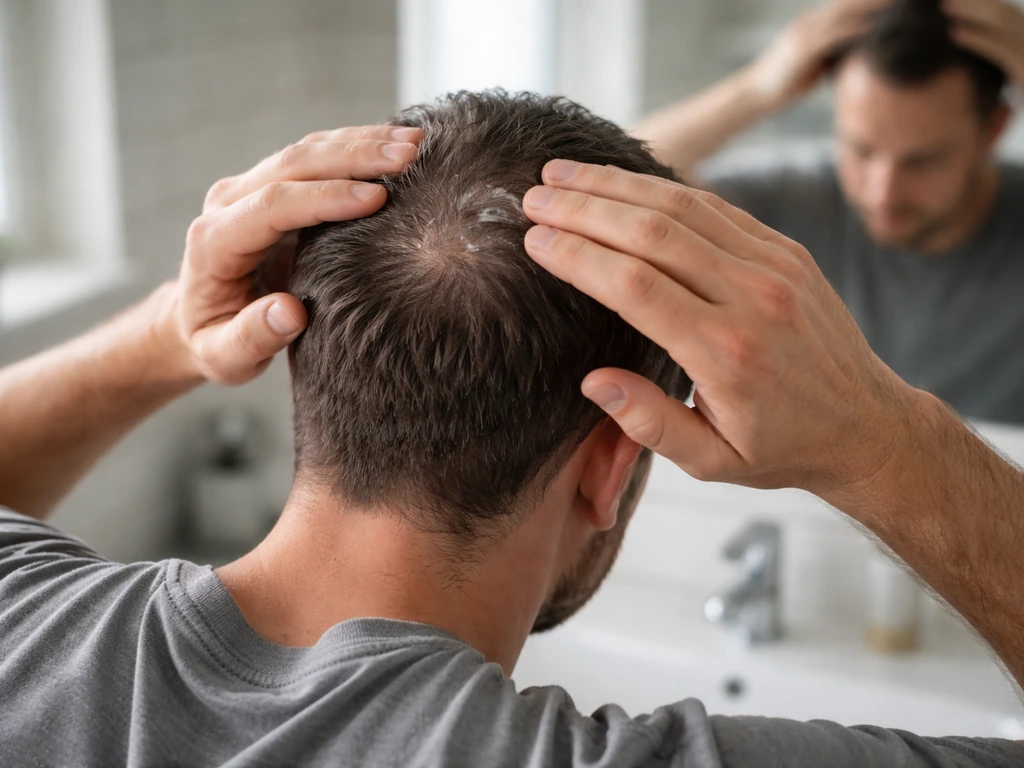
- Identify the pattern early: If you're seeing recession at the temples or thinning at the crown before 30 or 40, that's likely androgenetic alopecia. The earlier you act, the more hair you have to protect.
- Start with minoxidil: Topical minoxidil 5% (for men) is OTC and has decades of evidence behind it. Apply twice daily to the scalp. Expect an initial shedding period in the first few weeks, give it at least 6 to 12 months for a fair assessment.
- Consider finasteride: This is the prescription oral option that blocks DHT (the androgen that drives follicle miniaturization). It's effective for pattern hair loss in men and is often used alongside minoxidil. Discuss it with a doctor, including the side effect profile, to see if it's right for you.
- Address lifestyle factors: Smoking, poor diet, and chronic stress all compound androgenetic alopecia risk. These won't reverse pattern baldness on their own, but they matter for overall follicle health.
- Use ketoconazole shampoo if you have scalp issues: Men with dandruff or seborrheic dermatitis layered on top of pattern hair loss benefit from managing scalp inflammation actively.
- See a dermatologist if things are progressing fast or home treatments aren't working: A dermatologist can confirm your diagnosis, rule out other causes, and discuss prescription options or procedures like PRP or hair transplant if appropriate.
If you're a man trying to grow your hair out longer (not dealing with thinning), the approach is the same foundation as anyone else: consistent nutrition, protective styling, gentle washing, and patience. If your goal is how to grow hair easily, stick with the same foundation and be consistent with the habits that support healthy follicles grow your hair out longer. If you want to grow hair early, focus on the same foundation routine and address any trigger that could be slowing growth how to grow hair early. If you want to learn what to grow your hair effectively, focus on the basics first and then choose targeted, evidence-based treatments if you need them. If you want the best things to grow hair, start with the basics, then add targeted, evidence-based treatments when needed. Men often skip conditioning and scalp moisturizing, which matters more as hair gets longer.
How long results actually take and what to track
Hair growth is genuinely slow, and this is one of the hardest things about any hair improvement plan. At roughly 1 cm per month, you're looking at about 6 cm of new growth every 6 months. For regrowth after shedding, expect the hair to start cycling back in after the trigger is resolved, but the new hairs will be fine and short at first, becoming visible over several months. Minoxidil typically takes 6 to 12 months to show meaningful results. Telogen effluvium usually resolves within 6 to 8 months of addressing the cause.
To track progress without driving yourself crazy, take a photo of your scalp (parted in the same place, same lighting) once a month. Compare at 3-month intervals rather than week to week. You can also track shed counts if shedding is your concern: collect hairs from your shower drain and pillow for a week and note if it's trending down. Don't expect visible change in less than 3 months from any intervention.
| Situation | First step | Realistic timeline for change |
|---|---|---|
| Growing hair longer | Optimize nutrition, reduce breakage, scalp massage | Ongoing: ~1 cm/month under good conditions |
| Shedding after a trigger (telogen effluvium) | Identify and address the cause (diet, stress, deficiency) | 6 to 8 months after cause is fixed |
| Pattern hair loss (men or women) | Topical minoxidil, dermatologist consult | 6 to 12 months for visible improvement |
| Dandruff/scalp inflammation | Ketoconazole shampoo 2 to 3x/week | 4 to 8 weeks for scalp symptom relief |
| Nutritional deficiency (iron, vitamin D) | Correct deficiency with targeted supplementation | 3 to 6 months after levels normalize |
When to stop DIY-ing it and see a doctor
Most hair concerns respond well to the strategies above, but there are situations where you need professional input. See a dermatologist or your GP if: shedding has been heavy for more than 6 months without a clear trigger; you're noticing patches of complete hair loss rather than diffuse thinning; the scalp is itchy, painful, or scarring; or you've been consistent with minoxidil for 12 months and see no improvement. A doctor can run bloodwork to check iron, ferritin, thyroid function, and hormone levels, all of which can be driving hair loss without obvious symptoms. Getting a diagnosis before committing to expensive treatments is always worth it.
Hair growth is one of those areas where patience and consistency genuinely outperform any single miracle product. The people who see real results are usually the ones who built a solid foundation, fixed what was broken, chose one or two proven treatments, and stuck with them long enough to actually work. If you want an even simpler starting point, follow a clear guide on how to grow hair and stay consistent long enough to see results. If you want a more detailed, step-by-step walkthrough of routines and timelines, see this related guide on how to grow hair. That's the whole plan, and it works. If you want a simple, practical roadmap, focus on the fundamentals of how to grow hard-to-grow hair and stick with them long enough to see change how to grow hard to grow hair.
FAQ
How do I tell whether I’m trying to grow hair length versus regrow after shedding?
Pick one primary goal first, then set a timeline. If you recently had a trigger (illness, surgery, postpartum, crash diet), prioritize fixing that cause and basic scalp health, and give it at least 3 to 6 months to see early improvement. If hair loss follows a pattern (temples/crown in men, widening part in women) with no clear trigger, plan for longer-term management with evidence-based treatments rather than waiting for it to “catch up.”
Why does my hair loss seem worse even after the stressful event is over?
For many people, shedding from telogen effluvium peaks and becomes obvious 2 to 3 months after the trigger, so weekly checks can be misleading. Instead, judge progress using monthly scalp photos (same lighting and part) and trend your shed counts for 1 week per month, then reassess at 3-month intervals.
Can scalp massage or oils make regrowth happen on their own?
Yes, but treat it like a supportive routine, not a cure. Keep scalp-focused washing, avoid harsh stripping when hair is dry, and continue any medical treatments consistently. If you have pattern hair loss, the strongest evidence for regrowth typically comes from treatments like minoxidil (and for men, finasteride), while scalp massage and oiling are adjuncts.
When should I get bloodwork for hair loss instead of trying supplements?
Consider a blood test if shedding is heavy or persistent, especially if you have fatigue, heavy periods, dietary restriction, recent weight loss, or you are postpartum. Useful labs often include ferritin (stored iron), iron studies, thyroid function (TSH and related markers), and sometimes hormone-related labs, because treating the wrong problem wastes time.
Is it safer to take supplements to stop shedding quickly, or change diet first?
Be careful with “more is better” dosing. Iron and other supplements can be harmful if you are not deficient, and high-dose protein-calorie restriction is a common hidden trigger itself. If you’re not sure, aim for consistent adequate protein and get targeted tests before supplementing iron or other nutrients at high doses.
What should I do if I start minoxidil and my shedding increases?
If you use minoxidil, expect early shedding for some people, but don’t stop immediately. The more reliable test is whether you see improvement at the 6 to 12 month mark with consistent use. Also apply to dry scalp only, and wash your hands after to reduce unwanted transfer.
When does telogen effluvium stop being “temporary” and need a doctor?
Yes. For telogen effluvium, many people recover without prescription hair-loss meds once the trigger is fixed, but visible thinning may lag behind the underlying recovery. If shedding continues beyond 6 months, worsens, or you see patchy loss, switch from “wait and see” to a medical evaluation.
Should I use dandruff shampoo for hair growth, or just for flakes?
Choose based on the scalp issue first. If you have dandruff or seborrheic dermatitis, controlling inflammation with an antifungal shampoo (such as ketoconazole) can improve the environment for growth. If your scalp is just oily or you have dryness from frequent stripping, the best solution may be adjusting washing frequency and shampoo strength rather than adding antifungal treatment.
Can rosemary oil help, and how do I avoid scalp irritation?
If you are prone to skin irritation or you use multiple scalp actives, dilute and patch-test first. Some essential oils can irritate or worsen inflammation if used too concentrated or left on too long, and irritation can look like shedding. For rosemary oil, follow dilution guidelines and stop if you develop burning, swelling, or worsening redness.
Does biotin actually grow hair, and does it affect blood tests?
If you are not diagnosed with a deficiency, the chances of benefit are low. Biotin is most helpful when labs show true deficiency, and taking high doses can interfere with some lab tests (for example, certain thyroid and cardiac assays). Tell your clinician you take biotin before lab work.
What’s the best way to measure progress without obsessing?
Track in a way that matches the slow timeline. Photos monthly, compare at 3 months, and avoid judging by day-to-day shed changes. For regimen changes, give everything at least 8 to 12 weeks before adjusting, unless you notice side effects or rapidly progressive loss.
Do I have to keep using minoxidil long-term, or can I stop once hair improves?
With minoxidil specifically, consistency matters because stopping usually leads to a return to baseline. Plan for continuity, set a reminder for application, and if you miss doses, resume rather than trying to “catch up” with extra amounts.
What hair loss signs mean I should skip home routines and see a dermatologist sooner?
Yes, a dermatologist is especially important for scarring or patchy patterns, rapid progression, or if you have symptoms like pain, intense itch, or scaling that doesn’t respond to basic measures. These can signal conditions where the priority is stopping ongoing follicle damage, not just improving hair thickness.
Next Articles
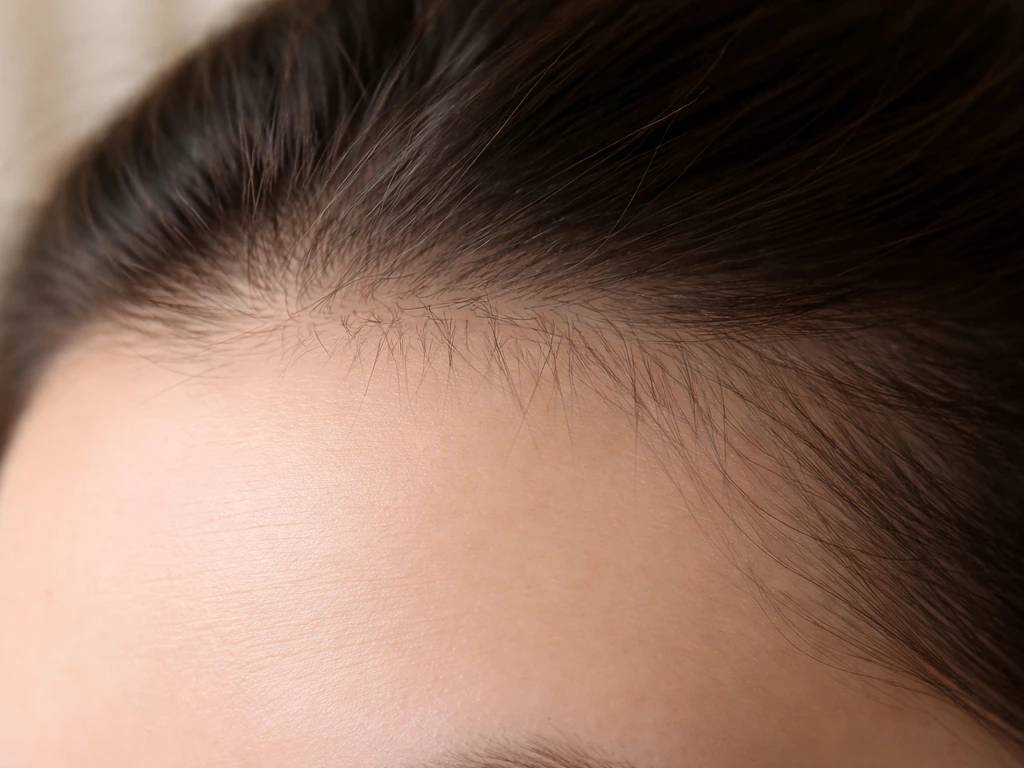
Best Things to Grow Hair: Evidence-Based Guide for Faster Regrowth
Evidence-based best things to grow hair: proven ingredients, scalp care routine, supplements, safety and dermatologist w
How to Grow Big Hair: Density, Thickness, and Length Plan
Step by step plan to grow big hair by boosting density, thickness, and length while reducing breakage and thinning.

What to Grow Your Hair: Foods, Scalp Care, and Plan
Foods and scalp care plan for growing hair and regrowth, with key nutrients, what to avoid, and a realistic timeline.