
The short answer: to grow your hair, you need three things working together, a well-nourished body, a healthy scalp, and enough patience to let biology do its job. Most people focus on one of those and ignore the others. This guide covers all three, with specifics on what to eat, what to take (and when not to), and what to do today to start making real progress.
What to Grow Your Hair: Foods, Scalp Care, and Plan

Marcus Holloway
24 Mar 2026
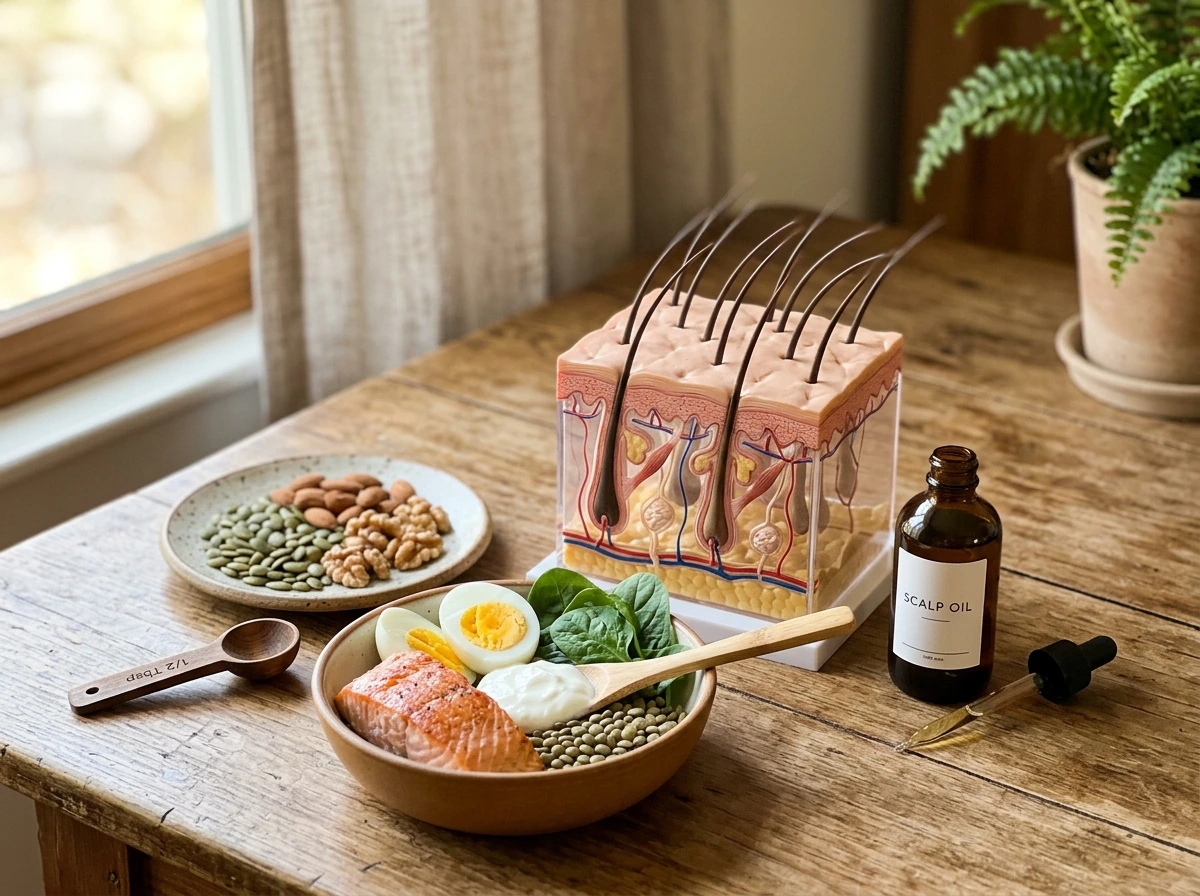
What actually makes hair grow
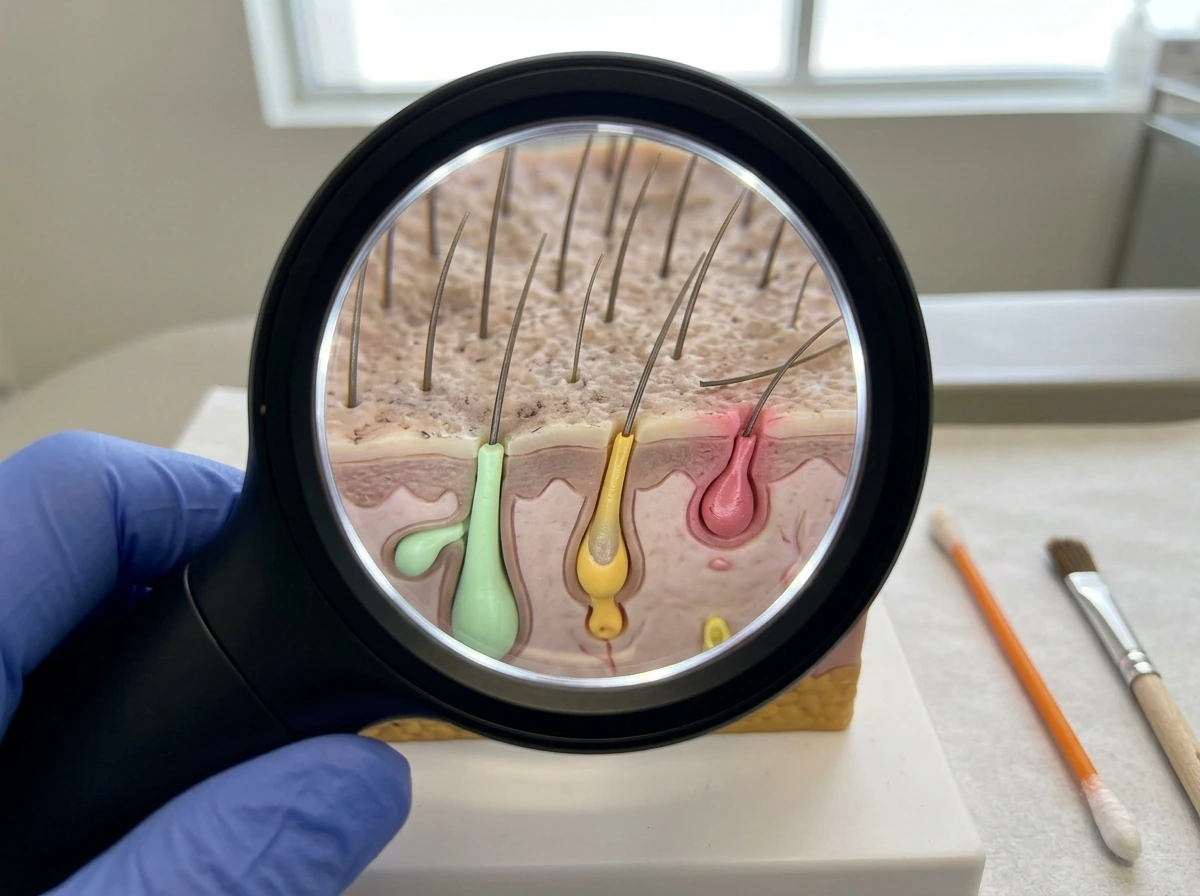
Hair grows from follicles in your scalp, and every follicle cycles through three stages: anagen (active growth), catagen (a short transitional phase lasting roughly 2 to 4 weeks), and telogen (resting). In a healthy scalp, about 85% of follicles are in anagen at any given time, with around 15% in telogen. That ratio matters because it tells you something important: most of your follicles are always working. The goal of everything in this article is to keep as many of them in that active growth phase as possible, and to make sure the hair they produce is strong enough to actually make it to length.
When something disrupts that balance, stress, poor nutrition, hormonal shifts, illness, more follicles get pushed into telogen at once. About three months later, you notice a wave of shedding. This is called telogen effluvium, and it's one of the most common reasons people suddenly see more hair in the drain or on their brush. The good news is that the follicles aren't permanently damaged. Fix the trigger, and most of them come back. The frustrating part is the lag time: you can do everything right starting today and still not see meaningful improvement for 3 to 6 months.
There's an important distinction worth making early: are you trying to grow hair longer and thicker, or are you trying to grow hair back after shedding or loss? The strategies overlap a lot, but the priorities shift slightly. For length and thickness, nutrition and scalp health are doing most of the heavy lifting. If your main goal is how to grow hair easily, start by optimizing nutrition and scalp health together, since the lag between changes and results is still real. For regrowth after shedding, identifying and correcting the underlying trigger is what moves the needle. For regrowth after shedding, identifying and correcting the underlying trigger is what moves the needle, and if you're also wondering <a data-article-id="25213D82-9AAB-44A2-81ED-E10D17B66325">best things to grow hair</a>, nutrition is only one adjacent lever. If you want a broader checklist, these best ways to grow hair are a useful next step after you handle the main trigger behind shedding. For pattern hair loss (androgenetic alopecia), you're dealing with a different mechanism entirely, and nutrition alone usually isn't enough, though it absolutely supports whatever else you're doing.
Nutrition for hair growth: what to eat and what to avoid
Your hair follicles are among the fastest-dividing cells in your body. They need a constant supply of the right raw materials to keep producing hair. When your diet is consistently short on protein, iron, or key vitamins, follicles get deprioritized, your body sends nutrients to organs first. So while the connection between food and hair isn't instant (nothing about hair growth is), what you eat over weeks and months genuinely shapes what your follicles can do.
The most damaging thing you can do from a diet standpoint is crash diet. A classic example that shows up in clinical literature involved people eating around 500 calories per day for 4 to 6 weeks, their telogen hair counts shot up to 30 to 50%, compared to a healthy 10 to 15%. That kind of dramatic shedding from rapid weight loss is well-documented. Your follicles read severe caloric restriction as a physiological crisis and hit the pause button. Gradual calorie deficits, if weight loss is a goal, are much kinder to your hair.
What to generally avoid or minimize: ultra-low-calorie diets, very low protein intake, heavily processed diets with little micronutrient variety, and high-sugar eating patterns that can drive inflammation. You don't need a perfect diet, but chronic nutritional gaps add up over time.
Foods to eat depending on your goal: regrowth vs. length and thickness
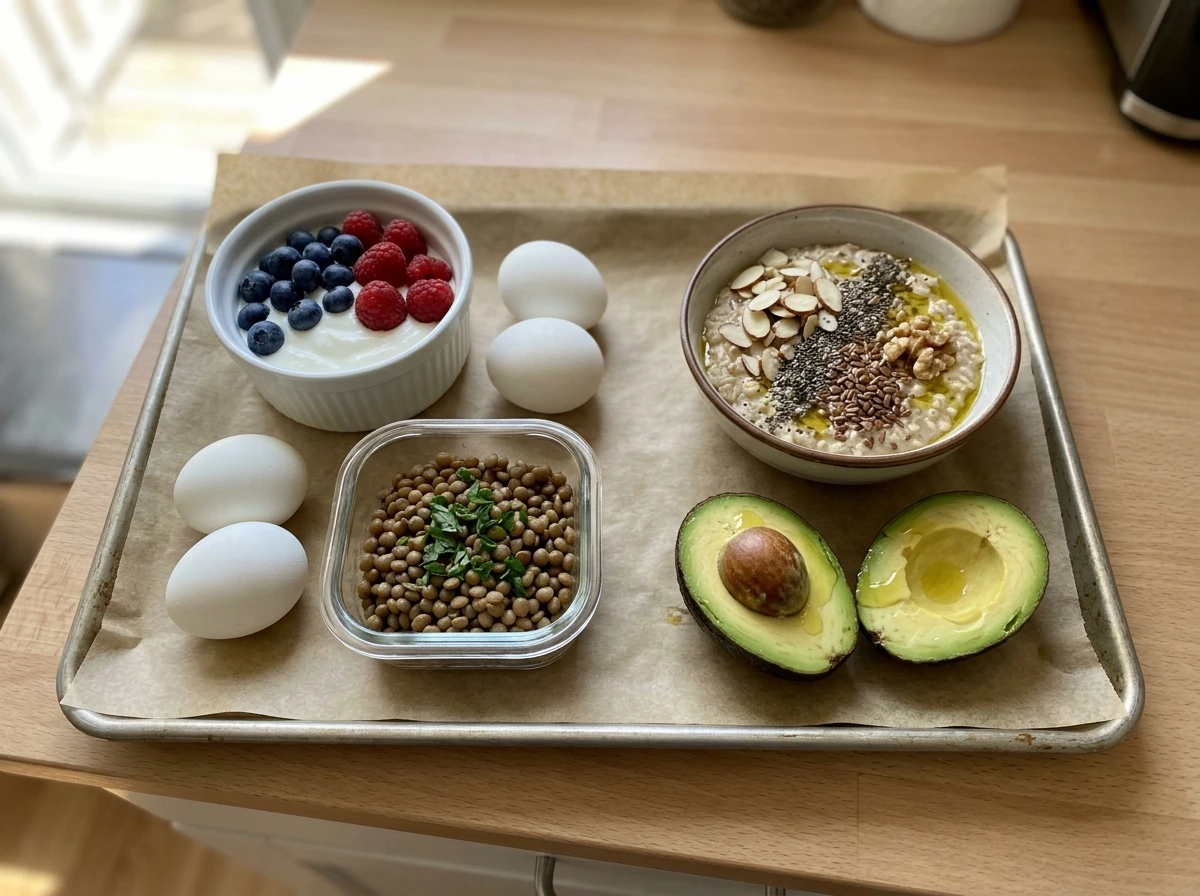
If your goal is growing hair back after a shedding episode or thinning phase, your dietary focus should be on correcting deficiencies first. The most common nutritional culprits in shedding cases are low iron (especially low ferritin), inadequate protein, low vitamin D, and sometimes low zinc or B vitamins. Eating iron-rich foods like lean red meat, lentils, spinach, and fortified cereals, paired with vitamin C sources to improve absorption, is a practical starting point. Add eggs, fatty fish, and enough total protein from whole food sources, and you've addressed the most likely nutritional gaps in one food pattern.
If your goal is longer, thicker hair rather than recovering from loss, the nutritional strategy is similar but feels less urgent, more about building a sustainable foundation. You're not patching a deficit; you're optimizing. Focus on protein at every meal, a wide variety of colorful vegetables and fruits for antioxidants, healthy fats from fish and nuts and seeds, and iron-rich foods a few times per week. Think of it as feeding your follicles consistently, not heroically.
The nutrients that matter most
Here's a straightforward breakdown of the nutrients most consistently linked to hair growth and the best food sources for each. Getting these from food first is the right approach, whole foods deliver nutrients in combinations that support absorption in ways supplements can't fully replicate.
| Nutrient | Why it matters for hair | Best food sources |
|---|---|---|
| Protein | Hair is made of keratin, a protein. Too little protein = thinner, weaker strands and more shedding | Eggs, chicken, fish, Greek yogurt, legumes, tofu |
| Iron (ferritin) | Low ferritin is one of the most common deficiencies found in women with telogen effluvium | Lean red meat, lentils, spinach, fortified cereals (pair with vitamin C) |
| Zinc | Supports follicle function and protein synthesis; deficiency linked to hair loss | Oysters, beef, pumpkin seeds, chickpeas, cashews |
| Vitamin D | Deficiency is associated with both telogen effluvium and androgenetic alopecia severity | Fatty fish (salmon, mackerel), egg yolks, beef liver, fortified dairy/plant milks |
| B vitamins (biotin, B12, folate) | Support energy metabolism in follicle cells; biotin deficiency specifically causes hair thinning | Eggs, liver, meat, fish, leafy greens, legumes |
| Omega-3 fatty acids | Anti-inflammatory; support scalp health and may reduce dryness and shedding | Salmon, sardines, walnuts, flaxseed, chia seeds |
| Antioxidants (vitamins C and E, selenium) | Protect follicles from oxidative stress; vitamin C also helps iron absorption | Berries, citrus, bell peppers, almonds, sunflower seeds, Brazil nuts |
A few of these deserve a closer look. Protein is non-negotiable. Most guidelines for hair and general health suggest aiming for roughly 0.7 to 1 gram of protein per pound of body weight, spread across meals. Iron is particularly important for women, especially those who menstruate heavily, because ferritin can drop low enough to cause noticeable shedding even without full anemia. Vitamin D is trickier because very few foods contain it in meaningful amounts, fatty fish, egg yolks, beef liver, and cheese are the main natural sources, with fortified foods making up most of what people actually get. If you live somewhere with limited sun exposure, a blood test to check your level is genuinely worthwhile.
Supplements vs. food: when to consider them and how to use them safely
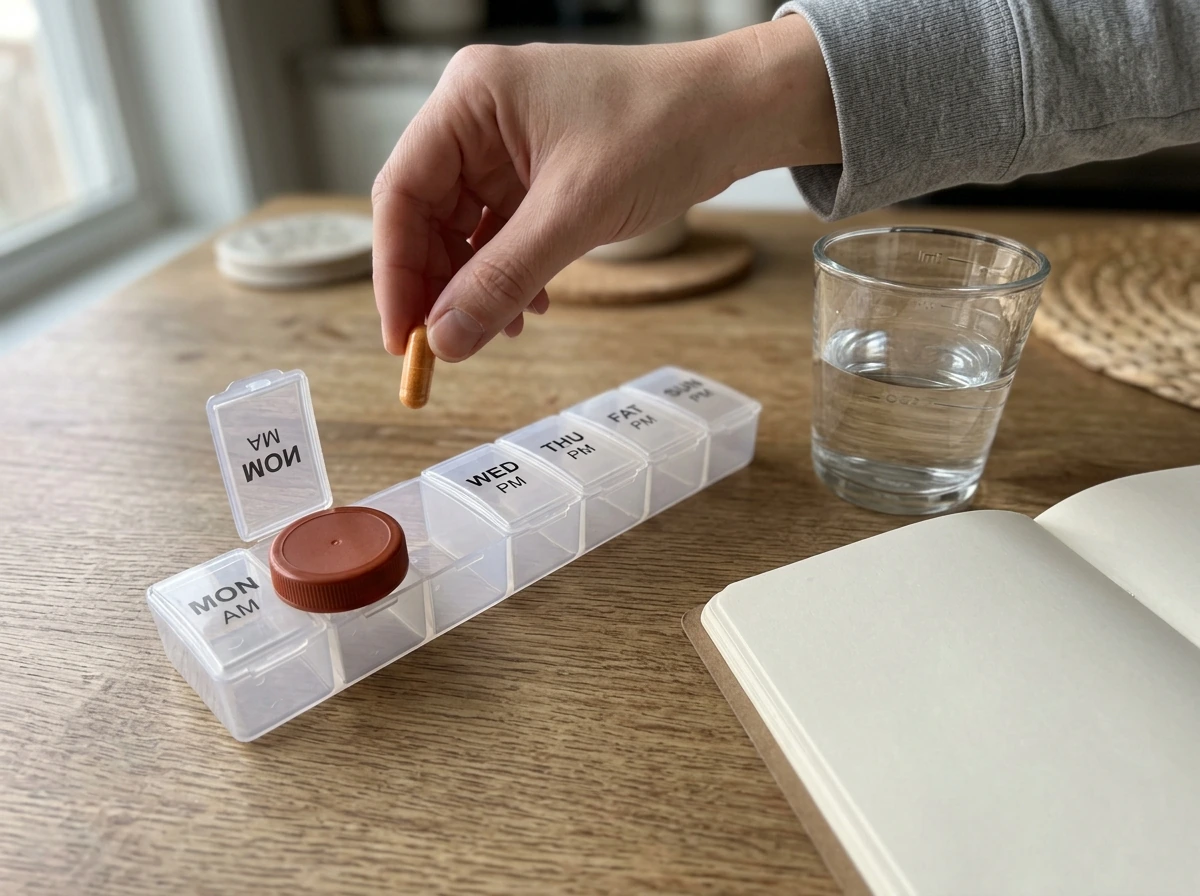
Supplements make sense when you have a confirmed deficiency or a diet that genuinely can't cover your needs (strict vegans with iron and B12, for example, or people with limited sun exposure needing vitamin D). They make less sense as a general hair growth strategy if your diet is already decent, because the evidence for supplementing nutrients you're not actually deficient in is weak and sometimes mixed. Harvard Health puts it plainly: the evidence for zinc, vitamin E, biotin, folate, and B12 supplements improving hair is conflicting, and supplementation is most reasonable when blood levels are low.
Biotin is probably the most aggressively marketed hair supplement, and it does have a real role, biotin deficiency genuinely causes thinning and hair loss, and it's found naturally in eggs, meat, fish, and liver. But if you're already getting enough from food (which most people are), adding a high-dose biotin supplement is unlikely to do much for your hair. There's also a specific safety flag worth knowing: high-dose biotin supplements can interfere with certain lab tests, including troponin assays used to diagnose heart attacks, potentially causing inaccurate results. If you're taking biotin and you need bloodwork, let your doctor know.
Zinc is another one where more is not better. The tolerable upper intake level for adults is 40 mg per day. Going well above that consistently can actually cause copper deficiency (because zinc and copper compete for absorption), which creates its own health problems. If you're considering a zinc supplement, look for doses in the 8 to 15 mg range unless a deficiency has been confirmed. For vitamin D, the tolerable upper intake level is generally cited at 4,000 IU per day for adults, though therapeutic doses above that are sometimes used under medical supervision. Testing first and dosing based on actual blood levels is far smarter than guessing.
The practical rule: get tested before you supplement for iron, vitamin D, zinc, and B12. These are routine blood tests your doctor can order. That way you're fixing an actual problem rather than spending money on things you don't need.
Scalp health and lifestyle: making your nutrition actually work
You can eat perfectly and still undermine your hair growth with chronic stress, poor sleep, or an inflamed scalp. Nutrition is necessary but it's not the whole story. Think of these as the conditions that allow your follicles to actually use the nutrients you're delivering.
Scalp care
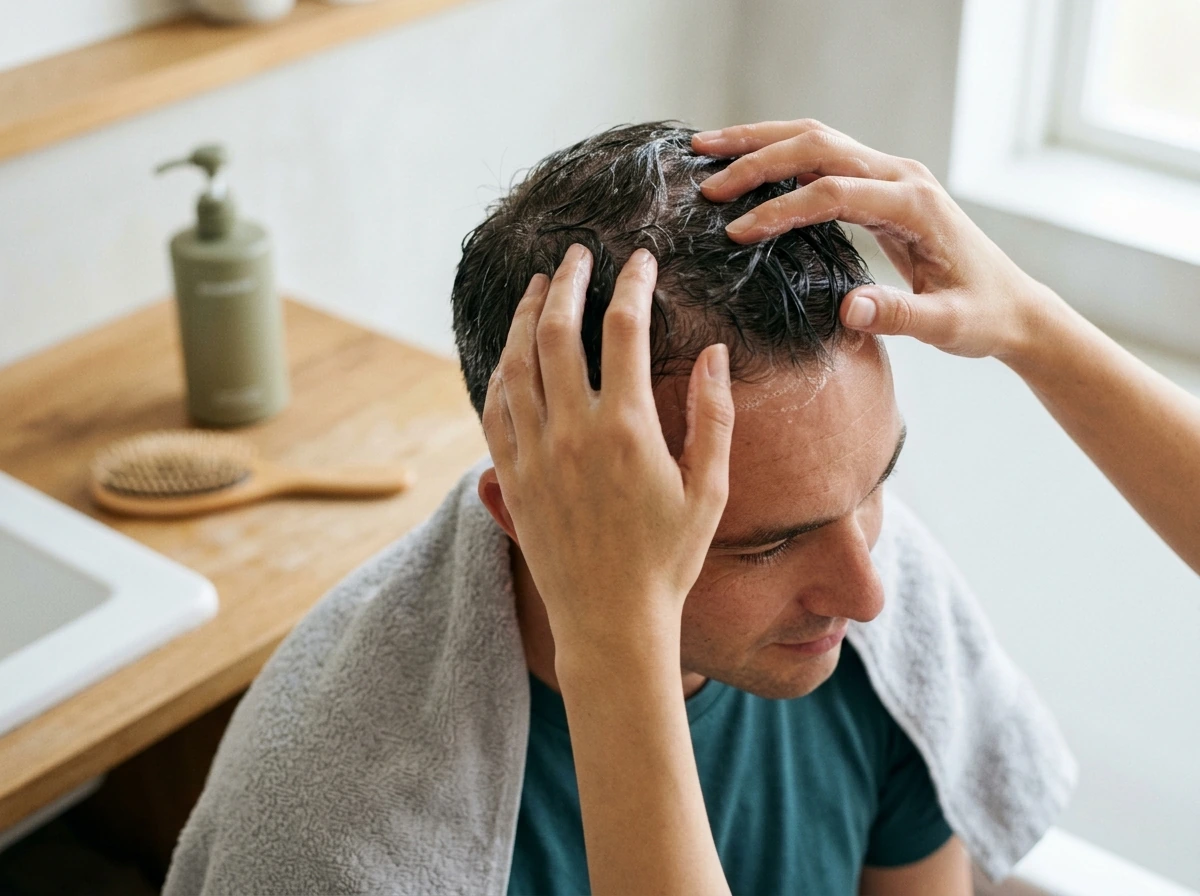
A clean, well-circulated, inflammation-free scalp is the environment follicles need to thrive. If you have persistent flaking, itching, or redness, seborrheic dermatitis could be quietly contributing to shedding. It's one of the more common and underrecognized scalp issues. Ketoconazole shampoo is FDA-approved for this condition and has solid evidence behind it, clinical studies show meaningful symptom improvement within about 4 weeks of consistent use. If your scalp is flaky and irritated, treating that is worth prioritizing alongside your nutrition changes.
For general scalp health, a light scalp massage when you shampoo improves blood flow to follicles, keeps product buildup from clogging pores, and takes about 30 extra seconds. It's one of those small habits that adds up. Avoid over-washing to the point of dryness, but don't under-wash either, buildup of sebum and products can block follicles and create the kind of scalp environment where inflammation gets a foothold.
Sleep
Growth hormone is primarily released during deep sleep, and that matters for cell renewal in your follicles. Chronic sleep deprivation is a physiological stressor that can push follicles into telogen, the same mechanism as illness or crash dieting. Seven to nine hours of consistent sleep isn't a luxury for hair growth; it's part of the biological machinery.
Stress management
Psychological stress elevates cortisol, which interferes with the hair growth cycle and can trigger telogen effluvium. This is why people often notice significant shedding several months after a major stressful period in their lives, the delay is just the 3-month lag between trigger and shed. You can't always eliminate stress, but regular movement, adequate sleep, and even basic breathing or mindfulness practices measurably reduce cortisol over time. This isn't fluff, it's directly relevant to why hair grows or doesn't.
How you handle your hair
Nutritional improvements support the follicle's ability to grow hair, but physical damage from heat, tight styles, and rough handling breaks hair before it gets to length. If your hair seems to stop growing at a certain length, it's often actually breaking off at that length. Reducing heat tool use, protective styling, deep conditioning, and detangling gently from the ends up all reduce breakage and let the length you're already growing actually stay on your head.
Your practical plan: starting today
You don't need to overhaul everything at once. Here's a realistic first week that addresses the biggest levers without being overwhelming.
- Day 1: Audit your protein intake. Are you getting a meaningful protein source at every meal? If not, add eggs at breakfast, Greek yogurt as a snack, or an extra serving of fish or legumes at dinner.
- Day 2: Add an iron-rich food plus a vitamin C source to one meal. For example, lentil soup with a squeeze of lemon, or spinach salad with sliced strawberries.
- Day 3: Book a blood test (or call your doctor) to check ferritin, vitamin D, and B12. You can't optimize what you haven't measured.
- Day 4: Check your scalp. Any persistent itching, flaking, or redness? Pick up a ketoconazole shampoo or see a dermatologist if it's significant.
- Day 5: Add one omega-3-rich food: a serving of salmon, a handful of walnuts, or a tablespoon of ground flaxseed in your morning oats.
- Day 6: Evaluate your sleep. If you're averaging under 7 hours, treat getting to 7 as a hair goal, not just a wellness goal.
- Day 7: Review your hair care habits. Are you using heat daily? Wearing tight styles regularly? Pick one change — even using a heat protectant or loosening a ponytail — and start there.
For a simple repeatable meal approach, think in terms of: <a data-article-id="251C9F73-F2F4-4474-B933-4A5F126012F1"><a data-article-id="25213D82-9AAB-44A2-81ED-E10D17B66325"><a data-article-id="D18E2DC0-790D-4D46-945D-25D334E900D2">protein at every meal</a></a></a>, iron-rich food at least once daily, fatty fish 2 to 3 times per week, and a wide variety of colorful vegetables and fruit throughout the day. That covers most of the nutritional bases without needing to track anything obsessively.
What timeline to realistically expect
If you’re wondering "how to grow big hair", Hair grows roughly half an inch per month on average. how to grow hard to grow hair That means significant length gains take time no matter what you do. If you're recovering from a shedding episode, correcting a deficiency typically takes 3 to 6 months before you see noticeable regrowth, because of that 3-month cycle lag between trigger and shed, then the same delay in reverse as follicles restart. Visible thickness improvements from dietary changes generally show up around the 3 to 4 month mark. If you're using topical minoxidil for androgenetic alopecia, research shows regrowth tends to peak around the 1-year mark with consistent use. Patience is genuinely part of the protocol here. If you want more specific guidance tailored to your starting point, also see how to grow hair f as an adjacent option for building a personalized routine.
When to see a doctor
See a doctor or dermatologist if: you're losing hair in patches rather than diffuse shedding all over; your shedding is sudden and severe; you've been eating well and managing stress for 4 to 6 months and the shedding hasn't improved; you have any other symptoms that might point to thyroid problems, hormonal issues, or autoimmune conditions; or your hair loss is progressing in a patterned way (receding hairline, thinning crown). A dermatologist can run the right tests, rule out conditions like alopecia areata or androgenetic alopecia, and point you toward treatments, like topical minoxidil or prescription options, that go beyond what nutrition alone can do. Persistent or sudden hair loss always deserves a professional look.
FAQ
How long before I actually see progress if I start what to grow your hair today?
Not immediately. If your hair is shedding, changes from food, sleep, and scalp care usually show up after a biological lag of about 3 months, because follicles have to cycle from shedding back into a growth phase. If you are looking for faster signs, focus on reducing breakage (gentle detangling, less heat, conditioning), which can improve the look of length sooner even before new growth adds volume.
What if my hair seems to stop growing at a certain length?
Yes, and it can be a normal ceiling. Hair grows from follicles, but many people think they are “not growing” when the true issue is breakage at a certain length. If you are constantly trimming ends and still see the same max length, evaluate heat use, chemical processing, tight styles, coarse detangling, and lack of conditioning, not just nutrition.
Can I diet to help what to grow your hair, or will it make shedding worse?
You can, and it is often counterproductive for hair. Ultra-low calories can push more follicles into a resting phase, which increases shedding. If weight loss is your goal, aim for a gradual deficit rather than rapid restriction, and keep protein consistent because low protein is a common reason shedding worsens during dieting.
Will improving my diet guarantee regrowth, or are there times it will not help?
Hair can shed for reasons that diet alone cannot fix, especially autoimmune causes, androgenetic alopecia, thyroid disease, and scarring alopecias. That is why pattern hair loss, patchy loss, or severe sudden shedding should be assessed by a clinician, even if your meals are on track.
Should I oil my scalp to support what to grow your hair?
A “healthy” scalp routine depends on your symptoms. If you have flaking and redness, treat seborrheic dermatitis rather than trying to oil your way out of shedding. If your scalp feels greasy, too much heavy oiling or occlusive products can increase buildup and worsen irritation for some people.
Do I need different foods or supplements if I want thickness versus regrowth after shedding?
It depends on your goal. For longer, thicker hair, you typically want protein at every meal plus enough iron, zinc, vitamin D, and healthy fats to support growth. For regrowth after a shedding episode, prioritize correcting likely deficiencies first (often ferritin/iron, vitamin D, protein), and avoid adding high-dose supplements without testing.
Should I take biotin, iron, or vitamin D as soon as I start what to grow your hair?
Test before you supplement if you can, especially for iron, vitamin D, zinc, and B12. Hair loss is not specific to one nutrient, and too much of certain nutrients can cause problems (for example, high-dose zinc can contribute to copper deficiency). If you have limited sun exposure, a vitamin D blood test helps you avoid guessing.
Is biotin safe, and will it affect blood tests?
Be cautious with “hair dose” biotin. High-dose biotin can interfere with some lab tests, including tests used to evaluate heart conditions. If you take biotin and you plan bloodwork, tell the clinician so they can interpret results correctly or advise a temporary stop.
How do I know if I’m getting enough protein for what to grow your hair?
Protein targets work best when based on total body weight, but the practical point is consistency across meals. Many people under-eat protein without realizing it. If you cannot reliably reach protein with meals, use structured options like yogurt, eggs, fish, lentils, or a protein-added snack rather than relying on multiple supplements.
If my iron looks “normal,” should I still worry about ferritin and shedding?
You can have low ferritin without anemia, and that still may contribute to shedding, especially in menstruating people. If shedding is your main issue, ask specifically about ferritin, not only hemoglobin, and discuss absorption helpers like pairing iron-rich foods with vitamin C sources.
How can sleep and stress affect what to grow your hair, and when would I notice the effect?
Sleep and stress management help, but they are not instant fixes. A major stressful event often shows up as increased shedding a few months later due to the cycle lag. That means you should keep doing the basics (sleep schedule, stress reduction) even if you do not see immediate changes, and you should still rule out medical causes if shedding is severe or persists.
What are the red flags that I should see a doctor instead of trying more scalp care and nutrition?
Yes. If hair loss is patchy, sudden and heavy, worsening despite good habits for several months, or it follows a clear pattern like receding hairline or thinning at the crown, it is time to see a dermatologist. Also get checked sooner if you have symptoms like fatigue, weight change, abnormal periods, or thyroid-like symptoms.
Next Articles
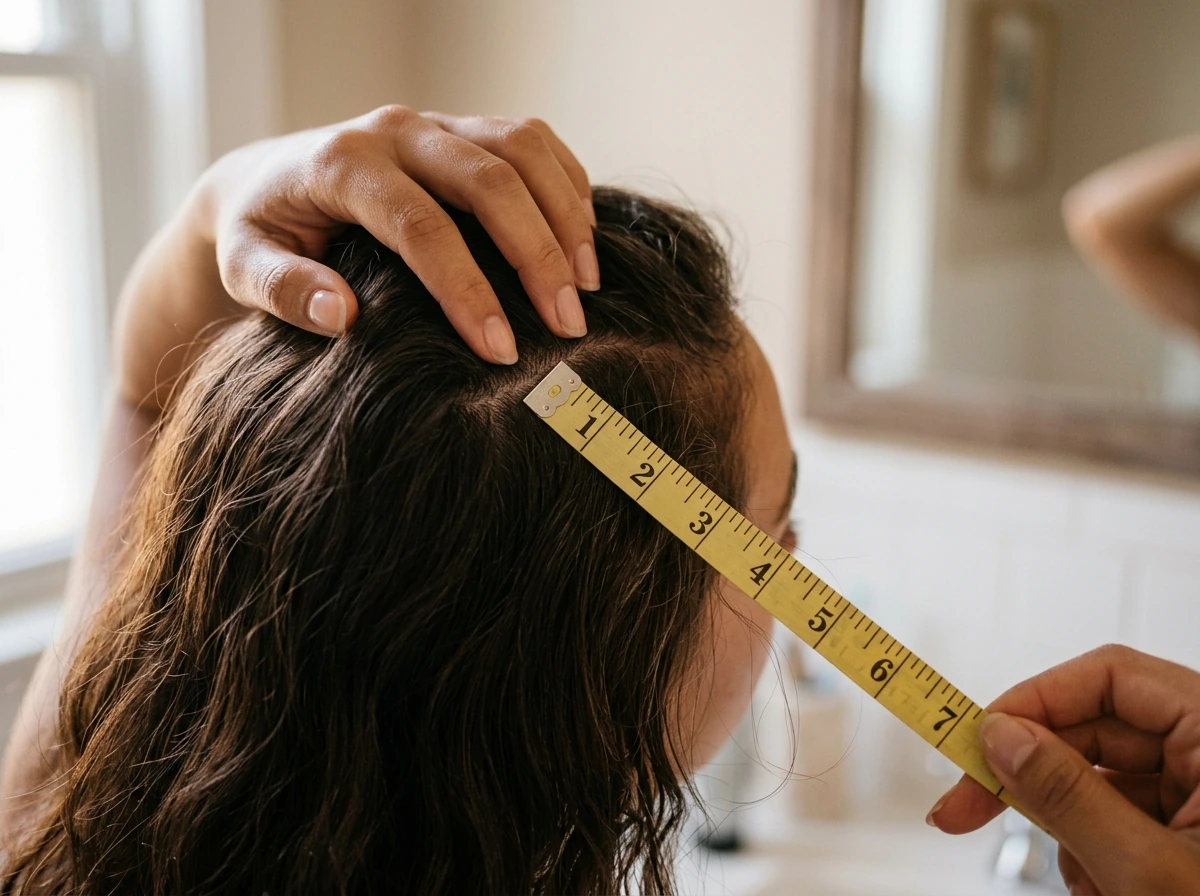
How to Grow Your Hair: Length, Thickness, and Regrowth Steps
Step-by-step routine to grow hair longer and thicker, improve regrowth, reduce breakage, and know labs, timelines, and c
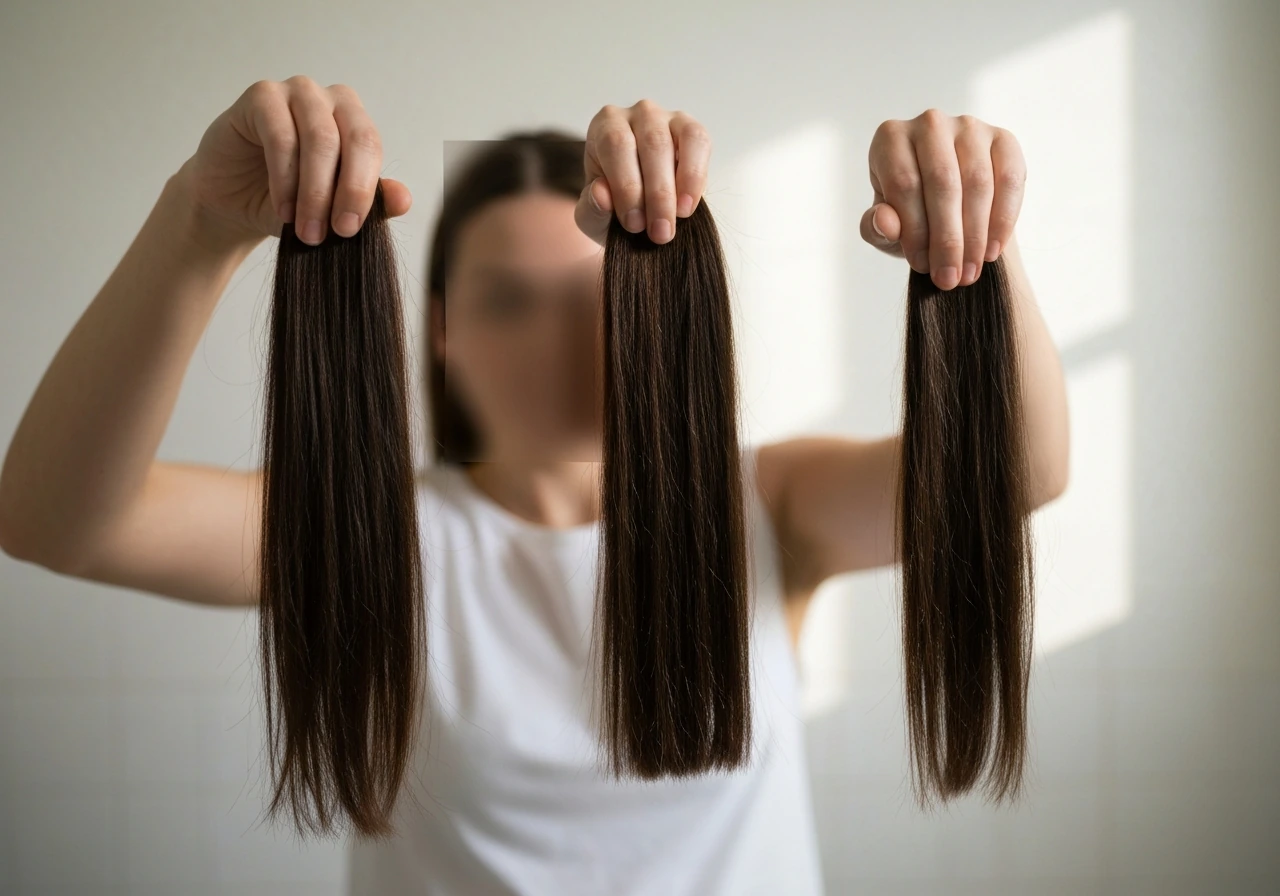
Grow Hair Long Tips: Step-by-Step Routine to Reach Length
Step-by-step grow hair long tips: boost scalp health, cut breakage, improve diet, and track progress for length.
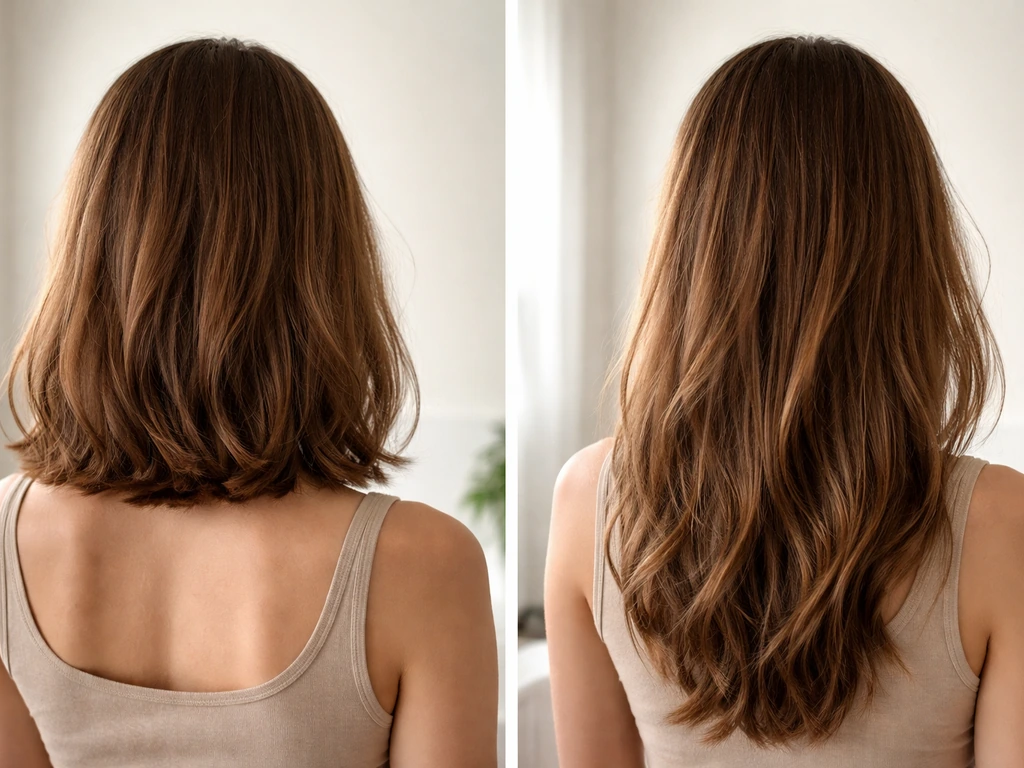
Tips for How to Grow Long Hair: A Practical Guide
Actionable tips to grow long hair naturally: care routine, scalp habits, nutrition and breakage prevention for healthy l