
The honest answer: no hairstyle actually makes your hair grow faster. If you're specifically searching for hair how to grow tips, focus on reducing breakage and keeping tension and manipulation low. If you're working on growing your length out as a woman, the same breakage reduction and low-tension styling approach applies how to let your hair grow out female. Growth happens at the follicle level, deep in your scalp, and styling doesn't reach it. But the right hairstyle absolutely can help you grow longer, thicker-looking hair by protecting what you already have. Most people who struggle to gain length aren't growing slowly, they're breaking off hair at roughly the same rate it grows. Fixing that is where smart styling comes in. If you want examples beyond reducing breakage, you can also check what hairstyles grow your hair for related style ideas.
Best Hair Styles to Grow Hair: Protect Growth and Length

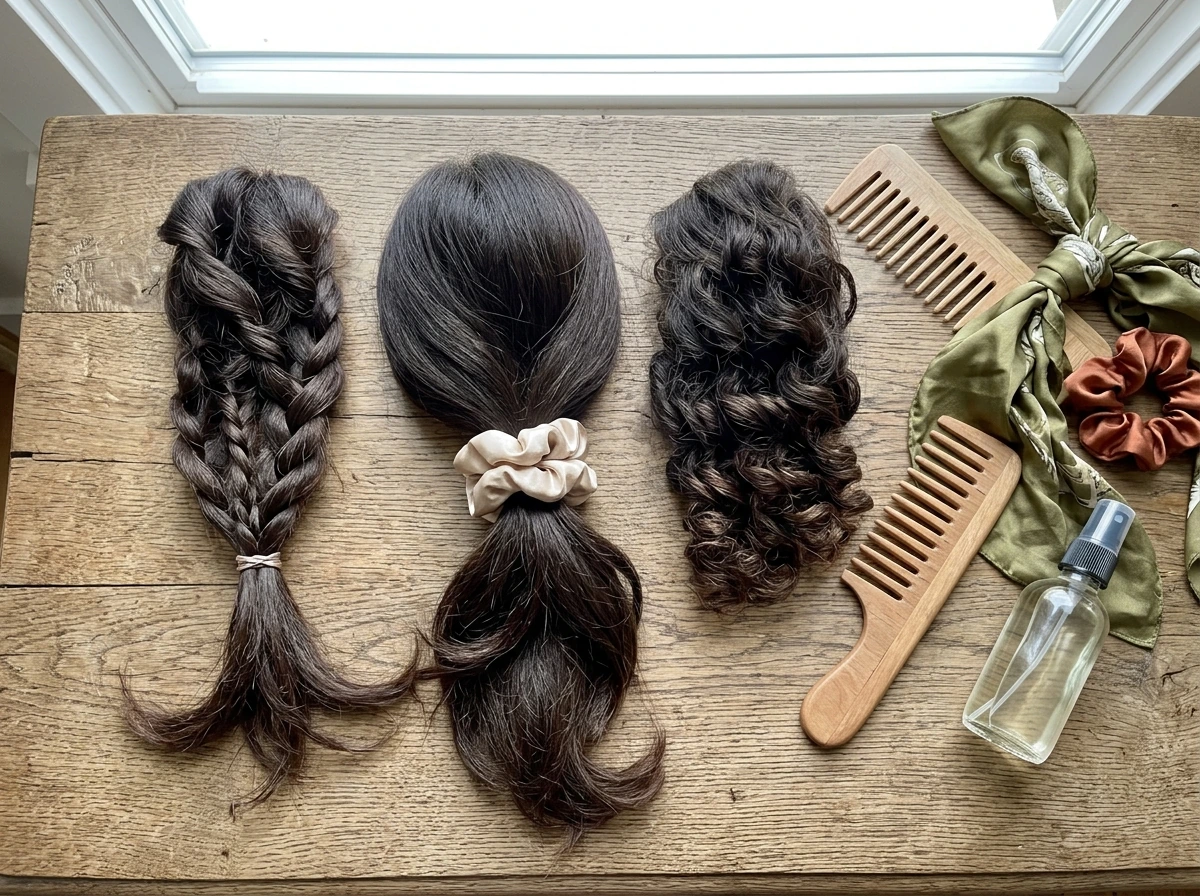
Think of your hair like a long piece of thread. The older the thread, the more worn and fragile the ends become. Styles that create tension, friction, or repeated manipulation snap that thread before it reaches the length you want. The goal is to choose styles and routines that keep your strands intact from root to tip, reduce scalp irritation that can trigger shedding, and make it easier to maintain the moisture and condition that keep hair resilient.
How to choose a hair style that actually supports growth
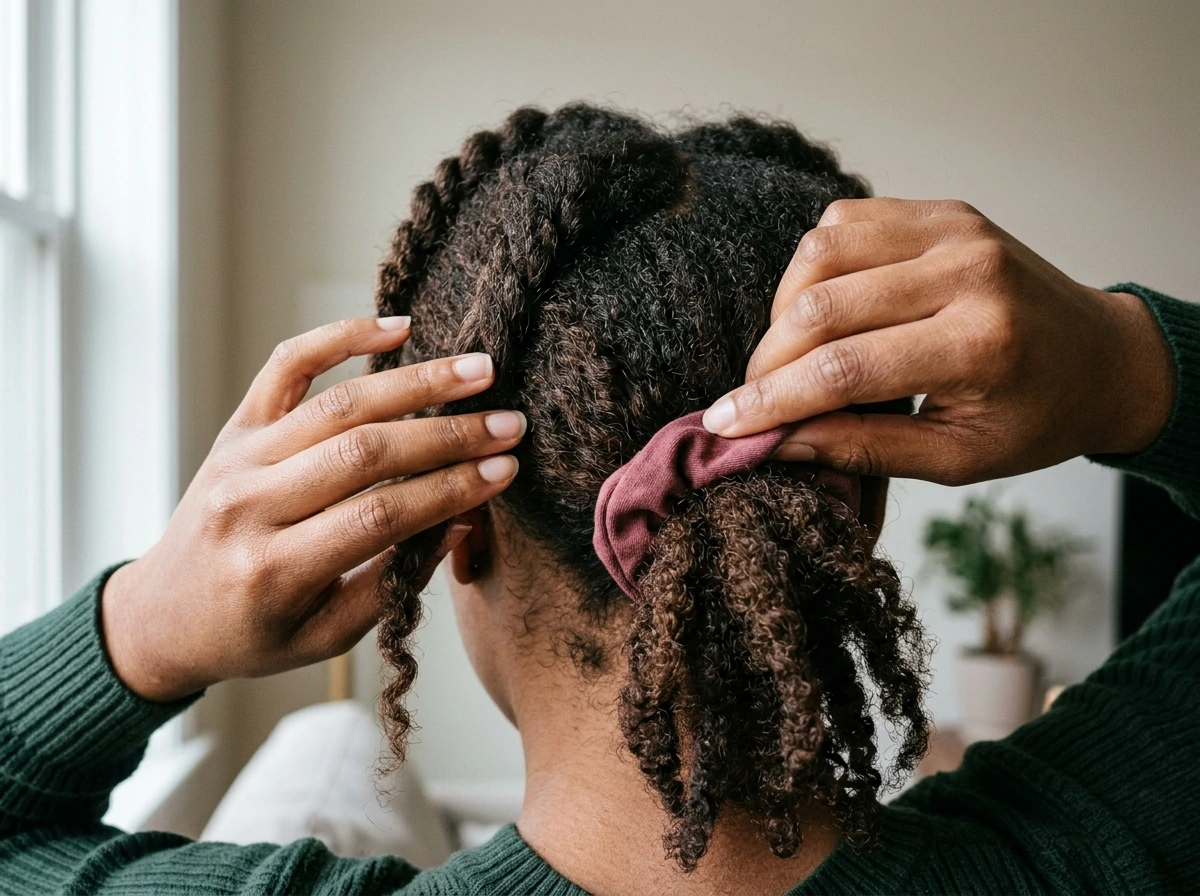
Before picking a style, run through three quick questions: How often does this style require you to manipulate your hair? Does it put any tension on your scalp or hairline? And does it keep your ends exposed to friction and dryness, or tuck them away? The more manipulation, tension, and end exposure a style involves, the harder it works against your length goals.
Tension is the big one. Tight ponytails, slick buns, tight braids, and cornrows all pull on hair roots. Over time, repeated pulling causes traction alopecia, a real and sometimes permanent form of hair loss where follicles are damaged by continuous stress. The warning signs are easy to miss at first: soreness at the hairline, small pimples or bumps near roots, redness, and thin patches that slowly creep back from the temples. If a style causes any pain or discomfort, that's your scalp telling you it's too tight. Listen to it.
A good <a data-article-id="F2B37A77-5AC5-4D1E-9860-E20575A618E9">growth-supporting style</a> sits at the intersection of low tension, low manipulation, and good moisture retention. You don't need to avoid all updos or braids, you just need to wear them loosely, take breaks from them, and never leave them in so long that the friction and tension compound. A practical rule: if you're using a tension-causing style like a braid or twist, limit it to one to two weeks maximum and let your hair rest completely between installations. how to grow hair women
Best low-manipulation styles for less breakage
Low-manipulation styling is the single most effective thing you can do through hairstyling to retain length. These are styles you can put in, leave alone for several days, and take down gently. Every time you detangle, re-style, or run a brush through your hair, you risk snapping strands, especially if they're dry or fragile. Reducing those touchpoints adds up over weeks and months.
The best growth-supporting style categories, roughly in order of how protective they are, are protective styles, loose twists and braids, buns and updos done loosely, and wash-and-go or air-dried natural styles. Each one has a sweet spot when it comes to hair type and routine, which I'll break down in the next section.
- Loose two-strand twists or flat twists: tuck ends away, reduce daily combing, and work well for wavy to coily textures
- Low loose buns: keep ends protected without pulling on the hairline; best secured with a scrunchie or fabric tie, never an elastic band
- Braids (loose, not tight): great for protecting length as long as they're not installed under tension
- Bantu knots or pineapple updos overnight: reduce friction against pillowcases while sleeping
- Wash-and-go styles (for natural textures): minimal manipulation once set, but require proper sealing to avoid dryness
- Loose single braids or cornrows at the scalp: only growth-supportive when done with no added tension and taken down within two weeks
- Simple loose down styles on straight or wavy hair: work well as long as you minimize heat and detangle gently
What to avoid: tight high ponytails worn daily, sleek bun styles that require gels and repeated edge-pulling, extensions installed under heavy tension, very tight box braids or cornrows left in for months, and any style that requires you to use heat tools frequently to maintain it. These don't just risk breakage, they risk follicle damage that can set back growth permanently.
The right style for your hair type and texture
Hair type changes what 'low manipulation' actually looks like in practice. A style that works beautifully for straight hair might cause knots and breakage on coily hair. Here's a practical breakdown by texture.
Straight hair (Type 1)
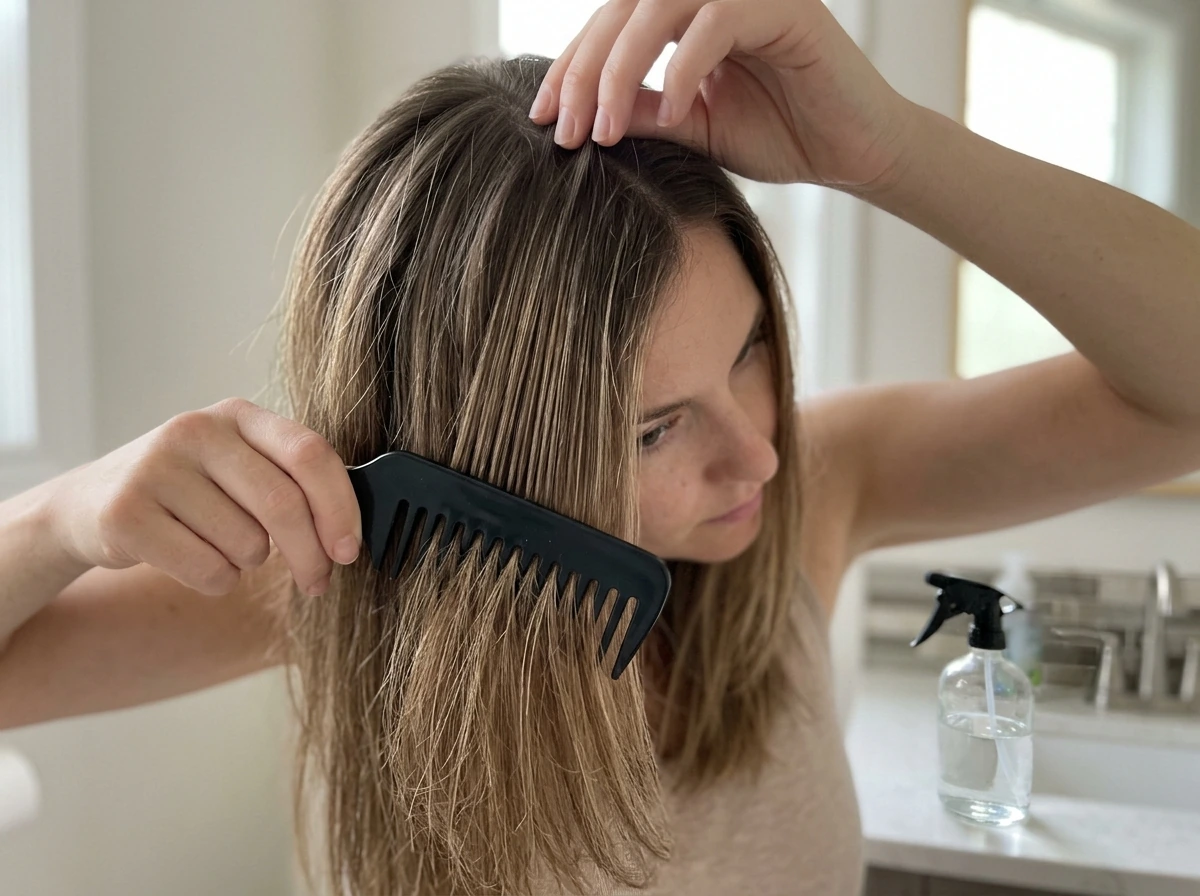
Straight hair tends to distribute scalp oils evenly, which is a built-in advantage. Your biggest growth barriers are usually mechanical damage from heat tools, tight elastic bands, and over-brushing. A loose braid or loose bun at night protects ends from pillow friction. During the day, wearing hair down is fine as long as you're not reaching for the flat iron or blow dryer daily. Air drying on low heat and brushing only when hair is damp with a wide-tooth comb will dramatically reduce breakage. Avoid sleeping with tight ponytails or top knots.
Wavy hair (Type 2)
Wavy hair benefits from styles that enhance its natural pattern rather than fighting it. Diffusing instead of blow-drying straight, finger detangling instead of brushing, and wearing loose twists or braids while hair dries all reduce frizz-related manipulation. The challenge with wavy hair is the temptation to constantly refresh or re-style when waves lose definition, which creates a cycle of unnecessary handling. A good hold product applied to damp hair, air dried or diffused, can set a style you can largely leave alone for two to three days.
Curly hair (Type 3)
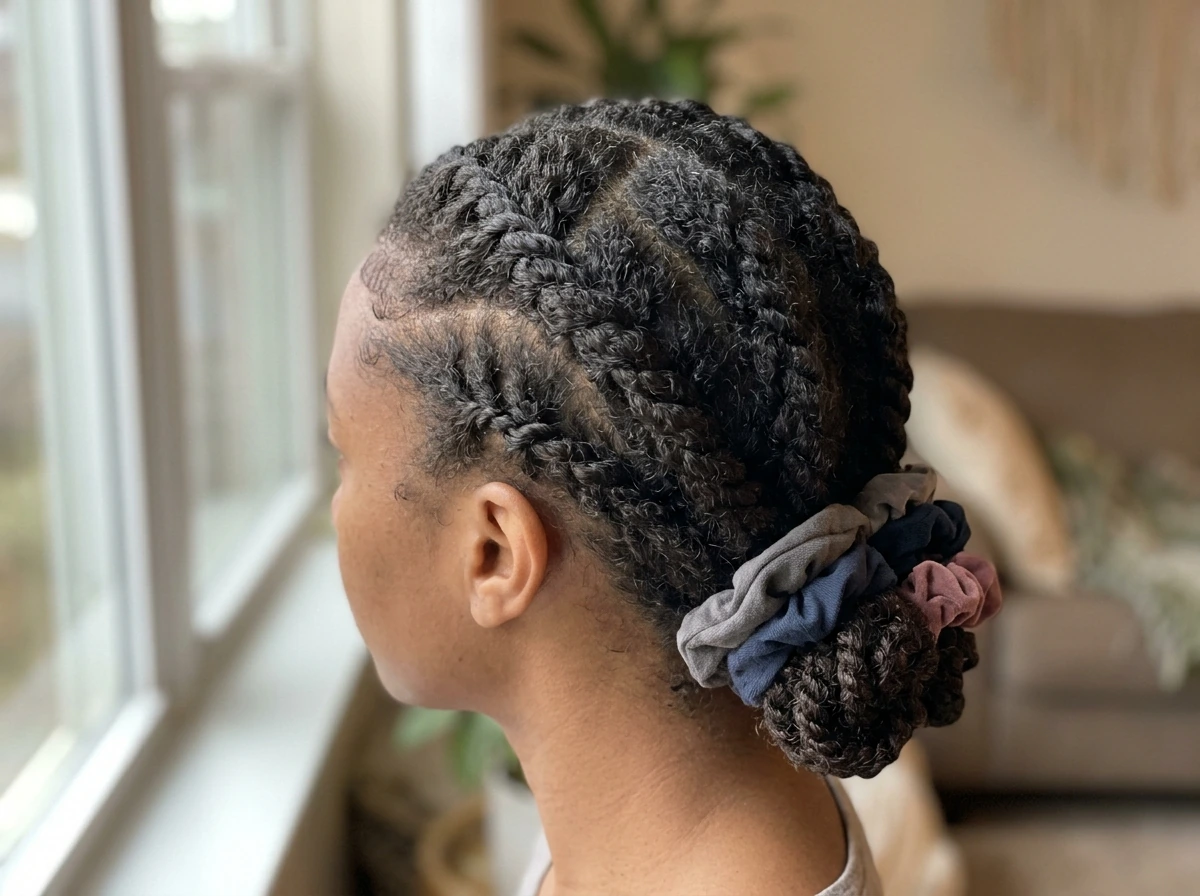
Curly hair is more prone to tangles and dryness because the curl pattern makes it harder for natural oils to travel down the shaft. Protective and low-manipulation styles make a big difference here. Pineappling at night (loosely gathering hair at the top of your head with a scrunchie) and using a satin or silk pillowcase both reduce overnight breakage significantly. For daily styling, the less you disturb a set curl, the better. Finger coiling sections after washing, then leaving them alone, is far less damaging than re-combing or re-brushing through the day. Braid-outs and twist-outs are excellent options because they set overnight and require minimal touching the next day.
Coily hair (Type 4)
Coily hair is the most fragile in terms of length retention because the tight curl pattern creates many potential breaking points and makes moisture retention harder. Protective styles like loose twists, flat twists, and braids are genuinely the most effective growth-supporting options here, not just nice to have. The key is 'loose': tight installations cause traction, which over months creates the hairline recession you see with many protective style wearers. Install loosely, limit to one to two weeks, and always moisturize and seal before installing. Stretching styles like braid-outs also reduce single-strand knots (those tiny tangles that form near the ends) which are a major coily hair breakage cause.
| Hair Type | Best Growth-Supporting Styles | Key Concerns to Manage | What to Avoid |
|---|---|---|---|
| Straight (Type 1) | Loose braid or bun at night, air-dried down styles | Heat damage, elastic breakage | Daily heat tools, tight ponytails |
| Wavy (Type 2) | Diffused wash-and-go, loose braids while drying | Frizz-related over-manipulation, re-styling too often | Brushing dry, daily re-styling |
| Curly (Type 3) | Pineapple updo at night, braid-outs, twist-outs | Tangles, dryness, overnight friction | Combing dry hair, sleeping without protection |
| Coily (Type 4) | Loose twists, flat twists, loose braids (max 2 weeks) | Moisture loss, single-strand knots, traction | Tight installations, leaving styles in too long |
Scalp care and grooming habits that work with your style
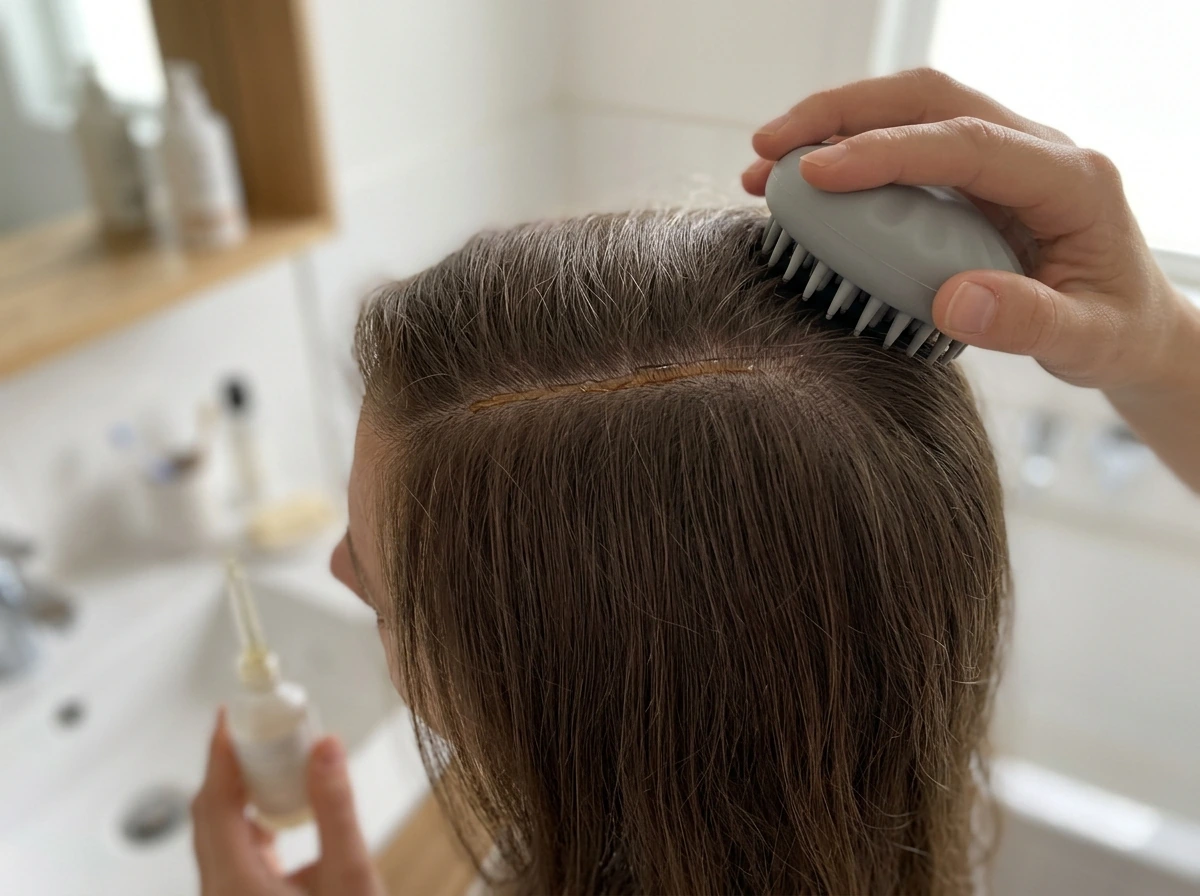
Your style is only as good as the scalp care that goes with it. Styling choices affect how often you're washing, how you're accessing your scalp, and whether your routine actually gets done or gets skipped because the style makes it inconvenient. That last part matters more than people realize. If a style makes washing and conditioning your hair such a hassle that you skip it for three weeks, the style is working against you even if it looks protective.
For loose and down styles, aim to wash every five to seven days for straight and wavy hair, and every seven to ten days for curly and coily textures. Use a gentle, sulfate-free shampoo to avoid stripping moisture, follow with a conditioner, and always detangle from ends to roots with a wide-tooth comb or your fingers while conditioner is in. For styles like twists or braids, you can often wash the scalp directly with a diluted shampoo in a bottle applicator, then condition after. The point is to keep your scalp clean and your hair moisturized regardless of style.
Scalp massage is worth building into your routine here too. A few minutes of gentle circular massage at wash time improves blood flow to the follicles and doubles as a check-in: you'll notice if areas feel tender (a tension warning sign) or if shedding is heavier than usual. If your style is a protective install, check your hairline and parting lines every few days. Any redness, bumps, or soreness means the style needs to come down or be re-done more loosely.
Overnight protection is a habit that's easy to overlook but pays off consistently. A satin or silk pillowcase reduces friction for all hair types. For curly and coily textures, combining a satin bonnet or scarf with a loose pineapple or loose braid before bed can cut your overnight breakage by a meaningful amount over weeks and months.
Getting protein and moisture balance right for growth-focused styling
The reason a lot of growth-focused styling efforts stall is that the hair itself is in bad condition regardless of style choice. Two things matter most for hair resilience: protein and moisture. Hair is mostly keratin protein, and it needs regular protein to repair structural damage (from heat, chemical processing, color, and general wear). But too much protein makes hair brittle and prone to snapping. Moisture keeps hair flexible and elastic so it bends instead of breaks. The right balance between the two is what makes hair strong enough to actually retain length.
In practice, this means alternating between protein treatments and deep conditioning moisturizing treatments every few weeks based on how your hair feels. If your hair feels limp, stretchy, or mushy when wet, it needs protein. If it feels dry, stiff, or snaps immediately under tension, it needs moisture. Most people growing out hair that's been chemically processed or heat-styled regularly benefit from a light protein treatment once a month and a deep conditioning treatment every one to two weeks.
Sealing moisture in after conditioning is especially important for curly and coily textures, and helpful for anyone with dry hair. Apply a leave-in conditioner to damp hair, then a light oil or butter (such as jojoba, argan, or shea for thicker textures) to seal the moisture in before styling. For straight and fine hair, lighter options like argan oil or a silicone-free serum work better without weighing hair down. The goal is to lock in what you just put in rather than letting it evaporate before your style sets.
Shedding vs. breakage vs. actual hair loss: knowing what you're dealing with
One of the most common things people get wrong when trying to grow their hair is not knowing which problem they're actually solving. Styling changes fix breakage. They don't fix excessive shedding from hormonal issues, nutrient deficiencies, or stress, and they definitely don't fix clinical hair loss conditions like androgenetic alopecia or alopecia areata. Knowing the difference tells you whether a style change is enough or whether you need to look further.
Breakage is what happens when a strand snaps somewhere along its length. You'll see short pieces of hair in your brush or sink, with no bulb (white or translucent root tip) attached. This is mostly a hair shaft problem caused by dryness, protein imbalance, mechanical damage, or tension. Breakage is what styling and conditioning fixes.
Shedding is normal hair loss at the root. Shed hairs have that tiny white bulb at the end, and losing 50 to 100 strands a day is completely normal. Higher than that, especially in clumps or diffuse overall thinning, can signal stress, thyroid imbalance, iron deficiency, or telogen effluvium (a temporary shock shed from illness, significant weight loss, or major hormonal shifts). Styling won't fix these, though reducing scalp irritation and tension can reduce the shedding triggered by physical trauma.
True hair loss involves follicle damage or dormancy. Traction alopecia from chronic tight styles, or genetic pattern hair loss, both need medical attention, not just a new routine. If you're noticing a receding hairline, persistent bare patches, or if styling changes haven't improved things after three to four months, it's time to see a dermatologist. The earlier you catch follicle damage, especially from traction, the better the outcome, because permanent follicle scarring is irreversible.
How long this actually takes, and how to tell if it's working
Hair grows roughly half an inch per month on average, which is about six inches a year. That's the biological ceiling for most people, and no style or product changes it. What styling changes do affect is how much of that growth you actually keep. If you're breaking off a quarter inch every month, your net retention is only a quarter inch. Reduce breakage to near zero and suddenly you're retaining the full half inch or close to it. That difference adds up to inches per year.
Give any new styling routine at least three months before judging it. Hair is slow, and changes in breakage don't show up as visible length immediately. A practical way to track progress is to take a photo of your hair against a fixed reference point (a doorframe, a measuring tape pinned to the wall) on the first of every month. It's low effort and removes the day-to-day perception problem of not seeing gradual change when you look in the mirror every day.
Also pay attention to your brush and your shower drain. Fewer short pieces in your brush means less breakage. A steady number of full-length shed hairs (with bulbs) is normal. If you're still seeing significant breakage after three months of lower manipulation, better moisture balance, and gentler handling, look more closely at your protein-moisture balance and whether any styles are still causing tension you haven't noticed.
If length still isn't improving despite addressing breakage, and especially if you're noticing overall thinning or scalp changes, it's worth looking into whether shedding or an underlying growth issue is at play. That's when diet, supplements, scalp health, and potentially a conversation with a dermatologist become the more important next steps, beyond styling alone. Other aspects of how to grow hair, including nutrition, scalp stimulation, and targeted treatments, can work in parallel with the right style choices.
Your next steps, in plain terms
Start by picking one low-manipulation style that suits your texture and fits your real daily life. You don't need to do everything at once. Get the style right first, then layer in the matching scalp care routine: regular gentle cleansing, conditioning, overnight protection, and a light scalp massage at wash time. Check that your moisture and protein balance feels right for your hair's current condition. And commit to three months before expecting visible change. how to grow hair for wedding
- Pick a low-manipulation style appropriate for your texture (see the table above for a starting point)
- Ditch any styles causing scalp pain, soreness, or hairline tension immediately
- Establish a wash-condition-seal routine that fits your style and hair type
- Add overnight protection: satin pillowcase, bonnet, or a loose protective style before bed
- Check breakage vs shedding monthly by looking at what you're losing in the brush and shower
- Photograph hair length monthly against a fixed reference point
- If breakage persists after three months, revisit protein-moisture balance
- If thinning or shedding is the issue rather than breakage, investigate nutrition, stress, and scalp health, and see a dermatologist if changes don't improve within a few months
Growing your hair isn't complicated, but it does require consistency. The style is just the framework. What actually drives results is everything that happens underneath: how well you care for your scalp, how you handle your strands, and how patient you're willing to be with a slow process that pays off in real, measurable inches.
FAQ
How do I know if my protective style is actually helping, or secretly causing traction?
If your goal is “best hair style to grow hair,” prioritize tension-free installation over the exact category. Even a protective style can stall length if it feels tight when you put it in, leaves sore spots the next day, or causes redness along your hairline within the first week.
Is hair coming out normal when I remove braids or twists, and how can I tell breakage from shedding?
Don’t judge breakage by how much hair you see the day you take a style down. Compare the amount of short snapped pieces across a full month, and also check for shed hairs with bulbs (root shedding) versus snapped shaft pieces (breakage). They need different solutions.
What should I do if my hair won’t hold the style for days, so I end up touching it constantly?
If you have to restyle often (for example, waves losing definition or curls flattening), choose styles that tolerate “maintenance-free” time, like loose twists that can be kept in place or wash-and-go techniques that only need light touch-ups. Constant re-combing and rewetting usually cancels the benefit of a protective look.
Can I still wear ponytails or slick buns if I’m trying to grow my hair?
Yes, but do it in a way that reduces tension and heat exposure. Use a loose elastic, avoid daily high pull, keep hairstyles off the hairline, and avoid layering tight slick styles with traction at the same time. Heat-free smoothing (scarf, setting spray, or low-manipulation detangling) is safer than repeated edge pulling.
What’s the best way to take down a protective style without losing more length?
When you remove the style, detangle with conditioner while the hair is slippery, then moisturize and seal before styling again. Skipping conditioner right after removal is a common reason people lose length, because hair feels “soft” before it dries and then becomes prone to snapping.
What if I love the look of a style, but it makes me skip washing too often?
A style can be low tension but still reduce growth if washing becomes unrealistic. If you’re skipping cleansing for weeks, switch to a style that allows scalp access (like smaller sections you can reach) or plan a specific wash day workflow before installing.
How can I measure progress accurately if my hair changes length with humidity and styling?
Track net retention by measuring, not just photos. Take monthly length checks the same day of the week, after the same type of wash and dry routine, and use a consistent reference point. If you only compare “day one styling,” you might mistake stretching or shrinkage for actual growth.
How often should I alternate protein and deep conditioning to support length retention?
Protein and moisture balance is individual, so the safest next step is a feel-based check. If hair feels stretchy and mushy when wet, lighten moisture-heavy products and add protein. If it feels stiff or snaps with gentle tension, reduce protein and focus on deep conditioning for flexibility.
What if I need a quick protective style for an event, can I still do it without harming growth?
Yes, but be cautious with timeline and installation force. Even when you can’t wear a style for a month, the key is “rest and reset,” meaning no tension rebuild every day and no returning to the same tight areas repeatedly. If you notice recurring soreness in the same spots, switch the placement and widen the time between installs.
At what point should I stop using hairstyles as my main solution and see a dermatologist?
If you see persistent symptoms like tenderness, bumps that keep returning at the roots, redness, or a gradually retreating hairline, don’t try to “push through.” Remove the style sooner, loosen future installations, and consider a dermatologist evaluation if changes continue after stopping tension.
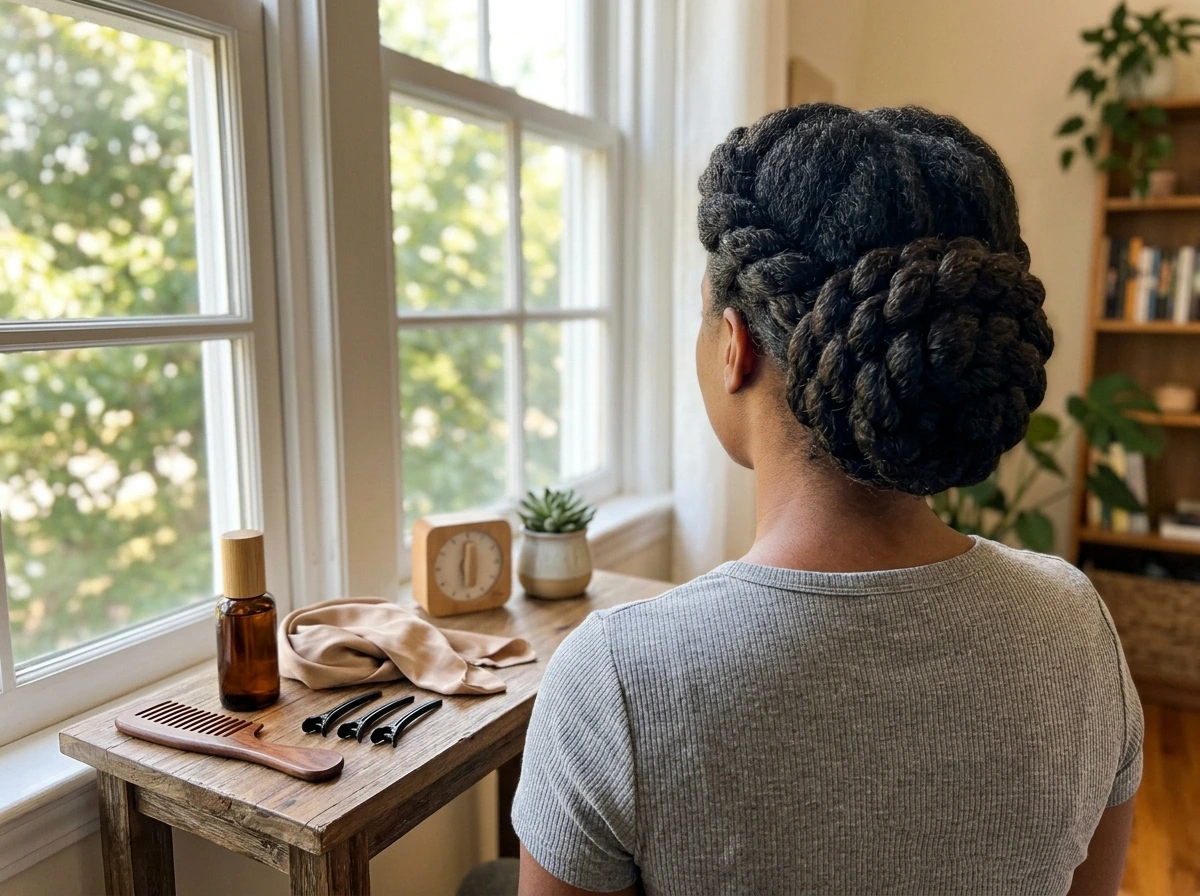
Step-by-step routine to grow hair longer naturally for women: reduce breakage, care scalp, protect styles, and set timel
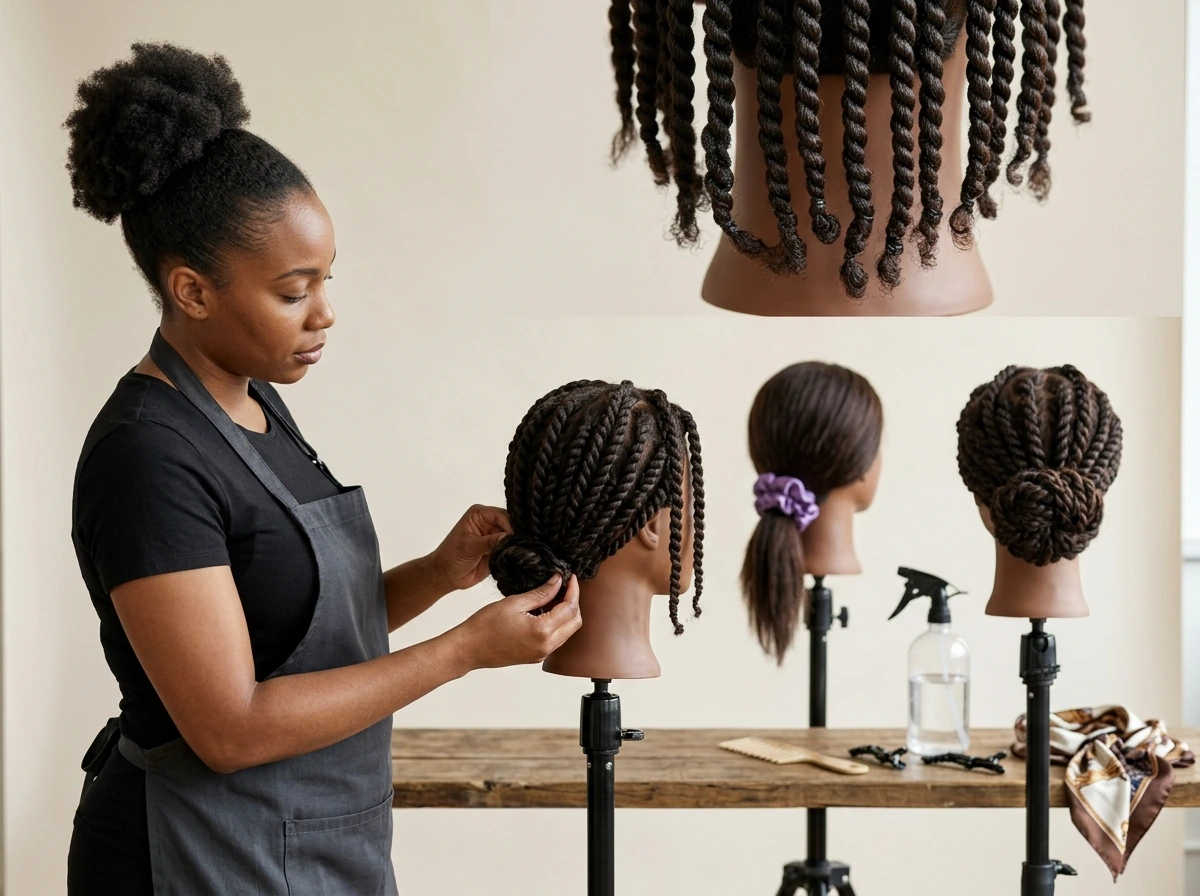
Find hairstyles that help hair grow and keep length by reducing breakage, traction, and scalp stress. Plus step-by-step
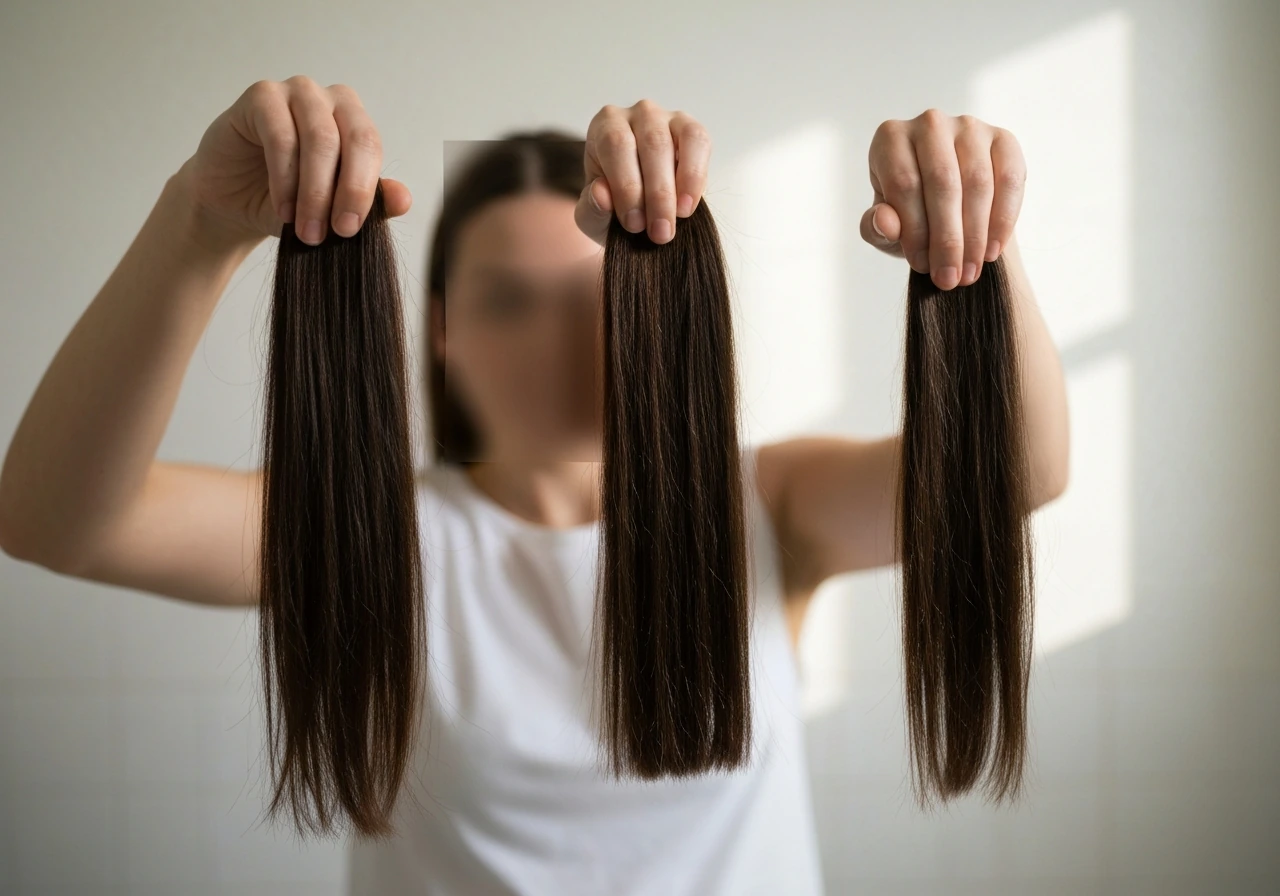
Step-by-step grow hair long tips: boost scalp health, cut breakage, improve diet, and track progress for length.