
Growing hair at the back of your head follows the same biological rules as growing hair anywhere else, but the back and nape area has its own specific set of problems: it cops more friction from pillows and collars, it's a hotspot for traction damage from certain hairstyles, and it's often the last place you think to check when things go wrong. The good news is that most causes of thinning or slow growth at the back of the head are addressable, especially when you catch them early and tackle them systematically. If your real goal is how to grow tailbone length hair, keep in mind that the same back-of-scalp habits for reducing friction and tension also help your ends stay stronger long-term.
How to Grow Hair at the Back: Fix Thinning Fast

Marcus Holloway
23 Apr 2026
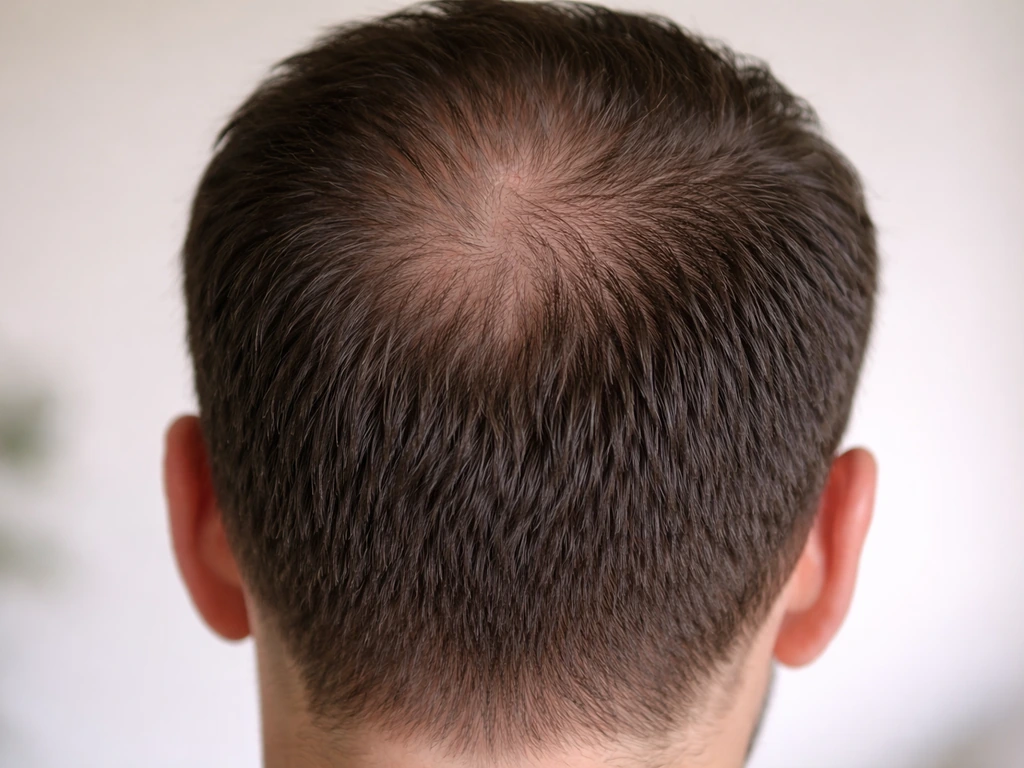
Why the back of your head thins in the first place
The back of the scalp (the occipital area, including the nape) can thin for several distinct reasons, and figuring out which one you're dealing with changes everything about how you approach it. Here are the most common culprits.
Traction alopecia
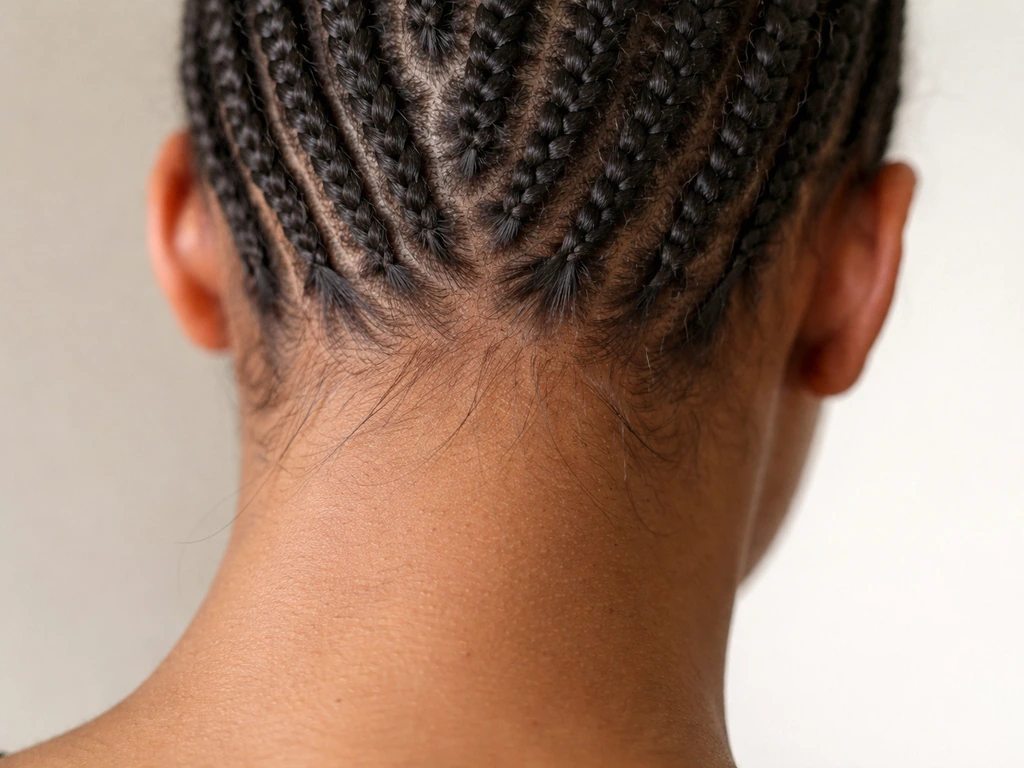
This is probably the most common cause of hair loss specifically at the back and nape, and it's almost entirely preventable. Traction alopecia happens when hairstyles exert sustained tension on the hair roots, and the occipital region is a classic site because tight ponytails, braids, weaves, and buns all pull against the back hairline. The good news: if you catch it early and remove the tension, the follicles often recover. The bad news: if you keep the style up for months or years, the follicle damage can become permanent.
Androgenetic alopecia (pattern hair loss)
Pattern hair loss is typically associated with the crown and temples in men, but it doesn't always play by those rules. Some people experience more occipital involvement than the classic textbook diagram suggests. Androgenetic alopecia works by miniaturizing hair follicles over time, shrinking the active growth (anagen) phase while increasing the resting (telogen) phase. This means hairs grow shorter, finer, and more slowly until they stop altogether. If the back of your head is thinning diffusely and gradually over months or years, this is worth investigating.
Alopecia areata
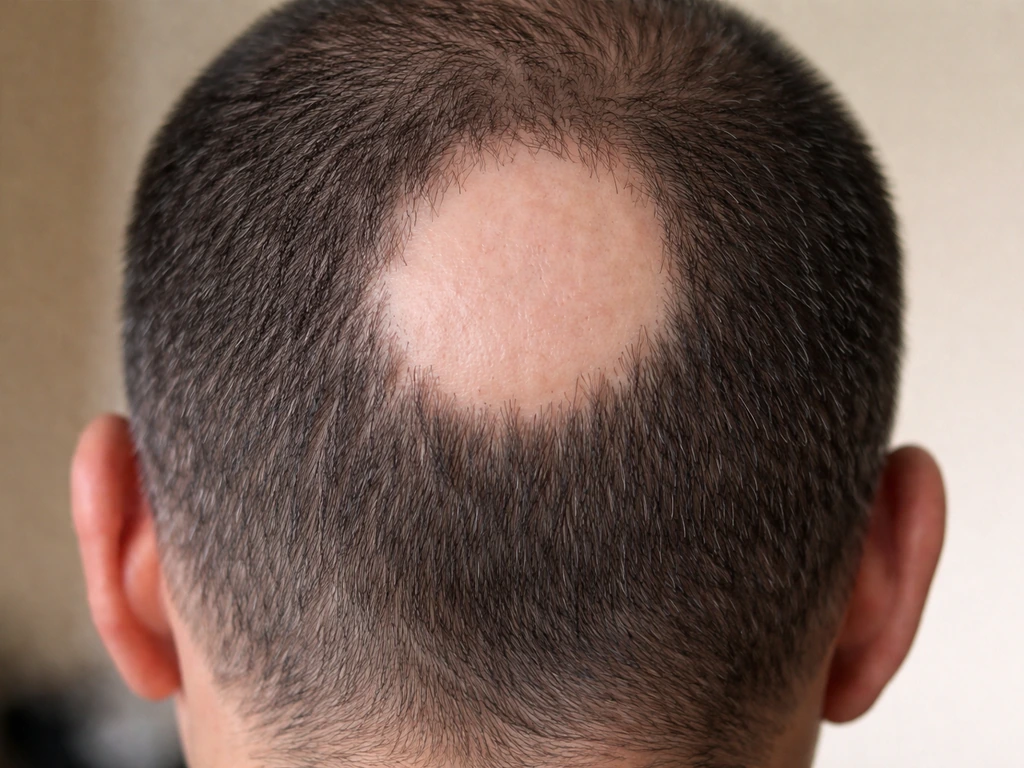
Alopecia areata causes smooth, round patches of hair loss and can appear anywhere on the scalp, including the back. One telltale sign is short, broken hairs at the edges of the patch that taper toward the scalp, sometimes called exclamation point hairs. These patches can appear suddenly and are caused by the immune system mistakenly attacking hair follicles. This one needs a dermatologist's eye because there are treatments that work well when started early.
Scalp conditions: seborrheic dermatitis, psoriasis, and tinea capitis
Chronic scalp inflammation, whether from seborrheic dermatitis, psoriasis, or a fungal infection like tinea capitis, can interfere with the growth environment at the follicle level. Tinea capitis (scalp ringworm) can cause inflammatory lesions and, if severe, can lead to scarring that permanently damages follicles. Seborrheic dermatitis and scalp psoriasis both cause scaling and inflammation; they look similar but have distinct scale textures and redness patterns that a dermatologist can usually distinguish on sight. If you have persistent itching, flaking, or redness at the back of your scalp, don't ignore it, because ongoing inflammation is one of the quieter reasons hair growth stalls.
Telogen effluvium and other systemic triggers
Telogen effluvium is a diffuse shed triggered by physical or emotional stress, illness, rapid weight loss, nutritional deficiencies, hormonal shifts (including postpartum changes), or certain medications. It typically shows up as all-over shedding rather than a localised patch, but people often notice it most at the back and crown where hair density is already lower. The shedding usually peaks around three to six months after the trigger event, which is why people are often puzzled about the timing.
Quick self-check: patterns, triggers, and what to avoid
Before you buy anything or start a new routine, spend five minutes doing this self-assessment. It'll help you narrow down the cause and avoid wasting time on the wrong approach.
- Look at the pattern: Is it a smooth, round patch (suggests alopecia areata)? Is it along the nape or back hairline (think traction)? Or is it a gradual, overall thinning spread across the back (more likely telogen effluvium or androgenetic alopecia)?
- Check the scalp skin: Is the area itchy, scaly, or inflamed? Flaking plus redness points toward seborrheic dermatitis or psoriasis; patchy scaling with broken hairs could be tinea capitis.
- Review your hairstyle history: Have you been wearing tight ponytails, braids, buns, or extensions regularly? If yes, traction is a strong suspect.
- Think about timeline: Did shedding start suddenly or has it crept up gradually? Sudden and diffuse often means a systemic trigger; slow and progressive leans toward pattern loss.
- Scan for a trigger event: Illness, major surgery, significant stress, crash dieting, or a hormone change (pregnancy, stopping the pill) in the past three to six months? That fits telogen effluvium.
- Check what you sleep on: Rough cotton pillowcases and collars with stiff fabric create ongoing friction against the back of the scalp, which weakens hair shafts and can worsen thinning.
- Note any heat use: Flat irons, curling wands, and blow dryers pointed repeatedly at the nape and back cause cumulative breakage that mimics thinning.
If you have a smooth bald patch, visible scalp inflammation, signs of infection (tenderness, swelling, pus), or loss that has been progressing for more than six months without any obvious lifestyle trigger, skip the self-help phase and go straight to a dermatologist. Some causes of back-of-head hair loss respond well to treatment only when addressed early, and a biopsy can definitively tell the difference between scarring and non-scarring loss, which matters enormously for what comes next.
Build a back-of-scalp growth routine
Once you've ruled out anything that needs a doctor first, here's how to build a daily and weekly routine that targets the back of the scalp specifically.
Cleansing
Wash your hair often enough that product buildup, sebum, and dead skin cells don't accumulate on the scalp. For most people, two to three times per week is the sweet spot. If you have seborrheic dermatitis, a medicated shampoo containing ketoconazole, zinc pyrithione, or selenium sulfide is useful, and these are the same ingredients that can help keep the scalp environment healthier even without a diagnosed condition. When you wash, tilt your head forward so the water runs over the back of your scalp directly, and make sure the shampoo is actually contacting the skin back there, not just the surface of your hair.
Scalp massage
A daily scalp massage at the back of your head does two things: it increases local blood circulation to the follicles, and it mechanically stimulates the dermal papilla cells that drive hair growth. Use your fingertips (not nails) in small circular motions across the occipital area and nape for four to five minutes. You can do this dry or during shampooing. Some people find a silicone scalp massager tool easier to use on the back of the head where it's harder to reach. Consistency matters more than technique here.
Scalp care between washes
Keep the scalp at the back clear of heavy products that block follicles. If you use styling products, keep them off the scalp line at the nape. Between washes, a lightweight scalp tonic or serum with ingredients like niacinamide or a gentle exfoliant can help maintain a clear, receptive scalp surface. Don't pick at any flaking or scales, as this can introduce bacteria and worsen inflammation.
Topical treatments that actually support growth
Minoxidil
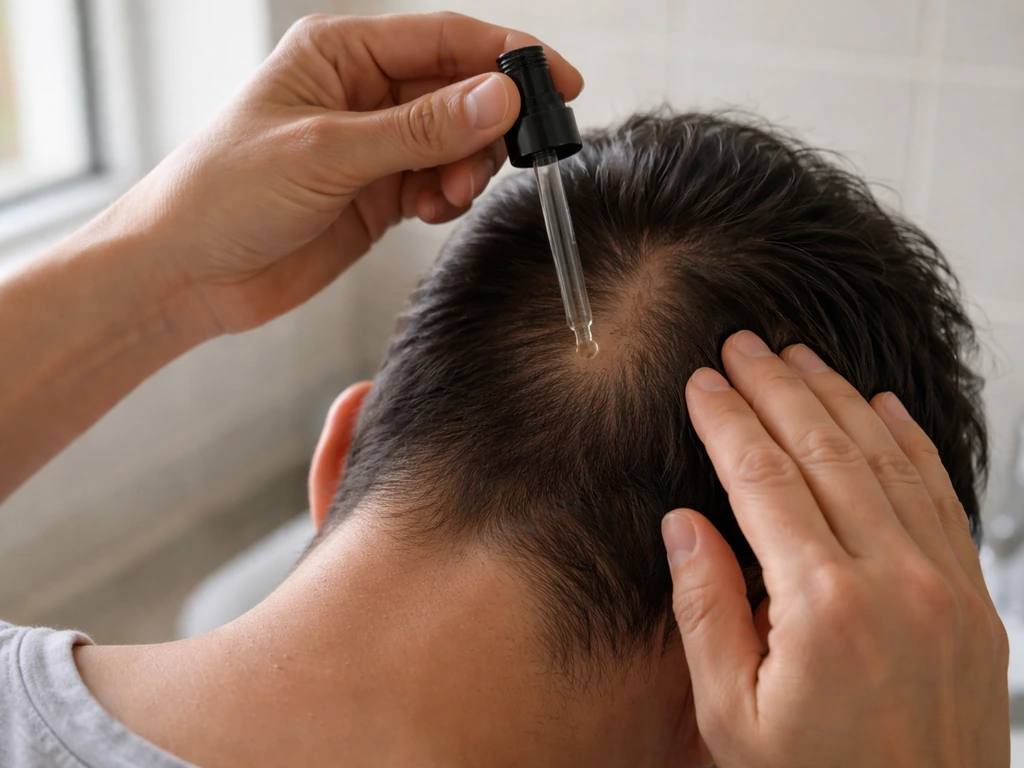
Minoxidil is the most evidence-backed topical treatment for hair regrowth available without a prescription. It works by prolonging the anagen (growth) phase of the hair cycle and improving blood supply to follicles. It comes in 2% and 5% solutions and foams, and a 5% foam applied to the back of the scalp once daily is the most practical option for that area since foam doesn't run the way liquid does. Apply it directly to the scalp at the back and nape, not to the hair, and let it dry before lying down or putting on clothing. It takes a minimum of three to four months to see any response, and you should expect some initial shedding in the first few weeks as follicles are pushed through their cycle. This is normal. Minoxidil needs to be used continuously; stopping usually means the regrowth reverses within a few months.
Rosemary oil
Rosemary oil has the most credible evidence among natural topical options. Some clinical studies have found it comparable to 2% minoxidil for hair growth over a 6-month period, which is notable. Dilute rosemary essential oil to around 2 to 3% in a carrier oil like jojoba or argan (roughly 3 to 4 drops per teaspoon of carrier), apply it to the back of the scalp, massage in, and leave for at least 30 minutes before washing out. Do this two to three times per week.
Other useful topicals
- Caffeine-based serums: Caffeine can block the effects of DHT at the follicle level and is found in several scalp serums; apply to the scalp and leave in.
- Niacinamide: Improves scalp microcirculation and reduces inflammation; works well as a leave-in serum ingredient.
- Peppermint oil: Some evidence for promoting hair growth via increased follicle depth and number; dilute similarly to rosemary oil before applying.
- Ketoconazole shampoo: Beyond treating fungal conditions, it has some anti-androgenic properties at the follicle level and is often used two to three times per week as part of a growth protocol.
What to skip
Avoid putting thick oils or butters directly on your scalp at the nape. Products like castor oil applied directly to the scalp (rather than the hair) can clog follicles and cause further inflammation for some people. Use any heavy oils on the hair shaft, not the scalp skin itself.
Nutrition and supplements for stronger, faster growth
Hair is one of the first places your body shows nutritional gaps, because it's not a vital organ and gets deprioritized when resources are scarce. A few specific nutrients are especially linked to hair growth and loss.
The core nutrients to get right
| Nutrient | Why it matters for hair | Best food sources |
|---|---|---|
| Iron (ferritin) | Low ferritin is one of the most common reversible causes of diffuse hair shedding, especially in women | Red meat, lentils, spinach, fortified cereals |
| Protein | Hair is almost entirely keratin (protein); insufficient dietary protein shortens the anagen phase | Eggs, fish, chicken, Greek yogurt, legumes |
| Vitamin D | Vitamin D receptors are present in hair follicles; deficiency is associated with alopecia areata and telogen effluvium | Fatty fish, fortified dairy, sunlight, supplementation |
| Zinc | Supports follicle cell repair and proliferation; deficiency causes hair shedding | Oysters, beef, pumpkin seeds, chickpeas |
| Biotin (B7) | Required for keratin synthesis; deficiency is rare but causes hair and nail changes | Eggs, liver, nuts, seeds |
| Omega-3 fatty acids | Reduce scalp inflammation and support follicle health | Salmon, sardines, walnuts, flaxseed, fish oil |
If you're eating a varied, balanced diet and not restricting calories heavily, a blood test is the most useful thing you can do before spending money on supplements. Ask your doctor to check ferritin (stored iron, not just haemoglobin), vitamin D, zinc, and a full blood count. Supplementing iron when you're not deficient, for example, won't help and can cause problems. Supplement only what you're actually low in.
Supplements worth considering
- A marine collagen or marine protein blend (like those in Viviscal or Nutrafol-style formulations) has reasonable evidence for supporting hair growth when dietary protein is low.
- Vitamin D3 with K2 is worth supplementing for most people in countries with limited sunlight, especially in winter.
- A good B-complex covers biotin alongside the other B vitamins that support healthy cell turnover.
- Saw palmetto has some evidence as a mild DHT blocker and is used by people wanting a more natural approach to androgenetic alopecia; evidence is weaker than for minoxidil but it's low risk.
Habits that make or break growth at the back specifically
The back of the head is uniquely exposed to mechanical damage that other parts of the scalp don't experience in the same way. These are the habits that most commonly sabotage growth in this area.
Fix your sleep surface
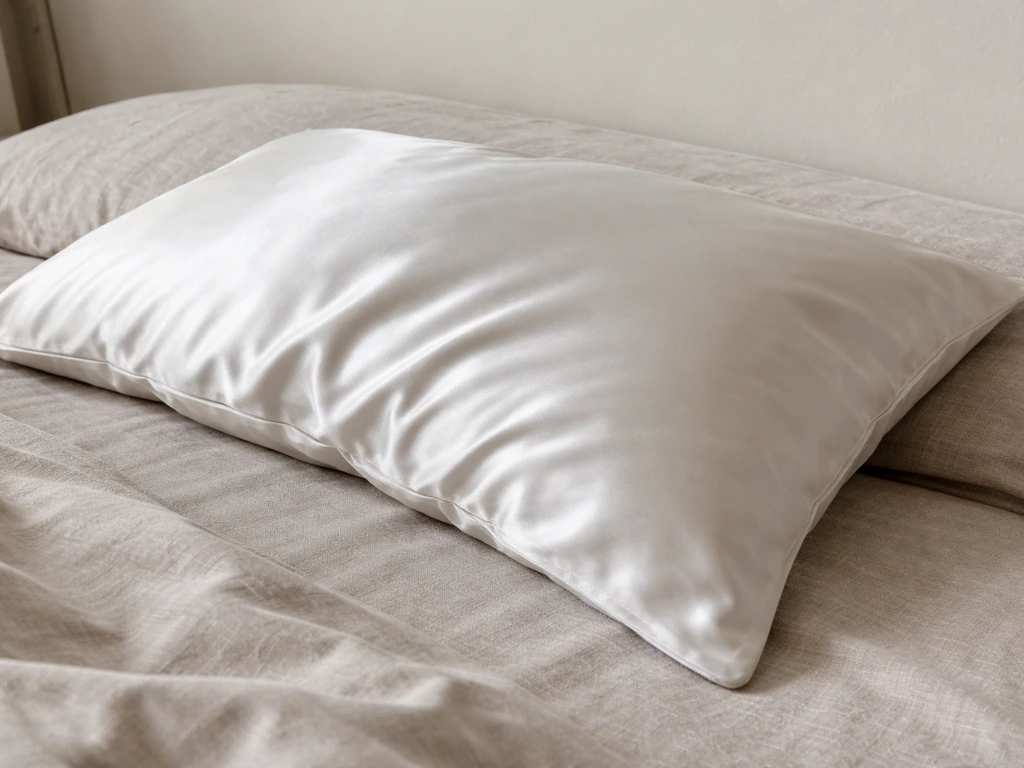
You spend around eight hours per night with the back of your head pressing against a pillow. Rough cotton creates friction that weakens hair shafts at the nape over time. Switch to a silk or satin pillowcase. It sounds minor, but people who make this switch consistently report less breakage at the back within a few weeks. If you can't change the pillowcase, a silk hair scarf tied loosely over the back achieves the same thing.
Release the tension
If you wear your hair up most of the time, start wearing it down at home and on rest days. When you do tie it up, keep the style loose and vary the position of the elastic so the tension isn't always in the same spot. Avoid elastic bands without fabric coating directly against the hair at the nape. This single change can produce noticeable improvements in hairline health within two to three months.
Reduce heat at the nape
The nape hairs are often finer and more fragile than hair higher on the scalp. Direct heat styling at the back (especially flat irons pressing against the nape) causes cumulative protein damage. Use a heat protectant spray every time, keep tools below 180°C (around 350°F) for fine or damaged hair, and try to air-dry the back of your hair when you can.
Watch collar and clothing friction
Stiff collars, shirt tags, backpack straps, and even car headrests can create repeated friction against the nape hairline. If you wear a collar or backpack daily, this kind of chronic low-grade friction adds up. Opt for soft collar materials, remove tags from shirts, and if you use a backpack heavily, consider a nape-guard or wear your hair in a protective style that keeps the ends tucked.
Protective styling
Protective styles (braids, twists, buns with the ends tucked in) can help the back of the head by minimising daily manipulation and environmental exposure. The catch is that overly tight protective styles are themselves a source of traction damage. The goal is low-tension, low-manipulation: loose enough that you feel no pulling at the roots, with periodic breaks from the style to let the scalp breathe.
Timeline, tracking progress, and when to see a professional
What to realistically expect and when
Hair grows approximately 1 to 1.5 cm (about half an inch) per month. That means visible regrowth after a period of thinning at the back is a slow process. Here's a rough timeline to help you stay patient and interpret what you're seeing.
| Timeframe | What you might notice |
|---|---|
| Weeks 1 to 4 | Scalp feels healthier; less itching or irritation if you had inflammation; no visible regrowth yet |
| Months 1 to 3 | Reduced shedding (this is often the first sign a treatment is working); possible initial shedding spike with minoxidil in the first 4 to 6 weeks, which is normal |
| Months 3 to 6 | Short new hairs (baby hairs) may be visible at the nape and back hairline; this is the earliest you should judge a topical treatment |
| Months 6 to 12 | Meaningful length and density improvement if the cause was addressed; telogen effluvium recoveries are often most visible at this stage |
| Beyond 12 months | Continued improvement with consistent routine; pattern alopecia regrowth is slower and may plateau without ongoing treatment |
How to track your progress
- Take a photo of the back of your scalp (use a second mirror or ask someone to help) every four weeks, in the same lighting and with the same parting, so you can compare accurately.
- Keep a simple log noting shedding levels: run your fingers through your hair gently and count rough handfuls. A reduction over time is a positive sign.
- Note any scalp symptoms (itch, tenderness, flaking) each week. Improvement here usually precedes visible hair changes.
- Track your routine consistently: it's easy to forget whether you've been applying a treatment daily or just a few times per week. A phone note or calendar marker helps.
Troubleshooting common setbacks
If you start minoxidil and experience shedding in weeks two to four, don't stop. This telogen shed is the treatment working, pushing old resting hairs out to make way for new growth. It passes within four to eight weeks. If you develop scalp irritation, redness, or itching from a topical treatment, try switching from a liquid formulation to a foam (less propylene glycol), or space out applications to every other day. If you have no change whatsoever after six full months of consistent treatment, that's a signal to revisit the diagnosis rather than keep pushing the same approach.
When to see a dermatologist or trichologist
Some situations genuinely need professional assessment before you try anything at home. See a dermatologist if: the patch of loss is smooth and well-defined (possible alopecia areata, which responds to specific treatments); there is significant scalp inflammation, tenderness, or signs of infection; hair loss has been progressing for more than six months without a clear lifestyle trigger; you suspect pattern hair loss and want to confirm it and discuss prescription options like finasteride or dutasteride; or a previous treatment has made things worse. A dermatologist can perform a pull test, a trichoscopy, or a scalp biopsy if needed to distinguish scarring from non-scarring alopecia, which is a critical distinction because scarring forms of loss have a narrow treatment window before follicles are permanently destroyed. If tinea capitis is suspected, they'll likely do a KOH test or fungal culture. Don't wait on any of these.
Growing hair at the back of the head comes down to three parallel efforts: removing whatever is damaging or stressing the follicles (tension, friction, inflammation, nutrient gaps), creating a scalp environment that supports healthy growth (clean, stimulated, well-nourished), and applying evidence-based topical treatments consistently over the months it takes to see results. The nape area specifically is worth thinking about from a mechanics standpoint too, since the topics of <a data-article-id="E1891BF7-2370-4890-8BF4-1C1B4A29A1B7">growing out the nape or tailbone-length growth</a> involve a lot of the same patience and protective-style principles. growing out the nape or tailbone-length growth how to grow wings hair. Start with the self-check, address your most obvious trigger first, and build the routine from there. If you're specifically trying to figure out how to grow your nape hair, focus on reducing friction and tension and build the routine for the occipital area consistently. If you want the practical steps, this article walks through the routine and habits that support how to grow hair backwards. If you want to focus specifically on the back of your scalp, use the steps and product tips in this guide for <a data-article-id="6D492323-0C4F-4407-8F00-0761B4F50BF0"><a data-article-id="496EBC07-8179-4CE4-9691-F39BD40A581B"><a data-article-id="6D492323-0C4F-4407-8F00-0761B4F50BF0"><a data-article-id="496EBC07-8179-4CE4-9691-F39BD40A581B"><a data-article-id="6D492323-0C4F-4407-8F00-0761B4F50BF0"><a data-article-id="496EBC07-8179-4CE4-9691-F39BD40A581B"><a data-article-id="496EBC07-8179-4CE4-9691-F39BD40A581B"><a data-article-id="496EBC07-8179-4CE4-9691-F39BD40A581B">how to grow your back hair</a></a></a></a></a></a></a></a>.
FAQ
If my back-of-head hair is thinning, can I regrow it to the same thickness quickly?
Yes, but expect it to be slower and less dramatic than repairing traction or inflammation. Measure from the same point on your nape to a fixed landmark on your hair monthly, and judge progress by reduction in shedding, thicker feels at the nape, and shorter wait times between regrowth cycles rather than immediate length.
What if shedding at the back happens suddenly, not over months?
A sudden change, like heavy shedding within days to a couple weeks, is less typical for telogen effluvium and should push you to look for triggers or non-hair causes. If shedding is accompanied by scalp pain, pus, swollen lymph nodes, or rapidly spreading redness, get evaluated rather than starting minoxidil first.
How do I handle irritation or itching from minoxidil on the back of my scalp?
Minoxidil can cause contact dermatitis in some people. Try applying only to the scalp surface (not hair), use the foam to reduce irritation from some propylene glycol exposure, and if you still get itching or burning, stop and see a clinician for alternatives rather than “pushing through.”
Can I combine rosemary oil with minoxidil, or will it make irritation worse?
Yes, but it should be targeted. Avoid loading the nape with heavy oils or thick butters, and if you use rosemary oil, keep it diluted and limit to the scalp skin, then wash thoroughly. Patch test on a small scalp area for 24 to 48 hours because some carriers can trigger irritation.
How can I tell if my back-of-scalp thinning might be scarring, and what should I do next?
If the loss looks scarring (smooth shiny skin, loss of follicle openings, or the scalp feels tight) or there is persistent inflammation, delays can reduce the chance of saving follicles. In that case, book a dermatologist visit before focusing on at-home routines alone.
What’s the safest way to wear protective styles if my hair is thinning at the back?
If you wear protective styles, tension is the main risk at the nape. Use a “no pulling” rule, check hairline tightness daily for the first week, and take breaks every few weeks (even if styles look good) so the scalp can normalize.
How should I adjust washing if I have dandruff or seborrheic dermatitis at the nape?
Washing frequency depends on your scalp, but if you have dandruff or seborrheic dermatitis, skipping washes can worsen inflammation and reduce the benefit of any regrowth plan. If you use a medicated shampoo, leave it on the scalp for about 3 to 5 minutes before rinsing, then follow with a gentle conditioner only on the hair lengths.
How do I figure out whether my back hair loss is telogen effluvium or something else?
A simple “trigger journal” helps because timing matters for telogen effluvium and nutritional causes. Write down illness, new meds, major stress, weight loss, and childbirth if applicable, then count back 3 to 6 months to see if shedding aligns.
What should I track to know the back-of-scalp plan is actually working?
If your goal is growth at the back, track coverage and density, not just length. Take monthly photos under the same lighting from the same angle, and consider a fingertip check for reduced miniaturized hairs at the nape, since thickness improvements can lag behind shedding reduction.
If my back hair starts growing back, can I stop minoxidil?
Don’t stop once you see improvement. Minoxidil usually requires continued use to maintain regrowth, and stopping can lead to reversal within a few months. If you want to discontinue, discuss a taper or long-term maintenance plan with your clinician first.
Can I still use scalp oils if I suspect ringworm or a fungal infection on my scalp?
Yes, but do it carefully. If you have a known fungal issue or suspected tinea capitis, non-prescription oils and scrubs can irritate lesions and spread inflammation. Use medical guidance, and avoid sharing combs or hats until infection is ruled out.
Do I need prescription medication if my back thinning is likely androgenetic alopecia?
Certain prescription options can be relevant if there is androgenetic alopecia patterning that includes the occipital region. However, the right choice depends on diagnosis, so ask about systemic options only after a clinician confirms the type of hair loss, especially if you are planning pregnancy.
Next Articles
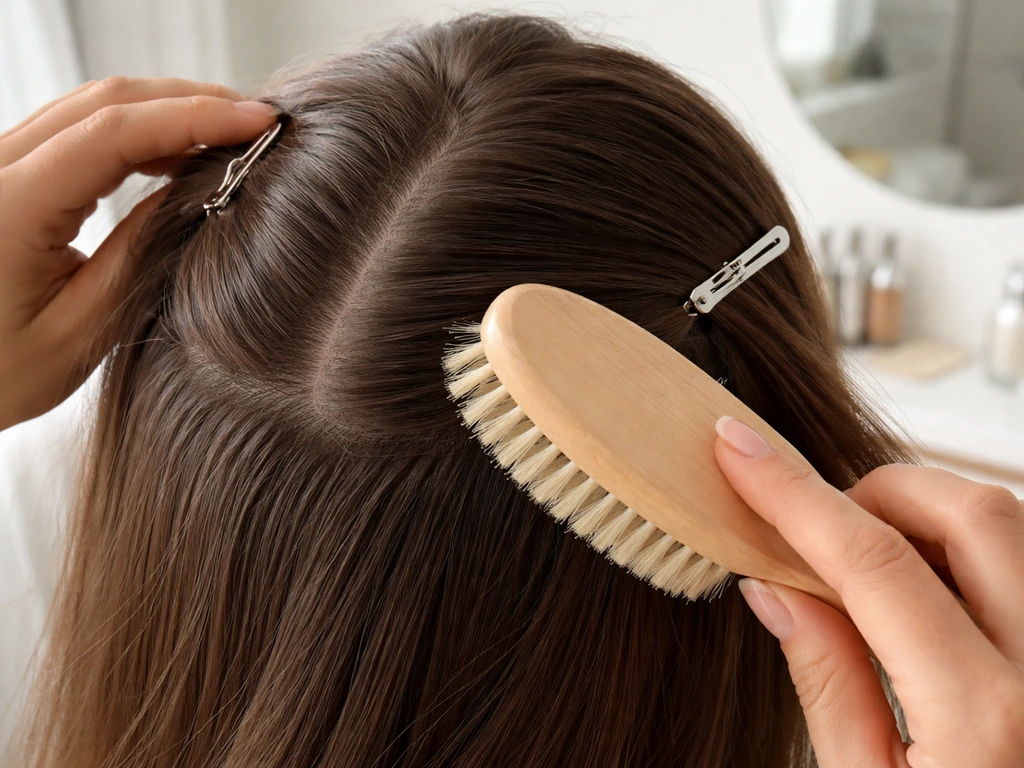
How to Grow Hair Backwards: Train the Direction Safely
Train hair to grow backward with safe brushing, sectioning, scalp care, and timelines to stop breakage and friction.
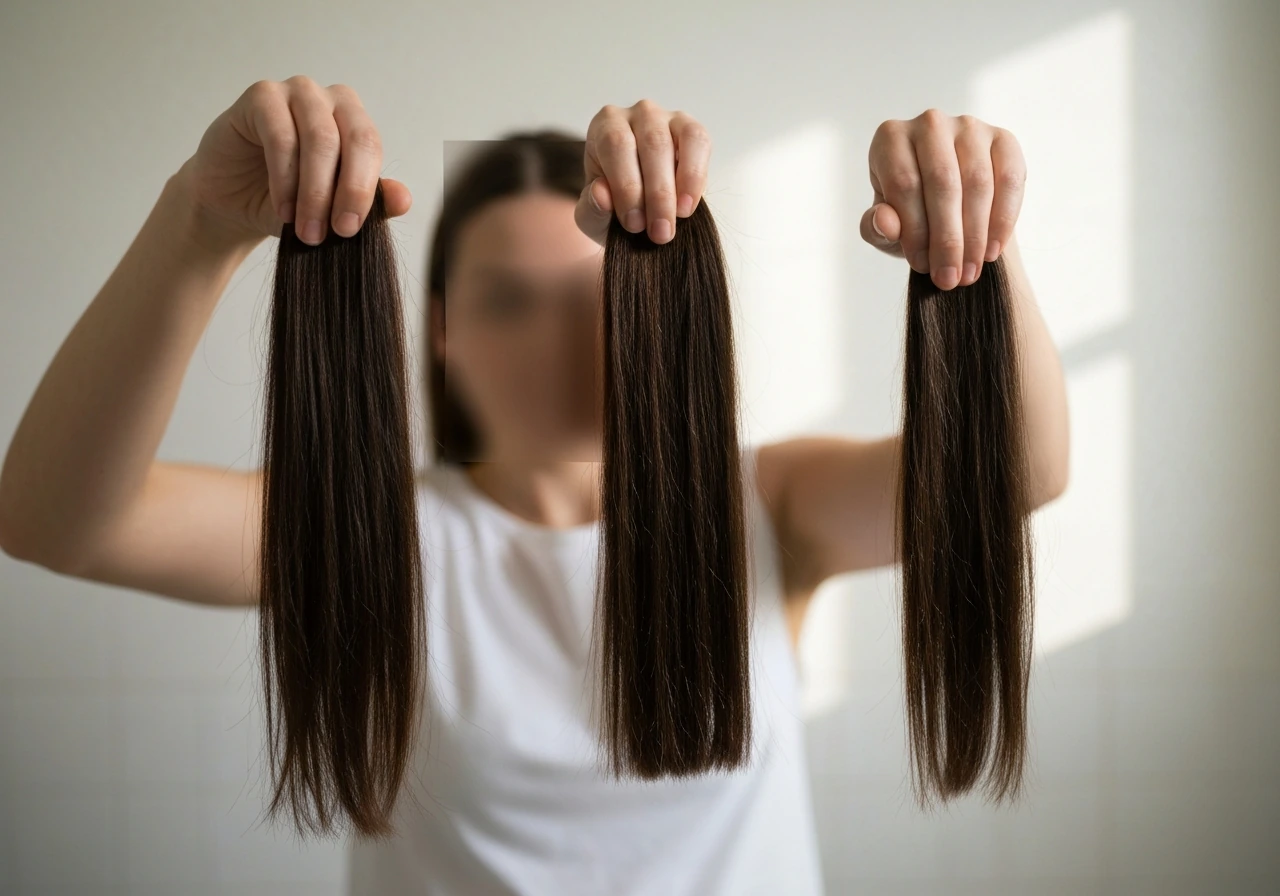
Grow Hair Long Tips: Step-by-Step Routine to Reach Length
Step-by-step grow hair long tips: boost scalp health, cut breakage, improve diet, and track progress for length.
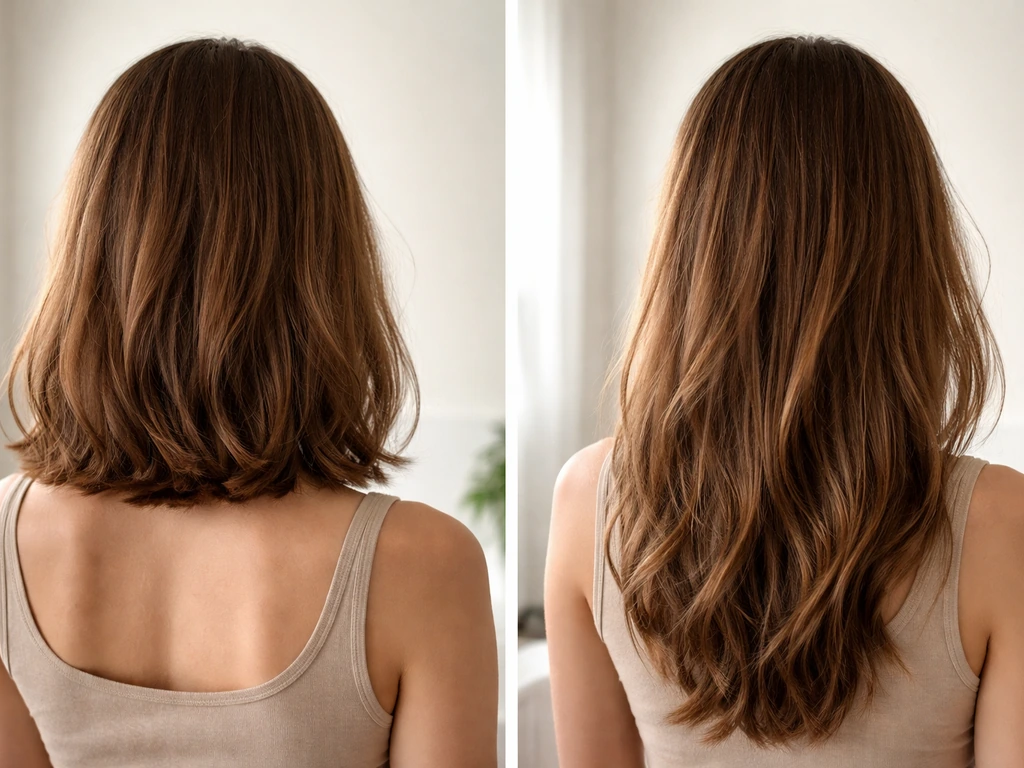
Tips for How to Grow Long Hair: A Practical Guide
Actionable tips to grow long hair naturally: care routine, scalp habits, nutrition and breakage prevention for healthy l