
Growing the hair at the back of your head comes down to two things: keeping the hair you already have from breaking off, and giving your scalp the right conditions to push each strand through a full, healthy growth cycle. Most people struggling with this area are dealing with breakage and length retention problems, not a total shutdown of growth. That's actually good news, because breakage is something you can fix with the right routine starting today.
How to Grow Your Back Hair: A Step-by-Step Guide

Marcus Holloway
4 May 2026
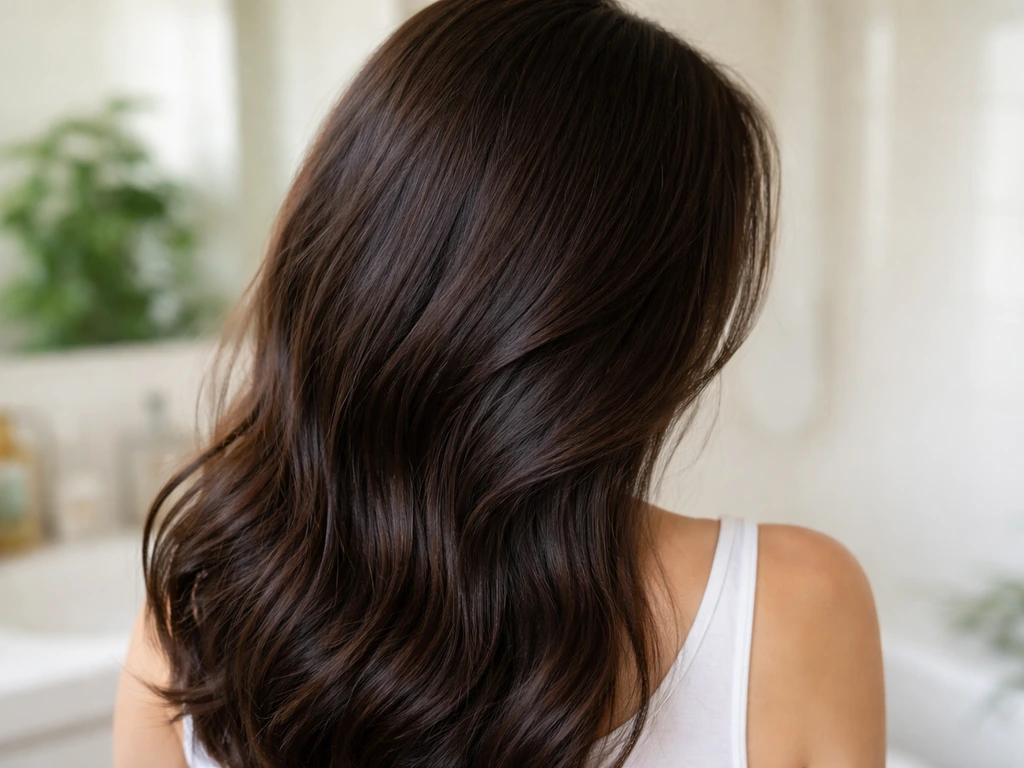
Length vs density: what are you actually trying to fix?
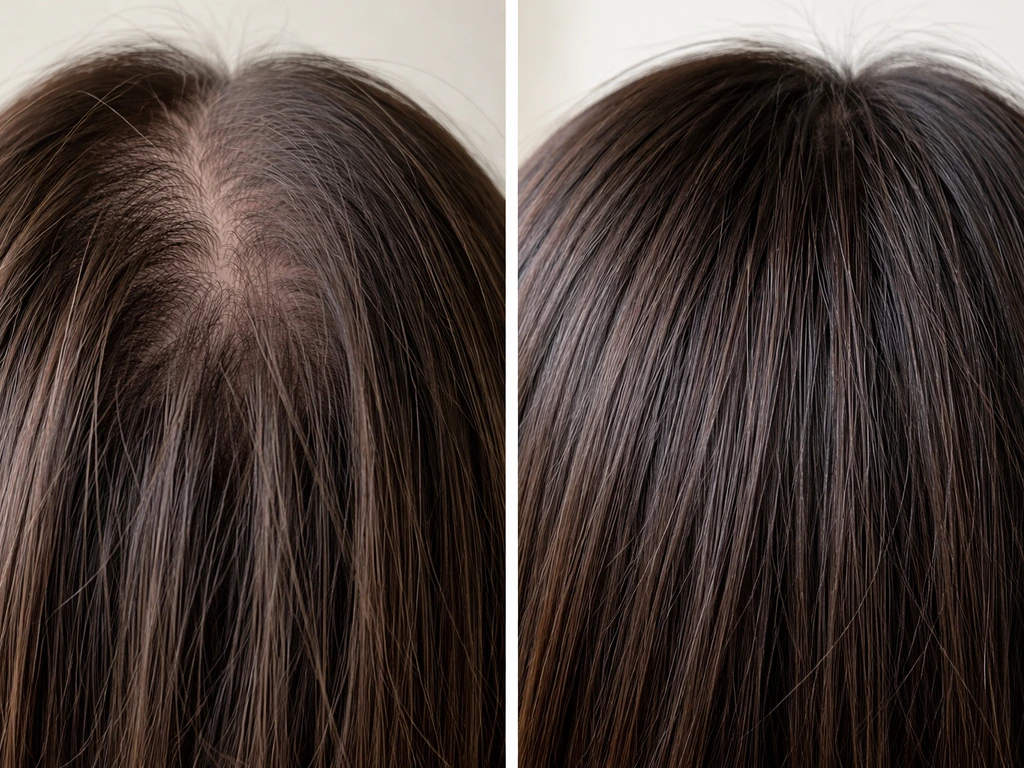
Before you throw products at the problem, it helps to figure out which problem you're solving. "Growing your back hair" can mean two completely different things, and the fix for each looks pretty different.
Length retention means your hair is growing at the scalp but breaking off or splitting before it gets long. Scalp hair grows roughly 1 cm per month (about 0.35 mm per day), so if the back of your hair never seems to get longer despite being there for years, breakage is almost certainly the culprit. You're growing just fine; the hair just isn't surviving.
Density is different. If you're noticing the hair at your crown, occipital region, or nape actually looks thinner, with visible scalp, fewer hairs overall, or a receding hairline at the back of your neck, that points to follicle-level issues: thinning, miniaturization, or a shift in your hair's growth cycle. In androgenetic alopecia (pattern hair loss), the anagen (active growth) phase shortens, so individual hairs can't reach their full length and the overall count at the affected zone drops. This is a different beast and needs a more targeted approach.
Some people are dealing with both at once. Figuring out which is dominant for you will shape the priority of everything below. If you're also curious about growing hair at the very nape area, or working toward longer lengths down your back, those sub-goals each have their own nuances worth exploring separately. You can use these same length-retention principles to learn how to grow tailbone length hair by minimizing breakage and protecting the nape as you gain inches grow hair at the very nape area. If your goal is how to grow a tail hair specifically, focus on minimizing nape breakage while supporting healthy length retention.
Why the back of your hair slows down or thins
The occipital and crown region is prone to a handful of specific problems that the front and sides don't always share. Understanding why helps you stop doing things that are actively fighting against your growth.
- Traction and mechanical stress: Ponytails, tight buns, braids, and twisting styles that pull at the nape and crown are a leading cause of hair loss in those areas. Traction alopecia develops when repeated tension causes hair to break at the shaft or eventually dislodge at the root. If the hairline at the back of your neck looks thin or your crown has always been the last place to gain length, hairstyle tension is worth examining first.
- Friction and rubbing: The back of the head rubs against pillows and headrests constantly. Cotton pillowcases create friction that breaks down the cuticle, particularly at the occipital bone where your head rests most heavily.
- Neglected wash and condition routine: The back of the scalp is harder to reach, so it often gets less thorough cleansing, less conditioner application, and less careful detangling. Product buildup, dry scalp, and knots all concentrate in this area.
- Scalp inflammation and dandruff: Seborrheic dermatitis and scalp psoriasis both commonly affect the occipital area, the back of the neck, and behind the ears. Chronic inflammation around the follicle disrupts the growth cycle and can worsen shedding if left unmanaged.
- Androgenetic alopecia (pattern thinning): Both men and women can experience hormonally driven follicle miniaturization at the crown and vertex. In female pattern hair loss, the crown and top are typically most affected, with the frontal hairline often spared. In men, the crown is a classic thinning zone.
- Telogen effluvium: Stress, illness, surgery, crash dieting, or childbirth can push a large proportion of follicles into the resting (telogen) phase. Shedding typically shows up 2 to 4 months after the triggering event. The good news is this type of loss usually resolves on its own once the trigger is removed.
- Nutritional gaps: Deficiencies in iron, protein, zinc, and vitamin D are all associated with increased shedding and impaired follicle cycling. These often go undetected until labs are checked.
Your back-of-scalp wash, condition, and handling routine
This is the foundation. No topical treatment or supplement will compensate for a routine that's breaking your hair every time you wash it. The goal here is to clean the scalp effectively, keep strands moisturized, and handle the back of your hair gently enough that what grows actually stays.
Washing
Focus your shampoo on the scalp, not the length. Apply it to the occipital area and the crown with your fingertips (not nails) and work it in with light circular movements. Rinse thoroughly since buildup at the back of the scalp is easy to miss. If you're dealing with dandruff or seborrheic dermatitis in this area, use a shampoo containing 2% ketoconazole or 1% ciclopirox about twice a week for the first four weeks, then taper as symptoms improve. These are the most evidence-backed antifungal shampoo options available.
Conditioning
Conditioner goes on the length and ends, not the scalp. The back of the hair, especially near the nape, tends to be driest and most prone to tangling. Apply conditioner generously to those sections, let it sit for a couple of minutes, and rinse. If your hair is coarse, curly, or natural-textured, a weekly deep conditioning treatment on the back sections specifically will help significantly with moisture retention and reduce breakage during detangling.
Detangling and drying
Wet hair is at its most fragile. Avoid vigorous towel-drying, and never drag a brush through wet hair at the back of your head, especially in the occipital area where tangles pile up. Instead, squeeze out excess water with a microfiber towel or a soft t-shirt, then detangle from ends to roots using a wide-tooth comb or a detangling brush, working in sections. Start at the ends and gradually move upward. This single habit change makes a real difference in how much hair you're losing on wash day.
Protective styling and handling between washes
Sleep on a silk or satin pillowcase, or wrap the back of your hair in a satin scarf or bonnet at night. This reduces the friction-related breakage at the occipital area that happens every single night. During the day, avoid styles that pull tightly at the nape or crown. If you wear a ponytail or bun regularly, move the placement and loosen the tension. Tight consistent pulling in one spot is one of the clearest routes to traction alopecia, and the back of the neck is especially vulnerable. The DACOWITS 2020 annual report cites the American Academy of Dermatology to describe traction alopecia as hair loss associated with tightly pulled hair and notes adverse impacts from tight hairstyles.
Also do a scalp massage on the back of your head for 3 to 5 minutes a few times per week. Use the pads of your fingers in circular motions, working from the nape upward toward the crown. This promotes circulation in an area that genuinely gets less blood flow stimulation than the front, and it's a low-effort habit with a reasonable upside.
Topical treatments that actually support growth

If your issue is density rather than (or in addition to) breakage, topical treatments are your best evidence-based tool for the scalp. Here's what's worth using and how to do it safely.
Minoxidil
Minoxidil is the most studied topical hair-growth treatment available without a prescription. It's FDA-approved for androgenetic alopecia, and the research consistently shows it's most effective for vertex (crown/top of scalp) hair loss, which overlaps well with where many people struggle. Women typically use the 2% concentration; men can use either 2% or 5%, with 5% being more common. If you're using the 5% foam, apply about half a capful to the affected scalp area twice daily, massage it in, and wash your hands immediately after. If you're using the solution, let it sit on the scalp for at least 4 hours before washing.
A few hard rules on safe use: never apply minoxidil to a red, inflamed, infected, or irritated scalp. If you have active seborrheic dermatitis, psoriasis, or any open irritation at the back of your scalp, get that under control first. Minoxidil can be absorbed systemically, particularly through irritated or inflamed skin, and systemic absorption can affect the heart and blood vessels.
Use it exactly as directed, don't apply it to areas beyond your scalp, and if you have any cardiovascular conditions, talk to your doctor before starting. When using topical minoxidil, MedlinePlus advises applying it to the scalp only, to dry hair and scalp, and keeping it away from eyes and sensitive skin apply it to a scalp only and avoid eyes and sensitive skin.
Also know this: minoxidil sometimes causes an initial shedding phase in the first 2 to 8 weeks as dormant follicles are pushed into a new cycle. This is normal. It's not a sign the treatment is failing.
Microneedling (dermarolling)
Microneedling is a tool that's gaining real research support. A randomized controlled trial found that combining microneedling with twice-daily 5% minoxidil improved both hair density and hair diameter in androgenetic alopecia patients over 12 weeks more than either approach alone. The mechanism involves creating micro-channels that may enhance minoxidil absorption and stimulating scalp wound-healing signals that activate follicles. If you go this route, use a 0.5 to 0.75 mm dermaroller on the back of the scalp once a week (no more), apply minoxidil after, and keep the roller clean and replaced regularly. Don't use it on any irritated or inflamed areas.
Ketoconazole shampoo (dual-purpose)
If you have seborrheic dermatitis at the back of your scalp, treating it with 2% ketoconazole shampoo isn't just about flake control. Reducing follicular inflammation in the affected area creates a healthier environment for growth. Some early research also suggests ketoconazole may have mild anti-androgenic effects on the scalp, though it's not a proven hair-growth treatment on its own. Use it as your shampoo 2 to 3 times per week initially, then scale back once symptoms are managed.
Nutrition, supplements, and lifestyle
Hair is protein, and your follicles are metabolically active tissue. What you eat shows up in your hair, sometimes with a 2 to 4 month delay. If your diet is low in key nutrients, no topical routine will fully compensate.
The nutrients that matter most
| Nutrient | Why it matters for hair | Good sources |
|---|---|---|
| Protein | Hair is made of keratin; inadequate protein pushes follicles into telogen | Eggs, meat, fish, legumes, dairy |
| Iron | Iron deficiency is a leading cause of diffuse shedding, especially in women | Red meat, lentils, spinach, fortified cereals (with vitamin C for absorption) |
| Zinc | Supports follicle repair and the protein synthesis needed for hair structure | Oysters, pumpkin seeds, beef, chickpeas |
| Vitamin D | Deficiency is associated with alopecia areata and may impair follicle cycling | Sunlight, fatty fish, fortified foods, supplements if deficient |
| Omega-3 fatty acids | Anti-inflammatory effect on the scalp; studied in combination with omega-6 for hair loss in women | Salmon, sardines, flaxseed, walnuts, fish oil supplements |
| Biotin | Often overhyped but genuine deficiency (rare) does cause hair loss; most people eating a varied diet are not deficient | Eggs, nuts, seeds, sweet potato |
The honest message on supplements is this: they work best when you're actually deficient. A 2025-era systematic review of oral hair-growth supplements found that the evidence is variable across products, and the benefits are most consistent in people correcting a genuine nutritional gap. If you're eating well, adding random hair supplements is unlikely to dramatically change your results. What I'd actually recommend: get bloodwork done to check ferritin (stored iron), vitamin D, and zinc levels before spending money on supplements. Fix what's actually low.
Lifestyle factors you can't ignore
- Eat enough overall calories: crash dieting and severe caloric restriction push follicles into telogen. If you've recently lost weight rapidly, that may be what triggered your shedding 2 to 4 months ago.
- Manage chronic stress: elevated cortisol disrupts the hair growth cycle. Even simple habits like consistent sleep (7 to 9 hours), daily movement, and stress-reduction practices have a real downstream effect on follicle health.
- Stay hydrated: the scalp is skin, and dehydration affects its barrier function and cell turnover.
- Reduce heat tool use on the back of your hair: the occipital section is often hit repeatedly with flat irons and blow dryers, particularly when styling the full head. Use the lowest effective temperature, always use a heat protectant, and give the back a break when you can.
Natural remedies and scalp add-ons (with realistic expectations)
Natural remedies are worth including in your routine as supportive tools, not primary treatments. They're generally low-risk and low-cost, and some have better evidence behind them than others.
Rosemary oil
This one has more evidence behind it than most. A randomized trial comparing rosemary oil to 2% minoxidil over 6 months found comparable hair count improvements, with rosemary oil causing less scalp itching. That said, the study used 2% minoxidil (not 5%), so it's not a head-to-head against the strongest pharmaceutical option. To use it, dilute a few drops of rosemary essential oil in a carrier oil (jojoba or coconut), massage it into the back of your scalp, leave it on for 30 to 60 minutes, then shampoo out. Aim for 2 to 3 times per week. It's a reasonable complement to a broader routine.
Castor oil
Castor oil is popular for hair growth but the clinical evidence is thin. It does have humectant and antibacterial properties that may support scalp health, and it can coat the hair shaft and reduce breakage as a pre-wash treatment. Apply it to the back of your scalp and hair, leave it for 30 minutes to a few hours, then wash it out. Just don't expect it to regrow thinning hair on its own.
Scalp massage
Mentioned earlier as part of the routine, scalp massage deserves a note here too. Small studies suggest regular scalp massage may increase hair thickness over time, likely through mechanical stimulation of follicle cells. It costs nothing, carries no risk, and takes a few minutes. Making it a habit specifically on the crown and occipital area is an easy win.
Peppermint oil
Peppermint oil has shown promise in animal studies for promoting the anagen phase of hair growth, and a small human study found it outperformed minoxidil 3% in hair count (though study size and design limit how much weight to give that). Dilute it heavily before applying to the scalp (1 to 2 drops per tablespoon of carrier oil) since it can irritate sensitive skin. It's a low-risk add-on if you're already building a routine.
What to realistically expect and how to track progress

Hair growth is slow by nature. At roughly 1 cm per month, a year of solid routine gets you about 12 to 15 cm of new length, assuming breakage is controlled. But the first changes you'll notice from any new routine are actually reduced shedding and improved hair quality, not sudden visible length. That can take 8 to 12 weeks to become noticeable.
For topical treatments like minoxidil, clinical trials typically assess outcomes at 3 to 6 months. Expecting dramatic results before then is unrealistic. The same applies to nutrition changes and scalp care: many supplement trials use a 3-month window as the minimum meaningful assessment period.
How to track your own progress
- Take monthly photos of the back of your head in the same lighting, same position. You'll miss gradual change without a comparison point, and it's genuinely encouraging to look back over 6 months.
- Measure a few reference lengths from a fixed scalp point using a tape measure and note them monthly.
- Track shedding informally: if you count roughly how much comes out on wash day, a noticeable drop over 8 to 12 weeks is a positive sign your routine is working even before length changes are obvious.
- Note scalp health: reduced itching, flaking, and irritation at the back of the scalp are meaningful early wins.
When to see a dermatologist
See a dermatologist if you're noticing distinct bald patches at the back of your head, rapid or dramatic shedding, a significant change in hair texture with no clear explanation, or if the hairline at your nape is visibly receding. A dermatologist can examine the scalp, use a dermatoscope to assess follicle health, and rule out conditions like alopecia areata, scarring alopecia, or scalp psoriasis that look different from standard pattern hair loss and require different treatment entirely. They can also order labs to check for hormonal imbalances, thyroid dysfunction, iron deficiency, and vitamin D levels, giving you actual data rather than guesswork.
If your shedding started suddenly about 2 to 4 months after a stressful event, illness, surgery, or major dietary change, mention that timeline to your doctor. That pattern is classic telogen effluvium, which typically resolves on its own once the trigger has passed, and aggressive treatment isn't usually necessary for it.
Your next steps, starting today
Here's the order I'd prioritize if I were starting fresh. To learn what to do first, follow a clear plan for how to grow hair backwards step by step. First, audit your hairstyle habits and nighttime routine: switch to a silk or satin pillowcase, loosen any styles that pull at your nape or crown, and start detangling gently from ends to roots on wash day.
These changes cost almost nothing and immediately reduce the main cause of length loss at the back. Second, nail the wash and condition routine specific to the back of your scalp, making sure conditioner actually reaches those sections. Third, get bloodwork if you can: ferritin, vitamin D, zinc, and thyroid are the most relevant panels for hair loss. Fix any deficiencies with food first, supplements where needed.
Fourth, if density loss at the crown or occipital area is the main issue and it's been going on for more than a few months, consider starting minoxidil and give it a full 3 to 6 months before evaluating. Fifth, add rosemary oil massages and regular scalp massage as low-effort, low-risk supports to your routine. If you want a practical step-by-step, check out the guide on how to grow wings hair rosemary oil massages.
Be patient with yourself. Hair biology doesn't respond fast, and individual results genuinely vary based on genetics, hormones, and how long a problem has been building. What the research and real-world experience both support is this: consistency with a solid routine almost always produces improvement over time, even if the timeline is measured in months rather than weeks.
FAQ
How long does it usually take before the back of my head looks like it’s getting longer?
Most people first notice improved shedding control and less tangling before length becomes obvious. A realistic window to see visible length change is about 8 to 12 weeks, with bigger differences typically showing up closer to 4 to 6 months if breakage is well-managed. If you change only one variable, track it for at least 8 weeks before judging results.
If my hair is growing but not retaining length, what’s the fastest way to reduce breakage at the nape and occipital area?
Prioritize friction and detangling mechanics. Use conditioner on the back sections with a short sit time, detangle only when hair is well-conditioned and sectioned, and avoid brushing through wet hair. Also consider loosening or relocating any ponytail, bun, or clip that repeatedly pulls at the same spot on the nape.
Can I use minoxidil if I have dandruff or a flaky scalp at the back of my head?
You should treat the irritation first rather than start minoxidil on an inflamed or actively symptomatic scalp. If flaking is from seborrheic dermatitis, ketoconazole or ciclopirox can help you get control, then you can start minoxidil once the area is calm. If you get stinging, redness, or increased scaling after starting, stop and reassess.
Is it normal to shed more when starting minoxidil for back-of-head thinning?
Yes. An initial shedding phase can happen in the first 2 to 8 weeks because follicles shift cycles. What matters is that shedding eventually tapers rather than steadily worsening for many months. If heavy shedding continues beyond the early window or you develop scalp irritation, reassess the application technique and scalp health.
How should I apply minoxidil so I don’t waste product or spread it to hair or face?
Apply only to the affected scalp area, not the hair strands. Use the measured amount, spread gently with clean hands or the applicator, and let it fully dry before touching other areas. Wash your hands right after, and avoid applying right before bed if it easily transfers to pillowcases or can run.
What’s the safest microneedling setup for growing back-of-head hair?
Use a dermaroller around 0.5 to 0.75 mm, no more than once per week, and keep it clean and replaced regularly. Do not microneedle if the back scalp is irritated, infected, actively flaking heavily, or has open lesions. After microneedling, apply minoxidil only if the scalp is comfortable and not inflamed.
Will oiling the back of my scalp help me grow hair, or does it mainly reduce breakage?
Most oils that people use are better at improving moisture and reducing shaft friction, which supports length retention, rather than reliably regrowing thinning follicles on their own. If your goal is density at the crown or nape, treat it as a scalp condition problem where minoxidil or other targeted therapies usually matter more than oils.
Do I need to detangle before shampooing, or is it better afterward?
For many hair types, detangling after conditioner is more gentle because conditioner adds slip. If you detangle before washing, you still need to be very careful with the back of the head where tangles form, and you may increase breakage if hair is dry. When in doubt, follow a conditioner-first approach and detangle in sections.
What blood tests are most useful if I’m trying to grow back hair and I suspect a deficiency?
The most practical starting panels are ferritin (iron stores), vitamin D, zinc, and sometimes thyroid labs depending on symptoms or family history. Ask your clinician to interpret results based on your baseline levels, because supplementing without deficiency can waste money and, in some cases, cause problems.
When should I see a dermatologist for back-of-head hair issues?
Go sooner if you have sudden or patchy bald spots at the back, rapid dramatic shedding, a visibly receding nape hairline, or scalp symptoms like burning, significant pain, or thick silvery scale. A dermatologist can rule out non-pattern causes and scarring or autoimmune conditions that require different treatment than standard length-retention or minoxidil routines.
If my shedding started after stress, how do I tell whether it’s temporary or chronic?
Telogen effluvium often starts 2 to 4 months after a trigger such as illness, surgery, a major stressor, or a big dietary change. It often improves once the trigger resolves, but it still requires consistent scalp care and time. If shedding continues well past the initial recovery window or you also see thinning and miniaturization, ask about evaluation for pattern hair loss or other causes.
What should I do first if I want a simple plan that covers both breakage and thinning?
Start with mechanical protection and scalp wash technique, then add targeted support based on your dominant issue. If length isn’t sticking, fix detangling, friction at night, and conditioner coverage in the occipital and nape areas first. If density looks thinner over months, incorporate a proven scalp treatment approach like minoxidil and reassess after 3 to 6 months, not weeks.
Next Articles
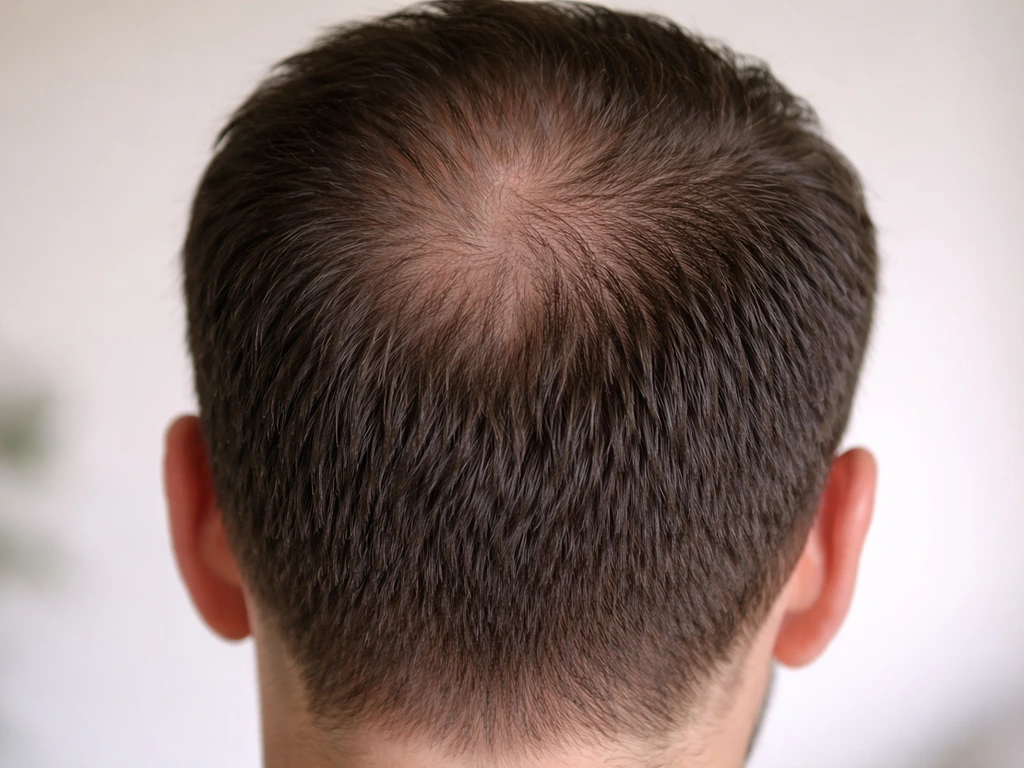
How to Grow Hair at the Back: Fix Thinning Fast
Learn why back-of-head thinning happens and get a step-by-step routine, targeted treatments, and timelines to regrow hai
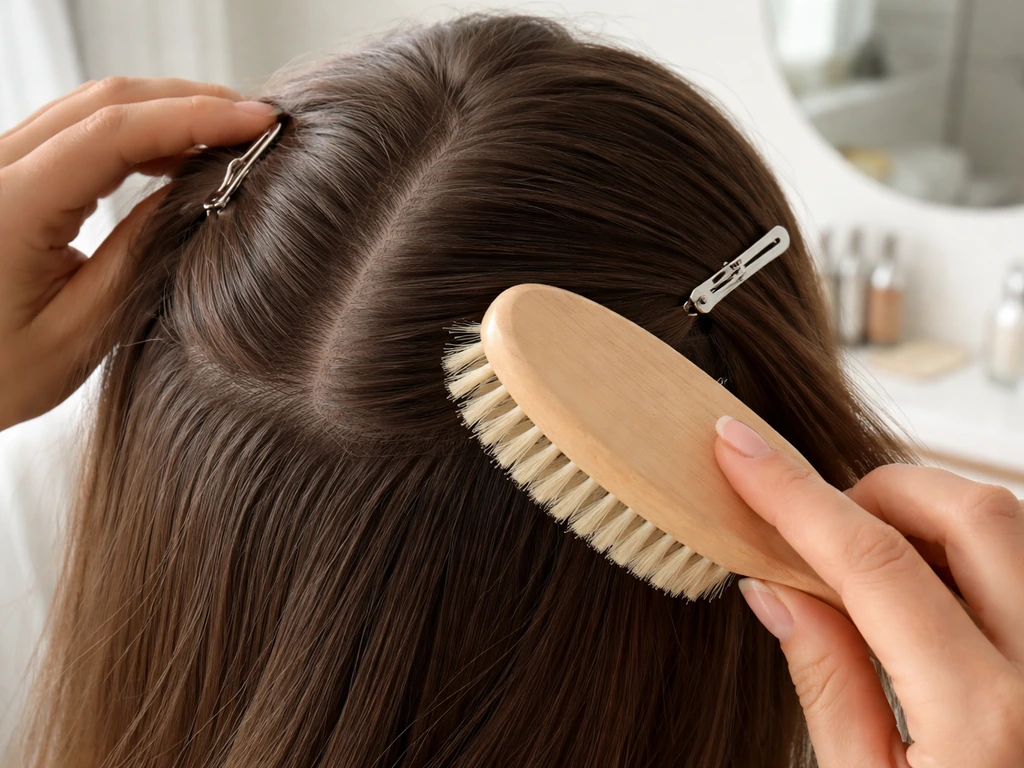
How to Grow Hair Backwards: Train the Direction Safely
Train hair to grow backward with safe brushing, sectioning, scalp care, and timelines to stop breakage and friction.
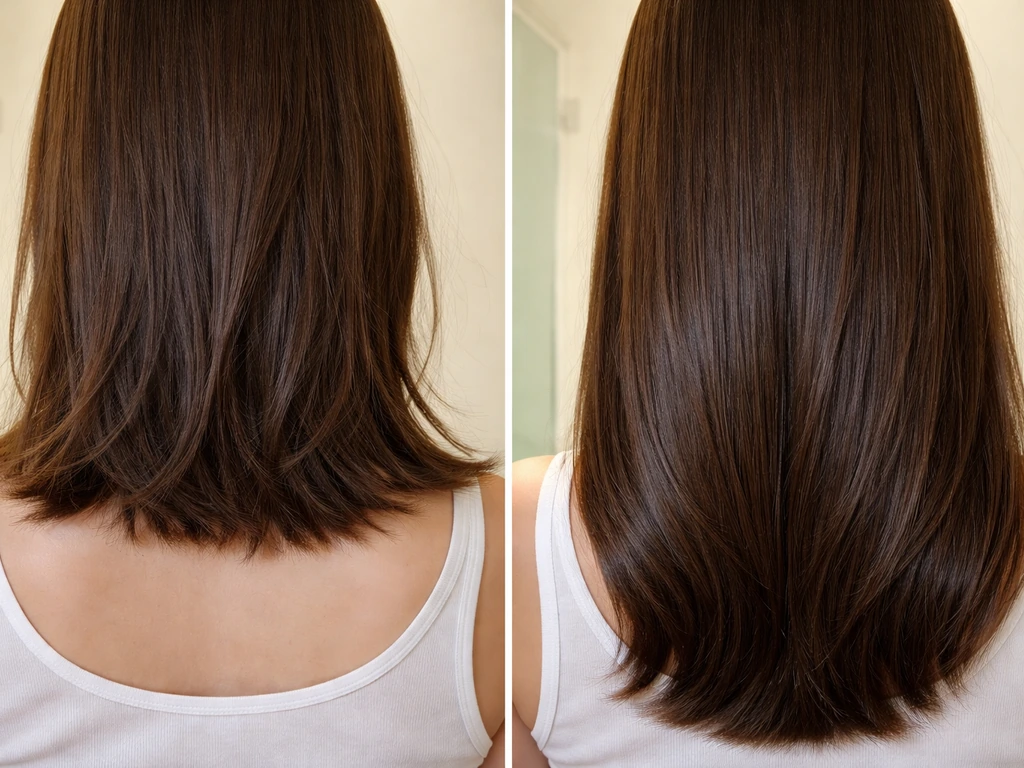
Tips on How to Grow Your Hair Out: A Step by Step Guide
Step-by-step tips to grow hair out: stop breakage, build scalp routine, nutrition, safe actives, and track progress.