
You can absolutely grow hair that looks like Eren Yeager's, but you need to be honest with yourself about two things upfront: your current hair length and how much time you're willing to invest. Eren's signature look from the later seasons of Attack on Titan is mid-length, roughly chin to shoulder, worn in a low half-up bun or loose with a natural center part. That means most people starting from a short cut need somewhere between 12 and 24 months of dedicated growing to hit the target lengths. The biology is straightforward: human hair grows an average of about 0.5 inches (1.2 cm) per month, or roughly 6 inches per year. What you eat, how you treat your scalp, and whether you address any underlying deficiencies can influence quality and thickness, but no intervention dramatically alters that monthly average for someone already healthy. This guide walks you through a realistic plan, section by section, so you know exactly what to do and what to expect.
How to Grow Hair Like Eren Yeager: Realistic Plan & Tips

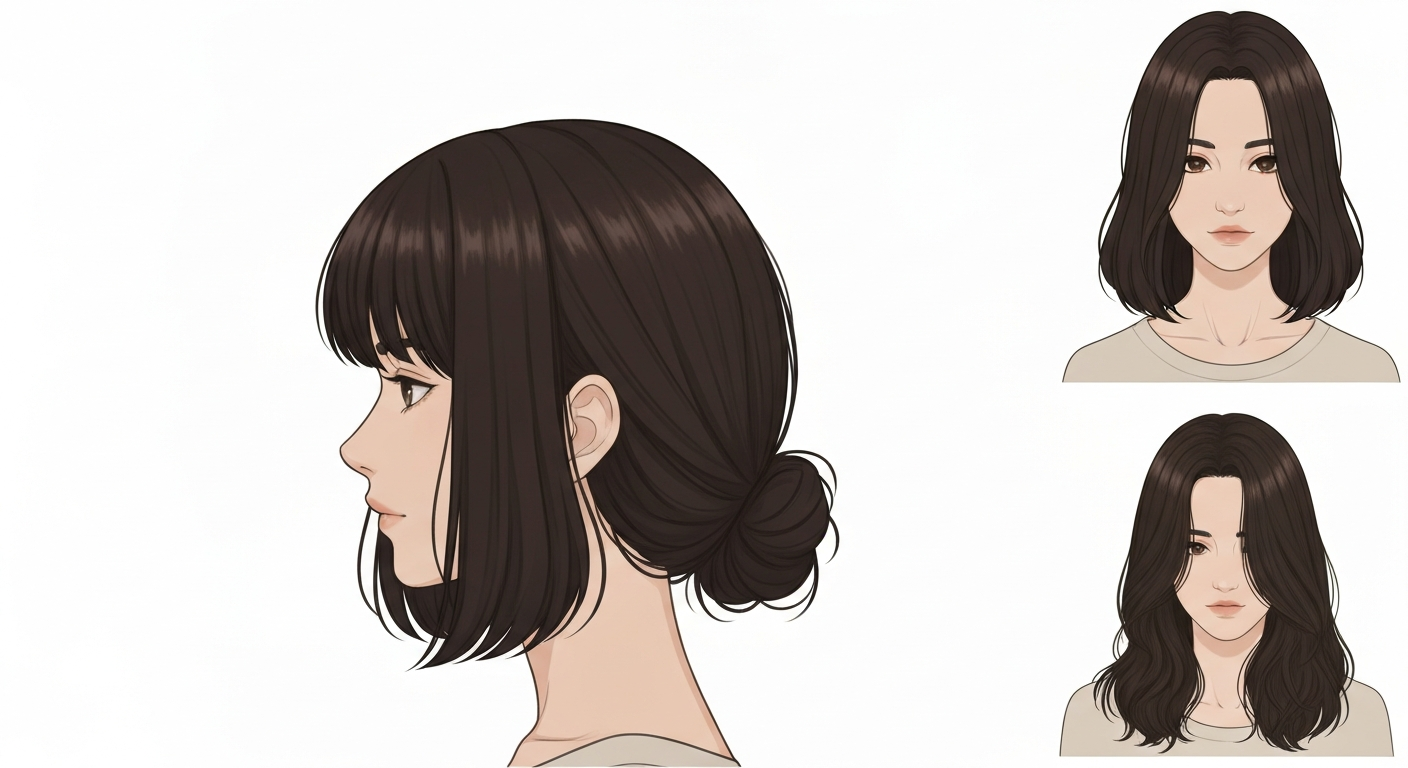
Can you actually get Eren Yeager's hair? A realistic assessment
The honest answer is yes for most people, with the caveat that "Eren's hair" is not one single look. The character's hair evolves considerably across the series, so you have some flexibility in which version you're chasing. If you have straight or wavy, medium-density hair, you're probably the closest match to the default animated style. If you have naturally curly or very fine hair, you can still achieve a similar silhouette with the right cut, products, and a little styling effort. The biggest realistic barrier isn't biology for most people; it's patience. You're growing a substantial amount of hair, and the awkward in-between phases are real. Active hair loss from androgenetic alopecia (pattern hair loss) is the main biological obstacle. If that applies to you, the growth plan still matters, but you'll want to layer in evidence-based treatments to protect what you have while you grow.
I'll be upfront: I've helped a lot of people navigate mid-length grow-outs, and the number-one reason people quit isn't genetics. It's hitting month five with no visible progress and no plan. This article is designed to give you a clear map so you can track genuine milestones instead of feeling like nothing is happening.
The Eren Yeager look explained: length, parting, texture, color, and common variations
Eren's hair sits in a very specific aesthetic zone that's easy to describe once you break it into its components. Here's what actually defines the look across his most iconic appearances:
- Length: The bulk of the hair falls between chin and collarbone (roughly 8 to 12 inches from the scalp for most men). The front pieces often graze the jaw, while the back can be slightly longer.
- Parting: A loose, slightly off-center or natural center part. It's not razor-sharp; the hair tends to fall where it wants with light direction.
- Texture: Naturally straight to slightly wavy with visible weight and movement. There's no curl pattern but also no rigidly styled look. It reads as clean but unfussy.
- Color: Dark brown to near-black, usually a single natural tone with no artificial highlights or bleaching. A very deep brown that reads dark in most lighting is the closest match.
- The half-bun: The most recognizable styling variation is a low half-up bun at the nape of the neck, leaving the front sections loose. This look requires approximately 8 to 10 inches in length at the sides and back.
- Loose version: In some scenes Eren wears the hair fully down with a slightly tousled, air-dried finish. This version actually requires less length to approximate.
- Earlier series version: In earlier seasons, Eren's hair is noticeably shorter and messier, almost a shaggy mid-length cut. If you're at 4 to 6 inches, this is your near-term target.
When you go to a stylist, the most useful framing is: 'I want a curtain-parted, mid-length cut that falls to my jaw or collarbone, with minimal layers to keep weight and movement, and no hard lines.' That description gives any good stylist enough to work with even if they're not an Attack on Titan fan.
Is this achievable for your hair type, density, and age? What to expect biologically
Hair type, density, and age all shape how your grow-out will look and feel at each milestone, but none of them make Eren's general aesthetic impossible. Here's how to think about each variable:
Straight and wavy hair
This is the closest match to the source material. You'll get natural movement and weight as length increases, and the half-bun is easy to execute without any heat styling. The main challenge is the awkward phase around 3 to 5 inches where hair tends to stick out rather than fall. A small amount of lightweight styling cream helps that phase considerably.
Curly and coily hair
You'll need to grow more length than the numbers suggest, because curls have shrinkage. If you have a Type 3 curl pattern with roughly 30 to 40 percent shrinkage, you may need to grow to 14 or 15 inches to achieve what reads as a 10-inch look when styled. Regular deep conditioning keeps the length you've grown from breaking off. The half-bun is still very achievable and actually looks striking with natural texture. Flat ironing is an option for matching the exact Eren silhouette, but doing it more than once a week on fine or previously damaged curls will cause breakage, which is the opposite of a productive grow-out strategy.
Fine or low-density hair
Fine hair can absolutely reach mid-length, but it benefits from a layered cut at the ends to avoid looking stringy. If your density is low, the half-bun will look smaller than Eren's, but the loose-down version of the style works well because movement and a good part can create visual fullness. If you're losing density over time (not just born with fine hair), that's a separate issue worth investigating with a dermatologist or trichologist early in your grow-out.
Age and hormonal factors
The maximum length hair can grow before the follicle naturally sheds it (called the anagen phase) is genetically determined and can shorten slightly with age. Most people in their 20s and 30s will have no trouble reaching mid-length; the anagen phase for scalp hair typically lasts 2 to 7 years. Hormonal changes (thyroid shifts, postpartum recovery, perimenopause) can increase shedding and slow apparent growth by pushing more hairs into the resting phase at once. If you're noticing unusual shedding alongside your grow-out, getting your thyroid hormones (TSH, free T4) and ferritin levels checked is a sensible starting point. The British Association of Dermatologists' patient guidance specifically highlights ferritin and thyroid as the targeted tests most relevant to non-scarring hair loss.
Realistic timeline and milestones: how long to reach target lengths
Here's the timeline most people are looking at, based on the average growth rate of about half an inch per month. Use this as a rough map, not a guarantee. Stress, nutrition, health events, and genetics mean your personal rate might be slightly faster or slower.
| Starting Length | Target (Eren Look) | Estimated Time | Key Milestone |
|---|---|---|---|
| Buzz cut / under 1 inch | Early Eren (shaggy, ~4-5 inches) | 8-10 months | Hair starts falling forward and parting naturally |
| Short cut (~2-3 inches) | Early Eren shaggy cut | 4-6 months | Can start defining a part |
| Short cut (~2-3 inches) | Half-bun length (~8-10 inches) | 12-16 months | Can tie a small bun at the back |
| Medium cut (~4-5 inches) | Half-bun length (~8-10 inches) | 6-12 months | Front curtain sections reach jaw |
| Medium cut (~4-5 inches) | Full collarbone length (~12 inches) | 14-18 months | Full loose Eren look with styling |
| Already at shoulder (~6 inches) | Full loose Eren look | 3-6 months | Minor shaping and maintenance only |
One thing I always tell people: photograph your hair in the same lighting every four weeks. It's almost impossible to see a half-inch of growth by looking in the mirror daily, but side-by-side monthly photos make progress undeniable. That visible confirmation matters a lot for motivation around months three through six, which is genuinely the hardest stretch.
Your step-by-step growth plan: the priorities and how to use this guide
A grow-out plan works best when you think of it in layers: first protect what you have (scalp health, reducing breakage), then support growth from the inside (nutrition, sleep, stress), and finally refine the outside (styling, cuts, and products). The sections that follow cover each of these in order. You don't need to implement everything at once. I'd suggest starting with nutrition and scalp care in the first month, then adding supplements and the daily routine in month two once the basics are consistent. Here's the priority order:
- Reduce breakage and mechanical damage first (protective handling, gentle washing routine).
- Fix any nutritional deficiencies that could be limiting growth (iron, vitamin D, protein).
- Add evidence-backed supplements if lab results support them.
- Build a consistent sleep and stress-management habit.
- Layer in scalp treatments or topical actives if needed (especially if density is a concern).
- Develop a weekly styling and maintenance routine that protects length.
- Plan the cut and color with a stylist once you're within 2 to 3 inches of your target.
Nutrition and foods that support stronger, faster hair growth
Hair is made of keratin, a protein, and the follicle is one of the most metabolically active structures in your body. It needs a reliable supply of protein, iron, vitamins, and fatty acids to produce strong, consistent growth. The research on specific nutrients is clear: deficiency slows or disrupts growth, but eating more than you need doesn't make healthy hair grow faster. Your goal is sufficiency, not megadosing through food.
Protein
Hair is almost entirely protein, so dietary protein is non-negotiable. Most adults need roughly 0.8 to 1.2 grams per kilogram of body weight per day. If you're under-eating protein (common in restrictive diets), hair is one of the first things the body deprioritizes. Good sources include eggs, chicken, fish, legumes, Greek yogurt, and tofu. Aim to include a source of complete protein at most meals.
Iron and ferritin
This is the nutrient deficiency most strongly associated with non-scarring hair loss in women, though men can be affected too. A systematic review and meta-analysis specifically examining iron deficiency and alopecia found low serum ferritin is significantly more common in women with hair loss than in controls. Many clinicians use a ferritin threshold of around 30 to 50 ng/mL when considering treatment in hair loss context. The best dietary sources are red meat and organ meats, with plant-based options like lentils, spinach, and fortified cereals absorbed less efficiently (pairing them with vitamin C helps). If you suspect low iron, get a blood test rather than guessing.
Vitamin D
Multiple meta-analyses have found lower serum vitamin D levels in people with non-scarring alopecias compared to controls. The relationship is associative rather than definitively causal (randomized trials showing supplementation reliably reverses hair loss are limited), but correcting a documented deficiency is still worthwhile for general health and may support follicle function. Sunlight is the primary source; dietary sources include fatty fish, egg yolks, and fortified dairy. Most dermatologists would check your 25(OH)D level before recommending a supplement dose.
Omega-3 fatty acids, zinc, and B vitamins
Omega-3s from fatty fish (salmon, mackerel, sardines), walnuts, and flaxseed help maintain scalp health and reduce inflammatory conditions that can interfere with growth. Zinc, found in oysters, beef, pumpkin seeds, and legumes, is needed for keratin synthesis and immune regulation in the follicle. B vitamins, particularly B12 and folate, support red blood cell production and nutrient delivery to the follicle. On biotin specifically: the NIH Office of Dietary Supplements and multiple systematic reviews are clear that biotin supplementation only helps if you have a documented deficiency. For most people eating a varied diet, it won't do anything for hair growth despite its ubiquity in hair supplement marketing.
Evidence-based supplements and lab tests to consider
Before spending money on supplements, it genuinely pays to get a few targeted lab tests done. Treating a deficiency that doesn't exist wastes money and occasionally causes its own problems (fat-soluble vitamins like D can accumulate at high doses). Here's what I'd suggest discussing with your doctor before starting a regimen:
| Test | Why It Matters for Hair | Action if Low |
|---|---|---|
| Serum ferritin | Most relevant iron marker for hair loss; low stores linked to telogen effluvium and AGA | Iron supplement (discuss dose with doctor, especially for men) |
| Serum 25(OH)D | Low vitamin D associated with non-scarring alopecias in meta-analyses | Vitamin D3 supplement, typically 1,000-2,000 IU/day to correct deficiency |
| TSH / free T4 | Thyroid dysfunction (both hypo- and hyperthyroid) causes diffuse shedding | Medical treatment of thyroid condition, not a supplement |
| Serum zinc | Overt deficiency causes hair loss; relevant if diet is restrictive or absorption is impaired | Zinc supplement (zinc gluconate or bisglycinate, 15-25 mg/day is typical) |
| Biotin (if suspected deficiency) | Frank deficiency causes hair loss; rare in adults eating varied diets | Biotin supplement only if deficiency confirmed; routine use unsupported by RCT evidence |
Beyond correcting deficiencies, the evidence-based options for supporting hair density and growth rate break down as follows. Topical minoxidil (2% or 5%) has the most robust evidence base of any over-the-counter treatment. Multiple Cochrane and network meta-analysis reviews support its use for pattern hair loss; the 5% concentration shows greater effect in most trials. It works by extending the anagen (growth) phase of the follicle and is available without a prescription in most countries. Expect gradual results over 4 to 6 months of consistent use. Oral finasteride (1 mg/day) has strong Phase III randomized trial evidence for men with androgenetic alopecia: it slows progression and increases hair count over 12 to 24 months. Phase III trials showed oral finasteride 1 mg/day slowed progression and increased hair count over 12–24 months, with sexual side effects reported in subsets and a contraindication in pregnancy (Finasteride in the treatment of men with androgenetic alopecia, Finasteride Male Pattern Hair Loss Study Group (1998)) Finasteride in the treatment of men with androgenetic alopecia — Finasteride Male Pattern Hair Loss Study Group (1998). It requires a prescription, is contraindicated in women of childbearing potential due to fetal risk to male fetuses, and has documented sexual side effects in a subset of users. Dutasteride (0.5 mg) shows greater hair-count increases than finasteride in head-to-head randomized trials by inhibiting both forms of 5-alpha-reductase, though it carries similar contraindication warnings and has less long-term safety data specifically for hair loss use. Saw palmetto extract (Serenoa repens) shows modest benefit in small RCTs and is often positioned as a milder natural alternative to finasteride, but the effects are smaller and less consistent, and extract standardization is a real issue. Low-level laser therapy (LLLT) via FDA-cleared devices (laser caps, laser combs) shows modest, incremental increases in hair count and diameter after 16 to 26 weeks of use at 3 times per week. It's best used alongside proven medical therapies rather than alone.
Microneedling deserves a mention here because the research is genuinely interesting. A randomized evaluator-blinded trial by Dhurat et al. A Randomized Evaluator Blinded Study of Effect of Microneedling in Androgenetic Alopecia, Dhurat et al., Int J Trichology (2013) reported that adding weekly 1.5 mm dermaroller sessions to 5% minoxidil for 12 weeks significantly improved hair counts versus minoxidil alone A Randomized Evaluator Blinded Study of Effect of Microneedling in Androgenetic Alopecia — Dhurat et al., Int J Trichology (2013). (2013) found that adding dermaroller sessions (1.5 mm depth, weekly for 12 weeks) to topical 5% minoxidil produced significantly better hair counts than minoxidil alone. The proposed mechanism is that micro-injury activates wound-healing pathways and growth factors in the scalp. Optimal depth, frequency, and device type are still being refined, but if you're already using minoxidil, adding controlled microneedling sessions is one of the better-supported adjunct strategies.
Platelet-rich plasma (PRP) injections have pooled evidence from systematic reviews showing they can increase hair density in androgenetic alopecia. The catch is that study heterogeneity is high: preparation protocols, platelet concentrations, and session numbers vary widely between studies, and long-term durability data is limited. PRP is an in-clinic procedure done by a dermatologist or trichologist. If you're considering it, ask specifically about the protocol they use and what outcomes to expect at 6 and 12 months.
A note on topical ketoconazole and caffeine
Ketoconazole 2% shampoo is worth mentioning because a small 1998 randomized comparison found it improved hair density and the proportion of hairs in active growth similarly to 2% minoxidil in the trial context. The mechanism likely involves reducing scalp inflammation and seborrheic dermatitis, which can impair follicle function. Using a ketoconazole shampoo two to three times per week is a low-effort, low-risk adjunct, especially if you have any scalp flaking or oiliness. Topical caffeine products have a 2024 systematic review behind them showing small improvements in hair pull tests and patient-reported density, but the effect sizes are modest and ingredient heterogeneity across products makes it hard to recommend a specific formulation confidently.
Sleep, stress, and hormones: the lifestyle factors that actually move the needle
I know it's tempting to skip past the lifestyle section to get to the products, but this is genuinely where a lot of grow-outs stall or succeed. Sleep and chronic stress have direct biological effects on hair cycling that no topical can fully compensate for.
Sleep and growth hormone
The majority of growth hormone is secreted during slow-wave (deep) sleep, typically in the first few hours after you fall asleep. Growth hormone plays a role in cell proliferation, including in the hair follicle. Consistently getting 7 to 9 hours of quality sleep isn't just good general health advice; it's directly supporting the biological machinery your follicles depend on. Chronic sleep deprivation also elevates cortisol, which is where the stress connection comes in.
Stress and telogen effluvium
Cortisol, the primary stress hormone, can push a disproportionate number of follicles from the active growth phase (anagen) into the resting and shedding phase (telogen). The result is diffuse shedding that typically shows up 6 to 12 weeks after the stressful trigger. This is called telogen effluvium, and it's extremely common after major physical or emotional stressors like illness, surgery, significant weight loss, or prolonged psychological stress. The frustrating thing about telogen effluvium during a grow-out is that by the time you notice the shedding, the stressor has often already passed. The key is managing ongoing chronic stress rather than expecting to catch a single event. Regular aerobic exercise (30 minutes most days), adequate sleep, and whatever stress-reduction practice you'll actually stick to (even a 10-minute walk in natural light) all reduce baseline cortisol. If your shedding seems disproportionate to your stress level, it's worth ruling out thyroid dysfunction or iron deficiency before assuming stress is the cause.
Hormones and androgenetic alopecia
Dihydrotestosterone (DHT), a potent androgen derived from testosterone via the enzyme 5-alpha-reductase, is the primary hormonal driver of pattern hair loss in both men and women. It binds to receptors in genetically susceptible follicles and progressively miniaturizes them over years. If you have a family history of pattern hair loss and notice your hairline receding or thinning at the crown during your grow-out, that's the right time to consult a dermatologist rather than waiting. The treatments with the strongest evidence (finasteride, dutasteride for men; topical minoxidil for both) work best when started early, while follicles are still viable. According to both the American Academy of Dermatology and the British Association of Dermatologists, evaluation of pattern hair loss should include a history, scalp examination, and targeted blood tests, with specialist referral recommended for atypical or scarring presentations.
Daily and weekly care routine
Growing to mid-length means protecting every inch you've grown. Breakage at the ends can make it feel like your hair isn't growing at all, when actually the issue is that length is being lost as fast as it's gained. Here's a practical weekly framework:
| Frequency | Activity | Key Points |
|---|---|---|
| Every 2-3 days | Wash with sulfate-free or gentle shampoo | Over-washing strips natural oils; under-washing can cause buildup that clogs follicles |
| Every wash | Conditioner from mid-length to ends | Focus on the oldest, most damaged part of the hair; avoid applying to scalp if you're oil-prone |
| 1-2x per week | Deep conditioning or protein treatment | Protein treatments for porous, damaged hair; moisture masks for dry, curly hair |
| 2-3x per week | Ketoconazole shampoo (if using) | Alternate with regular shampoo; focus product on scalp |
| Weekly | Scalp massage 5-10 minutes | Manual scalp massage may support blood flow; relaxing and low risk; use fingertips not nails |
| Every 10-12 weeks | Trim split ends (micro-trim) | A 1/4 to 1/2 inch trim removes splits without meaningfully reducing length goals |
| As needed | Detangle gently from ends to roots | Use a wide-tooth comb or detangling brush on damp, conditioned hair; never force through knots |
Styling the Eren Yeager look: cut specifics, products, and tools
Once you're within range of the target length, the cut and styling choices make a huge difference in how closely you approximate the actual look. Here's what to ask for and use:
The cut
Ask your stylist for a mid-length cut with minimal layering, just enough to remove bulk and dead weight from the ends without creating visible layers that fight against the curtain-hang effect. The front sections should be long enough to tuck behind the ear or fall forward past the jaw. Keep the back slightly blunted rather than razor-tapered, which gives you enough hair to gather for the half-bun. If you have naturally straight to wavy hair, a slight convex shape (longer at the center back, slightly shorter at the sides) helps the back sit cleanly. Avoid heavy graduation or undercut styles if you want the full volume and movement of Eren's loose look.
Products
- Lightweight leave-in conditioner or hair oil (a few drops of argan or jojoba oil): Applied to damp hair before air drying, this prevents frizz and adds the slight sheen and smoothness of the animated look without weighing fine hair down.
- Texturizing cream or light pomade: Used sparingly on dry hair to define the part and add that slightly undone texture. Avoid waxes or heavy gels, which give a wet or stiff appearance that reads nothing like Eren's natural finish.
- Salt spray (optional): If you have wavy hair and want to lean into a slightly textured, natural-wave version of the style, a light salt spray on damp hair before air drying works well.
- Matte finish spray: Holds the style without shine for a more realistic match to the low-maintenance animated aesthetic.
Tools
Air drying is your friend for this style and for your hair's long-term health during a grow-out. If you do use heat, use a diffuser attachment on low-to-medium heat to enhance natural wave without forcing curl, or a round brush on low heat to smooth straight hair while maintaining volume. Keep heat use to twice a week maximum, and always apply a heat protectant spray beforehand. A boar bristle brush is useful for distributing natural oils from root to end once the hair is dry, which adds natural shine without product.
The half-bun: how to tie it
The Eren half-bun sits low, at or just above the nape of the neck, not high on the crown. Take the back two-thirds of your hair, leaving the front curtain sections loose around the face, and secure with a small elastic or a fabric scrunchie. The bun should be casual and slightly loose, not tight or perfectly round. A few face-framing pieces falling forward complete the look. Avoid clear elastics pulled tight, which can cause breakage at the tie point over time.
Color considerations
Eren's hair is consistently a very dark, cool-toned brown bordering on black. If your natural color is close, no action needed. If you want to deepen a lighter brown, a demi-permanent color in a shade like '3N' or '2B' (cool dark brown) gives a natural result with less commitment and less damage than permanent color. Avoid bleaching during an active grow-out if you can; bleached hair is significantly more prone to breakage, which directly undermines your length goals.
Adaptations for curly, fine, or thinning hair
The core plan is the same for everyone, but a few targeted adjustments make a real difference depending on your starting point.
| Hair Type / Concern | Main Challenge | Adaptation |
|---|---|---|
| Type 2 wavy | Can lose definition at length | Microfiber towel dry + light curl cream; avoid brushing dry |
| Type 3 curly | Shrinkage makes length look shorter | Grow 20-30% more length than target; use LOC method for moisture retention |
| Type 4 coily | High shrinkage, potential for dryness and breakage | Protective styling during grow-out; co-washing; length checks on stretched, wet hair |
| Fine / low density | Half-bun looks thin; style loses volume | Use lightweight volumizing mousse; opt for loose-down version of style; blunt trim for fullness |
| Thinning / AGA | Length gains offset by shedding and miniaturization | Address underlying cause first (dermatologist, blood tests); add minoxidil and/or 5-AR inhibitor if appropriate |
| Older adults (40s+) | Possible reduction in anagen duration and density | Focus on nutrition sufficiency, scalp health; consult trichologist if density decline is significant |
Safe home remedies and what to avoid
There are a few home-based practices with reasonable evidence behind them, and a longer list of things that waste time or actively cause harm during a grow-out.
Worth trying
- Scalp massage (5-10 minutes daily or several times per week): Low risk, reliably pleasant, and a small 2019 study found standardized scalp massage improved hair thickness with consistent daily practice over 24 weeks.
- Rosemary oil (applied topically to scalp): A randomized trial comparing rosemary oil to 2% minoxidil found comparable improvements in hair count at 6 months. It's not a replacement for minoxidil in moderate or severe AGA, but it's a reasonable low-cost adjunct.
- Ketoconazole 2% shampoo: As discussed above, useful for anyone with scalp inflammation or seborrhea and has small-trial evidence supporting hair density improvement.
- Protective hairstyles during the awkward mid-growth phase: Low buns, loose braids, and similar styles reduce mechanical stress and breakage.
Avoid or approach with caution
- Onion juice: Often cited in hair growth content online; the single small trial that showed benefit had significant methodological limitations. The irritation risk to the scalp outweighs the evidence.
- Excessive brushing (the '100 strokes' myth): Over-brushing dry hair causes mechanical breakage. Brush gently when needed, not as a daily growth ritual.
- Very tight protective styles: Traction alopecia from tight braids, weaves, or ponytails can cause permanent follicle damage over time.
- High-dose biotin without deficiency: As the NIH makes clear, biotin without documented deficiency doesn't accelerate growth and can interfere with certain lab tests (including thyroid panels) at high doses.
- Compounded topical finasteride without medical supervision: The FDA has issued safety communications specifically about compounded topical finasteride, noting risks including systemic absorption and teratogenic risk in women who are or may become pregnant.
Shortcuts: wigs, clip-ins, and extensions
If you need the Eren look for a cosplay, event, or just can't wait 18 months, shortcuts are completely valid. If you want a quick visual mockup before committing, learn how to grow hair in Photoshop to preview length, parting, and color digitally. If you need an instant in-game change rather than waiting, check the ark how to grow hair command for a quick cosmetic hair adjustment you can use during cosplay prep. A high-quality synthetic or human hair wig styled to mid-length, dark brown, with a center part and half-bun capability can be sourced easily and styled in minutes. For people who already have most of the length but want more fullness or a few extra inches, clip-in extensions matched to your natural color are a practical bridge. They're removable, cause no follicle damage when used correctly (never sleep in them), and give you the silhouette while your natural hair catches up. Tape-in or sew-in extensions can also achieve the look with more longevity, but they require professional application and proper removal to avoid traction damage. If you're using extensions during an active grow-out, keep the weight appropriate for your current density and take breaks every few months.
When to see a professional: dermatologist, trichologist, or stylist
Most grow-outs don't require a specialist. But there are specific situations where getting professional input is the right call and where DIY approaches genuinely fall short.
- See a dermatologist if: You're losing hair in patches, your scalp is itchy or inflamed, your hairline is receding or you're seeing significant thinning at the crown, or your shedding seems excessive (more than 100 to 150 hairs per day consistently). The AAD recommends starting with history and scalp exam for hair loss evaluation, with blood tests and possible referral for atypical presentations.
- See a trichologist if: You want a detailed scalp analysis without going through GP referral channels, or your hair concern is more about quality, density, and growth optimization than a specific medical condition.
- See a stylist before you get too far into the grow-out: Getting a shape-specific cut once you hit your target length (rather than just stopping all cuts) makes a huge difference in how the final style lands. A good stylist can also help you with color corrections and advise on whether your hair texture needs specific shaping to match the look.
- Consult your GP or an endocrinologist if: You have other symptoms alongside hair changes, such as fatigue, weight changes, cold intolerance, or irregular periods. These point toward systemic conditions (thyroid disease, iron-deficiency anemia, PCOS) that need medical treatment before any topical or supplement approach will work well.
How this goal compares to similar character-inspired grow-outs
Eren's mid-length, dark, naturally textured look is one of the more achievable character-inspired targets because it requires a moderate length rather than very long hair, embraces natural movement, and works across a range of hair types with minimal chemical processing. If you're curious about a different iconic look, see how to grow your hair like Leonardo DiCaprio for a shorter, layered approach that emphasizes texture and a classic side part. For a celebrity-inspired variant, see how to grow your hair like Bradley Cooper for practical tips on length, texture, and styling. For a different cinematic target with a shorter, layered Jedi cut, see how to grow hair like Anakin Skywalker for tailored tips and timing. If you're interested in other character-inspired grow-outs, some involve quite different targets. If you want a contrasting short, slicked-back style, see a related guide on how to grow hair like Patrick Bateman. Viking-style hair, for example, prioritizes volume and length well past the shoulder and typically requires 18 to 36 months from a short base. For a detailed, step-by-step plan on how to grow viking hair, see the internal guide. Some other pop-culture grow-out guides in this space, like approaches modeled on other long-haired characters, follow the same core framework: protect length, support growth biologically, and refine the cut and style as you approach the target. The fundamental biology doesn't change based on whose hair you're trying to grow.
A realistic final checklist
Here's a condensed checklist you can refer back to as you work through the grow-out. Tick these off over your first two months and then revisit quarterly:
- Take a baseline photo and measure your current length from scalp to ends.
- Calculate your target length (use the timeline table above) and set a realistic date.
- Switch to a gentle, sulfate-free shampoo if you haven't already.
- Evaluate your diet: adequate protein (0.8-1.2 g/kg/day), iron-rich foods, and omega-3 sources.
- Book a blood test to check ferritin, vitamin D, and TSH before starting supplements.
- Start a weekly micro-trim schedule with your stylist (every 10-12 weeks, remove only splits).
- If active hair loss is present, discuss topical minoxidil with a pharmacist or doctor.
- Begin scalp massage (5-10 minutes, several times per week).
- Plan a sleep routine targeting 7-9 hours; address chronic stressors where possible.
- Research cut specifics and bring reference photos of the Eren look you want to your stylist.
- Photograph progress monthly in consistent lighting.
- If shedding increases, scalp symptoms appear, or growth stalls beyond month three, consult a dermatologist or trichologist.
FAQ
What primary evidence-based sources should an article use to assess whether someone can achieve Eren Yeager’s hair?
Use clinical guidance and high-quality reviews from dermatology authorities (AAD, BAD) for hair-loss diagnosis and treatment; randomized controlled trials and meta-analyses for topical minoxidil, oral 5‑α‑reductase inhibitors (finasteride/dutasteride), microneedling, PRP, and LLLT; systematic reviews on ketoconazole, caffeine/peptides, saw palmetto, iron and vitamin D associations; and safety/label information from regulators (FDA). These give diagnostic frameworks, expected effect sizes, timelines, and safety signals.
What clinical endpoints and metrics should the article report to set realistic expectations?
Report measurable outcomes used in trials: hair count/density (hairs/cm²), hair shaft diameter, photographic global assessment, and patient-reported outcomes. Translate these into practical benchmarks: small-to-modest visible changes often require 4–6 months, more noticeable improvement 6–12+ months, and medical treatments need continuous use to maintain gains.
Which diagnostic evaluations and baseline tests should be recommended before a growth plan?
Recommend scalp exam and history first; blood tests when clinically indicated: ferritin (iron stores), TSH (thyroid), 25‑OH vitamin D, CBC, and potentially androgen levels in women. Advise referral to a dermatologist or trichologist for atypical, rapid, or scarring hair loss to guide targeted treatment.
What evidence-based medical treatments should be summarized and how should their timelines and expected benefits be described?
Topical minoxidil: RCT evidence supports benefit; expect gradual gains over months, with improved density by ~4–6 months and clearer effects by 6–12 months. Oral finasteride (men): RCTs show slowed progression and regrowth over 12–24 months; discuss sexual side-effect risk and pregnancy contraindication. Dutasteride: stronger RCT signal vs finasteride but less long-term hair-use data and similar safety/teratogenic concerns. Use network meta-analyses to contextualize relative effect sizes.
Which adjunctive or procedural therapies should be included and what does the evidence say?
Microneedling: several RCTs show improved outcomes when added to minoxidil; protocols vary (weekly/biweekly sessions). PRP: meta-analyses show increased density vs controls but heterogeneity in prep and durability. LLLT/home laser devices: RCTs/meta-analyses show modest improvements with regular use (~3×/week for months). Present these as adjuncts that can augment but not replace first-line proven therapies.
What topical and OTC adjuncts have supportive but weaker evidence and how to present them?
Ketoconazole 2% shampoo: small RCTs suggest anti-inflammatory/antifungal benefit, useful for oily/seborrheic scalps. Caffeine and peptide-containing topicals: some small trials/systematic reviews show modest effects but evidence is lower quality than minoxidil. Saw palmetto: small/inconsistent studies — present as possible but unproven adjunct. Biotin: only useful when frank deficiency exists; routine use unsupported.
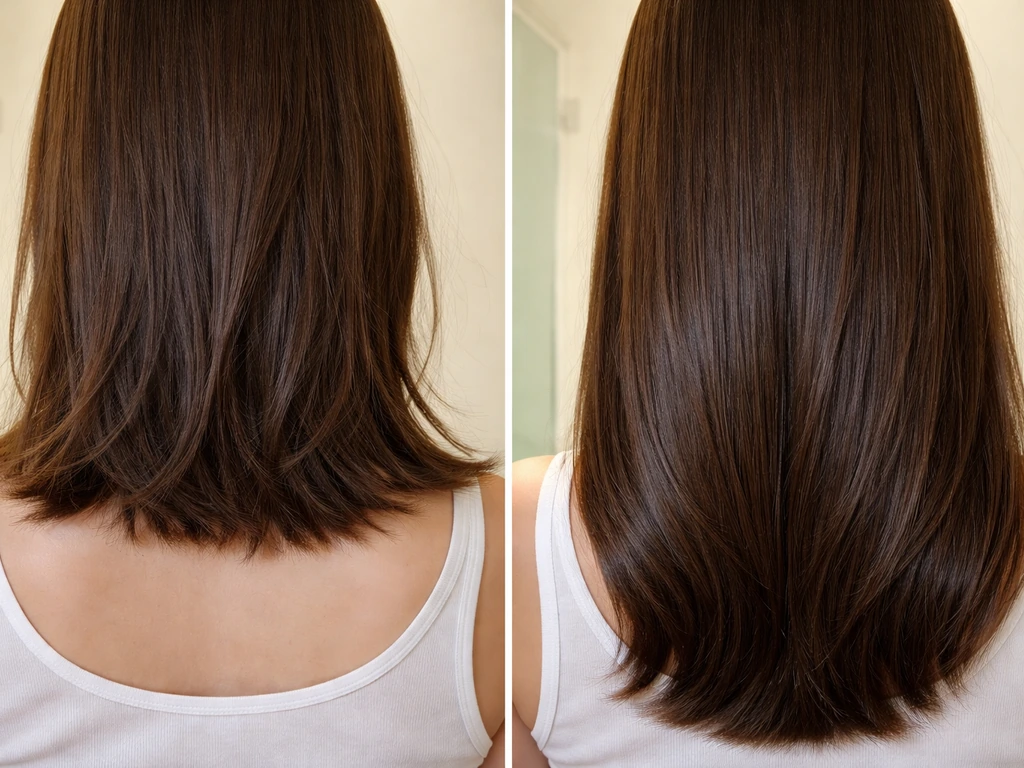
Step-by-step tips to grow hair out: stop breakage, build scalp routine, nutrition, safe actives, and track progress.
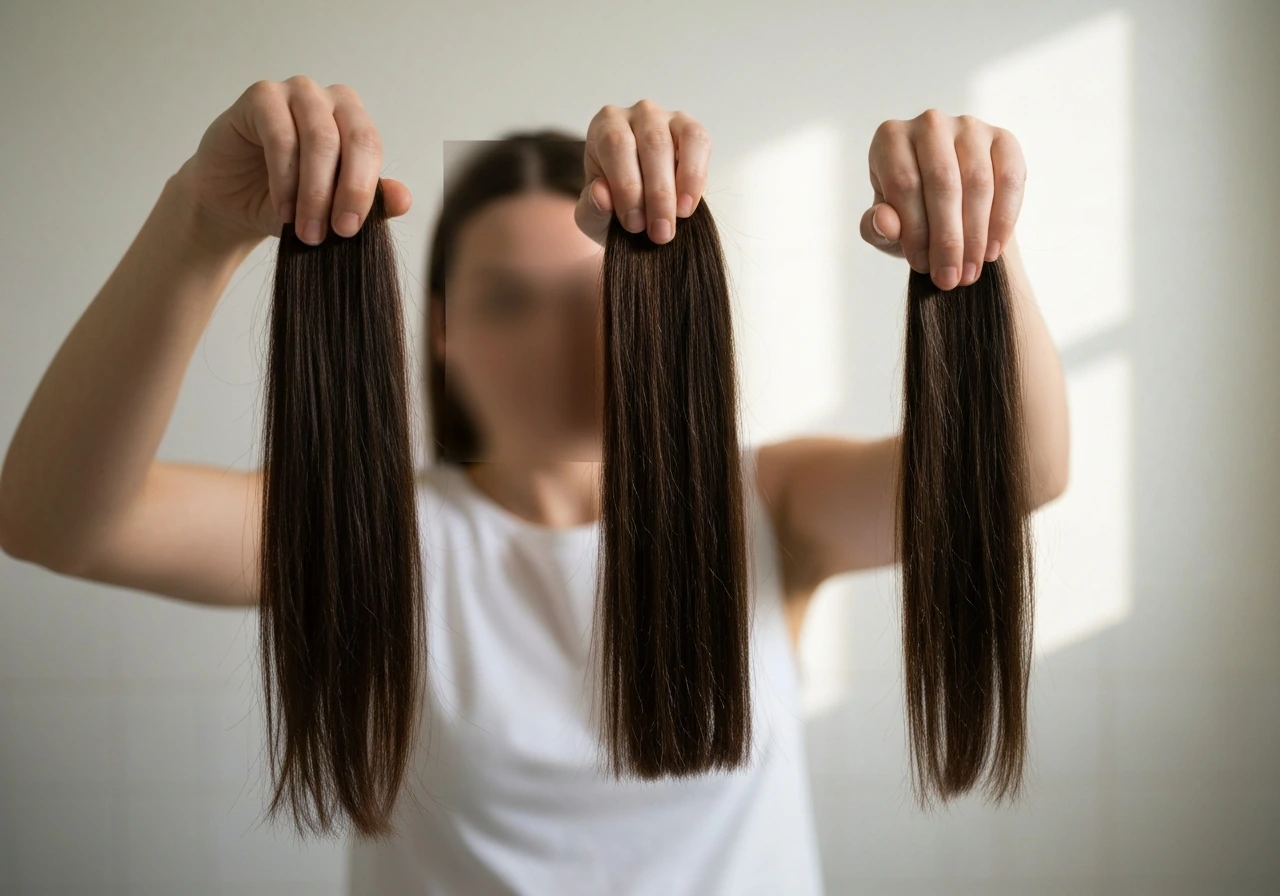
Step-by-step grow hair long tips: boost scalp health, cut breakage, improve diet, and track progress for length.
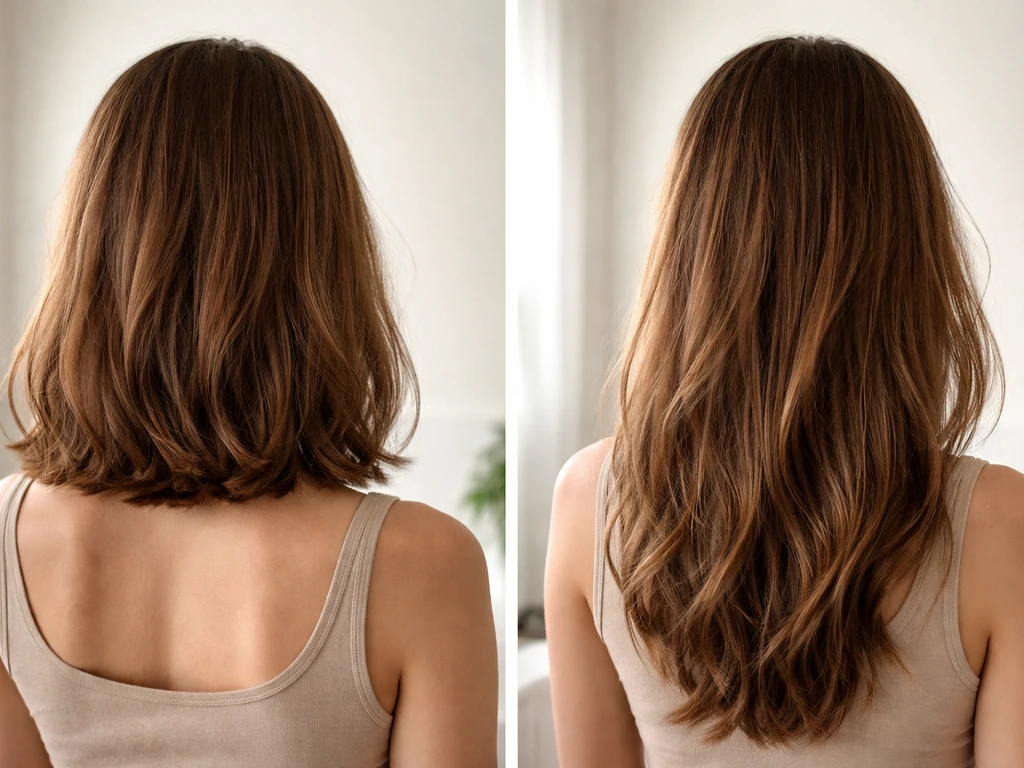
Actionable tips to grow long hair naturally: care routine, scalp habits, nutrition and breakage prevention for healthy l