
Hair grows about 1 cm per month on average, and the single biggest reason most people feel like their hair "won't grow" isn't actually slow growth at all. It's breakage. The hair is growing, but it's snapping off at roughly the same rate at the ends. Fix the breakage, support your follicles with the right nutrition and scalp care, and you'll start retaining that length. That's the whole game, and everything in this guide is built around those two goals.
Tips on How to Grow Your Hair Out: A Step by Step Guide

Marcus Holloway
4 Jun 2026
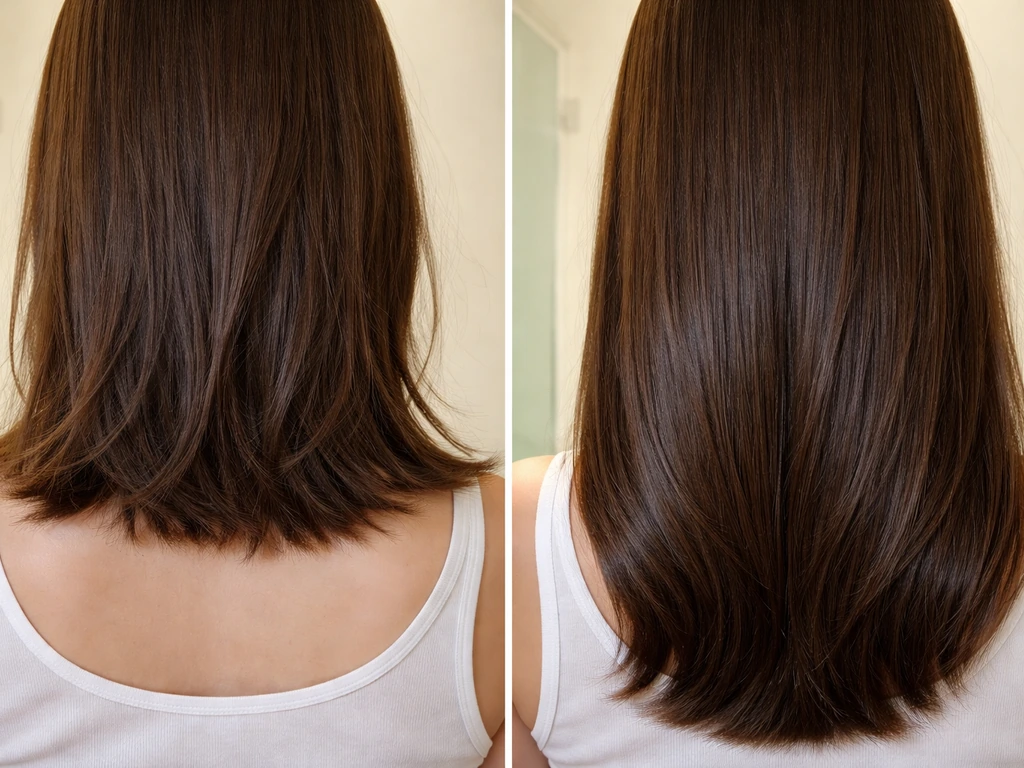
What hair growth actually means (and realistic timelines)
Your scalp hair goes through a cycle with three main phases: anagen (active growth), catagen (transition), and telogen (shedding). Anagen lasts roughly 2 to 6 years on the scalp, averaging around 1,000 days, which is what determines your maximum possible length. Catagen is brief. Telogen lasts about 100 days and ends with the hair falling out naturally. Shedding 50 to 150 hairs a day is completely normal, so don't panic when you see hair in the shower drain.
The growth rate itself ranges from about 0.6 cm to 3.36 cm per month, with 1 cm being the most commonly cited average. That means realistic expectations look like this: roughly 6 cm (about 2.5 inches) of new growth in six months if you're near average, and up to double that if you're a fast grower. But here's the catch: those numbers only translate into visible length if you're also retaining that growth at the ends. For most people, the goal is length retention as much as it is true growth stimulation.
One more thing worth knowing: if you've been through a stressful event (illness, surgery, significant weight loss, hormonal shift), your hair may shed heavily about 3 months after the fact. This is called telogen effluvium. It's temporary in most cases, but it can feel alarming. Shedding usually peaks and then tapers back to normal over 6 to 9 months. Knowing this helps you stay patient instead of panicking and making things worse with harsh treatments.
Habits that stop your hair from growing out
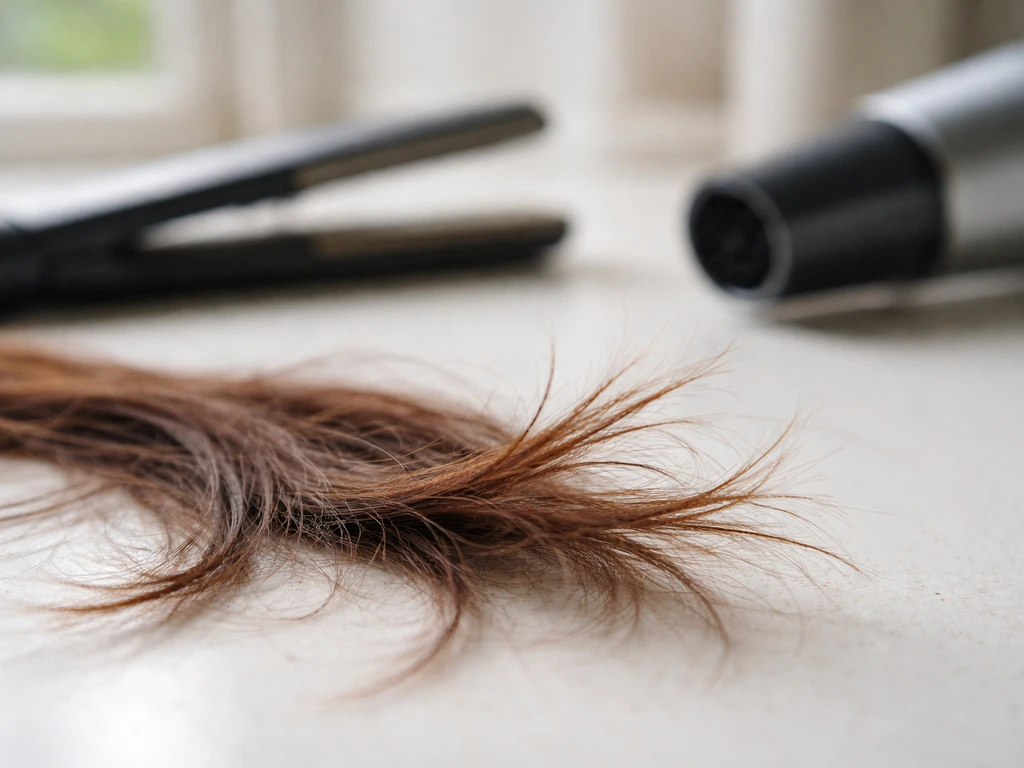
This is probably the most important section in the article, because the habits that cause breakage are incredibly common and often invisible until the damage is already done. Heat, tight styles, chemical processing, rough handling, and even how you brush all chip away at your hair's structural integrity.
Heat and chemical damage
Heat styling degrades the protein structure and lipid content of your hair shaft, increases porosity, and makes strands more prone to splitting and snapping. Chemical processes like bleaching, dyeing, and especially straightening compound this. One review found that chemical straighteners caused hair breakage or loss in up to 95% of cases under the tested conditions. If you're regularly doing both, you're stacking damage on top of damage. This doesn't mean you have to give up heat tools entirely, but using a heat protectant, keeping temperatures as low as possible, and spacing out chemical treatments makes a real difference.
Tight hairstyles and traction
Tight ponytails, braids, buns, and scarves all pull on the follicle. Over time this causes traction alopecia, a form of hair loss that starts with breakage at the hairline and temples and can progress to permanent damage if you don't catch it early. The American Academy of Dermatology is clear: anyone who repeatedly pulls on their scalp is at risk. If your style causes pain or stinging, that's your signal. Loosen it up.
Brushing and detangling
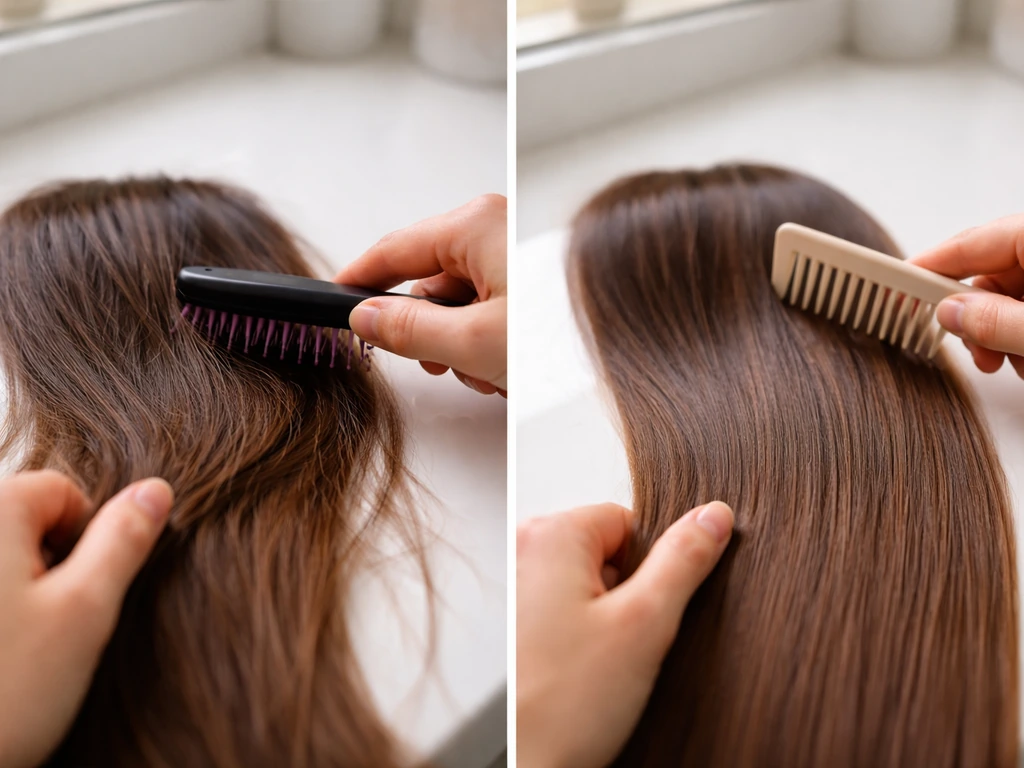
Research on combing and brushing mechanics shows that brushing causes significantly more long-segment hair breakage than combing does. Wet hair is more fragile, so aggressive detangling in the shower is particularly damaging. The fix: use a wide-tooth comb or a wet brush on damp hair, start from the ends and work upward toward the roots, and go slowly through tangles instead of ripping through them.
How often to wash and trim
Washing frequency is genuinely hair-type dependent, but one study found that people who washed their hair 5 to 6 times a week reported less oiliness, dryness, frizz, and breakage than those washing less often. That said, this was self-reported and won't apply universally, especially for coily or textured hair types that often do better with less frequent washing. The real rule is: wash when your scalp actually needs it, not on a rigid schedule. As for trims, trimming every 8 to 12 weeks removes split ends before they travel up the shaft and cause more breakage. Trimming does not make your hair grow faster, but it protects the length you've already grown.
Building a scalp care routine that fits your hair type

Healthy hair starts at the scalp. Your follicles live there, and a scalp that's chronically irritated, clogged, or inflamed is going to underperform. A good scalp routine doesn't have to be complicated, but it does need to be consistent.
Cleansing frequency by hair type
| Hair Type | Recommended Wash Frequency | Key Concerns to Address |
|---|---|---|
| Fine / straight / oily | Every 1–2 days | Product buildup, oiliness at roots |
| Medium / wavy | Every 2–3 days | Balance moisture without stripping |
| Thick / curly | Every 3–5 days | Retain moisture, minimize frizz and dryness |
| Coily / textured | Once a week or co-wash between | Moisture retention, gentle manipulation |
| Dandruff or seborrheic dermatitis | As directed (often more frequent with medicated shampoo) | Scalp inflammation, flaking, oil control |
Scalp massage
A small pilot study in 9 healthy men found that a standardized daily scalp massage over 24 weeks increased hair shaft thickness, though it didn't significantly change the actual growth rate. So massage probably won't speed up how fast your hair grows, but it may improve the thickness and feel of existing strands, and it promotes blood circulation to the follicles. Four minutes a day of firm circular pressure with your fingertips (not nails) is the protocol that's been studied. You can do this while shampooing or with a dry scalp before washing. It's a low-effort, low-risk addition to any routine.
Choosing the right products
For general use, a gentle sulfate-free shampoo works well for most hair types. If you have dandruff or an itchy, flaky scalp, a 2% ketoconazole shampoo (used 2 to 3 times a week) has solid clinical support for treating seborrheic dermatitis. Be aware that some users report mild scalp irritation or temporary hair texture changes with ketoconazole shampoos. On the conditioner and treatment side, look for ingredients that reduce friction between strands, such as silicones, cationic polymers, or natural emollients like shea butter or argan oil. High friction between hair fibers and styling tools is directly linked to breakage, so reducing it matters.
Nutrition and lifestyle: what your follicles are actually running on
Hair is a non-essential tissue as far as your body is concerned. When resources get tight (calories, protein, micronutrients), hair is one of the first things your body deprioritizes. This is why crash diets and prolonged caloric restriction are classic triggers for shedding. If you want your hair to grow at its best rate, your body needs to be fed adequately.
Protein

Hair is made almost entirely of a protein called keratin. If you're not eating enough protein, your hair growth cycle can be disrupted and strands can become thinner and more brittle. Most adults need somewhere in the range of 0.8 to 1.2 grams of protein per kilogram of body weight per day, and if you're very active, that number is higher. Good sources include eggs, fish, poultry, legumes, dairy, and tofu. You don't need to obsess over this, but if your diet has been light on protein for a while, it's worth adjusting.
Key micronutrients
- Iron: Low ferritin (stored iron) is strongly associated with telogen effluvium, especially in women. If you're shedding heavily, getting ferritin tested is one of the first things worth doing.
- Vitamin D: Deficiency has been linked to alopecia areata and other hair loss conditions in multiple studies. Many people are low without knowing it, particularly in low-sunlight climates.
- Zinc: Lower zinc levels have been observed across multiple hair loss cohorts. Zinc is involved in hair tissue growth and repair.
- B vitamins: B12 and folate support red blood cell production, which feeds follicles. Biotin gets a lot of attention but is mainly relevant if you're actually deficient.
- Omega-3 fatty acids: Supportive for scalp health and reducing inflammation, found in fatty fish, walnuts, and flaxseed.
Sleep, stress, and hormones
Poor sleep and chronic stress both elevate cortisol, which can push follicles into the shedding phase prematurely. This is part of why major life stressors so reliably trigger telogen effluvium a few months later. You probably can't eliminate stress entirely, but things like consistent sleep (7 to 9 hours), regular exercise, and stress management practices (even just daily walks) make a measurable difference to your hormonal environment. Hormonal imbalances, including thyroid dysfunction and androgen-related conditions like PCOS, can also directly suppress hair growth and are worth investigating with your doctor if you suspect them.
Supplements and topical actives worth knowing about
The supplement market for hair growth is enormous and mostly underwhelming. Here's an honest breakdown of what has decent evidence behind it versus what's mostly marketing.
What has real evidence
Minoxidil is the most evidence-backed topical for hair growth available without a prescription. It was originally a blood pressure medication and was found to stimulate hair growth as a side effect. The 5% solution has been studied in randomized controlled trials over 48 weeks. You can expect to see early effects around 6 to 8 weeks, with more significant results at 12 to 16 weeks. It needs to be used consistently, and if you stop, results reverse. It's approved for androgenetic alopecia (pattern hair loss) but is increasingly used off-label for other types of hair thinning. If you're considering it, speak with a dermatologist first, particularly if you're pregnant or have cardiovascular conditions.
Supplements: helpful if you're deficient, not magic if you're not
Biotin is the most popular hair supplement and is genuinely useful if you're deficient, but biotin deficiency is rare in adults who eat a varied diet. Taking high doses when you're not deficient is unlikely to speed up hair growth, and very high doses can interfere with some lab tests. Iron, vitamin D, and zinc supplements make sense if blood tests confirm you're low in them.
A Springer systematic review and meta-analysis on alopecia areata concludes that screening for vitamin D deficiency and considering vitamin D supplementation may be beneficial in alopecia areata patients [Iron, vitamin D, and zinc supplements make sense if blood tests confirm you're low in them. ](https://link. springer. com/article/10.
1007/s13555-020-00433-4). Broad-spectrum hair supplement blends (often marketed under names like "hair, skin, and nails") vary enormously in quality and evidence. If you want to supplement intelligently, get your levels tested first and target specific deficiencies.
Emerging options with some support
Topical caffeine has been studied in a randomized multicenter trial comparing a 0.2% caffeine liquid to 5% minoxidil in men with androgenetic alopecia, with outcomes measured at 3 and 6 months. Results were promising enough that caffeine-based topicals are worth keeping an eye on. Caffeine is well-absorbed through the scalp and has a good safety profile. It's not a replacement for minoxidil if you have significant pattern loss, but for someone looking to support general hair health, caffeine shampoos or serums are a reasonable, low-risk addition.
Natural remedies and at-home options
Natural and home-based approaches fit well alongside a solid foundational routine. They're generally low-risk, and while the clinical evidence isn't as robust as for minoxidil, some have enough real-world support to be worth trying.
Scalp oils
Oils like rosemary, peppermint, and castor oil are popular for scalp application. Rosemary oil has the most compelling evidence in this group: a small RCT found it comparable to 2% minoxidil for hair count at 6 months. Apply a few drops diluted in a carrier oil (like jojoba or coconut oil) to the scalp, massage in for a few minutes, and leave for 30 to 60 minutes before washing out. Do a patch test first. Peppermint oil showed increased follicle depth and thickness in a mouse study, but human data is limited. Castor oil is thick and popular for sealing moisture into ends, though direct follicle-stimulating evidence in humans is sparse.
Onion juice
Onion juice is one of the more surprising entries with some actual human research behind it. One small study found hair growth beginning around 2 weeks of twice-daily scalp application, with a significant proportion of participants seeing noticeable results by 6 weeks. The smell is the obvious barrier, and irritation is possible, so patch test before applying to your full scalp. Apply fresh onion juice to the scalp, leave it for 15 to 30 minutes, then wash out thoroughly. Overall evidence is still limited, but it's a low-cost option worth trying if you're curious.
DIY hair masks and leave-ins
Egg masks, avocado, honey, and yogurt are common DIY treatments, primarily used as deep conditioning rather than growth stimulators. They can genuinely improve the feel, elasticity, and moisture of your hair, which reduces breakage. That's valuable for length retention even if they're not growing new hair directly. Use them as a pre-wash treatment or mask once or twice a month. The main safety note: rinse egg-based masks with cool water only, as heat will cook the egg protein onto your hair shaft.
Tracking progress and knowing when to get professional help
Growing your hair out is a slow process by definition, and without a tracking system, it's easy to lose motivation or miss real improvement. Here's a simple way to stay objective about your progress.
A practical tracking plan
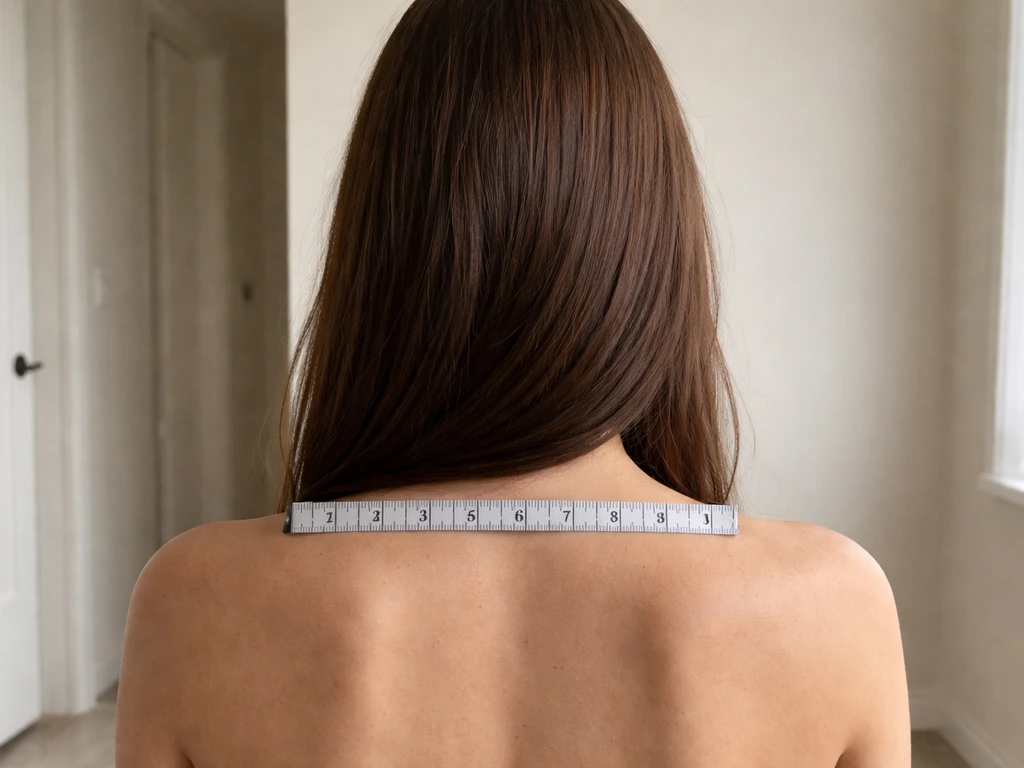
- Take a baseline photo on day one: consistent lighting, same spot in the house, hair down and in the same position. Add a ruler or measuring tape at the nape of your neck for scale.
- Measure a specific section of hair (a consistent section from the same area each time) once a month.
- Note any changes to your routine in a simple journal or phone note: new products, dietary changes, supplements started, stressful events.
- Repeat photos every 4 to 6 weeks. Length changes will be subtle month to month, but 3-month comparisons usually show clear progress.
- Track shedding qualitatively: does the drain look dramatically different? Are you noticing thinning at the hairline or temples? These are different signals than normal daily shedding.
When to see a dermatologist or trichologist
Growing out your hair is a length and retention goal. But if what you're experiencing looks more like thinning, patches, or accelerating loss, that's a different situation that needs professional assessment. The American Academy of Dermatology notes that it's possible to show signs of hair loss for months or years before it becomes visually obvious, which is why early evaluation matters. Here are the signals that suggest you should book an appointment rather than just trying more tips.
- Shedding that's still heavy after 6 months without a clear trigger or obvious improvement
- Thinning at the hairline, temples, or crown rather than diffuse shedding throughout the scalp
- Patches of hair loss or smooth, shiny skin where hair used to be
- Scalp pain, stinging, burning, or persistent itching
- No improvement in shedding after removing a known trigger (like a tight hairstyle or stopping a medication)
- Noticeable hair thinning accompanied by other symptoms like fatigue, weight changes, or irregular periods (which could point to thyroid or hormonal issues)
A dermatologist can run blood panels to check ferritin, thyroid hormones, vitamin D, zinc, and androgens, and they can distinguish between true hair loss (follicle damage) and excessive shedding (a reversible cycle disruption). That distinction matters enormously for treatment. If your concern is pattern hair loss specifically, a trichologist or hair-specialized dermatologist can assess whether minoxidil, finasteride, or other medical interventions are appropriate for your situation.
Your starting point right now
If you're just starting out and your goal is simply to grow your hair longer and healthier, the most impactful first steps are: take one week to audit what might be causing breakage (heat, tight styles, rough brushing), shift your diet toward adequate protein and check if you're eating enough overall, add a 4-minute daily scalp massage, and take your baseline photo today. If you're looking for natural hair grow tips, focus on reducing breakage, supporting your scalp, and using evidence-informed options like rosemary oil or onion juice carefully. You don't need to change everything at once. Fix the breakage first, then layer in the rest.
Three months from now, with consistent effort, you'll have both visible progress and a much clearer picture of what your hair actually needs. For those looking to go deeper on healthy hair and natural approaches, there's a lot more to explore around growing long hair specifically and caring for your hair's texture and condition over time.
If you want the fastest, most realistic path to longer hair, focus on length retention first by reducing breakage and supporting your scalp and follicles tips for how to grow long hair. If your goal is to grow hair long, focusing on length retention habits and a consistent routine will get you there faster than chasing quick fixes growing long hair.
If you want more natural hair grow tips, explore the sections on scalp oils, onion juice, and DIY conditioning options. To complement those habits, prioritize tips to grow healthy hair by focusing on breakage prevention and building a simple scalp and nutrition routine. To complement those habits, focus on tips to grow healthy hair by prioritizing breakage prevention and a simple scalp and nutrition routine.
FAQ
Can I speed up hair growth, or is it only about retention?
Yes, but you need to separate “new growth” from “retained length.” If you are not breaking less at the ends, you may still see the same inches of shedding and snap-offs even though your follicles are producing hair normally.
What’s the safest way to detangle if my hair tangles easily?
If you are detangling in the shower, use conditioner as a lubricant and avoid ripping through knots. Work in small sections, start at the ends, and stop if you feel tugging that requires force, because that’s when long-segment breakage spikes.
How long after stress or illness should I expect shedding, and when should I worry?
A change in shedding timing matters. If heavy shedding starts about 2 to 4 months after an illness, surgery, or major stressor, it often fits a telogen effluvium pattern, and patience usually beats aggressive breakage treatments.
How do I know if my hairstyle is causing traction rather than just normal hair shedding?
If you regularly feel scalp pain, burning, or tenderness from tight styles, don’t “push through.” Loosen the style immediately and consider spacing protective styles or choosing looser tension, because ongoing traction can lead to permanent damage.
If I start minoxidil, how do I track whether it’s working and what timeline should I expect?
Minoxidil typically shows early effects around 6 to 8 weeks and more meaningful change around 12 to 16 weeks, but temporary increased shedding can occur early. Take progress photos monthly and stick with consistent use, since stopping often reverses gains.
Should I treat dandruff first, or focus on conditioner and breakage prevention?
Check for specific symptoms and mismatch patterns. If you have itching, flaking, or a visibly irritated scalp, prioritize treating seborrheic dermatitis first (for example, ketoconazole as directed). Once the scalp is calm, breakage and shedding control becomes easier.
How often should I trim if my goal is maximum length retention?
Plan trims around split-end travel, not “hair growth speed.” If your ends split, trim every 8 to 12 weeks, and when your hair stops splitting, you can often extend the interval slightly while still monitoring for new fraying.
Is washing your hair more often always better for growth?
Not always. Coily and textured hair often tolerates less frequent washing and benefits more from moisture management, so use a “scalp need” approach. If your scalp feels greasy, itchy, or coated, that’s a stronger trigger than a calendar.
Should I take vitamins for hair growth, or is there a smarter way to decide?
Food-first strategy usually beats guessing. If you can, get labs for ferritin, vitamin D, zinc, and thyroid function, because supplementing without a deficiency can waste money and some can interfere with lab tests.
What’s the most common nutrition mistake people make when trying to grow hair longer?
Yes, but be cautious with high-dose supplements. If you choose to supplement, avoid megadoses unless a clinician confirms a deficiency, and treat protein as a baseline requirement before adding specialty products.
Are onion juice or scalp oils safe to use if I have a sensitive scalp?
If you’re considering onion juice, do a patch test and watch for redness or burning. Use it briefly (15 to 30 minutes), rinse thoroughly, and stop if irritation persists, because scalp inflammation can worsen shedding for some people.
What’s the best way to use egg masks without damaging my hair?
Egg masks should be rinsed with cool to lukewarm water, and you should avoid leaving them on under heat. If your hair tangles after washing, detangle gently with conditioner, because egg-based masks can sometimes increase dryness if not rinsed well.
When should I stop trying home tips and see a dermatologist?
Look for a pattern that persists. If you have patchy loss, widening part, noticeable thinning that progresses, or shedding that doesn’t ease after 6 to 9 months, book an evaluation instead of continuing only DIY breakage fixes.
Next Articles
Grow Hair Long Tips: Step-by-Step Routine to Reach Length
Step-by-step grow hair long tips: boost scalp health, cut breakage, improve diet, and track progress for length.
Tips for How to Grow Long Hair: A Practical Guide
Actionable tips to grow long hair naturally: care routine, scalp habits, nutrition and breakage prevention for healthy l
Tips to Grow Healthy Hair: Simple Steps, Routine, and Red Flags
Step-by-step tips to grow healthy hair: scalp care, nutrition, routines, breakage prevention, and red flags for thinning