
Growing hair long comes down to two things: keeping your follicles healthy enough to produce hair at their natural rate, and preventing that new growth from snapping off before it reaches your goal length. Natural hair grow tips like protecting your hair from breakage and keeping your scalp healthy are the key steps that support that process. Most people already grow about a centimeter per month, so the real bottleneck is almost never the follicle itself. It's breakage, shedding triggered by internal stressors, or scalp conditions quietly working against you. Fix those, and longer hair follows. If you want tips for how to grow long hair, focus first on preventing breakage so your new growth can actually reach your goal length.
Grow Hair Long Tips: Step-by-Step Routine to Reach Length

Marcus Holloway
11 May 2026
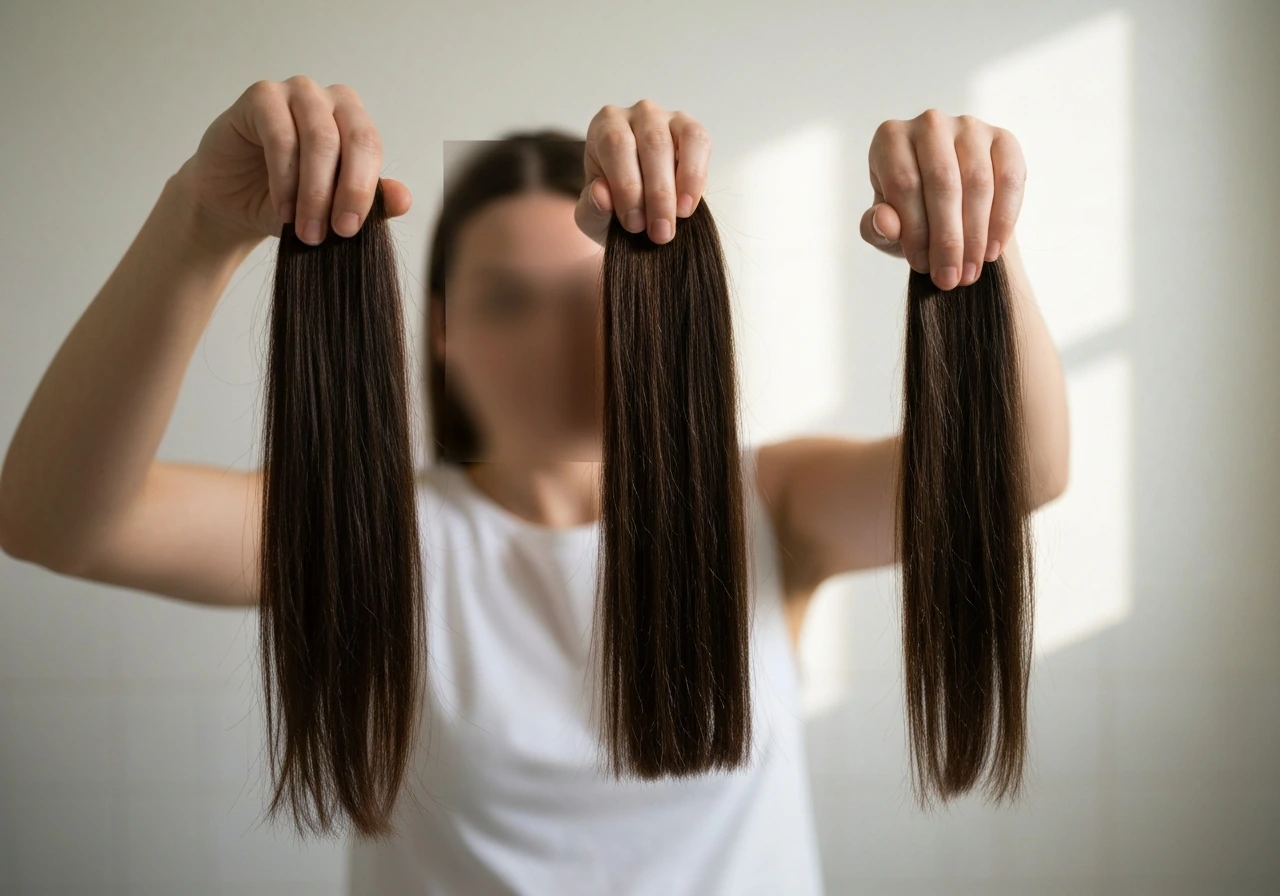
What to actually expect from your hair growth timeline
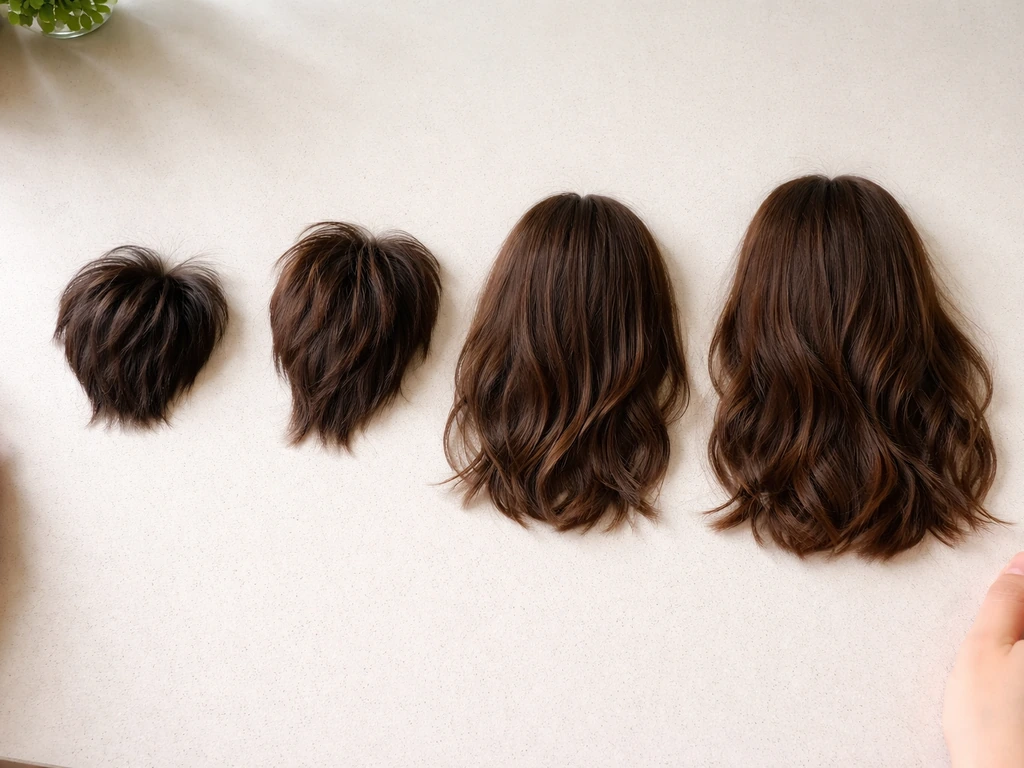
Human scalp hair grows at an average of roughly 1 centimeter per month, but that number hides a wide range. Research puts the real spread somewhere between 0.6 and 3.36 cm per month depending on the individual, the part of the scalp, genetics, age, and overall health. That means one person could realistically gain 7 cm in a year while another gains 12 or more under ideal conditions. Neither is broken.
The practical implication: going from a pixie cut to shoulder length typically takes 18 to 24 months even with everything working in your favor. Waist-length hair from a bob is often a 4 to 5 year project. Set those timelines in your head now so you're not abandoning a routine at month three because you expected more. Progress photos taken in good lighting every 4 to 6 weeks are far more motivating than daily mirror checks.
How hair growth actually works (and why breakage is the hidden enemy)
At any point, about 85% of your scalp follicles are in the active growth phase (anagen), while roughly 15% are resting (telogen). When a telogen hair finally releases, you shed it. That's normal, and it's happening to 50 to 100 hairs every single day. Those lost hairs are replaced by new growth, so daily shedding within that range is nothing to worry about.
The distinction that actually matters for growing length is shedding versus breakage. Shed hairs fall from the root and will typically show a small white bulb at the tip. Broken hairs are short, uneven fragments with no bulb at all, because they snapped somewhere along the shaft. If most of what you're finding in your brush or on your pillow looks like short, irregular pieces, you have a breakage problem, not a growth problem. No supplement or scalp oil fixes a breakage problem until you address the physical and chemical stressors causing the shaft to weaken.
When shedding suddenly increases well beyond 100 hairs a day, the most common culprit is telogen effluvium: a condition where a wave of follicles gets pushed into the resting phase early due to stress, illness, hormonal shifts, crash dieting, or surgery. The tricky part is the 2 to 4 month delay between the trigger and the visible shedding, which means you're often frantic about hair loss just as the underlying cause has already passed. Acute telogen effluvium usually resolves on its own within 3 to 6 months once the trigger is removed.
Daily habits that protect length
Washing and conditioning
How often you wash depends on your scalp type, but the goal is keeping the scalp clean without stripping the lengths. If your scalp is oily, washing every other day is usually fine. If it's dry or you have color-treated hair, stretching to every 2 to 3 days helps retain natural moisture. When you do wash, apply conditioner from mid-shaft to ends only, where your hair needs the most protection. Letting it sit for 2 to 3 minutes before rinsing makes a real difference in how easily the hair detangles.
Detangling without damage
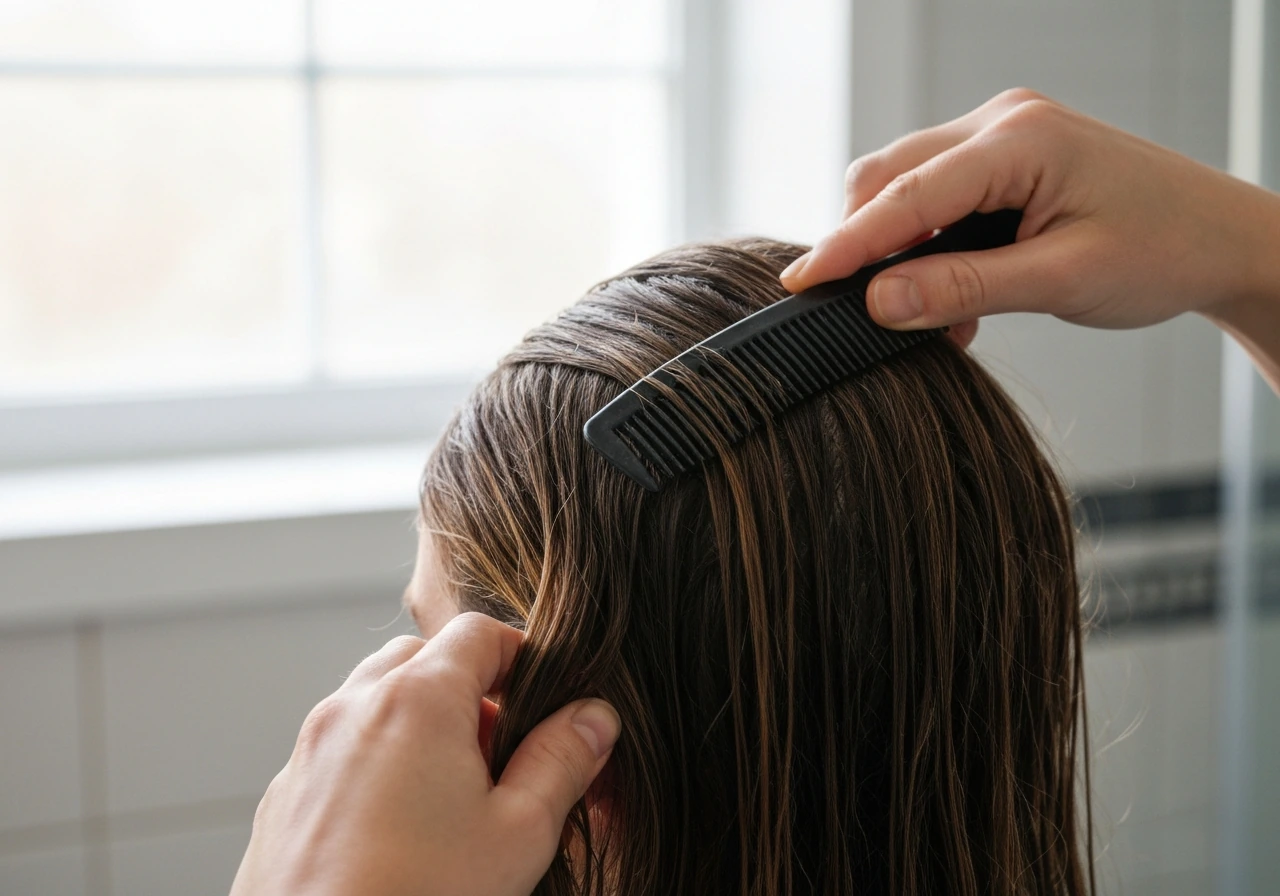
Always detangle from ends to roots, not the other way around. Starting at the root and dragging a brush downward drags tangles into knots and causes snapping. Use a wide-tooth comb or a paddle brush with flexible bristles on wet hair, and work in small sections. Detangling dry hair before you wet it also significantly reduces the tangles you have to fight after washing, especially for wavy and curly textures.
Heat, friction, and chemical damage
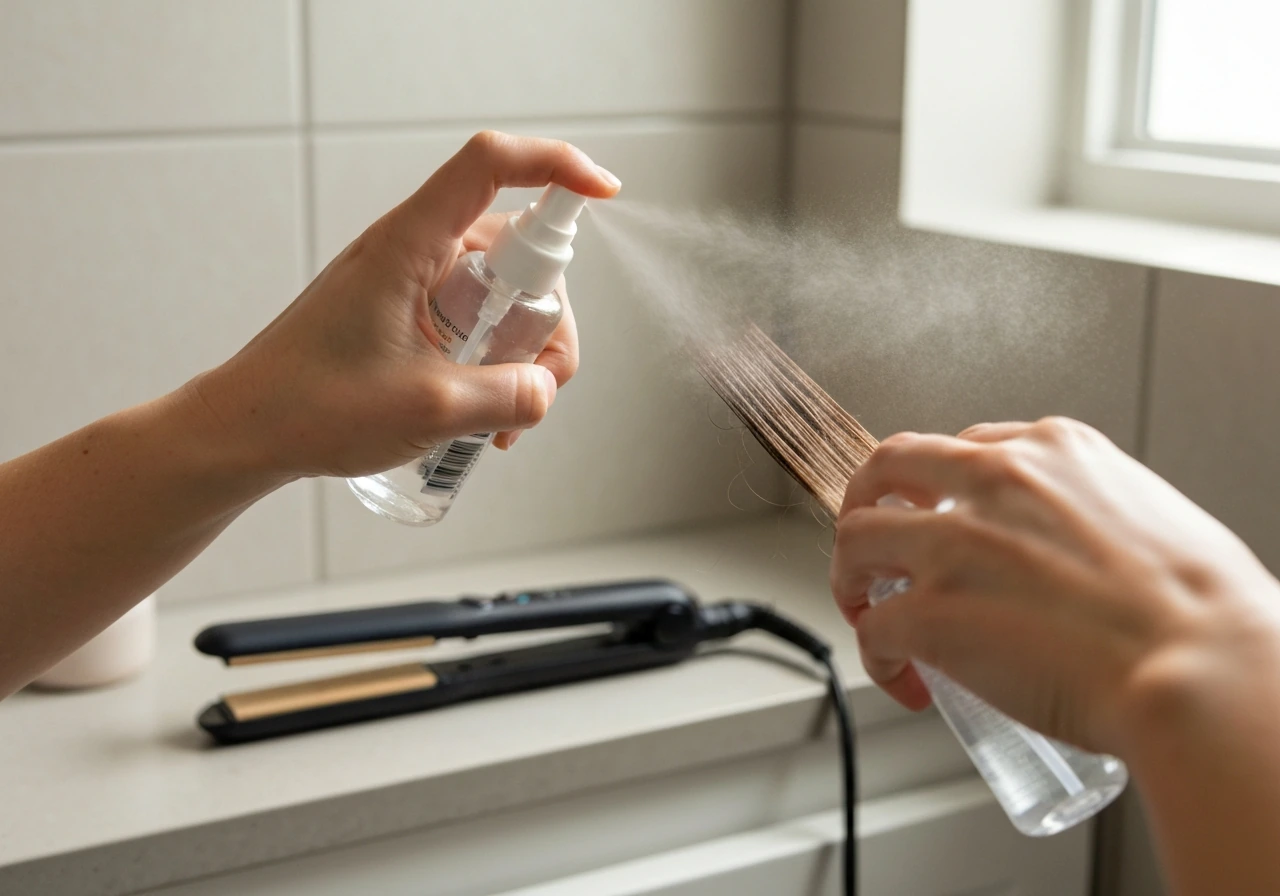
Heat tools are one of the biggest causes of the breakage that steals your length. If you use a flat iron or curling wand, apply a heat protectant spray first and keep temperatures below 180°C (350°F) for fine or damaged hair, and no higher than 230°C (450°F) for coarser textures. Air-drying more often than not is genuinely one of the most effective length-retention habits. Cotton pillowcases create friction as you sleep; switching to a satin or silk pillowcase, or wrapping your hair in a silk scarf, reduces overnight breakage noticeably. For people who bleach or chemically relax their hair, stretching the time between treatments and using a bond-repair product (like olaplex-style treatments) is non-negotiable if length is the goal.
Scalp care and growth-supporting treatments
Your scalp is the soil your hair grows from. An inflamed, flaky, or clogged scalp doesn't directly prevent growth, but chronic scalp inflammation from conditions like seborrheic dermatitis creates an environment that impairs follicle function over time. If you have persistent dandruff, redness, or itching, treating it properly is a practical hair-growth step. The AAD recommends antifungal shampoos containing ingredients like 2% ketoconazole or 1% ciclopirox for seborrheic dermatitis. These need to be left on the scalp for a few minutes (the ketoconazole label specifies about 5 minutes) to actually work, not just lathered and rinsed immediately.
Scalp massage is worth adding to your routine. It's low-risk, free, and there's decent mechanistic reasoning behind it: regular massage increases blood flow to the follicles and may stimulate dermal papilla cells. Spend 4 to 5 minutes massaging with your fingertips (not nails) either dry or with a lightweight oil before washing, a few times a week. It won't replace other interventions, but it costs nothing and most people find it genuinely relaxing.
If you're dealing with pattern thinning rather than just slow growth, minoxidil is the most well-established over-the-counter topical treatment. It works by prolonging the anagen (growth) phase. There's also emerging research comparing topical caffeine at 0.2% to minoxidil 5%, with both showing changes in anagen/telogen ratios over 3 to 6 months. Caffeine-based scalp serums are a lower-risk option to explore, though the evidence base is still smaller than for minoxidil.
What to eat (and supplement) for longer, healthier hair

Hair is essentially made of protein, so inadequate protein intake is one of the most common and underappreciated reasons for both slow growth and increased shedding. Aim for at least 1.2 to 1.6 grams of protein per kilogram of body weight daily, prioritizing complete protein sources like eggs, meat, fish, legumes with grains, or dairy. If you've been restricting calories significantly, that's one of the most reliable triggers of telogen effluvium.
After protein, the nutrients most consistently linked to hair cycle disruption are iron (specifically ferritin, the stored form), vitamin D, and zinc. Low ferritin is especially common in women, particularly those with heavy periods, and it doesn't always show up as clinical anemia. A ferritin level below about 30 to 40 ng/mL is considered suboptimal for hair health by many dermatologists even when it's technically within the normal range. Vitamin D deficiency is also widely prevalent and shows up on the standard lab panel that dermatologists run for hair loss. If you suspect a deficiency in any of these, get bloodwork first rather than supplementing blindly.
Omega-3 fatty acids support the anti-inflammatory environment that benefits both scalp and follicle health. Fatty fish two to three times per week, walnuts, and flaxseed are good dietary sources. A fish oil supplement is a reasonable addition if your diet is low in these.
Biotin deserves an honest word here. It's the ingredient in most "hair, skin, and nails" supplements, but the evidence only really supports it for people with a documented biotin deficiency, which is genuinely uncommon in adults eating a varied diet. Taking high-dose biotin (anything above a few hundred micrograms) can interfere with certain lab tests, including thyroid hormone and troponin assays, producing false results. If you're taking high-dose biotin and need bloodwork, tell your doctor.
| Nutrient | Why it matters for hair | Best food sources | Consider supplementing if... |
|---|---|---|---|
| Protein | Hair shaft is keratin; inadequate intake slows growth and triggers shedding | Eggs, chicken, fish, legumes + grains, dairy | Intake is under ~1.2g/kg body weight |
| Iron/Ferritin | Required for healthy hair cycling; low ferritin linked to shedding | Red meat, lentils, spinach + vitamin C | Ferritin is below 30–40 ng/mL on bloodwork |
| Vitamin D | Supports follicle cycling; widespread deficiency | Fatty fish, fortified foods, sunlight | Bloodwork shows deficiency (below ~50 nmol/L) |
| Zinc | Follicle repair and protein synthesis | Oysters, beef, pumpkin seeds, chickpeas | Lab testing confirms low levels |
| Omega-3s | Anti-inflammatory; supports scalp environment | Salmon, sardines, walnuts, flaxseed | Diet is consistently low in fatty fish |
| Biotin | Only useful if genuinely deficient | Eggs, nuts, sweet potato (deficiency rare) | Blood test confirms actual deficiency |
Natural remedies worth trying (and a few to skip)
The natural remedy landscape for hair growth is a mix of genuinely useful options and a lot of wishful thinking. Here's an honest breakdown.
Coconut oil
This one has actual research behind it, though not for growing hair faster. A well-cited study found that coconut oil reduces protein loss in both undamaged and damaged hair when used as a pre-wash treatment or post-wash grooming product, outperforming mineral oil and sunflower oil. That means less shaft damage over time and better length retention. Apply it to the lengths and ends 30 to 60 minutes before washing, then shampoo it out. It won't grow new hair, but it will help preserve what you have.
Rosemary oil
Rosemary oil is probably the most interesting natural option for actual growth support. A randomized trial compared topical rosemary oil directly against 2% minoxidil for androgenetic alopecia and found comparable results at the 6-month mark. That's genuinely notable. To use it, dilute a few drops in a carrier oil (like jojoba or coconut) and massage it into your scalp 2 to 3 times a week. Always dilute; essential oils undiluted on skin can cause irritation and sensitization, and reactions are not rare.
Castor oil
Despite massive popularity online, the evidence for castor oil speeding up hair growth is essentially anecdotal. Systematic reviews find no strong clinical support for it as a true growth treatment. It may offer some conditioning and moisturizing benefit for very dry or coarse textures, but it's thick and can be difficult to wash out fully, which can lead to product buildup. If you enjoy using it, fine, but don't expect it to be a growth driver.
Essential oils in general
Peppermint, tea tree, and similar oils are popular in DIY scalp treatments. Tea tree oil in particular has antifungal properties that can be useful if you're dealing with scalp flaking, but undiluted tea tree oil contact dermatitis is a documented clinical issue. Always patch test, always dilute in a carrier oil at a 1 to 2% concentration (1 to 2 drops per teaspoon of carrier), and don't assume "natural" means risk-free.
How to track progress and troubleshoot what's blocking you

Tracking length over time
The best tracking method is a consistent monthly photo in the same lighting, same location, with a measuring tape or fixed reference point (like a shirt collar or shoulder seam). Hair length can appear deceptively inconsistent depending on humidity and how it's styled, so a straight section in good lighting is the most honest read. Give any new routine at least 3 to 4 months before judging results, because the hair cycle means changes at the follicle level take time to show up as visible length.
Troubleshooting common blockers
- Excessive shedding without breakage: Think back 2 to 4 months. Major stressor, illness, surgery, significant weight loss, hormonal change (postpartum, stopping birth control)? That's likely telogen effluvium. Remove the trigger if it's ongoing, and expect 3 to 6 months for shedding to normalize. If it persists beyond 6 months, see a dermatologist.
- Hair not getting longer despite growth: This is almost always breakage. Audit your heat tool use, chemical treatments, sleeping habits, and how aggressively you detangle. Protein-rich hair masks and reduced manipulation often fix this within a few months.
- Scalp itching, flaking, or redness: Don't mask it with oils. Treat the underlying condition with an appropriate antifungal shampoo. Chronic scalp inflammation will work against your progress.
- Persistent thinning over years: Pattern hair loss (androgenetic alopecia) is gradual and follows characteristic patterns: receding hairline and crown thinning in men, widening part and reduced density across the top-central scalp in women. This requires a different approach than general hair-growth tips, and a dermatologist can confirm the diagnosis and discuss minoxidil, finasteride (in men), or other treatments.
- Slow growth despite doing everything right: Genetics sets your upper limit. Some people genuinely have shorter anagen phases and will not grow past a certain length regardless of effort. If your hair has always maxed out at a certain length, that may simply be your terminal length.
- Hormone-related shedding: Thyroid dysfunction (both hypo and hyperthyroid) is a common and treatable cause of diffuse shedding. Get thyroid function tested if you have other symptoms like fatigue, weight changes, or temperature sensitivity.
When to see a professional
See a dermatologist if shedding is dramatic and doesn't improve after 6 months, if you're noticing bald patches, if your scalp is consistently inflamed, or if you suspect a deficiency and want bloodwork interpreted properly. Standard labs for hair loss include a complete blood count, ferritin, serum iron and TIBC, TSH, vitamin D (25-OH), and sometimes zinc. These give you an actual picture of what's going on rather than guesswork. Getting these results changes the conversation from "what supplement should I take" to "here's what's actually missing."
The topics of growing healthy hair through your daily habits and natural hair growth approaches overlap a lot with what's covered here. Wherever you're starting from, whether you're dealing with thinning, just starting out, or trying to push past a plateau, the fundamentals don't change: protect the length you have, feed the follicle from the inside, keep the scalp in good shape, and give your routine enough time to actually show results. If you want tips on how to grow your hair out, focus on preventing breakage, supporting your scalp, and staying consistent long enough to see real length changes. There's no fast track, but there is a reliable one. If you want a broader routine, look at the daily habits section for practical tips to grow healthy hair.
FAQ
How can I tell if my hair is growing but my length still isn’t increasing?
Check for breakage vs shedding: if you see short, uneven fragments with no white bulb, you are losing length to snapping even if growth is happening. Also look at your ends after detangling, if they feel rough, look split, or shed faster after brushing, the bottleneck is usually mechanical or chemical damage, not growth rate.
Is it better to trim my hair to help it grow longer?
Trims do not make follicles grow faster, but they reduce split ends traveling up the shaft, which lowers breakage. If you are trying to retain length, consider small end trims every 8 to 12 weeks rather than infrequent large cuts, especially if you bleach, color, or use heat.
What should I do if I’m shedding more than usual after starting a new supplement or diet?
Treat it as a possible telogen effluvium trigger, especially if the change involved crash dieting, rapid weight loss, surgery, or a new hormonal shift. The visible shed can lag 2 to 4 months after the trigger, so keep notes on diet and stressors and wait at least 3 to 4 months before concluding the supplement harmed you.
Should I oil my scalp or hair to speed up growth?
Oiling the scalp is not proven to directly increase growth rate. If you use oils, apply them to lengths as pre-wash or post-wash conditioning to reduce protein loss and shaft damage. If you are prone to dandruff or an oily scalp, heavy oils can worsen buildup, so focus on cleansing and scalp treatment instead.
How often should I wash if I use minoxidil or treat dandruff?
If you use minoxidil, many people need to time it away from washing so the product is not immediately diluted off. Follow your specific label directions, but a common approach is applying minoxidil to a dry scalp, then washing later as instructed. For dandruff treatment, do not shorten the contact time, especially with ketoconazole or ciclopirox formulations.
Can tight hairstyles slow down my length progress?
Yes, tension styles increase mechanical breakage and can contribute to traction alopecia over time. If you wear buns, braids, or ponytails, keep them loose, avoid the same hairline every day, and stop if you notice soreness, thinning at the edges, or persistent breakage near where the hair is pulled.
What’s the safest way to detangle long hair to prevent snapping?
Detangle in sections, start at the ends, and only move upward once the lower section is smooth. Use a wide-tooth comb or flexible paddle brush on wet hair, and consider detangling right after conditioner when slip is best. If you feel resistance, add more conditioner or water rather than forcing the comb through.
Does coloring or bleaching ruin hair growth progress?
They can, mainly by weakening the hair shaft so it breaks before it can reach your goal length. If you color or bleach, stretch the time between services when possible, use bond-repair style treatments, and reduce heat exposure. Focus on breakage prevention because growth may still be happening under the surface.
What heat settings should I use if I must use a blow dryer or flat iron?
If you use styling tools, keep temps as low as you can while achieving the style, and protect with a heat protectant. For fine or damaged hair, stay under about 350°F (180°C), for coarser hair stay under about 450°F (230°C). Also avoid repeated passes over the same section, slower passes at lower heat usually cause less damage.
How long should I try a new hair-growth routine before deciding it isn’t working?
Give it at least 3 to 4 months, because the hair cycle and follicle changes take time to appear as visible length. Use consistent monthly photos and measure from the same reference point, since styling, humidity, and hair texture can make length look different day to day.
When should I ask a dermatologist for bloodwork or treatment instead of trying more supplements?
If shedding is dramatic and does not improve after about 6 months, if you notice bald patches, or if your scalp is consistently inflamed. Also get labs if you suspect deficiencies, because low ferritin, vitamin D deficiency, thyroid issues, and zinc problems are often measurable and can change what you do next.
Are rosemary oil and minoxidil compatible, and can I use both?
They can be used together in some routines, but do not assume compatibility for everyone, especially if you have scalp irritation. If you combine them, introduce one change at a time so you can tell what causes redness, itching, or increased shedding, and stop any product that irritates your scalp.
What protein target should I follow if I’m trying to grow hair long?
Aim for roughly 1.2 to 1.6 grams of protein per kilogram of body weight daily, as a practical range. If you eat fewer calories than usual, prioritize protein first because under-eating is a common pathway to telogen effluvium, even when you are taking hair supplements.
Why do I see many hairs with no white bulb on my pillow?
Hairs without a white bulb are more consistent with breakage, meaning the shaft snapped rather than the hair shedding from the root. If that’s your pattern, reduce friction (satin/silk pillowcase), improve detangling technique, limit heat and chemical stress, and address dryness and split ends.
Next Articles
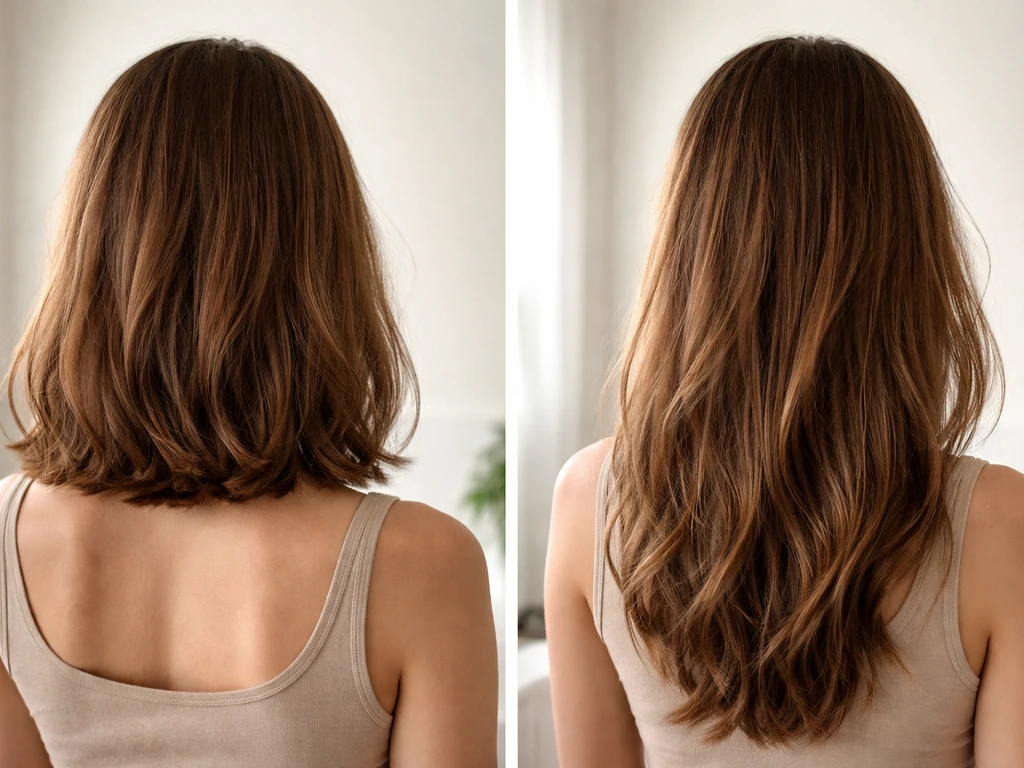
Tips for How to Grow Long Hair: A Practical Guide
Actionable tips to grow long hair naturally: care routine, scalp habits, nutrition and breakage prevention for healthy l
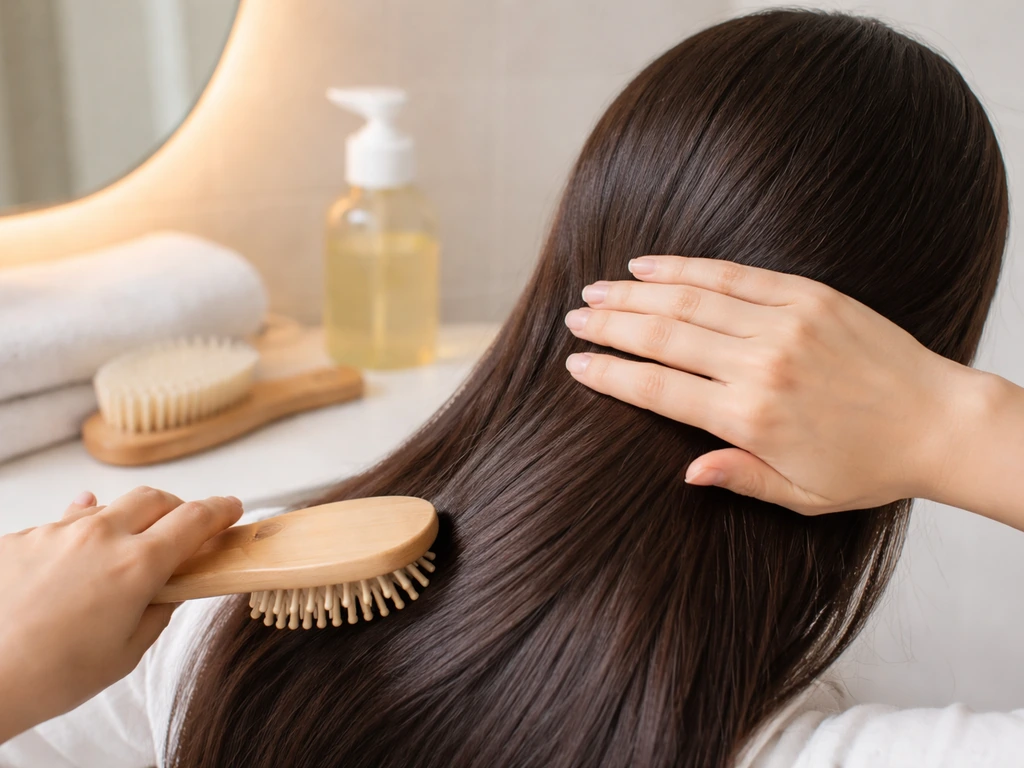
Tips to Grow Healthy Hair: Simple Steps, Routine, and Red Flags
Step-by-step tips to grow healthy hair: scalp care, nutrition, routines, breakage prevention, and red flags for thinning
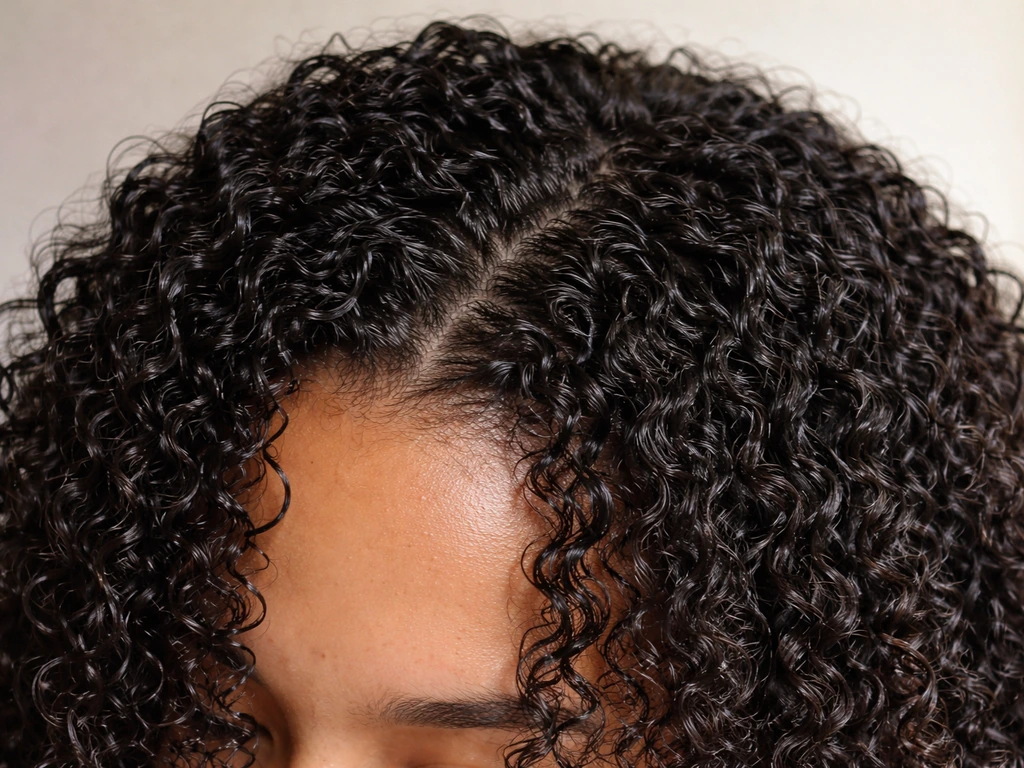
Natural Hair Grow Tips: Beginner Guide to Thicker, Longer Hair
Natural hair grow tips for beginners: scalp care, reduce breakage, boost growth with moisture, diet, and tracking result