
Growing long hair comes down to two things: keeping your hair growing at its natural rate (about 0.5 to 0.6 inches per month, or roughly 6 inches per year) and making sure the hair you grow doesn't break off before it gets long. Most people focus entirely on speeding up growth, when the real game-changer is stopping the breakage that's quietly stealing your length every single month. If you want tips on how to grow your hair out, focus on preserving the length you already have by reducing breakage and supporting healthy growth. These grow hair long tips build on the same core idea: keep your hair growing and prevent breakage so it actually stays long.
Tips for How to Grow Long Hair: A Practical Guide

Marcus Holloway
6 May 2026
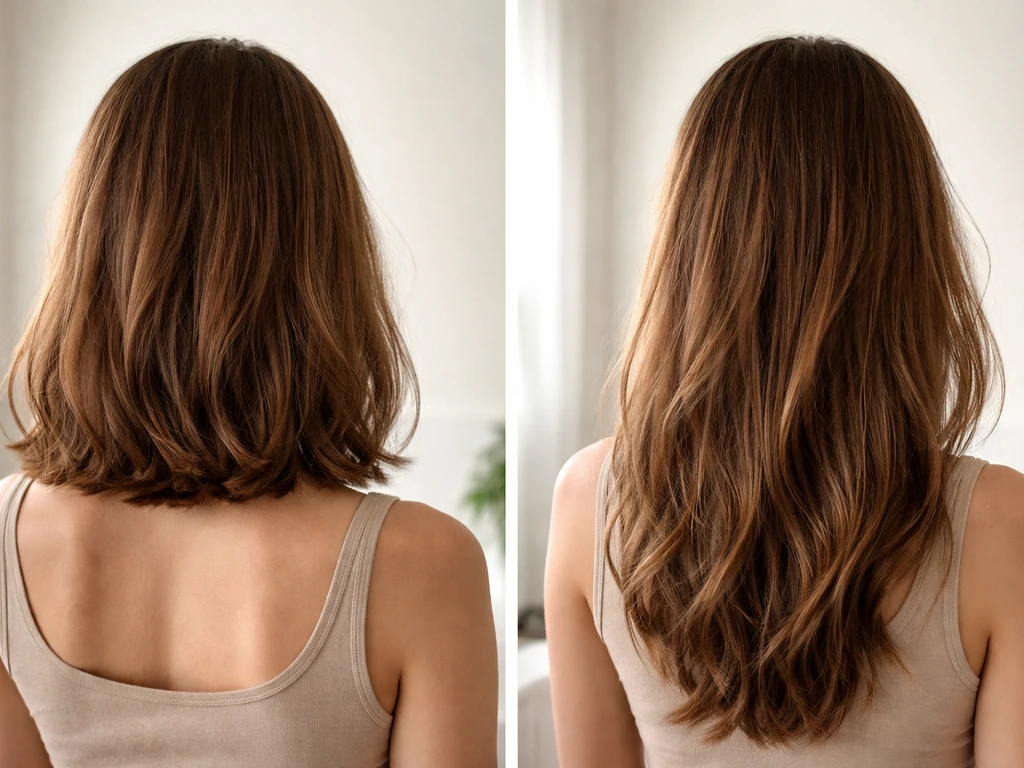
What growing long hair really depends on
Your scalp grows hair at a rate set largely by genetics and biology. The average is about 0.35 mm per day, which works out to roughly 6 inches a year. You can nudge that number slightly with good nutrition and scalp health, but you can't double it with a miracle serum. What you can control much more dramatically is how much of that new growth you actually keep.
Think of it like filling a bathtub with the drain open. If your drain (breakage) is wide open, the tub (your length) never fills, even though water (new growth) keeps coming in. Split ends, heat damage, rough handling, and dryness all widen that drain. The tips in this guide are mostly about closing it.
It's also worth knowing that shedding 50 to 100 hairs a day is completely normal, and some sources put the upper limit at around 200. Seeing hairs in the shower or on your brush isn't automatically a sign something is wrong. The difference between normal shedding and a real problem is something we'll come back to at the end of this guide.
Daily hair care habits that actually preserve your length
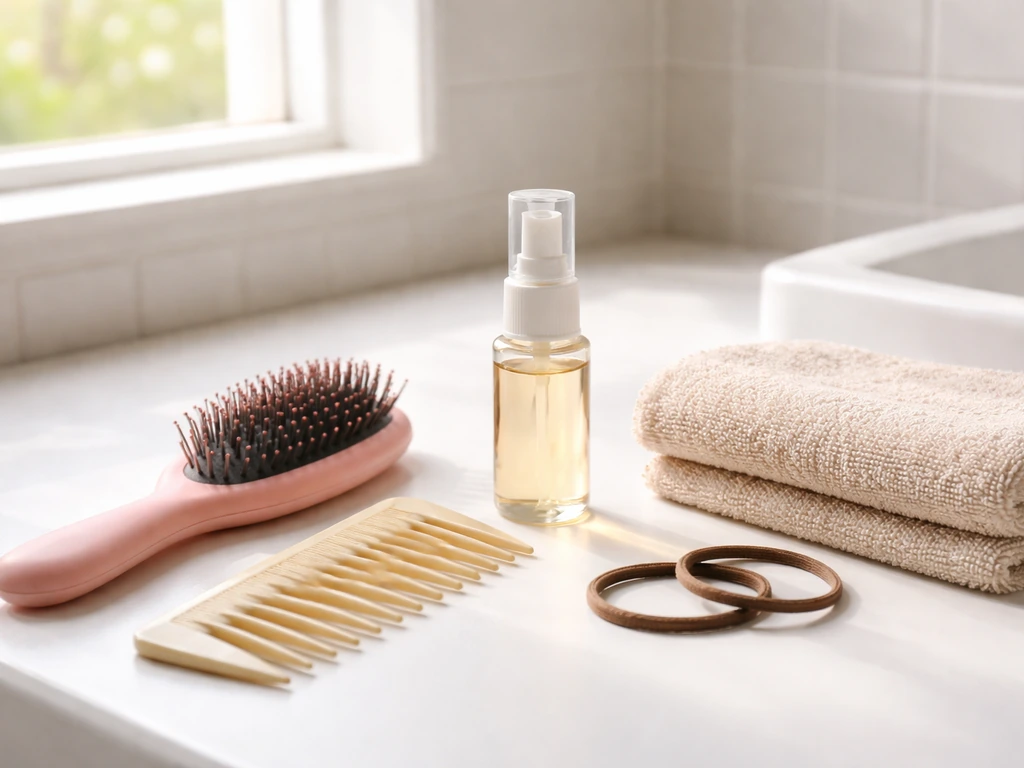
This is where most people make the most mistakes, and also where you'll see the fastest results. Your daily routine either protects your hair or slowly destroys it. Small changes compound over months.
Washing
How often you wash depends on your hair type, but overwashing strips natural oils that keep hair flexible and resistant to breakage. If your hair is fine or oily, washing every other day or every two days is reasonable. If it's thick, coarse, or curly, you might only need to wash once or twice a week. When you do shampoo, focus it on the scalp and let the suds rinse through the length rather than scrubbing mid-shaft or ends, which creates friction and damage.
Conditioning
Conditioner is non-negotiable for long hair. Apply it from mid-shaft to ends every wash, leave it on for at least 2 to 3 minutes, and rinse with cool or lukewarm water rather than hot (hot water roughens the hair cuticle). If your hair is particularly dry or processed, a deep conditioning treatment once a week makes a real difference. Look for ingredients like shea butter, glycerin, or cetyl alcohol for moisture, and protein-based conditioners occasionally if your hair feels mushy or over-stretched when wet.
Detangling
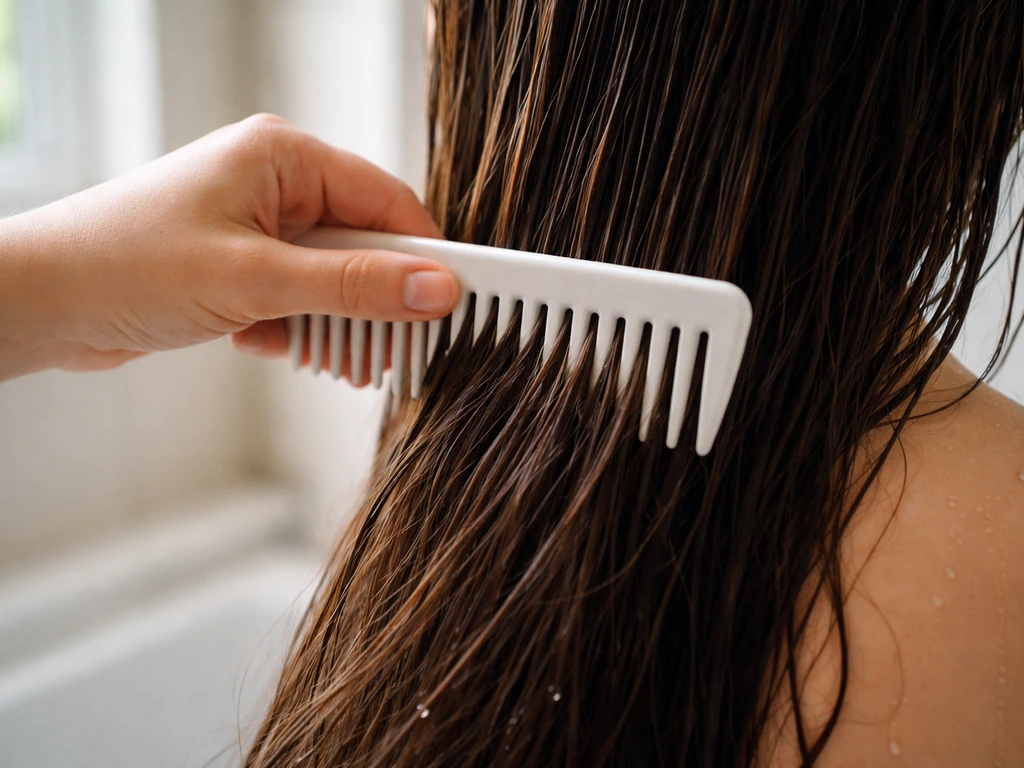
Always detangle gently, starting from the ends and working your way up to the roots. Yanking a brush from root to tip snaps hairs and causes unnecessary shedding. Use a wide-tooth comb or a detangling brush on wet hair that's been coated with conditioner or a leave-in product. The AAD specifically flags avoiding pulling and tugging as a key way to reduce hair damage, and it's advice worth taking seriously.
Heat styling
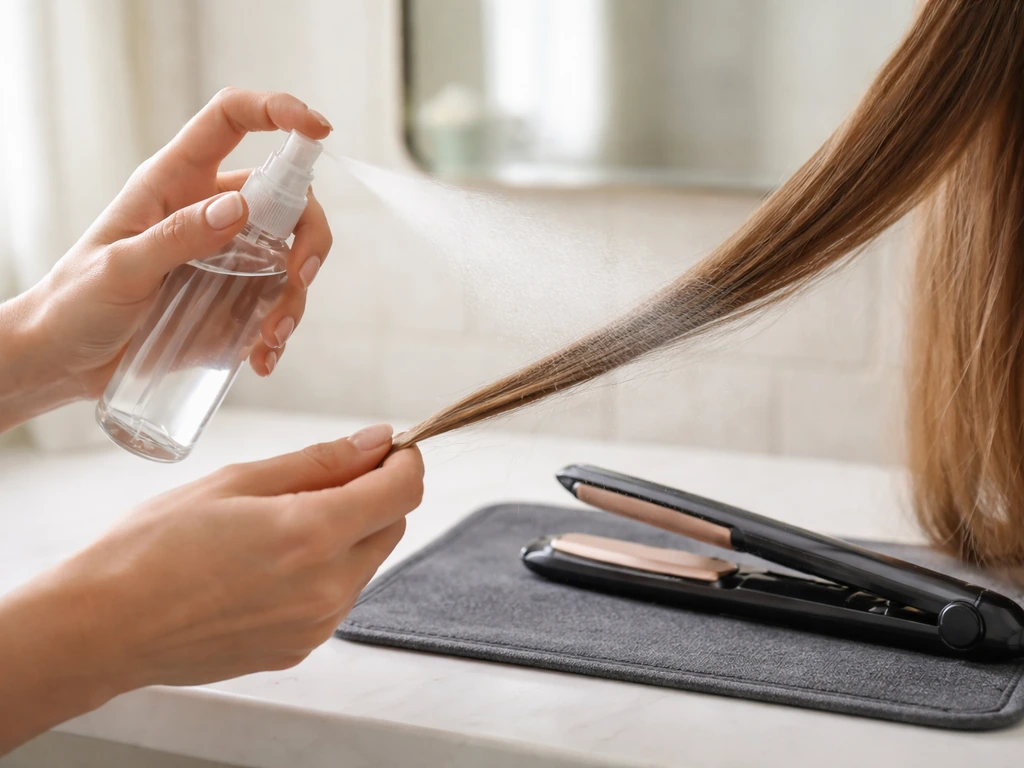
Heat is one of the biggest contributors to breakage. If you use a blow dryer, flat iron, or curling wand regularly, always apply a heat protectant first and use the lowest effective temperature. The AAD recommends using the lowest heat setting that achieves the result you want. Going from 400°F to 300°F on a flat iron might not seem like much, but over months it makes a significant difference in how your ends hold up. Air drying at least some of the time, even a few days a week, gives your hair a real break.
Protective styling and sleep habits
Loose braids, buns, or twists reduce the friction your hair is exposed to daily, especially if you have textured or curly hair. Sleeping on a satin or silk pillowcase (or wrapping hair in a silk scarf) dramatically reduces the mechanical friction that causes breakage overnight. Cotton pillowcases are abrasive against hair. This sounds like a small thing but after a few months, the difference in your ends is noticeable.
Scalp care: the foundation most people overlook
Healthy hair starts at the scalp. Your follicles live there, and an inflamed, congested, or irritated scalp isn't an ideal environment for producing strong hair. You don't need a complicated routine, but you do need to pay attention.
Cleansing the scalp properly
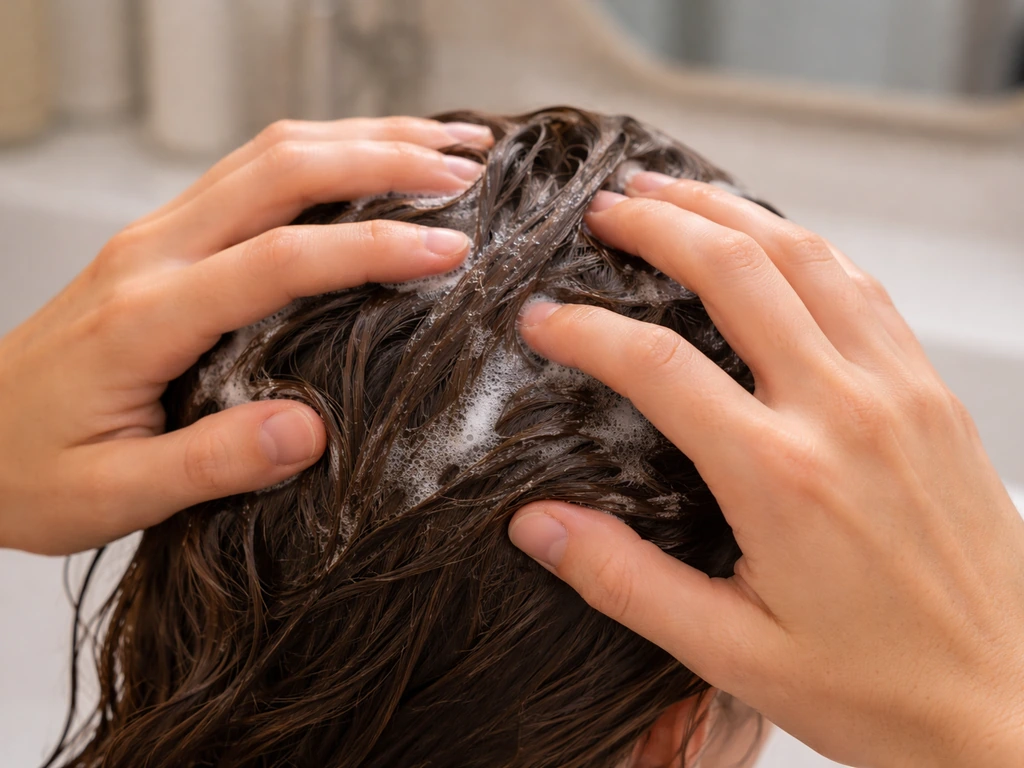
When you shampoo, use your fingertips (not fingernails) to massage the scalp in gentle circular motions. This loosens buildup from products, sebum, and dead skin without irritating the follicle. If you use leave-in products, dry shampoo, or styling products regularly, a clarifying shampoo once or twice a month can clear away residue that a regular shampoo misses.
Scalp massage for growth
Scalp massage increases blood flow to the follicles, which brings more oxygen and nutrients to the area. A few minutes of massage a day, either with your fingertips or a scalp massager tool, is a low-effort habit worth building in. You can do it in the shower while shampooing or on dry hair at night. Some people add a few drops of rosemary oil (diluted in a carrier oil like jojoba) during massage, which has emerging evidence supporting its use for hair density. More on that in the natural tips section.
Dealing with dandruff and scalp irritation
If you're dealing with itchy, flaky, or greasy-looking scales on your scalp, you may have seborrheic dermatitis, a very common condition. It's not just cosmetic. Chronic scalp inflammation can affect the health of your follicles over time. Dandruff shampoos with active ingredients like zinc pyrithione (0.1 to 0.25%) or selenium sulfide (1%) are clinically recognized treatments. Use them as directed, leaving the shampoo on your scalp for the recommended contact time before rinsing, since that dwell time matters for effectiveness. If over-the-counter options aren't helping after a few weeks, see a dermatologist.
Natural tips you can start today
There's a lot of noise around natural hair growth tips, some of it useful, some of it exaggerated. Here's what's actually worth your time, and what you can realistically skip.
What tends to help
- Rosemary oil: A few small studies have compared rosemary oil to minoxidil for hair density and found comparable results at 6 months in people with androgenetic hair loss. Dilute a few drops in a carrier oil like jojoba, apply to the scalp, massage in, and leave for at least 30 minutes before washing. It's low-risk and worth trying.
- Scalp massage with or without oil: Even dry massage for 4 to 5 minutes daily supports circulation to follicles. It costs nothing and has real plausibility behind it.
- Protective styling: Low-manipulation styles reduce breakage, which is the main mechanism behind 'natural hair growth' success stories. The hair isn't necessarily growing faster; it's just breaking less.
- Trimming strategically: Trimming split ends every 8 to 12 weeks prevents splits from traveling up the shaft and causing more damage. You're removing a little to keep a lot.
- Reducing chemical processing: Bleach, relaxers, and permanent color weaken the hair shaft significantly. Spacing out chemical treatments or going without them gives your hair a better chance of reaching your target length intact.
What to skip or approach with skepticism
- Saw palmetto supplements: The NCCIH notes there isn't enough evidence to determine whether saw palmetto is actually useful for hair loss. A few small studies exist, but nothing definitive. It's not harmful for most people, but don't count on it.
- Cutting your hair to 'make it grow faster': Hair growth happens at the follicle in your scalp, not at the ends. Trims preserve length by preventing breakage, but they don't speed up growth at the root.
- 'Grow 2 inches in a week' products: No topical product changes your growth rate meaningfully in days. If a product promises dramatic growth speed, it's marketing, not science.
Nutrition and hydration for hair that grows and stays strong

Your hair is made mostly of a protein called keratin, and it grows from follicles that need a steady supply of nutrients delivered by your bloodstream. If your diet is lacking key building blocks, your body will deprioritize hair growth in favor of keeping your organs running. This is one of the most underrated factors in why some people struggle to grow long hair despite doing everything else right.
Protein
Hair is protein, so you need enough dietary protein to produce it. Most adults need around 0.8 grams per kilogram of body weight daily as a baseline, though active people or those recovering from hair loss may benefit from slightly more. Good sources include eggs, chicken, fish, legumes, Greek yogurt, and tofu. If your diet is consistently very low in protein, this alone can trigger a type of shedding called telogen effluvium, where hair prematurely enters the resting phase and sheds a few months later.
Iron and ferritin
Low iron (and particularly low ferritin, the stored form) has a long-standing association with hair shedding, especially in women. That said, the evidence is still somewhat debated: a review of female pattern hair loss found that routine ferritin testing and supplementing iron without confirmed anemia isn't clearly supported yet. If you're experiencing significant shedding and suspect nutritional causes, getting bloodwork done is worth it. Don't self-supplement iron aggressively, as too much is harmful. Eat iron-rich foods like lean red meat, lentils, spinach, and pumpkin seeds, and pair them with vitamin C to improve absorption.
Zinc
Zinc is essential for hair follicle function, and deficiency is associated with hair loss. Severe zinc deficiency can contribute to telogen effluvium. Good food sources include oysters, beef, chickpeas, hemp seeds, and pumpkin seeds. Unless bloodwork shows you're deficient, getting zinc from food is preferable to high-dose supplementation, which can interfere with copper absorption.
Vitamin D
Vitamin D receptors are present in hair follicles, and low levels have been linked to various forms of hair loss. Many people, particularly those who spend limited time outdoors or live at higher latitudes, are deficient. A blood test can tell you where you stand. If you're low, a supplement of 1,000 to 2,000 IU daily is commonly recommended, though your doctor may suggest more depending on your level.
Healthy fats and hydration
Omega-3 fatty acids (found in fatty fish, walnuts, flaxseed, and chia seeds) support scalp health and reduce inflammation, which matters for follicle environment. Severe fatty acid deficiency can also contribute to hair loss, though this is rare in people eating a varied diet. As for hydration: your hair shaft itself is about 10 to 15% water, and dehydration makes hair more brittle and prone to breakage. Drinking enough water won't replace a good conditioning routine, but chronically being dehydrated will show in your hair's texture.
Supplements and topical treatments worth knowing about
The supplement aisle is full of hair-growth products, most of which are more marketing than medicine. NCCIH notes that there isn't enough evidence to determine whether saw palmetto is useful for hair loss, and it cites only a few small studies. Here's a clear breakdown of what has real backing and what to be cautious about.
| Option | Evidence level | Best for | Notes |
|---|---|---|---|
| Minoxidil (topical) | Strong (FDA-recognized) | Androgenetic hair loss (thinning at crown) | 2% typically recommended for women, 2% or 5% for men. Not for patchy, sudden, or unexplained loss without medical guidance. Not recommended under age 18. |
| Rosemary oil (topical) | Promising but limited | Mild androgenetic hair thinning | Dilute before applying. Low-risk home option. Results take 3 to 6 months. |
| Biotin supplements | Low (unless deficient) | People with confirmed biotin deficiency | Biotin deficiency is rare in the US. Supplementing without deficiency is unlikely to help and can interfere with lab tests. |
| Iron supplements | Helpful if deficient | Confirmed iron deficiency or low ferritin | Test first. Excess iron is harmful. Focus on food sources if levels are borderline. |
| Vitamin D supplements | Helpful if deficient | People with confirmed low vitamin D | Easy to test; common deficiency. Safe at 1,000 to 2,000 IU for most adults. |
| Saw palmetto | Very limited | Marketed for androgenetic hair loss | NCCIH says evidence is insufficient. Not harmful for most, but don't rely on it. |
| Marine collagen/protein blends | Emerging | People with low dietary protein | May help if diet is protein-poor. Not magic; diet improvement is more cost-effective. |
The most important thing to understand about supplements is that they correct deficiencies. If you're already getting enough of a nutrient through food, taking more of it as a supplement won't make your hair grow faster. The exception is people with confirmed deficiencies, in which case correcting them can result in meaningful improvements in shedding and growth over several months.
Realistic timelines, tracking your progress, and when to get help
Hair growth is slow by nature. At 0.5 to 0.6 inches per month, getting from a short cut to shoulder length takes a year or more even under ideal conditions. This is one of the hardest parts of the process: you're doing everything right, but results show up on a months-long timeline, not a weekly one.
How to track your progress
- Take a photo every 4 to 6 weeks in the same lighting, from the same angle, with your hair down and straight or in a consistent style. Month-to-month changes are subtle; the 3 to 6 month comparison is where you'll actually see it.
- Measure a specific section of hair with a soft tape measure or mark a spot on a mirror you hold your hair up to. This removes the subjectivity of eyeballing it.
- Keep a simple log of changes you make (new routine, new product, dietary changes) so you can connect what you changed to what you notice. This is especially useful if something stops working or triggers more shedding.
- Track shedding by paying attention to roughly how much hair comes out in the shower or on your brush. Normal is 50 to 100 hairs a day (up to 200 by some estimates). A meaningful jump above your personal baseline over weeks is worth noting.
Understanding hair shedding phases
One thing that surprises a lot of people: if you went through a major stressor (illness, surgery, crash dieting, childbirth, or a high fever), you might not see increased shedding until 2 to 4 months after the event. This delayed shedding is called telogen effluvium, and it happens because hairs that were pushed into the resting phase by that stressor shed a few months later when the cycle completes. Acute cases typically resolve within 6 months once the trigger is removed or resolved. Knowing this timing can save you a lot of anxiety when shedding seems to come out of nowhere.
When to see a dermatologist
Some hair loss needs professional attention, not a better conditioner. See a dermatologist if you notice patchy bald spots, a rapidly receding hairline, hair loss that doesn't slow down after 6 months, significant scalp pain, burning, or tenderness, or if you suspect a medical condition (thyroid issues, autoimmune conditions, PCOS) might be involved. Topical treatments like minoxidil should also be used under guidance if you're unsure what type of hair loss you have, since it's not appropriate for all situations and is specifically contraindicated in cases of scalp infection or inflammation, or where the cause of hair loss is unclear.
If you're working on growing healthy hair alongside growing it longer, the principles here overlap significantly with what supports overall hair health. These tips to grow healthy hair focus on protecting your existing length while supporting new growth from your scalp to your ends. The routines you build now for length retention, scalp care, and nutrition create the foundation for both. Give any meaningful change at least 3 to 6 months before judging whether it's working. Hair doesn't lie, it just takes its time.
FAQ
What should I do differently if my main problem is breakage at the ends, not slow growth?
Aim to protect your ends every day, not just after washes. A simple approach is applying a leave-in conditioner or light oil to the last 1 to 2 inches, then using a gentle detangle before bed and keeping hairstyles loose. This reduces daily mechanical stress, which is often the real reason length retention stalls.
How can I tell if I’m shedding normally or actually breaking hair off?
You can tell the difference by pattern and timing. Normal shedding is diffuse and happens daily, while breakage shows shorter, snapped hairs with frayed tips and increases after heat, coloring, or aggressive detangling. If you see sudden shedding 2 to 4 months after a stressor, that timing fits telogen effluvium more than breakage.
Do I really need conditioner to grow long hair, or can I just use shampoo less often?
If you skip conditioner, your hair is more likely to tangle, which leads to more pulling and breakage. For long hair, a practical minimum is conditioner every wash from mid-shaft to ends, plus a weekly deep conditioner if your hair feels dry, rough, or looks frizzy quickly after washing.
Is scalp massage actually safe and effective, and how long should I do it?
Yes, but the form matters. If you keep the scalp clear and only use hair-safe amounts, scalp massage tools are fine, yet avoid harsh scrubbing if you have active dandruff or irritation. Also keep massage brief (a few minutes) and gentle, because overdoing it can worsen inflammation.
How do chemical treatments like dye, relaxers, or bleach fit into long-hair growth plans?
Coloring and chemical processing can widen the “drain” of breakage, so build in extra protection rather than just waiting. Use a conditioner with slip after every service, minimize heat afterward, and schedule a protein-moisture balance (for example, light protein occasionally if hair gets mushy when wet, then back to moisture).
What’s the easiest way to get enough protein if I’m trying to grow long hair but don’t eat much meat?
Eggs, yogurt, tofu, and legumes work well for most people, but timing and consistency matter more than any single meal. If you eat little meat, pair plant protein sources across the day (beans plus grains, or tofu plus nuts) to cover amino acids, and keep protein intake steady for a few months before judging results.
Should I take iron for hair growth if I’m not sure what’s causing my shedding?
If you suspect low iron or ferritin, it helps to get bloodwork before supplementing, especially if you are not menstruating regularly or you have heavy periods. Low ferritin is the more informative storage marker. Avoid high-dose iron “just in case,” because excess can be harmful.
Is rosemary oil worth trying, and how should I use it without irritating my scalp?
Be cautious with rosemary oil use. If you choose to try it, dilute it well in a carrier oil and patch-test first, since some people get scalp irritation. Stop if you notice burning, persistent redness, or worsening flaking, because inflamed scalp can undermine growth.
How do I adjust my routine for different seasons or humidity levels?
Texture, dryness, and shedding patterns change with seasons. If your hair gets drier in winter, you may need more conditioning or gentler detangling, plus more protective styling at night. If it gets oilier in summer, you might shorten the time between washes rather than using harsher shampoo.
How long should I wait before deciding a product or routine change isn’t working?
Give changes a fair timeline based on what you changed. Breakage-related improvements can show sooner (weeks) because the new routine stops snapping, while growth and shedding changes often take 3 to 6 months (and telogen effluvium can lag 2 to 4 months). If you changed both, judge each effect separately.
What’s the biggest heat-styling mistake that affects long-hair growth the most?
For heat styling, consider reducing frequency before reducing temperature. Use heat protectant every time, keep tools clean, and avoid repeatedly going over the same section. If you have to style daily, try air-drying methods (like heat-free sets) for at least part of the week to lower cumulative damage.
What’s the best way to protect long hair while sleeping if I toss and turn?
Night friction matters especially for long hair. Satin or silk pillowcases are helpful, but also tie hair in a loose, low-tension style (like a loose braid) so strands don’t rub freely. If you use a scarf, ensure it is secure enough to prevent twisting, which can still create snagging.
What should I do if my scalp is itchy and flaky but my hair still isn’t growing longer?
If your scalp symptoms are intense, don’t rely on routine conditioner alone. For seborrheic dermatitis, effective dandruff shampoos need contact time on the scalp before rinsing. If you see no improvement after several weeks, or you have pain, bleeding, or thick scale, a dermatologist visit is usually the safest next step.
Do I need frequent trims to grow long hair faster?
Yes, but focus on retention tools, not just growth. Regular trims do not “make hair grow,” they prevent split ends from traveling upward, which reduces breakage. A sensible approach is trimming when you notice splits or every few months if your ends split easily, then keep the rest of the plan breakage-focused.
Next Articles
Tips to Grow Healthy Hair: Simple Steps, Routine, and Red Flags
Step-by-step tips to grow healthy hair: scalp care, nutrition, routines, breakage prevention, and red flags for thinning
Natural Hair Grow Tips: Beginner Guide to Thicker, Longer Hair
Natural hair grow tips for beginners: scalp care, reduce breakage, boost growth with moisture, diet, and tracking result
how to grow hair in hindi: complete guide for faster growth
हिंदी में: बाल तेजी से और सुरक्षित बढ़ाने के प्रमाणित तरीके, डाइट, स्कैल्प केयर, घरेलू तेल, मेडिकल विकल्प व टाइमलाइन।