
Growing hair like Johnny Depp means hitting roughly shoulder length, embracing natural texture and wave, and nailing that signature center part with tousled, layered framing around the face. You can absolutely get there, but it takes about 12 to 18 months of consistent growth and a routine that keeps your scalp healthy and your length intact. The exact result depends on your hair texture and density, but the vibe is completely achievable for most people.
How to Grow Hair Like Johnny Depp: A Practical Plan

Marcus Holloway
9 Jul 2026

What 'Johnny Depp Hair' Actually Looks Like (and What You're Working Toward)
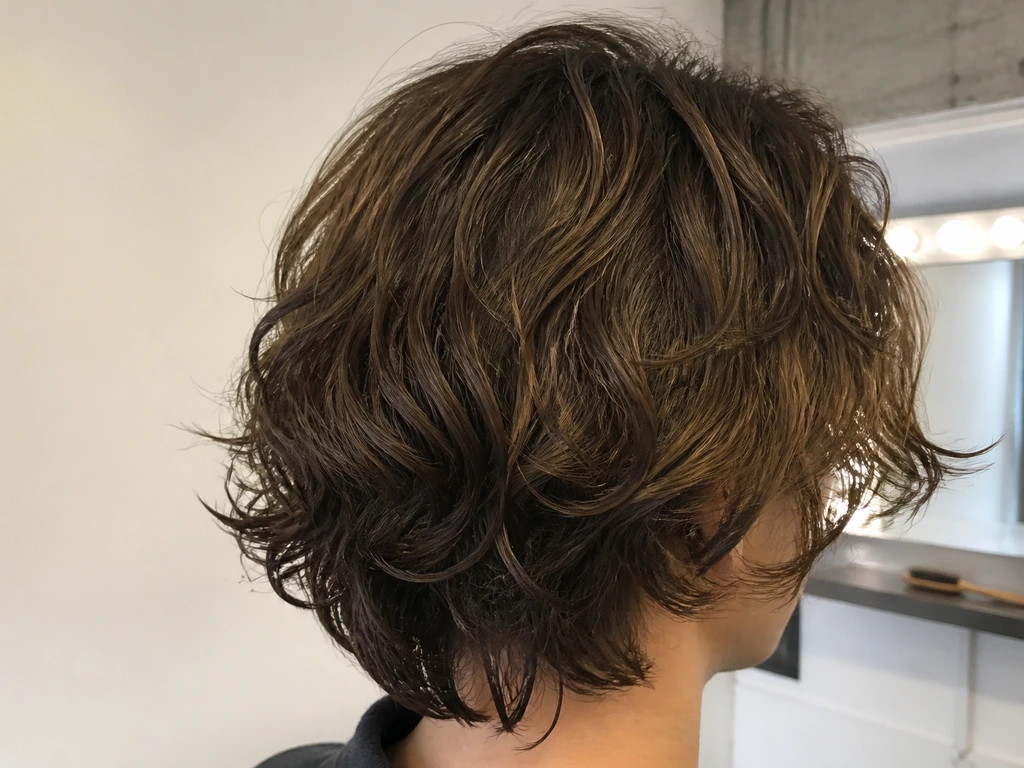
Before you can grow into the look, it helps to know precisely what you're aiming at. Depp's most iconic hair across his career shares a consistent set of features: medium to shoulder-length hair, a subtle center part, textured and slightly tousled layers, and a fringe or front section that frames the face. The silhouette is often described as a 'C-shape' when viewed from the side, shorter at the nape, longer through the top and front. It's not a blunt cut, and it's not perfectly groomed. The disheveled, lived-in quality is actually the point.
Knowing this shape matters because you don't want to just grow everything out uniformly. The goal is to keep the neckline and sides slightly tighter while letting the top and front run long. Once you get to around 4 to 6 inches of length on top, a good hairdresser can start texturizing the layers to give you that signature movement. If your hair is naturally straight, you'll need a bit of styling help, more on that below. If you've already got waves or loose curls, you're halfway there.
One honest note: you may not be able to replicate Depp's exact hair because genetics determine your follicle density, natural wave pattern, and how your hair falls. But the overall look, that medium-length, center-parted, textured style, translates across a wide range of hair types with the right cut and routine.
How Hair Actually Grows (and Why Timelines Matter)
Hair grows from follicles in a repeating cycle with four phases: anagen (active growth), catagen (regression), telogen (resting), and then shedding before the cycle restarts. At any given time, roughly 85 to 90 percent of your scalp follicles are in anagen. The growth rate averages about 1 cm per month, or roughly 0.35 mm per day, which works out to around 6 inches per year. Your anagen phase can last anywhere from 2 to 6 years, which is what determines your maximum hair length. If your anagen phase runs short, your hair will plateau before hitting shoulder length no matter what you do.
For a realistic roadmap: if you're starting from a short crop (1 to 2 inches), expect about 12 to 18 months to reach the length needed for a basic Depp-style cut. Shoulder length typically requires 10 to 12 inches on top, so you're looking at roughly 12 to 18 months of careful growth minimum. The math is simple, but the execution is what most people underestimate, it's not just about waiting, it's about not losing length to breakage, bad trims, or scalp issues that slow the process. The same principles apply if you're trying to grow hair like Kurt Cobain, so protect length as you wait for it to reach the right style.
Why Your Hair Might Not Be Growing (or Holding Length)
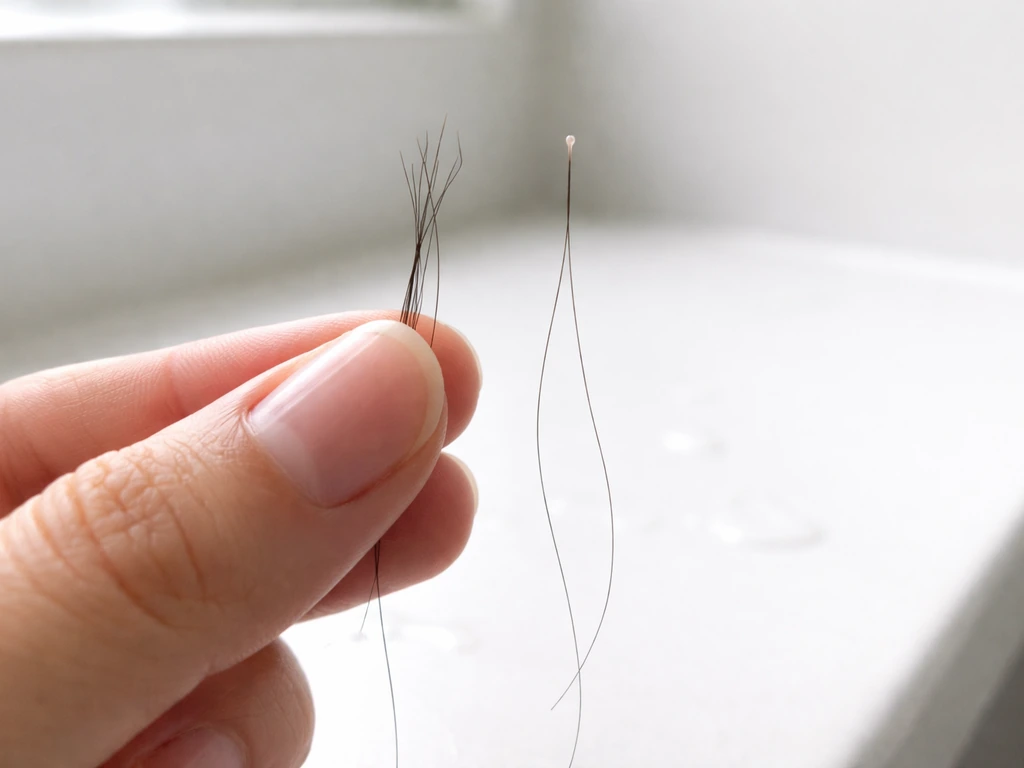
There's a difference between hair that's not growing and hair that's not retaining length. Both look similar day to day, but the causes and fixes are different. Here are the most common culprits and how to address them.
Androgenetic Alopecia (Male Pattern Hair Loss)
This is the most common form of hair loss in men and it's driven by genetic sensitivity to DHT, a derivative of testosterone. It shows up in predictable patterns, typically thinning at the vertex (crown) and temples. There's no scalp inflammation or scaling involved, which helps distinguish it from other causes. If this is your situation, the growth routine below will still help with the hair you have, but you may also need medical treatment to hold onto density long-term. This is worth addressing early because the window for effective intervention narrows as follicles miniaturize.
Telogen Effluvium
Telogen effluvium is a diffuse shedding condition where a larger-than-normal percentage of follicles shift into the resting (telogen) phase prematurely. It's usually triggered by something that happened 3 to 4 months earlier, a major illness, surgery, significant psychological stress, a crash diet, or a medication change. You'll notice increased all-over shedding rather than a specific bald patch. The good news: it's typically temporary, and most people recover fully once the trigger is resolved and nutrition is stable.
Scalp Inflammation and Seborrheic Dermatitis
If you see flaking, redness, or persistent itching, that's a red flag that something inflammatory is happening at the scalp level. Seborrheic dermatitis (seb derm) is a common culprit, it's driven by an overgrowth of a yeast called Malassezia and can create a low-grade scalp environment that's hostile to healthy follicle function. Unlike pattern hair loss, this comes with visible scaling and irritation. It's treatable with the right shampoo actives, which I cover in the scalp care section below.
Traction and Mechanical Damage
Repetitive tension on follicles, from tight elastics, braids, or even aggressive brushing, can push follicles into catagen and telogen phases early. This is called traction alopecia, and it's entirely preventable. During the grow-out phase, keep styling stress minimal. Loose styles, gentle detangling, and avoiding heat at high temperatures all help your hair hold the length you're working to build.
Building a Scalp Routine That Actually Supports Growth
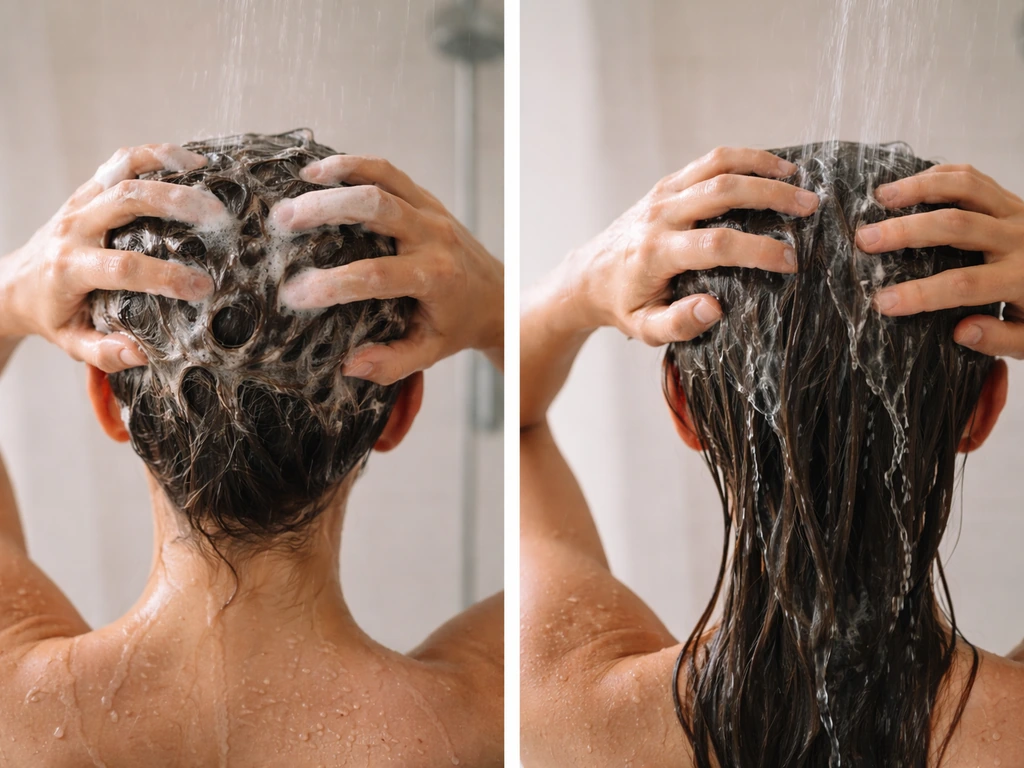
Your scalp is where growth starts, and it needs a clean, balanced environment, not too dry, not too oily, not inflamed. Here's a practical weekly routine that covers the basics.
Washing Frequency and Cleansing
Wash 2 to 4 times a week with a gentle, sulfate-free shampoo if your scalp is normal. If you're oily or prone to dandruff, washing more frequently is fine and often better, buildup of sebum and dead skin can clog follicles and feed the Malassezia yeast behind seb derm. Don't buy into the idea that washing less is always better. Focus on cleansing the scalp directly, not just running shampoo down the length of your hair.
Treating Dandruff and Seborrheic Dermatitis
If you have flaking or itching, rotate in a medicated shampoo 2 to 3 times per week. The AAD-recommended actives include zinc pyrithione, selenium sulfide, salicylic acid, ketoconazole, and coal tar. Ketoconazole shampoo is often considered the most effective option for seb derm specifically, clinical data shows it outperforms placebo meaningfully in reducing scaling at 4-week follow-up. Selenium sulfide used twice weekly is another well-supported choice. Leave the shampoo on your scalp for 2 to 5 minutes before rinsing so the actives have time to work.
Scalp Exfoliation and Moisture
Gentle scalp exfoliation once a week, using either a physical scalp brush or a chemical exfoliant with salicylic acid, helps remove buildup that can slow follicle turnover. Don't scrub aggressively; firm circular motions with a soft-bristle brush are enough. After washing, apply conditioner from mid-length to ends and avoid putting heavy conditioner directly on the scalp, which can clog follicles. If your scalp is dry or tight-feeling, a lightweight scalp serum or a few drops of jojoba oil massaged in after washing can help without causing buildup.
Scalp Massage
A 4 to 5 minute scalp massage daily or a few times a week is worth adding. It increases blood flow to the follicles and may help with scalp tension. You can do it while shampooing, while applying a serum, or just dry. The evidence base here isn't huge, but there's no downside, it costs nothing, and many people find it genuinely helps with scalp feel and stress reduction.
Nutrition and Supplements: What the Evidence Actually Says
Hair is made of protein (keratin), and follicles are metabolically active tissue, they're among the fastest-dividing cells in your body. That means nutritional deficiencies hit hair hard and fast. The honest picture on supplements is this: they work when you're deficient, and they don't do much when you're not. Here's what's worth knowing.
| Nutrient | Why It Matters | Best Approach |
|---|---|---|
| Protein | Hair is made of keratin; insufficient protein directly impairs growth | Aim for 0.7–1g per pound of body weight daily from whole foods |
| Iron / Ferritin | Low ferritin (stored iron) is strongly associated with telogen effluvium and diffuse hair loss | Get ferritin tested; supplement only if levels are low (often below 30–40 ng/mL) |
| Vitamin D | Deficiency is linked to hair loss; vitamin D receptors are present in follicles | Test your levels; supplement with D3 if deficient (most adults are) |
| Zinc | Deficiency causes shedding; excess zinc can also disrupt hair growth | Test before supplementing; get zinc from food (meat, seeds, legumes) where possible |
| Omega-3 Fatty Acids | Support scalp anti-inflammation; some evidence for hair density improvement | Fatty fish 2–3x per week or a quality fish oil supplement is reasonable |
| Biotin | Deficiency causes hair thinning, but deficiency is rare; no strong evidence for supplementing without deficiency | Skip biotin unless you have a documented deficiency — it also interferes with thyroid blood tests |
The most important thing here is to test before supplementing. Iron and ferritin in particular are worth a simple blood test, low ferritin is surprisingly common, especially in men who eat low amounts of red meat or have had recent illness. Vitamin D deficiency is also widespread. These two alone, when corrected, can make a meaningful difference in shedding within 3 to 6 months. Megadosing supplements you don't need won't speed up growth and can cause other issues. Keep it targeted.
Protecting the Hair You're Growing: Styling and Daily Habits
This is where most grow-outs fall apart. People focus on making hair grow and forget that breaking it off at 4 inches of length keeps you stuck. Retention is just as important as growth rate. Here's how to protect what you're building.
Conditioning and Moisture
Use a moisturizing conditioner every time you wash, no exceptions. If your hair is coarse, wavy, or prone to dryness, add a weekly deep conditioning treatment. The longer your hair gets, the more the ends need conditioning because they're the oldest part of the strand and no longer receive sebum from the scalp. Dry, brittle ends break off before you ever reach your length goals.
Detangling and Brushing
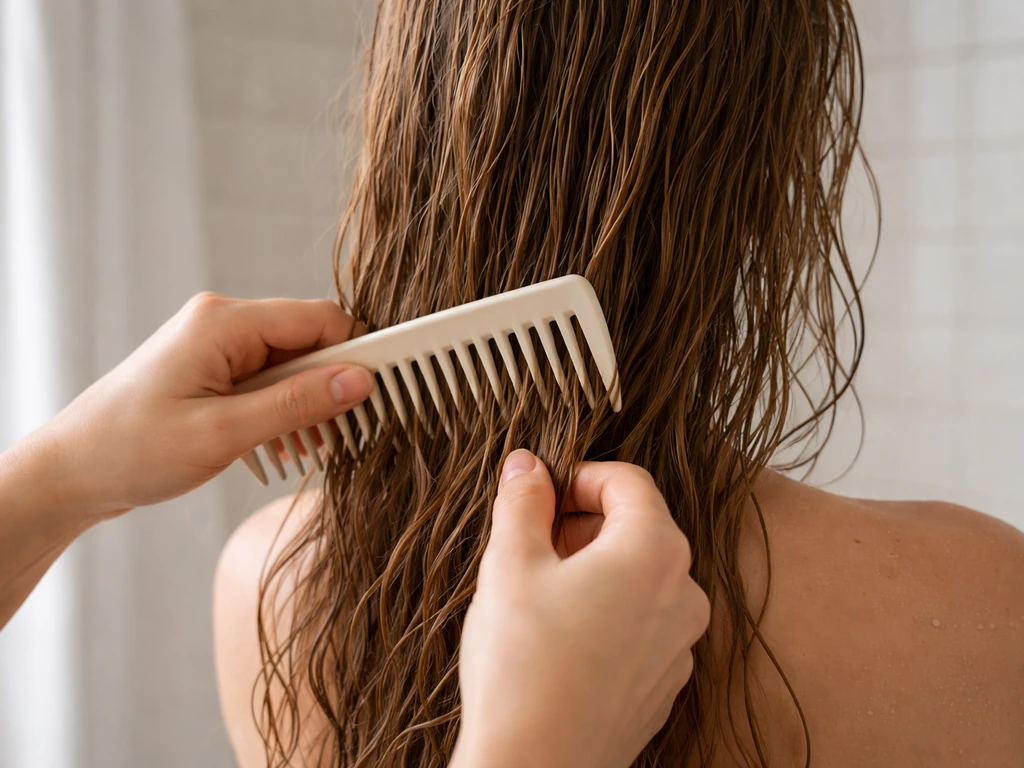
Always detangle starting from the ends and working upward toward the roots, not root to tip, which creates knots and snaps hair. Use a wide-tooth comb or a wet brush on damp hair, not a fine-tooth comb. Brush gently and only as much as needed. Aggressive daily brushing might have worked for your grandmother, but it's a real source of mechanical breakage when you're trying to grow length.
Heat and Chemical Caution
Blow dryers, flat irons, and curling wands on high heat repeatedly stress the hair shaft and cause breakage. If you use heat tools, use a heat protectant every time and keep temperatures below 350°F (180°C) for most hair types. Air-dry when you can. Avoid chemical treatments like bleaching, perms, or relaxers while you're growing out, these weaken the structural integrity of the shaft and will cut your length goals short.
Styling for the Depp Look Without Wrecking Your Hair
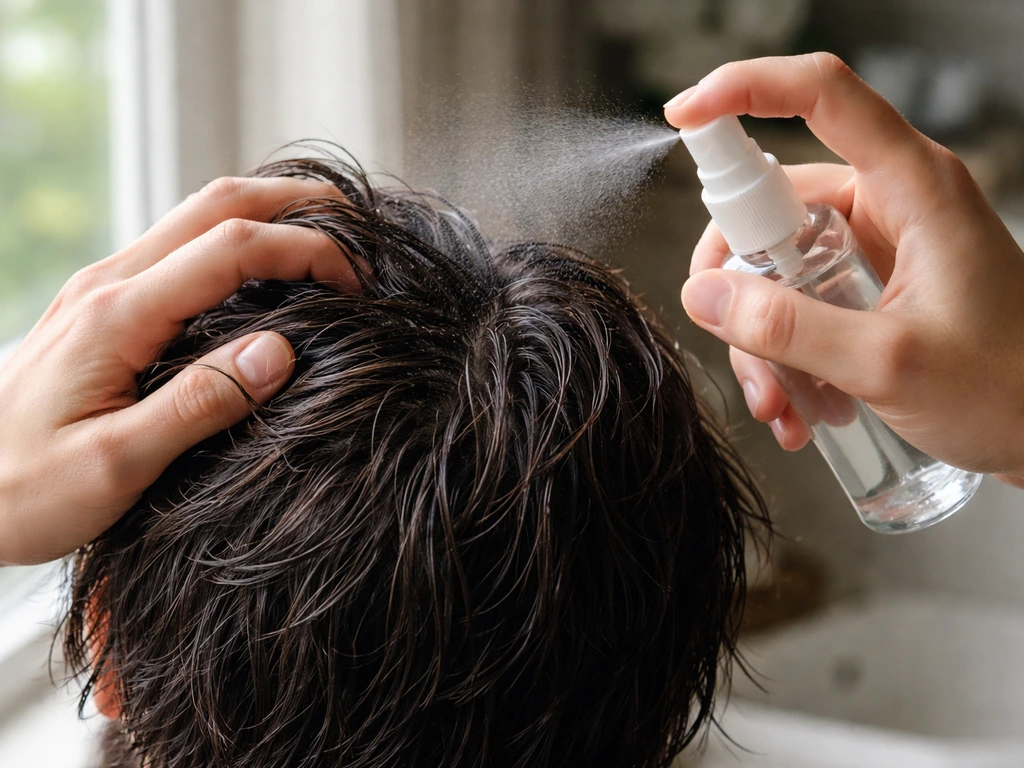
To get that tousled, textured wave Depp is known for, a light salt spray or a texture paste applied to damp hair and air-dried is your friend. Salt spray adds definition and separation but can be drying with daily use, use it 2 to 3 times a week at most and follow up with a light leave-in conditioner to offset the dryness. A small amount of light pomade or matte clay worked through the ends when dry can add the lived-in look without weighing the hair down. If you want to nail the exact vibe of Jon Snow hair, focus on a shoulder-length grow-out, a subtle center part, and textured layers that move as your hair gets longer. Avoid heavy gels or waxes that cause buildup. For the center part, train your hair during the grow-out by parting it consistently while damp, it takes a few weeks but the hair will start to fall naturally.
Trims: The Counterintuitive Part
Trimming doesn't make hair grow faster, that's a myth, but it does prevent split ends from traveling up the shaft and causing breakage higher up. Every 10 to 12 weeks, ask for a light dusting (removing just 0.5 to 1 cm) to keep ends healthy. Don't skip trims entirely during the grow-out. A good hairdresser who understands the Depp silhouette can also shape the layers progressively as you grow, so you're not just in an awkward in-between phase for 18 months.
When to Consider Professional or Medical Help
If you're seeing genuine thinning, not just slow growth, it's worth getting ahead of it before you start the grow-out. The two most well-established medical treatments for androgenetic alopecia are minoxidil and finasteride, and they work best when started early. A randomized single‑blinded study evaluated scalp microneedling for male pattern hair loss using four monthly sessions and measured scalp coverage and density changes after the final session (including early follow‑up) , see the full study for details: https://pmc.ncbi.nlm.nih.gov/articles/PMC9830423/ Efficacy and Safety of Scalp Microneedling in Male Pattern Hair Loss (PMC randomized single-blinded study).
Minoxidil
Topical minoxidil is applied twice daily every day, and it works by extending the anagen phase and increasing blood flow to follicles. The important caveat: if you stop using it, the hair you gained will shed within a few months. It's a long-term commitment, not a course of treatment. Low-dose oral minoxidil (often starting at 2.5 mg/day for men) is increasingly used by dermatologists as an alternative to topical, particularly for men who find the twice-daily topical application impractical. Both forms are worth discussing with a doctor.
Finasteride
Finasteride 1 mg (brand name Propecia) is an FDA-approved oral prescription medication for male pattern hair loss. The NHS notes that finasteride can also be used for hair loss in men and provides guidance on how it should be taken and its safety information Finasteride 1 mg (brand name Propecia) is an FDA-approved oral prescription medication for male pattern hair loss.. It works by blocking the conversion of testosterone to DHT, targeting the underlying hormonal driver of androgenetic alopecia. Clinical trials assessed at 12 months show meaningful improvement in hair count vs. placebo within defined scalp areas. Like minoxidil, it requires ongoing use, stopping means the hair loss resumes. It's a prescription medication with a known side effect profile, so this is a conversation to have with a dermatologist or GP.
Microneedling and PRP
Microneedling (using a dermaroller or professional device) and platelet-rich plasma (PRP) injections are increasingly used adjunctive options for androgenetic alopecia. Microneedling studies, including a pilot RCT using a 1.5 mm dermaroller protocol, have shown improvements in hair density, particularly when combined with minoxidil. PRP meta-analyses suggest improved hair density outcomes in AGA but acknowledge significant heterogeneity across studies and call for higher-quality RCTs. These are reasonable conversations to have with a dermatologist if topical and oral treatments alone aren't delivering results, but they're not first-line, get the basics right first.
When to Book the Appointment
See a dermatologist if you're noticing temple recession or crown thinning, if you're shedding more than about 100 hairs per day for longer than 3 months, if you have persistent scalp scaling and itching that doesn't resolve with OTC medicated shampoos, or if your hair isn't responding to any of the basics after 6 months of consistent effort. A dermatologist can run a ferritin panel, thyroid function test, and other relevant labs, and examine the scalp directly to give you an actual diagnosis rather than a guess. That's worth a lot more than experimenting blindly.
Putting It All Together: Your Grow-Out Plan
The Depp look is a legitimate goal and a realistic one for most hair types, but it rewards patience and consistency over shortcuts. Start with the scalp routine and nutrition basics, protect your length aggressively, get periodic light trims to keep the shape moving in the right direction, and address any underlying thinning early rather than hoping it resolves on its own. If you're into other similar longer-hair goals, think the John Wick look, Jon Snow's waves, or Keanu Reeves' grow-out, a lot of the same principles apply since they all require the same fundamental length retention and scalp health approach. If you want hair growth like John Wick too, focus on the same length retention, scalp health, and gentle styling habits that protect your progress John Wick look. The specific styling differences are minor compared to the shared groundwork.
Set a realistic 6-month checkpoint. By then you should have 2 to 3 inches of new growth, your scalp health should feel noticeably better, and a hairdresser can start shaping for the Depp silhouette. At 12 to 18 months with consistent effort, you'll be close enough to the look that the styling details become the main variable. That's a very achievable place to be. If you want hair like Keanu Reeves, focus on protecting your growing length with gentle handling and consistent scalp care.
FAQ
How do I ask my barber or stylist for the Depp silhouette while I’m still in the grow-out stage?
If your goal is the Johnny Depp center-parted shoulder-length shape, focus on growing top and front first, while keeping the sides and neckline controlled with progressive “dusting” and shaping. Ask your stylist to preserve a slightly shorter nape and tighter side panels, then add texture once you have enough length on top (around 4 to 6 inches) so layers actually show movement instead of looking wispy.
What if my hair is too straight to get the Depp waves and texture?
When you can’t style to that tousled look without effort, it usually means you need either (1) more length on the front so the part naturally frames your face, or (2) more texture from the cut, not stronger products. Try a light hold matte product sparingly on damp-to-air-dried hair, and avoid heavy waxes that make hair fall flat or build up and worsen dandruff.
If my hair feels like it’s not getting longer, how can I tell whether it’s slow growth or poor length retention?
Plan for breakage prevention, not just waiting for growth. For most people, the easiest early wins are conditioner every wash, detangling from ends to roots, minimizing high-heat styling, and trimming only the split-prone ends every 10 to 12 weeks (about a half to one centimeter). This helps you retain the length you would otherwise lose before the style stage.
How long does it take to “train” a center part, and what should I do day to day?
If you’re training the center part, do it during the damp stage consistently for a few weeks. Consistency matters more than product strength, so use light hold (or none) and let the hair dry in the part. If you switch sides frequently or brush the hair back and forth while it’s drying, the part will relapse and you’ll fight styling daily.
What should I do if my scalp routine is working for dandruff, but my hair is getting dry and breaking?
Depp’s look usually tolerates some dryness, but it still needs scalp comfort to stay on-track. If your scalp is tight or flaky, use medicated shampoo as directed (rotation, not constant daily use), keep leave-on oils off the scalp, and consider a lightweight conditioner on the mid-lengths and ends only. Severe irritation that doesn’t improve is a sign to get a scalp diagnosis instead of continuing to experiment.
How can I tell whether increased shedding is temporary (like telogen effluvium) or a more serious thinning problem?
If you notice shedding that’s clearly above normal for more than about 3 months, treat it like a lead indicator. It can be telogen effluvium, but it can also be an underlying deficiency or another scalp issue. Track whether shedding is diffuse, time-linked to a trigger 3 to 4 months earlier, and whether you have scalp symptoms like itch or scaling, then consider lab work with a clinician.
Is it okay to use a blow dryer or styling tools while growing hair out for the Depp look?
Yes, but only up to the point you’re actively damaging the strand. Aim for air-dry when you can, and if you blow-dry, use medium heat and a heat protectant. Limit high-temperature straightening or frequent curling during the grow-out because repeated heat can cause the ends to split before the hair reaches shoulder length.
How do I set a realistic progress timeline, and what milestones should I expect at 6 and 12 months?
A useful checkpoint is: by 6 months, you should generally see meaningful new growth (often a couple inches), scalp comfort should improve if your routine matches your issue, and your stylist can start shaping the in-between stage. If you are not seeing any noticeable change in length by 6 months, reassess breakage, haircut frequency, scalp inflammation, and nutrition, then consider labs.
Should I start medical options (like minoxidil or finasteride) before I’m fully grown out for the hairstyle?
If you have significant thinning risk, don’t wait for the hair to reach shoulder length to “see what happens.” Early treatment tends to preserve density better, and it pairs with the cosmetic grow-out strategy. Also, be aware that any medical hair restoration approach typically requires ongoing use, so plan both the style timeline and the treatment commitment together.
When should I see a dermatologist instead of continuing with shampoo and styling changes?
If you have persistent scaling, redness, or itching that keeps coming back after OTC medicated shampoos, get evaluated rather than cycling products. Also get checked sooner if you see pattern-like recession or crown thinning, because that changes the plan from scalp-only care to a thinning diagnosis and targeted treatment.
Next Articles
Tips on How to Grow Your Hair Out: A Step by Step Guide
Step-by-step tips to grow hair out: stop breakage, build scalp routine, nutrition, safe actives, and track progress.
Grow Hair Long Tips: Step-by-Step Routine to Reach Length
Step-by-step grow hair long tips: boost scalp health, cut breakage, improve diet, and track progress for length.
Tips for How to Grow Long Hair: A Practical Guide
Actionable tips to grow long hair naturally: care routine, scalp habits, nutrition and breakage prevention for healthy l