
Growing Jesus hair, that long, center-parted, soft-waved look that falls somewhere between the shoulder and mid-back, takes most people between two and four years from a short starting point. The average scalp grows about 1 cm per month, so shoulder length (roughly 30 cm of growth) lands around the 2.5-year mark, and mid-back length (about 45 cm) takes closer to 3.5 to 4 years. You can't hack your biology to make hair grow dramatically faster, but you absolutely can protect the length you're already growing, keep your scalp healthy, and avoid the breakage and shedding that quietly steal months off your timeline.
How to Grow Jesus Hair: A Realistic Guide to Length

Marcus Holloway
10 Aug 2026
What "Jesus Hair" Actually Means (And Who Can Pull It Off)
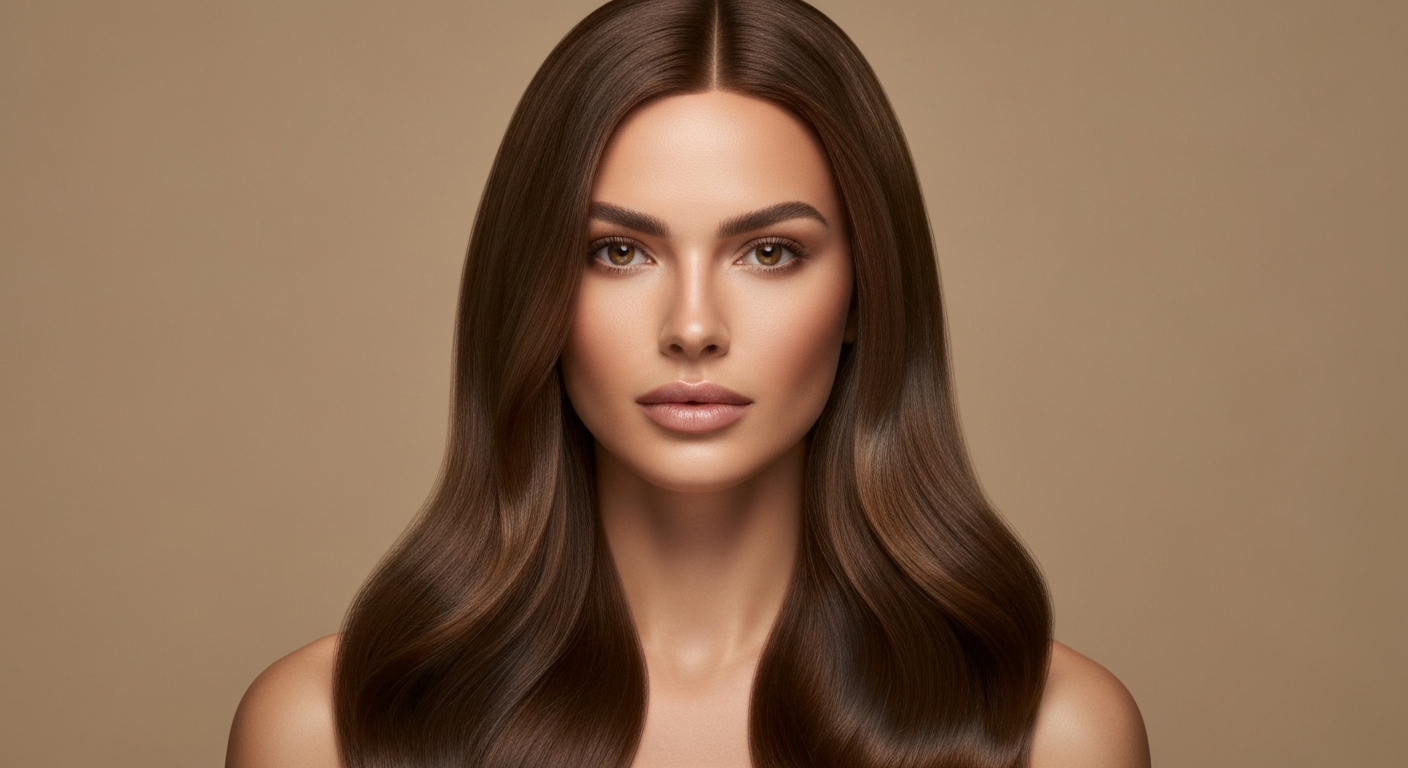
The term gets used loosely, but when most people say Jesus hair they're picturing a specific combination: length that reaches the shoulders or mid-back, a clean or relaxed center part, and a texture that sits somewhere between straight and softly wavy. Think understated, unfussy, slightly biblical. It's the look you see on a handful of public figures who wear long hair naturally, and it works because the length and part placement create symmetry around the face without needing much styling effort once the hair is there.
The good news is that this look suits a wide range of people, hair types, and face shapes. Straight hair achieves the literal visual most closely, but wavy and even looser curly textures can absolutely deliver the same energy once you understand how length interacts with your natural pattern. Coarser or curlier hair may appear to grow more slowly because shrinkage condenses the length, but the follicle is still producing roughly the same centimeters per month. If you've been inspired by similar long-hair goals, you'll find the same core principles apply whether you're going for a center-parted relaxed look or something closer to a rockstar aesthetic like Kurt Cobain's shag or Jon Snow's tied-back style, all of which share that same shoulder-to-mid-back length foundation.
Realistic Timelines: How Long This Actually Takes
I want to be straight with you here because timelines are where most people get tripped up. Hair grows, on average, about 0.3 to 0.35 mm per day, which adds up to roughly 1 cm per month or 12 cm per year. Some published studies show individual variation in the range of 0.6 to 1.4 cm per month, so there's a real spread, but 1 cm is the number to plan around unless you know your own hair grows unusually fast.
| Target Length | Approximate Growth Needed | Estimated Time (at 1 cm/month) |
|---|---|---|
| Chin length | ~15 cm from very short | ~15 months |
| Shoulder length | ~25–30 cm from very short | ~2 to 2.5 years |
| Armpit length | ~35–40 cm from very short | ~3 to 3.5 years |
| Mid-back (Jesus hair territory) | ~45 cm from very short | ~3.5 to 4 years |
A few things genuinely affect where you land in that range. Age matters: growth rate tends to decline slightly after your mid-30s. Sex matters: research consistently shows that assigned-female individuals average slightly faster growth than assigned-male individuals. Genetics matter most of all, specifically how long your individual anagen (growth) phase runs before a follicle sheds and resets. Someone with a naturally long anagen phase can grow hair past their waist; someone with a shorter genetic anagen ceiling may find their hair never gets past a certain length no matter how well they treat it. That's not a failure of effort, it's just biology.
The Biology Behind Hair Growth (Simplified)
Every follicle on your scalp cycles independently through three phases. Anagen is the active growth phase, lasting anywhere from two to six years, and this is where length is built. Catagen is a short transitional phase lasting about one to two weeks where the follicle shrinks and detaches from the blood supply. Telogen is the resting phase, lasting roughly two to four months, after which the old hair sheds and a new anagen cycle begins.
On a healthy scalp, about 85 to 95 percent of your follicles are in anagen at any given time, which is why daily shedding of 50 to 100 hairs is completely normal. What this means practically is that your terminal length (the longest your hair can get) is largely determined by how long your personal anagen phase runs. A six-year anagen at 1 cm per month gives you roughly 72 cm of potential length. A two-year anagen gives you about 24 cm. Interventions like minoxidil can modestly extend anagen duration, but they can't override your genetic ceiling indefinitely.
The hair shaft itself is made of keratin protein, organized into a cuticle (the protective outer layer of overlapping scales), a cortex (where color and most structural integrity lives), and in thicker hairs, a medulla at the center. The cuticle is what you're protecting every time you condition, detangle gently, or avoid heat damage. Once the cuticle lifts, cracks, or chips away, the cortex is exposed and the strand becomes brittle, starts splitting, and eventually snaps. Breakage at mid-length or the ends is one of the most common reasons people feel like their hair won't grow past a certain point even when the follicle is doing its job perfectly.
What's Limiting Your Growth (Or Causing You to Lose Ground)
Before you build a growth routine, it's worth identifying which category your limiting factor falls into, because different problems need different solutions.
- Genetics and anagen duration: If everyone in your family has hair that stops growing at shoulder length, your genetic anagen ceiling may simply be shorter. This is worth knowing before you spend years expecting waist-length hair.
- Age: Growth rate and follicle density both gradually decline over time. This doesn't mean you can't grow long hair in your 40s or 50s, but timelines may stretch.
- Hormones: Androgens (particularly DHT) miniaturize follicles in people genetically susceptible to androgenetic alopecia. Thyroid dysfunction, elevated cortisol from chronic stress, and postpartum hormonal shifts can all push more follicles into telogen and cause diffuse shedding.
- Medical conditions and nutritional deficiencies: Iron deficiency is one of the most commonly missed causes of increased shedding in people assigned female at birth. Research places the relevant threshold at a ferritin below about 30 ng/mL (some labs use 50 ng/mL). Thyroid disorders, autoimmune conditions like alopecia areata, and scalp infections can also significantly disrupt growth.
- Mechanical and tension damage: Tight ponytails, buns, braids, and extensions that pull at the hairline can cause traction alopecia, which damages follicles at the root. This is a real threat if you're pulling hair back daily while trying to grow it.
- Heat and chemical processing: Bleaching, perming, and relaxing chemically alter or break disulfide bonds in the cortex. High-heat styling without protection lifts and cracks the cuticle. Both lead to breakage that can cancel out months of growth.
- Environmental damage: UV radiation degrades the protein structure of the hair shaft over time, and chronic friction from rough fabrics (think cotton pillowcases) causes mechanical wear, especially at longer lengths.
Know Your Starting Point Before You Build a Routine
Taking stock of where you're starting saves you from following advice that's right for someone else's hair but wrong for yours. The four most useful things to assess are hair type and texture, density, porosity, and scalp health.
Hair type (straight, wavy, curly, coily) affects how you detangle, how often you need to cleanse, and whether shrinkage will make your progress harder to see. Density is about how many follicles you have per square centimeter, not how thick individual strands are. Porosity tells you how well your hair absorbs and retains moisture: low-porosity hair repels water and product easily, while high-porosity hair (common after damage or bleaching) absorbs quickly but also loses moisture fast and is far more prone to breakage.
For scalp health, honestly evaluate whether you have persistent flaking, itching, oiliness, or tenderness. These could indicate seborrheic dermatitis, psoriasis, or folliculitis, all of which affect the environment your follicles are living in. If you've been chemically processing or heat-styling for years, assume some degree of cumulative damage and build your routine around strengthening and protecting rather than adding more product load. Set a realistic goal: if you're starting from a pixie cut, shoulder length is the milestone to aim for first, not mid-back.
Daily Scalp Care to Maximize Growth
The scalp is where growth actually happens, so treating it well is non-negotiable. Washing frequency is one of the first things to get right, and the right answer genuinely depends on your scalp. If you have an oily scalp, washing every one to two days with a gentle sulfate-free or mild surfactant shampoo keeps follicles clear of sebum buildup and reduces the risk of inflammation. If your scalp is dry or you have coarser or curlier hair, two to three times per week (or even once a week) may be plenty. The key word in both cases is gentle: harsh detergents strip the scalp's natural barrier and can trigger reactive oil production or irritation.
Scalp massage is one of the few mechanical interventions with some actual evidence behind it. A 2016 study out of Japan found that four minutes of standardized scalp massage daily over 24 weeks increased hair thickness, believed to be through mechanical stretching of follicular cells and improved blood flow. It won't double your growth rate, but it's low-risk, free, and builds a useful habit of paying attention to your scalp health. Use the pads of your fingers (not nails) in small circular motions, covering the entire scalp for three to five minutes, either during your wash routine or as a dry massage.
A few additional scalp hygiene habits worth building in: rinse shampoo and conditioner out completely, since residue can clog follicles and cause irritation. Avoid very hot water, which strips natural oils and can increase dryness and inflammation. If you sweat heavily during workouts, a quick rinse or a targeted cleanse of the hairline prevents buildup without over-washing the lengths.
Daily Strand Care: Protecting the Length You've Already Grown
Growing hair is only half the equation. If your strands are breaking at the three-inch mark, you'll never see mid-back length regardless of how healthy your scalp is. Most breakage is mechanical and largely preventable.
Conditioning and Moisture Retention
Conditioner smooths the cuticle, reduces friction between strands, and makes hair significantly more resistant to mechanical stress. Use it every wash, focusing on the mid-lengths and ends (not the scalp, where it can weigh things down and contribute to buildup). For wavy, curly, or drier hair types, a weekly deep conditioning treatment or hair mask adds an extra layer of protection that regular rinse-out conditioner doesn't fully provide. For very high-porosity hair, protein treatments used roughly once a month help temporarily patch gaps in the cuticle, but overusing them leads to brittleness.
Detangling Without Breakage
Start at the ends and work your way upward in sections, never from root to tip in one drag. Use a wide-tooth comb or a detangling brush designed for wet hair. On dry hair, a soft boar-bristle brush or a wide paddle brush is gentler than fine-tooth combs. If you hit a knot, hold the hair above it with your other hand to absorb the tension rather than letting the pull transfer to the root.
Handling Wet Hair
Wet hair is significantly weaker than dry hair because water temporarily disrupts the hydrogen bonds that give the shaft its structural integrity. Avoid vigorous towel-scrubbing, which roughs up the cuticle and causes friction breakage. Instead, squeeze out excess water gently and either wrap in a microfiber towel or let it air dry. If you use a blow dryer, use a low-to-medium heat setting, keep the nozzle pointed downward (cuticle-sealing direction), and hold it at least six inches from the hair.
Sleep Routines
Eight hours of friction against a rough cotton pillowcase is enough to cause real cumulative damage over months. Switching to a silk or satin pillowcase reduces that friction substantially. Alternatively, a loose satin-lined sleep cap or a very loose, low-tension braid at the nape (not an elastic band that grips tightly) keeps length protected without creating tension. Sleeping with your hair in a tight elastic band is one of the easiest ways to accumulate breakage at a single point, so if you do tie it back, use a seamless scrunchie or a soft spiral hair tie.
Trimming: Why Cutting Your Hair Helps It Grow Longer
Trims don't make your follicles work faster. Full stop. But they do preserve length by removing split ends before they travel up the shaft. A split end that's left alone will split further and further up the strand until it reaches a point where the only fix is removing several inches of hair rather than a small dusting. Regular trimming stops that process early.
For most people actively growing toward mid-back length, a trim every three to four months removing about 0.5 to 1 cm (a small dusting) is usually enough to stay ahead of split ends without sacrificing meaningful length. If your hair is damaged from bleaching or heat styling, you may need to trim more frequently (every eight to ten weeks) until you've grown past most of the damaged sections. Working with a stylist who understands your goal, specifically someone who knows you're growing out and not looking for a significant cut, makes a real difference here. Show them exactly how much you want removed, because communication failures in the salon chair can set you back months.
One practical approach is to dust the ends yourself between salon visits. After detangling, look for visible split ends or straggly wispy ends and remove just the very tip with sharp hair scissors (regular craft scissors crush rather than cut cleanly). This keeps your ends looking healthier without requiring a full trim appointment every time.
Nutrition and Supplements: What Actually Helps
Hair is metabolically demanding tissue, and deficiencies in key nutrients genuinely do slow growth and increase shedding. The caveat is that if your levels are already sufficient, adding more of the same nutrient rarely produces a meaningful boost. Supplements help most in the people who need them most.
- Protein: Hair is almost entirely keratin, a protein. Consistently low protein intake (seen in crash diets, restrictive eating, or inadequate overall calorie intake) is a real and underappreciated cause of diffuse shedding. Aim for at least 50 to 60 grams of dietary protein daily as a baseline, and more if you're physically active.
- Iron: Iron deficiency, particularly when ferritin drops below 30 ng/mL (some guidelines use 50 ng/mL), is one of the most common correctable causes of diffuse hair loss, especially in people who menstruate. If you're shedding more than usual and your diet is low in red meat, leafy greens, or fortified foods, a ferritin test is worth requesting from your doctor.
- Zinc: Low zinc is associated with hair loss and slow growth, and zinc-rich foods (pumpkin seeds, legumes, red meat) are worth including. Supplementing beyond your needs can actually impair iron absorption, so food-first is a better strategy unless a deficiency is confirmed.
- Vitamin D: Research links low vitamin D to hair cycling disruptions, and deficiency is extremely common in northern latitudes or in people with limited sun exposure. A blood test can confirm whether supplementation is warranted.
- Biotin: This is probably the most oversold hair supplement. Biotin genuinely helps hair growth, but only in people with documented biotin deficiency, which is uncommon. Routine high-dose biotin supplementation in non-deficient individuals lacks strong randomized trial support, and high doses can interfere with thyroid and cardiac lab tests in ways that could affect your medical care.
- Omega-3 fatty acids: Some evidence suggests omega-3s (from oily fish, flaxseed, or algae-based supplements) support scalp health and reduce inflammation. Evidence is modest but the safety profile is good.
- Collagen peptides: Marketed heavily for hair, with some preliminary evidence but no robust RCTs specifically for scalp hair growth in healthy adults.
The most reliable nutrition strategy isn't a stack of supplements, it's a varied whole-food diet with adequate calories and protein, enough iron, and correcting any documented deficiencies through either diet or targeted supplementation. Get bloodwork before investing in supplements: knowing your actual ferritin, vitamin D, zinc, and thyroid levels gives you a much clearer action plan than guessing.
Medical and Topical Treatments Worth Knowing About
If your shedding is heavier than normal, your hairline is receding, or you're noticing thinning at the crown or temples, the evidence-based medical options are worth understanding, even if you ultimately don't use all of them.
Topical Minoxidil
Minoxidil is the most widely used and best-evidenced over-the-counter option for androgenetic alopecia. Multiple randomized, double-blind, placebo-controlled trials support both the 2% and 5% formulations, with 5% producing greater increases in terminal hair counts in both men and women. Visible improvements typically begin at four to six months and stabilize around twelve months. The catch is that continued use is required to maintain gains, so it's a long-term commitment, not a course of treatment you complete and stop.
Oral Minoxidil (Low Dose)
Low-dose oral minoxidil (typically 0.25 to 2.5 mg daily depending on the patient) is increasingly used off-label for pattern hair loss and stress-related telogen effluvium. Systematic reviews find it effective in many patients, but oral dosing carries systemic effects including blood pressure changes, edema, and increased heart rate. This requires a clinician to supervise and is not a self-prescribe situation.
Finasteride and Dutasteride
Finasteride (1 mg oral) has strong randomized trial evidence for slowing male pattern hair loss and increasing hair counts. However, it carries recognized risks including erectile dysfunction, decreased libido, and rare reports of persistent symptoms after discontinuation (sometimes called post-finasteride syndrome). These risks should be discussed carefully with a doctor before starting. Finasteride and dutasteride are contraindicated in women who are pregnant or may become pregnant due to documented teratogenic risk to a male fetus, and the FDA warns women of childbearing potential not to handle crushed tablets.
Spironolactone (for Women)
For women with female pattern hair loss driven by androgen sensitivity, spironolactone at doses of 50 to 200 mg per day has both randomized and observational evidence showing modest but real benefit (response rates around 40% in some series). Guidance in sources such as "Female pattern hair loss: A clinical, pathophysiologic, and therapeutic review (PMC)" discusses spironolactone dosed commonly at 50–200 mg/day with appropriate potassium and renal monitoring. It requires monitoring of potassium levels and kidney function, and patient selection matters. It is ineffective and not recommended for use in men for hair loss.
Platelet-Rich Plasma (PRP)
PRP injections, where a concentration of your own platelets is injected into the scalp, have systematic review support showing increased hair density in androgenetic alopecia versus placebo. The overall evidence is rated low-to-moderate because study protocols vary widely in how PRP is prepared and administered. It's a legitimate option to discuss with a dermatologist if first-line treatments aren't sufficient, but it's not where most people should start.
Hair-Type-Specific Routines
The destination, long center-parted hair, looks broadly similar across hair types, but the path to get there varies quite a bit depending on your texture.
Straight Hair
Straight hair is closest to the classic Jesus hair visual and typically shows every inch of length gain clearly. The main risks for straight hair are greasiness at the root if you under-wash, and flatness and breakage if you over-heat-style. A lightweight leave-in conditioner at the mid-lengths and ends (avoiding the roots) helps with moisture without weighing hair down. If you want the loose, slightly undone texture, braiding slightly damp hair overnight and then gently separating the waves in the morning is a no-heat way to add movement.
Wavy Hair
Wavy hair often achieves the Jesus hair look most naturally once it reaches shoulder length because the movement and texture are already there. The challenge is frizz control and maintaining definition without heavy products that flatten the wave pattern. Applying a light curl cream or gel to soaking-wet hair and then either air drying or diffusing on low heat tends to give the best result. Avoid aggressive brushing on dry wavy hair, which explodes the wave pattern into frizz. Detangle in the shower with conditioner still in, then let it be.
Curly and Coily Hair
Curly and coily textures experience more shrinkage, so stretched or wet length may be considerably longer than the hair looks when dry. The growth rate at the follicle is comparable to other types, but because the strand curves and coils back on itself, it's more prone to dryness, tangles, and breakage at points of high curvature. A moisture-first routine (co-washing or gentle low-poo cleansing, rich conditioner, leave-in, and a sealing oil or butter) is usually more important here than for straighter textures. Protective styles like loose twists or braids can help retain length by minimizing daily mechanical manipulation, as long as the styles aren't too tight at the scalp.
Celebrity Style Adaptations
If you have a more specific vision than the general Jesus hair archetype, it helps to know what distinguishes different celebrity long-hair styles at the same approximate length. If you’re aiming for a specific celebrity look, check our guide on how to grow hair like John Wick for targeted tips on achieving his center-parted, shoulder-length style.
| Style Reference | Key Characteristics | How to Achieve It |
|---|---|---|
| Classic Jesus hair | Center part, shoulder to mid-back, soft waves or straight, minimal layering | Grow to target length, maintain center part, minimal heat, light conditioner |
| Keanu Reeves (casual, slightly tousled) | Slightly past shoulder, loose and natural, sometimes pushed back, no defined part | Same length target, less strict about the part, embrace natural texture and movement |
| Jon Snow (tied back wavy) | Mid-back, dark, wavy, often half-up or pulled back | Prioritize length and wave definition; grow out a few extra inches for the pull-back option |
| Johnny Depp (layered, textured) | Shoulder-length with face-framing layers, slightly messy texture | Ask for light face-framing layers at shoulder length; use a texturizing spray on dry hair |
| Kurt Cobain (grunge shag) | Shorter overall (~chin to shoulder), choppy layers, blonder, undone | Less length required; focus on choppy layers and a more relaxed, lower-maintenance texture |
What's useful here is that most of these styles share the same growth journey for the first two to three years. The difference is mostly in the final cut and how you style once you've arrived at the target length. Growing your hair to shoulder or mid-back and then refining the shape and layering is far easier than trying to grow into a specific style from the beginning. For a step-by-step guide tailored to Keanu Reeves' center-parted, mid-back style, see how to grow your hair like Keanu Reeves. For a step-by-step guide tailored to the Jon Snow look, see how to grow your hair like Jon Snow. For a step-by-step plan tailored to Johnny Depp's signature center-parted, shoulder-to-mid-back length, see how to grow hair like Johnny Depp. If you want a specific example, see our guide on how to grow hair like John B for tips tailored to that relaxed, beachy center-parted look.
Heat Styling and Chemical Treatments: How to Navigate Them
Ideally, you minimize both while growing. That's not always realistic, so here's a practical framework. If you heat-style, use a quality heat protectant spray on damp or dry hair before every session, keep tool temperatures at or below 180°C (350°F) for most hair types (lower for fine or damaged hair), and try to limit heat styling to two to three times per week at most.
Chemical processing is the bigger concern during a long-hair grow-out. Bleaching, in particular, breaks disulfide bonds in the cortex and raises the cuticle permanently, leaving hair dramatically more porous and fragile. If you're growing while bleached, bond-building treatments (products containing ingredients like bis-aminopropyl diglycol dimaleate) used every few weeks can significantly reduce breakage. Going lighter while trying to grow means your maintenance routine has to be proportionally more intensive.
Relaxers and perms are the most structurally damaging chemical services. If you're already using them and want to prioritize length, stretching the time between applications reduces cumulative damage at the demarcation line (the point where treated and untreated hair meets, which is especially vulnerable to breakage). Transitioning fully to your natural texture eliminates the demarcation line risk entirely, though it requires a period of managing two different textures.
Protective Styling and Long-Hair Maintenance
Protective styling means putting your ends in a style that reduces their exposure to friction, manipulation, and environmental damage. At shoulder to mid-back length, options include loose braids, buns without tight elastics, and half-up styles that keep the ends off clothing. The critical word is loose. Styles that pull at the hairline or put tension on the follicle work against your goal, particularly for people already prone to receding at the temples.
Clothing friction is an underestimated source of damage at longer lengths. Wool and rough-knit collars constantly abrade the hair shaft where it contacts the neck and shoulders. Wearing hair tucked in or pinned up when wearing textured fabrics, or using a lightweight leave-in or serum to smooth the cuticle, reduces that friction. Satin or silk scarves and hair wraps serve the same purpose when you're wearing a backpack or lying down.
A Sample Weekly Routine
This is a starting framework for someone with medium-density, slightly wavy hair doing a dedicated grow-out. Adjust the frequency based on your scalp oil production and hair type.
- Wash days (2–3x per week): Gentle sulfate-free shampoo focused on the scalp, followed by conditioner focused on mid-lengths and ends. Spend 3–5 minutes on a scalp massage before rinsing. Detangle in the shower with conditioner in, using fingers first then a wide-tooth comb from ends to roots.
- Post-wash: Squeeze out water with a microfiber towel. Apply a lightweight leave-in conditioner to damp mid-lengths and ends. Air dry where possible, or diffuse on low heat.
- Non-wash days: Avoid touching or brushing hair excessively. If styling, use a wide-tooth comb or soft brush on fully dry hair. A few drops of a light oil (argan, jojoba) can smooth the ends without weighing hair down.
- Weekly: Apply a deep conditioning mask or treatment for 20–30 minutes before washing. Check the ends for visible splits and dust if needed.
- Monthly: Assess scalp health (any itching, persistent flaking, or tenderness). Reassess whether trimming is needed based on visible split ends or tangling at the ends.
- Every 3–4 months: Trim 0.5–1 cm at the salon (more if heat or chemical damage is present). If using minoxidil or other treatments, evaluate progress and maintain consistency.
- Ongoing: Eat balanced meals with adequate protein and iron-rich foods. Manage stress where possible. Sleep on a silk or satin pillowcase and avoid tight overnight styles with harsh elastics.
Troubleshooting Slow Growth and Thinning
If you've been doing everything reasonably right for six months or more and still feel like your hair isn't progressing, it's worth going through a short diagnostic checklist before concluding your growth rate is just slow.
- Are you retaining length or just growing and breaking at the same rate? Check whether your ends look increasingly thin, split, or fragile, which suggests breakage is canceling out growth rather than a follicle problem.
- Has your shedding rate changed? Losing noticeably more hair than usual during washing or brushing, especially if it's been going on for more than three months, can signal a nutritional deficiency, thyroid issue, or hormonal change.
- Have you had any significant life stressors, illness, surgery, or rapid weight loss in the past three to six months? Telogen effluvium, a stress-triggered shedding event, commonly appears about two to four months after the trigger.
- Are you getting enough dietary protein? Low-protein periods, even short ones, can slow hair growth noticeably.
- Has your scalp become increasingly itchy, tender, or showing unusual flaking? Inflammation at the follicle level directly affects its function.
When to See a Dermatologist or Trichologist
Most slow hair growth responds to lifestyle and routine improvements, but there are situations where professional evaluation is genuinely the right next step, not a last resort. You should book an appointment if you notice patterned thinning or recession at the temples, crown, or hairline that's progressing over months; if you're losing noticeably more than 100 to 150 hairs per day for longer than three to four months; if you have visible bald patches; or if your scalp has persistent pain, burning, or scarring.
Dermatology guidelines from the American Academy of Dermatology recommend that evaluation should include a detailed history, scalp examination, hair-pull test, and selective labs including a complete blood count, ferritin and iron studies, and TSH (thyroid-stimulating hormone). Iron deficiency is commonly assessed with serum ferritin and transferrin saturation; many guidelines use ferritin <30 ng/mL (some use <50 ng/mL depending on inflammation) and/or TSAT <20% as thresholds to evaluate or treat iron deficiency when hair loss is present Ferritin <30 ng/mL (or <50 ng/mL in some contexts with inflammation) and/or TSAT <20% are commonly used thresholds to evaluate iron deficiency in patients with hair loss.. These tests are straightforward and can identify correctable causes in a single visit. Treatment selection should be diagnosis-directed: the right treatment for androgenetic alopecia is not the same as the right treatment for traction alopecia or thyroid-related shedding, and mismatching the two wastes time and money.
The bottom line is that Jesus hair is an achievable goal for most people, but it's a multi-year project that rewards consistency over intensity. Build good scalp and strand habits, eat well, protect your length from breakage, trim strategically, and give your follicles the time they need. There are no shortcuts that skip the biology, but there are definitely things you can do to make sure every centimeter your follicles produce actually stays on your head.
FAQ
How long does it realistically take to grow “Jesus hair” (shoulder-to-midback length)?
Using a conservative average scalp growth of ~1 cm/month, shoulder length (≈30 cm gained) commonly requires ~2.5 years; mid‑back (≈45 cm) ~3.5–4 years. Individual timelines vary with genetics, age, sex, hair diameter and health; some people have faster or slower rates.
What biological factors limit how long and thick my hair can get?
Hair follicles cycle through anagen (growth), catagen (involution) and telogen (rest). Anagen length (typically 2–6 years) largely determines terminal length—genetics set most of this. Follicle density and hair diameter determine perceived thickness. Interventions can modestly influence cycle length or reduce shedding but can’t indefinitely override genetically determined anagen duration.
What daily scalp and strand care maximizes growth and prevents breakage?
Focus on minimizing breakage rather than “speeding” follicle growth: use gentle sulfate‑free shampoos if needed, avoid aggressive towel rubbing, detangle with a wide‑tooth comb when wet, use a conditioner or leave‑in to reduce friction, avoid tight elastics/ponytails, limit wet‑hair manipulation, and sleep on a silk/satin pillowcase or use a loose silk scarf. Protect ends (where breakage shortens visible length) with moisturizing treatments and occasional oil/serum.
How often should I trim while growing my hair out?
Trim blunt or split ends every 3–4 months (or as needed) to prevent split ends progressing up the shaft. Small trims (0.5–2 cm) remove damaged ends without meaningfully slowing length goals and improve appearance by reducing breakage.
What heat and chemical styling rules help preserve length?
Minimize high‑heat styling; use a heat protectant and lower temperature settings (160–180°C/320–360°F for many tools). Avoid repeated strong chemical relaxers or bleaching, which weaken hair and accelerate breakage. If coloring, space treatments, use bond‑strengthening products, and consult a professional for major chemical changes.
Which nutritional tests and supplements matter for hair growth?
Check for iron deficiency (serum ferritin, transferrin saturation), thyroid dysfunction (TSH), and a basic CBC if shedding is notable. Treat documented deficiencies—iron repletion if ferritin low (thresholds vary; many clinicians consider <30–50 ng/mL relevant), and address overt hypothyroidism. Most multivitamins are harmless; high‑dose biotin helps only if you have a deficiency and can interfere with some lab assays, so avoid routine megadoses without indication.
Next Articles

How to Grow Hair Like Johnny Depp: A Practical Plan
Practical plan to grow longer, healthier hair and get the Johnny Depp vibe with scalp care, nutrition, and breakage prev
Tips on How to Grow Your Hair Out: A Step by Step Guide
Step-by-step tips to grow hair out: stop breakage, build scalp routine, nutrition, safe actives, and track progress.
Grow Hair Long Tips: Step-by-Step Routine to Reach Length
Step-by-step grow hair long tips: boost scalp health, cut breakage, improve diet, and track progress for length.