
Pubic hair grows back on its own timeline, and the honest answer is that most people will see visible regrowth within 2 to 6 weeks after shaving, with full length taking several months. If you want to grow it longer, thicker, or back after a period of heavy grooming, the main levers are stopping the habits that damage follicles, supporting your body with decent nutrition and hormone balance, and giving it time. There's no magic serum that turbocharges pubic hair growth, but there's a lot you can do to remove the obstacles that slow it down. If you’re wondering how to grow belly hair too, the key principles are similar: reduce irritation and support healthy growth from the inside out.
How to Grow Pubic Hair: Timeline, Natural Steps, Safety

Marcus Holloway
1 Jun 2026
What actually controls pubic hair growth
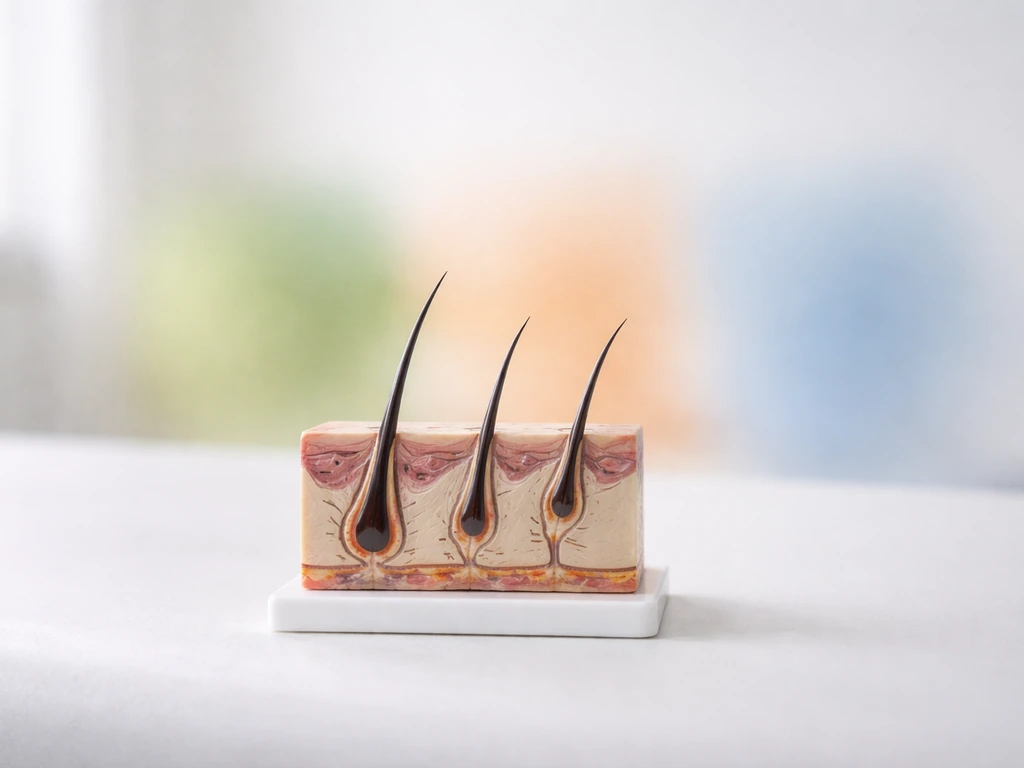
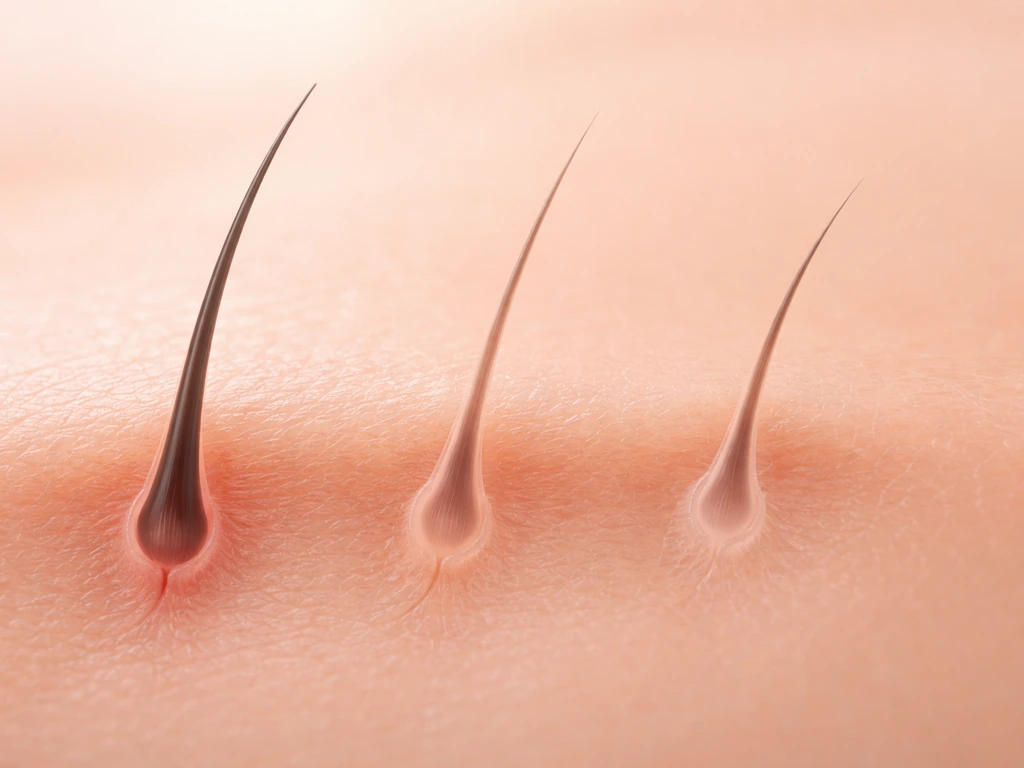
Pubic hair is terminal hair, meaning it's the thicker, pigmented type rather than the fine vellus hair you find on most of your body. Its development is driven almost entirely by androgens, primarily testosterone. Androgen levels can also be a key reason side hair seems slow to grow, so supporting overall hormone health may help. When androgen levels rise during puberty (usually starting around age 9 in what's called adrenarche), vellus hair in the pubic region converts to these coarser terminal hairs. That androgenic connection is important because it means hormonal status has a direct line to how much pubic hair you have and how dense it grows.
Like all hair, pubic hair follows a growth cycle with three phases: anagen (active growth), catagen (a short 2 to 4 week transition where the follicle regresses), and telogen (the resting phase before the hair sheds and the cycle restarts). One key difference from scalp hair is that pubic hair has a much shorter anagen phase, which is why it only grows to a few inches rather than the lengths you can achieve on your head. Each follicle cycles independently, so you're always in a mix of phases at any given time.
Genetics determines a lot here: the density of your follicles, how long your anagen phase runs, and the natural thickness of each strand are largely inherited. That doesn't mean you're helpless, but it does mean you should set realistic expectations before trying to troubleshoot.
Realistic expectations: how long pubic hair takes to grow back
After shaving, you'll usually see stubble within a few days and meaningful regrowth within two to four weeks. Growing it out to a full, natural length after consistent shaving or waxing typically takes two to four months, sometimes longer depending on your natural cycle. If you've been waxing or plucking for years, the follicles may have become slightly weakened over time, which can add a few extra weeks to visible regrowth.
Because pubic hair's anagen phase is shorter than scalp hair's, it has a natural growth ceiling. Most people's pubic hair will reach its genetically determined maximum length within a few months of uninterrupted growth. If you're trying to grow it significantly longer than your natural limit, you're working against your biology, and that's worth knowing upfront. For men specifically, the pattern and density of pubic hair also tends to be shaped by testosterone levels, so hormonal factors (covered below) are especially relevant.
| Scenario | Visible Regrowth | Full Regrowth / Natural Length |
|---|---|---|
| After shaving | 3 to 7 days | 4 to 8 weeks |
| After waxing or plucking | 2 to 4 weeks | 2 to 4 months |
| After folliculitis or irritation | 4 to 8 weeks (once healed) | 3 to 5 months |
| Growing longer from short/trimmed | Ongoing from current length | 2 to 4 months to natural max |
| Regrowth after hormonal disruption | Varies widely | Several months post-resolution |
Natural ways to support thicker, longer pubic hair
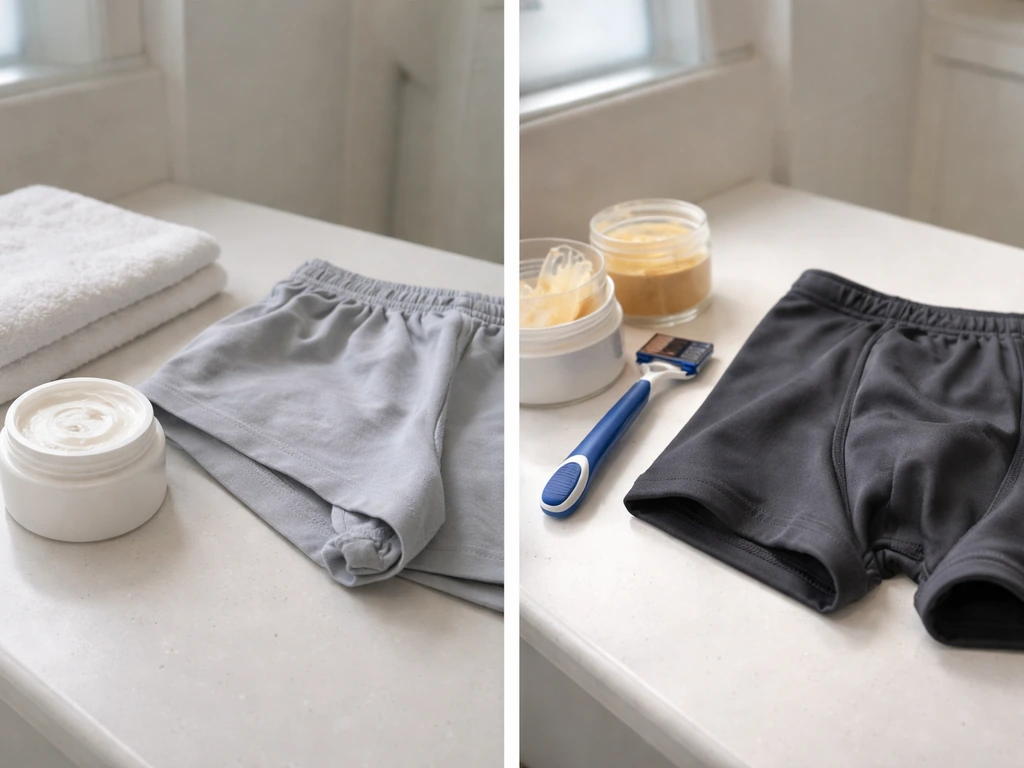
The single most effective thing you can do to grow pubic hair back or grow it longer is to stop doing the things that damage follicles and irritate the skin. To get the most stubborn, slow-to-return hair growing again, focus on stopping follicle-damaging grooming and giving your body time how to grow stubborn hair. That sounds obvious, but it's worth spelling out because a lot of slow-growth problems trace directly back to grooming habits.
Stop the grooming habits that interfere with growth
Shaving, waxing, and plucking all carry real risks in the pubic area. Shaving can cause ingrown hairs, rashes, and folliculitis (inflamed hair follicles), and repeatedly damaged follicles don't cycle as efficiently. A specific problem common in this area is pseudofolliculitis pubis, where shaved hairs curve back into the skin and cause a foreign-body type reaction. If you're experiencing this regularly, the follicles are under constant stress and growth will be patchy and slow. Letting the area fully rest (stopping all hair removal for at least 8 to 12 weeks) gives follicles a real chance to recover. DermNet NZ notes that after folliculitis resolves, waiting around three months before resuming shaving is a reasonable recovery window.
Tight clothing is another underrated factor. Constant friction against the pubic area from tight waistbands or underwear can irritate follicles over time, which is one of the listed risk factors for folliculitis. Looser fits during a growth phase makes a noticeable difference.
Keep the area clean but not over-stripped
Good hygiene matters, but harsh soaps and excessive scrubbing in the pubic area can dry out and irritate the skin around the follicles. A gentle, fragrance-free cleanser is enough. Keeping the skin moisturized and free of chronic irritation creates a better environment for consistent hair cycling. If you do shave, use a proper shaving cream or gel (not dry), use a clean sharp razor, and shave with the direction of hair growth rather than against it to minimize follicle trauma.
Topical options and home remedies: what's worth trying and what to skip
You'll find a lot of suggestions online for castor oil, coconut oil, peppermint oil, and various DIY blends. Here's an honest take on each.
Castor oil and moisturizing oils

Castor oil is a popular home remedy for hair growth, often because of its ricinoleic acid content. There's limited clinical evidence specifically supporting it for hair growth, but it's low-risk when applied to intact skin and can help keep the skin and hair hydrated. It won't transform your follicle density, but as a moisturizing step it's harmless and may reduce breakage of existing hairs. Coconut oil works similarly, mainly as a conditioner rather than a growth stimulant.
Peppermint oil
There's one small animal study suggesting peppermint oil might stimulate hair growth, and it gets cited a lot in natural-remedy circles. The evidence base is genuinely limited though, and the NCCIH is straightforward that more research is needed before strong claims can be made. If you want to try it, dilute it in a carrier oil (like jojoba or coconut oil) and do a patch test first since it can irritate sensitive skin, especially in the pubic area. Applying it full strength to such a sensitive zone would be a bad idea.
Minoxidil: technically possible, but approach carefully
Minoxidil is a topical medication with solid evidence for scalp hair regrowth, and there's off-label case data suggesting it can stimulate hair in other areas like the face. Applying it to the pubic area is very much off-label use and comes with real caveats: it can cause local irritation, itching, dryness, and flaking, and there's a risk of a temporary shedding phase (telogen effluvium) early in use. If any growth does happen with minoxidil, it only lasts as long as you keep using it. Given how sensitive the pubic area is, this isn't something to try without talking to a dermatologist first. It's not a routine recommendation here, just something to be aware of.
What to avoid
- Any product marketed as a "hair growth booster" for the pubic area without dermatologist backing; most are unproven and some contain irritants
- Applying strong essential oils (rosemary, peppermint, tea tree) directly to skin without dilution in a carrier oil
- Scrubs, peels, or exfoliants used aggressively on already-irritated skin
- Hormonal creams or gels purchased without a prescription; they can cause systemic effects
Nutrition, supplements, and hormones: what to fix if growth is slow
Hair growth across your whole body, including pubic hair, depends on your body having adequate building blocks and the right hormonal environment. If growth is noticeably slow or sparse, it's worth auditing both.
Key nutrients for hair growth
Protein is the raw material for keratin, the structural protein in hair. If you're eating a reasonably balanced diet, you're probably getting enough, but in states of significant undereating or restrictive dieting, protein shortfall can show up as slower, weaker hair growth across the body. Biotin often gets hyped for hair, and while a true biotin deficiency can cause hair loss and skin rashes, the NIH Office of Dietary Supplements is clear that taking biotin supplements when you're not deficient has limited evidence of benefit. Same goes for most "hair supplement" blends. If you're eating a varied diet, you're likely already covered.
Iron deficiency is one of the more common and genuinely impactful nutritional causes of hair thinning and slowed growth, especially in people who menstruate. Zinc and vitamin D deficiencies can also play a role. If you're noticing slow growth or shedding across multiple areas (not just pubic), it's worth getting bloodwork done rather than guessing with supplements.
The hormone connection (especially relevant for men)
Because pubic hair is androgen-dependent, low testosterone directly affects it. Low testosterone (hypogonadism) can cause reduced pubic hair density, loss of armpit hair, and other physical changes. For men noticing sparse or thinning pubic hair alongside other symptoms like low energy, reduced libido, or mood changes, getting testosterone levels tested is a logical step. Thyroid conditions are another hormonal culprit: both hypothyroidism and hyperthyroidism can cause hair thinning not just on the scalp but on the body and pubic area too. These are medical issues that need proper diagnosis and treatment, not a supplement fix.
Why pubic hair sometimes won't grow back (and when to see a doctor)
Most slow-regrowth situations have a straightforward cause, but occasionally there's something worth investigating medically. Here's how to think through it. National Alopecia Areata Foundation also points out that diagnosis depends on history and symptoms, and that hair loss and regrowth can occur in different body areas at the same time.
Common reasons for slow or patchy regrowth
- Ongoing irritation or folliculitis from shaving or friction: follicles can't cycle normally when they're inflamed
- Scarring from repeated aggressive waxing or plucking over many years, which can permanently damage some follicles
- Genetics: some people naturally have finer or sparser pubic hair and that's entirely normal
- Low testosterone or other androgen-related hormonal changes, particularly relevant for men
- Thyroid dysfunction, which can affect hair across multiple body areas simultaneously
- Nutritional deficiencies, especially iron, zinc, or protein in cases of significant restriction
- Certain medications including chemotherapy, some hormonal drugs, and immunosuppressants
Alopecia areata: a less common but real possibility
Alopecia areata is an autoimmune condition that can cause patchy hair loss on the body, including the pubic area. The American Academy of Dermatology notes regrowth is possible with treatment. If you notice well-defined, smooth bald patches in the pubic area without obvious irritation or prior grooming, that pattern is worth a dermatology evaluation.
When to actually see a doctor
- Pubic hair loss or absence that's accompanied by loss in other body areas (eyebrows, armpits, scalp) simultaneously
- In men, sparse pubic hair alongside low libido, fatigue, or loss of muscle mass (potential low testosterone)
- Hair loss accompanied by unexplained weight changes, temperature sensitivity, or fatigue (possible thyroid issue)
- Persistent folliculitis or infected bumps that don't resolve after stopping hair removal
- Absent pubic hair development past mid-adolescence (possible hormonal delay worth evaluating)
- Any sudden, unexplained hair loss in a defined area without a clear grooming cause
Your step-by-step routine to grow pubic hair longer
Here's a practical routine you can start today. A big part of how to grow vellus hair is giving follicles time to shift from the thinner vellus stage toward thicker, terminal hair grow pubic hair longer. It's built around removing obstacles, supporting follicle health, and staying consistent. To help you apply the right plan, focus next on the specific grooming changes, nutrition basics, and hormone checks that support thicker regrowth. The timeline is based on realistic biology, not marketing promises.
Week 1 to 2: stop, reset, and reduce irritation
- Stop shaving, waxing, or plucking entirely. This is the single highest-impact step. Give your follicles a clear runway.
- Switch to loose-fitting cotton underwear to minimize friction against the area.
- Wash with a gentle, fragrance-free cleanser once daily. No scrubbing, no harsh exfoliants.
- If you have active ingrown hairs, bumps, or folliculitis, treat those first: warm compresses, topical antibacterial if needed, and don't try to squeeze or extract.
- Apply a light fragrance-free moisturizer to keep the skin hydrated without clogging follicles.
Week 2 to 4: support from the inside
- Make sure you're eating enough protein daily (roughly 0.7 to 1 gram per pound of body weight is a common benchmark).
- If you suspect a nutritional gap, get basic bloodwork done: full blood count (iron/ferritin), vitamin D, zinc, and for men, a testosterone panel.
- Address any confirmed deficiency with food first; supplement only if bloodwork shows a genuine shortfall.
- If you want to try a gentle topical, apply diluted peppermint oil (2 to 3 drops in a tablespoon of carrier oil) to the area a few times a week. Keep expectations modest and stop if irritation develops.
Week 4 to 8: maintain the habits and watch the progress
- By now you should have visible regrowth if you shaved before starting. Resist the urge to trim or reshape.
- Keep up the gentle hygiene routine and loose clothing.
- If growth seems uneven or patchy, note whether it's consistent with old ingrown-hair spots (which may take longer) versus an entirely bald area.
- For men noticing minimal growth despite no ongoing irritation, this is the point to check in with a doctor about hormone levels if you haven't already.
Month 2 to 4 and beyond: reaching natural length
- By month 2 to 3, most people will be close to their natural full length if they've stayed consistent.
- If you want to maintain length without restarting the damage cycle, trimming with scissors (not shaving) is the lower-risk grooming method.
- If you decide to shave again at any point, use shaving gel or cream, a sharp clean razor, and shave with the grain to minimize the risk of pseudofolliculitis and ingrown hairs.
- If you've been consistent for three to four months and still have notable patchiness or very sparse growth, schedule a dermatology or primary care appointment to rule out the medical causes listed above.
If you're also curious about growing body hair in other areas, the same principles apply broadly. The hormonal and nutritional factors that affect pubic hair overlap significantly with what drives growth in other androgen-sensitive areas, so addressing root causes tends to benefit the whole picture rather than just one zone.
FAQ
How long should I leave the area alone if I keep getting ingrowns or bumps after shaving or waxing?
If bumps are recurring, treat it like a follicle stress injury. Stop all hair removal and avoid any exfoliating scrubs for at least 8 to 12 weeks, then reassess. When regrowth restarts, switch to the gentlest method you can tolerate, and consider shaving only with proper gel and shaving direction (not against it).
Will trimming instead of shaving help pubic hair grow back faster?
Trimming usually causes less trauma than shaving, because it doesn’t cut the hair at the skin surface. It can reduce ingrowns and inflammation, which helps follicles cycle normally. However, it won’t make hair grow faster than your genetics and natural cycle, it mainly helps you avoid setbacks from irritation.
Is it possible to permanently damage follicles from long-term waxing or plucking?
It can happen in some people, but it’s usually partial and shows up as patchier, slower regrowth rather than a total loss everywhere. Repeated injury can disrupt normal cycling, so if you notice thinning patches after stopping, give it time first, and get evaluated if regrowth never returns in a smooth, predictable pattern.
What signs mean my slow pubic hair growth could be something medical rather than normal variation?
Consider a dermatology visit if you see well-defined smooth bald patches, skin changes that don’t correlate with grooming, or widespread thinning across multiple body areas. Also get checked sooner if you have other symptoms tied to hormones (like low libido, fatigue, or mood changes in men).
Can I use exfoliation or acne products (like salicylic acid) to prevent ingrowns while growing hair back?
Be cautious. Strong exfoliants and irritating acne actives can worsen pubic-area irritation and delay recovery if follicles are already inflamed. If you want to reduce ingrowns, prioritize friction reduction, gentle cleansing, and pausing hair removal first, then reintroduce any topical products only if your skin tolerates them.
Does shaving against the grain or using a dull razor truly slow hair regrowth?
It often doesn’t change the follicle’s underlying growth programming, but it can cause repeated micro-injury, ingrowns, and folliculitis. Those complications can make regrowth look patchy or slower because inflamed follicles cycle less smoothly and hair gets trapped under healing skin.
If I stop removing hair, will I grow longer hair automatically, or do I still need a method?
If you stop removing hair, the follicles can return to their natural cycle, and you should see progressive visible regrowth over weeks. You generally do not need extra techniques to “trigger” growth, but you may want to keep grooming minimal and focus on reducing friction, using gentle cleansing, and maintaining moisturization to keep skin calm.
Are castor oil or coconut oil worth trying for pubic hair growth?
They are mainly useful as moisturizers. They may reduce dryness and hair breakage of existing strands, but they are not proven to increase follicle density or terminal conversion. If you try them, apply to intact skin and stop if you notice burning, rash, or increased bumps.
Can peppermint oil help with pubic hair growth, and how safe is it?
The evidence is limited, and peppermint oil can irritate sensitive skin. If you choose to try it, dilute it in a carrier oil and do a patch test on nearby skin first. Avoid full-strength application to the pubic area, and discontinue immediately if you get redness, stinging, or worsening bumps.
Is minoxidil an option if I want pubic hair to grow back?
It’s generally not recommended without a dermatologist, because it’s off-label for the pubic area and can cause itching, dryness, flaking, and temporary shedding. If you already have irritation-prone skin or a history of folliculitis, the risk-benefit is even less favorable.
What bloodwork should I ask for if my pubic hair and other body hair seem thin or sparse?
If you’re noticing thinning beyond just grooming effects, ask your clinician about iron status (ferritin and iron studies), vitamin D, zinc if appropriate, thyroid tests (TSH, free T4), and hormone evaluation based on sex and symptoms. The goal is to treat deficiencies or endocrine issues rather than relying on hair supplements.
Does biotin help if I’m not deficient?
Usually not. Biotin supplementation has limited value unless you’re truly deficient, and many “hair growth” supplements contain more marketing than measurable benefit. If you suspect deficiency or have hair loss across areas, labs and diagnosis are more reliable than starting high-dose biotin.
Is there a difference in timeline if I was waxing for years versus shaving only for a short time?
Yes. After long-term waxing or plucking, visible regrowth can take longer because follicles may be intermittently stressed and the skin can stay inflamed longer. Even if hair does return, expect a slower and more gradual change compared with someone who mainly shaved.
Next Articles
How to Grow Thick Pubic Hair: Practical Steps That Work
Learn how to grow thicker pubic hair with growth-cycle basics, safe grooming, skin care, diet, and troubleshooting.
How Can I Grow More Body Hair? Steps That Help Safely
Safe steps to grow thicker, more noticeable body hair: genetics, hormones, diet, topical care, and when to see a doctor.
Tips on How to Grow Your Hair Out: A Step by Step Guide
Step-by-step tips to grow hair out: stop breakage, build scalp routine, nutrition, safe actives, and track progress.