
You can improve pubic hair thickness by protecting follicles from friction and inflammation, dialing in key nutrients like iron, zinc, and vitamin D, and giving hair enough time to complete its growth cycle. If you want a step-by-step approach to how to grow belly hair specifically, focus on the same follicle health basics and consistent timing thickness improves by protecting follicles from friction and inflammation. Genetics and hormones set the ceiling, but most people have a lot of room to reach that ceiling by fixing the everyday habits that quietly damage follicles or stall growth.
How to Grow Thick Pubic Hair: Practical Steps That Work

Marcus Holloway
31 May 2026
Why pubic hair thickness varies in the first place
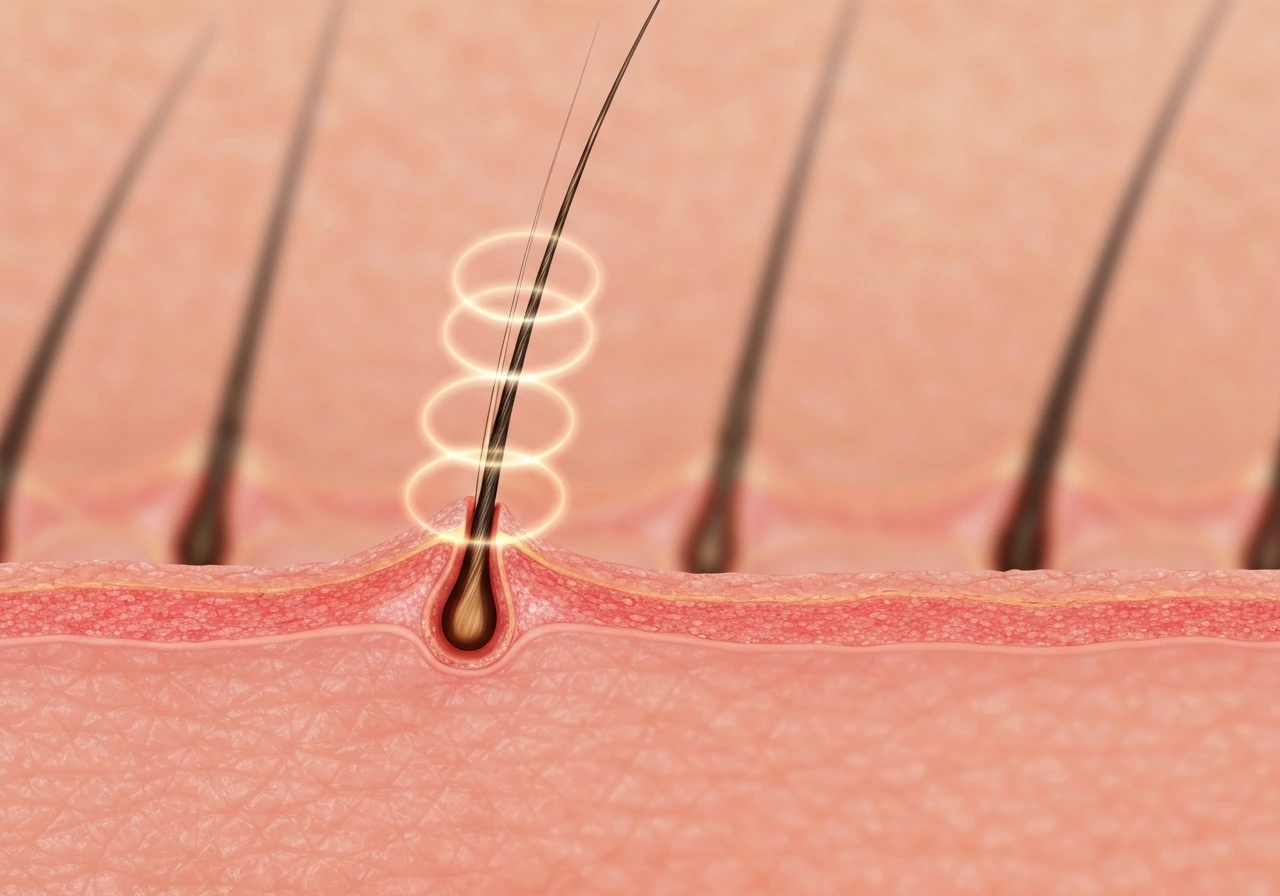
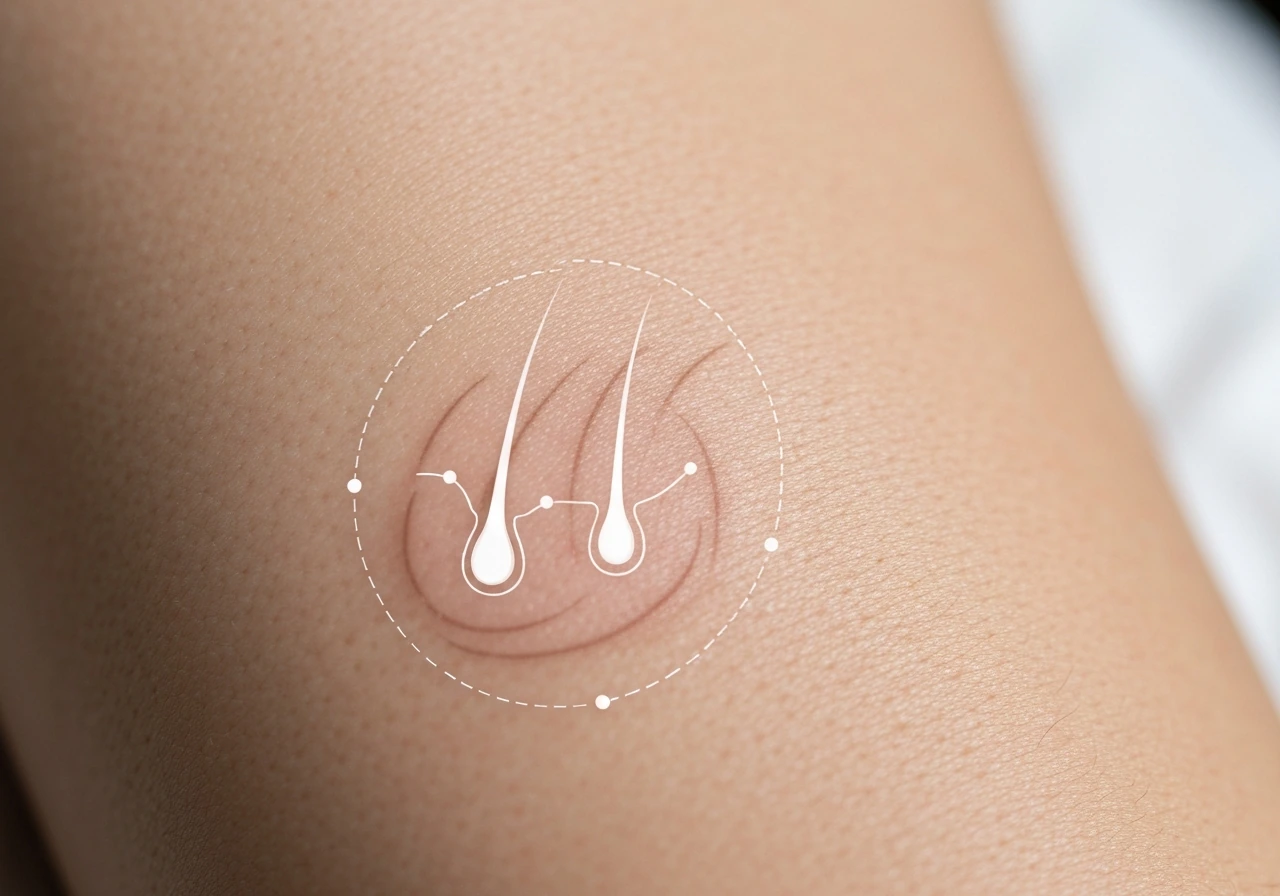
Pubic hair is terminal hair, meaning it grew from vellus (fine, colorless) hair during puberty when rising androgens triggered a permanent transformation in the follicle. That transformation is driven by androgens, specifically testosterone and its more potent derivative DHT (dihydrotestosterone), acting on androgen receptors in the follicle. How thick, dense, and coarse your pubic hair ultimately becomes depends on the number of androgen receptors in your follicles and your individual hormone levels, both of which are largely genetic. This is why two people with identical lifestyles can have noticeably different pubic hair density.
Like all hair, pubic hair cycles through three phases: anagen (active growth), catagen (a short transition), and telogen (rest and eventual shedding). The follicle only produces new hair shaft during anagen. For scalp hair, anagen can last years, but body hair, including pubic hair, has a much shorter anagen phase, which is why pubic hair stays shorter and doesn't keep growing indefinitely. The shorter the anagen window, the less time each strand has to reach its full diameter before shedding. When follicles are stressed by inflammation, friction, or nutritional gaps, they can drop into telogen early and stay there, and that directly shows up as sparser, finer regrowth.
Age also plays a role. Androgen levels tend to decline over time in both men and women, and with them, the anagen-driving signal to pubic follicles can weaken. It's not dramatic for most people, but it's why thinning pubic hair in your 40s and 50s often has a hormonal explanation without being a medical emergency.
Grooming habits that make or break follicle health
This is honestly where most people lose the most ground. Pubic skin sits in a warm, occluded, high-friction zone, and the combination of tight clothing, moisture, and aggressive hair removal creates the exact environment that triggers folliculitis (inflamed hair follicles). Folliculitis is not just an annoyance. Repeated bouts of inflammation around a follicle can cause scarring over time, permanently reducing that follicle's ability to produce a thick hair shaft.
Shaving, waxing, and the real cost of hair removal
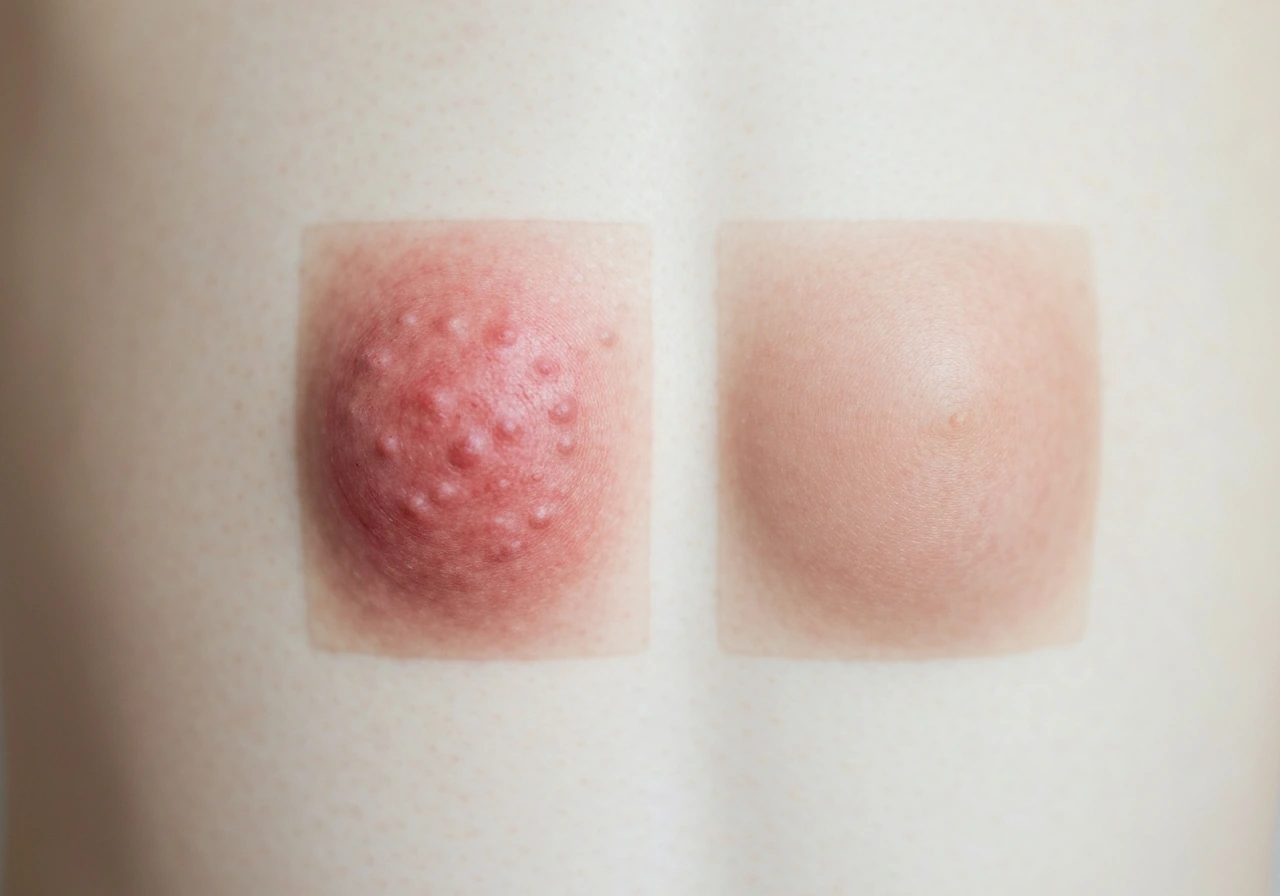
About a quarter of adults who groom pubic hair report an injury or skin problem from it. Shaving is the main culprit, and the issue isn't just nicks. Razor shaving creates sharp hair tips that curl back and pierce the skin (pseudofolliculitis, or razor bumps), and repeated micro-trauma from stretching the skin while shaving causes low-grade inflammation at the follicle base. If you shave and keep getting bumps, the follicles in that area are in a chronic inflammatory state that works directly against thickness. Waxing can cause post-waxing folliculitis in roughly a third of cases, sometimes with a foreign body reaction to broken hair shafts under the skin.
If your goal is thicker pubic hair, the simplest mechanical step is to reduce or stop hair removal entirely for a few months and let follicles recover. If you do shave, shave with the grain (not against it), use a sharp single-blade or safety razor, never stretch the skin taut, and rinse with cool water afterward. Give the area a full rest between shaves. Depilatory creams cause fewer skin injuries than razors for most people, though the skin is sensitive to chemical irritants, so patch test first.
Friction, clothing, and moisture
Tight synthetic underwear or workout pants create the kind of persistent friction and occlusion that feeds folliculitis. Sweat and heat worsen it. Switching to looser-fitting, breathable cotton underwear, especially for sleeping, gives follicles a daily recovery window. It sounds minor, but if you're dealing with chronic irritation or bumps, this single change makes a bigger difference than most topicals.
Diet and lifestyle changes that support hair growth

Hair follicles are among the most metabolically active structures in the body. They need a steady supply of protein, micronutrients, and blood flow to stay in anagen. When you're nutritionally depleted or chronically stressed, your body down-prioritizes hair growth and shifts follicles into telogen early. Harvard Health explains that shedding disorders involve shifting more hairs into the telogen (resting, shedding) phase, increasing the telogen proportion beyond the roughly 10, 15% seen in normal scalp conditions shedding disorders shift more hairs into the telogen phase. The good news is that most dietary improvements produce noticeable results in hair quality over a few months.
- Protein: Hair is primarily keratin, a protein. Eat enough total protein (roughly 0.7–1g per pound of body weight) from whole food sources like eggs, meat, fish, legumes, and dairy. Chronic low-protein diets are a surprisingly common hidden cause of thinning hair across the body.
- Iron: Iron deficiency is one of the most common nutritional causes of hair loss, especially in women. You don't need to be severely anemic for it to affect hair. A ferritin level below 45 ng/mL in adults without inflammation is considered diagnostic of iron deficiency in clinical practice. Get your levels checked, and if low, prioritize iron-rich foods (red meat, lentils, spinach) and pair plant-based iron with vitamin C to improve absorption.
- Omega-3 fatty acids: Chronic low-grade inflammation in the skin is a hair growth suppressor. Omega-3s from fatty fish, walnuts, and flaxseeds help modulate that inflammation. There's also evidence that omega-3 supplementation affects androgen profiles, which matters since androgens drive pubic hair growth.
- Reduce crash dieting: Rapid caloric restriction shifts a large proportion of follicles into telogen simultaneously, which is exactly what happens in telogen effluvium. Gradual, moderate calorie deficits are far kinder to body hair.
- Manage chronic stress: Sustained high cortisol disrupts the androgen signaling that keeps body hair in anagen. Regular sleep (7–9 hours), physical activity, and stress management aren't abstract wellness advice; they directly affect your hair cycle.
Supplements with real evidence (and ones to be cautious about)
Supplements are worth considering when diet alone isn't covering your nutritional bases, but they work best when you're actually deficient in something. Taking more of a nutrient you're already sufficient in rarely produces extra hair growth.
| Supplement | Evidence Basis | Practical Note |
|---|---|---|
| Iron (ferritin repletion) | Strong clinical association between low ferritin and hair loss; target ferritin above 45–70 ng/mL | Get a blood test before supplementing; over-supplementing iron without deficiency can be harmful |
| Vitamin D | Systematic review and meta-analysis found vitamin D supplementation helpful in non-scarring alopecia; deficiency is very common | Most adults benefit from 1,000–2,000 IU daily; test first if possible |
| Zinc | Systematic review found a significant association between low serum zinc and androgenetic alopecia | Supplement only if serum zinc is low; high doses of zinc can deplete copper |
| Biotin (B7) | Biotin deficiency causes hair loss and skin rash; supplementation in deficiency context is well-supported | True deficiency is rare unless you eat raw egg whites daily or have a metabolic condition; 5 mg/day is commonly used in clinical hair-loss contexts |
| Omega-3 (fish oil) | Linked to inflammation modulation and studied in PCOS-related androgen changes; indirect support for body hair | 1–3g EPA/DHA daily is a reasonable dose; whole fish is preferable if accessible |
| Hydrolyzed collagen | Prospective randomized controlled studies show potential benefits for hair outcomes; limited but growing evidence | 12-week commitment minimum; generally safe at 5–10g daily |
Biotin is widely marketed for hair, but unless you're genuinely deficient, extra biotin won't make your hair grow thicker. The biology doesn't support it in well-nourished people. That said, if you eat a restrictive diet or have had prolonged antibiotic use, blank" rel="noopener noreferrer">biotin deficiency is more plausible and worth addressing.
Topical options and home remedies: what can realistically help
Genital skin absorbs topical substances more efficiently than other skin areas. That's worth knowing before you apply anything, because it cuts both ways: a gentle anti-inflammatory oil can be calming, but harsh chemicals or strong medications can be absorbed at higher levels and cause more irritation than expected.
Reasonable topical approaches
- Jojoba or almond oil: Lightweight, non-comedogenic oils used after grooming can reduce friction and soothe minor follicular inflammation. There's no direct evidence they grow new hair, but reducing inflammatory microtrauma matters for follicle recovery.
- Diluted tea tree oil: Has antimicrobial properties that can help with mild folliculitis. Always dilute to 1–2% in a carrier oil; undiluted essential oils will cause chemical burns on this skin.
- Warm compress: For folliculitis flares, a warm compress twice daily helps drain follicular inflammation without additional mechanical trauma. This isn't glamorous advice, but it works better than most marketed products.
- Gentle exfoliation: Once or twice a week, gentle chemical exfoliation (a low-percentage salicylic acid wash, for example) can prevent follicular occlusion and ingrown hairs. Don't overdo this; the skin here is sensitive.
Topical minoxidil: realistic assessment
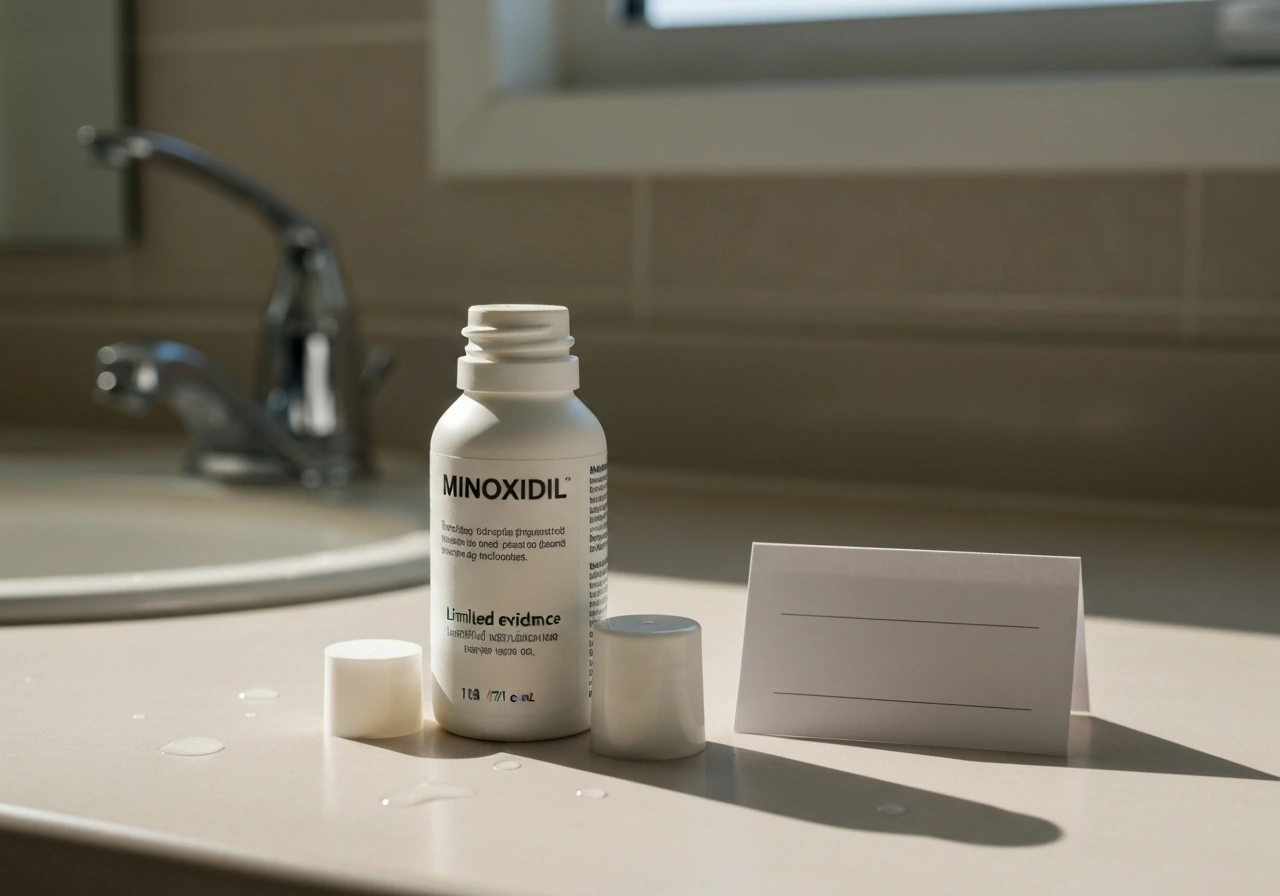
Minoxidil is FDA-approved for scalp hair and has been used off-label for facial hair by some people. For pubic hair specifically, there is no clinical trial data. Reviews of off-label minoxidil use note that formal evidence of efficacy is limited for non-approved indications. On top of that, the enhanced absorption of genital skin means the risk of side effects, including skin irritation, contact dermatitis, and an initial telogen effluvium shedding phase, is amplified. I wouldn't recommend going down this road without explicit guidance from a dermatologist who knows the area and your full medical picture.
What to avoid
- Harsh exfoliating scrubs directly on inflamed or broken skin (will worsen folliculitis)
- Castor oil in large amounts on follicle openings (thick, occlusive oils can block follicles and worsen bacterial folliculitis in a warm, moist area)
- Strong topical steroids without medical supervision (high absorption in this region; prolonged use causes skin thinning)
- Alcohol-based toners or astringents (strip natural skin barrier and increase irritation)
- Any product with fragrance on broken or inflamed skin
How long this actually takes (realistic timeline)
This is where patience becomes the real skill. Body hair has a shorter anagen phase than scalp hair, so each strand cycles through more quickly. Even after you fix the underlying problem, whether it's a nutritional gap, chronic folliculitis, or friction damage, you won't see meaningful change in 2–3 weeks. Telogen (the resting phase before shedding and regrowth) lasts roughly 2–4 months for scalp hair, and body hair cycles are in a similar range. Practically speaking, you should expect a minimum of 3 months of consistent change before evaluating results, and 6 months before drawing firm conclusions.
A realistic 6-month approach looks like this: the first 4–6 weeks you stop or reduce hair removal and reduce friction. By months 2 and 3 you should see less active folliculitis and healthier-looking skin. New hair emerging in months 3–5 should look less fine and fragile if follicles are recovering. By month 6 you have a genuine baseline to assess. If you see no improvement after 6 months of consistent effort, that's a signal to dig deeper.
Troubleshooting patchy or stalled growth
If growth is patchy rather than uniformly sparse, the causes are different from general thinning. Sudden, well-defined bald patches in the pubic area can signal alopecia areata, an autoimmune condition that can affect any body hair, not just the scalp. Persistent skin changes like white patches, itching, or texture changes alongside hair loss in the genital area can indicate lichen sclerosus, which commonly affects genital skin and needs medical management. Both of these are well outside the scope of diet tweaks or home remedies, and ignoring lichen sclerosus specifically carries a real risk because it's associated with an increased risk of squamous cell carcinoma if untreated.
If growth is uniformly thin and slow everywhere, including body hair beyond just the pubic area, that pattern points more toward nutritional gaps, hormonal shifts, or a systemic issue rather than local follicle damage. The sibling topic of how to grow more body hair covers that broader picture in more detail.
When to see a doctor
Some thinning pubic hair is just genetics and age, and no clinician visit will change that. But there are specific situations where a doctor's evaluation matters.
- Significant, progressive loss of pubic hair in men combined with low energy, reduced libido, and mood changes: this combination is a classic picture of hypogonadism (low testosterone), which is both treatable and worth diagnosing properly. Cleveland Clinic lists reduced pubic hair development as a diagnostic sign of testosterone deficiency.
- Sudden patchy hair loss in the pubic area, especially if you're also noticing patches elsewhere on the body: get evaluated for alopecia areata.
- Skin changes in the genital area alongside hair thinning, including white or pale skin patches, itching, skin tightening, or skin texture changes: see a dermatologist or gynecologist to rule out lichen sclerosus.
- Women with increasing body/pubic hair combined with irregular periods, acne, or weight gain: this pattern warrants evaluation for PCOS or other causes of hyperandrogenism. The workup typically includes androgen labs, an ovarian ultrasound, and a review of menstrual history.
- Persistent folliculitis that doesn't respond to 4–6 weeks of at-home management: a dermatologist can culture the bacteria or fungus involved and prescribe the right topical or oral treatment. Treating the wrong organism with the wrong product makes it worse.
- If a blood test confirms low ferritin, vitamin D, or zinc: work with your doctor on repletion dosing rather than guessing, especially for iron, which can be harmful in excess.
The bottom line is that most people can make meaningful progress on pubic hair thickness by stopping mechanical damage, getting their nutrition in order, and giving follicles a proper recovery window. The ceiling is set by genetics and hormone levels, and for some people that ceiling genuinely requires medical evaluation to understand.
But starting with the basics, protecting follicles from chronic friction and inflammation, eating enough protein and micronutrients, and being patient with the hair cycle, will get most people further than they expect. In adult patients without inflammation, ferritin levels below 45 ng/mL (or ferritin 46, 99 ng/mL with transferrin saturation below 20%) are diagnostic of iron deficiency per AAFP (2025) eating enough protein and micronutrients.
If you're trying to figure out how to grow stubborn hair, those basics are the best place to start before you consider more aggressive interventions. A similar approach can help you learn how to grow side hair naturally by focusing on follicle health, nutrition, and avoiding chronic irritation. If you want to grow vellus hair back into thicker, darker strands, focus on reducing follicle inflammation while supporting the hair cycle with consistent nutrition and low-friction grooming.
FAQ
I want thicker pubic hair, should I stop shaving completely or can I keep trimming?
If you stop hair removal, start with a “friction reset” first. For shaving, switch to trimming (or pausing removal) for 4 to 6 weeks, then only resume with a single pass, shave with the grain, and do not re-shave the same area the same day.
How much does sweat and tight clothing affect pubic hair thickness?
Yes, even if you keep hair removal minimal. Avoiding prolonged wet occlusion matters, so change out of sweaty underwear quickly, keep the area dry after showering, and consider breathable cotton underwear for sleeping.
Why do I seem to shed more hair after stopping removal or changing my routine?
Expect an early “shed” if follicles were irritated before you change habits, this can look like more hair coming out around weeks 4 to 8. What matters is whether shedding gradually slows and new growth looks less fine by months 3 to 5.
Are topical oils or anti-inflammatory products safe to try, and how should I test them?
Patch tests matter because genital skin absorbs topicals more efficiently. Try one small area on the outer groin or a less sensitive spot for 24 to 48 hours, and stop immediately if you get burning, redness, or itching.
Should I take biotin to thicken pubic hair?
Biotin is only likely to help if you have a real deficiency, which is uncommon. If your diet is restrictive, your doctor can check labs (often including iron and vitamin D first) instead of starting multiple supplements blindly.
Do I need supplements, or can diet changes alone thicken pubic hair?
Yes, but timing and consistency matter. Rather than “more supplements,” prioritize protein at each meal and address specific gaps (iron, zinc, vitamin D) based on diet patterns or labs. Hair quality changes typically lag, so aim to evaluate after 3 to 6 months.
What signs mean bumps are more than normal irritation and I should see a clinician?
If you notice pus bumps, spreading redness, painful tenderness, or fever, treat it as a medical issue rather than normal irritation. Persistent folliculitis sometimes needs prescription treatment, especially if scarring is starting.
What if my pubic hair loss is patchy instead of evenly thin?
Patchy loss has different causes than uniform thinning. New or well-defined bald spots, especially with itch or scale, can suggest alopecia areata or other conditions, and this is where dermatology input is more urgent.
How do I know if it could be lichen sclerosus rather than follicle damage?
Lichen sclerosus can cause thinning and textural skin changes, often with itching or whitening. Because it can raise risk of squamous cell carcinoma if untreated, don’t wait on home methods if you have persistent skin changes.
Can I use minoxidil to grow thicker pubic hair?
Minoxidil is not well studied for pubic hair, and genital skin absorption can increase side effects. If you consider any hormone-altering or growth-stimulating product, get a dermatologist’s guidance first, especially if you have eczema, dermatitis, or recurrent bumps.
When should I give up on DIY and get checked?
If nothing improves after 6 months of reducing friction and addressing nutrition, it suggests either genetics and age, an ongoing inflammatory driver you are missing, or a separate medical condition. At that point, a dermatologist can check for scarring, dermatitis, and hair-loss disorders.
Could stress, illness, or medications affect thickness, and how long does it last?
If you recently started a medication, had a major stressor, rapid weight loss, or an illness, telogen shedding can follow. Keep the timeline in mind, since a systemic shed may temporarily look like “thin regrowth” even when follicle health improves.
Next Articles
How Can I Grow More Body Hair? Steps That Help Safely
Safe steps to grow thicker, more noticeable body hair: genetics, hormones, diet, topical care, and when to see a doctor.
Tips on How to Grow Your Hair Out: A Step by Step Guide
Step-by-step tips to grow hair out: stop breakage, build scalp routine, nutrition, safe actives, and track progress.
Grow Hair Long Tips: Step-by-Step Routine to Reach Length
Step-by-step grow hair long tips: boost scalp health, cut breakage, improve diet, and track progress for length.