
Growing more body hair comes down to three things: what your genetics allow, what your hormones are doing, and whether your body has the raw materials it needs to grow hair at all. You can't override your DNA, but if deficiencies, stress, or poor follicle care are holding you back, fixing those things can make a real, visible difference over 8 to 12 weeks.
How Can I Grow More Body Hair? Steps That Help Safely

Marcus Holloway
17 May 2026
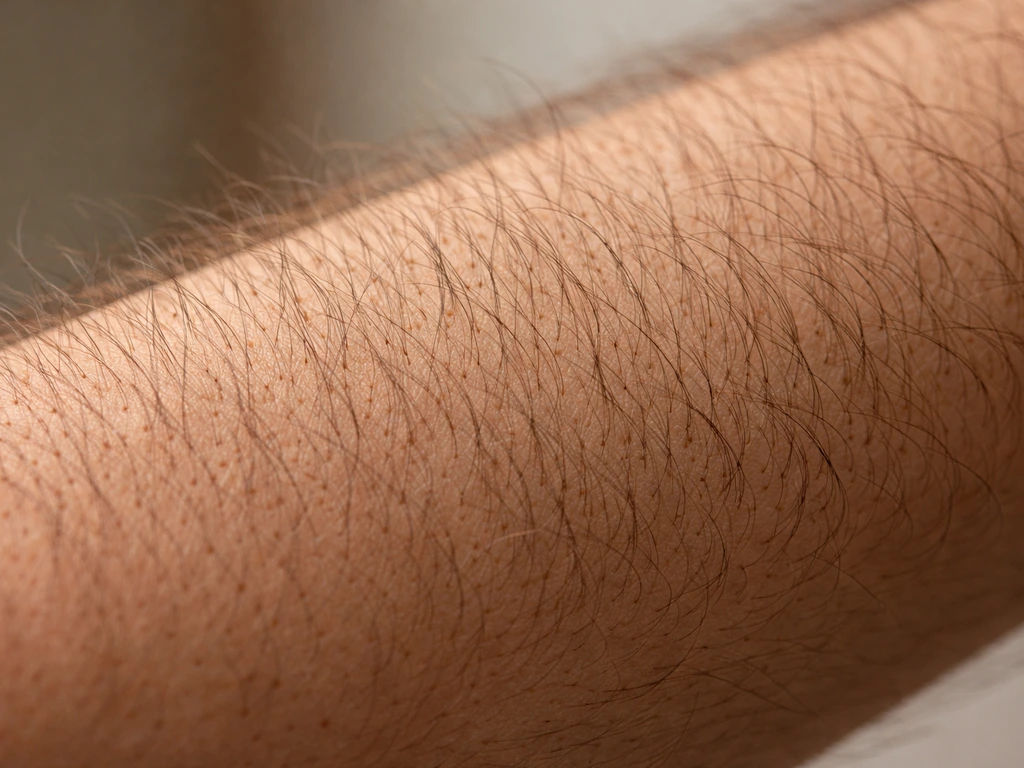
What's actually driving your body-hair density
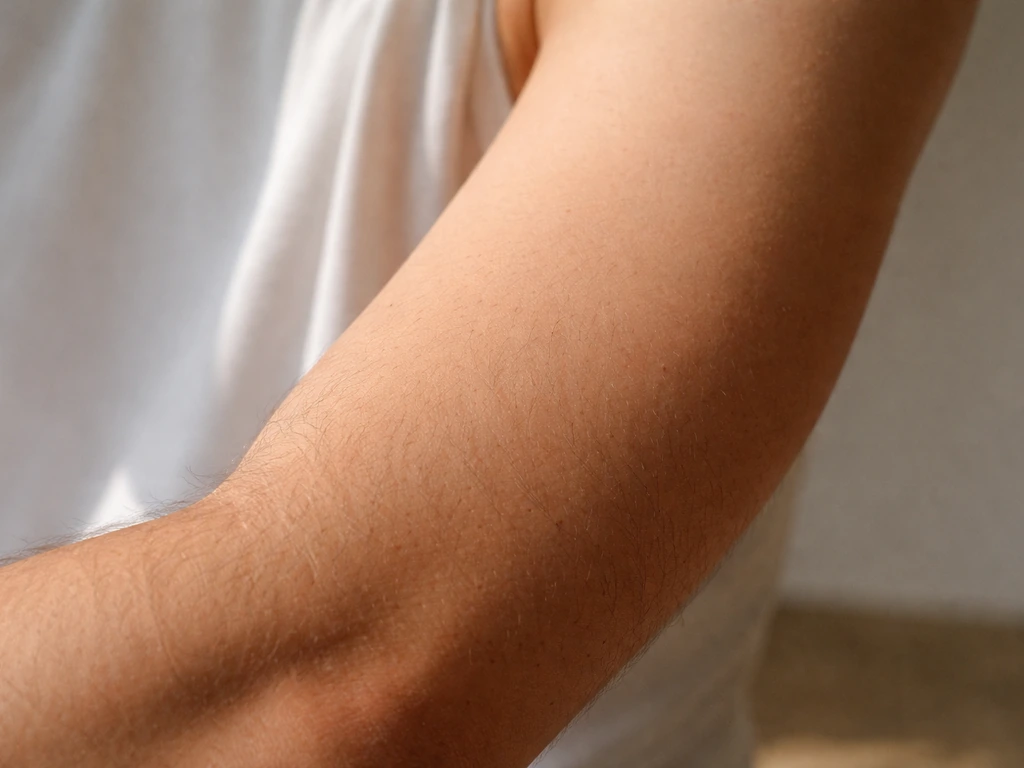
Your body-hair pattern is shaped by genes, age, sex, and ethnicity. That's not a vague answer, it's genuinely the main driver. Some people are naturally dense and others are naturally sparse, and both are completely normal. Comparing yourself to someone from a different ethnic background or a different age is almost always going to give you an inaccurate picture of what's 'normal' for your body.
Hormones, specifically androgens, do most of the heavy lifting when it comes to body hair. Androgens like testosterone get converted in hair-follicle cells into a more potent form called dihydrotestosterone (DHT) by an enzyme called 5-alpha-reductase. DHT binds to receptors inside the follicle and signals it to produce thicker, darker terminal hair. That's why puberty, which floods your body with androgens, is the main event for body-hair development. Most boys finish this transition by around age 17, though some continue seeing body hair develop into their early 20s. Pubic and underarm hair develop first, followed by leg, arm, chest, and facial hair, depending on your androgen sensitivity.
What you're starting with is a mix of vellus hair (fine, short, barely visible) and terminal hair (thick, pigmented, what most people mean when they say 'body hair'). If you want to grow vellus hair, the focus is on supporting healthy follicles and correcting anything that could be limiting growth, especially around puberty and hormone sensitivity. Puberty converts vellus to terminal hair in androgen-sensitive areas, but only where your follicles are wired to respond. If you're past puberty and certain areas are still vellus, that's often just your genetic baseline, not a deficiency.
How to tell if something is actually holding your hair back
Before you try any protocol, it's worth being honest with yourself about whether your body hair has always been this way or whether it's changed. Gradual change since puberty is usually normal variation. Sudden thinning, loss of body hair you previously had, or hair that seems to be regressing alongside other symptoms (fatigue, weight changes, skin changes) is a different story.
A few concrete things to look for. If you're a younger man and haven't seen much puberty-related body-hair development by age 14 or 15, that's worth raising with a doctor, since delayed puberty has a clinical definition and workable causes. For both men and women, if body hair loss is happening alongside irregular periods, unexpected weight gain, skin changes like stretch marks or rounding of the face, or discharge from the nipples, those symptoms point toward specific hormone conditions (thyroid issues, elevated prolactin, Cushing's syndrome, PCOS) that a physician can screen for with bloodwork.
Also check your medication list. Some prescription drugs genuinely affect hair-growth patterns, and that cause is easy to miss if you're focused on nutrition or topicals.
Tests worth asking about
- Ferritin: the most sensitive marker for iron stores. A level below 45 ng/mL in adults is diagnostic of iron deficiency, even if your red blood cell counts look normal.
- Serum 25(OH)D: the standard vitamin D test. Deficiency is defined as below 30 nmol/L (12 ng/mL), though many practitioners treat levels below 50 nmol/L as insufficient.
- Thyroid panel (TSH, free T4): thyroid dysfunction is a common and very treatable cause of hair changes across the body.
- Testosterone and LH/FSH: pattern matters here. Low testosterone with high LH points to primary testicular issues; low testosterone with low LH suggests a central (pituitary/hypothalamic) cause.
- DHEAS and prolactin: useful if there are signs of adrenal or pituitary involvement.
- CBC with serum iron and transferrin saturation: fills in the picture alongside ferritin.
You don't need to order all of these yourself. Go in with your symptom history and ask your doctor what makes sense to check. A good starting panel is ferritin, vitamin D, and TSH, because those three are common, fixable, and directly relevant to hair.
Nutrition and supplements that actually support body hair

Hair follicles are among the most metabolically active cells in the body. They're sensitive to caloric restriction, protein deficiency, and micronutrient shortfalls. If your body doesn't have enough of the right building blocks, hair growth gets deprioritized. Here's what the evidence points to.
The big ones
- Protein: hair is made of keratin, a protein. If you're eating too little protein (common in very restrictive diets), body-hair growth suffers. Aim for at least 0.8 g per kg of body weight, and more if you're active.
- Iron: zinc deficiency and iron deficiency are both linked to increased hair shedding and slowed regrowth. Get your ferritin checked before supplementing. The tolerable upper intake level for iron is 45 mg/day, and high-dose iron supplements can actually reduce zinc absorption, so don't overdo it.
- Zinc: involved in protein synthesis and cell division, both of which matter for follicle function. The tolerable upper limit for zinc is 40 mg/day for adults. More than that regularly can backfire.
- Vitamin D: deficiency is surprisingly common, especially if you work indoors or live in a northern climate. The adult upper limit is 4,000 IU (100 mcg) per day, and supplementing to correct a confirmed deficiency is reasonable. Don't supplement blindly at high doses.
- Overall calories: chronic undereating is one of the fastest ways to slow body hair growth. If you've been restricting calories heavily, that may be a bigger factor than any specific micronutrient.
A word of caution on supplements
The supplement market for hair is full of products that promise quick results. The honest reality is that supplements help when you have a deficiency; they don't add hair on top of your genetic ceiling. One thing to watch specifically: high-dose preformed vitamin A (retinol, retinyl esters) can actually cause hair loss at excessive amounts, and some 'hair growth' blends pack in amounts that push toward the upper limit. Check labels carefully and stick to food-based sources of vitamin A like sweet potato and carrots where beta-carotene (which doesn't carry the same toxicity risk) is the form present.
Skin care and topical routines that support your follicles
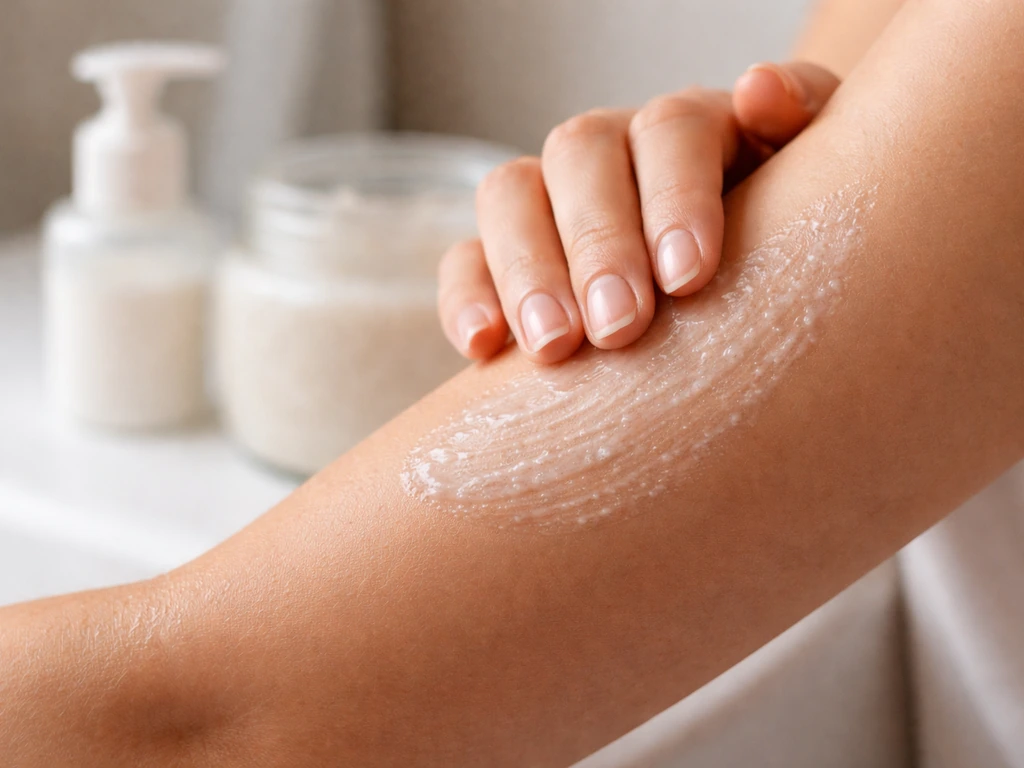
Your follicles sit just under the skin surface. If that skin is clogged, inflamed, or constantly irritated, follicles can't do their job well. A simple routine helps more than most people expect.
Exfoliation
Gentle exfoliation 2 to 3 times per week removes dead skin cells that can block follicle openings and contribute to ingrown hairs. A glycolic acid lotion works well for most body areas and is gentle enough for regular use. Physical exfoliation with a washcloth or soft brush is also effective as long as you're not scrubbing aggressively. The goal is clear follicle openings, not irritated skin.
Moisturizing
Dry, dehydrated skin creates a poor environment for follicle health. A simple fragrance-free body moisturizer applied after showering keeps the skin barrier intact and reduces chronic low-level irritation. This matters more than most people realize, especially if you live in a dry climate or shower with hot water frequently.
Smart grooming habits
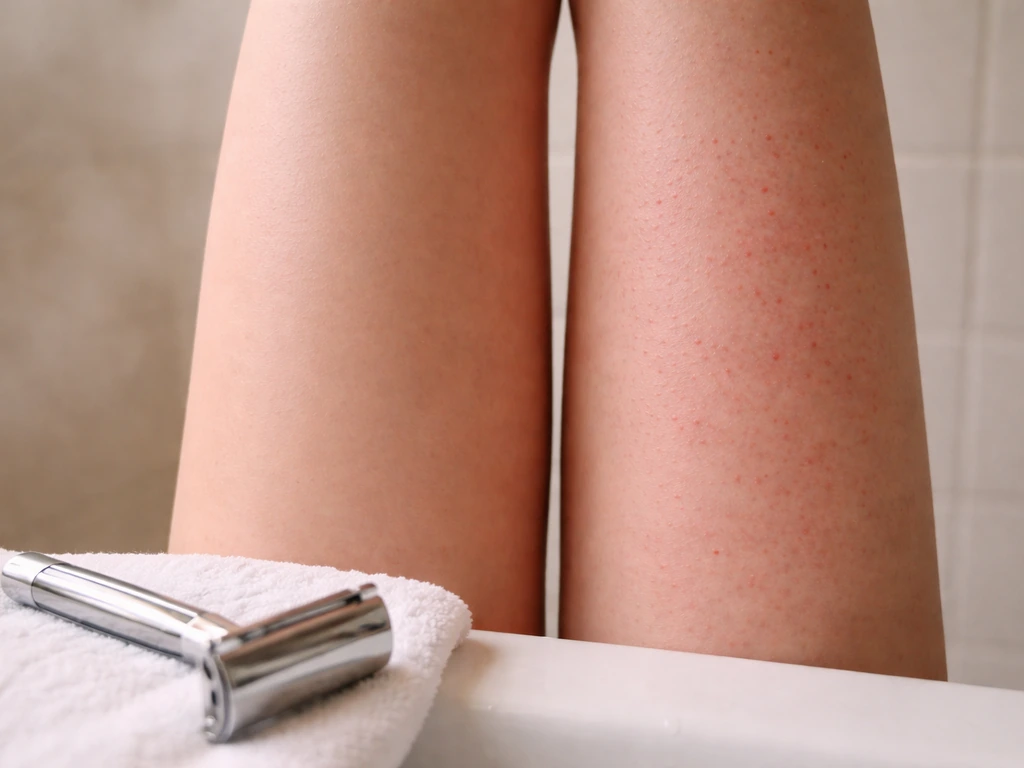
Shaving very close repeatedly, or aggressive waxing and tweezing, doesn't permanently damage follicles in most cases, but it can cause folliculitis (inflamed hair follicles) and pseudofolliculitis (razor bumps), both of which make existing hair look sparser and can temporarily disrupt regrowth cycles. If you're trying to grow body hair, simplest answer: back off on removal.
If you want to grow side hair naturally, the same fundamentals apply: improve follicle conditions, support your nutrition, and avoid anything that repeatedly irritates or strips the area grow body hair. For pubic hair specifically, the same basics apply: support follicle health, avoid irritation, and give changes time to show up. If you do shave, use a sharp blade, a proper lubricant, and shave with the grain rather than against it.
Tight clothing that traps heat and friction against skin can also aggravate folliculitis, so loose-fitting breathable clothes matter if you're prone to it.
What about topical minoxidil on the body?
Minoxidil is well-established for scalp use, and some dermatologists do use it off-label for body areas. Research has looked at follicle density on areas like the chest (which averages around 36 to 85 follicles per square centimeter), and percutaneous absorption studies show it does penetrate skin. A JAMA Dermatology percutaneous absorption study of minoxidil after topical scalp applications (1% and 5%) found no notable adverse reactions in participants, supporting a safety context for absorption in human subjects blank" rel="noopener noreferrer">percutaneous absorption studies show it does penetrate skin. That said, body-area use is off-label, absorption and side-effect profiles differ from the scalp, and this is genuinely a 'talk to a dermatologist first' territory rather than a DIY experiment.
Hormones and androgens: what you can tweak vs what needs a doctor
Androgens are the primary biological signal that drives body-hair development. Testosterone gets converted in follicle cells to DHT via 5-alpha-reductase, and it's DHT binding to the androgen receptor in the follicle that signals terminal hair production. This is why men generally have more body hair than women (higher androgen levels) and why body hair increases during puberty.
Here's the honest breakdown of what you can and can't safely change on your own.
| Factor | What you can do yourself | When to get medical help |
|---|---|---|
| Sleep | 7 to 9 hours per night optimizes testosterone production naturally | Not usually a medical issue unless sleep disorders are involved |
| Stress | Chronic stress raises cortisol, which suppresses testosterone; stress management (exercise, sleep, mindfulness) helps | If stress is severe or linked to diagnosed anxiety/depression |
| Body weight | Both very low body fat and excess fat affect androgen balance; maintaining a healthy weight supports hormone balance | If BMI is significantly outside normal range or weight change is rapid and unexplained |
| Smoking | Smoking impairs circulation to follicles and is associated with worse hair health broadly; quitting helps | Support programs available through your doctor |
| Zinc and vitamin D | Correcting deficiencies through diet or supplements supports normal androgen metabolism | Confirm deficiency first with bloodwork |
| Low testosterone (primary) | Limited self-management; this is a medical diagnosis | Testosterone replacement therapy requires a prescription and monitoring |
| Low testosterone (secondary, e.g., pituitary cause) | Cannot be self-managed | Needs specialist evaluation (endocrinologist) |
| Delayed puberty | Cannot be self-managed | Pediatric endocrinologist evaluation recommended by age 14 in boys |
One thing worth saying directly: 'testosterone boosters' sold online are almost entirely unsupported by evidence for actually raising testosterone in people with normal hormone levels. The ones that work (like correcting zinc or vitamin D deficiency) do so by removing a bottleneck, not by adding fuel to a fire. NIH’s Office of Dietary Supplements also provides zinc tolerable upper intake levels, noting that ULs are maximum intakes unlikely to cause adverse effects. And some contain ingredients that haven't been adequately studied for safety. Skip them unless a doctor recommends something specific.
Your 4 to 12 week action plan
Here's a realistic sequence. Don't expect dramatic changes in the first month. If you want to know how to grow stubborn hair, the key is to be consistent with the basics and give your follicles enough time to respond Don't expect dramatic changes in the first month.. Hair cycles are slow, and body-hair follicles take time to respond even when conditions improve. If you're specifically wondering how to grow belly hair, the same basics apply, but you should pay extra attention to follicle-friendly skin care and whether hormones or deficiencies might be limiting growth.
Week 1 to 2: assess and lay the foundation
- Take stock of your diet: are you eating enough total calories and enough protein? Log a few days honestly if you're not sure.
- Book a basic blood panel if you haven't had one recently: ferritin, vitamin D (25(OH)D), TSH, and a CBC at minimum. Tell your doctor you're concerned about hair health.
- Stop aggressive grooming in the areas you want to grow. Let existing hair reach its natural length.
- Start a simple skin-care routine: gentle exfoliation 2 to 3 times per week, moisturizer daily.
Week 2 to 4: address what you find
- If your ferritin is low (under 45 ng/mL), work with your doctor on correcting it through diet (red meat, legumes, leafy greens) or a supplement at the dose they recommend. Don't self-prescribe high-dose iron.
- If vitamin D is deficient, supplement according to your doctor's guidance. For most adults, 1,000 to 2,000 IU daily is reasonable as a maintenance dose; correcting deficiency may require more short-term.
- If protein is low, add a serving of high-quality protein (eggs, Greek yogurt, meat, legumes) to each main meal.
- Optimize sleep to 7 to 9 hours per night. This is genuinely one of the most impactful free things you can do for your hormone balance.
- If you smoke, this is the time to take that seriously. Circulation matters for follicle health.
Week 4 to 12: stay consistent and watch for changes

- Stick with the skin-care routine. Exfoliation and moisturizing work cumulatively.
- Keep stress in check. If you're going through a high-stress period, know that results may lag until things settle.
- At around 8 to 12 weeks, you may start to notice existing hair growing thicker or slightly more visible. Don't expect new follicles to appear where none existed before.
- If you've corrected deficiencies and maintained the routine for 12 weeks with no change, and you're still concerned, follow up with your doctor or a dermatologist.
Realistic timelines
Hair grows roughly half an inch (about 1.25 cm) per month. Body hair tends to grow slower than scalp hair. If you're addressing a deficiency, you might start seeing improvement in shedding patterns within 4 to 6 weeks, but visible density changes take longer, often 3 to 6 months. If your goal is to fill in areas that have always been sparse, the honest answer is that nutrition and lifestyle can optimize what your genetics allow, but they can't create follicles where none exist.
Common mistakes and things that can actually make it worse
Mistakes that slow you down
- Megadosing supplements: more is not better with zinc, iron, vitamin D, or vitamin A. All four have established upper limits for good reason, and exceeding them can cause hair loss rather than growth.
- Using irritating DIY topicals: castor oil, essential oils, and spicy compounds applied directly to body skin can cause folliculitis and contact dermatitis. Irritated follicles don't grow well.
- Expecting results in 2 to 3 weeks: giving up too early is extremely common. Hair biology is slow. Commit to at least 8 to 12 weeks before evaluating.
- Ignoring the rest of your health: chronic illness, poor sleep, and very low-calorie eating will undermine any topical or supplement routine you're following.
Things that just don't work
- Shaving to 'stimulate' growth: shaving changes the texture and appearance of regrowing hair (blunt tip looks coarser) but does not increase follicle density or speed up growth rate.
- Over-the-counter 'testosterone boosters': these are largely unsupported by evidence for people with normal hormone levels and some carry real safety risks.
- Rubbing raw garlic, chili oil, or similar irritants on skin: these cause inflammation, not growth. Skin damage can actually disrupt the follicle environment.
- Expecting permanent regrowth in follicle-absent areas: if a follicle has been permanently destroyed (usually by scarring or laser treatment), no supplement or topical will regenerate it.
When to see a doctor, not just a dermatologist
- You've lost body hair you previously had, especially if it happened quickly.
- Body-hair loss is accompanied by fatigue, weight changes, skin changes, or menstrual irregularities.
- You're a male under 18 with no signs of puberty-related body hair development.
- You notice other symptoms alongside sparse body hair: nipple discharge, stretch marks with purple/pink coloring, or rapid unexplained weight changes.
- You've tried a clean 12-week protocol and seen no change at all.
Body hair varies more than you think, and that's worth knowing
Different body areas have genuinely different biology. Pubic hair, belly hair, underarm hair, and chest hair each have their own androgen sensitivity and growth cycle, which is why some people have one of those and not another. If you're curious about specific areas, the strategies above apply broadly, but the genetic ceiling for each zone is set independently. Knowing that can save you a lot of frustration when one area responds and another doesn't.
The bottom line is that the most effective path to more body hair is making sure your body isn't being held back by something fixable: a deficiency, a hormone imbalance, poor follicle conditions, or lifestyle factors like poor sleep and high stress. Fix those, maintain consistency for 8 to 12 weeks, and then honestly assess what you're working with. That's a much better use of your time than chasing supplements that promise what your genetics won't deliver.
FAQ
How can I tell if I’m dealing with genetics versus a fixable deficiency or hormone issue?
If your body hair is sparse only in one area, it usually points to local differences in androgen sensitivity and follicle responsiveness rather than a whole-body deficiency. Start by checking whether you shave or irritate that specific zone more often, then compare it to nearby areas (for example, if both chest and belly are sparse versus just one patch). If it is a true new change, timing matters, and a bloodwork check is more useful than adding supplements blindly.
What timeline should I expect, and when should I change my plan?
Body-hair regrowth cycles are slow, so don’t judge results by how things look after a couple of weeks of moisturizers, exfoliation, or supplements. A practical approach is to track photos in the same lighting every 4 weeks, and focus on two signals: reduced shedding or irritation first (often 4 to 6 weeks if deficiencies are involved), then gradual density changes later (more like 3 to 6 months). If there is no improvement trend by 3 months, reassess for hormones, meds, or an underlying skin problem.
Can I use minoxidil to grow more body hair safely, and where should I be cautious?
Yes, but be careful with the “scalp logic.” Minoxidil on the body is off-label, and absorption plus side effects can differ by body area and skin thickness. If you try it, use a dermatologist-guided plan, watch for irritation or unwanted facial hair growth, and stop if you develop significant redness, swelling, or new systemic symptoms. Also avoid combining it with aggressive exfoliation that could increase skin irritation.
Should I just take hair supplements for more body hair, or should I test first?
More iron, vitamin D, or protein is not automatically “better” if your levels are already adequate. The safest next step is to test first, then correct the specific deficiency. For example, ferritin that is low can correlate with hair shedding, while TSH can reflect thyroid dysfunction. If labs are normal, focus shifts back to follicle care, stress/sleep, and medication review.
What does it mean if my body hair is thinning or regressing suddenly?
If you previously had body hair and it is thinning or disappearing quickly, treat it like a medical question, not a skincare project. Sudden loss along with fatigue, weight change, skin texture changes, or menstrual changes in women can indicate hormone or thyroid problems, and nipple discharge or irregular cycles can point toward elevated prolactin or other endocrine causes. Make a doctor appointment and bring a medication list.
Could my medications be affecting body hair growth, and how do I figure that out?
Yes, some prescription and other medications can affect hair patterns, and the timing can be a clue. Common categories include certain hormone-affecting meds, acne treatments, antidepressants, and blood pressure agents, but the exact effect is drug-specific. Check whether the change in hair density started after a medication switch, dose increase, or new start, and ask your prescriber whether it is a known side effect.
Why does my body look hairier for a day after shaving, then sparser later?
If shaving leads to “looking less hairy,” it may be pseudofolliculitis or razor bumps, not true hair loss. The fix is usually lowering irritation: shave with a sharp blade, use enough lubricant, shave with the grain, and avoid repeated pass-over the same area. If bumps are frequent, consider pausing removal for several weeks and switching to trimming instead of close shaving.
What role do calories, protein, and micronutrients play, and what’s the biggest mistake people make?
Diet changes should prioritize adequacy rather than extreme intake. Aim for consistent protein at meals and enough calories overall, because severe calorie restriction can downshift hair growth. If you are iron- or vitamin D-deficient, correcting that can help hair-shedding patterns, but if you are already meeting needs, extra supplements are unlikely to exceed your genetic ceiling and can sometimes worsen skin irritation.
Can stress or poor sleep truly impact body hair, and how soon would I notice it?
Sleep and stress affect hair through broader hormone and inflammatory pathways. You do not need extreme biohacking, but improving sleep consistency and reducing chronic stress can support the environment your follicles need. If you notice hair shedding spikes after high-stress periods, it often lags by weeks, so correlate timing carefully before concluding it was caused by a supplement or shaving habit.
If I get ingrowns or folliculitis, how can I grow more body hair without making those worse?
Yes. Some areas are more prone to irritation, especially where hair is curly or coarse (often underarms and pubic areas). Tight clothing can increase friction and heat, which can inflame follicles and make existing hair look thinner. If you are prone to ingrowns or folliculitis, choose breathable, looser clothing and treat the skin gently before trying to “promote growth.”
Next Articles
Tips on How to Grow Your Hair Out: A Step by Step Guide
Step-by-step tips to grow hair out: stop breakage, build scalp routine, nutrition, safe actives, and track progress.
Grow Hair Long Tips: Step-by-Step Routine to Reach Length
Step-by-step grow hair long tips: boost scalp health, cut breakage, improve diet, and track progress for length.
Tips for How to Grow Long Hair: A Practical Guide
Actionable tips to grow long hair naturally: care routine, scalp habits, nutrition and breakage prevention for healthy l