
Stubborn hair is real, and it is frustrating, but most of the time it has a fixable cause. Whether you are dealing with scalp hair that refuses to get past a certain length, thin patches that never seem to fill in, or body hair that just stays sparse, the path forward is the same: figure out why it is stuck, address that specific cause, then give it real time (we are talking months, not weeks) to respond. I have spent years digging into the research on this, and the clearest takeaway is that 'stubborn' usually means the hair-growth cycle has been disrupted or the follicle has been gradually miniaturized, both of which are often reversible with the right approach.
How to Grow Stubborn Hair: A Practical 12-Month Plan

Marcus Holloway
28 Jul 2026
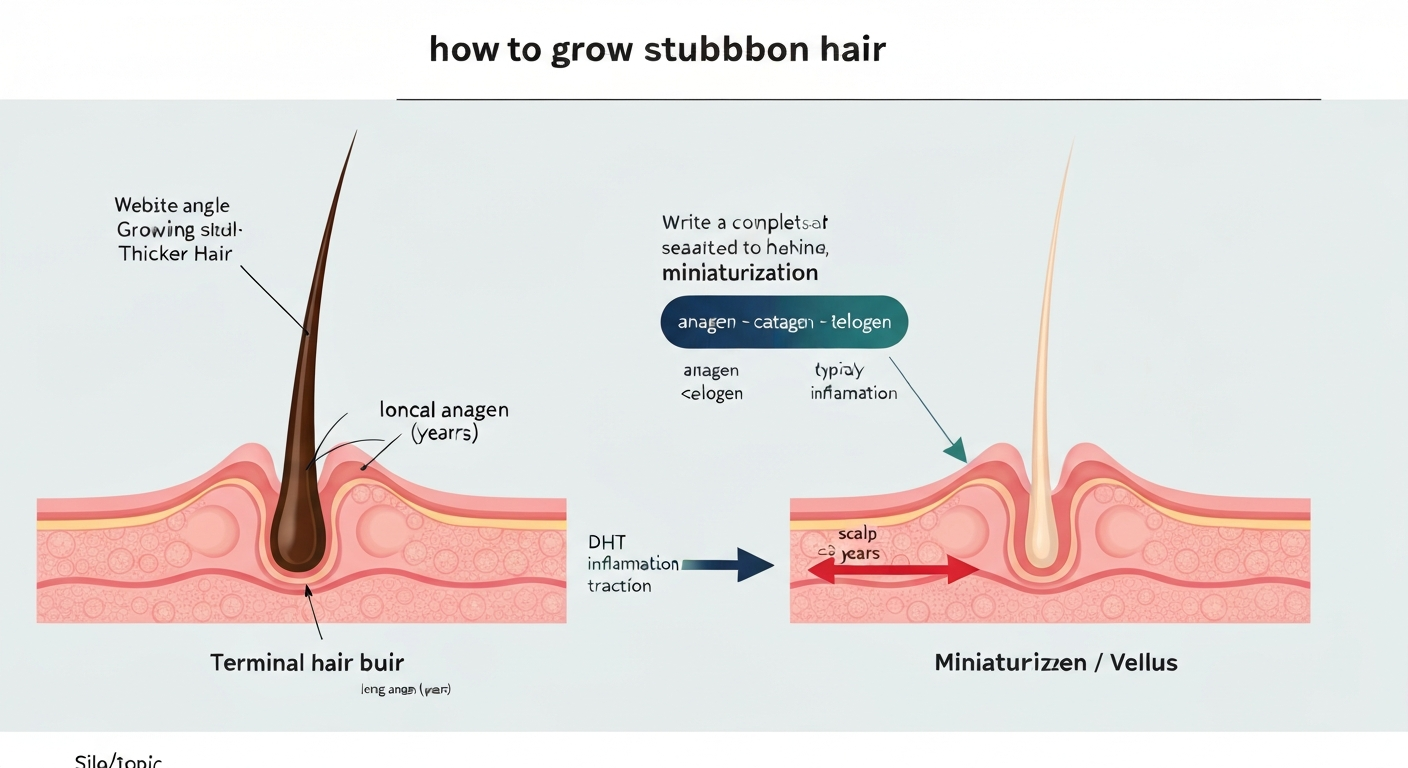
What 'stubborn hair' actually means: vellus, terminal, and miniaturization
Dermatology distinguishes two basic hair types: vellus hairs are the short, fine, barely pigmented ones you see on your forehead or cheeks, and terminal hairs are the longer, thicker, darker ones on your scalp, eyebrows, and body. In healthy scalp skin the vast majority of hairs are terminal. When a follicle is under chronic stress, most commonly from the hormone dihydrotestosterone (DHT), but also from sustained inflammation, traction, or scarring, it gradually shrinks. Each new hair it produces is a little shorter and finer than the last, eventually becoming a vellus or near-vellus hair. This process is called miniaturization, and it is the defining feature of androgenetic alopecia (pattern hair loss).
The same principle applies to body hair in different zones. Body hair cycles are naturally shorter than scalp hair cycles, which is why body hairs have a built-in maximum length. Scalp hair spends roughly three years in the active growing phase (anagen), which at about 0.3 to 0.4 mm of growth per day adds up to around 15 cm per year. Body hairs, including pubic and belly hair, have much shorter anagen phases, sometimes only weeks to a few months, so they stop growing at much shorter lengths. When people tell me their body hair seems 'stuck,' that built-in biology is usually the biggest factor, not a problem to fix. That said, sparse vellus-dominant growth in areas where you expect terminal hairs can absolutely be a sign of a hormonal, nutritional, or inflammatory issue worth investigating.
On the scalp specifically, common patterns of poor growth include overall thinning without a clear boundary (diffuse loss, often telogen effluvium or early androgenetic alopecia), recession at the temples or crown (pattern loss), patchy bald spots (alopecia areata or scarring conditions), and hair that grows but breaks before it gets long (usually a structural or mechanical issue rather than a follicle problem). Each pattern points in a different direction, which is why pattern recognition matters before you start any treatment.
Why some hair won't lengthen or thicken
The short answer is that something is either shortening the active growth phase, increasing the resting or shedding phase, physically damaging the follicle, or signaling the follicle to produce smaller hairs. Here are the main culprits, because knowing which one you are dealing with changes everything about how you approach treatment. Common clinical causes include androgenetic alopecia (DHT-driven miniaturization), telogen effluvium, scarring (cicatricial) alopecias, traction alopecia, medication-induced anagen or telogen changes, systemic disease (eg, thyroid dysfunction or severe iron deficiency), and localized scalp inflammation, see Alopecia in general medicine (review).
- Androgenetic alopecia (AGA): DHT binds to androgen receptors in genetically susceptible follicles, progressively miniaturizing them. This is the most common cause of pattern thinning in both men and women.
- Telogen effluvium (TE): a surge of follicles simultaneously shifting into the resting/shedding phase, triggered by fever, surgery, crash dieting, postpartum hormonal shifts, or major psychological stress. Hair growth typically resumes once the trigger resolves, but recovery can take 6 to 12 months.
- Scarring (cicatricial) alopecias: conditions like lichen planopilaris, central centrifugal cicatricial alopecia, and discoid lupus erythematosus destroy the follicle permanently through inflammation. Early intervention is critical because lost follicles cannot regrow.
- Traction alopecia: repeated mechanical tension from tight styles (braids, weaves, high ponytails) damages the follicle over time and, if chronic, can progress to irreversible scarring changes.
- Thyroid dysfunction: both hypothyroidism and hyperthyroidism disrupt the hair cycle; treatment of the underlying condition usually restores normal growth.
- Iron deficiency: even without frank anemia, low ferritin can impair hair shaft production; most experts suggest a ferritin level above 30 to 40 µg/L as a reasonable target for people with hair loss.
- Medications: chemotherapies cause anagen arrest (abrupt dramatic loss); retinoids, anticoagulants, some anticonvulsants, and abrupt hormonal withdrawal can trigger telogen effluvium.
- Alopecia areata: an autoimmune attack on anagen follicles, producing patchy loss that can resolve spontaneously or require treatment.
- Chronic inflammation or scalp disease: seborrheic dermatitis, psoriasis, and folliculitis create an environment hostile to normal follicle cycling.
Age compounds many of these processes. Anagen duration shortens gradually after the twenties, androgens accumulate in the scalp over decades, and the dermal papilla cells that signal the follicle to stay in growth phase lose some of their responsiveness. This is why hair often thins slowly and subtly, it rarely happens overnight, and just as rarely reverses overnight.
How to assess your own stubborn hair (and when findings matter)
Before spending money on products, spend 15 minutes doing a basic self-assessment. This will not replace a dermatologist visit, but it will help you describe your situation accurately and spot signs that need prompt attention.
The photo method
Take consistent, well-lit photos from the same angles, top of the head parted in the middle, front hairline, and each temple, every four to six weeks. Lighting variability is the enemy of accurate comparison, so try to use the same window or lamp. This is genuinely one of the most useful things you can do, because hair loss is slow enough that we usually underestimate it until we see a side-by-side comparison.
The hair pull test
Grasp about 60 hairs between your thumb and forefinger, then apply gentle but firm traction as you slide your fingers along the shaft. A positive pull test, more than about 6 hairs extracted per pull, suggests active shedding. Try this in two or three different scalp zones. A positive result in multiple areas points toward a diffuse process like telogen effluvium; a positive result concentrated in one area may suggest a localized inflammatory or traction-related problem.
Density check and hairline mapping
Part your hair down the middle under a bright light and look at how much scalp is visible. A widening part, visible scalp at the crown, or a receding temporal hairline are the classic signs of androgenetic alopecia. Compare the density at the crown and temples to the density at the back of the head (the occipital region), the back is largely androgen-resistant, so if it is noticeably thicker you are likely looking at pattern loss rather than diffuse telogen effluvium.
Trichoscopy basics
Trichoscopy is dermoscopy applied to the scalp, and it is now the standard non-invasive diagnostic tool in dermatology clinics. If you have access to a handheld dermatoscope (sold as digital attachment tools for smartphones), you can look for hair shaft diameter variability, the hallmark of miniaturization. A trained eye looking for anisotrichosis (the technical term for unequal hair shaft diameters) of 20% or more across follicular units is a key supportive finding for androgenetic alopecia. You can also look for perifollicular redness or scaling, loss of follicular openings (a warning sign for scarring alopecia), and yellow dots that indicate empty or vellus-occupied follicles. That said, accurate interpretation takes training. If you see absent follicular openings combined with redness or pain, that is a reason to call a dermatologist promptly, not something to manage yourself.
When self-assessment findings demand action
- Rapid or patchy loss over weeks, not months: see a dermatologist within a few weeks, not at your next annual checkup.
- Scalp pain, burning, or tenderness: could indicate a scarring condition — do not wait.
- No follicular openings visible in a thinning area: potential scarring; needs biopsy to confirm.
- Loss of eyebrows, eyelashes, or widespread body hair alongside scalp loss: suggests a systemic or autoimmune process.
- New hair loss accompanying other symptoms (fatigue, weight changes, feeling cold or hot constantly): points to a systemic cause like thyroid disease or iron deficiency that needs lab work first.
Labs and medical evaluations worth considering
Most people who ask me about stubborn hair have never had basic bloodwork done. That is a missed opportunity, because a handful of inexpensive tests can rule out (or confirm) the most common correctable causes. There is no single perfect panel, the evidence for routine broad screening is actually mixed, and what you order should be guided by your history and clinical picture. That said, the following tests are commonly recommended for diffuse non-scarring hair loss and are worth discussing with your doctor.
| Test | What it checks | Abnormal findings and their implications |
|---|---|---|
| CBC (complete blood count) | Overall blood cell profile, anemia markers | Low hemoglobin/hematocrit: iron-deficiency or other anemia contributing to TE; high MCV: possible B12 or folate deficiency |
| Serum ferritin + iron studies | Iron stores | Ferritin below 30–40 µg/L in the context of hair loss: iron repletion is warranted even without overt anemia |
| TSH (± free T4) | Thyroid function | High TSH: hypothyroidism; low TSH: hyperthyroidism — both disrupt the hair cycle and respond to treatment of the thyroid condition |
| 25-OH vitamin D | Vitamin D status | Levels below 20–30 ng/mL are associated with hair cycling problems in some studies; repletion is low-risk |
| Serum zinc | Zinc status | Low levels can impair protein synthesis and hair growth; most relevant in restrictive diets |
| Free and total testosterone, DHEAS, DHT (for females with signs of androgen excess) | Androgenic hormones | Elevated androgens: polycystic ovary syndrome, adrenal hyperplasia, or other androgen-excess disorders requiring specific management |
| ANA (antinuclear antibody) | Autoimmune screen | Positive ANA in the context of scalp inflammation or patchy loss: may indicate lupus-related alopecia; further workup needed |
| Serum B12 | B12 status | Low B12: often treatable with supplementation or injections; associated with diffuse hair loss in deficient individuals |
A few caveats on ferritin specifically: the target level for hair health is genuinely debated. Some experts argue for ferritin above 40 µg/L in women with telogen effluvium or female pattern hair loss; others set the threshold lower. The controlled trial data are mixed enough that I would not recommend taking high-dose iron without a confirmed deficiency, because excess iron carries its own risks. Let the labs guide you. And if your TSH comes back abnormal, treat the thyroid condition first, hair loss from thyroid dysfunction is largely reversible with appropriate medical management, and layering hair-specific treatments on top of an uncorrected thyroid problem is putting the cart before the horse.
Topical treatments with real evidence
Topical treatments are the first-line intervention most dermatologists reach for with non-scarring hair loss, and for good reason: the evidence is strongest here, the safety profile is well established, and you do not need a prescription for the most effective option.
Minoxidil: the gold standard topical
Topical minoxidil has the highest-quality evidence of any over-the-counter hair treatment. It works by opening ATP-sensitive potassium channels in vascular smooth muscle and dermal papilla cells, which increases local blood flow and appears to prolong the anagen phase and support dermal papilla cell proliferation. The exact mechanism is still not fully pinned down, researchers have also implicated Wnt signaling and prostaglandin pathways, but the clinical results across multiple randomized controlled trials are consistent: it works for androgenetic alopecia, and it works better than placebo for telogen effluvium as well.
For scalp AGA, the 5% concentration twice daily is generally superior to 2% in hair-count outcomes. The 5% foam formulation is popular because it dries faster, has less propylene glycol (which causes scalp irritation in some people), and is easier to apply. The 2% solution is still appropriate and better studied in women in some older trials, but most current guidance favors 5% for both sexes. Apply to a dry scalp, not to hair. Use the prescribed amount (usually 1 mL for solution, half a capful for foam) and massage gently into the thinning area.
Two things I always tell people about minoxidil: first, expect a shedding phase around weeks 2 to 8. This is real, it is common, and it is not the treatment failing. It happens because minoxidil pushes resting telogen follicles back into anagen, which first requires the old hair to shed. Second, you will not see meaningful results for at least 8 to 16 weeks, and the full benefit takes up to 12 months of consistent daily use. If you stop, the benefit reverses within a few months, the follicles return to their previous trajectory. This is not a cure; it is an ongoing treatment.
Ketoconazole shampoo
Ketoconazole 1–2% shampoo has a modest but real body of evidence supporting it as an adjunct for AGA-related scalp hair loss. It is an antifungal but also has mild anti-androgenic properties at the scalp level, and it reduces scalp inflammation that can accelerate follicular miniaturization. Use it two to three times per week, leaving it on the scalp for a few minutes before rinsing. It is not going to be your primary driver of regrowth, but it is low-risk, inexpensive, and has enough supporting data to include in a hair-growth routine. The 1% version is available over the counter; 2% requires a prescription in many markets.
Topical anti-inflammatories
For conditions like alopecia areata, lichen planopilaris, and seborrheic-related thinning, dermatologists often use topical corticosteroids (prescription-strength), topical calcineurin inhibitors, or topical JAK inhibitors (for alopecia areata). These are condition-specific and generally need dermatologist supervision. Using potent topical steroids without a confirmed inflammatory condition can cause skin atrophy and, ironically, worsen the scalp. If inflammation is part of your picture, do not self-treat with a random anti-itch product and hope for the best; this is where a dermatology visit earns its value.
Oral treatments and supplements: what the evidence actually supports
Prescription oral options
Oral treatments carry more systemic risk than topicals and should be discussed with a prescribing physician, but several have strong evidence for stubborn hair loss that has not responded adequately to topicals alone.
| Treatment | Who it's for | Mechanism | Typical dosing | Key risks / notes |
|---|---|---|---|---|
| Oral minoxidil (low-dose) | AGA in men and women; sometimes off-label for telogen effluvium | Same mechanism as topical but systemic; may reach follicles that topical misses | 0.625–2.5 mg/day in women; 2.5–5 mg/day in men (much lower than hypertension doses) | Fluid retention, unwanted facial/body hair (hypertrichosis), low blood pressure — screen for cardiac history |
| Finasteride | Men with AGA primarily; not for women of childbearing potential | Inhibits 5-alpha reductase type II, reducing DHT conversion | 1 mg/day (standard AGA dose) | Sexual side effects (libido changes, erectile dysfunction) in a minority; rare post-finasteride syndrome; teratogenic — not safe in pregnancy |
| Dutasteride | Men with AGA; off-label use increasing | Inhibits both type I and II 5-alpha reductase — broader DHT suppression than finasteride | 0.5 mg/day | Similar risk profile to finasteride but longer half-life; stronger DHT suppression may mean more side effects |
| Spironolactone | Women with AGA or androgen-excess-related hair loss | Androgen receptor blocker; reduces androgenic drive to miniaturization | 50–200 mg/day (titrated) | Irregular periods, breast tenderness, hyperkalemia (especially with kidney disease or ACE inhibitors); not for men due to feminizing effects; teratogenic |
A note on finasteride and dutasteride for men: the sexual side effect rate in clinical trials is roughly 1 to 4%, which means most men tolerate them without issue, but a meaningful minority does not. Have an honest conversation with your prescribing doctor about your personal risk factors before starting. For women, spironolactone is one of the better-studied options, but it requires monitoring of potassium levels, especially in women with any kidney issues or who take other medications affecting potassium.
Supplements: what is worth taking and what is not
The supplement landscape for hair growth is cluttered with overpromised products. Here is what the evidence actually supports, and it mostly comes back to correcting deficiencies rather than megadosing.
- Iron: if your ferritin is confirmed low, repleting iron (with a physician-guided dose, usually 150–200 mg elemental iron per day in divided doses for iron-deficiency anemia) supports hair-cycle normalization. Do not supplement iron without confirmed deficiency.
- Vitamin D: repletion of confirmed deficiency (typically 2000–4000 IU/day for a period under physician guidance) is low-risk and sensible. The hair-specific benefit beyond correcting deficiency is not clearly established in healthy adults.
- Biotin (B7): this is the most over-marketed hair supplement on the shelf. True biotin deficiency is rare (it is found in eggs, nuts, and most varied diets) and biotin supplementation in non-deficient people has no demonstrated benefit for hair growth. High-dose biotin also interferes with thyroid lab tests — worth noting if you are getting TSH checked.
- Zinc: supplementing only if deficiency is confirmed; over-supplementation can actually worsen hair loss and impair copper absorption.
- Saw palmetto: a botanical DHT-inhibitor with a small amount of trial data; not as robust as finasteride evidence, but low-risk and sometimes used as a first-line natural option for mild AGA. Typical doses in studies range from 200 to 320 mg/day.
- Collagen peptides and marine collagen supplements: some small industry-funded trials suggest modest benefits for hair shaft thickness; the evidence quality is limited. Not harmful at standard doses, but not a primary strategy.
- Nutrafol and similar multi-ingredient blends: some contain saw palmetto, ashwagandha, marine collagen, and biotin. A few small RCTs exist, mostly industry-sponsored. Results show modest improvement in some endpoints. These are not unreasonable to try if you want a comprehensive supplement approach, but manage expectations accordingly.
Procedural options: what clinics can offer and realistic timelines
If topicals and oral treatments have not moved the needle enough, or if you want to accelerate results, there are several in-office procedures with genuine evidence. None of them work overnight, and all of them work best as part of a comprehensive approach rather than as standalone fixes.
Microneedling
Microneedling uses a derma roller or automated pen device to create controlled micro-injuries in the scalp, which stimulates wound-healing growth factors (including vascular endothelial growth factor and Wnt pathway activation) that support follicular cycling. Several randomized trials have shown that combining microneedling with minoxidil produces significantly better hair counts than minoxidil alone. Sessions are typically done every one to two weeks in-office, with depth settings around 0.5 to 1.5 mm for scalp use. At-home derma rolling (0.25 to 0.5 mm) once or twice weekly is commonly added between professional sessions. Results: allow 12 to 24 weeks to see measurable change, with ongoing improvement over 6 to 12 months. Best evidence is for androgenetic alopecia; emerging data for alopecia areata.
Platelet-rich plasma (PRP)
PRP involves drawing your blood, spinning it to concentrate the growth factor-rich plasma, and injecting that plasma directly into thinning scalp areas. The growth factors (platelet-derived growth factor, transforming growth factor-beta, insulin-like growth factor) are thought to stimulate dermal papilla cells and prolong anagen. The evidence is genuinely encouraging, multiple small-to-medium RCTs show improved hair density and thickness with PRP versus placebo injections, but the studies are heterogeneous, protocols vary widely between clinics, and longer-term data are limited. Typically three to four sessions one month apart for the initial series, then maintenance every 6 to 12 months. Onset of visible results: 3 to 6 months after the initial series. Cost (out of pocket, usually not covered by insurance) is significant, often $500 to $1500 per session depending on market.
Low-level laser therapy (LLLT)
LLLT devices (laser combs, helmets, caps) deliver specific wavelengths of red/near-infrared light (typically 650 to 670 nm) to the scalp, with proposed mechanisms including stimulation of mitochondrial cytochrome c oxidase and increased ATP production in follicular cells. The FDA has cleared several LLLT devices for hair growth under a 510(k) pathway. Clinical trial data show modest but real improvements in hair density and thickness for AGA compared to sham devices, with about 26 weeks of consistent use (three to five sessions per week) needed before you can assess response. LLLT has a very good safety profile and is a reasonable adjunct, though the effect size is smaller than with minoxidil. It tends to work best for those with early-to-moderate rather than advanced loss.
Hair transplant surgery
A hair transplant (follicular unit excision or follicular unit transplantation) is the only permanent structural solution for AGA-related hair loss. Donor follicles from androgen-resistant areas (usually the back and sides of the scalp) are relocated to thinning regions. When performed by an experienced surgeon on the right candidate, results are excellent and permanent. The key caveats: you need sufficient donor hair, the underlying miniaturization process continues in non-transplanted follicles (so you often need ongoing medical therapy post-transplant), and you need to be in a relatively stable phase of loss to plan the recipient area accurately. Full cosmetic results take 12 to 18 months post-surgery. Not appropriate for diffuse non-patterned loss, active scarring alopecias, or insufficient donor density.
| Procedure | Evidence quality | Ideal candidate | Onset of results | Maintenance needed |
|---|---|---|---|---|
| Microneedling + minoxidil | Moderate-strong (multiple RCTs) | AGA, early-moderate; combines well with medical therapy | 12–24 weeks | Ongoing sessions |
| PRP | Moderate (variable protocols) | AGA, alopecia areata; early-moderate loss | 3–6 months after series | Every 6–12 months |
| LLLT | Moderate (device-cleared) | AGA, early-moderate; adjunct to medical therapy | ~26 weeks consistent use | Ongoing 3–5x/week |
| Hair transplant | Strong for outcomes; high evidence level | Stable AGA, adequate donor supply | 12–18 months full result | Medical therapy to protect remaining hair |
Nutrition, scalp care, and lifestyle habits that actually help
I want to be honest here: nutrition and lifestyle are not going to reverse significant androgenetic alopecia or a scarring condition. But they create the biological foundation that every treatment depends on, and they directly influence telogen effluvium, which is one of the most common reasons hair stops growing well in otherwise healthy adults. Underestimating these factors is a real and common mistake.
Protein: the most overlooked factor
Hair is roughly 95% keratin, a protein. Your body prioritizes vital organs over hair in protein allocation, so when protein intake is chronically low, hair production is one of the first things to get cut. Aim for at least 1.2 to 1.6 grams of protein per kilogram of bodyweight per day (higher if you are very active). Diverse sources (lean meats, fish, legumes, eggs, dairy or soy) also ensure you get the full amino acid profile your follicles need, particularly lysine, which is important for iron absorption as well.
Iron repletion through diet
Red meat, organ meats, lentils, tofu, and dark leafy greens are the best food sources of iron. Pair plant-based iron sources with vitamin C-rich foods to improve absorption, and avoid consuming coffee or tea within an hour of iron-rich meals, as tannins significantly inhibit absorption. If dietary intake is consistently low, particularly in premenopausal women, vegetarians, or vegans, checking ferritin and adjusting intake or considering supplementation (after confirming deficiency) is worthwhile.
Sleep and stress: not optional
Chronic psychological stress elevates cortisol, which in high sustained doses can push follicles prematurely into telogen. This is the mechanism behind the classic stress-related shed people notice two to three months after a prolonged stressful period. Improving sleep quality and managing chronic stress (through whatever sustainable methods work for you, exercise, mindfulness, therapy, reducing workload) has a direct effect on hair cycling. Seven to nine hours of sleep per night is also when growth hormone is predominantly released, which supports cell turnover throughout the body including in follicular tissue.
Gentle scalp care and traction avoidance
Scalp massage has some evidence in its favor: a small but well-cited trial found that 4 minutes of standardized scalp massage daily for 24 weeks was associated with increased hair shaft thickness in Japanese men. The proposed mechanism involves stretching of dermal papilla cells and increased expression of hair-growth-related genes. It is low-risk and easy to incorporate. In contrast, tight hairstyles, aggressive heat styling, and chemical processing all contribute to mechanical and structural damage. If you are dealing with stubborn growth at the hairline or temples and you regularly wear tight styles, traction is a serious consideration. The advice to switch to looser, protective styles is not cosmetic advice, it is clinical prevention. For anyone who cares for textured or Afro-type hair, these considerations are especially relevant and worth taking seriously.
Scalp cleansing and product choices
Wash your scalp often enough to prevent sebum and product buildup, which can clog follicular openings and contribute to inflammation. For most people that is every two to three days; for people with oily scalps or seborrheic dermatitis, more frequent washing with a gentle anti-dandruff or ketoconazole shampoo is beneficial. Silicone-heavy conditioners and pomades applied directly to the scalp can contribute to folliculitis in prone individuals, apply these to the hair shaft, not the scalp. The scalp-care space is full of products making big claims. Caffeine shampoos and rosemary oil have some small-scale trial data suggesting modest benefits (rosemary oil at 2% concentration was compared favorably to 2% minoxidil in one small trial), but neither replaces evidence-based treatment for meaningful hair loss.
A realistic 12-week to 12-month action plan
Based on everything above, here is how I would sequence this if I were starting from scratch with stubborn hair. This plan assumes non-scarring hair loss on the scalp; body hair considerations follow below.
- Weeks 1–2 (baseline): Take standardized photos. Do a pull test. Check the scalp for redness, pain, or absent follicular openings. Schedule bloodwork: CBC, ferritin/iron studies, TSH, vitamin D — add androgens or ANA if clinically indicated. Stop any tight hairstyles or aggressive styling practices immediately.
- Weeks 2–4 (foundation): Start topical minoxidil 5% applied to the thinning area once or twice daily (follow your product's instructions). Add ketoconazole shampoo 2–3 times/week. Begin scalp massage 3–5 minutes daily. Review protein intake and adjust diet if below 1.2 g/kg/day. Address any lab abnormalities (iron repletion, vitamin D supplementation, thyroid treatment) with physician guidance.
- Weeks 4–12 (early response): Expect the minoxidil shedding phase around week 2–8 — do not stop. Continue all of the above consistently. If not already in touch with a dermatologist and loss is significant, make that appointment now; dermatology waitlists can be long and starting early is smart. Consider adding gentle at-home microneedling (0.25–0.5 mm derma roller) once per week on a day you are not applying minoxidil.
- Month 3–6 (reassess): Compare photos to baseline. Measurable improvement in coverage and shaft thickness should begin to appear. If bloodwork showed deficiencies, recheck ferritin and TSH at 3–6 months post-treatment. If no improvement by month 4, discuss prescription options (oral minoxidil, spironolactone for women, finasteride for men) with a physician.
- Month 6–12 (optimize): Full assessment of all treatments. If medical and topical therapy is working, continue. If density improvement is plateauing at unacceptable levels, discuss PRP, in-office microneedling series, or LLLT as adjuncts. For men or women with established significant AGA who want a permanent solution, this is the timeframe to consult a hair-transplant surgeon for planning (do not rush to surgery in the first six months when medical therapy may still have significant gains to offer).
- Month 12+ (maintenance): Hair loss treatment is a long game. Whatever is working, continue it. Annual photo comparisons and periodic re-evaluation of labs keep the plan evidence-based rather than reactive.
Special considerations: body hair, pubic hair, and vellus hair
Most of the guidance above focuses on scalp hair because that is where the clinical evidence is concentrated. But stubborn growth in other areas has its own distinct biology and approach. Body hair, pubic hair, belly hair, and side hair all operate on shorter anagen cycles than scalp hair, which means their maximum possible length is naturally limited. If you want to understand why body and pubic hair behave differently, the underlying biology of vellus-to-terminal conversion and hormonal influence on those zones is genuinely interesting and worth exploring in depth.
Sparse pubic or body hair in adults who previously had more of it is worth investigating medically. Significant decline in body hair can indicate low testosterone in men, adrenal insufficiency, or severe thyroid dysfunction, systemic conditions that have treatments. On the other hand, someone who has always had naturally sparse body hair likely has follicles that are genetically programmed for minimal terminal hair density in those zones, and no supplement or topical is going to meaningfully override that genetic programming.
Topical minoxidil has been applied off-label to beard areas and eyebrows with some evidence of benefit, but it is not established for pubic or belly hair and I would not recommend experimenting with it in those sensitive areas without explicit dermatologist guidance. For more on practical options and risks specific to belly hair, see how to grow belly hair. For practical, safe guidance on how to grow thick pubic hair, see our dedicated guide on how to grow thick pubic hair. For step-by-step options specific to pubic hair, see how to grow pubic hair. For vellus hair that you want to convert to terminal in specific areas, the honest answer is that this conversion is driven by androgens during puberty and is largely set by adulthood. For practical steps on how to grow vellus hair in targeted areas, see our guide on how to grow vellus hair. If you’re searching for practical steps, see our guide on how can I grow more body hair for evidence-based options and safety considerations. Treatments that alter androgen pathways systemically carry real risks and should not be pursued for cosmetic body-hair goals without thorough medical evaluation.
When to see a dermatologist or endocrinologist
See a dermatologist if: you have scalp pain, tenderness, or burning; you see loss of follicular openings in a thinning area; loss is rapid (weeks, not months); you have patchy circular bald spots; or if four to six months of consistent first-line treatment produces no response. See an endocrinologist if: your thyroid or androgen labs come back significantly abnormal, if you have signs of polycystic ovary syndrome, or if you have unexplained changes in body hair alongside other systemic symptoms. These are not decisions to defer indefinitely. In scarring alopecias especially, every month of delay is potentially permanent follicle loss that no future treatment can restore.
FAQ
What does 'stubborn hair' mean (scalp vs body)?
'Stubborn hair' means hairs that fail to lengthen, thicken, or increase in density as expected. Clinically this includes hair that remains short/fine (vellus) instead of becoming long/thicker (terminal), excessive shedding with slow regrowth, or localized areas that resist standard care. On the scalp this often reflects short anagen duration or miniaturization (terminal → vellus). On the body/pubic areas it may reflect naturally shorter cycles or localized damage (traction, scarring). Evidence level: descriptive/consensus (tier1 sources).
How do I tell vellus from terminal hair, and why does it matter?
Vellus hairs are short, fine, nonpigmented and a sign of miniaturization when they replace terminal hairs. Terminal hairs are longer, thicker, pigmented. Converting vellus back to terminal is the goal in many treatments (e.g., androgenetic alopecia). Trichoscopy can quantify hair-diameter variability; anisotrichosis ≥20% supports miniaturization/AGA. Evidence level: diagnostic dermatology literature (tier1).
What are the common causes of hair that won’t lengthen or thicken?
Common causes: androgenetic alopecia (DHT-driven miniaturization), telogen effluvium (shortened anagen/increased shedding), scarring (cicatricial) alopecias (permanent follicle loss), traction alopecia (mechanical damage), medication-induced cycle changes, systemic disease (thyroid disease, severe iron deficiency), localized inflammation/infection. Distinguishing cause directs treatment. Evidence level: clinical reviews (tier1).
What initial evaluation and tests should I get?
Start with a focused history (onset, pattern, styling, meds, stress, postpartum), scalp exam and hair-pull/trichoscopy. Routine initial labs often include CBC (anemia), ferritin/iron studies, TSH (± free T4), and targeted testing for vitamin D, B12, zinc or sex hormones if indicated by sex/history. Biopsy if scarring/inflammatory features or diagnostic uncertainty. Evidence level: clinical guidance/reviews (tier1).
When should I see a dermatologist or endocrinologist?
Refer to a dermatologist if there are signs of scarring (loss of follicular openings, pain, severe inflammation), rapidly progressive loss, patchy alopecia, or unclear diagnosis. See an endocrinologist if labs show significant hormonal abnormalities (e.g., hyperandrogenism, abnormal sex hormones) or systemic causes need specialist management. Evidence level: expert consensus/guideline (tier1).
What topical treatments have good evidence for scalp hair growth?
Topical minoxidil (2% and 5%) has the strongest RCT evidence for non-scarring hair loss (5% twice daily typically superior to 2%). It prolongs anagen and can increase hair counts; benefits appear by 8–16 weeks and continue to 6–12 months. Continuous use is required; stopping reverses gains. Evidence level: high (RCTs, tier1). Safety notes: local irritation, hypertrichosis in unintended areas, rare systemic effects—use as directed and avoid oral/minoxidil interactions. Contraindicated in some cardiac conditions; check with clinician if cardiovascular disease. 5% foam once daily is an alternative with fewer irritant propylene glycol issues. Evidence level: high (tier1).
Next Articles
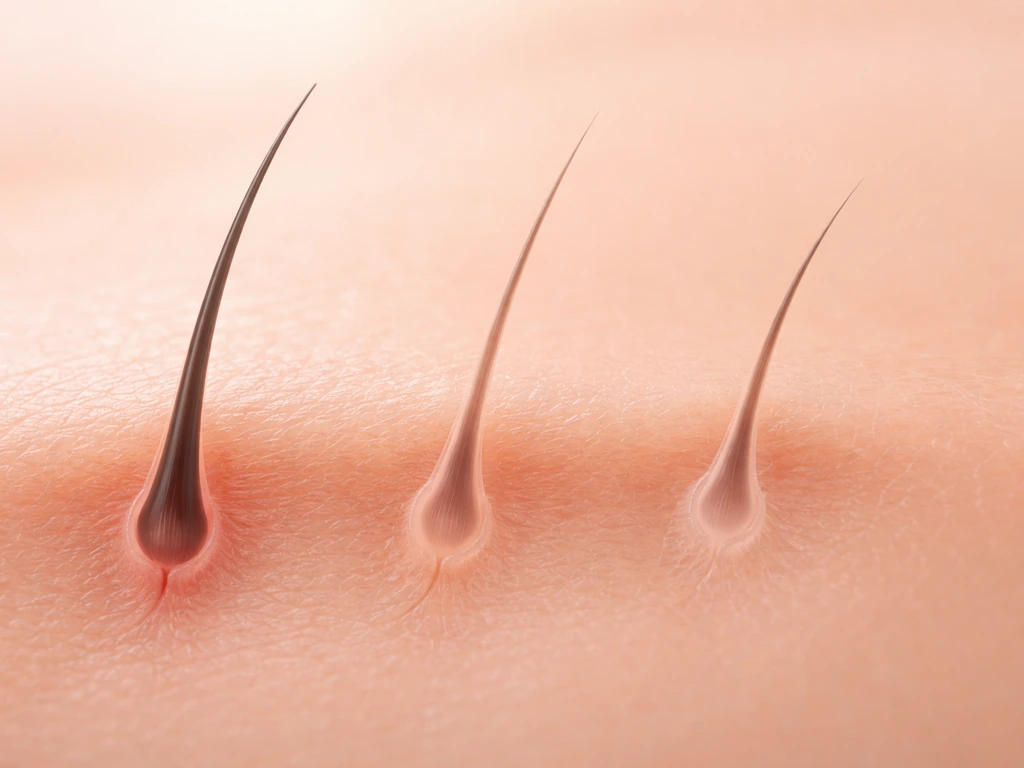
How to Grow Pubic Hair: Timeline, Natural Steps, Safety
Learn how to grow pubic hair naturally with biology, safe routine, realistic week-by-week timelines, and key cautions.
How to Grow Thick Pubic Hair: Practical Steps That Work
Learn how to grow thicker pubic hair with growth-cycle basics, safe grooming, skin care, diet, and troubleshooting.
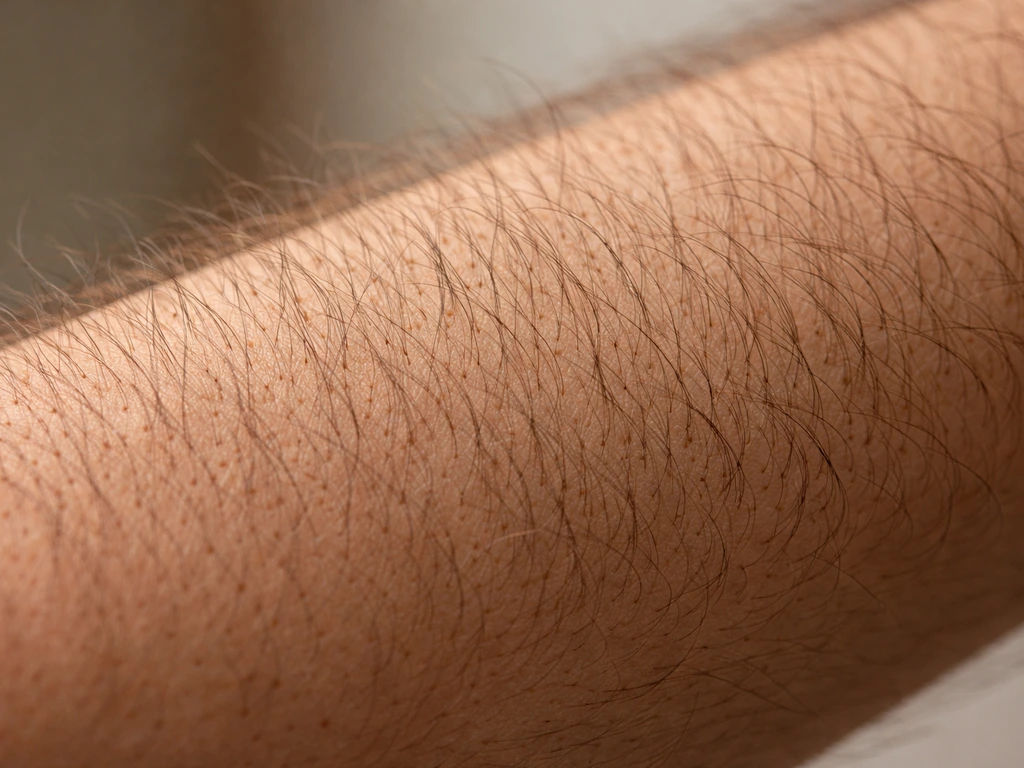
How Can I Grow More Body Hair? Steps That Help Safely
Safe steps to grow thicker, more noticeable body hair: genetics, hormones, diet, topical care, and when to see a doctor.