
The best way to grow long hair comes down to two things working together: supporting your scalp and body so hair actually grows, and protecting the length you already have so it doesn't snap off before it gets there. Most people focus on one or the other and wonder why they're stuck at the same length for years. The honest truth is that hair grows about half an inch (roughly 1.25 cm) per month for most people, which works out to around 6 inches a year. You can't dramatically speed that up, but you absolutely can stop losing ground to breakage, and that's where the real wins happen.
Best Way to Grow Long Hair: Routine, Nutrition, and Fixes

Marcus Holloway
21 May 2026
What to actually expect: timelines and what "long" means
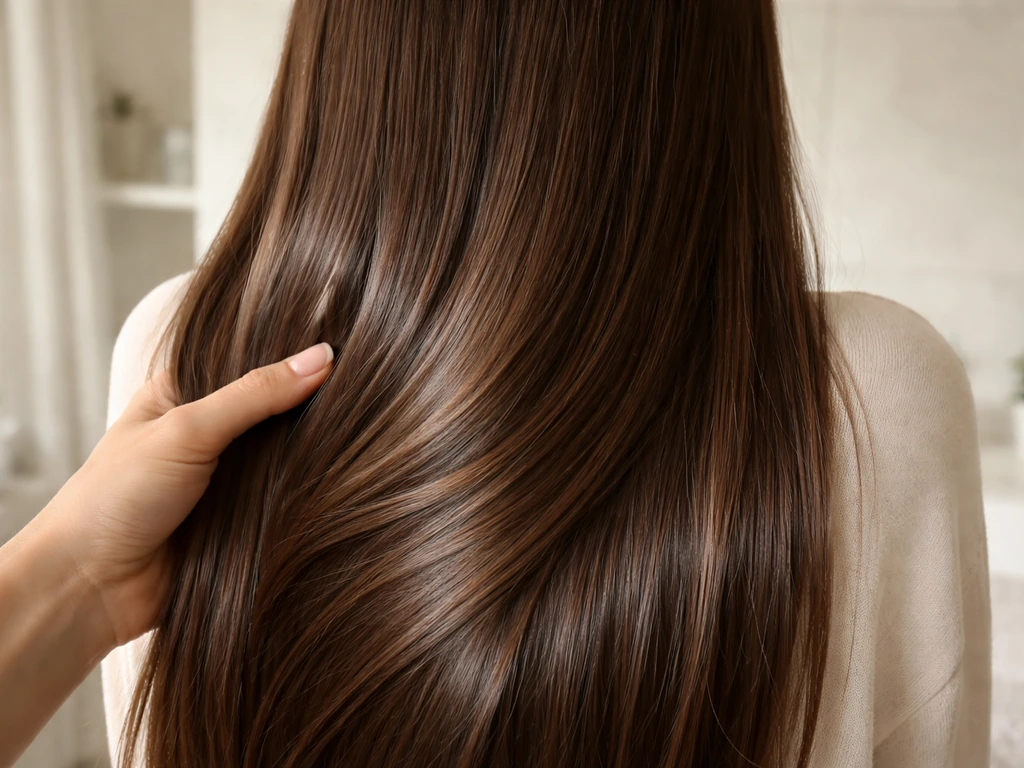
The American Academy of Dermatology puts average scalp hair growth at about 0.5 inch per month, or roughly 6 inches per year. That rate also slows a little as you age, so your personal number might sit slightly below that average. To put it in concrete terms: if you're starting from chin length and want to reach bra-strap length, you're looking at something in the neighborhood of 20 months at an average growth rate, assuming you're also retaining the length you grow. That's not a guarantee, just a realistic model.
"Long" means different things for different people and hair types. Curly and coily hair shrinks significantly when dry, so what looks like shoulder length in a photo might actually be much longer when stretched. Fine hair can look wispy long before it's technically short. Rather than fixating on a single milestone, it helps to pick a realistic checkpoint (say, 3 to 4 inches of new growth in six months) and build from there. If you're also aiming for thickness alongside length, or have a specific hair type like curly or fine hair, some of the strategies below will need a bit of tailoring.
How hair actually grows (and why it stops)
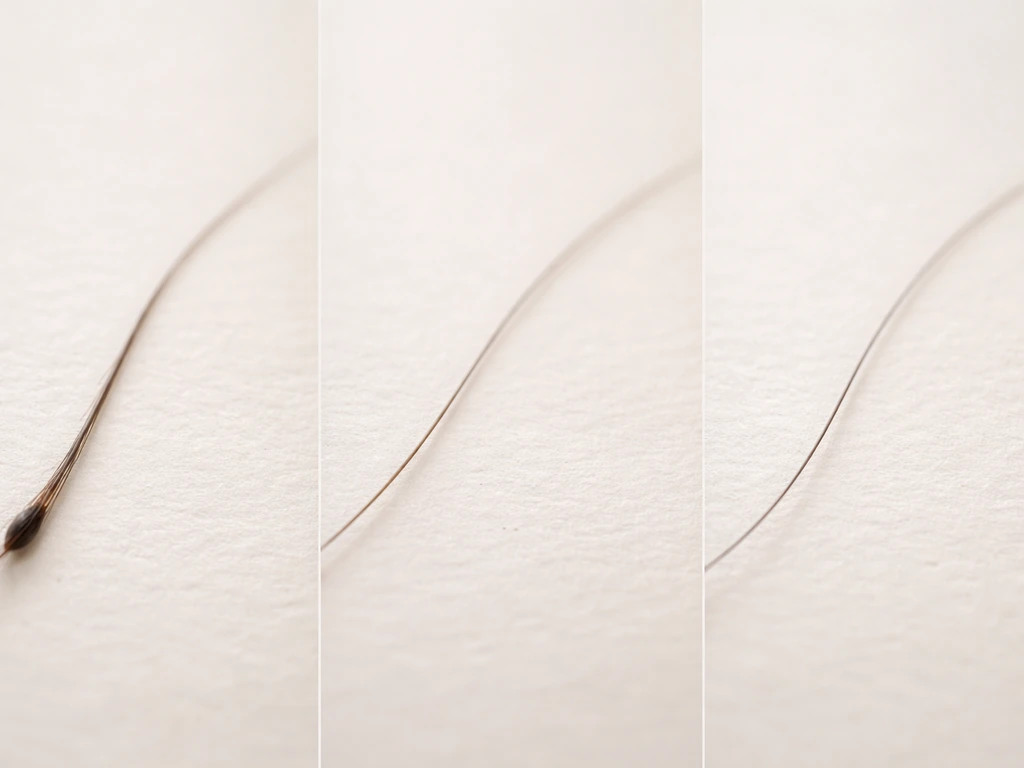
Your hair goes through three phases in a continuous cycle. The anagen phase is when the hair is actively growing, and this is the longest phase, lasting anywhere from two to seven years depending on your genetics. Then comes catagen, a short two-to-four-week transition where the follicle starts to shut down growth. Finally, telogen is the resting and shedding phase, lasting about two to three months, after which the old hair falls out and a new one starts growing in its place.
Here's why hair doesn't grow forever: the length of your anagen phase is largely genetic. When it ends, that strand sheds. So the longest your hair can theoretically get is determined by how long your anagen phase runs, not by how much you want it to grow. The practical upshot is that most people aren't actually hitting their genetic ceiling, they're breaking off length faster than they're growing it. Fixing that is where most of the real progress happens.
One thing worth knowing: if you've been through a major stressor (illness, surgery, a period of severe emotional stress, crash dieting), you might notice heavier-than-normal shedding about two to three months after the fact. This is called telogen effluvium, and it happens because stress pushes more follicles into the telogen phase at once. The shedding can feel alarming but typically resolves within three to six months as your hair cycle normalizes. The key is removing the trigger and being patient.
The daily habits that actually move the needle
Keep your scalp healthy
Think of your scalp the way you'd think of soil for a plant. Healthy follicles need good blood flow, a clean environment, and no chronic inflammation getting in the way. A gentle scalp massage while shampooing, which the AAD specifically recommends, improves circulation and helps remove buildup. You don't need a fancy tool to do this, just your fingertips. Keep it gentle, not aggressive rubbing.
If you're dealing with flaking, itching, or dandruff, address it directly rather than ignoring it. For straight or wavy hair, the AAD suggests using a dandruff shampoo two to three times per week and leaving it on the scalp for a few minutes before rinsing. If your hair is coarse, curly, or coily, you can scale back to about once a week and apply the medicated shampoo to your scalp rather than running it through your lengths, since that reduces the drying effect on your strands. Persistent scalp problems are worth a conversation with a dermatologist, because untreated inflammation can interfere with growth over time.
Wash your hair the right way for your hair type

There's no single correct washing frequency for everyone. Washing too often can dry out your scalp and hair and lead to breakage, but washing too rarely lets buildup accumulate. For most people, somewhere between two and four times per week strikes a reasonable balance. If you have very fine hair that gets oily quickly and becomes frizzy with frequent washing, dry shampoo between washes is a legitimate tool, not a shortcut. Concentrate shampoo on the scalp, not the lengths, and let the rinse water carry any residue down without scrubbing your ends.
Handle your hair gently, every single day
This might be the single biggest length-retention issue for most people. Pulling, tugging, and rough brushing cause mechanical breakage that quietly chips away at your progress. When detangling, start from the ends and work your way up, not the other way around. For naturally curly or textured hair, the AAD advises brushing while wet (when hair is more pliable with conditioner in it) to reduce breakage. For straight hair, brushing dry with a wide-tooth comb or paddle brush before washing tends to work better. If you have tightly curled or textured hair, brush when wet to help reduce the chances of hair breakage, as dermatologists advise blank" rel="noopener noreferrer">brushing dry.
Heat is one of the biggest breakage culprits. The AAD is clear: use the lowest heat setting that does the job, always use a heat protectant, and avoid applying direct heat to already fragile or damaged hair. Tight hairstyles are another underestimated issue. Ponytails, braids, and extensions that pull on the hairline can lead to traction alopecia, which can become permanent if you don't catch it early. The AAD recommends checking your hairline monthly for early signs like miniaturized hairs or receding edges.
What you eat matters more than most people think

Hair is made of protein (keratin), so eating enough protein is a genuine priority, not a fitness-world cliché. If you're undereating calories or severely restricting protein, your body deprioritizes hair growth. Severe nutritional restriction is actually a recognized trigger for telogen effluvium. Most adults aiming for healthy hair should be getting adequate complete protein daily, which means including sources like eggs, poultry, fish, legumes, dairy, or tofu depending on your diet.
Beyond protein, certain specific micronutrient gaps show up consistently in research on hair loss. Iron deficiency, particularly in women, is associated with nonscarring hair loss, and higher ferritin levels appear beneficial for hair retention. Vitamin D deficiency has a meaningful association with non-scarring alopecia in the research, with one meta-analysis finding that people with non-scarring alopecia were about three times more likely to be vitamin D deficient than healthy controls. Zinc deficiency also shows up in research on both telogen effluvium and androgenetic alopecia.
You don't need to obsess over every micronutrient, but if you've been experiencing unexplained shedding or sluggish growth, it's worth asking your doctor to check your ferritin (not just hemoglobin), vitamin D (25-OH), and zinc levels. Eating a genuinely varied diet rich in leafy greens, fatty fish, legumes, nuts, seeds, and whole grains covers most of your bases. Staying well-hydrated is also real: dehydration affects the overall condition and elasticity of your hair, making it more prone to breakage.
| Nutrient | Why it matters for hair | Where to get it |
|---|---|---|
| Protein | Building block of keratin (hair structure) | Eggs, fish, poultry, legumes, tofu, dairy |
| Iron (ferritin) | Associated with nonscarring hair loss in women | Red meat, lentils, spinach, fortified cereals |
| Vitamin D | Linked to hair follicle cycling; deficiency associated with alopecia | Fatty fish, egg yolks, fortified foods, sunlight |
| Zinc | Associated with alopecia and telogen effluvium when deficient | Oysters, pumpkin seeds, beef, chickpeas |
| Biotin (B7) | Widely discussed, but deficiency is rare; helps mainly if deficient | Eggs, nuts, seeds, salmon |
| Omega-3 fatty acids | Supports scalp health and reduces inflammation | Salmon, sardines, flaxseeds, walnuts |
Supplements: what's actually backed by evidence
Supplements are worth discussing honestly, because the marketing around hair growth pills is genuinely out of control. Here's the real picture: supplements are most useful when you have an actual deficiency. If your ferritin is low, iron supplementation makes sense and can help. If you're vitamin D deficient, correcting that is worthwhile. If your zinc is low, supplementing zinc is reasonable. These are situations where the research has a rationale.
Biotin is the supplement most heavily marketed for hair growth, and the evidence just doesn't back up the hype for people who aren't deficient. Multiple systematic reviews have concluded that biotin supplementation doesn't robustly support hair growth in healthy people without a proven deficiency, which is actually quite rare. There's also a practical safety concern: the FDA has warned that high-dose biotin can interfere with certain lab tests, including some cardiac and thyroid panels, which can lead to inaccurate results. If you're taking high-dose biotin, tell your doctor before any bloodwork.
One more important caution: more is not better with fat-soluble vitamins. Vitamin A toxicity is a real thing, and ironically, taking too much vitamin A from supplements can actually cause hair loss alongside other symptoms. Stick to doses at or near the recommended daily amount unless a clinician tells you otherwise.
- Get bloodwork done before starting any hair supplement so you know what you're actually correcting
- Iron, vitamin D, and zinc supplements are most evidence-supported when a deficiency is confirmed
- Biotin supplementation is unlikely to help unless you're genuinely deficient (which is uncommon)
- High-dose biotin can interfere with lab test results, so flag it to your doctor
- Avoid mega-doses of vitamin A, which can paradoxically cause hair loss
- Multi-nutrient "hair growth" blends are worth skepticism; individual targeted supplementation based on your labs is smarter
Topical strategies that protect your length
Conditioner and moisture retention
Conditioner is not optional if you're growing your hair long. The AAD is explicit: conditioner coats strands and reduces both breakage and split ends. Use it every time you shampoo, and focus it on your mid-lengths and ends, which are the oldest and most fragile parts of your hair. Deep conditioning treatments once a week or every two weeks give an extra layer of protection, especially if your hair is curly, coily, color-treated, or regularly heat-styled.
Oils and serums
Hair oils work primarily by smoothing the cuticle and reducing moisture loss, not by penetrating the follicle or stimulating new growth. Lighter oils like argan, jojoba, and grapeseed work well for fine hair without weighing it down. Heavier options like castor oil or coconut oil tend to suit coarser or drier hair types better. Apply a small amount to damp or dry ends, not to your scalp unless your scalp is genuinely dry, since excess oil at the roots can clog follicles over time. Leave-in conditioners and hair serums serve a similar purpose: sealing in moisture and reducing friction and frizz, which both reduce mechanical breakage during styling.
Protective styling and damage control
Protective styles, meaning styles that tuck your ends away and minimize daily manipulation, can genuinely help retain length if done correctly. Loose braids, buns, and twists are good options. The critical caveat is that any style tight enough to pull at your hairline or scalp is doing more harm than good. If your scalp hurts or you see tension at your edges, the style is too tight. Change it immediately, because traction alopecia from repeated pulling can eventually become permanent.
Swap cotton pillowcases for satin or silk if you're finding your hair is knotted and rough every morning. Cotton creates friction as you move in your sleep, which translates to real breakage over time. A satin bonnet or pillowcase is a low-effort, low-cost change with a genuine payoff.
Troubleshooting the most common roadblocks
Breakage and split ends
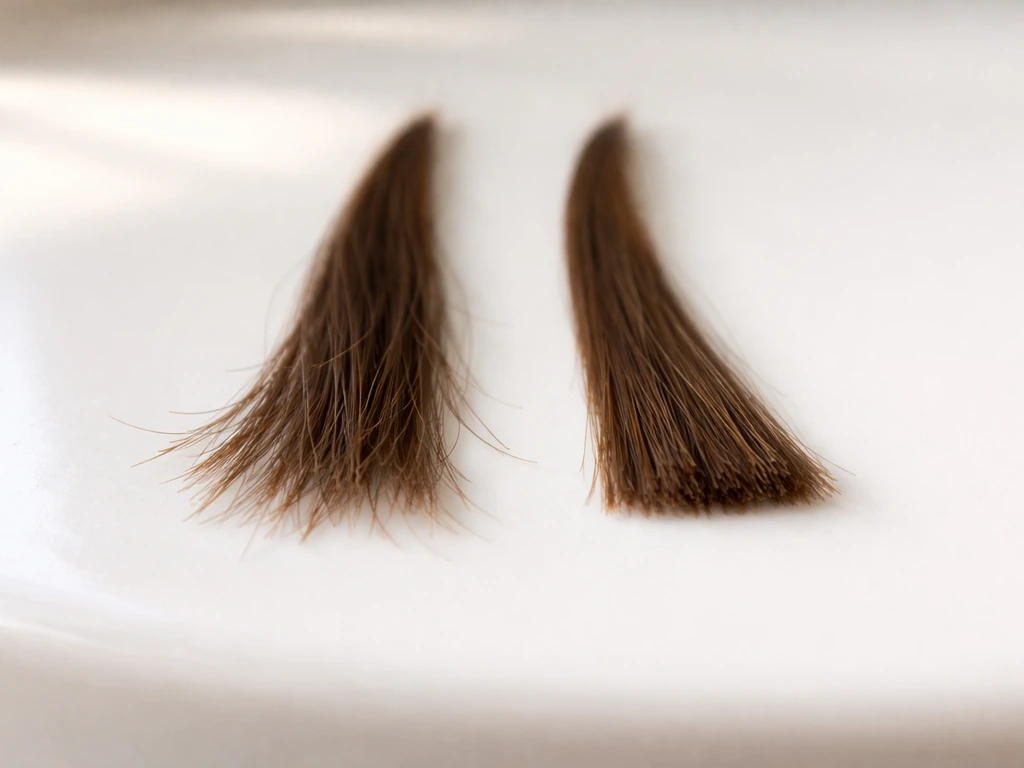
If your hair feels like it's stuck at the same length no matter what, breakage is almost certainly the culprit. Split ends don't heal on their own, they travel up the strand. Trimming regularly (every eight to twelve weeks for most people, or as needed) isn't a myth designed to make you cut off your progress. Done strategically, it removes damage before it travels further, which actually preserves more length over time. Be honest with yourself about heat and chemical processing frequency as well. If you're flat-ironing daily or bleaching frequently, the breakage math is working against you.
Stress, illness, and medication
If you've recently been through a physically or emotionally stressful period and are noticing increased shedding now, you're likely dealing with telogen effluvium. Remember, the shedding appears about two to three months after the actual trigger. The shedding itself can last three to six months. It's genuinely unsettling, but it is usually self-limiting once the underlying stressor resolves. Focus on nutrition, gentle hair care, and stress management, and give it time. If shedding is severe, prolonged beyond six months, or accompanied by patchiness or scalp changes, see a dermatologist.
Certain medications can also contribute to hair shedding or thinning, including some blood thinners, hormonal contraceptives (when starting or stopping), thyroid medications at incorrect doses, and others. If you've recently started or changed a medication and noticed a change in your hair, bring it up with your prescribing doctor rather than just pushing through.
Thinning patterns and when to get help
Diffuse thinning across the top of the scalp, a widening part, or thinning at the temples can point to androgenetic alopecia (pattern hair loss), which has its own treatment path and responds differently than telogen effluvium. A dermatologist can look at your pattern, check relevant labs, and give you an actual diagnosis rather than leaving you guessing. There are evidence-based prescription and over-the-counter options for pattern hair loss that go beyond what lifestyle changes alone can address, and the earlier you start, the better the outcomes tend to be.
Hair type considerations
Curly and coily hair types tend to be more prone to dryness and breakage because the natural sebum from the scalp has a harder time traveling down a coiled strand. This means moisture retention strategies matter even more: deep conditioning, the LOC (liquid, oil, cream) or similar layering methods, and minimal heat use pay off considerably. Fine hair needs lighter products that don't weigh strands down and benefits from volume-supportive techniques that avoid mechanical stress.
If you're wondering how to grow fine hair long, focus especially on lighter, weightless products and damage control so your strands do not break as they get longer. If you're navigating curly or fine hair specifically, the approach to growing it long shifts in some meaningful ways.
Putting it together: your practical starting routine
There's no magic product or shortcut, but there is a reliable framework. If you want to know how to grow hair long and healthy, start with the fundamentals and stay consistent. Support your scalp with gentle cleansing and regular massage. Eat enough protein and get your iron, vitamin D, and zinc checked if growth has stalled or shedding has increased.
If you want to know how do i grow long hair, focus on the basics first, then adjust based on what your scalp and body are signaling Eat enough protein and get your iron, vitamin D, and zinc checked. Use conditioner every wash and a light oil or leave-in on your ends daily. Handle your hair gently, use heat sparingly with a protectant, and avoid styles that pull. Trim when you see damage.
And give it real time: six months of consistent habits is when you'll start to see the cumulative difference, not six weeks. If you want a fuller guide on how to grow hair long and thick, focus on both growth support and breakage prevention with consistent scalp, nutrition, and gentle styling habits.
The people who successfully grow long, healthy hair aren't doing anything exotic. They're just consistent with the fundamentals over a long enough period. A simple way to do that is to follow a step-by-step routine for how to grow hair long and thick. Start with the changes that address your biggest current weak points, whether that's breakage, nutrition, or scalp health, and build from there.
FAQ
If hair grows about 0.5 inch per month, why doesn’t mine actually get longer?
Most people with “stalled” length are losing ground to breakage. Check your ends for split or rough spots, review how often you apply heat or chemical treatments, and consider whether detangling starts at the ends. If you only focus on growth but your strands are snapping, length won’t move even if growth is normal.
How long should I stick to a routine before judging results?
Give it at least 4 to 6 months before concluding it’s not working, because breakage control and shedding cycles take time. You can set a shorter internal checkpoint by tracking new growth at the roots, but expect the visible length difference to lag behind growth by the amount of damage you’re preventing.
Should I trim more often if my ends keep splitting?
If you repeatedly see splits, trimming isn’t “starting over,” it’s stopping damage from traveling up the strand. Many people do better with trims every 8 to 12 weeks, but the right interval depends on heat, coloring, and how rough detangling is. If you delay trims, the split can keep migrating and widen the amount you have to cut later.
Do I need to oil my scalp to help my hair grow faster?
Usually, no. Oils primarily reduce friction and help seal moisture on the hair shaft, they do not meaningfully stimulate the follicle to grow faster. Keep most oil on damp or dry ends, and only apply to the scalp if your scalp is dry and you are not prone to clogged pores.
Is it okay to wash daily if I have oily roots?
Daily washing can work for some people, but it often increases breakage risk if the lengths dry out. A better approach is adjusting shampoo type and technique, use shampoo on the scalp, rinse well, condition every wash, and if needed use a gentle dry shampoo between washes to reduce oil without over-drying.
What’s a simple way to detangle without causing extra breakage?
Use conditioner (or a detangling product) and work slowly from the ends upward in small sections. If your hair is very tangled, forcing it in one pass increases snapping. The goal is fewer, gentler sessions until the comb moves through easily.
Can tight hairstyles really cause long-term hair loss?
Yes. Repeated tension at the hairline can lead to traction alopecia, which may become permanent if ignored. Practical rule: if your scalp hurts, you see edge thinning, or your hairline looks different after removing the style, loosen it immediately and consider switching to lower-tension protective styles.
How do I know whether my shedding is telogen effluvium versus pattern hair loss?
Telogen effluvium typically causes more diffuse shedding and often starts a few months after a trigger like illness, surgery, severe stress, or crash dieting. Pattern hair loss usually shows gradual thinning in a more specific distribution (widening part, temples). If thinning is progressing beyond 6 months, has patchiness, or you’re unsure, a dermatologist can confirm with exam and labs.
Which bloodwork actually matters if my hair growth is slow?
If you have unexplained shedding or stalled growth, ask about ferritin (not just hemoglobin), vitamin D (25-OH), and zinc. These help identify deficiencies that can worsen shedding or retention, and they guide whether supplementation is useful rather than guesswork.
Should I take biotin or “hair growth” supplements to speed things up?
Only if you have a proven deficiency or a clinician recommends it. In otherwise healthy people, biotin is unlikely to improve growth and high doses can interfere with certain lab tests. If you do take it, tell your doctor before any bloodwork.
When heat styling, what’s the safest way to reduce damage?
Use the lowest temperature that achieves the style, apply heat protectant every time, and avoid directing high heat onto already fragile or freshly chemically treated hair. Also separate “styling frequency” from “drying frequency,” air-drying first when possible reduces cumulative heat exposure.
What changes should I make first if my hair is curly or fine?
Curly or coily hair usually needs extra moisture retention and gentler handling, so prioritize deep conditioning and reduce heat while using layering (oil and cream) to keep ends from drying and snapping. Fine hair often benefits from lighter, volume-friendly products and strict damage control so it does not break before it can look longer.
Next Articles
How to Grow Long Hair for Curly Hair: Healthy Tips
Step-by-step guide to grow long, healthy curly hair with less breakage, proper care routines, and realistic timelines.

How to Grow Hair Long and Healthy: Step-by-Step Guide
Step-by-step plan to grow hair long and healthy: scalp care, breakage control, nutrition, safe supplements, and troubles
How to Grow Hair Long and Thick: A Step-by-Step Plan
Step-by-step plan to grow longer, thicker hair with nutrition, scalp care, safe topicals, and less breakage.