
Growing long hair comes down to two things working together: keeping your scalp healthy enough to support active growth, and holding onto every centimeter you grow by preventing breakage. Most people can expect roughly 1 cm of new growth per month, which means a serious length journey takes patience measured in years, not weeks. But the good news is that a consistent, science-backed routine really does move the needle, whether you're starting from a pixie cut, dealing with thinning, or just trying to push past a plateau that's frustrating you.
How 2 Grow Long Hair: A Complete Evidence-Based Guide

Marcus Holloway
15 Jul 2026
Who this guide is for
This guide is for anyone who wants longer, healthier hair and wants to understand why certain strategies actually work. That includes people with straight, wavy, curly, or coily hair; men and women at any life stage; and people dealing with anything from normal, slow growth to noticeable thinning or shedding. It's also for people who've been overwhelmed by conflicting advice online and want one organized, honest plan. You'll find biology, daily routines, nutrition, topical and medical options, home remedies, and practical timelines, all in one place. The phrase 'how 2 grow long hair' might sound casual, but the answer to it is genuinely layered, and that's exactly what this guide covers. If you're searching for who to grow long hair, this guide gives practical, step-by-step advice.
How hair actually grows
Every strand on your scalp is cycling through four phases: anagen (active growth), catagen (a brief regression phase), telogen (resting), and exogen (shedding). The anagen phase is the one that matters most for length. While it's active, your follicle is producing the hair shaft, and that phase can last anywhere from two to seven years depending on your genetics. When anagen ends, growth stops and the hair sits in the follicle for a few months before it sheds. This is why losing 50 to 100 hairs a day is normal and not a sign of a problem.
The biology behind anagen duration involves signaling pathways like Wnt/beta-catenin, IGF-1, and VEGF, which regulate the conversation between the cells at the base of the follicle. You don't need to memorize those names, but understanding that follicle health and scalp blood flow influence these signals helps explain why scalp massage, nutrition, and certain topical treatments can genuinely affect growth. The instantaneous rate of linear hair growth averages about 1 cm per month, with a documented range of roughly 0.6 to 3.4 cm per month across individuals. Age, sex, and hair type all influence where you fall in that range. Terminal length, meaning the longest your hair can get before it naturally sheds, is determined almost entirely by how long your anagen phase lasts, not by how fast each strand grows.
Realistic growth timelines
| Time frame | Expected growth (avg. 1 cm/month) | What you'll likely notice |
|---|---|---|
| 3 months | ~3 cm (just over 1 inch) | Visible new growth near roots; slight increase in density |
| 6 months | ~6 cm (~2.5 inches) | Meaningful length gain; routine improvements show real results |
| 12 months | ~12 cm (~5 inches) | Significant length change; styling options expand noticeably |
| 24 months | ~24 cm (~9–10 inches) | Major transformation possible if breakage is well controlled |
| 36 months | ~36 cm (~14 inches) | Near waist-length from shoulder length for many people |
These numbers assume average growth and minimal breakage. If your hair breaks at the same rate it grows, your length stays stuck. That's why retention is just as important as the growth rate itself, and why a lot of this guide focuses on protecting the length you already have.
Setting goals and tracking your progress
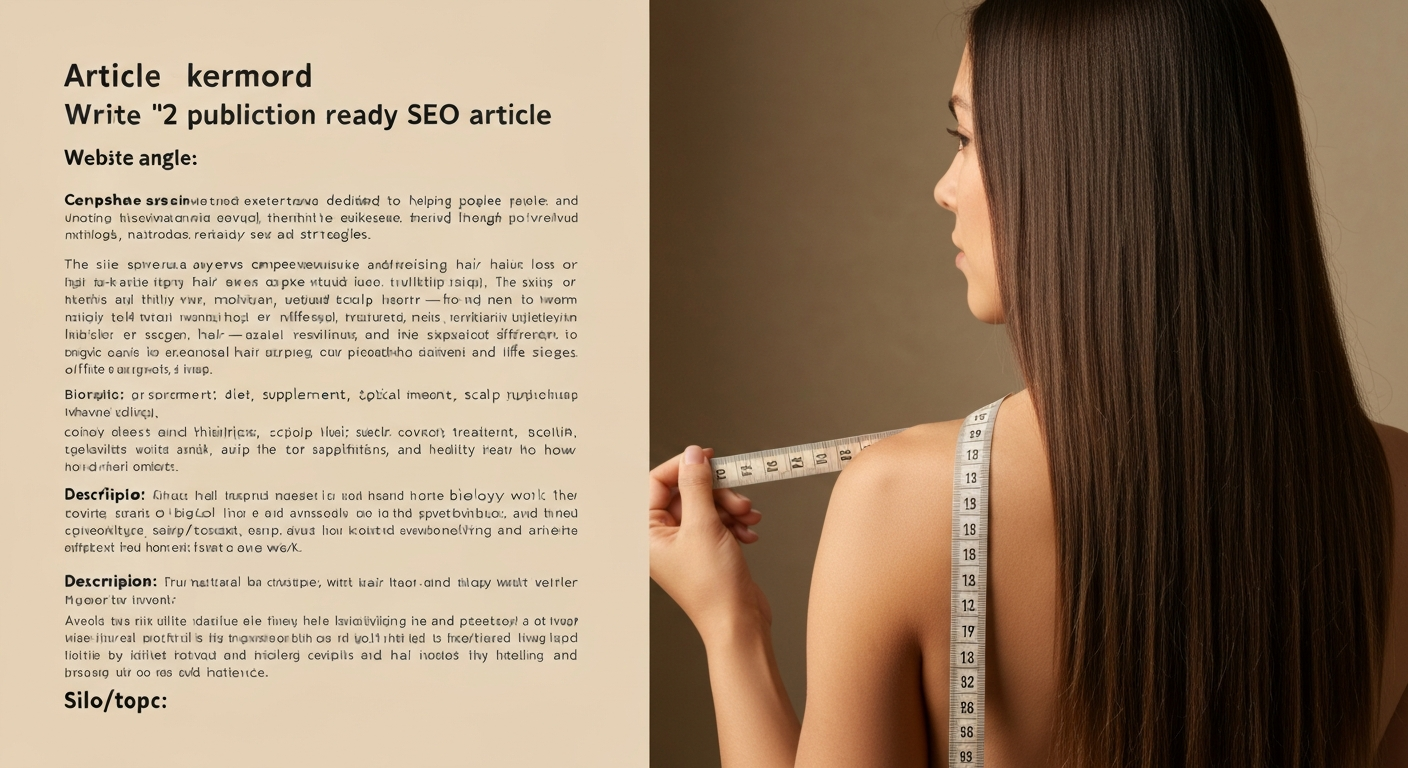
One of the most discouraging things about growing hair is that it feels invisible on a day-to-day basis. A simple tracking system fixes that. Every four weeks, take a photo from the same angle, in the same lighting, against a plain background or with a measuring tape held beside your hair. A flat tape measure against the back of your head from root to tip gives you a reliable number. I also recommend tracking with a specific reference point, like whether your hair reaches your chin, collarbone, armpit, or bra strap, because those landmarks are easy to notice and celebrate.
Set a 3-month goal first, not a 12-month one. The 3-month mark gives you a realistic check-in to assess whether your routine is working and whether you need to troubleshoot breakage, shedding, or a nutritional gap. After three months of consistent effort, you'll have real data on how your scalp and hair are responding, and you can adjust from there. Expecting dramatic changes before then leads to frustration and abandonment of routines that actually would have worked with more time.
Your daily scalp and hair-care routine for growth
A daily routine for length retention doesn't have to be complicated. The core principles are keeping your scalp clean and stimulated, keeping your strands moisturized and protected, and minimizing any mechanical or thermal damage. Here's how that breaks down across the week:
- Every day: Handle hair gently. Use a silk or satin pillowcase to reduce friction overnight. Avoid tight elastics with metal clasps. If you tie your hair up, use a loose style.
- Every day: Apply a leave-in conditioner or lightweight hair oil to your ends (not your scalp) if your hair is dry or prone to breakage.
- 2 to 4 times per week: Scalp massage for 3 to 5 minutes, using your fingertips or a silicone scalp massager. This improves blood flow and has some randomized evidence behind it.
- Wash day (1 to 3 times per week depending on hair type): Cleanse with a sulfate-free or gentle sulfate shampoo, condition mid-lengths to ends, and use a detangling technique appropriate for your hair type (covered in the next section).
- Weekly: Deep condition or use a protein treatment depending on what your hair needs (more on moisture-protein balance below).
- Monthly: Assess your ends and trim if needed according to your trimming strategy.
Nutrition for hair growth
Hair is made of keratin, a protein, and its production requires a steady supply of specific nutrients. Iron deficiency is one of the most documented nutritional links to hair shedding, particularly in women. Several systematic reviews have found lower mean serum ferritin levels in women with nonscarring alopecia and telogen effluvium compared to controls. If you're shedding heavily, it's worth asking your doctor for a ferritin test. Many clinicians aim to keep ferritin above 40 to 70 micrograms per liter for hair health, though exact cutoffs are still debated.
Other nutrients worth knowing about: biotin deficiency is genuinely rare in well-nourished adults, and most biotin supplement claims are overstated, but adequate intake matters. Vitamin D, zinc, and protein are all involved in follicle function. Omega-3 fatty acids (from oily fish, flaxseed, or supplements) support scalp and skin health, though evidence for direct hair growth effects is modest. The most reliable strategy is to eat a varied, protein-adequate diet and test for deficiencies before supplementing aggressively. Random high-dose supplementation without confirmed deficiency is unlikely to speed growth and may cause other problems.
| Nutrient | Role in hair health | Best food sources | When to supplement |
|---|---|---|---|
| Iron (ferritin) | Supports oxygen delivery to follicles; deficiency linked to shedding | Red meat, lentils, spinach, fortified cereals | Only after blood test confirms low ferritin |
| Protein | Hair shaft is made of keratin (protein) | Eggs, fish, legumes, dairy, poultry | Rarely needed if diet includes animal or mixed plant proteins |
| Vitamin D | Involved in follicle cycling | Fatty fish, egg yolks, sunlight, fortified foods | If blood test shows deficiency (very common in many populations) |
| Zinc | Supports follicle repair and oil gland function | Oysters, beef, pumpkin seeds, chickpeas | If deficiency suspected; excessive zinc can cause hair loss |
| Omega-3s | Anti-inflammatory; supports scalp health | Salmon, mackerel, flaxseed, walnuts | Fish oil supplements are a reasonable option for low fish intake |
| Biotin | Involved in keratin synthesis | Eggs, nuts, seeds, liver | Only if genuine deficiency; most adults get enough from food |
Scalp health and stimulation
A healthy scalp is the foundation of everything. Think of it as the soil your hair grows from. A scalp that's clogged with product buildup, inflamed from dandruff, or receiving poor circulation is going to support weaker, slower growth. Regular cleansing removes sebum, sweat, and product residue that can block follicles. If you tend toward scalp buildup, a gentle clarifying shampoo used once a month helps. For persistent dandruff or seborrheic dermatitis, an antifungal shampoo containing ketoconazole or zinc pyrithione is clinically supported and available over the counter.
Scalp exfoliation, either physical (using a scalp scrub or silicone brush) or chemical (using a diluted salicylic acid product), can help with flaking and buildup. Be gentle: you're removing dead skin cells, not scrubbing aggressively. Physical exfoliation once a week is enough for most people. Avoid it altogether if you have open sores, active psoriasis, or a very sensitive scalp.
Scalp massage is one of the most accessible and evidence-supported habits you can build. A small randomized study found that a 4-minute daily scalp massage over 24 weeks was associated with increased hair thickness, which researchers linked to improved gene expression in dermal papilla cells (the cells at the base of the follicle). It doesn't take much: use your fingertips in circular motions starting at the temples, moving toward the crown, for 3 to 5 minutes a few times a week. You can do it dry, or with a few drops of an oil like rosemary or peppermint diluted in a carrier oil. Rosemary oil in particular has one small randomized trial showing it performed comparably to 2% minoxidil over 6 months for androgenetic alopecia, though larger trials are needed to confirm this.
Topical and medical treatments for growth
If you're dealing with pattern hair loss or significant thinning, over-the-counter and prescription treatments are worth knowing about. Topical minoxidil is the most studied first-line option. Multiple randomized trials show that 5% minoxidil (foam or solution) produces significantly greater increases in non-vellus hair count compared to 2% formulations or placebo, with objective improvements measurable around 12 weeks and larger gains by 24 weeks. Important caveat: gains are lost within 12 to 24 weeks of stopping treatment. This is a maintenance medication, not a one-time fix. The 5% foam once daily or 5% solution twice daily are the commonly used protocols, and clinical guidelines recommend it as first-line for both men and women with androgenetic alopecia.
Oral finasteride 1 mg per day is FDA-approved for male pattern hair loss and works by reducing the conversion of testosterone to DHT (the hormone that shrinks follicles in pattern loss). It's effective at slowing progression and increasing hair count in men. It is contraindicated in women who are or may become pregnant due to risk of fetal developmental abnormalities. Sexual side effects and PSA changes are documented in trial data and prescribing information, so this is a decision to make with a doctor. Low-dose oral minoxidil (as low as 0.25 mg to 2.5 mg daily for women, up to 5 mg for men in some protocols) is a newer option with emerging systematic review evidence showing hair-count gains in non-scarring alopecias. It requires physician supervision due to cardiovascular effects, hypertrichosis risk, and fluid retention.
For people who want procedural options, platelet-rich plasma (PRP) injections involve drawing your own blood, concentrating the platelets, and injecting them into the scalp to stimulate follicle activity. Multiple randomized trials and meta-analyses show statistically significant hair density increases versus control at 3 to 6 months, typically with 3 to 6 monthly sessions. The catch is that preparation methods, platelet concentrations, and injection protocols vary widely across clinics, making it hard to standardize results. It's a legitimate option but one to pursue under a dermatologist's guidance, not a beauty-spa upsell. Microneedling as an adjunct to topical minoxidil also has randomized evidence showing better outcomes than minoxidil alone, likely because micro-channels in the scalp improve minoxidil absorption and trigger wound-healing signals.
When should you see a dermatologist? If you're losing more than 150 hairs a day consistently, seeing patchy or rapidly worsening loss, noticing scalp pain or scarring, or have been using over-the-counter treatments for six months with no response. A dermatologist can use trichoscopy (dermoscopy of the scalp), pull tests, and targeted blood work (TSH, ferritin, CBC) to get an accurate diagnosis. For complex cases, a scalp biopsy using two 4mm punch samples processed for transverse and vertical sectioning is the gold standard for distinguishing non-scarring from scarring alopecia. Best practice often uses two 4‑mm punch biopsies (one for transverse/horizontal sectioning and one for vertical), because horizontal/transverse sections better quantify follicular counts and miniaturization in non‑scarring alopecias while vertical sections better show interface changes in scarring alopecias.
Cleansing, detangling, and drying by hair type
How you wash and dry your hair causes more breakage than most people realize, and the right technique depends heavily on your hair type. Straight and fine hair is typically washed more frequently (every 1 to 2 days for oily scalps, or every 2 to 3 days), handles lightweight products well, and is relatively resilient to mechanical damage when wet. Wavy and medium hair can usually go 2 to 4 days between washes, benefits from a detangling conditioner, and should be combed starting from the ends upward to avoid snapping mid-shaft. Curly and coily hair retains moisture poorly and is most prone to mechanical breakage, so washing once a week with a moisturizing shampoo, deep conditioning every wash, and using a wide-tooth comb or finger-detangling while conditioner is still in the hair will make a significant difference.
Drying technique matters as much as washing. Vigorous towel rubbing creates friction that roughens the cuticle and causes breakage, especially on wavy and curly hair. Use a microfiber towel or a clean cotton T-shirt to gently press and scrunch water out. When using a blow dryer, use the lowest heat setting that gets the job done, keep it at least 15 cm from your scalp, and always use a heat protectant product before any direct heat. Air drying is the gentlest option but leaving hair soaking wet for extended periods while it rubs against clothing or a pillow creates its own friction issues, so semi-dry before bed or use a silk pillowcase.
Damage prevention and protective styling
This is where most long-hair journeys either succeed or stall. You can grow perfectly well from a biological standpoint and still see no length gain because breakage is keeping pace with growth. The biggest culprits are heat styling, chemical processing, tight hairstyles, and mechanical friction. Managing these doesn't mean never using heat or color, it means being strategic about it.
Heat tools cause cumulative damage to the hair's protein structure. If you flat iron or curl your hair regularly, a quality heat protectant (silicone-based for straight styles, lighter spray for curly textures) and keeping iron temperatures below 180 degrees Celsius (365 Fahrenheit) for most hair types will significantly reduce breakage. Coily and fine hair should stay below 160 degrees Celsius. Chemical processing (bleach, perms, relaxers) raises or disrupts the cuticle and weakens the cortex. If you're in active growth mode, spacing chemical services further apart and doing bond-building treatments (like olaplex or similar) during processing is worth the cost.
Protective styles like braids, twists, buns, and tucked-away styles reduce daily manipulation and exposure to friction. They work best when they're not too tight (tension at the hairline causes traction alopecia over time), kept clean and moisturized under wraps, and not left in for more than 6 to 8 weeks without refreshing. If you're interested in achieving a long mane look or a textured, shaggy style, protective styling in the growth phase is an effective way to reach the length you need to work with.
Moisture, protein, and your hair's balance
Healthy hair needs both moisture and protein in balance. Too much protein without moisture makes hair stiff and brittle; too much moisture without structural protein support leaves hair limp and prone to stretching and snapping. If your hair feels gummy when wet and breaks easily when dry, it likely needs more protein. If it feels dry and rough but snaps without stretching at all, it needs moisture. A weekly deep conditioner addresses moisture; a monthly protein treatment or protein-enriched conditioner addresses the structural side. Pay attention to how your hair responds and adjust the frequency from there.
Trimming strategy and split-end management
The old advice to 'trim every 6 weeks to make it grow faster' is a myth. Trimming doesn't affect your follicles or growth rate at all. What it does is prevent split ends from traveling up the shaft and causing more breakage, which would otherwise cost you more length than the trim itself. Think of it as damage control, not a growth accelerator.
How often you need to trim depends on how well you protect your ends. If you minimize heat, sleep on silk, and keep your ends moisturized, you might only need a dusting (trimming just a few millimeters to remove visible splits) every 3 to 4 months. If you use heat regularly, color your hair, or have very fine strands, every 8 to 10 weeks might be more appropriate. The goal is never to cut more than you've grown in that period. If your stylist keeps cutting off significant length at every visit, communicate clearly that you want just the split ends removed, not a shape-up. Learning to search-and-destroy at home, snipping individual split ends with sharp hair scissors, is also a useful skill between formal trims.
Split ends can't be permanently repaired by any product, regardless of marketing claims. Serums and conditioners can temporarily smooth the cuticle and make ends look and feel better, but the only permanent fix is removing the damaged section. Catching splits early with small, frequent dustings is always better than letting them travel and forcing a larger cut later.
Home remedies: what the science actually says
There's a huge amount of noise around DIY hair growth treatments, so here's an honest breakdown. Castor oil is deeply popular but lacks clinical evidence for growth stimulation; it does help with sealing moisture into ends, which aids retention. Onion juice applied to the scalp has one small randomized study showing improved regrowth in alopecia areata patients, likely due to its sulfur content and antioxidant effects, but it's not tested in androgenetic alopecia and the smell is significant. Rosemary oil, as mentioned earlier, has one trial comparing it to 2% minoxidil with comparable results, but it's not as well-studied as pharmaceutical options and larger trials are needed. Peppermint oil increased hair growth in one animal study and is thought to work through improved blood flow, but human trial data is limited. These home remedies are low-risk when used properly (always diluted in a carrier oil for direct scalp application) and may offer modest benefit, but they're not substitutes for addressing a real deficiency or clinical hair loss condition.
Troubleshooting common growth problems
- Hair grows but never seems to get longer: The likely culprit is breakage at the ends matching your growth rate. Focus on moisture, a satin pillowcase, gentler detangling, and reducing heat.
- Heavy shedding starting 2 to 3 months after a stressful event, illness, surgery, or dramatic diet change: This is likely telogen effluvium, where stress pushes follicles prematurely into the resting phase. It typically resolves over several months once the trigger is gone, but bloodwork to rule out iron deficiency or thyroid issues is worthwhile.
- Thinning specifically at the temples, crown, or part line: This pattern strongly suggests androgenetic alopecia. See a dermatologist; topical minoxidil is the evidence-based first step.
- Scalp is itchy, flaky, or red: Address the scalp condition first with antifungal or medicated shampoos before focusing on length. An inflamed scalp cannot support optimal growth.
- Hair breaks at ear length every time and never grows past it: This is a common 'terminal length plateau' that usually comes from cumulative mid-shaft damage rather than a biological ceiling. Protective styles and a strict low-manipulation routine for 3 to 6 months can often break through it.
- Hair is growing but looks dull and feels rough: This is usually a moisture-protein imbalance or excessive mineral buildup from hard water. A chelating shampoo once a month and a moisturizing deep conditioner weekly helps significantly.
Your 3-month and 12-month action plan
Month 1 to 3: Build the foundation
- Take a baseline photo and length measurement on day one.
- Start a daily scalp massage habit (3 to 5 minutes, 4 to 5 days per week).
- Switch to a sulfate-free shampoo and add a rinse-out conditioner every wash if you aren't already.
- Start sleeping on a satin or silk pillowcase.
- Get blood work done if you suspect nutritional gaps: ferritin, vitamin D, TSH as a minimum.
- Eliminate or significantly reduce direct heat tools; use a heat protectant every single time when you do use them.
- Assess your trimming needs: get a dusting if your ends are already damaged.
- At 12 weeks, take a progress photo and measure again.
Month 4 to 12: Optimize and maintain
- If shedding or thinning persists after addressing nutrition, consult a dermatologist and discuss topical minoxidil.
- Introduce a protective style rotation if you haven't already: buns, braids, or twists 3 to 4 days a week.
- Continue scalp massage; consider adding a diluted rosemary oil blend if desired.
- Reassess your moisture-protein balance based on how your hair feels and adjust deep conditioning and protein treatment frequency.
- Do a dusting (not a full cut) every 10 to 12 weeks if your ends are well-maintained, or every 8 weeks if using regular heat.
- Take monthly photos to track progress and stay motivated.
- At 6 months and 12 months, do a full reassessment: length gained, breakage level, scalp condition, and any ongoing concerns.
Putting it all together
Growing long hair is genuinely achievable for most people, but it requires a shift in mindset from 'what product will make my hair grow' to 'how do I create conditions where my hair can grow and stay.' The biology is mostly on your side already: your follicles are programmed to grow. Your job is to give them the right environment (a healthy, stimulated scalp), the right raw materials (adequate nutrition), and the right protection (low manipulation, minimal heat, consistent moisture) so that each centimeter grown actually stays on your head. For practical tips on improving surface shine and luster, see a focused guide on how to grow shiny hair. For step-by-step styling and maintenance tips specific to shaggy long hair, see how to grow long shaggy hair. If you're also dealing with pattern loss or significant thinning, evidence-based treatments like minoxidil exist and work when used correctly and consistently. Network meta-analyses of non‑surgical AGA treatments (minoxidil, finasteride, dutasteride, PRP, LLLT) show measurable hair‑count benefits versus placebo, though comparative rankings differ across analyses and are limited by trial heterogeneity and few head‑to‑head RCTs. The journey to long hair takes time, there's no honest way around that, but with the right habits running consistently, the progress compounds. Track it, adjust it, and give it the months it deserves. For a practical, step-by-step routine focused on both length and shine, see how to grow long and shiny hair.
FAQ
How fast does hair actually grow and how long will it take to see results if I start a growth plan now?
Average scalp hair grows about 1 cm (≈0.4 in) per month (range ~0.6–3.4 cm). Visible improvements in hair density or reduced shedding often appear by ~3 months; meaningful increases in length and fuller terminal hair take 6–12 months or longer depending on your anagen phase duration. Individual variability (age, sex, genetics, ethnicity, health) means timelines differ—be patient and track progress with photos every 4–8 weeks.
What daily care routine best supports growth and retention of long, healthy hair?
Focus on scalp health, preventing breakage, and gentle styling: wash with a mild shampoo as needed for your scalp oiliness; condition mid-lengths to ends; avoid daily high‑heat styling and use heat protectant when needed; detangle wet hair gently with a wide-tooth comb; sleep on a silk/satin pillowcase or use a loose protective style; minimize chemical processing and tight hairstyles; use elastic bands that don’t snag. Regularly moisturize ends, balance protein and moisture (see protein treatments monthly or as needed), and protect hair from sun and chlorinated water.
Which nutrients and lab tests matter most for people losing hair or wanting to grow longer hair?
Key tests: ferritin (iron stores), TSH (thyroid function), CBC for anemia, and vitamin D where clinically indicated. Many studies show lower ferritin in women with nonscarring hair loss; correct iron deficiency per clinical guidance. Evidence supports addressing frank deficiencies rather than routine high-dose supplementation. Common supportive nutrients: adequate protein, iron if deficient, vitamin D if deficient, omega‑3s and general multivitamin for gaps. Biotin helps only with documented biotin deficiency; excess biotin can interfere with lab tests. Discuss testing and dosing with your clinician.
What topical and medical treatments are proven to help hair growth and when should I use them?
Topical minoxidil (5% for many adults; foam once daily or solution once/twice daily per product directions) is first-line for androgenetic (pattern) hair loss in both sexes—benefits typically appear by ~12 weeks and increase through 24+ weeks; continued use is required to maintain gains. For men with AGA, oral finasteride 1 mg/day is effective but contraindicated in women who may become pregnant and has potential sexual and lab effects—use under physician supervision. Low‑dose oral minoxidil is an emerging option for select patients and requires medical monitoring. See a dermatologist for diagnostic uncertainty, scarring alopecia, rapid progression, or lack of response to first-line therapy.
Do procedures like PRP or microneedling work for hair growth?
Evidence supports PRP producing statistically significant increases in hair density versus control in multiple trials and meta-analyses, but protocols (platelet concentration, activation, session number) vary—commonly 3–6 sessions monthly. Microneedling used with topical treatments (eg, 5% minoxidil) has RCT evidence of added benefit; needling depths and schedules differ across studies. Both can help some patients, but expect variable results and consult a dermatologist to discuss realistic outcomes, costs, and protocols.
What home remedies are supported by science and which are myths or unproven?
Oils (coconut, argan, jojoba) can reduce breakage by improving hair lubrication and shine but do not change growth rate. Onion juice has small trials suggesting benefit for patchy alopecia areata but is messy and not universally helpful. Microneedling (home derma rollers) can be risky without proper technique; clinic-based microneedling has better evidence. Many touted remedies (extreme vitamin megadoses, topical herbs claimed to 'boost follicles') lack high‑quality evidence—prioritize proven interventions and treat home remedies as adjuncts for hair quality rather than primary treatments.
Next Articles
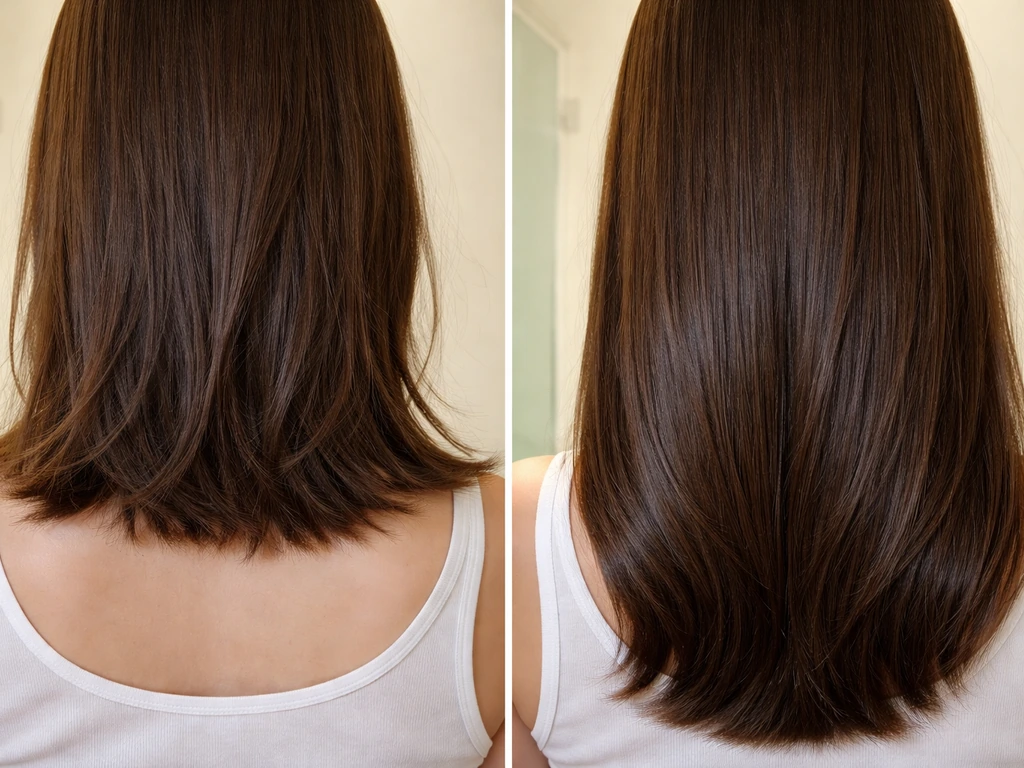
Tips on How to Grow Your Hair Out: A Step by Step Guide
Step-by-step tips to grow hair out: stop breakage, build scalp routine, nutrition, safe actives, and track progress.
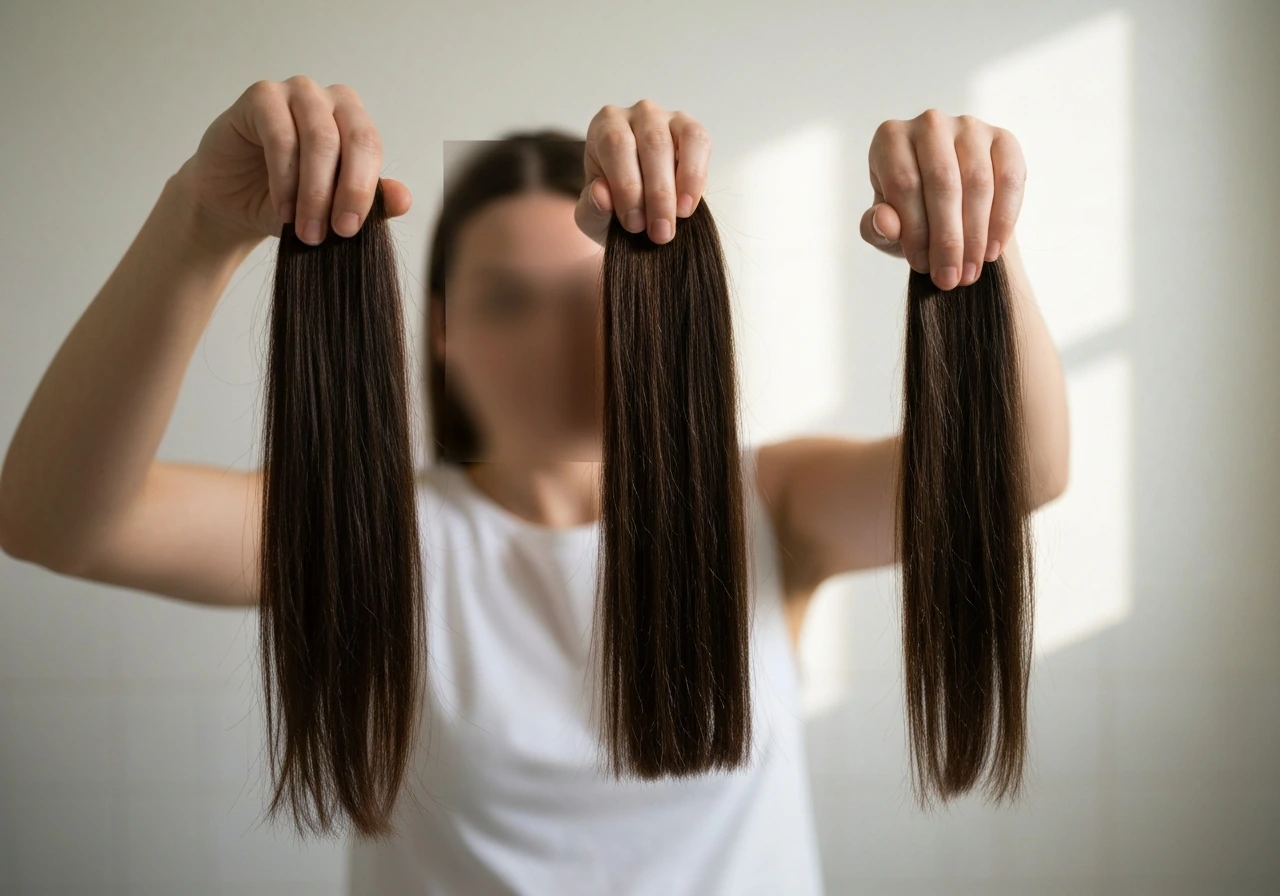
Grow Hair Long Tips: Step-by-Step Routine to Reach Length
Step-by-step grow hair long tips: boost scalp health, cut breakage, improve diet, and track progress for length.
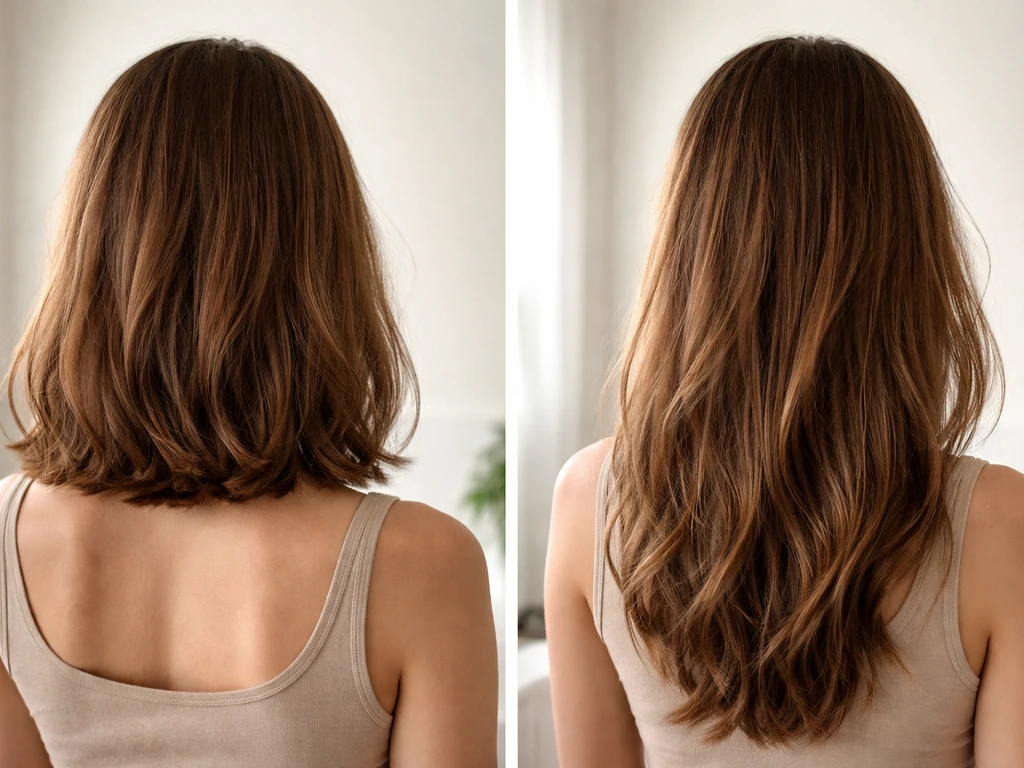
Tips for How to Grow Long Hair: A Practical Guide
Actionable tips to grow long hair naturally: care routine, scalp habits, nutrition and breakage prevention for healthy l