
Hair grows about 1 cm per month on average, which means getting from a short pixie to shoulder length takes roughly 18 to 24 months, and reaching bra-strap length from there takes another two to three years. The people you see with floor-grazing hair didn't find a secret trick. They retained length by protecting what they grew, kept their scalp healthy, and were patient. That's genuinely the whole framework, and everything else in this guide fits inside it.
How Did You Grow Your Hair Long: Evidence-Based Steps, Timeline & Care

Marcus Holloway
7 Aug 2026
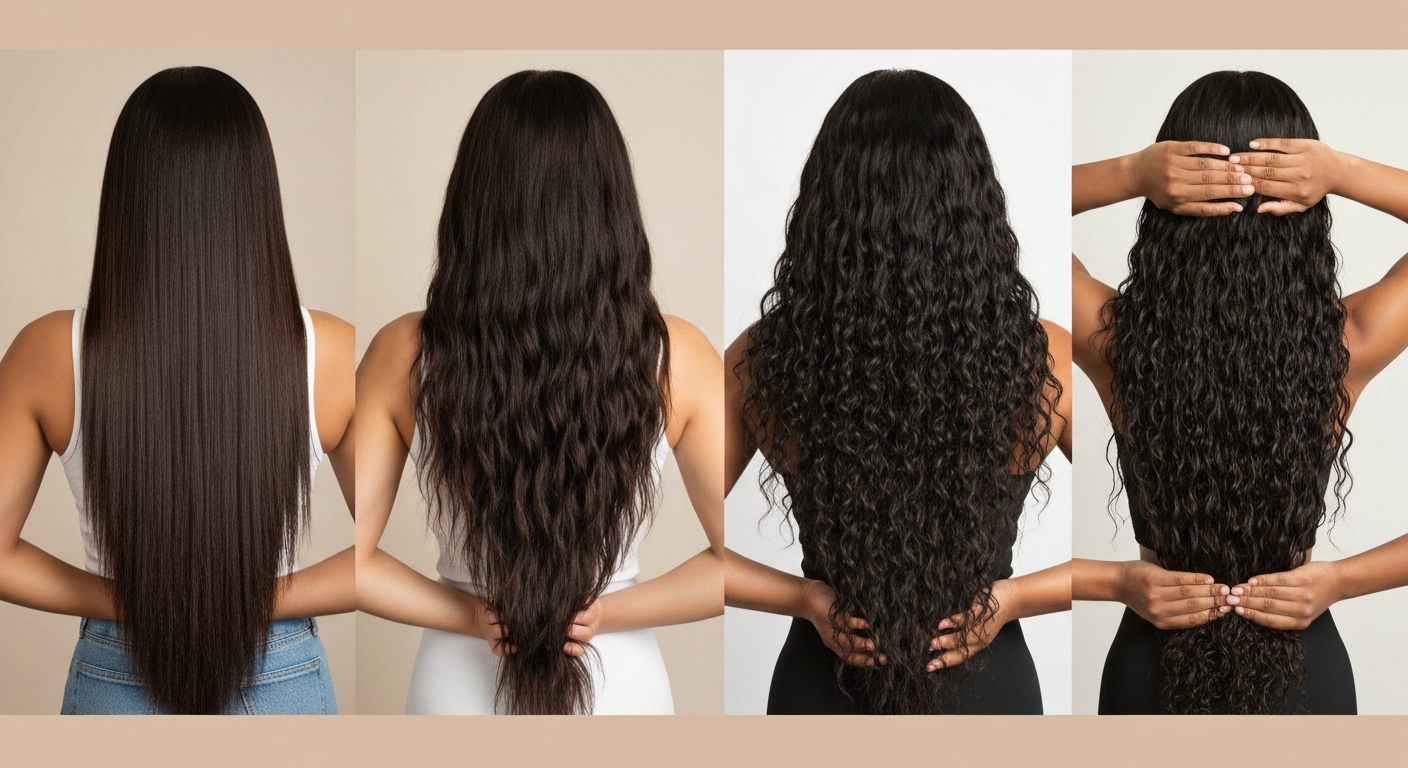
What to actually expect: a realistic timeline
The average growth rate sits between 0.3 and 0.36 mm per day, which lands at roughly 10 to 13 cm per year for most people. Some people clock closer to 15 cm annually, others closer to 8 to 9 cm, and ethnicity, age, and genetics all play a role. Studies have measured ranges as wide as 0.2 to 0.45 mm per day across different populations. You can't dramatically override that genetic pace, but you can avoid the things that slow it down or cause breakage that erases your progress.
Here's how a realistic growth journey looks in rough milestones, assuming you're starting from a short cut and your hair grows at an average pace:
| Starting point | Target length | Realistic time range |
|---|---|---|
| Very short (buzzed or pixie) | Ear-length | 4 to 6 months |
| Ear-length | Chin-length | 6 to 9 months |
| Chin-length | Shoulder-length | 12 to 18 months |
| Shoulder-length | Armpit-length (APL) | 10 to 14 months |
| APL | Bra-strap length (BSL) | 10 to 14 months |
| BSL | Waist length | 14 to 20 months |
These ranges widen as hair gets longer because breakage at the ends becomes a bigger factor. The difference between someone who reaches waist length in three years versus five years is almost always retention, not a faster growing scalp.
How hair actually grows (and why biology sets the ceiling)
Each strand on your scalp lives inside a follicle and cycles through three main phases: anagen (active growth), catagen (transition), and telogen (resting and shed). The length of your anagen phase is the single biggest biological determinant of how long your hair can get. Scalp anagen typically lasts between two and seven years in adults. A person with a seven-year anagen phase can theoretically grow hair past their waist; someone with a two-year anagen phase will plateau at a much shorter terminal length no matter what they do.
Anagen duration is largely genetic. A gene called FGF5 acts as a natural signal to push follicles out of anagen and into catagen. People (and animals) with reduced FGF5 activity have unusually long anagen phases and grow notably longer hair. This is why some individuals seem to grow hair effortlessly to extreme lengths while others have always had a hard cap. You can't yet modify this through diet or supplements, though research into the signaling pathways involved (including Wnt, Hedgehog, and JAK-STAT) is the basis for many emerging therapies.
Hair thickness is separate from length but matters for how your hair feels and holds up mechanically. It's tied to dermal papilla (DP) size: a larger DP produces a thicker shaft, which is more resistant to breakage and handles styling stress better. Density (how many follicles per square centimeter you have) also decreases naturally starting around your 40s, which is worth knowing if you're working on growth later in life.
Assess your starting point honestly
Before adding products, supplements, and routines, take a few minutes to assess where you're starting from. What's your hair type? Fine straight strands and thick coily hair behave very differently: coily hair is more prone to mechanical breakage at bends and knots, which makes retention strategies especially important. Straight or fine hair may show oiliness or product buildup faster, affecting scalp health.
How much shedding do you notice? Losing 50 to 100 hairs per day is normal. If you're pulling out larger clumps in the shower, noticing a wider part, or seeing scalp through the hair, that's a different situation from simply growing from a haircut. Sudden or accelerating shedding, a receding hairline, or patches warrant a conversation with a dermatologist before you spend money on growth products.
Also consider your medical history. Thyroid conditions, iron deficiency, hormonal shifts after pregnancy or menopause, and autoimmune conditions can all affect hair. If your shedding is new and significant, baseline lab work (CBC, ferritin, TSH, 25-OH vitamin D) can rule out correctable causes. Most of the time the answer is lifestyle and patience, but confirming there's no underlying issue is worth doing early.
Your step-by-step growth plan
The clearest way to think about this is in three time horizons. Daily habits protect the hair you have. Weekly routines maintain scalp and strand condition. Monthly check-ins let you adjust based on actual results. Here's how I'd set it up:
Daily priorities
- Eat enough protein and calories. Hair growth is metabolically costly and stalls when you're in significant caloric restriction.
- Handle your hair gently. Work from ends to roots when detangling. Never rip through dry tangles.
- Avoid tight styles that pull on hairline follicles consistently. Traction alopecia is real and can cause permanent follicle damage over time.
- Protect ends when sleeping. A satin or silk pillowcase or a loose satin bonnet reduces friction breakage overnight.
- Stay hydrated and manage chronic stress where possible. Both affect how many follicles are in active growth at a given time.
Weekly priorities
- Wash your scalp (not necessarily the full length) as often as your scalp type needs, whether that's every 2 to 3 days or once weekly. Buildup and inflammation are not your friends.
- Deep condition or use a protein treatment based on your hair's needs. Fine or chemically treated hair often needs protein; dry or coily hair usually benefits more from moisture.
- Do a 5 to 10 minute scalp massage with clean fingertips or a massage tool. There's reasonable evidence this can support circulation and has the added benefit of distributing natural oils.
- Check your ends for splits. Trimming split ends before they travel up the shaft prevents you losing more length than you would have from a routine small trim.
Monthly priorities
- Measure growth from a fixed reference point or photograph. This keeps you grounded and motivated, because monthly growth is subtle on its own.
- Evaluate heat and chemical use. Are you heat styling frequently on high heat? Are your ends brittle? Adjust.
- Reassess supplements and diet if you made changes. Blood markers like ferritin and vitamin D take 3 to 6 months to respond to supplementation, so don't jump to conclusions in week two.
- Trim if needed, no more than what's necessary to remove damaged ends.
What to eat for faster, stronger growth
Hair is almost entirely keratin protein, so protein intake is the foundation. Aim for at least 1.2 to 1.6 grams of protein per kilogram of bodyweight daily if hair growth is a priority. People on calorie-restricted diets, vegans with poorly planned diets, and anyone recovering from illness are particularly at risk of growth stalls from inadequate protein. Good sources include eggs (which also supply biotin naturally), fatty fish like salmon (which adds omega-3s), chicken, legumes, Greek yogurt, and tofu.
Iron is the micronutrient most commonly linked to hair loss in women. Multiple systematic reviews show a meaningful association between low ferritin and non-scarring hair loss. The tricky part is that "normal" on a standard blood test might not be optimal for hair: many practitioners treating hair loss aim for ferritin above 30 to 40 µg/L and some suggest 50 to 70 µg/L. If you're menstruating heavily, following a vegetarian or vegan diet, or have a history of anemia, getting your ferritin checked is one of the most useful things you can do.
Zinc (found in pumpkin seeds, beef, lentils), vitamin C (boosts iron absorption and is needed for collagen synthesis), vitamin E, and B vitamins including niacin and B12 all contribute to follicle function. The most honest summary I can give is: a varied, whole-food diet that hits your calorie needs does most of this automatically. Deficiencies, not the absence of superfoods, are what cause hair to suffer.
| Nutrient | Role in hair growth | Good food sources | Worth supplementing? |
|---|---|---|---|
| Protein | Structural (keratin) | Eggs, fish, legumes, meat, dairy | Only if intake is genuinely low |
| Iron (ferritin) | Follicle metabolism, oxygen supply | Red meat, lentils, spinach with vitamin C | Yes, if ferritin is low (confirmed by test) |
| Vitamin D | Follicle cycling support | Fatty fish, fortified foods, sunlight | Yes, if deficient (confirmed by test) |
| Zinc | DNA synthesis, follicle repair | Pumpkin seeds, beef, chickpeas | If intake is poor; excess zinc is also harmful |
| Biotin (B7) | Keratin synthesis | Eggs, nuts, sweet potato | Only if genuinely deficient |
| Omega-3 fatty acids | Scalp inflammation, follicle health | Salmon, sardines, flaxseed, walnuts | Consider if fish intake is minimal |
| Vitamin C | Collagen synthesis, iron absorption | Citrus, bell peppers, berries | Usually unnecessary with good diet |
Supplements: honest about what works and what doesn't
Biotin is probably the most marketed supplement for hair, and the evidence is genuinely limited for people who are not deficient. Multiple reviews have found that biotin supplementation clearly helps in rare inherited biotinidase deficiency or confirmed biotin deficiency, but there are no strong randomized trials showing it improves hair growth in healthy, non-deficient adults. I've taken it myself at various points and noticed nothing measurable. If you want to try it, it's low-risk, but don't expect transformation.
Iron supplementation makes a real difference if your ferritin is low, which is why testing first is important. Taking iron supplements when you're not deficient won't help and can cause gastrointestinal side effects and, in excess, toxicity. Same logic applies to vitamin D: systematic reviews confirm that deficiency is more common in people with alopecia areata, female pattern hair loss, and telogen effluvium than in healthy controls, but the evidence that supplementing in deficient people directly reverses hair loss is still incomplete. It's still worth correcting a deficiency, just don't expect it to be the full answer.
Collagen peptide supplements have small, mostly positive trials behind them for skin elasticity and some hair thickness outcomes. A 2026 narrative review, Dietary Collagen Supplementation as a Strategy for Skin Health (MDPI, 2026), summarizes small randomized trials and reviews reporting modest increases in hair thickness or density with oral collagen peptides but highlights heterogeneous methods and frequent use of multi‑ingredient products, leaving benefits for otherwise‑healthy, non‑deficient people tentative. However, most studies combine collagen with other nutrients, making it hard to isolate the collagen effect. For otherwise healthy people with adequate protein intake, the added benefit is likely modest. It probably won't hurt, especially if you're not getting enough glycine-rich foods, but I'd fix iron and vitamin D deficiencies first.
Multi-ingredient hair supplements (the ones with blends of biotin, zinc, keratin, collagen, saw palmetto, and a dozen other things) make it nearly impossible to know what's actually doing anything. If budget is a concern, prioritize targeted single-nutrient supplements where a deficiency has been identified, rather than an expensive blend.
Topical treatments and medicines worth knowing about
Scalp oils like rosemary oil, peppermint oil, and castor oil circulate constantly in long-hair communities and on platforms like Reddit and Pinterest. Rosemary oil has the best evidence of the bunch: a 2015 trial compared it to 2% minoxidil and found comparable hair count improvements at 6 months, with less scalp itch. It's worth trying if you want a low-cost, low-risk option, applied diluted in a carrier oil. The evidence for castor oil is mostly anecdotal, though it can temporarily thicken the appearance of strands.
If you have androgenetic alopecia (genetic hair thinning at the crown or temples) or significant diffuse thinning, topical minoxidil is where you cross from anecdote into strong clinical evidence. Topical minoxidil 2% and 5% are FDA-approved and supported by multiple randomized controlled trials for increasing hair count and density in both men and women. It works by prolonging anagen and increasing follicle size. You apply it directly to a dry scalp once or twice daily. The main things to know: it takes at least three to four months to see results, a shedding phase in the first four to eight weeks is normal (follicles cycling into new growth), and you need to continue using it to maintain results.
Oral low-dose minoxidil is an off-label option with growing evidence, particularly useful for people who find topical application messy or irritating to the scalp. Because it's systemic, risks include orthostatic hypotension, fluid retention, and unwanted body hair growth. It requires a prescription and monitoring by a doctor.
For men with AGA, finasteride (1 mg/day) and dutasteride (0.5 mg/day) block DHT, the androgen that miniaturizes follicles. Systematic reviews confirm both work, with dutasteride showing greater DHT reduction and hair count gains but a similar side-effect profile. Both are prescription-only, require ongoing use, and are strictly contraindicated during or prior to pregnancy. For women with female pattern hair loss, spironolactone (an anti-androgen) is commonly used off-label, sometimes alongside topical minoxidil. A randomized pilot study found adding spironolactone to minoxidil provided benefit in premenopausal women. Efficacy and safety of oral spironolactone for female pattern hair loss: randomized pilot study (PMC). These are conversations to have with a dermatologist or endocrinologist.
Platelet-rich plasma (PRP) injections have multiple meta-analyses showing increased hair count versus control in androgenetic alopecia. Protocols and quality vary a lot between clinics, and it's better described as a promising adjunct than a guaranteed fix. If you've done the basics and want an in-clinic option, it's worth discussing, but it's not a first-line choice.
| Treatment | Evidence level | Who it's for | Key consideration |
|---|---|---|---|
| Topical minoxidil (2%/5%) | Strong: multiple RCTs, FDA-approved | Men and women with AGA or diffuse thinning | Must continue to maintain results; initial shed is normal |
| Oral low-dose minoxidil | Growing: RCTs and pooled data | AGA/FPHL where topical is impractical | Requires prescription and clinical monitoring |
| Finasteride (1 mg/day) | Strong: systematic reviews | Men with AGA | Contraindicated in pregnancy; sexual side effects possible |
| Dutasteride (0.5 mg/day) | Strong: superior DHT reduction vs finasteride | Men with AGA unresponsive to finasteride | Similar side-effect profile to finasteride |
| Spironolactone | Moderate: off-label, pilot RCT data | Women with FPHL, especially premenopausal | Monitor for menstrual changes and potassium levels |
| Rosemary oil (topical) | Limited but promising: single RCT vs minoxidil | Anyone wanting a low-risk option | Dilute in carrier oil; results modest |
| PRP injections | Moderate: heterogeneous RCTs | AGA as adjunct to other treatment | Protocol quality varies; not a standalone first-line |
Scalp health: the foundation you can't skip
A healthy scalp is where every strand starts, and neglecting it while obsessing over length is like trying to grow a garden in concrete. The scalp needs regular cleansing to clear sebum, dead skin, product buildup, and any low-grade inflammation. How often you wash depends on your scalp type. An oily scalp benefits from washing every one to three days; a drier scalp can go longer. The mistake most people make is washing too infrequently in the belief that washing strips growth, and ending up with a buildup-clogged scalp that actually impairs the environment follicles need.
Scalp massage is one of the more supported low-effort additions to a growth routine. A Japanese study using a standardized 4-minute daily massage for 24 weeks reported increased hair thickness compared to baseline. The mechanism likely involves mechanical stretching of follicle cells and improved blood flow. You don't need a fancy tool: clean fingertips working in small circular motions across the scalp for five minutes, either on dry hair before washing or with a diluted oil, does the job.
Scalp exfoliation, either with a gentle physical scrub or a chemical exfoliant like salicylic acid, removes the flaky buildup that can interfere with follicle openings. It's particularly useful for people who use a lot of products or have dandruff. Don't over-exfoliate: once a week at most is plenty.
Know when to escalate. If you're seeing patchy baldness, inflamed or painful areas of the scalp, significant scaling that isn't responding to dandruff shampoo, or an accelerating hairline change, those are signals to see a board-certified dermatologist. Some conditions (like scarring alopecia) can cause permanent follicle damage if not treated promptly, and no amount of rosemary oil or massage reverses that. A scalp biopsy is a routine, low-risk procedure that can give a definitive diagnosis when the cause of hair loss isn't clear from labs and clinical exam alone.
What the long-hair community gets right (and where to be skeptical)
Long-hair forums, Reddit threads, Quora posts, and Pinterest boards have collectively produced some genuinely useful practical wisdom. Communities like r/longhair and dedicated sites share tips on protective styling, the LOC (liquid-oil-cream) method for moisture retention in textured hair, sleeping with hair in a loose braid, and trimming only when necessary rather than on a rigid schedule. For a practical, community-tested how-to, check the realrapunzels how to grow long hair guide for step-by-step retention and routine tips. See the long hair community guide on how to grow long hair for practical retention routines and shared experiences. For more personal experiences and community Q&A, see discussions titled how to grow long hair quora for anecdotal tips and troubleshooting. For step-by-step practical routines and visuals, see how to grow hair wikihow. For community-tested routines and discussion on retention strategies, search how to grow hair reddit to read threads from experienced long-hair growers. These retention-focused habits are valid and backed by basic hair science, even if the communities don't always frame them in clinical terms.
Where I'd urge skepticism: any claim that a specific oil, inversion method, or supplement can double your monthly growth rate. The inversion method (hanging your head upside down for several minutes a day) is popular in some corners of the internet but has no controlled trial evidence. Claims of growing 2 inches per month are almost certainly measuring incorrectly, experiencing an unusual individual outlier, or conflating improved retention with faster growth. Be equally careful with before-and-after photos promoting specific supplements, since lighting, styling, and selective timing can make them look more dramatic than they are.
The core principles that experienced long-hair growers repeat consistently: minimize mechanical damage, protect ends, reduce heat, use low-manipulation styles, and be patient. Those aren't exciting, but they're what actually shows up in the results.
Reducing breakage: the other half of growing long hair
Growing 12 cm per year and breaking off 10 cm per year means you'll net 2 cm of visible length. Breakage is silent and gradual, which makes it easy to underestimate. Here are the most common sources and how to address them:
- Heat styling: flat irons and curling wands above 180°C (355°F) cause cumulative cuticle damage. Use a heat protectant every time, keep temperatures at or below 180°C where possible, and air-dry when you can.
- Chemical processing: bleaching, perming, and relaxing weaken the cortex. Space out chemical services and follow up with protein treatments.
- Rough detangling: always work from ends to roots on wet hair with a wide-tooth comb or detangling brush, and use a conditioner or detangling spray to reduce friction.
- Tight elastics: swap rubber bands for seamless fabric hair ties. Even a single elastic pulled out roughly can snap dozens of strands.
- Friction from fabrics: cotton pillowcases and rough towel-drying create frictional damage at the cuticle level. Silk or satin pillowcases and microfiber towels (or an old T-shirt) are genuine upgrades.
- Chronic tight styles: box braids, tight ponytails, and high-tension extensions worn repeatedly and long-term can cause traction alopecia at the hairline and temples. Rotate styles and give the hairline regular breaks.
When growth is slow or shedding won't stop: troubleshooting
If you've been doing all of the above consistently for three to six months and still see either minimal growth or ongoing heavy shedding, it's time to dig into potential underlying causes rather than adding more products. The most common correctable causes of slow or reduced growth are iron deficiency, vitamin D deficiency, thyroid dysfunction, and significant caloric restriction or protein deficit. Stress (physical or emotional) and major illness can push large numbers of follicles into telogen simultaneously, producing a shedding surge called telogen effluvium, which typically peaks two to three months after the trigger and resolves on its own once the cause is addressed.
Seek a dermatologist consultation if you notice any of these: diffuse shedding lasting more than six months without an obvious trigger, patchy bald spots (could be alopecia areata), a progressively receding hairline, scalp symptoms like persistent itching, pain, or burning, or hair loss accompanied by other symptoms like fatigue, weight changes, or skin changes. These warrant an examination, and possibly a scalp biopsy, before you invest further in over-the-counter solutions.
Tracking progress and keeping momentum
Progress photos are more useful than measuring tapes for most people because they capture overall density and thickness, not just length. Take a photo in the same lighting, same day of the wash cycle, every four weeks. Compare at three months, not three weeks. Hair growth, even optimal hair growth, is an exercise in trusting a slow process.
A simple monthly checklist keeps the habits in place without obsessing over every strand:
- Review protein and iron intake for the past month. Any gaps?
- Check that supplements (if any) align with confirmed deficiencies, not just hope.
- Assess heat and chemical use. Was there any damage you noticed?
- Evaluate scalp condition. Any increased flaking, tenderness, or itching?
- Trim ends if you see active splitting. Skip the trim if ends look intact.
- Take a photo and compare to last month's. Small changes accumulate.
- Adjust one thing at a time so you can actually identify what's working.
The people who grow their hair longest are almost always the ones who build boring, sustainable habits and stop chasing the next trending product. The biology is slow by design. Work with it, protect what you grow, and you'll get there.
FAQ
Quick answer: how did you grow your hair long?
Be realistic: scalp hair grows about 0.3–0.36 mm/day (≈1 cm/month), so getting several extra inches takes many months to years. Long hair is mainly achieved by (1) maximizing the growth phase (anagen) that your genetics allow, and (2) preventing breakage so the hair you make isn’t lost. Practical steps: eat a balanced diet with adequate protein and iron, treat medical causes of shedding, use evidence‑based treatments (topical minoxidil or medical care when indicated), and adopt low‑damage hair and scalp routines to reduce breakage. Progress is slow — expect measurable changes over 3–12 months and larger length gains over years.
What determines how long your hair can grow?
Maximum length is primarily set by anagen (growth) phase duration for each follicle; people with longer anagen can grow longer hair. Other determinants: genetics (including rare single‑gene effects that extend anagen), age, sex, ethnicity, and dermal papilla size (which influences hair thickness). You can’t change your genetic anagen ceiling, but you can extend the time hairs stay in anagen modestly and reduce loss from breakage.
Realistic timeline: how long until I notice longer hair?
Typical rates: ~1 cm/month (~12–15 cm/year). Visible improvements in length and thickness can appear in 3–6 months if you fix a deficiency or stop damaging practices. Significant length changes (several inches) commonly take 1–3+ years depending on your goal and starting length.
Nutrition and supplements: what helps and what’s unnecessary?
What helps: ensure adequate protein intake and correct nutrient deficiencies — check ferritin/iron if you have shedding or risk factors, assess TSH and vitamin D when clinically indicated. Replete proven deficiencies. Tentative help: collagen peptides and some multi‑nutrient supplements show small, mixed benefits in trials. Not routinely helpful: high‑dose biotin unless you have documented biotin deficiency. Avoid relying on single supplements as a shortcut; whole‑food nutrition and correcting medical deficits matter most.
When should I see a doctor or dermatologist?
See a clinician for: sudden or rapid shedding, widening part or visible thinning, patchy hair loss, signs of scalp inflammation, systemic symptoms (fatigue, weight change), or if you suspect an underlying condition. Baseline tests often include CBC/iron (ferritin), TSH, and 25‑OH vitamin D; add androgen testing if signs of hyperandrogenism. Early evaluation helps identify treatable causes and appropriate therapies.
Topical and prescription options: what works?
Evidence‑backed options: topical minoxidil (2% or 5%) increases hair count/density for androgenetic and some diffuse losses. Oral low‑dose minoxidil can be effective off‑label but needs medical supervision for systemic effects. For male pattern hair loss, oral finasteride (1 mg) is effective; dutasteride shows larger effects but similar risks. Women may benefit from topical minoxidil and, when appropriate, anti‑androgens (spironolactone) under supervision. PRP injections are a promising adjunct with positive trials but variable protocols. Treatments should be tailored to diagnosis and risks.
Next Articles
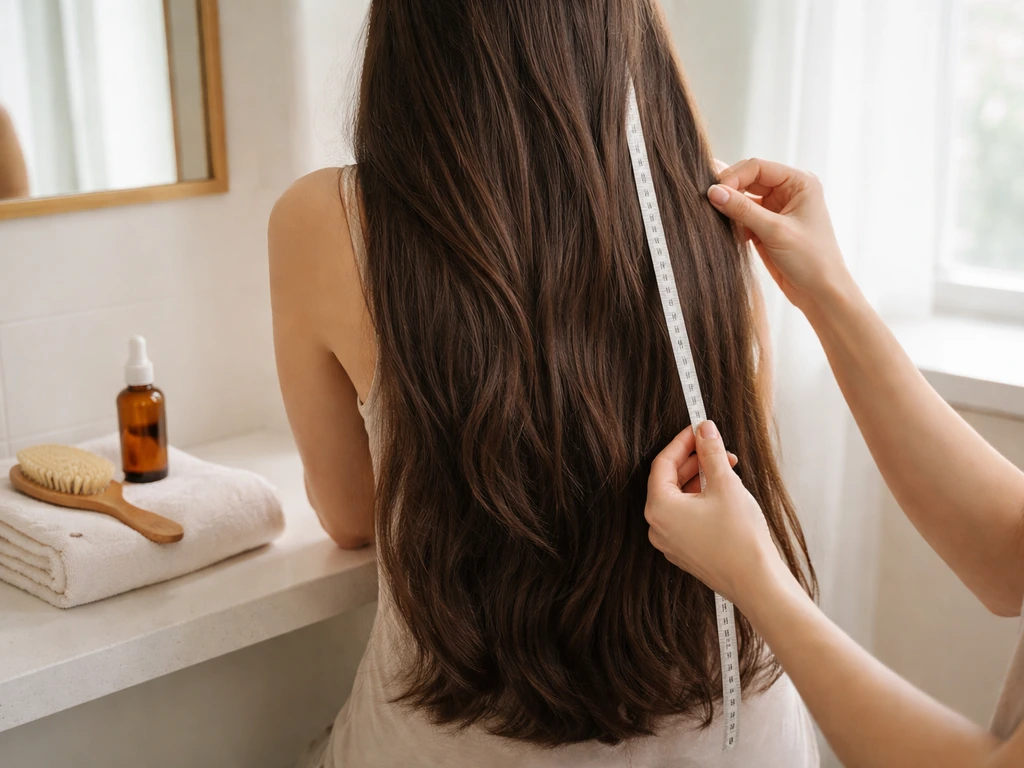
Real Rapunzels How to Grow Long Hair With Real Steps
Step-by-step real Rapunzel guide to grow long hair with scalp care, nutrition, retention styling, and 8–12 week plan.
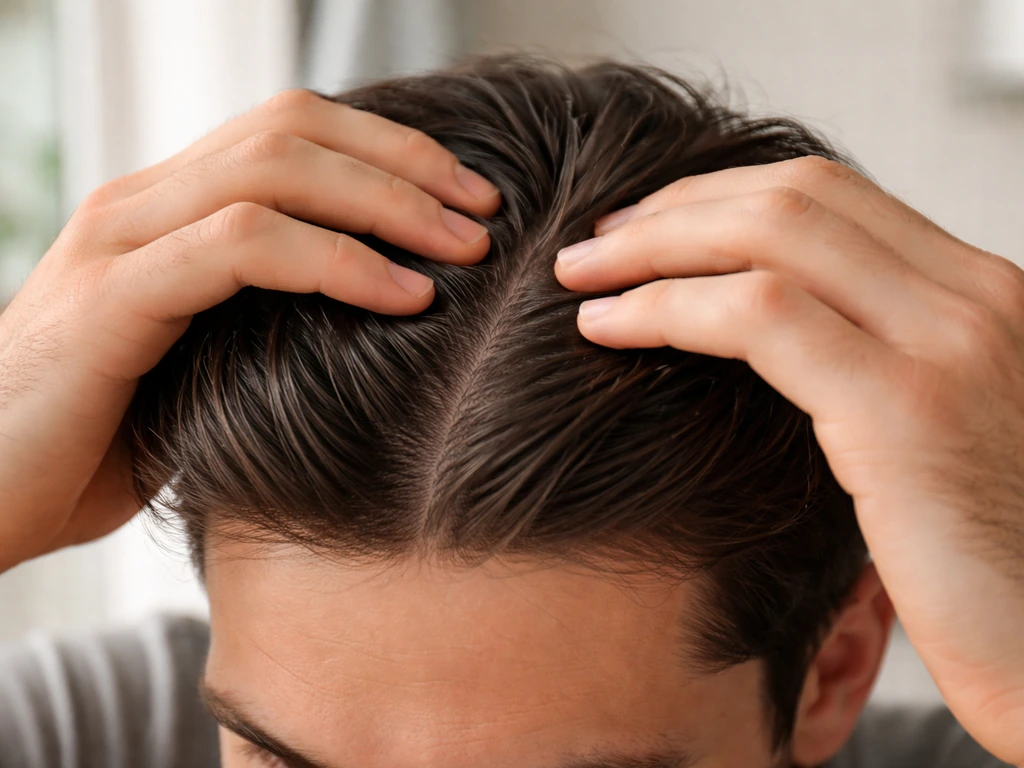
How to Grow Hair Reddit Tips That Actually Work
Practical, evidence-based steps to grow hair longer or regrow, with Reddit-style tips for men, fine hair, and scalp care
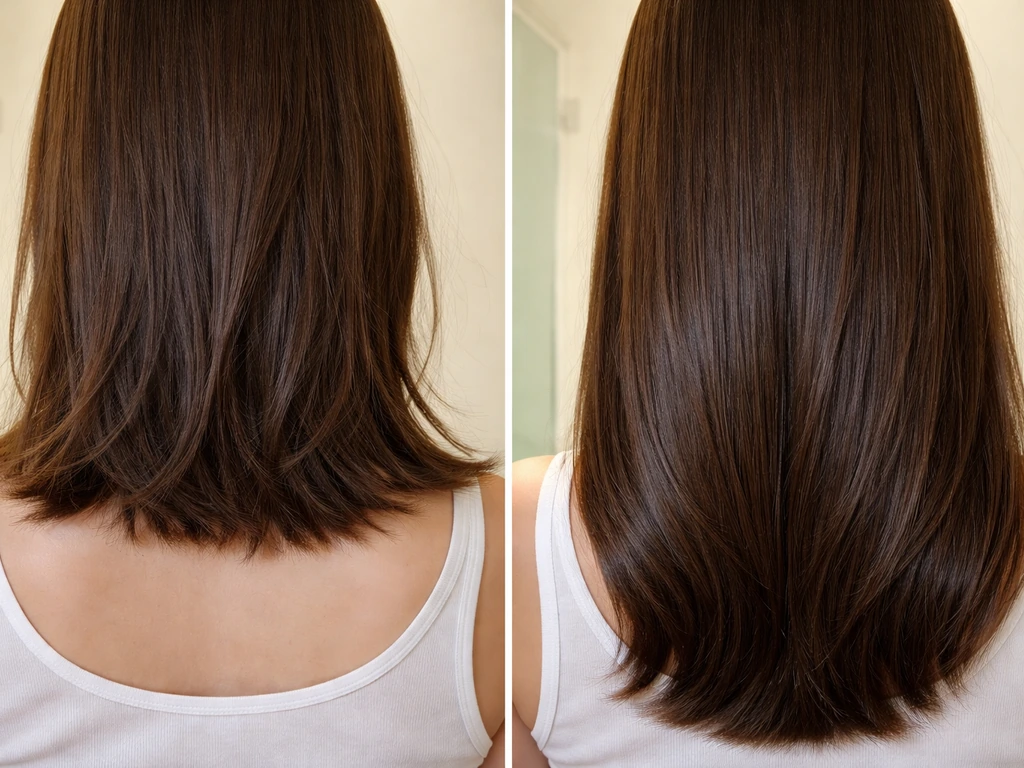
Tips on How to Grow Your Hair Out: A Step by Step Guide
Step-by-step tips to grow hair out: stop breakage, build scalp routine, nutrition, safe actives, and track progress.