
Growing real rapunzel-length hair comes down to two things: supporting the growth your follicles are already capable of, and stopping the breakage that's quietly stealing that length every month. Hair grows roughly half an inch to just over half an inch per month (about 0. 6–1. 5 cm, with a commonly cited average around 1.
Real Rapunzels How to Grow Long Hair With Real Steps

Marcus Holloway
8 Jul 2026
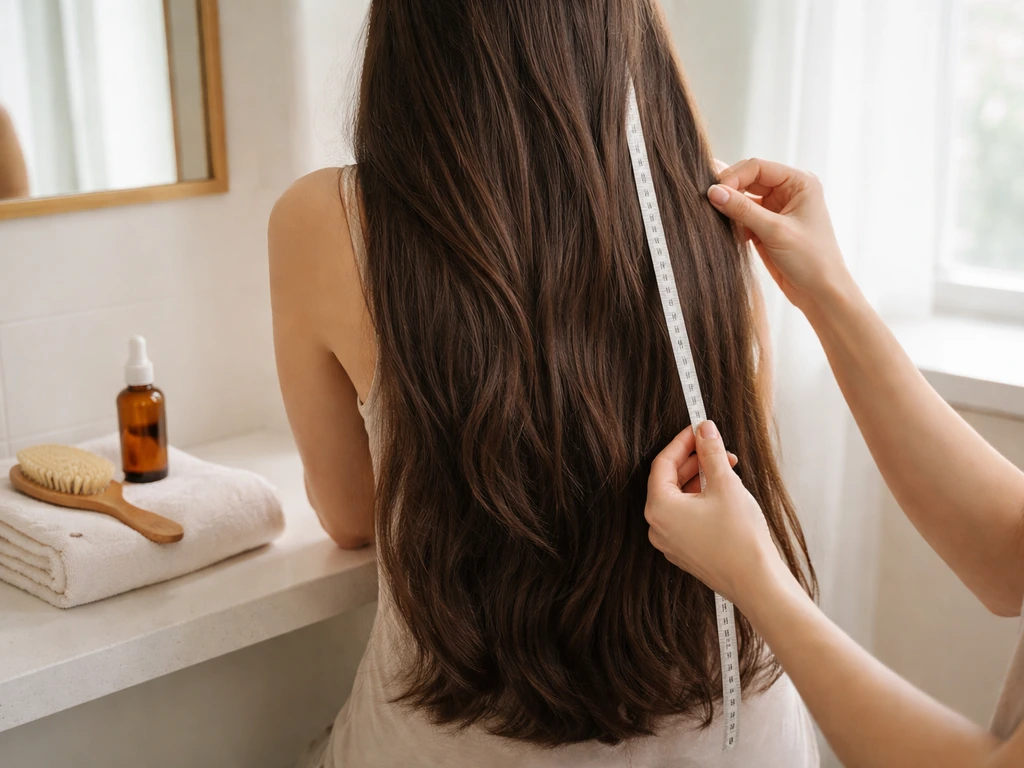
3 cm). That's up to 6 inches a year under good conditions. The reason most people never see that length is not because their hair stopped growing, it's because their ends are snapping off almost as fast as new growth comes in. Fix the breakage, feed the follicle, take care of your scalp, and the length will follow.
Here's exactly how to do that, starting today. If you are looking for Pinterest-style routines, focus on the same proven basics: reduce breakage, support your scalp, and track progress over time.
What real rapunzel hair growth actually requires
Your hair follicles cycle through three phases: anagen (active growth), catagen (a brief regression phase lasting just a few days), and telogen (a resting phase of roughly 2–4 months before the hair sheds). On a healthy scalp, about 85–90% of follicles are in the anagen phase at any given time, which is why most of your hair keeps growing simultaneously. The anagen phase can last anywhere from 3 to 5 years, sometimes longer, and the length of that phase is largely genetic, it's one of the reasons some people can grow hair to their waist naturally while others seem to stall at shoulder length.
The math is worth doing once. If your anagen phase lasts three years and your hair grows about 6 inches a year, your maximum terminal length is roughly 18 inches. If your anagen phase runs five or more years, you're looking at 30+ inches, actual rapunzel territory. You can't dramatically extend your anagen phase, but you can make sure every single inch that grows out actually stays on your head. That's where the real work is.
Normal shedding, 50 to 100 hairs per day, is completely expected and not something to panic about. It's part of the telogen phase ending. What looks alarming in the shower drain is usually just the normal cycle playing out. The issue is when excessive shedding (telogen effluvium) kicks in due to stress, illness, nutritional deficiency, or hormonal shifts, or when breakage starts masquerading as shedding. Be patient with the timeline too: meaningful visible length change takes months, not weeks. An 8–12 week commitment gets your systems working better; the real payoff comes at 6–12 months.
Getting your starting point right
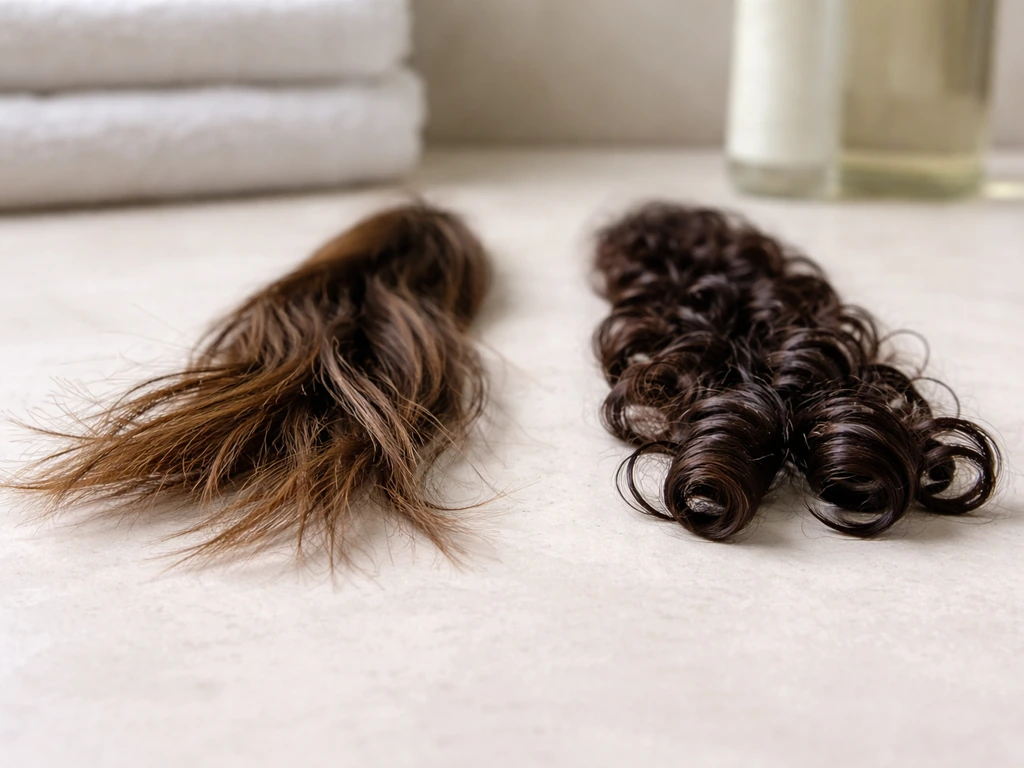
Before you change anything, spend a few minutes honestly assessing where you're starting from. Your hair type, straight, wavy, curly, or coily, changes almost everything about the best strategy. Coily and curly hair types have more natural bends and twists in the strand, which means more friction points and more vulnerability to breakage. Straight hair has fewer of those weak spots but can be more prone to becoming limp and weighed down by product buildup. Wavy hair sits somewhere in between. None of these are disadvantages, they just require different approaches to moisture balance, detangling, and styling.
Check your current hair health honestly. Are the ends frayed, split, or feeling rough and dry? That's damage that will travel up the shaft and keep breaking unless you address it. Is your hair thinning overall, or are you losing patches? Is your scalp itchy, flaky, or inflamed? Each of these points to a different root cause. The most important diagnostic step most people skip is figuring out whether they're dealing with shedding or breakage, because the fix is completely different.
Shedding vs. breakage: how to tell the difference
Here's the quick test: pick up a fallen hair and look at the root end. Shed hairs, the ones that completed their telogen cycle and released naturally, have a tiny white or translucent keratin bulb at the root. You can feel it with your fingernail. Breakage, on the other hand, snaps along the shaft and produces shorter pieces without any bulb. If you're collecting mostly short, irregular pieces with no bulb, breakage is your main problem, and the solution is conditioning, gentle handling, and protective practices. If you're finding long hairs with bulbs, you're dealing with actual shedding, and the question is whether something triggered an increase in it.
Scalp care: the foundation everything else builds on
Think of your scalp as the soil your hair grows from. A healthy, well-circulated, clean scalp produces stronger hair from the start. An inflamed, congested, or irritated scalp creates weaker follicles that produce thinner, more fragile strands. Most scalp problems are fixable with consistent basics.
Washing frequency
There's no single right answer for wash frequency, it depends on your hair type and scalp condition. If your scalp gets oily or itchy within a day or two, washing every 1–3 days is reasonable. If you have naturally dry, coily, or coarser hair, washing once a week or even less often may be better for moisture retention. What matters more than frequency is how you wash: use lukewarm (not hot) water, massage gently with your fingertips (not nails), and rinse thoroughly. Product buildup from skipping washes too long can block follicles and cause irritation, so find a rhythm that keeps your scalp clean without stripping it.
Scalp massage
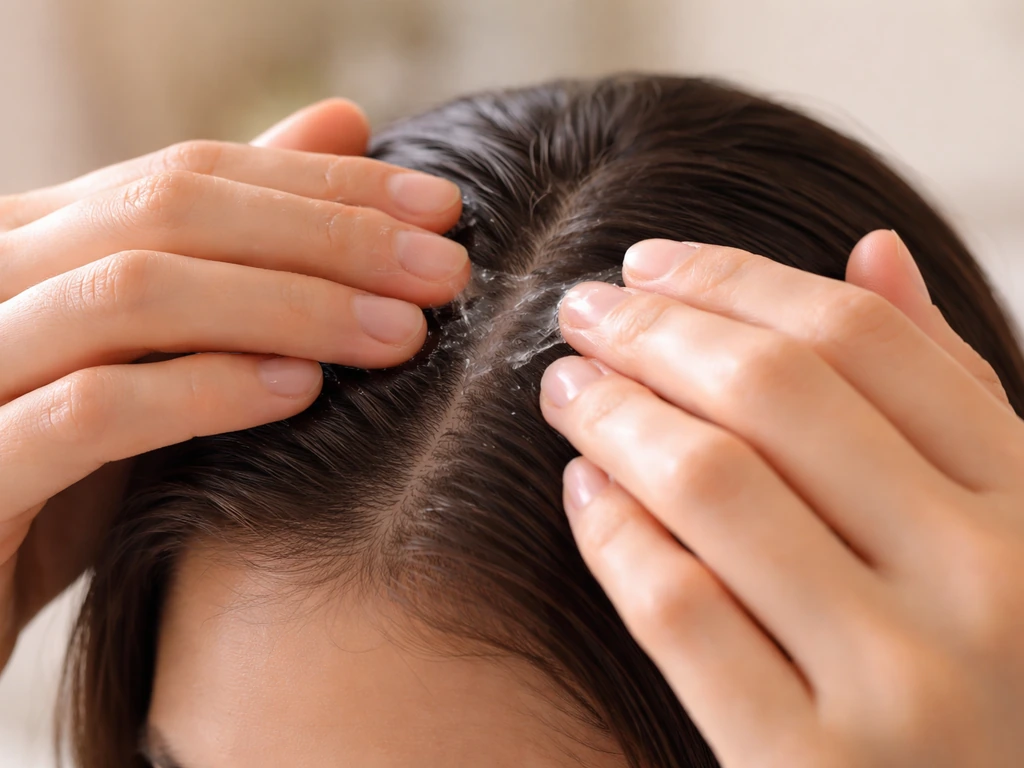
Daily scalp massage is one of the lowest-effort, highest-return habits you can add to your routine. It increases blood flow to the follicles, helps loosen buildup, and feels genuinely good to do. Spend 3–5 minutes with your fingertips using gentle circular pressure across your scalp. You can do this on dry hair, during shampoo application, or with a few drops of a lightweight oil if your scalp tends toward dryness. There's some small-study evidence suggesting regular massage may support hair thickness over time, and the circulation benefit makes biological sense.
Managing dandruff, dryness, and scalp inflammation
If you're dealing with flaking, itching, or a scaly scalp, don't ignore it. Chronic scalp inflammation creates an environment that weakens follicles. Mild dandruff often responds well to consistent washing and an over-the-counter dandruff shampoo. For coily or curly hair, the AAD recommends using dandruff shampoo about once a week to avoid over-drying while still treating the flaking.
If the flaking is more severe, greasy, or accompanied by red patches, you may be looking at seborrheic dermatitis, a common condition ([affecting roughly 3–10% of people](https://pmc. ncbi. nlm. nih.
gov/articles/PMC4445675/)) that responds well to ketoconazole shampoos, which are FDA-approved for this purpose. Leave the medicated shampoo on for a few minutes before rinsing for best results. If you're scratching constantly or traumatizing the scalp, you're also loosening hairs that would otherwise stay put, so getting inflammation under control directly protects your length.
Protective hair practices that keep every inch you grow
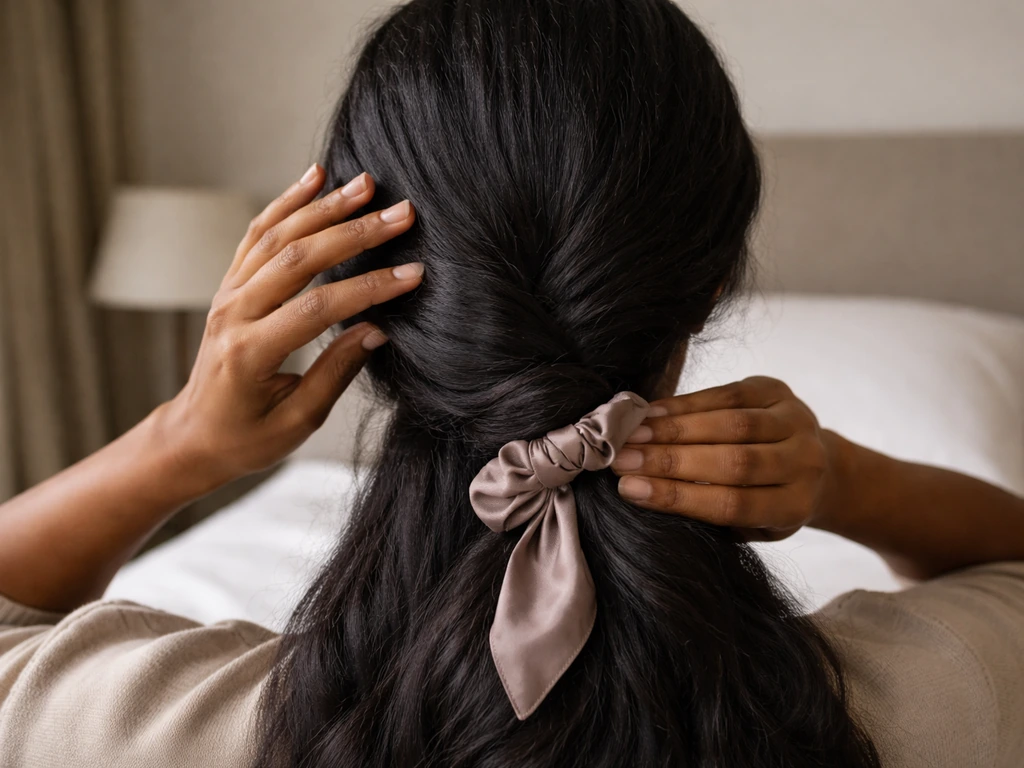
Growing hair is the easy part. Keeping it is the challenge. If you’re wondering how did you grow your hair long, focus on retention first so the growth you get is not canceled out by breakage Keeping it is the challenge.. The practices below aren't complicated, but they compound powerfully when you do them consistently.
Detangling without breaking
Wet hair is more elastic and vulnerable to snapping than dry hair, so detangling needs to be done carefully regardless of timing. Apply a conditioner or detangling product first to create slip, that's the key word. Slip means less friction, less friction means fewer snapped strands. Work from the ends upward toward the roots, holding the hair above the section you're combing so you're not pulling tension straight to the scalp. Use a wide-tooth comb or your fingers rather than a fine-tooth brush on wet hair. For curly and coily textures, finger detangling with conditioner in the shower works exceptionally well.
Moisture balance and conditioning
Dry hair breaks. It's that simple. Keep your hair conditioned with a rinse-out conditioner every wash and consider a weekly deep conditioning treatment if your hair is naturally dry, color-treated, or heat-styled regularly. For curly and coily hair types especially, leave-in conditioners and light sealing oils help retain moisture between washes. The goal is hair that feels pliable, not crunchy or brittle, at your ends.
Heat and chemical limits
Every pass of a flat iron, curling wand, or blow dryer at high heat degrades the protein structure of your hair shaft. If you're serious about length retention, reduce heat styling to once a week or less, always use a heat protectant, and keep temperatures under 375°F (190°C) as a general ceiling. Chemical treatments, bleaching, perming, relaxing, cause structural damage that is permanent and progressive. That doesn't mean you can never use them, but if you're actively trying to grow length, give your hair a minimum 6–8 week recovery window between any major chemical services.
Sleeping on silk or satin
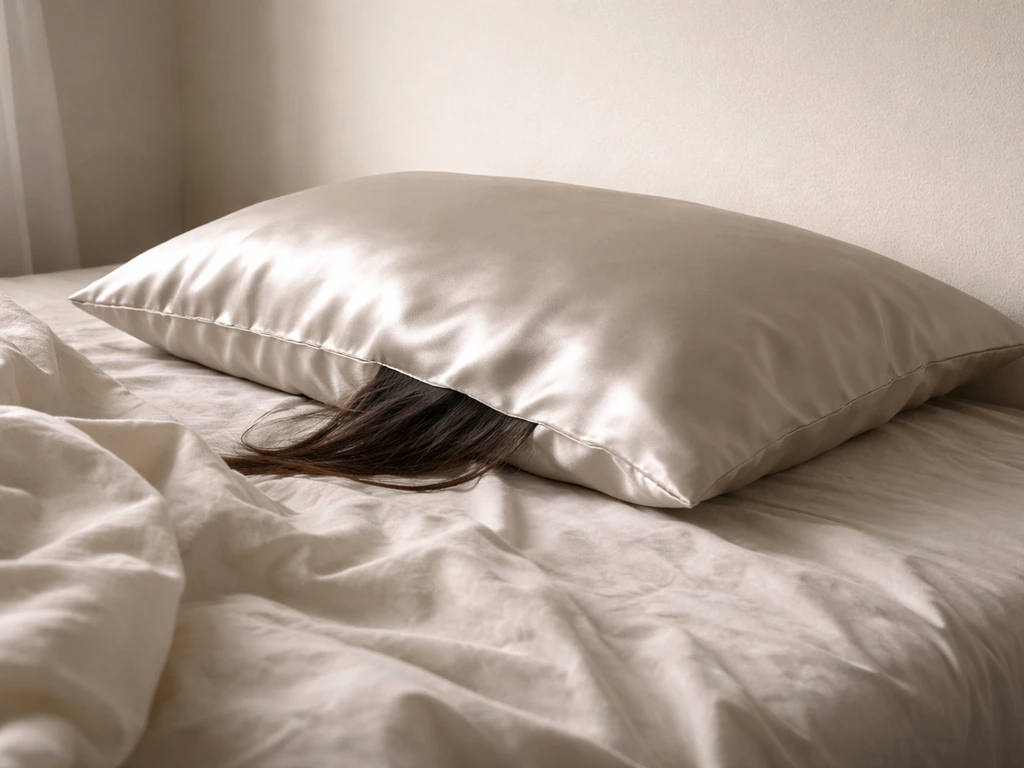
Cotton pillowcases create friction against your hair all night, which leads to tangles, frizz, and small breakage events that add up fast. Switching to a silk or satin pillowcase, or wearing a satin-lined bonnet or sleep cap, meaningfully reduces that overnight friction and helps your hair retain moisture too. It's a small change that takes about 30 seconds to implement and protects months of growth.
Strategic trims
This is counterintuitive, but trimming split ends actually helps you grow longer hair faster. Splits travel up the shaft if left alone and cause more length to break off over time. A small trim of just a quarter inch every 8–12 weeks removes the damage before it spreads, and you net more length than you lose.
Nutrition for long hair: what your follicles actually need
Hair is made almost entirely of a protein called keratin, and your follicles are metabolically active tissues with high nutritional demands. When your diet is short on key nutrients, hair growth is often one of the first places your body cuts back, since hair is not essential for survival. Getting nutrition right won't make your hair grow faster than its genetic maximum, but deficiencies absolutely can slow growth, weaken strands, and increase shedding. Here's what matters most.
| Nutrient | Why it matters for hair | Signs of deficiency | Good food sources |
|---|---|---|---|
| Protein | Hair is made of keratin; inadequate protein directly impairs growth and increases shedding | Increased shedding, dull brittle strands, slow growth | Eggs, chicken, fish, legumes, Greek yogurt, tofu |
| Iron | Supports red blood cell oxygen delivery to follicles; iron deficiency is a known trigger of telogen effluvium | Diffuse increased shedding, fatigue, pale skin | Red meat, lentils, spinach, fortified cereals (pair with vitamin C for absorption) |
| Zinc | Supports follicle repair and protein synthesis; both deficiency and excess zinc can cause shedding | Hair loss, slow wound healing, white spots on nails | Oysters, beef, pumpkin seeds, chickpeas |
| Vitamin D | Low vitamin D is linked to hair loss and may affect the hair cycle; many people are deficient | Hair thinning, fatigue, low mood | Fatty fish, fortified dairy, egg yolks, sunlight exposure |
| Omega-3 fatty acids | Reduce scalp inflammation, support follicle health and hair density | Dry scalp, dull hair, increased inflammation | Salmon, sardines, walnuts, flaxseed, chia seeds |
| Biotin | Required for keratin production; deficiency (rare) causes hair thinning and body hair loss | Thinning hair, scaly rash around nose/mouth/eyes, brittle nails | Eggs (especially yolk), liver, nuts, seeds |
Iron deficiency deserves special mention because it's one of the most commonly missed triggers of sudden or gradual increased hair shedding, especially in women with heavy periods. If you suspect iron is your issue, ask your doctor for a ferritin test specifically, a standard CBC can look normal even when ferritin (your stored iron) is low. StatPearls notes that serum ferritin, iron saturation, and CBC together give the clearest picture. Similarly, if shedding picked up after illness, a stressful period, childbirth, or major dieting, telogen effluvium is a likely explanation. Once the trigger is resolved, most cases improve within 6–8 months on their own.
Supplements and topical treatments: what's worth it and what isn't
The supplement aisle for hair is mostly marketing. That's the honest starting point. Most people who eat a reasonably varied diet are not deficient in biotin, the NIH Office of Dietary Supplements notes true biotin deficiency is rare in the United States, and Mayo Clinic states clearly that claims biotin supplements treat hair loss in non-deficient people have not been proven. Harvard Health similarly notes that evidence for many vitamins and minerals is conflicting and strongest in deficiency states rather than as general supplements for everyone.
That said, targeted supplementation does make sense in specific situations. If a blood test confirms you're low in iron, vitamin D, or zinc, supplementing under medical guidance is appropriate and can genuinely help. A general multivitamin covering your bases is reasonable insurance if your diet is inconsistent. Collagen peptides are popular and have some early supportive evidence for hair and nail strength, though the research is not yet conclusive. Marine-based hair supplements (formulas combining marine proteins with zinc and other micronutrients) have some small RCT data behind them, but results vary and the studies are industry-sponsored, so take them with appropriate skepticism.
On the topical side, minoxidil is the standout evidence-based option. A systematic review in female pattern hair loss summarizes RCT evidence for topical minoxidil, including outcomes such as changes in hair density or count and typical treatment duration ranges [On the topical side, minoxidil is the standout evidence-based option. ](https://pmc. ncbi.
nlm. nih. gov/articles/PMC6457957/). Cochrane review data shows topical minoxidil outperforms placebo for female pattern hair loss, with a higher proportion of users reporting moderate to marked regrowth.
It works by extending the anagen phase and increasing follicle size. The 2% and 5% solutions are available over the counter; the 5% tends to produce better results but comes with a slightly higher risk of scalp irritation or unwanted facial hair. It requires consistent daily use and typically takes 3–6 months to show results. If you're dealing with pattern thinning rather than breakage, it's the most evidence-backed option available without a prescription.
For scalp conditions driving shedding, ketoconazole shampoo (1% OTC or 2% prescription) has solid evidence for seborrheic dermatitis and some research suggesting it may have a mild supportive effect on hair density in androgenic alopecia contexts. Rosemary oil has garnered attention from community discussions (including in places like Reddit hair communities and Quora hair threads), and while one small study compared it favorably to 2% minoxidil, the evidence base is not robust enough to recommend it over proven treatments for pattern hair loss, it's a reasonable add-on for scalp health and massage, not a replacement. If you're looking for more real-world tips and Q&A, you can also check threads about how to grow long hair on Quora Quora hair threads.
Your 8–12 week routine and tracking plan
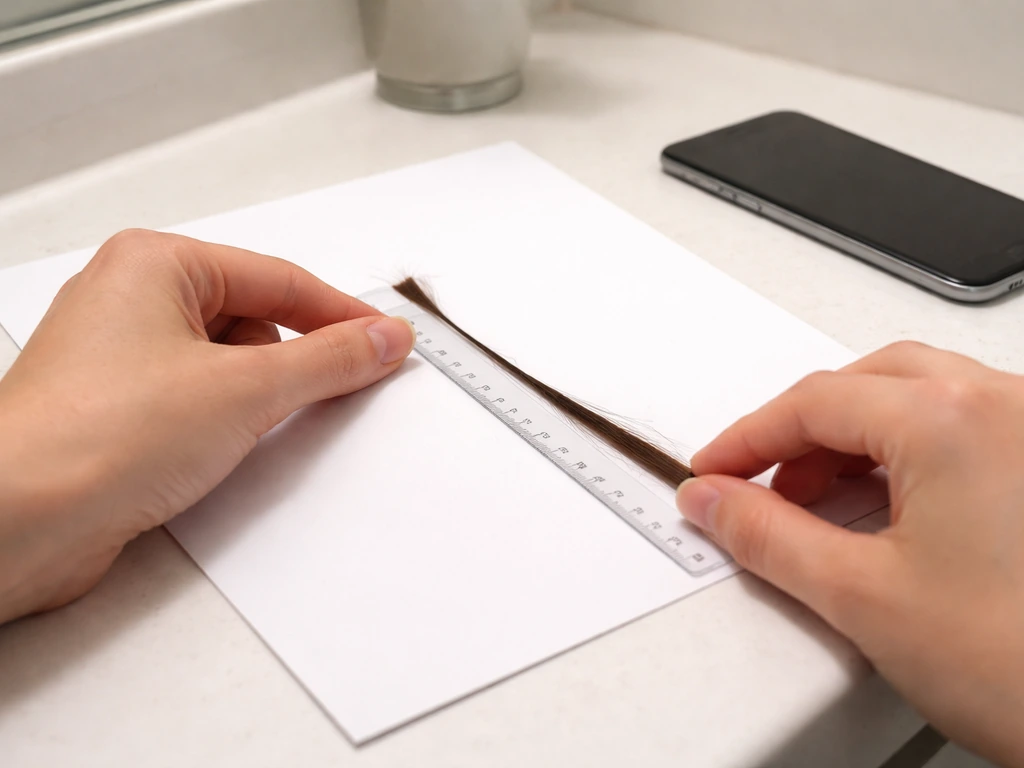
Eight to twelve weeks is enough time to build habits, reduce breakage noticeably, and start seeing the early signs of improved growth and retention. It's not enough time to grow six inches of hair. Manage your expectations and track consistently so you can tell what's actually working. If you want more community-tested ideas, search how to grow hair reddit for routines people report following Reconfiguring your expectations and track consistently so you can tell what's actually working.
Daily habits (weeks 1–12)
- 3–5 minutes of scalp massage, either dry or during shampoo
- Sleep on a silk or satin pillowcase or in a satin bonnet every night
- Drink enough water and eat adequate protein at each meal (aim for at least 50–60g of protein daily as a baseline, more if you're active)
- Take any confirmed-deficiency supplements consistently—set a daily reminder
Wash day routine (every wash)
- Detangle gently before wetting hair to reduce wet breakage
- Shampoo scalp (not lengths) with gentle circular fingertip massage
- Apply conditioner from mid-lengths to ends, let it sit 2–3 minutes minimum
- Detangle with wide-tooth comb or fingers while conditioner is in, working ends to roots
- Rinse with cool or lukewarm water
- Apply a leave-in conditioner or light oil to damp ends before drying (especially for curly or coily hair)
Weekly additions
- Deep conditioning treatment for 20–30 minutes, especially if hair is dry, heat-styled, or chemically treated
- Use dandruff or medicated shampoo once weekly if you have an active scalp condition
- Check your ends for splits and mechanical damage
How to track progress
Take a photo at the start of week 1 from the same angle and in consistent lighting, this becomes your baseline. Measure your hair length from scalp to ends at the same reference points (nape of neck works well) and write it down. Repeat at week 4, week 8, and week 12. Also note your daily shed count if shedding is a concern: collect hairs from your pillow, brush, and shower in a bag and count them once a week. Normal is 50–100 per day averaged over the week. Harvard Health suggests counting lost hairs every 1–2 weeks as a practical tracking method. You should see visible reduction in broken pieces within 4–6 weeks if your protective practices are working.
When to see a dermatologist (don't skip this part)
Most of what's covered in this guide is self-manageable, but some situations genuinely need a professional. If you want another step-by-step guide, you can also check WikiHow for how to grow hair wikihow-style while you follow these scalp and shedding basics. See a dermatologist or your doctor if any of the following apply:
- You're shedding well above 100 hairs a day consistently for more than 6–8 weeks with no obvious trigger
- You notice patchy hair loss rather than diffuse thinning—this can indicate alopecia areata or a fungal infection
- Your scalp has sores, blisters, oozing, or crusting—signs of a possible fungal or bacterial infection that needs prescription treatment
- You have burning or stinging sensations in patches of your scalp, which can precede alopecia areata
- You've followed consistent good habits for 12 weeks and are still seeing no improvement in shedding or breakage
- You suspect a hormonal issue, thyroid problem, or nutritional deficiency that hasn't been tested
The AAD is clear that conditions like scalp psoriasis, seborrheic dermatitis, and inflammatory alopecia require proper diagnosis because the right treatment varies significantly. A blood panel checking ferritin, thyroid function, vitamin D, and CBC can identify correctable causes of hair shedding in a single appointment. Telogen effluvium from a resolved trigger usually improves on its own within 6–8 months, but it's worth ruling out an ongoing cause rather than waiting and hoping.
Communities like the Long Hair Community and discussions on Reddit hair care threads are full of people tracking exactly this kind of progress and sharing what worked for them over years. Real-world experience from those communities often aligns with what the evidence supports: consistency wins, breakage prevention matters more than any product, and patience is non-negotiable. The biology is working in your favor, your follicles want to grow. Your job is to get out of the way and stop the damage.
FAQ
How can I tell if I’m experiencing shedding versus breakage? (I’m seeing lots of hair falling out.)
If you’re losing more hair from the root with bulbs, think shedding, and focus on triggers (stress, illness, dieting, hormones, iron) and scalp inflammation. If you’re finding lots of short, irregular pieces with no bulb, it’s breakage, and the fix is slip during detangling, better conditioning, lower friction at night, and reducing heat and chemical stress.
Will trimming split ends really help me grow longer hair, or does it slow my progress?
Yes, but only if the hair breakage itself is addressed. For example, a quarter-inch trim can remove splits that would otherwise split further up the shaft, so you keep more total length. If you trim while still snapping ends from rough detangling, you’ll still stall.
What’s a realistic shedding expectation, and when does it become “too much” shedding?
Count shedding over time, not day-to-day. A better method is the bag or container count you do once a week, then compare month to month. If your average stays high for multiple weeks, or comes with scalp symptoms like itch, redness, or greasy scaling, adjust your plan and consider checking for telogen effluvium triggers.
How often should I wash my hair to grow long hair without causing breakage?
A single wash change won’t instantly alter growth, but it can change retention quickly. If your scalp gets oily or itchy fast, under-washing can worsen irritation, while over-washing can over-dry curly or coily hair. Aim for the clean-comfort window that keeps your scalp calm, then prioritize gentle massaging and thorough rinsing.
Is daily scalp massage safe, and how much should I do?
Daily scalp massage is mostly about circulation and reducing buildup, so it should feel comfortable, not painful. Use light fingertip pressure for 3 to 5 minutes, and stop if you notice more itching, flaking, or soreness. If your scalp is inflamed, treat the condition first, then add massage.
My scalp is itchy and flaky, how do I know if it’s normal dandruff versus something that needs different treatment?
If you have visible redness, thick greasy scale, or patches, don’t rely on gentle shampoo alone. Look for patterns like persistent dandruff plus irritation, then consider a medicated approach and get diagnosed if it keeps returning. Also avoid scratching during episodes, since trauma can increase breakage and make shedding look worse.
What’s the best way to reduce heat damage when I still need to style my hair?
If you’re heat styling, switch from “high frequency, high heat” to “low frequency, controlled heat.” A practical approach is to limit to once per week, use a heat protectant every time, and lower the temperature enough that you still get results in fewer passes. Frequent short passes at moderate heat are usually less damaging than one high-heat session.
If I start minoxidil, how long will it take to work and what should I watch for?
If your timeline is longer than 6 to 8 months, plan for a slower ramp. Minoxidil typically starts showing noticeable changes around 3 to 6 months, and stopping can reverse benefits over time. Also, scalp irritation is a common issue, so if you get burning, flaking, or significant redness, pause and discuss options with a clinician.
Do supplements actually help with growing long hair, or is retention more important?
For collagen and most hair supplement “blends,” the best-use case is when you have an identified deficiency risk or a diet that’s consistently low in key nutrients. If you’re not deficient, supplements are unlikely to outperform basic retention practices. If you do supplement, prioritize labs-guided choices, because unnecessary dosing can be expensive and sometimes unhelpful.
If my shedding started after stress or illness, should I just wait it out?
Yes, especially if the trigger started after a clear event like illness, major stress, childbirth, or heavy dieting. But don’t assume it will resolve on its own if it keeps progressing, if you have patchy loss, or if your scalp shows significant inflammation. In those cases, a blood panel and dermatology evaluation can prevent missed causes.
What should I do differently if my issue is pattern thinning rather than general shedding?
If you suspect pattern thinning (widening part, thinning at the crown, family history) rather than diffuse shedding and breakage, early treatment matters more. Start with the evidence-based route (for many people that includes topical minoxidil) and get evaluated if you’re unsure, because the cause changes the best strategy.
Next Articles
How to Grow Hair Reddit Tips That Actually Work
Practical, evidence-based steps to grow hair longer or regrow, with Reddit-style tips for men, fine hair, and scalp care
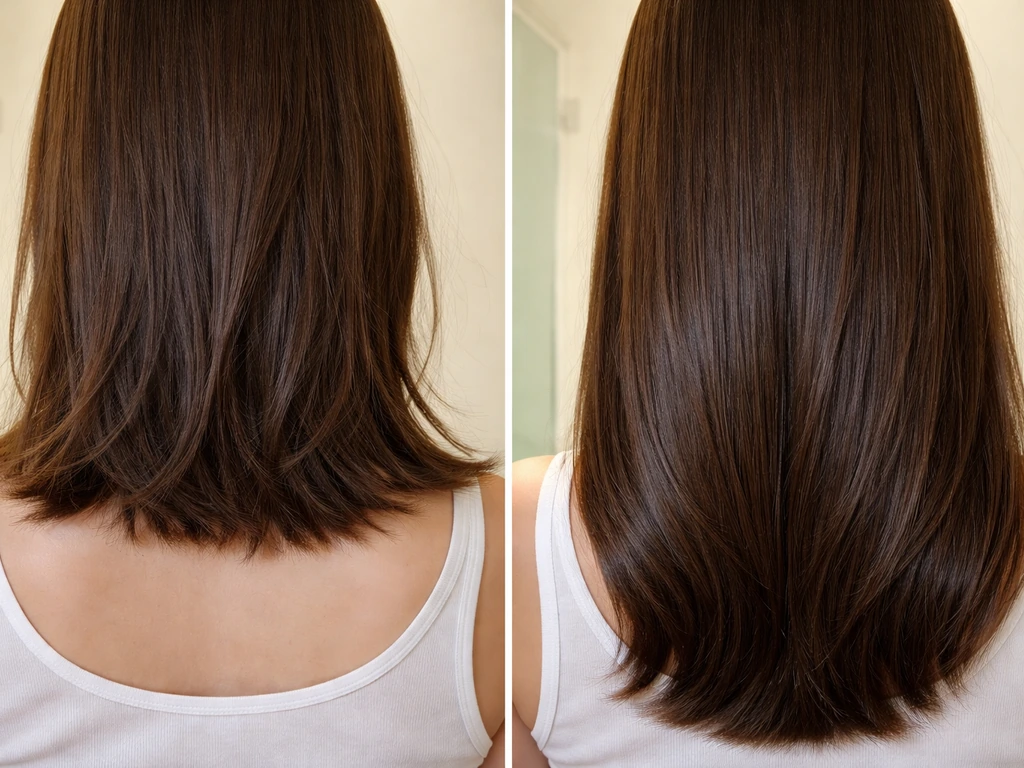
Tips on How to Grow Your Hair Out: A Step by Step Guide
Step-by-step tips to grow hair out: stop breakage, build scalp routine, nutrition, safe actives, and track progress.
Grow Hair Long Tips: Step-by-Step Routine to Reach Length
Step-by-step grow hair long tips: boost scalp health, cut breakage, improve diet, and track progress for length.