
Growing long, shiny hair is genuinely achievable for most people, but it takes a combination of protecting the length you already have, keeping the scalp healthy so follicles can do their job, and filling in any nutritional gaps that might be slowing things down. You are not going to double your growth rate with a serum or a supplement, because biology sets the ceiling. What you can do is stop the habits that snap hair off before it reaches your goal length, and create the conditions for each follicle to stay in its active growing phase for as long as possible. That is what this guide covers, step by step. For a focused, practical checklist you can follow, see our guide on how 2 grow long hair.
How to Grow Long and Shiny Hair: Timelines, Routines & Science

Marcus Holloway
30 Jul 2026
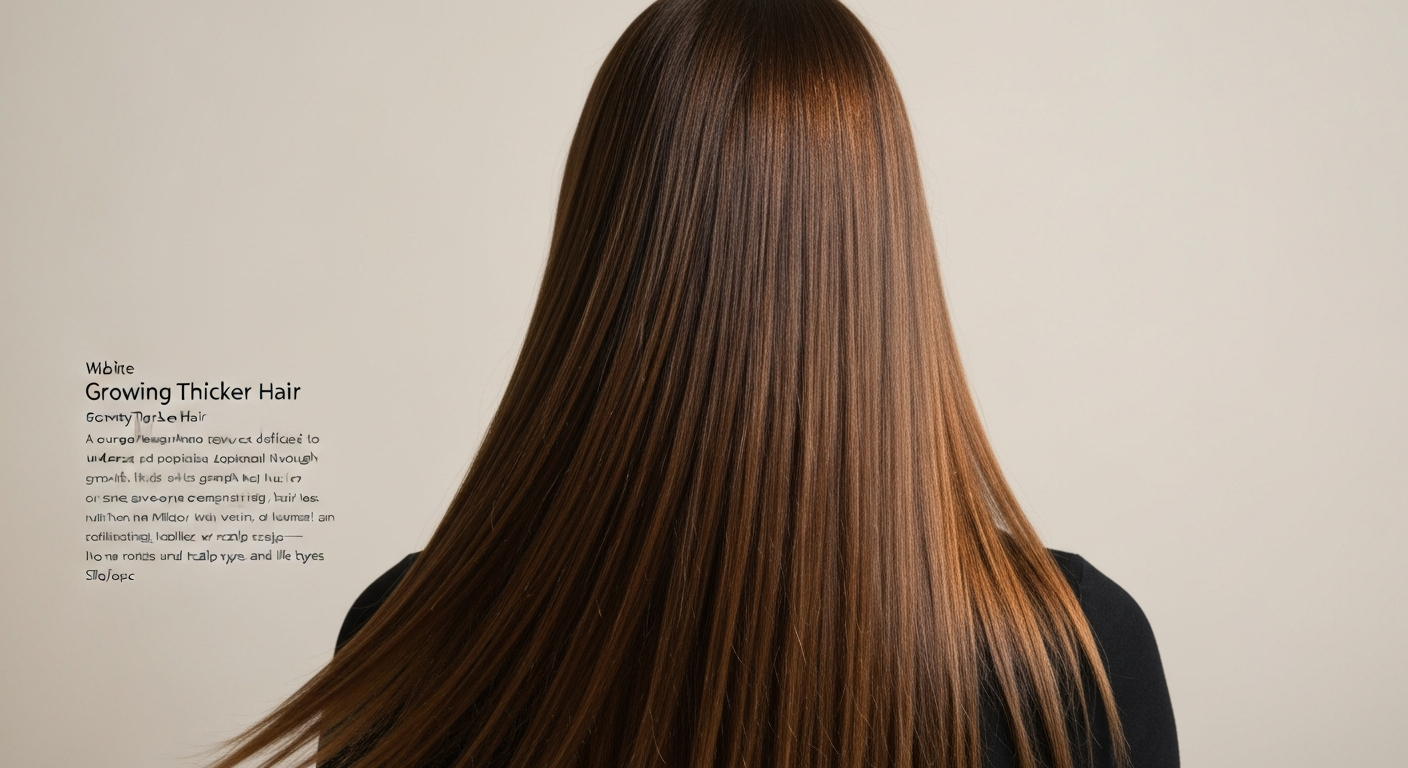
Who this guide is for and what it will actually deliver
If you want longer, thicker, or glossier hair and you are not sure where to start, this is written for you. It covers every hair type, men and women, people dealing with thinning or slow growth, and people chasing a specific look like a long mane, shaggy layers, or sleek shiny strands. What it will give you is a realistic framework: honest timelines, an explanation of the biology that controls your hair, a daily and weekly care routine, nutrition and supplement guidance grounded in clinical evidence, and a breakdown of topical treatments from oils to minoxidil. What it will not do is promise you an inch a month when your genetics cap you at half that, or tell you that one miracle oil will change everything. Evidence-based means admitting when the research is thin, and you deserve that honesty.
Realistic expectations: how much can you actually grow in a year?
Scalp hair in adults grows roughly 0.3 to 1.3 centimeters per month, with about 1 cm per month being the most commonly cited average. At the lower end of that range, you will gain around 3.6 cm (just over an inch) in a year. At the higher end, you might see 15 cm. That wide range exists because growth rate is influenced by genetics, age, hormones, nutrition, and even season. I want you to go in with eyes open: if your natural rate is 0.5 cm per month, the most effective routine in the world will not push you to 1.5 cm. What the routine does is make sure you are not losing the length you grow because of breakage, and that your follicles are not underperforming because of a fixable nutritional deficiency or a damaged scalp.
| Timeframe | Expected growth (at 0.7 cm/month avg) | What you might notice |
|---|---|---|
| 3 months | ~2 cm (about 1 inch) | Slightly fuller at the roots, barely visible at the ends |
| 6 months | ~4 cm (just under 2 inches) | Clearly longer to anyone paying attention |
| 9 months | ~6 cm (about 2.5 inches) | A meaningful length gain, style options begin to open up |
| 12 months | ~8–10 cm (3–4 inches) | Noticeable transformation, especially if you have reduced breakage |
The 12-month column is where patience pays off. A year of consistent care, minimal breakage, and good scalp health can look genuinely transformative compared to a year of heat damage and neglect even if the raw growth rate is identical. That is the part of hair length that is actually in your control.
How hair actually grows: the science without the jargon
Every hair follicle on your scalp cycles through three phases independently. Understanding these phases explains why you shed hair every day and why some people can grow hair to their waist while others plateau at shoulder length, no matter what they do.
The three phases that control everything
- Anagen (active growth phase): this is when the follicle is producing new hair. It lasts anywhere from about 2 to 7 years on the scalp, and this duration is the single biggest determinant of maximum achievable hair length. At any moment, roughly 80 to 90 percent of your follicles are in anagen. Someone with a 7-year anagen phase growing at 1 cm per month can theoretically reach around 84 cm of length. Someone with a 3-year anagen at the same rate caps out around 36 cm. Genetics largely controls this.
- Catagen (transition phase): the follicle shrinks and detaches from its blood supply. This lasts about two weeks. Only 1 to 2 percent of follicles are in catagen at any time.
- Telogen (resting and shedding phase): the old hair sits in the follicle while a new one begins to form underneath. This phase lasts roughly 3 months, and 5 to 15 percent of follicles are here at any point. Losing 50 to 100 hairs a day is completely normal. Stress, illness, sudden weight loss, and nutritional deficiencies can push more follicles into telogen at once, causing a visible shed called telogen effluvium.
What you can and cannot change
Genetics, hormones, age, and life stage all influence anagen duration, growth rate, and follicle density. At any given time ~80–90% of scalp follicles are in anagen, ~1–2% in catagen and ~5–15% in telogen; anagen duration varies by body site, age, hormones and ethnicity and largely determines achievable hair length At any given time ~80–90% of scalp follicles are in anagen, ~1–2% in catagen and ~5–15% in telogen; anagen duration varies by body site, age, hormones and ethnicity and largely determines achievable hair length.. Androgenetic alopecia (pattern hair loss) works by shortening anagen phases and miniaturizing follicles over time, driven by dihydrotestosterone (DHT) in genetically susceptible individuals. Age gradually slows growth rate and can shorten anagen. Pregnancy often extends anagen phases (the thick-hair effect), followed by a telogen shed a few months after birth. You cannot reprogram these fundamentals, but you can work with them rather than against them, and in cases like pattern hair loss, clinical treatments genuinely slow or partially reverse the process.
Your daily scalp and hair care routine for growth
A daily routine does not need to be complicated. The goal is to keep the scalp clean and stimulated, protect the hair shaft from mechanical and heat damage, and deliver moisture to the length. Here is what I recommend building into your day.
- Morning: gently detangle dry hair from ends to roots using a wide-tooth comb or a wet brush before doing anything else. Starting from the ends prevents you from dragging knots down the full length of the shaft.
- Washing days (aim for 2 to 4 times per week for most hair types, more for fine oily hair, less for coarse or very dry hair): use a sulfate-free or gentle sulfate shampoo, massage the scalp with fingertip pads (not nails) for 1 to 2 minutes to stimulate circulation, then rinse thoroughly.
- Condition every wash: apply conditioner from mid-length to ends, leave for 2 to 3 minutes, rinse with cool water to close the cuticle and add immediate shine. If your hair is dry or color-treated, a leave-in conditioner on damp hair adds another layer of protection.
- Heat styling: if you use heat tools, always apply a heat protectant spray first and keep temperatures at or below 180°C (356°F). Every degree above that increases cuticle cracking. On non-wash days, embrace air-dry styles, braids, or low-manipulation options.
- Nighttime: switch to a silk or satin pillowcase or sleep with hair in a loose braid wrapped in a silk scarf. Cotton pillowcases create friction that roughens the cuticle and causes breakage over months of use. This one change genuinely adds up.
Weekly and monthly routines: scalp care, masks, and trims
Weekly scalp exfoliation and massage
Once a week, spend 3 to 5 minutes doing a dedicated scalp massage before washing. You can do this with dry fingertips or add a few drops of diluted oil (more on oil ratios shortly). Scalp massage has some modest evidence for improving hair thickness, likely by increasing blood flow to follicles and reducing follicular tension. It also loosens sebum and dead skin buildup that can clog follicle openings. Once every 2 to 4 weeks, use a gentle scalp scrub or exfoliating scalp serum to clear that buildup more thoroughly, particularly if you use a lot of styling products.
Monthly deep conditioning and protein treatments
Once a month, do a deep conditioning mask and leave it on for 20 to 30 minutes under a shower cap with gentle heat (a warm towel works). If your hair is chemically treated, bleached, or heat-damaged, alternate monthly between a moisturizing mask and a protein treatment. Protein fills in gaps in damaged cuticle and cortex, reducing breakage. Do not overdo protein if your hair is healthy and unprocessed because too much can cause stiffness and snapping.
How often should you trim?
Trims do not make hair grow faster. That is a persistent myth. What they do is remove split ends before they travel up the shaft and cause more breakage. If you are actively growing out your hair, a dusting (removing just 0.5 to 1 cm) every 10 to 12 weeks keeps the ends healthy without sacrificing length. If you have significant damage or heat-fried ends, a slightly more generous trim every 8 weeks for a few months will actually preserve more length long-term by stopping the split-end creep.
Nutrition, hydration, and supplements: what the evidence actually shows
Hair is made of protein, and follicles are among the most metabolically active structures in the body. That means they are sensitive to nutritional deficits, and deficiencies in key nutrients are a genuinely fixable cause of slow or thinning hair. The flip side is that supplementing nutrients you are not deficient in usually does nothing measurable for growth.
The nutrients that matter most
- Protein: hair is made of keratin, a protein. Eating adequate protein (roughly 1.2 to 1.6 g per kg of body weight daily for most active adults) provides the amino acid building blocks follicles need. Chronic low protein intake is a real cause of hair thinning.
- Iron and ferritin: this is the most commonly overlooked deficiency in women with diffuse shedding. Systematic review and meta-analysis data link low serum ferritin to nonscarring diffuse hair loss. If you are losing more hair than usual, get your ferritin checked. Supplementing iron when levels are adequate is unnecessary and carries risks.
- Vitamin D: low 25-OH vitamin D levels are consistently overrepresented in people with pattern and other non-scarring alopecias. Interventional trial evidence for hair regrowth from supplementation is still limited, but correcting a documented deficiency is reasonable and safe. A blood test will tell you where you stand.
- Zinc: deficiency is associated with hair loss, and zinc plays a role in the protein synthesis and cell division that hair follicles depend on. Again, supplementing when levels are normal provides no proven benefit and excessive zinc can cause side effects.
- Biotin: widely marketed for hair growth. The reality is that biotin supplementation only helps people with a true biotin deficiency, which is uncommon in people eating a varied diet. More importantly, high-dose biotin interferes with numerous common lab tests including thyroid panels and troponin assays, per FDA safety communications. If you take biotin supplements, tell your doctor before any blood test.
- Omega-3 fatty acids: some evidence from small studies suggests omega-3s (from fatty fish, flaxseed, or supplements) can support scalp health and hair quality, though large RCTs are lacking.
Hydration and overall diet
Chronic dehydration affects the scalp's skin barrier and hair shaft flexibility. Aim for adequate fluid intake across the day and prioritize it through whole foods: vegetables, fruit, and broth-based meals contribute meaningfully. A diet built around lean protein, leafy greens, nuts, seeds, and whole grains will cover most of the micronutrients your follicles need without a supplement cabinet full of products. Food first is genuinely the most effective approach for the majority of people.
Scalp treatments and topical options with real evidence
When scalp care and nutrition are not enough, or when pattern hair loss is in the picture, topical and clinical treatments become relevant. Here is an honest breakdown of the options with the most evidence behind them.
Minoxidil (topical)
Topical minoxidil is supported by high-quality evidence, including Cochrane-level systematic reviews, for both male and female pattern hair loss. The 2% solution is approved for women and the 5% foam or solution for men, though many dermatologists now use 5% for women too. It works because the follicle converts minoxidil into minoxidil sulfate (via an enzyme called SULT1A1), which prolongs the anagen phase and widens the hair shaft. Individual response varies significantly because people differ in their follicular sulfotransferase activity. Expect an initial shedding phase in the first 4 to 8 weeks as telogen hairs are displaced. Measurable improvement typically appears at 12 to 24 weeks, with the clearest benefit by around 48 weeks. It must be used continuously because stopping reverses the gains within months. Oral low-dose minoxidil is increasingly used off-label and has emerging RCT support, but that is a conversation to have with a dermatologist.
Finasteride (oral and topical)
Oral finasteride at 1 mg per day is a type-II 5-alpha-reductase inhibitor, meaning it blocks the conversion of testosterone to DHT. Multiple randomized controlled trials show it increases hair counts and slows progression in men with androgenetic alopecia. It requires ongoing use and is not approved for women who are or could become pregnant due to risk of fetal harm. Topical finasteride formulations are an increasingly validated option: phase III RCT data show statistically significant hair-density gains versus placebo in men, with meaningfully lower systemic DHT suppression than the oral version, which matters for men concerned about systemic side effects. Both forms require a prescription.
Medicated shampoos
Ketoconazole 1% or 2% shampoos are sometimes used alongside other treatments for pattern hair loss. There is some evidence that ketoconazole reduces scalp inflammation and has mild anti-androgenic properties at the follicle level. It is not a standalone hair-loss treatment but a reasonable adjunct if you are also managing seborrheic dermatitis. Zinc pyrithione and selenium sulfide shampoos similarly address scalp inflammation and dandruff, which if left unchecked, can impair the environment follicles grow in.
Topical corticosteroids
Prescription topical corticosteroids are primarily used for inflammatory alopecias such as alopecia areata, lichen planopilaris, or scalp psoriasis. They suppress the immune response that is attacking follicles in those conditions. They are not indicated for simple slow growth or androgenetic alopecia and should only be used under dermatological guidance because long-term overuse can thin the scalp skin.
Peptide serums and newer topicals
Peptide-based scalp serums (containing ingredients like Redensyl, Procapil, or copper peptides) are popular and have some in vitro and small clinical data, but large, independent, double-blind RCTs are limited. They are not a replacement for minoxidil in pattern hair loss, but for people wanting a non-pharmaceutical scalp booster, they are lower risk than many alternatives and the mechanistic rationale is reasonable. Low-level laser therapy (LLLT) devices have multiple double-blind RCTs and meta-analyses showing modest increases in terminal hair counts for pattern hair loss, with most studies reporting benefits after 12 to 26 weeks of regular use. A systematic review and meta‑analysis of home‑use LLLT devices for pattern hair loss found modest but significant increases in terminal hair counts after 12–26 weeks (Systematic review & meta‑analysis of home‑use LLLT devices for pattern hair loss (PMC)). They are an evidence-based option worth considering if you want a non-drug approach.
| Treatment | Evidence level | Best for | Key limitation |
|---|---|---|---|
| Topical minoxidil (2–5%) | High (Cochrane-reviewed RCTs) | Male and female pattern hair loss | Must be used continuously; initial shed possible |
| Oral finasteride (1 mg) | High (multiple RCTs in men) | Male androgenetic alopecia | Requires prescription; not for women of childbearing age |
| Topical finasteride | Moderate-high (Phase III RCT) | Men wanting lower systemic DHT reduction | Requires prescription; newer data |
| LLLT devices | Moderate (multiple RCTs, meta-analyses) | Pattern hair loss, non-drug option | Modest effect size; requires consistent use |
| Ketoconazole shampoo | Low-moderate | Inflamed or dandruff-prone scalp alongside other treatment | Not a standalone growth treatment |
| Peptide serums | Low-moderate (small/industry trials) | General scalp health, non-pharmaceutical approach | Large independent RCTs lacking |
| Topical corticosteroids | Moderate (for inflammatory alopecias) | Alopecia areata, lichen planopilaris, scalp psoriasis | Prescription only; not for AGA or general growth |
Oils, serums, and home topicals: what has plausible benefit and how to use them safely
Oils are probably the most confusing category in hair care because the marketing claims are enormous and the scientific evidence is much more modest. Here is a practical, honest breakdown of the most commonly used options.
Coconut oil
This is the most evidence-supported of the hair oils. Research including controlled laboratory studies shows that coconut oil, due to its high lauric acid content and low molecular weight, can actually penetrate the hair shaft rather than just coating it. Used as a pre-wash treatment (applied 20 to 30 minutes before shampooing) or as a light post-wash oil on the ends, it significantly reduces protein loss from the hair shaft. This is a real, plausible mechanism for reducing breakage, particularly in damaged or porous hair. It does not grow more hair, but keeping the shaft intact means retaining more of the length you grow. Use about a teaspoon for medium-length hair, work it from mid-shaft to ends, and avoid applying heavily to the scalp if you are prone to clogged follicles.
Argan oil
Argan oil is rich in vitamin E, phenols, and fatty acids. Laboratory and small clinical studies show it can reduce oxidative and protein damage to excised hair fibers and improve surface smoothness, which translates to better shine and reduced mechanical breakage. Large RCTs for scalp hair density do not exist, so it is not a growth treatment. Its strength is as a finishing oil and a protective treatment for color-treated or heat-styled hair. A drop or two worked through dry ends is enough. More than that and it will weigh the hair down and look greasy.
Jojoba oil
Jojoba is technically a liquid wax ester that closely mimics the structure of sebum, making it an excellent scalp moisturizer without the heaviness of other oils. It works well as a carrier oil for scalp massage blends and sits comfortably on most hair types including fine hair. It has a light texture and does not leave a residue if used in small amounts.
Castor oil
Castor oil has strong cultural and popular use for hair growth, particularly in communities with afro-textured hair. The honest answer is that systematic reviews and the dermatology literature find no robust randomized controlled trial evidence demonstrating it actually stimulates scalp hair growth. It is thick, conditioning, and can improve the appearance of the hair shaft, but the growth claims are not backed by clinical trial data. If you enjoy using it, it is not harmful in small amounts, but manage your expectations and do not skip more evidence-based approaches in its favor.
Dilution, blending, and patch-testing rules
If you are adding essential oils (rosemary oil is the one with the most clinical interest for hair, with one small RCT showing results comparable to 2% minoxidil in alopecia areata) to a carrier oil, always dilute to 1 to 2 percent. That means roughly 6 to 12 drops of essential oil per 30 ml (about 2 tablespoons) of carrier oil. Never apply undiluted essential oils to the scalp: they can cause chemical burns, contact dermatitis, and sensitization. Before using any new oil blend on your scalp, do a patch test on the inner forearm and leave it for 24 hours. This is not optional if you have sensitive skin or a history of contact reactions.
| Oil | Best use | Evidence level | Cautions |
|---|---|---|---|
| Coconut oil | Pre-wash treatment to reduce protein loss and breakage | Moderate (controlled lab studies) | May clog follicles if applied heavily to scalp |
| Argan oil | Finishing oil; UV and heat damage protection | Low-moderate (small clinical/lab studies) | Use sparingly; too much = greasy |
| Jojoba oil | Scalp moisturizer and carrier oil for blends | Low (traditional/cosmetic use, limited clinical trials) | Generally well tolerated across hair types |
| Castor oil | Conditioning, end treatment | Low (no robust RCTs for hair growth) | Very thick; can be hard to wash out |
| Rosemary essential oil (diluted) | Scalp treatment for pattern hair loss, diluted in carrier | Low-moderate (one small RCT vs minoxidil) | Must be diluted 1–2%; patch test required |
Reducing breakage: the strategies that preserve every centimeter you grow
Breakage is the main reason many people feel like their hair is stuck at a certain length. The hair is growing, but it is breaking off at roughly the same rate at the ends. These are the most impactful changes you can make.
- Protective styling: styles that tuck away the ends (loose braids, twists, buns) minimize daily friction and manipulation, which means less breakage over weeks and months. The key word is loose, because tight styles put tension on the follicle itself and can cause traction alopecia over time.
- Heat rules: try to limit heat styling to 2 to 3 times per week maximum. When you do use heat, cap your flat iron or wand at 180°C and never pass over the same section more than twice. Heat protectant is mandatory, not optional.
- Chemical treatments: relaxers, bleach, and repeated color applications degrade the hair shaft's disulfide bonds and cuticle. If you use chemical treatments, space them out as much as possible, deep condition aggressively, and consider protein treatments in between.
- Tools: a wide-tooth comb, a wet brush, or a Denman brush are far less damaging than fine-tooth combs on wet or dry hair. Boar bristle brushes distribute sebum and smooth the cuticle but should only be used on dry, detangled hair. Elastic hair ties with metal clasps catch and break hair; use seamless elastics or spiral coils instead.
- Towel drying: patting hair gently with a microfiber towel or an old t-shirt instead of rubbing it with a regular towel dramatically reduces friction-based breakage, especially at the most vulnerable points (the mid-shaft and ends).
Hair type and style-specific tips
Fine or straight hair
Fine hair gets weighed down easily by heavy oils and thick conditioners. Focus on lightweight, silicone-containing conditioners (dimethicone and related silicone polymers genuinely smooth cuticles and reduce fiber-to-fiber friction, lowering breakage risk) and volumizing formulas at the root. Use oils sparingly on the ends only. Scalp massage is particularly useful here because fine hair tends to show thinning early. Rinse well so product does not build up and dull the shine.
Coarse, curly, or afro-textured hair
These hair types have more surface area, more bends in the shaft where the cuticle can lift, and are naturally drier because sebum from the scalp has a longer, more winding journey to reach the ends. Deep conditioning weekly rather than monthly makes a genuine difference. The LOC or LCO method (liquid, oil, cream in different orders depending on porosity) is a practical framework for retaining moisture. Protective styles help enormously, and co-washing (conditioner-only washing between shampoos) can maintain moisture without stripping natural oils.
Aiming for a long mane or shaggy layers
For a long mane look, the goal is uniform length retention and minimal layering. See our guide on how to grow long shaggy hair for a step-by-step plan tailored to retaining length while maintaining textured, layered styles. Resist heavy layering cuts during the growth phase because layers require more regular trimming to maintain their shape. For shaggy, textured styles, the game is about managing ends health closely because the shorter pieces in a shaggy cut are the most exposed to breakage. Those shorter layers are the ones most worth treating with a weekly oil treatment to keep them flexible.
DIY gloss treatments for shine
Shiny hair is mostly about cuticle alignment. When the cuticle scales lie flat, light reflects off the surface uniformly and the hair looks glossy. When they are lifted or damaged, light scatters and hair looks dull. A few low-cost home treatments help close the cuticle temporarily.
- Apple cider vinegar rinse: dilute 1 to 2 tablespoons in 250 ml of water and pour over hair after conditioning, then rinse. The mild acidity helps close the cuticle and can add noticeable shine. Use once every one to two weeks, not daily, as over-acidification can cause brittleness.
- Cold water final rinse: simply ending your shower with 30 seconds of cold water closes the cuticle and is free. It genuinely works and the difference is visible on smoother hair types.
- Argan or camellia oil finishing: a single drop (no more) of argan or camellia oil smoothed over dry, styled hair reflects light and seals the surface. This is what most professional salon glossing sprays replicate with a synthetic carrier.
- Glossing conditioner masks: conditioners with hydrolyzed silk protein or panthenol fill in micro-gaps in the cuticle and create a smoother surface. Look for those ingredients in your deep conditioning mask for a monthly gloss boost.
Tracking progress and when to see a clinician
Measuring hair growth at home is straightforward: take a photo at the same angle and lighting once a month, or measure a specific section with a ruler. Progress feels slow day to day but month-to-month photos are genuinely motivating once you start seeing change. Track how much hair you are shedding by saving one week's shower shedding in a bag; if it looks dramatically higher than 100 to 150 hairs, that is worth monitoring.
See a dermatologist if: your shedding has increased significantly over a short period and has not settled after three to four months; you are noticing patchy bald areas rather than diffuse thinning; your scalp is itchy, flaky, or inflamed in a way that does not resolve with a medicated shampoo; or you are a woman with diffuse thinning and have not had your ferritin, thyroid function, and vitamin D levels checked. These are not panic situations, but they are situations where a clinician can rule out underlying causes and offer treatments that no home routine replaces. Pattern hair loss in particular is much easier to slow or stabilize when addressed early than to reverse once significant miniaturization has occurred.
Growing long, shiny hair comes down to protecting what you grow, feeding your follicles what they need, keeping your scalp healthy, and being patient with a process that is measured in months and years rather than days. For a focused, step-by-step plan on who to grow long hair, with timelines, routines, and treatment options, see the linked guide. There is no shortcut to length, but there are real differences between a routine that works with your hair biology and one that fights against it. Start with the daily habits, address any nutritional gaps with a blood test rather than guesswork, and reach for clinical treatments if pattern loss is part of your picture. Everything else will follow, gradually and steadily, which is exactly how hair works.
FAQ
What realistic growth timeline and limits should I expect when trying to grow long, shiny hair?
Average scalp-hair growth is roughly 0.3–1.3 cm per month (commonly ~1 cm/month). Achievable maximum length is set mainly by how long each follicle stays in anagen (growth phase), typically 2–7 years in adults; someone with a 5–7 year anagen can grow much longer hair than someone with a 2–3 year anagen. Expect measurable change in length over months (several cm in 3–6 months) but true long‑hair goals (many tens of cm) usually take years. Individual genetics, age, hormones, and health determine the ceiling and rate.
What basic science explains why some people grow hair faster or longer than others?
Hair growth rate and maximum length are controlled by the hair cycle. At any time ~80–90% of follicles are in anagen (growing), a small percent in catagen (regression), and ~5–15% in telogen (resting). Anagen duration varies by genetics, ethnicity, hormones (androgens, thyroid), nutrition and life stage. Disorders like androgenetic alopecia (pattern hair loss) shorten anagen or turn terminal hairs into thinner vellus hairs, reducing length and density.
What daily and weekly scalp and hair-care routines encourage longer, shinier hair?
Daily: be gentle—use a wide‑tooth comb on damp hair, avoid aggressive towel rubbing (pat dry or use microfiber), limit heat styling, and use a leave‑in conditioner or light oil to reduce friction. Weekly: cleanse based on your scalp (2–4×/week common), use a clarifying shampoo once every 1–4 weeks if product buildup occurs, and apply a conditioning mask or deep conditioner once weekly to restore moisture and reduce breakage. Scalp care: massage the scalp for 1–5 minutes daily to increase comfort and possibly microcirculation; keep the scalp clean and avoid harsh detergents that dry the skin.
Which nutritional steps and supplements have evidence for improving hair growth or reducing shedding?
Nutrition: ensure adequate protein, calories, and hydration; correct iron deficiency (check ferritin if you have diffuse shedding—low ferritin is associated with hair loss in women). Vitamin D deficiency is associated with some alopecias—treat documented deficiency. Supplements: correct proven deficiencies (iron, vitamin D, other micronutrients). Routine high‑dose biotin is not supported unless you have biotin deficiency and can interfere with lab tests. Use supplements judiciously and under clinician guidance if you suspect deficiency.
How effective are topical treatments like minoxidil and what should I know before trying them?
Topical minoxidil (2% and 5%) has high‑quality evidence for improving hair counts in pattern hair loss. Expect possible initial shedding, then measurable improvement after ~12–24 weeks, with clearer benefit by ~48 weeks. It must be used continuously to maintain gains. Response varies—follicular sulfotransferase activity affects conversion to the active form, explaining variable results. Side effects can include local irritation and unwanted facial/body hair growth.
What about oral or topical finasteride for men and women?
Oral finasteride 1 mg/day is proven to increase hair counts and slow male pattern hair loss; benefits take months and require ongoing use. In women, oral finasteride is not routinely recommended (teratogenic risks) except under specialist supervision. Topical finasteride formulations show promising trial results with reduced systemic DHT suppression compared with oral dosing—consult a clinician for suitability.
Next Articles
How 2 Grow Long Hair: A Complete Evidence-Based Guide
Evidence-based plan to learn how 2 grow long hair: routines, nutrition, treatments, 3- & 12-month plans andTroubleshoot.
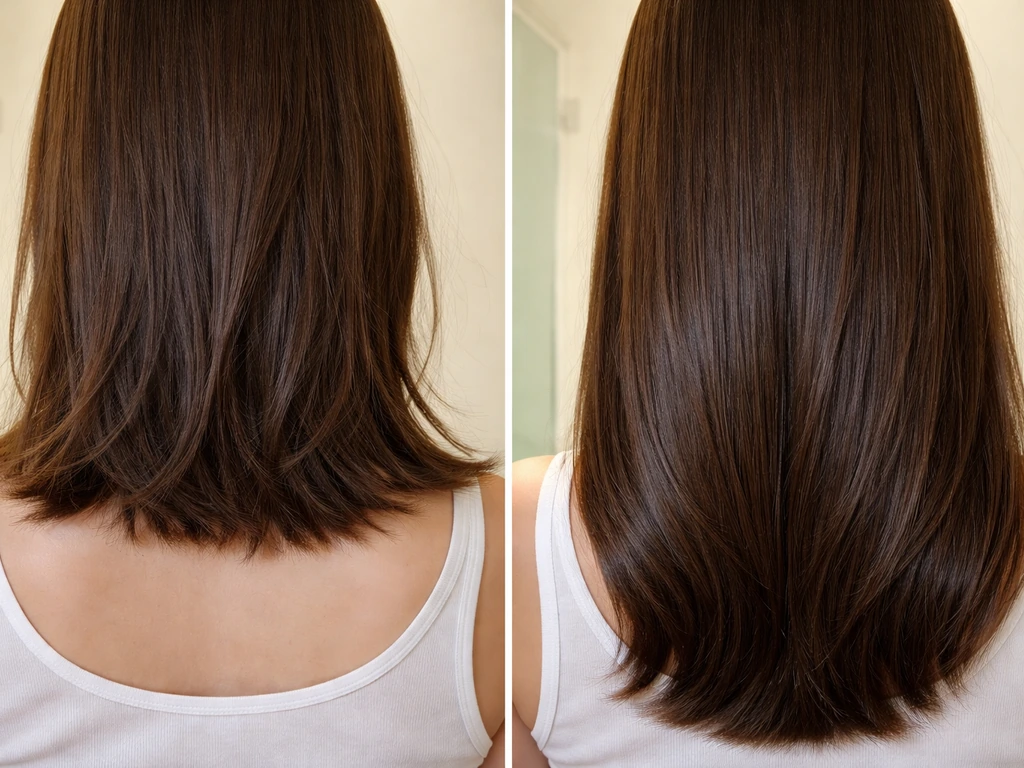
Tips on How to Grow Your Hair Out: A Step by Step Guide
Step-by-step tips to grow hair out: stop breakage, build scalp routine, nutrition, safe actives, and track progress.
Grow Hair Long Tips: Step-by-Step Routine to Reach Length
Step-by-step grow hair long tips: boost scalp health, cut breakage, improve diet, and track progress for length.