
Yes, temple hair can grow back, but whether it does, and how fully, depends almost entirely on what's causing it to thin in the first place. If you caught the problem early and the cause is traction, a nutrient gap, or a shedding episode, regrowth is genuinely realistic. If it's androgenetic alopecia (pattern hair loss), regrowth is harder but not impossible, especially with the right treatment started before follicles miniaturize too far.
How to Grow Back Temple Hair: Step-by-Step Guide

Marcus Holloway
20 Jun 2026
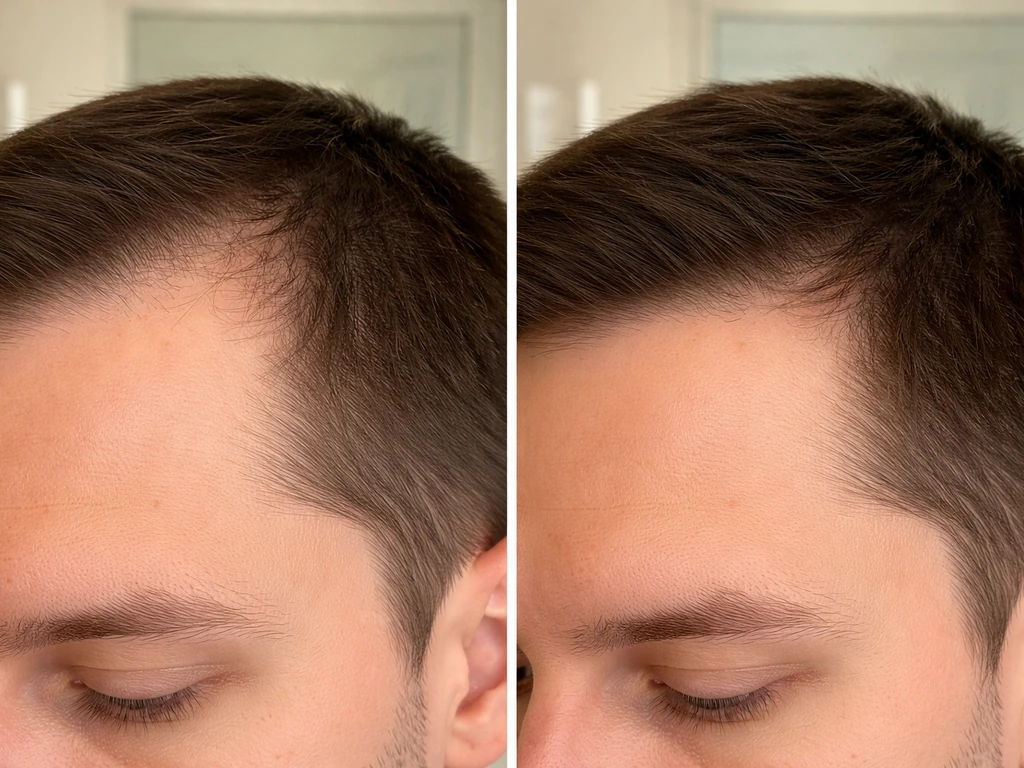
If you want a practical plan for how to grow hair on temples, start by using the right treatment for your specific cause and timing it early enough to help follicles recover and how fully. Scarring alopecias are the one exception where follicles can't recover, which is exactly why figuring out your specific cause matters before you start throwing products at the problem.
Can temple hair actually grow back (and what affects your odds)
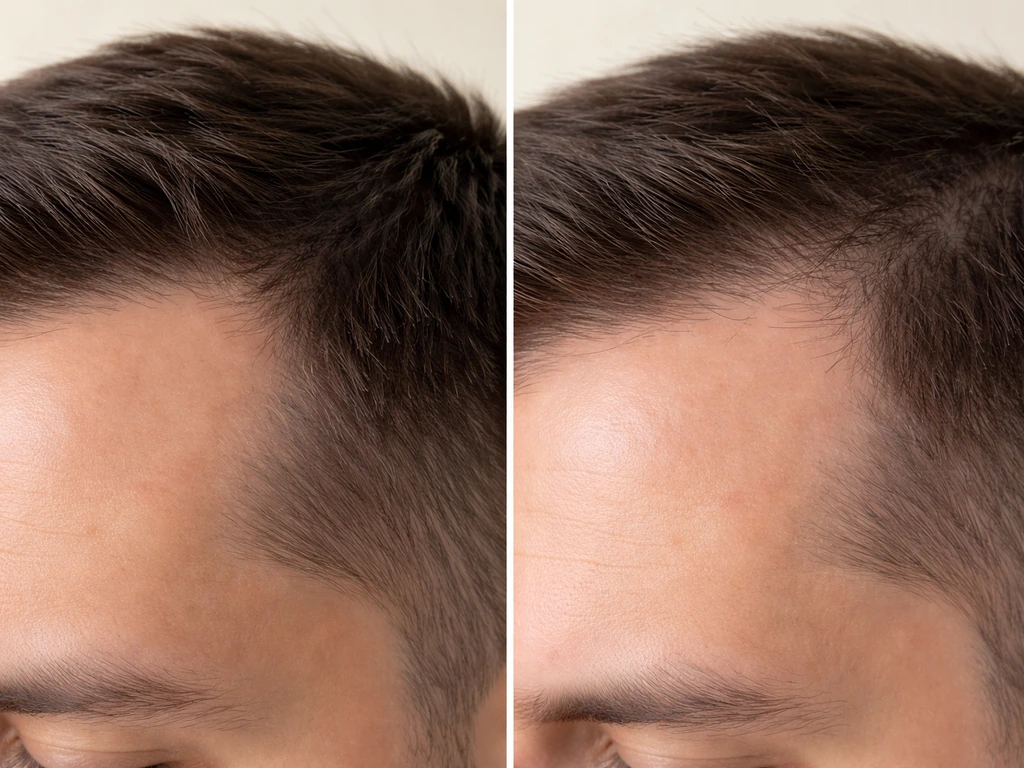
The temples are one of the first places people notice hair loss, and for good reason: they're exposed, highly visible, and sensitive to both hormonal and mechanical stress. The good news is that most causes of temple thinning are non-scarring, meaning the follicles are still alive and capable of producing hair, they're just dormant, miniaturized, or in a prolonged resting phase.
In androgenetic alopecia, follicles go through a slow miniaturization process where terminal (thick, pigmented) hairs gradually turn into shorter, finer, paler vellus-like hairs. Research using serial scalp biopsies has found that this miniaturization can actually be partially reversed with treatments like finasteride, which tells us the follicle hasn't given up completely, it just needs the right signal. But there's a window. The longer miniaturization continues unchecked, the harder it becomes to bring those follicles back to full function.
With traction alopecia, loss caused by tight hairstyles, early-stage damage is genuinely reversible. Follicles in early traction show changes like trichomalacia (fragile, swollen hair shafts) and telogen cycling shifts, but if you relieve the tension before perifollicular fibrosis sets in, regrowth happens. Chronic traction is a different story; once fibrosis develops, it starts to behave more like a scarring alopecia.
Telogen effluvium, the diffuse shedding type triggered by stress, illness, crash dieting, or hormonal shifts, almost always resolves on its own. Shedding typically peaks about 2 to 4 months after the trigger, then gradually slows. For most people, significant regrowth appears within 6 to 12 months once the underlying trigger is addressed.
Figuring out why your temples are thinning
Before you start any routine, spend a few minutes thinking through which cause actually fits your situation. The treatments are different, and picking the wrong approach wastes time you might not have.
Male pattern thinning at the temples
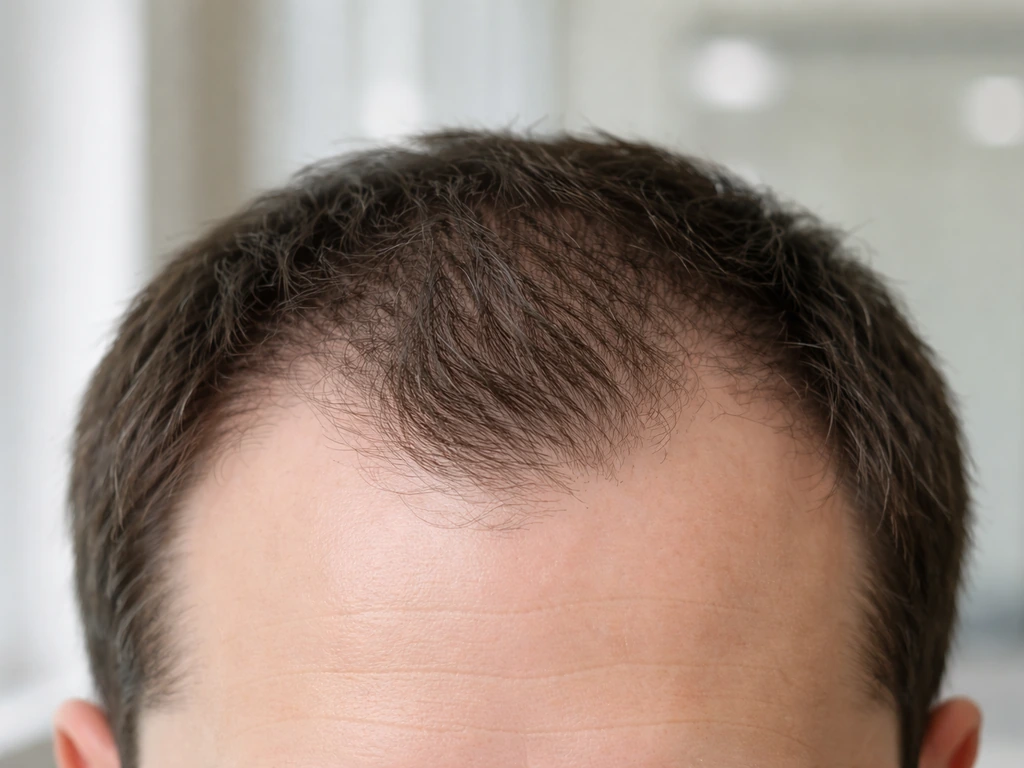
Male pattern hair loss almost always starts at the temples first, progressing into that classic M-shaped recession as the frontal hairline moves back. If you're a man and your temples have been gradually receding over months or years, especially with a family history of hair loss, androgenetic alopecia driven by DHT (a testosterone derivative) is the most likely culprit. Key signs are slow progression, symmetry, and hairs that look noticeably thinner and shorter at the temples before they disappear entirely.
Female pattern thinning at the temples
Female pattern hair loss (FPHL) typically shows up differently: women tend to keep their frontal hairline but notice widening of their part and overall density loss over the crown and top. Temple thinning in women more often points to traction from styling, telogen effluvium from hormonal changes (post-pregnancy, perimenopause, thyroid shifts), nutritional deficiencies, or, less often, a hormonal pattern loss that resembles male AGA at the temples. If you're noticing both temple thinning and a widening part, FPHL could be involved alongside another cause.
Traction and styling stress
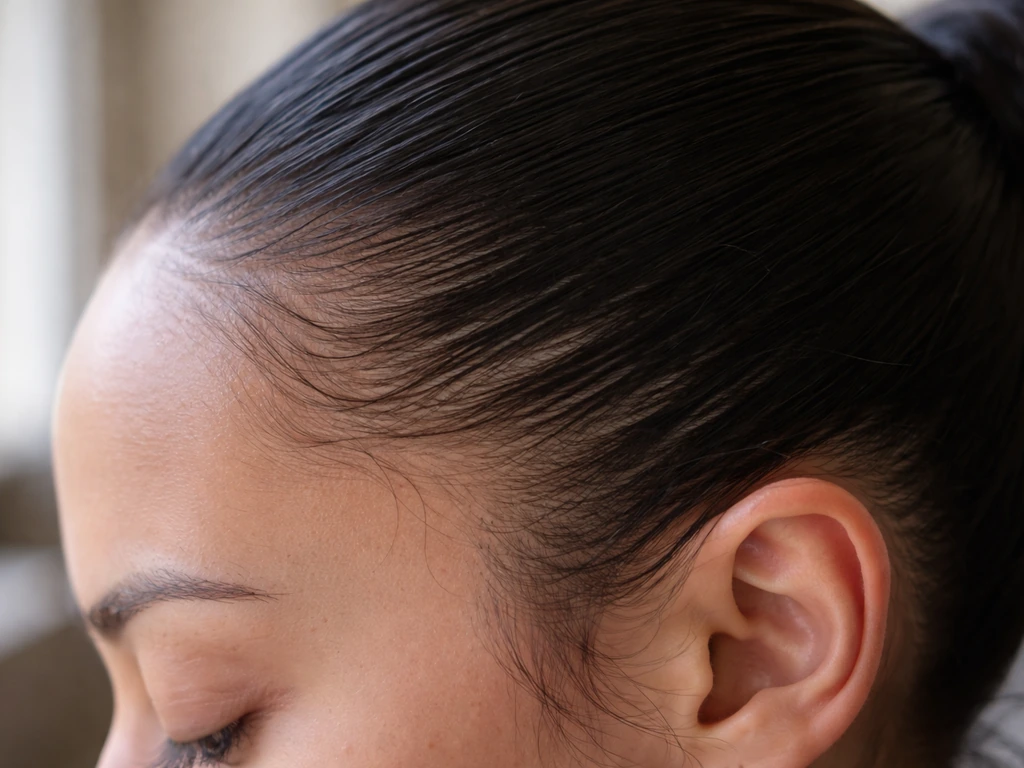
Traction alopecia is extremely common at the temples in people who wear tight ponytails, buns, braids, locs, weaves, or extensions regularly. The temples take the brunt of the tension because they're at the outer edge of whatever style you're using. Early signs include a thin line of breakage along the hairline, small pimples or redness at the follicle openings (folliculitis), and hair that feels brittle or breaks easily in that area. If this sounds familiar, the cause is mechanical, and the fix starts with changing your styling habits.
Shedding episodes (telogen effluvium)
If your temple thinning came on relatively quickly over a few months and you can trace it back to a stressful event, a major illness, surgery, extreme dieting, childbirth, a period of poor sleep or emotional stress, telogen effluvium is the likely driver. You'll usually notice diffuse shedding (not just at the temples), a lot of hair on your pillow or in the shower drain, and the timing will line up roughly 2 to 3 months after the trigger. The temples tend to look worse because the hair there is often finer to begin with.
Scalp inflammation and skin conditions
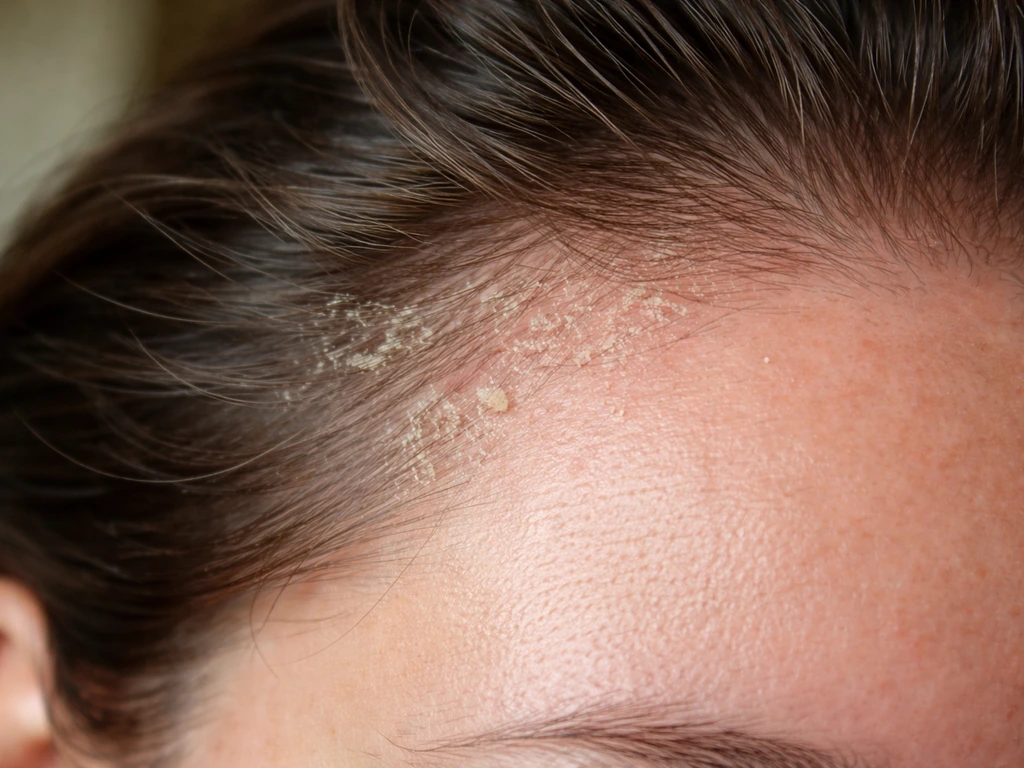
Seborrheic dermatitis (oily, flaky scalp with redness and itching) and scalp psoriasis (thicker, silvery-white plaques with redness) can both disrupt the follicle environment at the temples and contribute to shedding. If your temple area is itchy, flaky, or visibly inflamed, that scalp health issue needs to be addressed before regrowth can happen. Scratching makes it worse, and chronic inflammation directly interferes with hair cycling.
A quick comparison to help you identify your pattern
| Cause | Onset | Pattern | Key clues | Reversible? |
|---|---|---|---|---|
| Androgenetic alopecia (men) | Gradual, over years | Temples first, M-shape recession | Family history, slow progression, finer hairs at temples | Partially, with treatment |
| Female pattern hair loss | Gradual, over months/years | Widening part, density loss, temples affected | Retained frontal hairline, hormonal history | Partially, with treatment |
| Traction alopecia | Tied to styling habits | Hairline edges, temples, nape | Tight styles, folliculitis, breakage along hairline | Yes, if caught early |
| Telogen effluvium | Sudden, 2–4 months post-trigger | Diffuse shedding, temples appear worse | Recent stress, illness, diet change, hormonal shift | Yes, usually self-limiting |
| Scalp inflammation | Variable | Diffuse or localized near affected areas | Itching, flaking, redness, scaling | Yes, with treatment of underlying condition |
| Scarring alopecia | Variable, often progressive | Smooth patches, loss of follicle openings | No visible pores in bald area, inflammation, tenderness | No |
What to start today: scalp care and cutting off what's causing the loss
Whatever the underlying cause, there are two things worth doing immediately: protect your existing follicles from further damage and build a foundation for regrowth. These steps apply broadly, regardless of whether you're dealing with pattern loss, traction, or a shedding episode.
If traction is involved, change your styles now
This is the most important step if your temples are being pulled. Loosening your hairstyles isn't optional, it's the treatment. Early traction alopecia is reversible, but chronic tension leads to perifollicular fibrosis that's much harder to reverse. Switch to styles that don't put tension on the hairline: loose braids, low ponytails, or wearing hair down. If you wear extensions or weaves, take a full break for at least 8 to 12 weeks. If you notice redness, scaling, or tenderness at the follicles, that's active inflammation, a dermatologist may recommend a short course of topical corticosteroids alongside the traction reduction.
Address scalp inflammation if it's present
If you have seborrheic dermatitis (oily flakes, itching, redness), use an antifungal shampoo containing 2% ketoconazole or 1% ciclopirox two to three times per week until symptoms improve, then scale back to maintenance use. Ketoconazole shampoo has good clinical evidence for reducing scaling, itch, and redness within about four weeks. For psoriasis-related scaling at the temples, you'll need specific treatments, which is a good reason to see a dermatologist rather than guess.
Keep the scalp environment clean without overdrying
Wash your scalp regularly enough to prevent buildup but not so aggressively that you strip it dry. For most people, every 2 to 3 days works well. Use a gentle, sulfate-free shampoo if your scalp is sensitive. Avoid scratching the temples, even when they're itchy, mechanical friction at an already compromised hairline makes things worse. And if you're using heat styling tools, keep them away from the temple area while you're trying to regrow.
Nutrition and supplements: what the evidence actually supports
Nutrition matters for hair growth, but the relationship is more targeted than most supplement marketing suggests. Hair loss tied to nutritional deficiency is real, but supplementing nutrients you're not actually deficient in rarely does much. Here's what's worth paying attention to.
Iron and ferritin
Low ferritin (stored iron) is one of the most common and most overlooked contributors to telogen effluvium-style shedding, especially in women. You can have a normal hemoglobin level (so you're not anemic) but still have ferritin levels low enough to drive excess shedding. If you haven't had your ferritin tested, it's worth asking your doctor for it. A level below 30 ng/mL is often cited as a threshold where hair cycling can be affected. Addressing iron through diet (lean red meat, lentils, spinach with vitamin C to boost absorption) or supplementation when levels are confirmed low is a practical step.
Protein
Hair is made of keratin, which is protein, so severe protein malnutrition absolutely causes shedding. But if you're eating a reasonably balanced diet, adding more protein on top is unlikely to make a meaningful difference. Focus on consistently hitting a reasonable daily target (roughly 0.7 to 1 gram per pound of body weight is a sensible range for active adults) rather than dramatically increasing intake.
Zinc
Zinc deficiency is linked to telogen effluvium and has been studied as a supplement alongside other hair loss treatments. Like iron, the key is correcting an actual deficiency rather than megadosing. Good dietary sources include meat, shellfish, legumes, and seeds. If you've had a recent period of poor eating, it's worth considering a zinc check alongside ferritin.
Biotin: the honest take
Biotin is heavily marketed for hair growth, but the evidence doesn't support routine supplementation for people without a confirmed deficiency. Multiple reviews have concluded there's insufficient evidence that biotin helps hair growth in people who aren't deficient, and true biotin deficiency is actually uncommon. Save your money unless blood work shows a deficiency or your doctor specifically recommends it.
Thyroid function
Thyroid dysfunction, both hypothyroidism and hyperthyroidism, is a well-known cause of diffuse hair shedding. If your temple thinning came on alongside fatigue, weight changes, or temperature sensitivity, ask for a TSH test. Treating an underlying thyroid condition often resolves the associated hair loss over several months.
Vitamin D and B12
Vitamin D deficiency has been associated with various forms of alopecia, and B12 deficiency (common in vegetarians, vegans, and older adults) can contribute to diffuse shedding. Neither is a magic hair growth supplement, but deficiency is worth ruling out with a basic blood panel, which your doctor can order easily alongside ferritin and TSH.
Natural and at-home regrowth routines you can actually do
Once you've dealt with the root cause and your nutrition, you can layer in active regrowth strategies. These work best as part of a consistent routine over several months, none of them deliver overnight results, but the research on several of them is genuinely promising.
Scalp massage
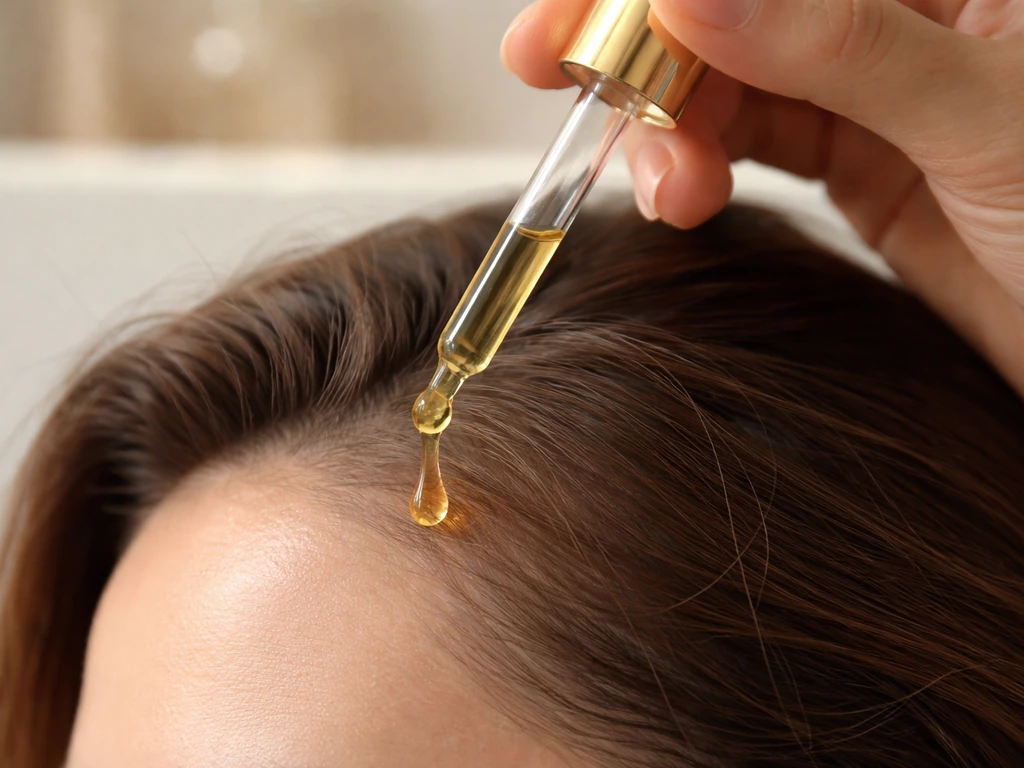
Daily scalp massage is one of the most accessible and evidence-supported habits you can build. Mechanical stimulation increases blood flow to the dermal papilla cells that control follicle activity. Spend 4 to 5 minutes each day using your fingertips to massage the temples in small circular motions, gentle enough not to cause friction or pull hairs, firm enough to feel the movement in the scalp tissue. You can do this while applying a topical oil or on its own in the shower.
Rosemary oil
Rosemary oil is the best-studied natural topical for hair loss. A 6-month randomized trial directly comparing rosemary oil to 2% minoxidil found comparable increases in hair count at the end of the study in people with androgenetic alopecia. That's a meaningful result, even if it's one study. To use it: dilute rosemary essential oil to about 2% in a carrier oil like jojoba or coconut (roughly 4 drops per teaspoon of carrier), apply directly to the temples, and massage in.
Leave it on for at least 30 minutes or overnight, then wash out. Do this daily or at least 5 times per week for at least 3 to 6 months before judging results. If you are also wondering how to make chin hair grow thicker, the same principles of hormone balance, nutrition, and consistent regrowth routines often apply thicker chin hair.
Topical minoxidil (if you're ready for an evidence-based step up)
Minoxidil is the most evidence-backed topical treatment for both male and female pattern hair loss and is available over the counter. If your goal is thicker hair specifically, the same evidence-based approach used for pattern thinning can help men as well male and female pattern hair loss. The 2% solution is typically used for women; men use 2% or 5%. It works by extending the anagen (growth) phase and increasing blood flow to follicles.
Apply it to dry temples and surrounding scalp twice daily (or once daily for some foam formulations). It requires consistent, long-term use, results typically appear after 4 to 6 months, and stopping it reverses those gains. It's worth considering alongside natural approaches, not instead of dealing with the underlying cause.
Microneedling
Dermarolling, using a small roller with tiny needles over the scalp, creates micro-injury that triggers a wound-healing response and may enhance penetration of topical treatments. A pilot RCT using weekly microneedling at 1.5 mm alongside 5% minoxidil showed encouraging results in androgenetic alopecia compared to minoxidil alone. Home rollers with 0.25 to 0.5 mm needle lengths are commonly used for the scalp; 1.0 to 1.5 mm lengths are more aggressive and better left to professional settings. Start with once a week, roll gently over the temple area in multiple directions, then apply your topical. Keep the roller clean and replace it every 10 to 15 uses.
Low-level laser therapy (LLLT)
FDA-cleared home LLLT devices (laser combs, caps, and bands using 655 nm wavelengths) have randomized controlled trial evidence supporting increased terminal hair density in pattern hair loss after 26 weeks of consistent use. They're not cheap and they're not dramatic, but for someone committed to a multi-pronged approach, they're a legitimate adjunct. Follow the device-specific protocol, which typically involves use three to four times per week for at least 6 months.
What to realistically expect and how to track progress
Patience is genuinely required here, hair grows about half an inch per month, and the regrowth cycle after a shedding episode or treatment takes time to show visibly. Here's a realistic framework for what to look for.
The typical timelines

- Traction alopecia (early): once tension is removed, many people see baby hairs returning within 3 to 6 months, with meaningful density improvement by 6 to 12 months.
- Telogen effluvium: shedding typically slows and stops within 3 to 6 months of removing the trigger; new growth becomes visible at the temples and temples fill in gradually over the following 6 to 12 months.
- Androgenetic alopecia (with treatment): at least 4 to 6 months before you can evaluate any topical treatment; most studies run 6 to 12 months to show measurable results. Don't stop a treatment that seems to be slowing loss — stabilization counts.
- Scalp conditions: once the underlying dermatitis or psoriasis is managed, shedding-related regrowth typically follows within a few months, though pattern loss underneath requires its own treatment.
How to track without driving yourself crazy
Take photos in the same lighting, angle, and hair condition (dry, parted the same way) every 4 to 6 weeks. Looking in the mirror every day won't give you useful information, the changes are too gradual. For shedding, try counting the hairs you lose during one wash day per week for several weeks in a row; you're looking for a trend downward, not a specific number. Early signs of regrowth at the temples look like short, fine, slightly lighter hairs along the hairline, that's a real positive signal even if it doesn't look impressive yet.
What counts as progress
Stabilization, meaning your temples stop getting worse, is a win, not a failure. Many people focus so hard on regrowth that they miss the importance of halting progression. If you're seeing fewer hairs lost each week, noticing baby hairs at the temples, or finding that the area looks slightly denser in your photos after 4 to 6 months of consistent effort, you're on the right track. Full density restoration to what you had before is realistic for some causes (especially traction and TE) and more limited for others (AGA), but improvement is achievable.
When to see a dermatologist instead of going it alone
Most temple thinning can be addressed with the steps above, but there are situations where professional evaluation isn't optional, it's urgent. Waiting too long in the wrong scenario can mean the difference between reversible and permanent loss.
Go see a dermatologist if you notice any of these
- Rapid onset: you've lost significant temple density in weeks rather than months.
- Patchy smooth bald spots: round or irregular patches where skin looks completely smooth with no visible follicle openings — this is a red flag for scarring alopecia or alopecia areata.
- Inflammation, pain, or burning: active tenderness, persistent redness, or a burning sensation at the scalp suggests a dermatologic process that needs diagnosis.
- Scaling or crusting that doesn't improve: if a medicated shampoo hasn't helped scalp inflammation within 4 to 6 weeks, you need a dermatologist to rule out psoriasis, lichen planopilaris, or other conditions.
- You're a woman under 50 with worsening hair loss despite lifestyle changes: a hormonal workup and potentially treatments like spironolactone (which has good evidence in female pattern hair loss) may be appropriate.
- Nothing is improving after 6 to 9 months of consistent effort: if you've addressed nutrition, traction, scalp health, and are using evidence-based topicals with no change, it's time for a professional assessment including possible trichoscopy or biopsy.
What a dermatologist can offer beyond what's available over the counter
For men with confirmed AGA, finasteride (1 mg oral) is an FDA-indicated treatment that works by blocking the conversion of testosterone to DHT, directly addressing the hormonal driver of miniaturization. Studies show it can partially reverse miniaturization and significantly slow progression. For women with hormonal pattern loss, oral spironolactone or bicalutamide are antiandrogen treatments that have randomized controlled trial evidence behind them. Dermatologists can also offer in-clinic microneedling at deeper depths, platelet-rich plasma (PRP) injections, and proper trichoscopy, a dermatoscope examination of the scalp that can precisely identify whether you have miniaturization, scarring, or another pattern, which tells you far more than photos alone.
The temples are a visible and emotionally loaded area of hair loss, and it's completely reasonable to want answers quickly. But the path forward is clearest once you know your cause. If you're also dealing with a thinning hairline more broadly, growing thicker hair at the temples specifically, or noticing general density loss across the scalp, those adjacent concerns often benefit from the same foundational approach, consistent scalp care, targeted nutrition, and patience with a multi-month routine.
FAQ
How fast should I expect temple hair to regrow after I start a treatment plan?
If you have temple thinning that is rapidly worsening (weeks to a couple months), new patchy loss, scalp pain or burning, or visible scarring, you should see a dermatologist promptly. These features raise the odds of inflammatory or scarring alopecias where “wait and see” and generic regrowth routines can waste time.
What are realistic early signs that my temples are actually improving?
In most non-scarring causes, the first visible change is usually stabilization (less shedding, fewer new breakages) followed by fine regrowth later. If you are not seeing any reduction in shedding or no “baby” hairs by about 4 to 6 months, reassess the cause rather than pushing the same routine longer.
Is it possible to grow back temples hair fully, or is improvement the best I can hope for?
Yes, but only when the underlying cause supports it. For traction, results are best when you stop tension early, typically seeing reduced breakage within weeks and thicker regrowth over months. For telogen effluvium, you can regrow once the trigger is addressed, often after the normal 2 to 4 month shedding peak. For androgenetic alopecia, you can gain density but permanent full restoration is less consistent, especially if follicles have been miniaturized for years.
Should I use minoxidil, rosemary oil, and ketoconazole together, or start one at a time?
Try to avoid starting multiple new products at once. If you change everything, you will not know what helped or irritated your scalp. Pick one active treatment to start (for example, minoxidil or ketoconazole), keep the rest of your routine stable, and evaluate over months using photos and a shedding/breakage trend.
Can I dermaroll the temples if I have dandruff, itching, or redness?
Do not microneedle through active folliculitis, heavy flaking with uncontrolled dermatitis, or significant tenderness. If your scalp is inflamed, first calm the scalp health issue (for example, antifungal treatment for seborrheic dermatitis), then add microneedling later to reduce the risk of irritation and worsening shedding.
If I stop minoxidil or other treatments, will my temple hair stay improved?
Yes, but the key is the type of “stopping.” With minoxidil, stopping typically leads to losing the gains over several months because follicles revert toward their prior state. With telogen effluvium or traction, you may not need a long-term medication once the trigger or mechanical stress is gone, but you should still protect the area to prevent recurrence.
When should I consider prescription treatment rather than relying on oils, supplements, and scalp massage?
You can, and it is often the right move, but it depends on whether your hair loss is androgen-driven or inflammation-related. If you suspect pattern loss, anti-androgen prescriptions (like finasteride for men or specific anti-androgens for women) can be important. If you suspect scalp inflammation, antifungal or psoriasis-directed therapy needs to be prioritized before aggressive regrowth tools.
What tests should I ask for to find the real reason my temples are thinning?
It depends on your cause, but a practical approach is blood work when thinning is diffuse or triggered. Common useful tests include ferritin (not just hemoglobin), TSH, vitamin D, and sometimes B12, plus zinc if your diet has been limited. If you have temple thinning that looks like pattern loss (especially gradual and family history), labs may help identify contributors, but they may not fully explain the cause.
Do women with temple thinning always have telogen effluvium or traction, or could it be hormonal pattern loss?
If you are a woman with temple thinning and widening of the part, you should also consider hormonal-pattern causes and not assume it is only nutrition or shedding. Treatments like anti-androgens require clinician oversight because they have specific risks and often need baseline labs and monitoring.
How can I tell if temple shedding is telogen effluvium versus pattern hair loss?
Yes, and it is common to miss it. If your shedding is driven by stress or illness, you may notice diffuse shedding across the scalp even if the temples look worst because the hairs there are finer first. Track timing from a trigger, usually 2 to 3 months earlier, and compare before you assume it is a permanent follicle loss.
What are the most common mistakes when using rosemary oil for temple regrowth?
If you are using rosemary oil, be careful about dilution and irritation. Essential oils are concentrated and can cause contact dermatitis if too strong or if you have a sensitive scalp. Stop and reassess if you develop worsening redness, burning, or increased flaking after starting it.
Can styling habits alone cause temple thinning that looks like hair loss, not just breakage?
If your temple thinning looks like breakage along the hairline, focus on reducing tension and friction first. Heat, tight styles, frequent chemical services, and aggressive brushing can keep the area from improving even if you are doing “regrowth” treatments. Use gentler styling for at least several weeks before judging results.
How should I measure progress at home without getting discouraged?
A good home progress check is photos with the same part and lighting every 4 to 6 weeks, plus a weekly trend of hairs shed during one wash day if shedding is your main issue. If you cannot take consistent photos, ask a partner to take them from the same distance and angle to reduce observer variation.
Next Articles
How to Grow Hair on Temples: Step-by-Step Guide
Step-by-step plan to regrow temple hair using minoxidil, scalp care, microneedling, and a routine with timelines.
How to Make Chin Hair Grow Thicker: Practical Guide
Practical plan to make chin hair grow thicker: blockers, skin care, topical actives, nutrition targets, and timelines.
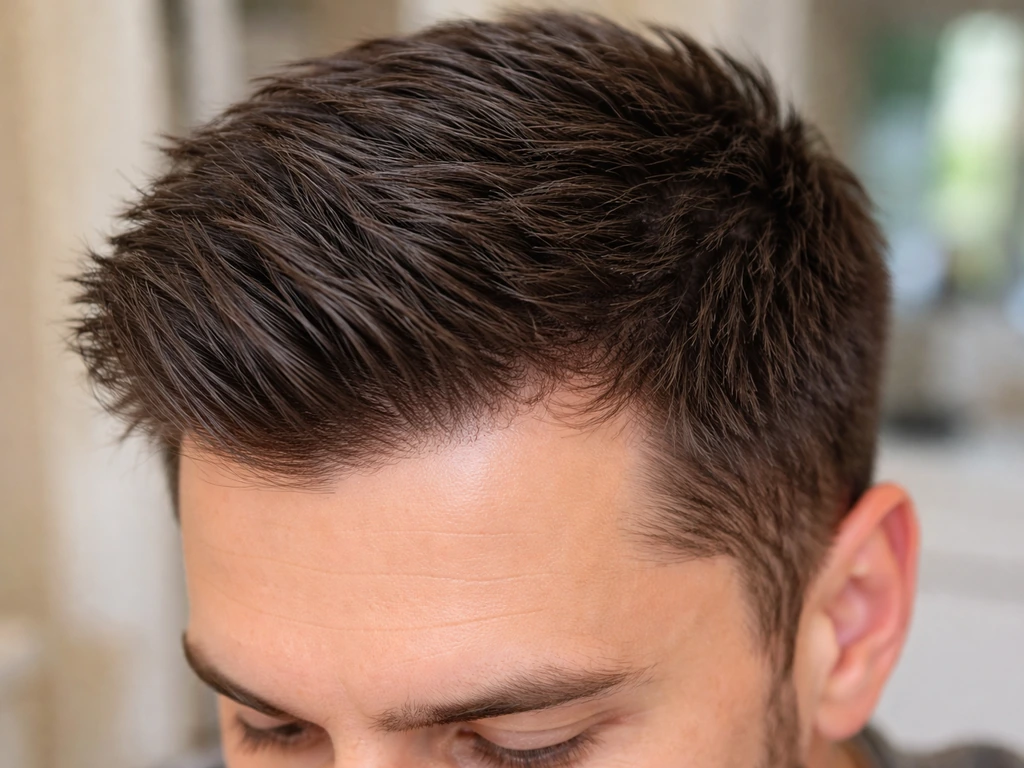
How to Grow Thicker Hair for Men: Density, Growth Steps
Learn what makes men hair grow thicker and follow an 8-12 week plan for density, less shedding, and faster growth.