
You can grow hair on your temples, but how well it comes back depends heavily on what caused the thinning or recession in the first place. If your temples are thinning due to early androgenetic alopecia, traction from tight hairstyles, a nutritional gap, or scalp inflammation, there's a real chance of meaningful regrowth with the right approach. If follicles have been completely destroyed over many years, results will be more limited. The most important thing you can do right now is figure out which category you're in, then act on the treatments that actually have evidence behind them.
How to Grow Hair on Temples: Step-by-Step Guide

Marcus Holloway
27 May 2026
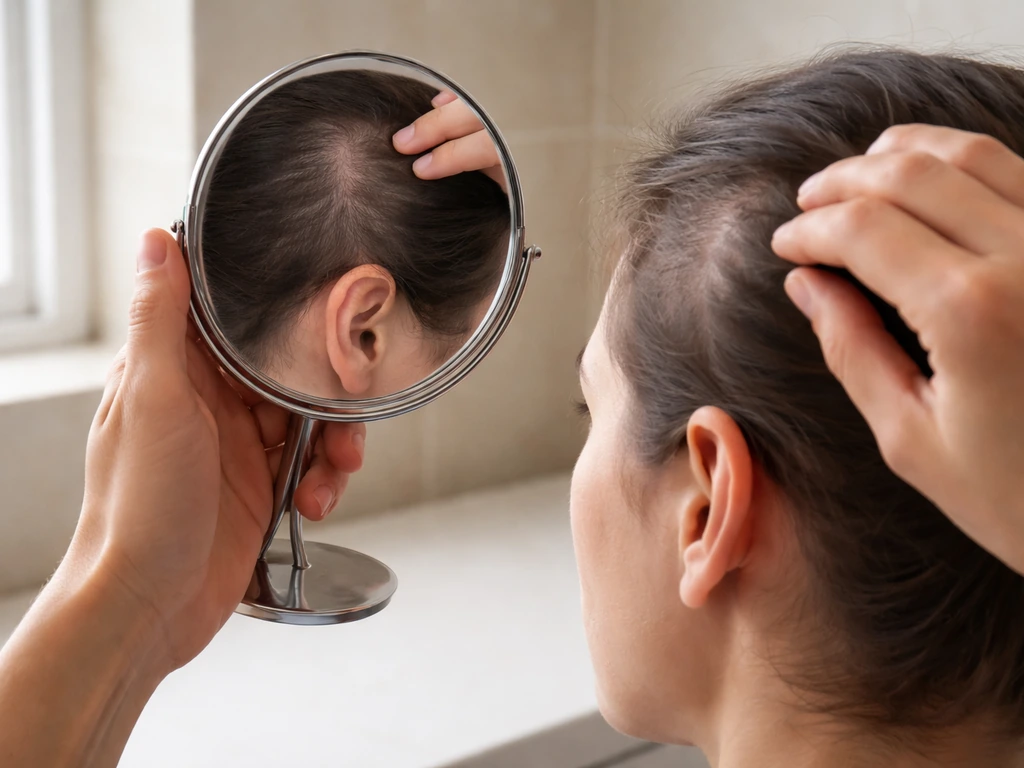
Why temple hair loss happens in the first place
Temple hair loss almost always comes down to one of four causes, and sometimes a mix of them. Knowing which one is driving yours changes everything about how you approach treatment.
Genetics and androgenetic alopecia
Androgenetic alopecia (AGA) is by far the most common cause, affecting roughly 50% of both men and women over a lifetime. In men it typically shows up first as frontotemporal recession, meaning the temples pull back while the vertex (crown) thins at the same time. In women it tends to cause diffuse thinning across the top of the scalp, but the temporal area is often affected too. The underlying mechanism is follicle miniaturization: the hormone dihydrotestosterone (DHT) gradually shrinks genetically susceptible follicles until they produce only fine, short hairs and eventually none at all. The earlier you catch this, the more follicles are still partially functional and the more responsive they'll be to treatment.
Traction alopecia
Traction alopecia is caused by hairstyles that put sustained mechanical tension on the hairline, including tight ponytails, braids, buns, weaves, and extensions. The temporal and frontal hairline is the first place it shows up because those hairs are under the most pull. It's more common in women and becomes more prevalent with age. Traction alopecia becomes more prevalent with age, especially as people continue hairstyles that keep the hairline under sustained mechanical tension. One review found hair changes from traction in up to 31.7% of adult women. The good news: if you catch it early and eliminate the tension, the follicles can recover. Left too long, the repeated trauma causes permanent scarring.
Aging and hormonal shifts
Aging slows follicle cycling even without a strong genetic predisposition. As men age, DHT exposure accumulates. In women, the drop in estrogen around perimenopause removes a protective effect on follicles, often causing noticeable thinning in the temples and hairline in their 40s and 50s. Thyroid imbalances, polycystic ovary syndrome (PCOS), and adrenal issues can all trigger or worsen temple thinning through hormonal pathways, usually by increasing androgen activity or disrupting the hair cycle.
Scalp inflammation and other contributors
Seborrheic dermatitis and scalp psoriasis are two common inflammatory conditions that affect the scalp. They look different (seborrheic dermatitis tends to produce greasy yellowish flaking; psoriasis produces thicker, silvery plaques), but both cause irritation, itching, and chronic inflammation that disrupts the growth cycle. Inflamed follicles don't grow hair efficiently. Nutritional deficiencies, particularly in iron, zinc, vitamin D, and protein, can also push follicles into a resting phase that mimics patterned hair loss, making it easy to misattribute what's actually a fixable deficiency problem.
Self-check: thinning, recession, or bald temples?
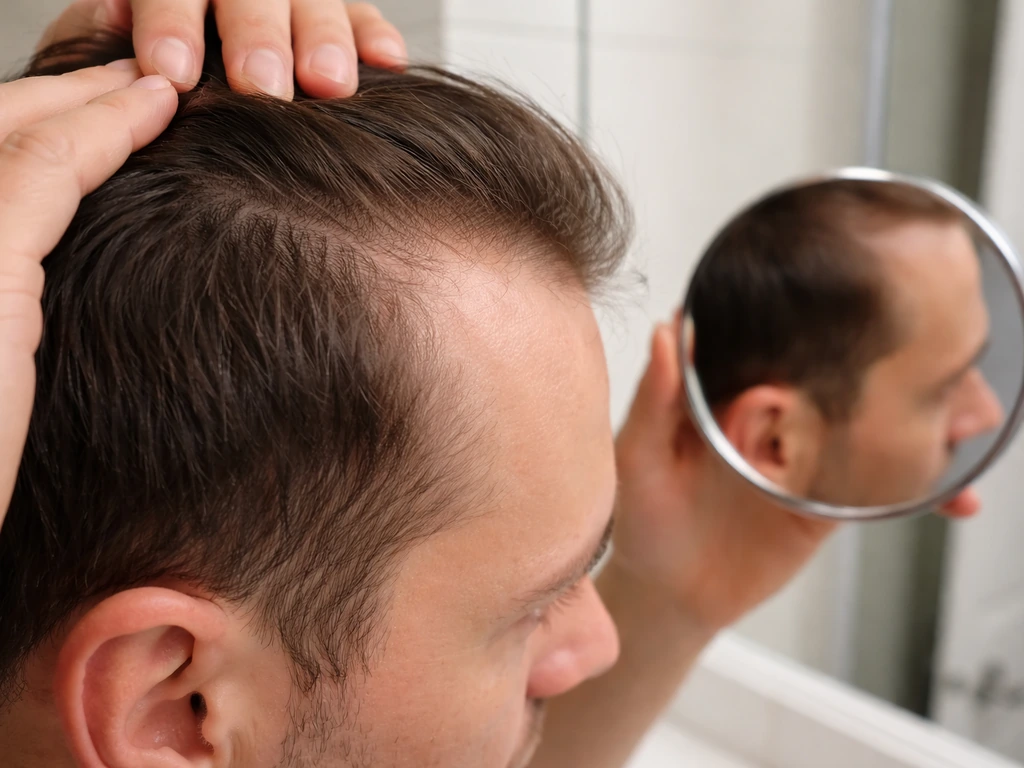
Before you do anything else, take a close look at your temples in good lighting, ideally with a second mirror to see the sides clearly. What you're looking at tells you a lot about what you're dealing with.
- Thinning but still covered: You can see the scalp slightly but hairs are still present, just finer or shorter than they used to be. This is miniaturization. Follicles are still active, and this is the most treatable stage.
- Recession: The hairline has moved backward from where it used to be, creating a more prominent temple corner. In men this is often the classic 'M-shape' starting to form. Hair may still grow in the receded area but weakly.
- Bald patches: A defined area with no visible hair at all at the temple. If the skin looks smooth and normal, some follicles may still be dormant and rescuable. If the skin looks shiny, scarred, or the pores are gone, follicles may be permanently lost.
- Uneven or patchy loss: A round or irregular patch of total hair loss that doesn't follow the typical frontotemporal recession pattern may be alopecia areata, an autoimmune condition that needs a different treatment pathway entirely.
When to see a doctor
Most gradual temple thinning doesn't need emergency attention, but there are situations where you should get a professional evaluation before self-treating. See a dermatologist if you notice sudden loss (losing a noticeable amount in days or weeks), scalp pain, burning, or tenderness, patchy loss that doesn't follow a predictable hairline pattern, any scarring, redness, or pustules on the scalp, or if you're a woman under 30 with significant temple recession (a hormonal workup is worth doing). A dermatologist can also help you create a personalized plan for how to grow thicker hair for men based on the cause of your thinning See a dermatologist. A blood panel checking ferritin, thyroid hormones (TSH, free T3, free T4), zinc, vitamin D, and a complete blood count can rule out systemic causes quickly and cheaply.
How hair actually regrows: the cycle and realistic timelines
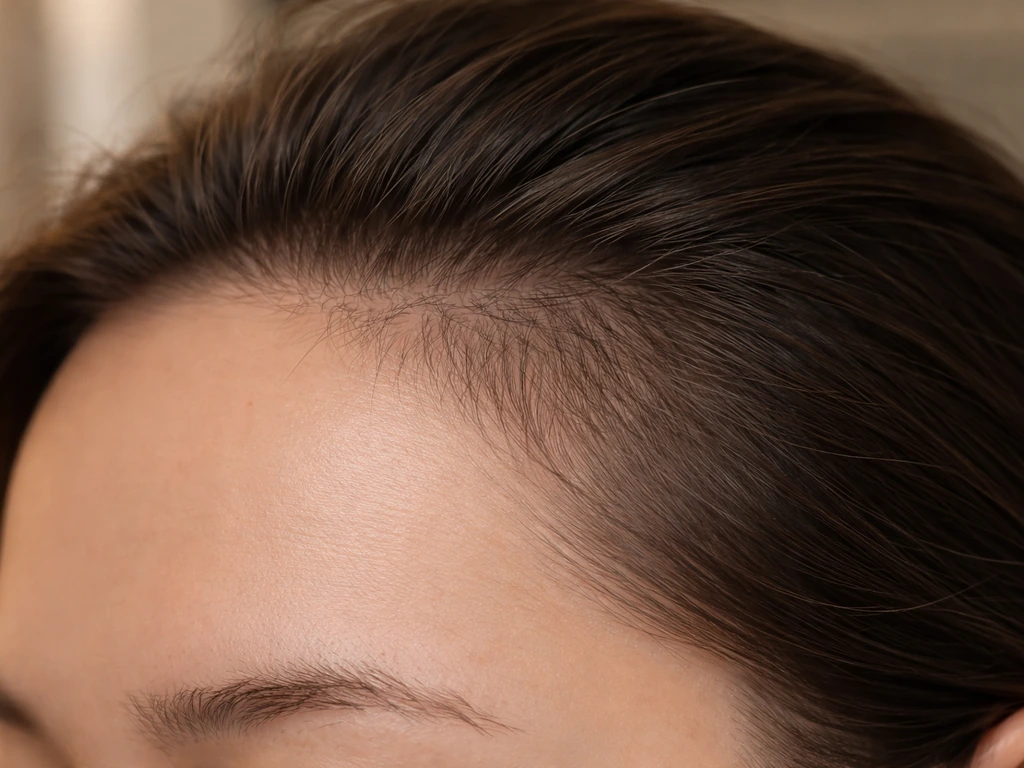
Hair grows in cycles: anagen (active growth, lasting 2 to 7 years), catagen (transition, about 2 weeks), and telogen (resting and shedding, about 3 months). When a follicle is miniaturized or stressed, it spends more time in telogen and less time in anagen, producing shorter, thinner hairs each cycle. Any effective regrowth strategy works by either extending anagen, reducing miniaturization, or both. This is why timelines are measured in months, not weeks. You need to wait for a full cycle to see what a treated follicle will produce, and then another cycle to see improvement.
Realistic expectations: if your temples are thinning but not fully bald, you can reasonably expect to see reduced shedding within 6 to 8 weeks of starting effective treatment, early vellus (fine peach-fuzz) hairs at temples within 3 to 4 months, and visible thickening or coverage within 6 to 12 months.
If you want chin hair to look thicker, the key is focusing on the same basics: address the underlying cause and support growth with consistent, evidence-based care chin hair grow thicker. Full results from most treatments are evaluated at the 12-month mark. If you're dealing with longstanding complete baldness at the temples with no follicular activity, regrowth is unlikely without professional intervention like PRP or hair transplant. Patience isn't just a suggestion here, it's a biological requirement.
Topical and scalp-focused treatments for temples
Minoxidil
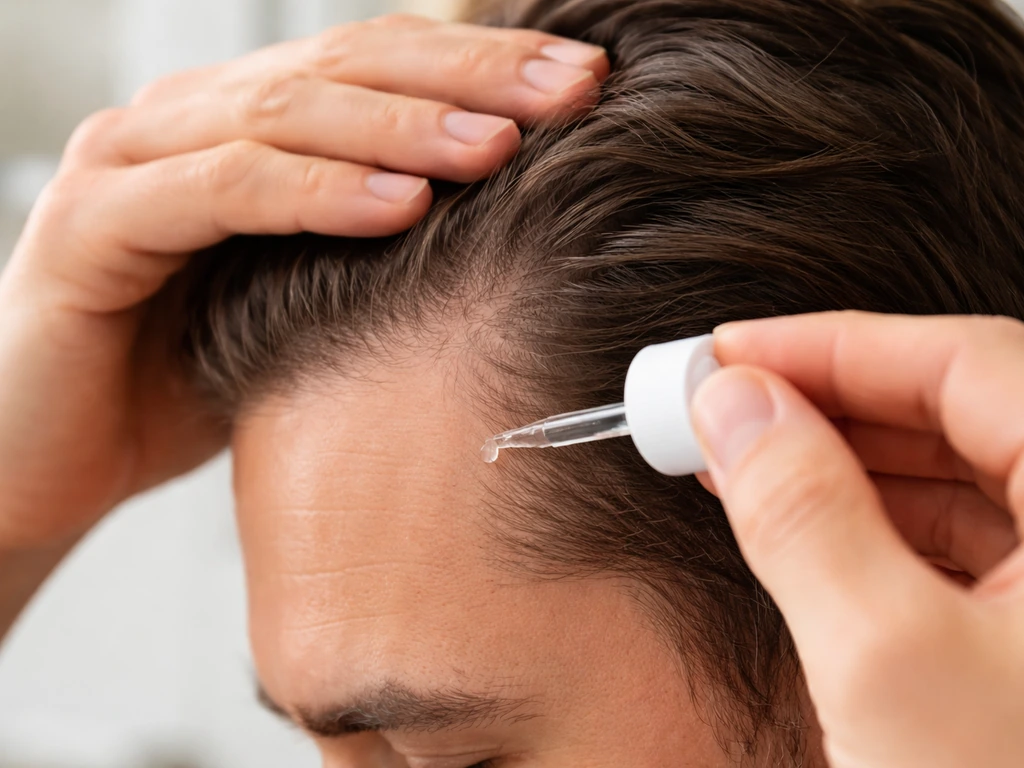
Minoxidil is the most evidence-backed topical treatment available without a prescription, and it's the first thing most dermatologists recommend for temple thinning. It works by widening blood vessels around follicles to increase nutrient delivery and by extending the anagen phase. The 5% formula (originally intended for men) is now used by many women too, often as a foam to reduce scalp irritation.
Apply it directly to the temple area twice daily (once daily for the foam version), using a dropper or your fingertips to press it into the skin rather than just coating the hair. The most common mistakes are applying too little, not reaching the scalp, and stopping too soon. It takes 4 to 6 months before you'll see meaningful results, and you must keep using it or any gains will reverse within a few months of stopping.
Microneedling
Microneedling involves rolling a dermaroller (0.5mm to 1.5mm needles) over the scalp to create micro-injuries that trigger a healing response and may upregulate growth factors like Wnt and VEGF. Several clinical studies have shown it can enhance minoxidil penetration and produce additional regrowth when used together. For temples, use a 0.5mm dermaroller once a week on the temple area, always on a day when you're not applying minoxidil right before (apply minoxidil 24 hours after microneedling to avoid irritation). Keep the device clean and replace it every 10 to 12 uses. Don't microneedle over an inflamed, infected, or psoriatic scalp.
Managing scalp inflammation
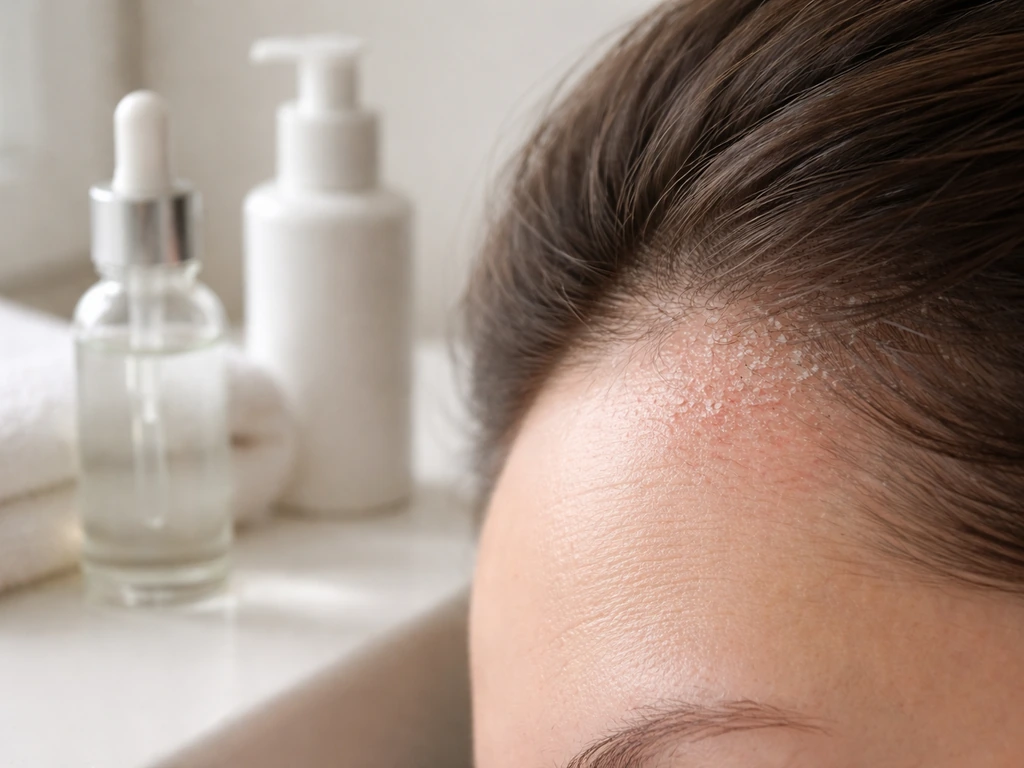
If your temples feel itchy, flaky, or irritated, treat the inflammation before or alongside other regrowth strategies. Chronic inflammation disrupts the follicle environment and reduces the effectiveness of everything else you do. For seborrheic dermatitis, a ketoconazole 1% or 2% shampoo used two to three times per week can significantly reduce fungal-driven inflammation. For scalp psoriasis, a dermatologist may prescribe a mild corticosteroid solution or calcipotriol. Avoiding harsh sulfate shampoos, hot water, and over-washing can also reduce irritation at the temples. If your scalp inflammation is controlled, you'll often see improved hair density just from that alone.
Feeding your temple follicles from the inside
No supplement will regrow hair if the underlying cause is genetic and untreated, but nutritional deficiencies are genuinely common and genuinely fixable causes of temple thinning. If your diet is restricted or your bloodwork shows low levels, addressing these gaps can make a real difference.
| Nutrient | Role in hair growth | Signs of deficiency | How to address it |
|---|---|---|---|
| Protein | Hair is almost entirely keratin; inadequate protein triggers shedding | Diffuse shedding, brittle hair, slow growth | Aim for 0.8 to 1g per pound of body weight daily from whole foods |
| Iron (ferritin) | Required for DNA synthesis in follicle cells; low ferritin is a well-known trigger of diffuse loss | Fatigue, pale skin, hair loss with normal thyroid | Get ferritin tested; supplement if below 40 ng/mL; eat red meat, lentils, leafy greens |
| Zinc | Supports follicle protein synthesis and oil gland function | Slow growth, hair shedding, scalp issues | Pumpkin seeds, meat, oysters; supplement 8-11mg/day only if deficient |
| Vitamin D | Involved in follicle cycling; deficiency linked to alopecia areata and AGA | Fatigue, depression, hair loss | Sun exposure, fatty fish; supplement 1000-2000 IU daily if levels are low |
| Omega-3 fatty acids | Anti-inflammatory; may improve scalp circulation and reduce follicle inflammation | Dry scalp, brittle hair | Fatty fish 2-3x/week or fish oil 1-2g/day |
A few important caveats here. Taking zinc above the recommended level can actually cause hair loss by interfering with copper absorption, so don't megadose. Iron supplements should only be taken if a blood test confirms low ferritin, since excess iron is harmful. And a broad multivitamin marketed for hair is not a substitute for addressing a specific documented deficiency. Get tested first, then supplement what you actually need.
Natural remedies and home routines: what actually helps
Scalp massage
Daily scalp massage is one of the most evidence-supported low-cost interventions you can do. A small but notable Japanese study found that 4 minutes of scalp massage daily over 24 weeks improved hair thickness. The mechanism is likely improved microcirculation to follicles and mechanical stretching of follicle cells that may upregulate growth gene expression. For temples specifically, use the pads of your fingertips (not nails) in small circular motions along the temporal hairline for 2 to 4 minutes daily. Do it in the shower while conditioning or while applying a scalp oil. It's not a miracle fix, but it's free, safe, and stacks well with other treatments.
Scalp oils: what's worth using
Rosemary oil is the standout here. A 2015 randomized controlled trial compared rosemary oil to 2% minoxidil over six months and found comparable results for hair count, with less scalp itching in the rosemary group. The working theory is that its active component, carnosic acid, may stimulate nerve growth factor and improve circulation. Dilute it properly: 2 to 3 drops of rosemary essential oil per teaspoon of a carrier oil like jojoba or argan oil, then massage into the temples.
Leave it on for at least 30 minutes before washing out, or overnight. Castor oil is popular but has little controlled evidence; it won't hurt, but don't expect dramatic results. Peppermint oil has shown some promise in animal studies for increasing follicle depth, but human data is limited.
What's mostly hype
Onion juice is sometimes cited from a single small study, but the results are hard to replicate and the smell makes compliance a real issue. Biotin supplements are heavily marketed for hair but are only useful if you're actually biotin deficient, which is rare in people eating a varied diet. Taking extra biotin when you're not deficient doesn't grow more hair and can actually interfere with thyroid lab results. If you're spending money on biotin-heavy "hair vitamins," redirect it toward a ferritin blood test or a good fish oil instead.
Your practical routine and how to track results
Daily and weekly schedule

| Frequency | Action |
|---|---|
| Every morning | Apply minoxidil to dry temples; let dry for 4 hours before washing |
| Every evening | 4-minute scalp massage along temples (fingertips, circular motion) |
| 2-3x per week | Wash with ketoconazole shampoo if dealing with dandruff or seborrheic dermatitis |
| Once weekly | Microneedling session on temples (0.5mm dermaroller, not on day of minoxidil) |
| Once weekly | Rosemary oil scalp treatment: apply diluted oil, leave overnight, wash out in morning |
| Daily with meals | Protein at every meal; omega-3-rich foods or fish oil supplement |
| Monthly | Progress photos in same lighting and position; brief log of any changes |
How to take progress photos that actually tell you something
Take photos on day one and every four weeks after that. Use the same spot (natural light near a window works well), the same angle (directly side-on at temple level, and slightly above looking down at the hairline), and either no product in the hair or always the same amount. The comparison between month one and month three is often subtle, so side-by-side comparisons are much more useful than trying to remember what it looked like. If you're using minoxidil, expect a shedding phase around weeks 4 to 8 where things look slightly worse before they improve. This is normal and means the treatment is working, not that you should stop.
Side effects and important don'ts
- Minoxidil can cause initial shedding, scalp dryness, and in some people, facial hair growth from product running onto the face. Apply carefully and wash hands after.
- Don't apply minoxidil to broken, irritated, or sunburned skin.
- Don't microneedle more than once per week; over-doing it causes inflammation that works against you.
- Don't use undiluted essential oils directly on the scalp; always use a carrier oil to avoid contact dermatitis.
- Avoid tight hairstyles (ponytails, braids, buns) that pull at the temporal hairline while you're trying to regrow hair in that area.
- Don't stack multiple new products at once. If you introduce everything simultaneously and something goes wrong, you won't know what caused it.
- Oral minoxidil (0.25mg to 2.5mg) is now being prescribed off-label by dermatologists for hair loss with good results and is worth discussing with a doctor if topical minoxidil irritates your scalp or isn't working.
When to escalate your approach
If you've followed a consistent regimen for 12 months with no visible change, it's time to see a dermatologist. At that point, prescription options like finasteride or dutasteride (for men, and sometimes women with specific hormone profiles) directly block DHT and are significantly more effective for genetic temple recession than any topical approach alone. Platelet-rich plasma (PRP) injections into the scalp are another clinical option with growing evidence, particularly for the temple area.
And if the temples have been bald for many years, a hair transplant consultation is a legitimate conversation, since healthy follicles from the back of the scalp can be relocated to the temporal area with excellent long-term results. The article on how to grow back temple hair goes deeper on these more advanced interventions if you're at that stage.
The most important thing to take away is this: temple hair loss is not a one-size-fits-all problem, and the right plan depends on your specific cause. Start with the self-check, address any nutritional or inflammatory factors, get minoxidil working consistently, and add scalp massage and rosemary oil as low-risk supporting habits. Give it a full 6 to 12 months before drawing conclusions. Most people who struggle to see results either started too late, stopped too soon, or were treating the wrong cause entirely.
FAQ
How long should I wait before I can tell whether minoxidil is working for temple hair loss?
If you recently switched products, started styling more tightly, or changed hair density perception due to shedding, wait to reassess after a full growth cycle phase. In practice, a good rule is to track for at least 8 weeks for early signals (less shedding, less scalp irritation) and 3 to 4 months for new fine hairs, then decide whether to escalate. If you have sudden shedding over days or pain, get evaluated sooner rather than waiting.
What are the most common reasons minoxidil seems to stop working on temples?
Yes, but it is easy to mistake normal shedding or styling breakage for “minoxidil failure.” Apply directly to the scalp (not just hair), press it in, and ensure you are using the correct frequency for your formula (foam typically once daily, solution often twice daily). If you miss doses or wash the product off too soon, you may see delayed or weaker response.
Can minoxidil cause irritation, and how do I handle it safely?
Many people notice mild scalp irritation, dryness, or flaking, especially with alcohol-based solutions. Reduce irritation by switching to foam (often less irritating), using it on clean and dry scalp, and avoiding other harsh actives the same day. If you develop significant burning, rash, or oozing, stop and seek guidance because that can mimic allergy or uncontrolled inflammation.
Is it okay to use rosemary oil and minoxidil together, and what’s the best timing?
Hair oils can be used, but don’t use them as a substitute for treatments that require consistency. If you use rosemary oil, apply it separately from minoxidil timing so it doesn’t interfere with absorption (for example, use rosemary at night and minoxidil the morning). Also patch-test essential oils first, since contact dermatitis can worsen visible thinning in the temple area.
How do I know if my temple recession is likely scarring and won’t respond like normal thinning?
If you have true scarring, inflammation, or follicle loss that looks shiny and smooth, creams and topicals are less likely to restore hair. Scarring patterns need a dermatologist because treatment may focus on stopping inflammation and preventing further loss. Quick self-experimenting can waste time if the scalp condition is driving the recession.
If I get results, can I stop treatment and keep my temple hair?
You might be able to taper, but temple regrowth is rarely permanent if the underlying driver is genetic or hormonal. Once you stop, the follicle often returns to the shorter growth cycle state that caused thinning. If you want to reduce frequency, do it gradually and monitor photos monthly, and be prepared to resume if shedding increases.
Does the cause of my temple thinning affect which treatment works best?
Yes, and it changes what “success” should look like. In traction-related loss, removing the tension (looser styles, no extensions or tight braids near the hairline) is the priority, and regrowth is more likely when changes are recent. For AGA, mechanical changes alone usually slow the pattern only slightly, so DHT-targeting or anagen-support treatments matter more.
Is microneedling safe if my scalp gets flaky or itchy?
Dermarolling can irritate inflamed scalp, which can worsen telogen shedding and delay results. Use microneedling only when the temple skin is calm, clean, and free of pustules, visible infection, or active psoriasis flares. If your scalp is often reactive, consider delaying microneedling and focusing on inflammation control first.
How does traction alopecia recovery differ from genetic temple recession?
For traction, the timeline can be longer than expected, and some hairs may not return immediately because regrowth requires follicles to recover from repeated stress. If traction has been ongoing for years, some loss may be permanent. Take photos monthly, avoid tight styles during the entire recovery period, and consider professional assessment if you do not see gradual improvement within 6 to 12 months.
Are temple hair loss treatments safe during pregnancy or breastfeeding?
Take care with hairline medications if you are pregnant, trying to conceive, or breastfeeding. Minoxidil and certain prescription options require individualized risk assessment, and hormone-modulating drugs like finasteride are generally not used in pregnancy due to fetal risk. If you are in any of these categories, ask a clinician before starting or escalating treatment.
Next Articles
How to Make Chin Hair Grow Thicker: Practical Guide
Practical plan to make chin hair grow thicker: blockers, skin care, topical actives, nutrition targets, and timelines.
How to Grow Thicker Hair for Men: Density, Growth Steps
Learn what makes men hair grow thicker and follow an 8-12 week plan for density, less shedding, and faster growth.
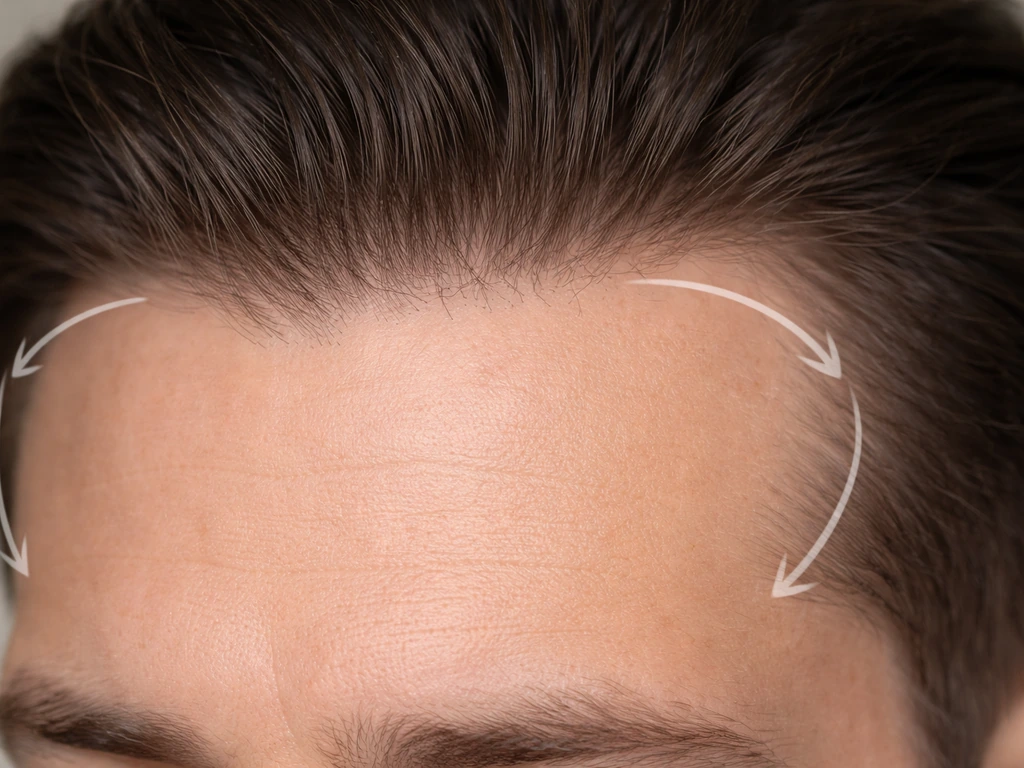
How to Grow a Thicker Hairline: Step-by-Step Plan
Step-by-step plan to grow a thicker hairline, assess causes, optimize scalp care, and choose treatments safely.