
Growing hair after 35 is absolutely possible, but it requires a slightly different approach than it did in your 20s. Your follicles are still alive and capable of producing hair, what's changed is the biology around them: a shorter active growth phase, hormonal shifts, possible nutrient gaps, and a scalp environment that needs more attention. The good news is that most of these factors are addressable once you understand what's actually driving your hair loss or slowdown. If you're specifically wondering how to grow thick hair after 40, start by identifying which driver fits your situation, because the right routine depends on the cause understand what's actually driving your hair loss or slowdown.
How to Grow Hair After 35: A Practical Step-by-Step Guide

Marcus Holloway
7 Jul 2026
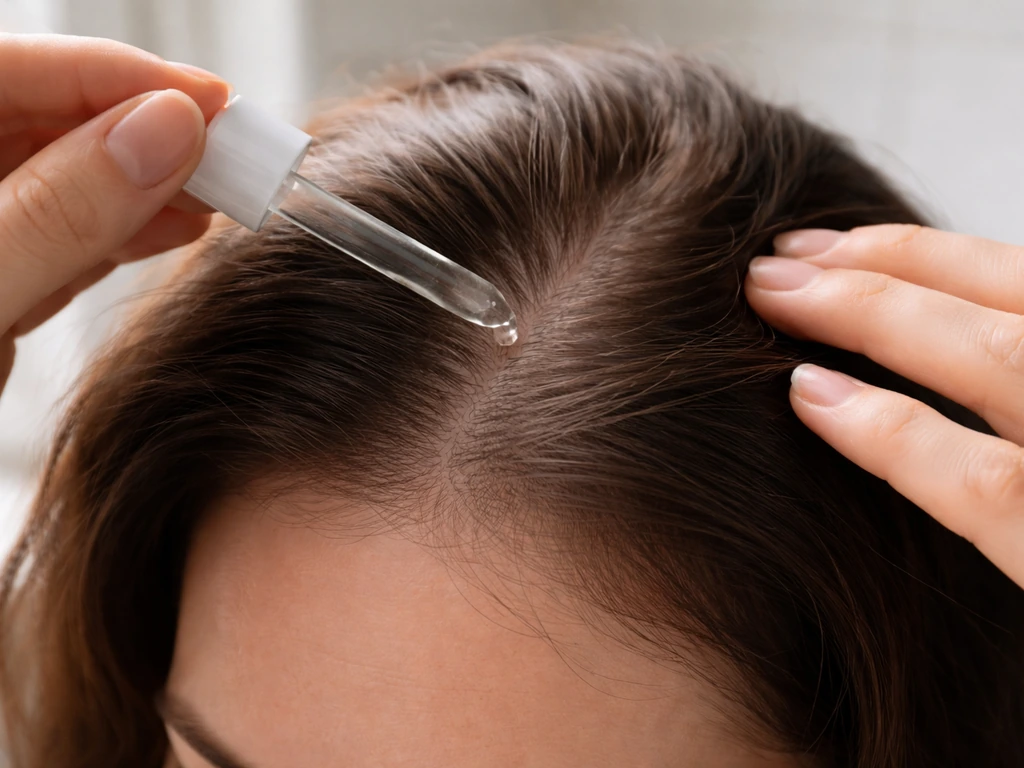
Why hair growth changes after 35
Each hair follicle cycles through three phases: anagen (active growth, typically 2 to 8 years for scalp hair), catagen (a brief transition of about 2 weeks), and telogen (rest and shedding, roughly 2 to 3 months). After your mid-30s, the anagen phase tends to shorten and a higher proportion of your follicles sit in telogen at any given time. That means individual hairs don't grow as long before they fall out, and density gradually decreases even without any dramatic shedding event.
Hormones are a big piece of this. Androgens, specifically dihydrotestosterone (DHT), progressively miniaturize genetically susceptible follicles in androgenetic alopecia (AGA), the most common form of pattern hair loss in both men and women. Men often notice bitemporal recession and thinning at the crown first; women typically see diffuse thinning across the top of the scalp with a widening part. The scalp's sebum composition and microbiome also shift with age and AGA, and emerging research links scalp micro-inflammation and microbial imbalance to the follicle miniaturization process.
Beyond genetics and hormones, several lifestyle factors accelerate the change. Chronic stress spikes cortisol, which can push follicles prematurely into telogen. Iron, ferritin, vitamin D, and protein deficiencies are surprisingly common after 35, especially in women, and all of them can slow or interrupt the growth cycle. Thyroid dysfunction, certain medications (including blood pressure drugs and antidepressants), rapid weight loss, and crash diets are also established triggers. The important takeaway: hair change after 35 is rarely just one thing, and identifying your specific mix of contributors is what makes the difference.
Quick self-check: is it shedding, thinning, or a receding hairline?
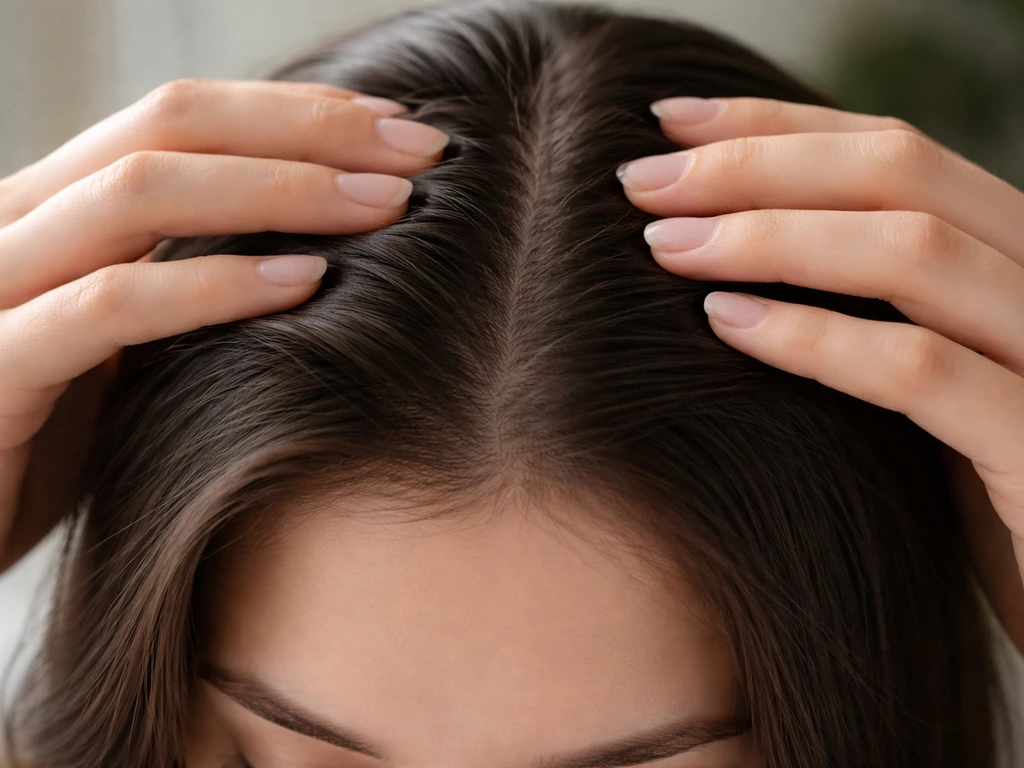
Before you do anything else, it really helps to figure out what type of hair loss you're dealing with, because the fix for each is different. Here's a practical way to sort it out.
The pull test
Grab a small section of hair (about 40 to 60 strands) near your temple or crown, hold it loosely at the base, and slide your fingers from root to tip with mild tension. If more than 4 to 6 hairs come out per pull, that's a positive test and suggests active telogen shedding. A few hairs per pull is normal. If you're pulling out hairs that have a white bulb attached at the root, those are telogen hairs that were ready to shed anyway, that's different from hairs snapping mid-shaft, which points to breakage and damage rather than a growth-cycle problem.
Telogen effluvium (diffuse shedding)
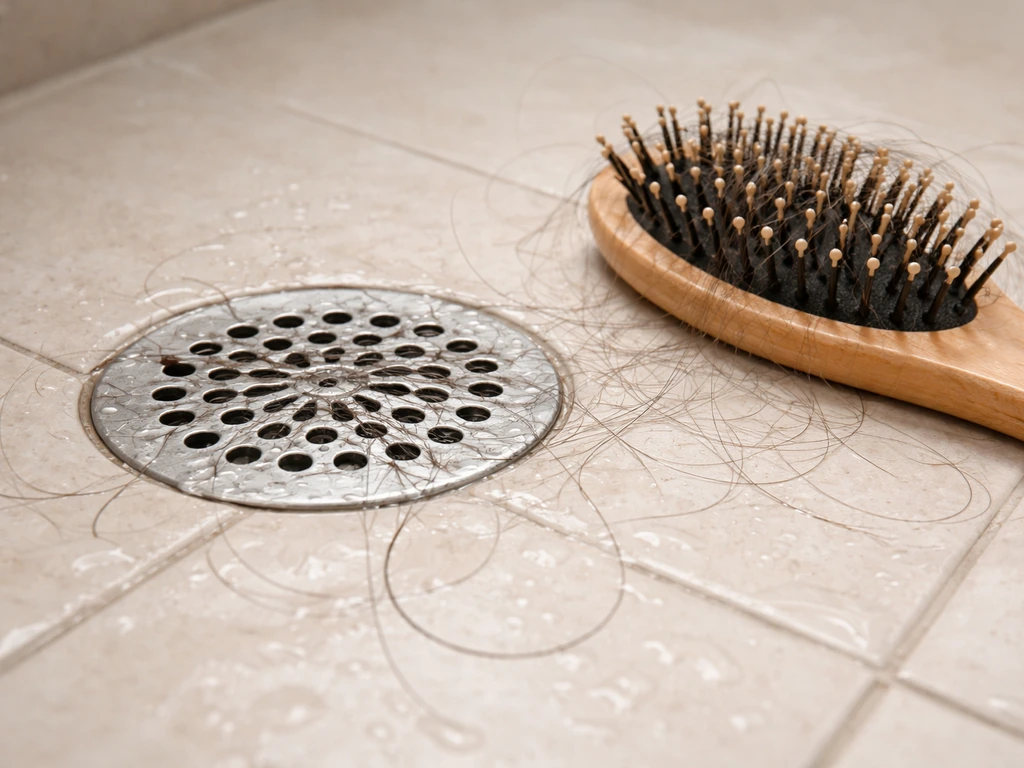
If you're suddenly losing handfuls of hair in the shower and noticing it all over your pillow and brush, but your part width and overall hairline look roughly the same, you're probably experiencing telogen effluvium (TE). This is the body's stress response to a physiologic shock, illness, surgery, childbirth, crash dieting, or a major emotional blow. The shedding typically starts 2 to 3 months after the trigger. Acute TE usually resolves within 3 to 6 months once the underlying cause is gone. Chronic TE means the shedding has continued for more than 6 months, often because the trigger (poor nutrition, ongoing stress, or an unaddressed health issue) hasn't been resolved.
Pattern thinning (androgenetic alopecia)
Pattern hair loss happens more slowly and quietly. You're not losing huge clumps at once, instead your part looks wider, your ponytail feels thinner, or your scalp shows through more under bright light. In men, the hairline recedes at the temples and the crown thins progressively. In women, diffuse thinning over the top of the scalp with the frontal hairline largely intact is the classic presentation. This is driven by genetics and hormones and won't resolve on its own, but it can absolutely be slowed and in many cases partially reversed with the right approach.
Traction and irritation-related loss
If you regularly wear tight ponytails, braids, weaves, or extensions, check your hairline and the areas around your temples for folliculitis (small bumps), broken hairs, and reduced density. Early traction alopecia can look like breakage but is actually follicle damage from repeated mechanical stress. Caught early, it's reversible, left untreated, it can progress toward permanent scarring. Frontal fibrosing alopecia, an inflammatory scarring type more common in women over 40, often includes eyebrow thinning alongside a characteristic band of recession at the hairline. If you see that combination, skip the home remedies and go straight to a dermatologist.
Evidence-based hair growth basics: sleep, stress, scalp health, and your daily routine

These aren't glamorous, but they are foundational. If you want a practical plan for how to grow hair after 50, start with these evidence-based foundations and match them to your specific type of thinning hair growth basics: sleep, stress, scalp health, and your daily routine. Neglecting them while chasing fancy supplements is like watering dead soil.
Sleep and stress
Chronic stress is a genuine, documented hair loss trigger, not just an excuse. It pushes follicles into telogen early and keeps them there. If your shedding started after a sustained period of high stress and poor sleep, that's your most important variable to address. Seven to nine hours of quality sleep per night is when your body does the cellular repair that keeps follicles healthy. Stress management doesn't have to be elaborate: consistent exercise, 10 minutes of daily breathwork or meditation, and capping your screen time before bed all make a measurable difference over months.
Scalp health
Think of your scalp as soil. Clogged follicles, excess sebum, dandruff-causing fungi, and chronic inflammation all create a hostile environment for hair growth. Wash your scalp (not just your hair) thoroughly 2 to 3 times per week minimum, or more often if you use a lot of styling products. When you shampoo, actually massage the scalp for 2 to 4 minutes with your fingertips, not your nails. Scalp massage has some small but real evidence behind it for increasing hair thickness, and it also boosts blood circulation to follicles. Avoid leaving dry shampoo or heavy oils on your scalp for days at a time, as both can contribute to follicle-clogging inflammation.
Your daily routine
Reduce mechanical damage: use a wide-tooth comb on wet hair, a microfiber towel or soft cotton t-shirt to dry it (no aggressive rubbing), and keep heat styling under 350°F (175°C) with a heat protectant every single time. Tight hairstyles every day add up. Rotate your styles, sleep on a silk or satin pillowcase to cut friction, and if you color or chemically treat your hair, space those sessions out and use a bond-repair treatment in between. None of this will regrow hair by itself, but it stops you from losing more while your other strategies take effect.
Nutrition and supplements that support follicles after 35
Follicles are metabolically hungry. They need consistent protein, iron, and micronutrients to produce a strand of hair from scratch every single cycle. After 35, absorption of several key nutrients can decline, dietary patterns often shift, and low-level deficiencies become more common without obvious symptoms. Getting bloodwork done before spending money on supplements is genuinely worth it. Getting bloodwork done is a smart first step because it can pinpoint the exact nutrient gaps that make it harder to grow thicker hair in your 40s.
The non-negotiables in your diet
- Protein: aim for at least 0.7 to 1 gram per pound of bodyweight daily. Hair is almost entirely keratin, a protein. Severe protein deficiency is a documented telogen effluvium trigger. Eggs, fish, legumes, Greek yogurt, and lean meat are your best sources.
- Iron and ferritin: iron deficiency—even without full anemia—is strongly associated with nonscarring hair loss in women. A ferritin level below 30 ng/mL is commonly linked to shedding; many dermatologists prefer to see it above 50 to 70 ng/mL for optimal hair growth. Red meat, lentils, spinach with vitamin C, and fortified cereals are good dietary sources.
- Vitamin D: deficiency correlates with androgenetic alopecia severity and multiple other alopecia types. Get your 25(OH)D level tested; many adults are low, especially in winter months or if you spend little time outdoors. A typical supplemental dose of 1,000 to 2,000 IU daily is reasonable, but your doctor may recommend more based on bloodwork.
- Zinc: deficiency can trigger telogen effluvium. You don't need a supplement if your diet includes oysters, beef, pumpkin seeds, or chickpeas regularly—but if you eat a restricted diet, a zinc supplement in the 8 to 11 mg range (the recommended daily amount) is worth considering. Don't megadose; excess zinc can actually cause hair loss.
- Omega-3 fatty acids: found in fatty fish, flaxseed, and walnuts, these support scalp barrier health and reduce inflammation. A fish oil supplement (about 1 to 2 grams EPA/DHA daily) is a reasonable add-on if your diet is low in these foods.
- Biotin: it gets enormous marketing attention, but frank biotin deficiency is actually rare. If you're not deficient, extra biotin is unlikely to noticeably change your hair. It's not harmful, but it can interfere with certain thyroid and cardiac lab tests—let your doctor know if you take it.
Supplement options worth knowing about
Saw palmetto, a plant-based DHT blocker, appears in several small studies with modest positive effects on hair density in AGA, and it's available OTC. The evidence isn't as strong as finasteride, but it's a reasonable option for people who want to try something natural before going the prescription route. Collagen peptides, marine collagen, and amino acid blends are popular, and while the direct hair-growth evidence is still thin, they do contribute to the overall protein pool your follicles draw from. Ashwagandha and other adaptogens can genuinely help if stress is driving your hair loss, though their direct follicle effects are indirect. Don't try to address everything with supplements at once, start with whatever your bloodwork suggests you're actually deficient in.
Topical treatments and scalp care strategies you can start at home
Minoxidil: the strongest OTC option
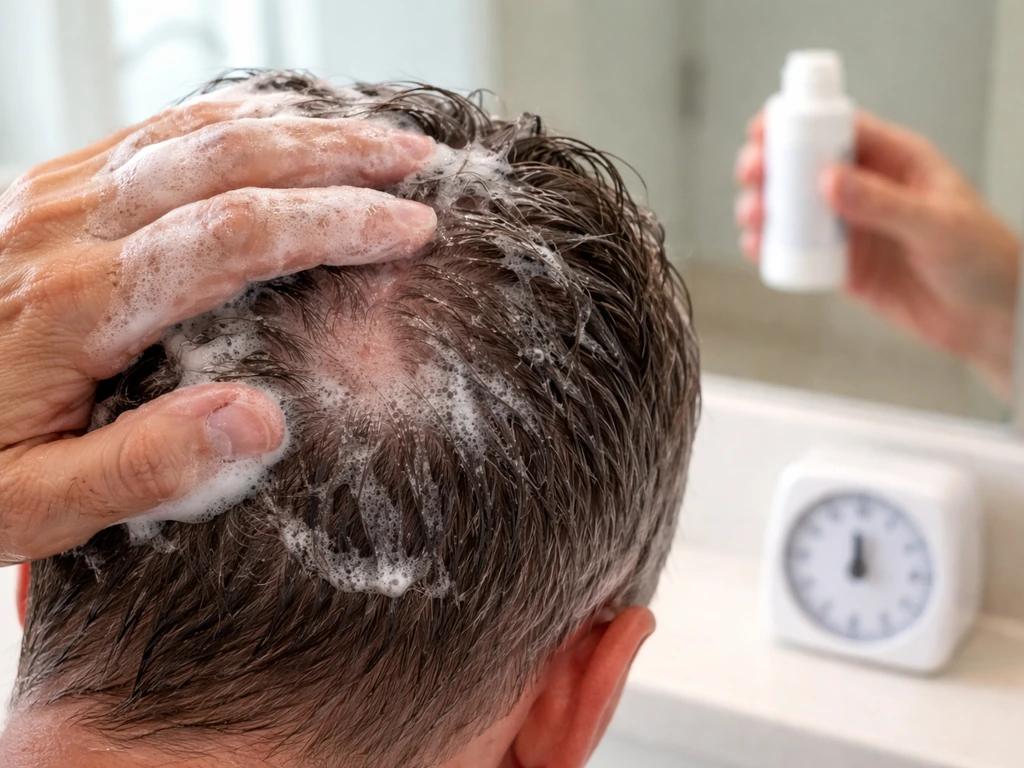
Topical minoxidil is the most evidence-backed over-the-counter hair growth treatment available. [For women, the standard direction is 1 mL of 2% solution twice daily; men typically use either 1 mL of 2% or 5% solution twice daily. ](https://www. ncbi.
nlm. nih. gov/books/NBK482378/) A 5% foam formulation once daily has also shown equivalent results to the 2% solution twice daily in women with androgenetic alopecia, which many people find easier to stick with. Apply it directly to the dry scalp, not the hair, in the areas of thinning, then wash your hands immediately.
One important heads-up: for the first 2 to 4 weeks after starting minoxidil, you may notice increased shedding. This is called a shedding phase and it's a normal part of how the treatment works (it pushes telogen hairs out so new anagen hairs can grow). It stops. Don't panic and quit.
Give it at least 4 to 6 months before you evaluate whether it's working. If you have any existing scalp irritation, sunburn, or broken skin, wait until those resolve before applying, as the scalp absorbs more of the medication when compromised.
Ketoconazole shampoo
A 1% to 2% ketoconazole shampoo (available OTC or by prescription) is worth adding to your routine if you have any dandruff, scalp itch, or oiliness alongside thinning. The antifungal action addresses Malassezia overgrowth, a scalp microbiome imbalance associated with AGA. A systematic review found some preclinical evidence for a ketoconazole effect on hair regrowth, though human RCT data is still limited. The risk is low and the potential upside, especially if your scalp is inflamed or flaky, is real. Use it 2 to 3 times per week, leave it on for 3 to 5 minutes before rinsing, and don't use it as a daily shampoo.
Scalp massage and rosemary oil
Daily scalp massage (4 minutes, fingertips, medium pressure) has been shown in small studies to increase hair thickness over time, likely through improved blood flow and mechanical stimulation of follicles. Rosemary oil has one well-known small trial showing comparable results to 2% minoxidil for increasing hair count over 6 months. It's not a replacement for minoxidil in moderate-to-severe AGA, but for early-stage thinning or as a complement to other treatments, it's a low-risk option. Dilute it: mix 2 to 3 drops of rosemary essential oil into a tablespoon of a carrier oil (jojoba or argan work well), massage into the scalp, and leave on for at least 30 minutes before washing out. A few times a week is plenty.
Low-level light therapy (LLLT)
LLLT devices, laser caps, helmets, or combs that emit red or near-infrared light, have real clinical evidence behind them. In a 16-week randomized controlled trial, a laser helmet device showed significantly greater increases in hair density and thickness versus a sham device. A separate 24-week RCT in men and women confirmed statistically significant improvements in hair density and diameter with an active laser helmet. These devices are FDA-cleared and sold OTC, though they're expensive (typically $200 to $800+). They work best as an add-on to minoxidil rather than a standalone. Most protocols involve 20 to 30 minutes of use, 3 times per week.
Medical options when home remedies aren't cutting it
If you've been consistent with the above for 4 to 6 months and you're still losing ground, or if your hair loss is clearly patterned and progressing, it's time to bring in a dermatologist. Here's what they can offer. Hair transplantation is usually deferred while medical therapy is tried first, often reassessed after at least about a year, and the threshold for considering transplant includes cases where native hair loss reaches roughly 50%.
| Treatment | Who it's for | How it works | Key considerations |
|---|---|---|---|
| Finasteride (oral, 1 mg/day) | Men with AGA primarily; sometimes prescribed off-label for women (not during childbearing years) | Blocks DHT conversion, shifts hair cycle toward anagen | Requires long-term use; potential sexual side effects in men; 1-year use shows increased scalp hair counts in RCTs |
| Dutasteride (oral) | Men with AGA | Stronger DHT blocker than finasteride; shown superior to finasteride in some head-to-head RCTs | Similar side-effect profile to finasteride; less commonly prescribed as first line |
| Spironolactone (oral) | Women with AGA or hormonal hair loss | Anti-androgen; reduces DHT activity at the follicle | Requires monitoring; not appropriate for men; birth control often advised alongside it |
| Prescription-strength minoxidil or oral minoxidil | Men and women with AGA not responding to OTC topical | Oral minoxidil at low doses (0.25 to 2.5 mg) is increasingly used with strong results | Requires doctor supervision; potential side effects include fluid retention and unwanted facial hair |
| Platelet-rich plasma (PRP) injections | Men and women with AGA | Concentrates growth factors from your own blood, injected into the scalp to stimulate follicles | Multiple sessions needed; systematic review shows favorable hair density results; not covered by insurance |
| Microneedling with minoxidil | Men and women with AGA | Microneedling creates microchannels that enhance minoxidil absorption; combo outperforms minoxidil alone at 12 weeks in RCTs | Best done in-office for accurate depth; some at-home dermarolling also used |
| Hair transplant surgery | Men and women with stable, significant pattern loss | Moves DHT-resistant follicles to thinning areas | Dermatologists recommend at least 1 year of medical therapy first to stabilize loss; best when roughly 50% of native hair is still present |
A dermatologist will also run targeted bloodwork: ferritin, iron, vitamin D, thyroid function, and sex hormones as needed. Women being evaluated for pattern hair loss should expect at least a few of these panels. The results often reveal a correctable contributor that makes everything else work better.
What to realistically expect and how to track your progress
Hair grows about half an inch per month on average, when it's growing. The growth cycle means you won't see full results from any intervention for at least 3 to 6 months, and sometimes 12 months for the clearest picture. Here's a rough timeline to set your expectations:
- Weeks 1 to 4: If you started minoxidil, you may notice increased shedding—this is expected and normal. Your nutrition and scalp routine changes are laying groundwork that isn't visible yet.
- Months 2 to 3: The shedding phase from minoxidil typically resolves. If you had a telogen effluvium trigger you've now addressed, the acute shedding often begins to slow around this point.
- Months 3 to 6: Early signs of response to minoxidil or other treatments may appear: finer, shorter regrowth hairs (called vellus hairs) at the scalp, less shedding in the shower, a slightly fuller-looking part. This is the window where many people mistakenly quit because they don't see dramatic change yet.
- Months 6 to 12: Meaningful visible improvement in density and thickness, especially with consistent minoxidil and nutrition support. Prescription treatments like finasteride or spironolactone also show clear results in this window.
- Beyond 12 months: Continued improvement is possible. Most hair loss treatments require ongoing use—stopping minoxidil typically results in returning to baseline within 3 to 6 months.
How to track progress without driving yourself crazy
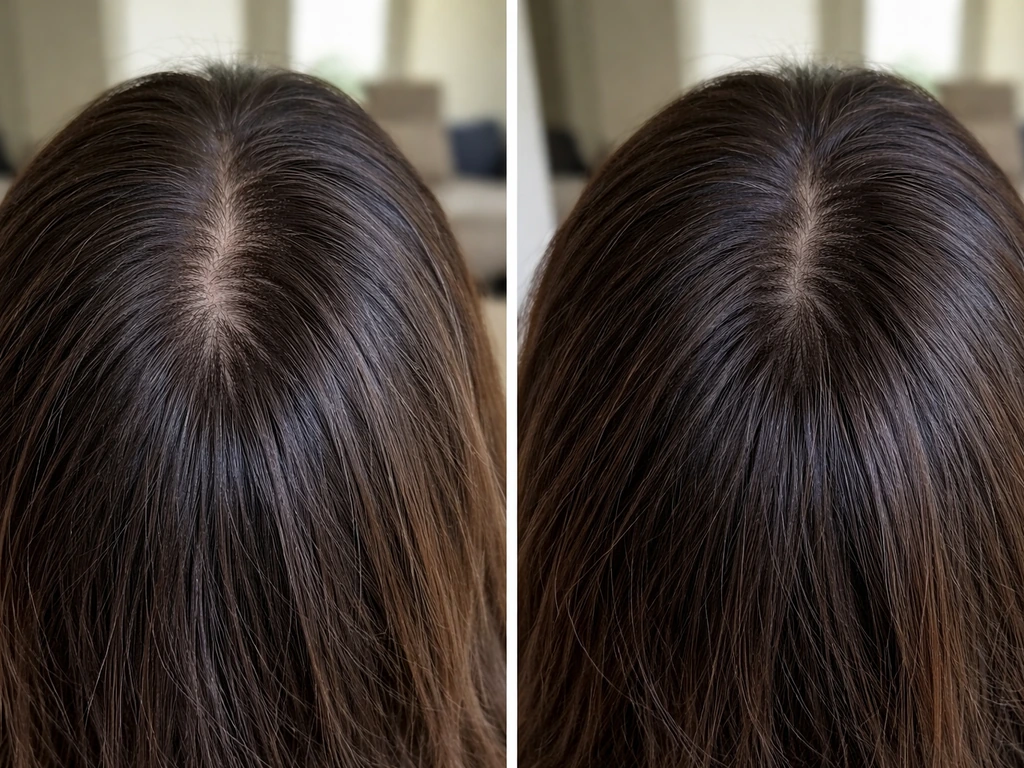
Take consistent, well-lit photos of your part and crown every 4 weeks under the same lighting conditions. Don't judge by the mirror day to day, your perception of your own hair is notoriously unreliable and emotionally influenced. If you're wondering how to grow hair longer after 40, track changes consistently and adjust your plan based on what your hair loss pattern seems to be your perception of your own hair.
Count hairs in the shower drain once a week if you want objective data (losing more than 100 to 150 per day consistently is worth noting). If you have access to a trichoscopy or dermatoscope, even the $30 phone-attachment versions, you can monitor follicle density at the scalp over time. Changes in the diameter of individual hairs are often the first sign of improvement, before you see obvious density changes.
When to see a dermatologist without waiting
- You're losing hair in patches (could be alopecia areata or a fungal infection)
- Your hairline is receding along with eyebrow thinning (possible frontal fibrosing alopecia—a scarring condition that needs prompt treatment)
- Your scalp is persistently itchy, painful, or showing scarring, scabs, or scarring around follicles
- You've been consistent with OTC treatments for 6 months and are still progressing
- Your hair loss started suddenly and was severe (sudden diffuse loss can indicate thyroid disease, autoimmune conditions, or significant deficiency)
- You're a woman under 45 with rapidly progressing pattern loss (hormonal workup is important)
The practical starting point today: do your self-check, get basic bloodwork if you haven't in the past year, start a consistent scalp care routine, and, if pattern thinning is your issue, consider adding minoxidil within the next week. If you're in your 40s or approaching menopause, the related challenges of growing thick hair after 40 and navigating hormonal hair loss get even more nuanced, but the foundational steps are the same. The key insight is that hair after 35 responds to effort, it just needs more sustained, targeted effort than it did before.
FAQ
How long will it take to see results when I’m learning how to grow hair after 35?
Not immediately. Because follicles cycle, improvements in density or diameter typically take 3 to 6 months to notice, and sometimes up to 12 months to judge the full effect. Set a “decision date,” like reevaluating after 6 months of consistent use, rather than reacting to short-term changes.
Can I regrow hair after 35, or is it only slowing hair loss?
Yes, but it depends on the cause. Telogen effluvium often improves once the trigger is resolved, while androgenetic alopecia usually needs ongoing treatment to maintain gains. If your pattern is slowly widening parting or crown thinning, expect maintenance, not a one-time fix.
What should I do if my shedding gets worse after starting minoxidil?
If you notice a sudden spike in shedding after starting minoxidil, don’t stop right away. A temporary shed for 2 to 4 weeks can happen, it usually settles, and you should reassess at 4 to 6 months. Stop and check with a clinician sooner if you develop significant burning, crusting, or weeping on the scalp.
How can I track whether my hair is actually improving after 35?
Home sheds can be misleading if you’re comparing “bad hair days” or styling differences. For a clearer signal, take consistent photos every 4 weeks under the same lighting, count shed hairs once weekly, and pay attention to hair diameter changes first, since those often improve before density looks better.
What’s the best way to start routines without confusing the results?
Don’t combine new actives at random. A practical approach is to start with one foundational change first (like ketoconazole if you have dandruff or minoxidil if you have pattern thinning), keep it steady for 8 to 12 weeks, then add the next tool only if there’s no meaningful improvement. Changing everything at once makes it harder to know what’s helping.
Should I use ketoconazole, rosemary oil, and minoxidil together when trying to grow hair after 35?
Yes, but only if it’s aligned with your hair-loss type. If you have dandruff or itch plus thinning, ketoconazole 2 to 3 times weekly can calm scalp inflammation. If your issue is traction, you need style changes and reduced tension, not just supplements. If it’s pattern thinning, focus on evidence-based options like minoxidil plus supportive scalp care.
Do I need bloodwork before spending money on supplements for hair growth?
Many people overestimate what a “normal” diet provides, and deficiencies can be subtle. If bloodwork shows low ferritin, vitamin D, iron indices, thyroid issues, or inadequate protein intake, correcting those can improve how well hair-focused treatments work. Supplements without knowing your numbers can waste time or cause unnecessary risk.
When should I stop trying at-home strategies and see a dermatologist?
A real red flag is scarring signs: persistent tenderness, lots of bumps, shiny smooth patches, or visible band-like recession with eyebrow thinning. The article notes frontal fibrosing alopecia can present that way in women over 40, and scarring types can be irreversible if delayed, so get dermatology evaluation rather than trying home remedies.
If I think I have telogen effluvium, how long should I wait before expecting improvement?
If you have telogen effluvium, the hair “timeline” matters. Shedding often starts 2 to 3 months after the trigger, so improvements may lag even after your stress, illness, or diet improves. Aim to identify and fix the underlying trigger, then give your routine time to work.
Is rosemary oil enough to grow thick hair after 40?
Rosemary oil is usually best considered an add-on for early or mild thinning rather than a substitute for stronger treatments in moderate-to-severe androgenetic alopecia. If you’re not seeing any improvement after a few months, the safest move is to follow the evidence-backed mainstay (often minoxidil) instead of repeatedly switching oils.
Does menopause change how to grow hair after 35 or 40?
Yes, but your approach should change with your hair-loss pattern. For example, women approaching menopause may have added hormonal shifts that can worsen thinning, so it’s even more important to confirm whether it’s pattern hair loss versus another type. Consider discussing sex hormone and thyroid-related testing when evaluating patterned thinning.
How should I use an FDA-cleared laser device, and will it replace minoxidil?
If you’re using a laser cap or helmet, consistency is key. Use it within a set protocol (for example 20 to 30 minutes, 3 times per week) and treat it as an add-on rather than the only intervention, especially if your thinning is clearly androgenetic.
What if I’m pregnant or trying to conceive while trying to grow hair after 35?
Be careful with timing around pregnancy or trying to conceive. While the article doesn’t cover this specifically, it’s a common practical constraint that can affect which treatments are safe. If you’re pregnant or planning pregnancy, consult a clinician before starting minoxidil or hormonal DHT-related approaches.
Next Articles

How to Grow Hair After Menopause: Thicker, Fuller Results
Step-by-step plan to regrow thicker hair after menopause, with causes, nutrition, scalp care, safe home options, and tre
Tips on How to Grow Your Hair Out: A Step by Step Guide
Step-by-step tips to grow hair out: stop breakage, build scalp routine, nutrition, safe actives, and track progress.
Grow Hair Long Tips: Step-by-Step Routine to Reach Length
Step-by-step grow hair long tips: boost scalp health, cut breakage, improve diet, and track progress for length.