
Yes, you can grow hair after menopause, and you can absolutely make it thicker and healthier than it is right now. But to get real results, you need to work with what's actually happening inside your body, not just slather on products and hope for the best. The hormonal shift of menopause changes how your hair follicles behave at a fundamental level, and the most effective plan combines nutrition, scalp care, targeted topicals, and (for some women) medical treatment. This guide walks you through every layer of that plan, in the order that makes sense to tackle it.
How to Grow Hair After Menopause: Thicker, Fuller Results

Marcus Holloway
17 Jun 2026
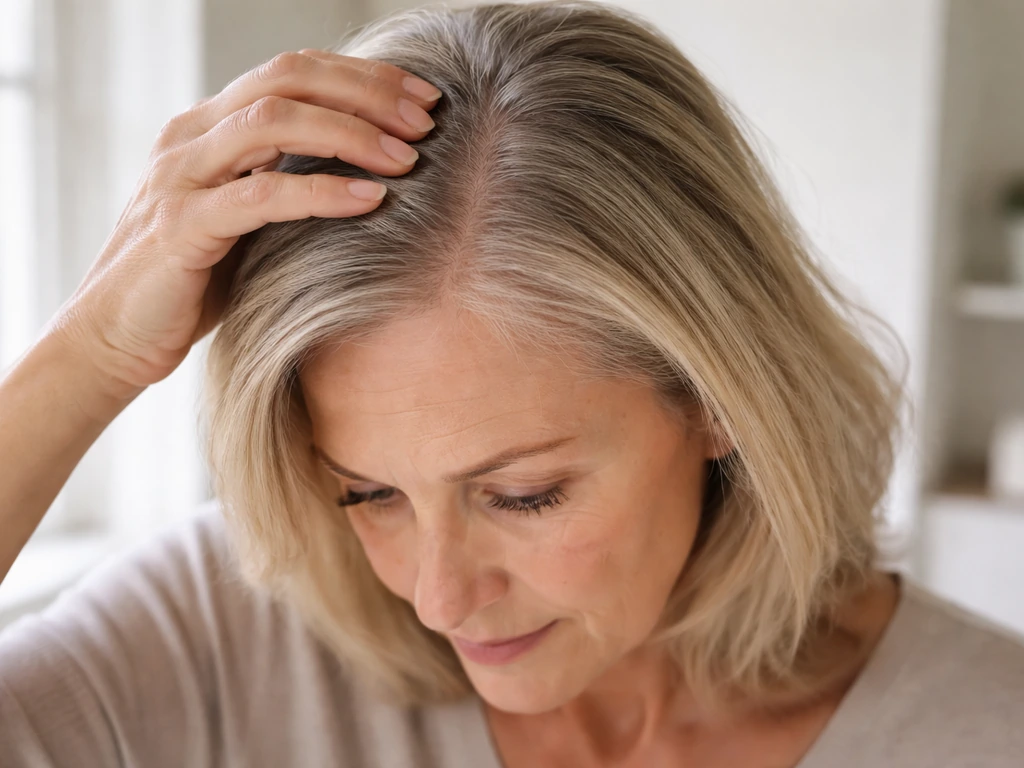
Why menopause thins your hair in the first place
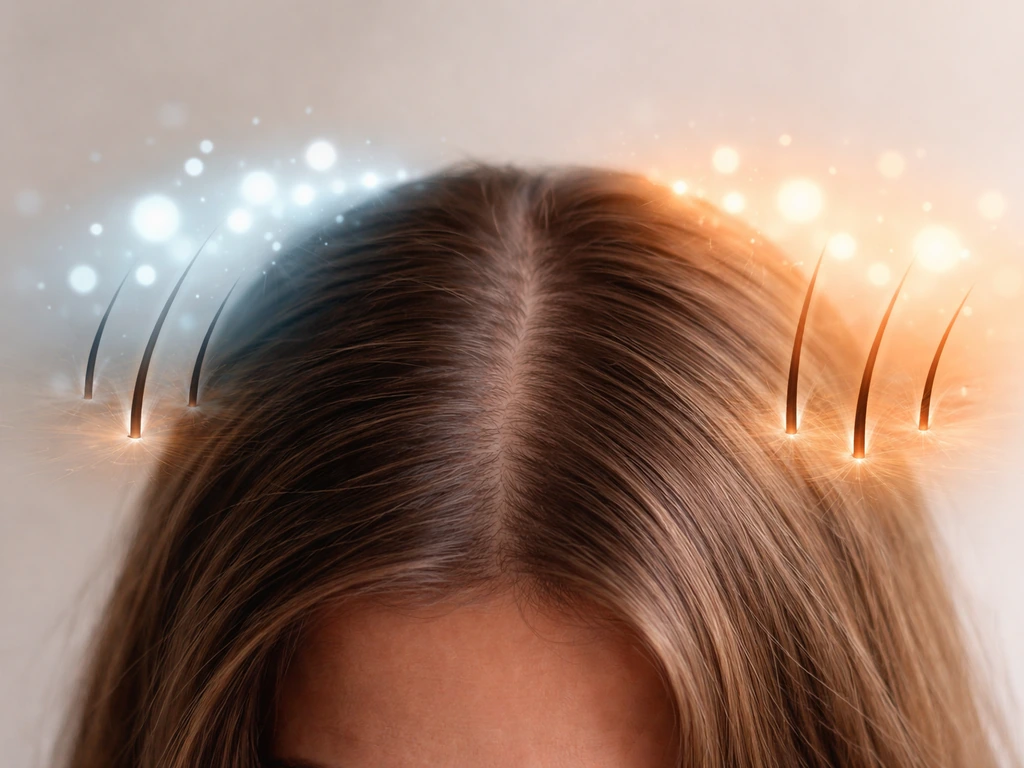
The core driver is the steep drop in estrogen and progesterone that happens during perimenopause and after menopause. Alongside addressing menopause-related shedding and thinning, focus on nutrition, scalp care, and evidence-based treatments for overall hair regrowth after 40. Estrogen is actually protective for your hair follicles. It prolongs the anagen (active growth) phase, which is why many women's hair feels its best during pregnancy when estrogen is sky-high.
When estrogen falls, that protective buffer disappears and androgens like testosterone and DHT become relatively more dominant. DHT binds to receptors in genetically susceptible follicles and gradually miniaturizes them, meaning each hair grows in thinner and shorter over successive cycles. This is female-pattern hair loss (FPHL), also called androgenetic alopecia, and it classically shows up as [diffuse thinning across the crown and top of the scalp with the frontal hairline staying mostly intact](https://pmc. ncbi.
nlm. nih. gov/articles/PMC3968982/).
On top of that, many women going through menopause experience a second process called telogen effluvium. Hormonal upheaval acts as a physiological stressor that pushes a large percentage of follicles (sometimes up to 70%) out of the growth phase and into the telogen (resting) phase all at once. The tricky part is that you won't notice the shed until about 2 to 4 months later, when those resting hairs finally fall out together. In [telogen effluvium](https://pmc.
ncbi. nlm. nih. gov/articles/PMC7320655/), shedding occurs diffusely about 2 to 3 months after the triggering event, when a higher proportion of follicles are in telogen.
So if you're suddenly seeing a lot of hair in the shower, the trigger likely happened months ago. Acute telogen effluvium typically resolves within 6 to 8 months, and new growth starts once the shedding phase winds down, but chronic hormonal shifts can keep it cycling.
The result for most menopausal women is a combination: some background miniaturization from FPHL happening slowly over years, plus episodic shedding events from hormonal surges and crashes. Understanding this matters because the strategies for each are slightly different. Slowing miniaturization requires long-term consistency. Recovering from a telogen shed mostly requires removing the trigger (if possible), supporting your body's nutritional baseline, and giving it time.
Normal thinning vs. something that needs a doctor's attention
Before you build a routine, it helps to honestly assess what you're dealing with. Not all hair loss during or after menopause is the same, and some patterns warrant a dermatology appointment sooner rather than later. If you also want targeted, step-by-step guidance specifically for thickening hair after 40, see how to grow thick hair after 40 menopause is the same.
Signs that point to typical menopause-related thinning
- Gradual overall reduction in volume over months or years, especially across the crown and part line
- Hair that feels finer and more fragile than it used to
- Mild to moderate diffuse shedding (50 to 150 hairs per day is considered normal for most people)
- Scalp becoming more visible under direct light, particularly at the top
- Frontal hairline still relatively intact
- No obvious patches of complete hair loss
Signs you should see a dermatologist or your doctor
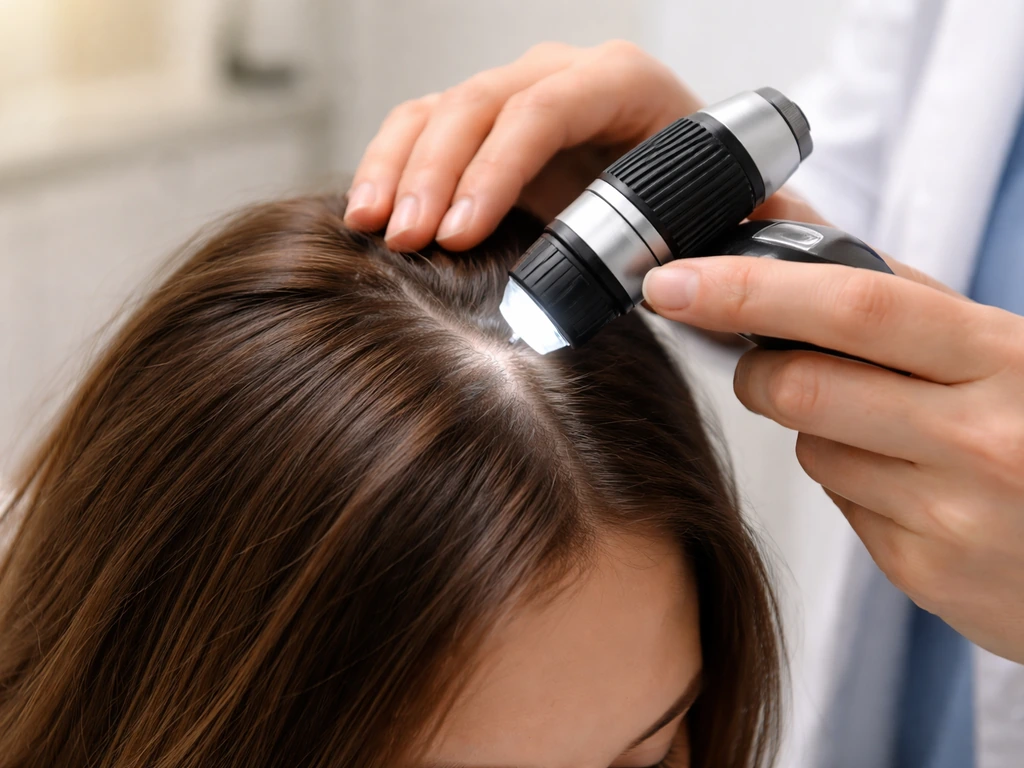
- Patchy, circular, or irregular bald spots anywhere on the scalp (possible alopecia areata)
- Rapid, dramatic shedding that is clearly accelerating rather than stable
- Scalp itching, pain, burning, or visible scaling that won't resolve with basic care
- Hairline receding at the temples in a triangular pattern (frontal fibrosing alopecia, a scarring alopecia more common post-menopause)
- Hair loss accompanied by other symptoms like extreme fatigue, weight changes, or skin changes that could point to thyroid disease or other systemic issues
- No response at all after 6 to 9 months of consistent evidence-based effort
A good dermatologist can do a pull test, examine your scalp with a dermatoscope, and run blood work to rule out thyroid dysfunction, low ferritin, or other correctable causes. If you're in any doubt, getting that baseline panel done is genuinely worth it. Catching a ferritin deficiency or thyroid issue early can change everything about your results.
The evidence-based foundations that actually move the needle
Think of these as the floor of your hair growth plan. No supplement or scalp serum will compensate for getting these wrong, and fixing them alone can produce visible improvement for a lot of women.
Protein

Hair is made of keratin, a protein. If you're not eating enough, your body will downregulate hair production to preserve protein for more critical functions. Most adults need about 0.8 to 1.0 grams of protein per kilogram of body weight daily as a minimum, and many hair researchers and dietitians recommend that women actively trying to support hair growth aim for the higher end of 1.0 to 1.2g/kg. Prioritize complete protein sources like eggs, fish, poultry, legumes with grains, and dairy. If you eat plant-based, pay extra attention to getting all essential amino acids, particularly lysine and methionine, which are important for keratin synthesis.
Iron and ferritin
Low ferritin (stored iron) is one of the most commonly overlooked causes of hair thinning in women, and post-menopausal women are not automatically off the hook just because they've stopped menstruating. Your body needs ferritin to produce the energy that fuels the hair follicle. Most dermatologists working with hair loss recommend a ferritin level above 70 ng/mL for optimal hair growth, well above the standard lab normal of around 12 to 15. If your ferritin is low, dietary sources like red meat, lentils, spinach with vitamin C, and fortified cereals can help, and supplementing under medical guidance may be warranted.
Vitamin D
Vitamin D receptors are present in hair follicle cells, and deficiency is strongly associated with hair loss including alopecia areata and telogen effluvium. Many people, particularly in northern latitudes, are deficient without knowing it. Getting your 25-OH vitamin D tested and maintaining levels in the 40 to 60 ng/mL range is a reasonable goal. Supplementing with 1,000 to 2,000 IU daily is appropriate for many people, but get your levels checked before mega-dosing.
Zinc
Zinc supports keratin production and helps regulate the hair follicle cycle. Deficiency causes hair shedding, but here's the catch: too much zinc supplementation can actually interfere with copper absorption and worsen hair loss. Food sources like pumpkin seeds, oysters, beef, chickpeas, and cashews are your safest bet. If you do supplement, stick to around 8 to 11mg per day unless a test shows you're genuinely deficient.
Sleep and stress
Chronic elevated cortisol is a direct physiological stressor that can push follicles into telogen, the exact mechanism behind telogen effluvium. Poor sleep, which is already a common menopause complaint due to night sweats and hormonal disruption, compounds this. Prioritizing 7 to 9 hours of sleep and actively managing stress through whatever works for you (exercise, breathwork, therapy, reducing overcommitment) is not soft advice. It is biologically important for hair cycling.
Supplements and topical actives worth considering
Once your foundations are solid, targeted supplements and topicals can provide an extra layer of support. If you're wondering how to grow hair after 50, focus on the evidence-based foundations first, then layer in targeted topicals and supplements. I'll be honest with you about what has meaningful evidence behind it and what is more speculative.
Supplements with decent evidence
| Supplement | What it does | Evidence level | Notes |
|---|---|---|---|
| Biotin | Supports keratin production | Modest; mainly useful if you're deficient | Most people get enough from food; won't help if levels are normal |
| Collagen peptides (hydrolyzed) | Provides amino acid building blocks including proline and glycine | Emerging; some RCTs show improved hair thickness | Generally safe; combine with vitamin C for best absorption |
| Saw palmetto | May reduce DHT activity at follicles | Preliminary; a few studies show modest results for FPHL | Weaker effect than finasteride; considered safer OTC option |
| Pumpkin seed oil | Possible 5-alpha reductase inhibiting activity | One RCT showed meaningful hair count increase | Available as capsules; generally well tolerated |
| Viviscal / Nutrafol type blends | Multi-ingredient formulas targeting hair growth | Company-funded studies show benefits; independent data limited | Can be pricey; results vary significantly |
| Iron (if deficient) | Restores ferritin needed for follicle energy | Strong evidence when deficiency is confirmed | Don't supplement without testing; excess iron has risks |
Topical actives for the scalp
Minoxidil is the most evidence-backed topical for hair regrowth and is available over the counter. If you are looking for how to grow hair after 35, minoxidil is also one of the most studied first-line topical options. The 2% solution is approved for women, but many dermatologists now recommend the 5% foam or solution for post-menopausal women based on better efficacy data. It works by prolonging the anagen phase and improving blood flow to follicles.
Apply it to a dry scalp once or twice daily, and be patient: you won't see results for at least 4 to 6 months, and the shedding often temporarily increases in the first few weeks as new cycles begin. That initial shed is normal and not a reason to stop.
Caffeine-based scalp serums and shampoos have some evidence supporting their ability to penetrate the follicle and partially counteract DHT effects. The research is less robust than minoxidil, but they're low-risk and can be a reasonable add-on. Rosemary oil (specifically Rosmarinus officinalis) is worth mentioning here too: one small study compared it directly to 2% minoxidil over 6 months and found comparable results. More on that in the natural remedies section.
Scalp care: the part most people skip
Your scalp is the growing environment for your hair. After menopause, hormonal changes can shift scalp sebum production, making some women's scalps drier and others oilier than before. Product buildup, dead skin cell accumulation, and inflammation can all slow follicle function. Getting your scalp routine right matters more than most people realize.
Washing frequency
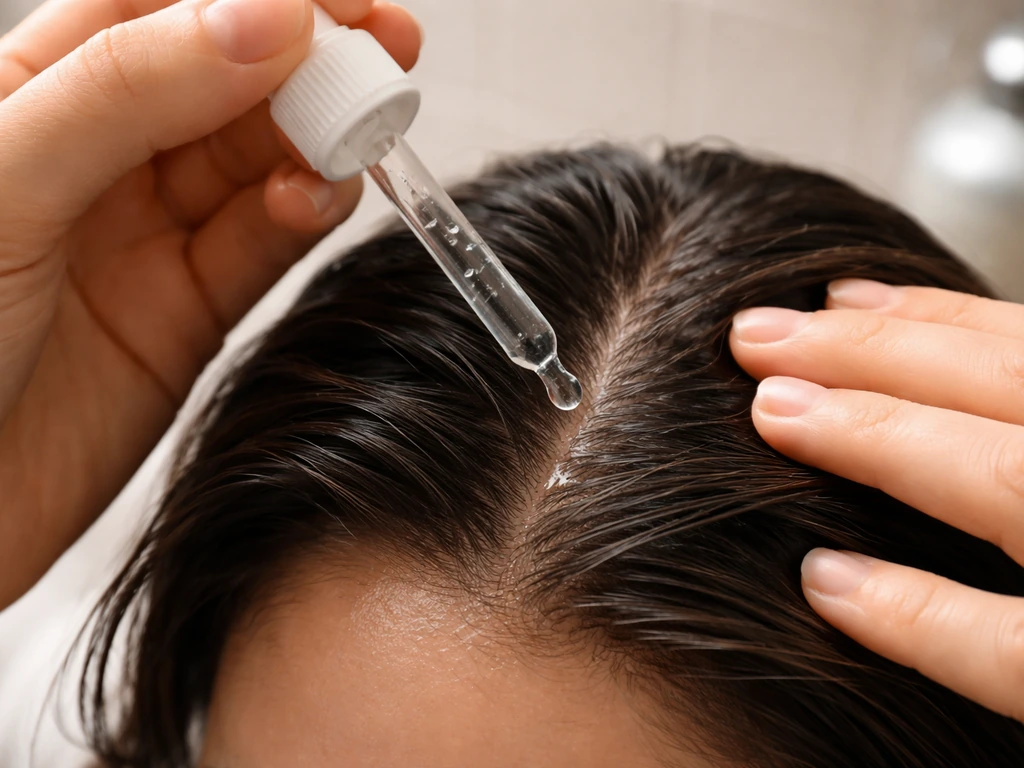
There's a persistent myth that washing your hair too often causes hair loss. It doesn't. In fact, letting sebum, pollution, and product residue accumulate on the scalp can clog follicles and cause low-grade inflammation. Wash as often as you need to keep your scalp clean. For most women this is every 2 to 3 days, but if you use heavy products or exercise frequently, daily washing with a gentle sulfate-free shampoo is completely fine. The key is using products appropriate for your scalp type: lighter, clarifying formulas for oily scalps; more moisturizing, fragrance-free ones for dry or sensitive scalps.
Scalp exfoliation
Using a scalp scrub or chemical exfoliant (like a salicylic acid scalp treatment) once a week can help remove dead skin buildup, reduce sebum oxidation, and improve the absorption of any topicals you're applying afterward. Gentle physical exfoliation with a silicone scalp brush during washing is an easy way to incorporate this. Don't overdo it: once or twice a week is plenty, and if you have any open sores or active dermatitis, skip exfoliation until that resolves.
Scalp massage
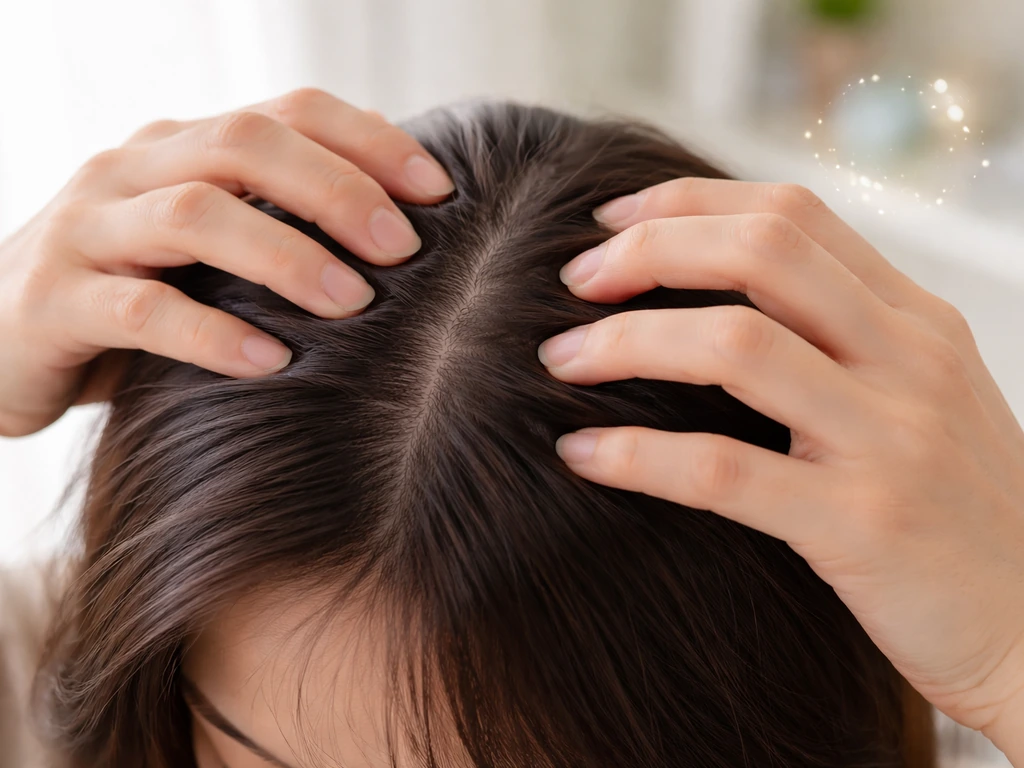
This one has more evidence behind it than people expect. A 2016 standardized study found that 4 minutes of daily scalp massage over 24 weeks led to measurably increased hair thickness. The mechanism is thought to involve mechanical stretching of follicle cells and improved blood flow delivering more oxygen and nutrients. You can do this with your fingertips or a silicone scalp massager, using gentle circular pressure across the entire scalp for 4 to 5 minutes daily. Do it while your conditioner or a scalp oil is sitting, or during any topical application. It costs nothing and has real upside.
Daily hair handling habits
Menopausal hair is often more fragile due to hormonal changes in the hair shaft structure itself, which means protective handling becomes more important. Detangle starting from the ends and working upward, use a wide-tooth comb or a brush designed for wet hair when hair is wet, minimize heat styling where possible (or always use a heat protectant), and avoid tight ponytails and buns that create traction on already thinning hairlines. Silk or satin pillowcases reduce overnight friction and breakage compared to cotton.
Natural remedies: what to try, what to skip
I believe in being honest about natural remedies: some have real evidence, some are plausible but unproven, and some are a waste of your money and hope. Here's a grounded breakdown.
Worth trying
- Rosemary oil: Dilute 2 to 3 drops in a carrier oil like jojoba or coconut oil and massage into the scalp 30 minutes before washing, 2 to 3 times a week. One study found it as effective as 2% minoxidil for androgenetic alopecia at the 6-month mark with fewer side effects. It's low-risk and accessible.
- Peppermint oil: Animal studies show it can increase follicle depth and number; dilute and use similarly to rosemary. Evidence in humans is limited but early data is encouraging.
- Castor oil: Often recommended for scalp application, but evidence for regrowing hair is largely anecdotal. It's thick and humectant, so it may help with scalp moisture. Use sparingly and wash out well to avoid buildup.
- Anti-inflammatory diet: Chronic low-grade inflammation is a real driver of hair loss. Increasing omega-3s (fatty fish, flaxseed, walnuts), reducing ultra-processed foods, and eating plenty of antioxidants genuinely supports scalp health from the inside.
- Managing menopause symptoms: If night sweats and poor sleep are wrecking your cortisol levels and stress response, addressing those directly with your doctor (whether through HRT, non-hormonal options, or lifestyle strategies) will create a better environment for hair growth.
Not worth your time or money
- Biotin mega-doses (above 5,000 mcg) unless your doctor confirms a deficiency: Most people aren't deficient, and excess biotin can interfere with thyroid lab results.
- Hair growth shampoos as standalone treatments: They rinse off too quickly to have significant biological effect on follicles. Some contain useful ingredients (caffeine, saw palmetto) but don't expect them to do the heavy lifting.
- Onion juice: Some small studies exist, but the evidence is weak, the smell is powerful, and there are better options.
- Collagen face creams applied to the scalp: Topical collagen molecules are too large to penetrate the skin; this won't help hair follicles.
When to escalate: what dermatologists and doctors can offer
If you've done the foundational work consistently for 6 to 9 months with little improvement, or if your initial assessment pointed to signs of more significant hair loss, it's time to see a board-certified dermatologist who specializes in hair disorders. Don't feel like you've failed. There are genuinely effective medical treatments that require a prescription or professional guidance.
Prescription options
Prescription-strength topical minoxidil (at concentrations above the OTC 5%) is one step up and is increasingly being prescribed for women with significant FPHL. Oral minoxidil at very low doses (0.25 to 1.25 mg daily) has emerged as a game-changer for women who don't respond to or can't tolerate topical application. It has good tolerability at low doses with manageable side effects for most people, though it does require medical supervision.
Spironolactone is an anti-androgen medication that's been used off-label for female pattern hair loss for decades. It blocks androgen receptors in the follicle and can meaningfully slow miniaturization and improve density. It requires a prescription and monitoring, especially for blood pressure and potassium levels.
Platelet-rich plasma (PRP) therapy, where your own blood plasma is injected into the scalp, has growing evidence behind it for FPHL. It's not cheap (typically $500 to $1,500 per session, with multiple sessions needed) and is not covered by insurance, but for women who want a non-drug option with real clinical data, it's worth discussing with a dermatologist.
Some women find that hormone replacement therapy (HRT), by restoring some estrogen, indirectly helps with hair thinning as well as sleep, mood, and other menopause symptoms. The decision around HRT is personal and medical, but if you're already exploring it for menopause management, it's worth raising hair loss as a specific concern with your doctor.
What to ask at your dermatology appointment
- Can you run a full hair loss panel including ferritin, thyroid (TSH, T3, T4), vitamin D, zinc, and CBC?
- Is this FPHL, telogen effluvium, or both?
- Would I be a candidate for low-dose oral minoxidil or spironolactone?
- Is my scalp health optimal, and is there any sign of scarring alopecia?
- What realistic improvement can I expect with the right treatment plan?
Realistic timelines and how to track your progress
I want to be direct with you: hair growth after menopause is slow. The hair growth cycle runs on its own schedule and nothing you do will dramatically accelerate it. A healthy anagen phase produces roughly half an inch of hair per month. Seeing meaningful thickness and density improvements from a nutritional or topical intervention typically takes 4 to 6 months minimum, and full results from treatments like minoxidil are often judged at the 12-month mark. If you expect results in 6 to 8 weeks and give up when you don't see them, you'll never know whether something would have worked.
The good news is you can track progress in ways that keep you motivated without obsessing over daily shedding. Here's a practical system.
- Take a set of reference photos on day one: one from the top looking down, one from the front, and one close-up of your part line, all in the same lighting. Repeat these exact photos monthly.
- Measure your ponytail circumference if your hair is long enough. A simple tailor's tape around a low ponytail at the same point each time gives you an objective density number.
- Keep a brief log of what you're taking and using and any changes you notice in shedding, texture, or new growth around the hairline.
- Do a 60-second mirror check at the 3-month mark, not daily. Daily checking creates anxiety without useful information because variation is high.
- Avoid the mistake of changing everything at once. If you add three supplements and start minoxidil and change your diet simultaneously, you won't know what's working. Add one major change at a time with at least 4 to 6 weeks between additions.
One more thing that trips people up: increased shedding in the first 4 to 6 weeks of starting minoxidil or a new scalp routine is not failure. It's often a sign that the hair cycle is being reset. Document it rather than panicking, and give your regimen at least 4 to 6 months before deciding it isn't working.
Your next steps, starting today
You don't need to overhaul everything at once. In fact, trying to do too much simultaneously is one of the most common reasons people burn out and quit. Here's a practical starting sequence.
- This week: Request a blood panel from your GP covering ferritin, thyroid, vitamin D, and zinc. These results tell you where your most correctable deficiencies are.
- This week: Take your reference photos and ponytail measurement so you have an honest baseline.
- Week 1 to 2: Audit your protein intake. Are you hitting 1.0g per kilogram of body weight daily? Adjust your meals before adding any supplements.
- Week 2 to 3: Start daily scalp massage (4 to 5 minutes) and if you want to try a natural approach first, begin diluted rosemary oil applications 2 to 3 times weekly.
- Week 3 to 4: Once your blood results are in, address any confirmed deficiencies with targeted supplementation or dietary changes.
- Month 2: If you're committed to a topical active, introduce OTC 5% minoxidil foam or a caffeine-based scalp serum and track consistently from this point.
- Month 6 and beyond: Review your photo progression. If you're seeing improvement, stay the course. If you're not, book that dermatology appointment.
Menopausal hair changes are real, but they're also highly manageable with the right approach. The women who see the best results aren't doing anything exotic. They're addressing nutritional gaps, protecting their scalp environment, using an evidence-backed topical consistently, and giving the process enough time to work. That's a plan you can absolutely follow. If you're also navigating broader changes like growing hair thicker or longer after 40 or 50 more generally, many of the same principles apply, and building this kind of foundational routine pays dividends at any age.
FAQ
How can I tell if my hair loss after menopause is female-pattern hair loss versus telogen effluvium?
Look at timing and pattern. Telogen effluvium usually causes noticeable shedding a few months after a trigger and often looks more diffuse across the scalp. Female-pattern hair loss tends to show gradual thinning over years with the crown and top more affected, while the frontal hairline is often relatively preserved. If you are unsure, a dermatologist can use a pull test and scalp exam to separate the causes, and blood work can also reveal treatable contributors.
Should I stop minoxidil if I’m shedding more in the first weeks?
Usually no. Early shedding (often in the first 4 to 6 weeks) can happen as follicles shift cycles, and stopping too soon can waste progress. Instead, document the change, continue your chosen dose for at least 4 to 6 months, and only reassess earlier if you develop significant scalp irritation, swelling, or signs of allergy.
What’s the most common mistake when starting minoxidil after menopause?
Inconsistent application. Minoxidil works only if it is used regularly, and results require patience. Missing doses, switching products every few weeks, or applying to damp scalp can reduce effectiveness. Also avoid layering too many new scalp products at once, since irritation can force you to stop.
Is it safe to use minoxidil if I have a sensitive scalp or dermatitis?
You may be able to, but irritation is a real limiting factor. Consider foam if liquids sting, start with once daily for 2 weeks, and avoid exfoliating acids or fragranced products at the same time. If you notice burning, worsening redness, crusting, or hives, stop and contact a clinician, since true dermatitis requires a different approach than “pushing through.”
How long should I give nutrition and scalp changes before I decide they are not working?
For most people, plan on at least 6 to 9 months for meaningful improvement because hair cycles are slow. If you started with correctable deficiencies (like low ferritin or vitamin D), changes may show earlier, but judging by daily shedding is misleading. A better checkpoint is overall density and a stable reduction in shedding trends over months.
Do I need blood tests, even if I already eat well?
Yes, because hair-loss drivers are not always food-related. Thyroid issues and low ferritin can occur even with a reasonable diet, and menopause does not eliminate risk. If you can, ask for ferritin (and iron studies if available), TSH for thyroid, and 25-OH vitamin D, then interpret results in the context of your hair-loss pattern.
If my ferritin is “within normal range,” should I still worry about it?
Possibly. Many hair specialists aim higher for hair-growth outcomes. If your ferritin is low-normal, especially with active shedding or thinning, ask whether your level is likely too low for optimal follicle function. The decision is individualized, and supplementation should ideally be guided by labs and tolerance.
Can too much zinc make hair loss worse?
Yes. Zinc is helpful if you are deficient, but excess intake can interfere with copper absorption and contribute to worse shedding over time. If you are not tested, stick to conservative dosing and prioritize food sources like seeds, legumes, and seafood. If you are supplementing, consider checking copper status with your clinician if use is prolonged.
What protein target should I use if I do not know my weight or body composition?
Use your current body weight for a practical estimate. The article’s framework suggests aiming around 1.0 to 1.2 g per kilogram for active hair-support. If you prefer, a simple alternative is to aim for protein at each meal (for example, a palm-sized portion plus another protein serving at breakfast), but weighing for the exact grams is more accurate.
Will scalp massage actually help, and how much should I do?
It can be a useful add-on, but it is not a standalone treatment for miniaturization or deficiency-related shedding. Aim for about 4 to 5 minutes daily with gentle pressure, and stop if it worsens pain, inflammation, or breaks the scalp. If you are using minoxidil, massage can be done while conditioner or a topical is on, but avoid aggressive scrubbing.
How often should I wash my hair if I’m using hair-loss topicals?
Wash frequency depends on scalp type and product buildup. You do not need to wash less to “keep nutrients,” sebum can accumulate and irritate follicles. If you use minoxidil, many people apply it on a dry scalp and then follow the product’s directions about waiting before washing. If your scalp gets oily, washing every 1 to 3 days is often fine with a gentle formula.
Is PRP worth considering, and who is it best for?
PRP can be a reasonable option for female-pattern hair loss when consistent topical and foundational care have not produced enough change. It is usually done in multiple sessions and costs out of pocket for most people, so you should discuss your specific diagnosis and expectations with a dermatologist. It tends to work best when the underlying cause is identified rather than guessed.
Can HRT help hair, or does it always make things worse?
HRT can indirectly help some people by improving estrogen status, which may support the growth cycle and also improves sleep and stress, factors tied to shedding. It does not guarantee hair regrowth, and the decision depends on your risk profile and overall menopause management. If you are considering HRT, bring up hair concerns explicitly so your clinician can weigh benefits and side effects for you.
When should I see a dermatologist instead of continuing my routine at home?
Get an appointment sooner if you have sudden, rapid thinning, patchy hair loss, scalp symptoms like severe itching or scaling, or if you are not seeing any improvement after 6 to 9 months of consistent foundational care plus an evidence-based topical. Also go earlier if your pattern suggests more than one process, such as both shedding and progressive miniaturization, since mixed causes often need a combined plan.
Next Articles
Tips on How to Grow Your Hair Out: A Step by Step Guide
Step-by-step tips to grow hair out: stop breakage, build scalp routine, nutrition, safe actives, and track progress.
Grow Hair Long Tips: Step-by-Step Routine to Reach Length
Step-by-step grow hair long tips: boost scalp health, cut breakage, improve diet, and track progress for length.
Tips for How to Grow Long Hair: A Practical Guide
Actionable tips to grow long hair naturally: care routine, scalp habits, nutrition and breakage prevention for healthy l