
Yes, you can absolutely grow hair after 40, but the playbook changes. Hair in your 40s grows more slowly, sheds more easily, and responds differently to the same products and habits that worked in your 20s. The good news is that most of the causes behind that shift are addressable, and a combination of the right diagnostics, a consistent scalp-care routine, targeted nutrition, and, when needed, clinically proven treatments can get your hair growing again. This guide walks you through every step of that process.
How to Grow Hair After 40: Complete Guide for Thinning Hair

Marcus Holloway
12 Jul 2026
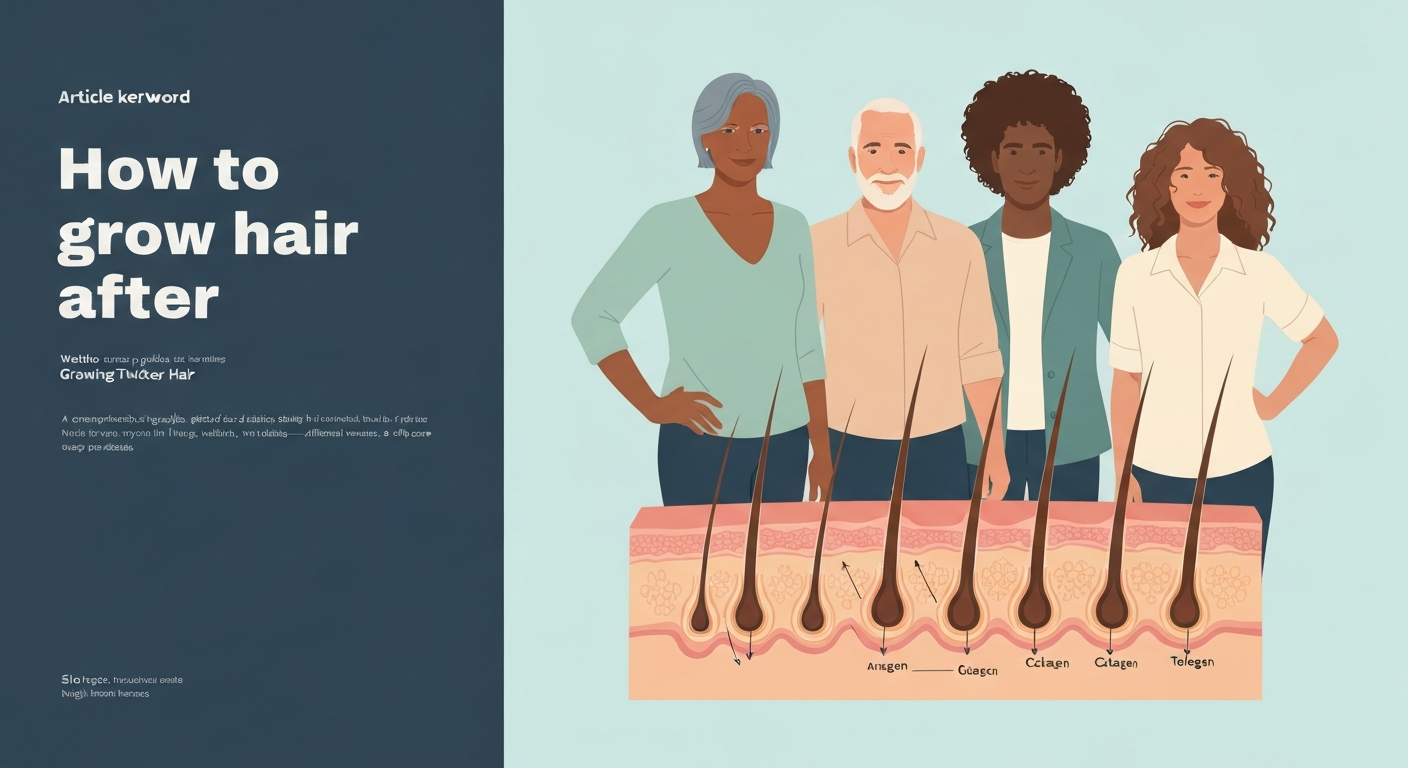
Who this guide is for
If you are somewhere between your late 30s and your 50s and have noticed your hair thinning, shedding more than usual, growing more slowly, or just looking less full than it used to, this guide is written for you. That covers a wide range of situations: men starting to see a receding hairline or a thinning crown, women noticing a wider part or more scalp showing through at the front, people approaching or navigating menopause, and anyone whose hair has simply stopped growing as fast as it once did. Hair changes in midlife are extremely common and, in most cases, very treatable. You will find sections here on understanding the biology behind those changes, spotting the causes, knowing when to see a doctor, building a daily routine, eating and supplementing to support growth, choosing the right products, and protecting your hair from the styling habits that quietly make thinning worse.
Why hair changes after 40: the biology behind it
Hair growth works in cycles: a growing phase (anagen), a transition phase (catagen), and a resting phase (telogen) before the strand sheds. In your 20s, most follicles spend several years in anagen, which is why hair can grow very long. After 40, that anagen phase shortens for many people, meaning each strand grows for less time before it sheds. The result is not necessarily more shedding on its own, but hair that reaches a shorter maximum length and a higher proportion of resting follicles at any given moment.
Hormones are a big part of this story. Androgens, particularly dihydrotestosterone (DHT), bind to receptors in genetically susceptible follicles and cause them to gradually shrink, producing finer and shorter strands over time. This is the mechanism behind androgenetic alopecia, the most common type of pattern hair loss in both men and women. In men, testosterone converts to DHT with increasing effect at the temples and crown. In women, the protective effect of estrogen during reproductive years partly offsets this androgenic activity. When estrogen levels decline during perimenopause and menopause, that buffer weakens, which is why many women first notice real thinning in their 40s. Genetics determine how sensitive your follicles are to DHT, which is why pattern loss runs in families, and it can come from either parent's side.
Age-related changes in scalp circulation, collagen production, and the microbiome of the scalp also play a supporting role. Follicles receive slightly less nutrient delivery over time, the skin around them becomes less elastic, and accumulated oxidative stress (from sun, pollution, and normal cellular metabolism) affects follicle stem cells. None of these factors is catastrophic on its own, but together they add up to a noticeable change in hair density and quality over the course of a decade. Understanding this helps explain why addressing hair growth after 40 is a multi-front effort rather than a single fix.
Common causes of thinning and slow growth after 40
Before choosing any treatment or routine, it is worth narrowing down what is actually driving the change. Several distinct causes produce similar-looking results, and the approach that helps one will not necessarily help another.
Androgenetic alopecia (pattern hair loss)
This is the most common cause of progressive hair thinning in midlife for both men and women. American Academy of Dermatology, Types of hair loss notes that androgenetic alopecia and telogen effluvium are common non‑scarring causes, with AGA causing gradual follicular miniaturization and TE causing diffuse increased shedding after physiological triggers American Academy of Dermatology — Types of hair loss. In men it typically follows a recognizable pattern: recession at the temples and thinning at the crown, graded on the Norwood scale. In women it usually presents as a diffuse thinning that is widest at the central part (Ludwig pattern), with the frontal hairline often preserved. The hallmark is follicular miniaturization, where each successive hair cycle produces a finer, shorter strand. You will usually notice it gradually over years rather than as a sudden event.
Telogen effluvium
Telogen effluvium (TE) is diffuse shedding triggered by a physical or emotional shock to the system. Common triggers at this life stage include significant illness or surgery, major stress, crash dieting, thyroid changes, stopping hormonal contraception, or rapid weight loss. The body responds to the insult by pushing a large percentage of follicles into the resting (telogen) phase simultaneously, and two to four months later you notice heavy shedding. TE often resolves once the underlying trigger is removed, though it can become chronic if the trigger persists. Unlike AGA, TE tends to affect the whole scalp fairly evenly.
Nutritional deficiencies
Iron deficiency is one of the most under-diagnosed causes of hair loss in women, and it is particularly relevant in the perimenopause years if periods are still occurring and sometimes heavy. Systematic reviews and meta-analyses have confirmed that low serum ferritin is more prevalent in women with non-scarring hair loss, and many dermatologists recommend investigating ferritin levels when evaluating thinning. Vitamin D deficiency, low B12, and zinc insufficiency have also been associated with hair loss, though the evidence base for those is less robust than for iron.
Thyroid dysfunction and other medical causes
Both an overactive and an underactive thyroid can cause diffuse hair shedding, and thyroid disorders become more common in women after 40. Hair loss from thyroid imbalance is usually reversible once thyroid function is corrected. Other medical contributors include autoimmune conditions, blood sugar dysregulation, and certain medications (including some blood pressure drugs, anticoagulants, and, in some cases, androgenic hormone formulations).
Styling and mechanical damage
Years of heat styling, chemical processing (coloring, bleaching, relaxing, perming), tight hairstyles (traction alopecia from ponytails, braids, or extensions), and aggressive brushing accumulate damage to the hair shaft and, over time, can stress the follicle itself. Hair after 40 is often finer and more fragile than it was earlier, which means the same habits that barely affected younger hair now produce visible breakage and apparent thinning.
How to spot which cause is likely yours
- Gradual thinning at the crown or part, running in the family, progressing slowly over years: likely androgenetic alopecia
- Sudden increase in shedding 2 to 4 months after an identifiable stressor (illness, surgery, extreme stress, diet change): likely telogen effluvium
- Diffuse thinning with fatigue, cold intolerance, or weight changes: check thyroid and iron
- Patchy loss in irregular shapes with no visible scalp inflammation: consider alopecia areata, worth a dermatologist visit
- Thinning along the hairline where tight styles are worn: consider traction alopecia
- Hair snapping mid-shaft rather than falling from the root: primarily damage and breakage, not follicle-level loss
When to see a clinician
Most hair thinning after 40 does not require urgent medical attention, but some patterns are red flags that warrant a prompt appointment. I always tell people: if you are unsure, it is far better to rule out something serious than to spend months treating the wrong thing at home.
Seek a dermatologist or trichologist promptly if you notice any of the following: rapid, severe shedding that seems to be accelerating week by week; patches of total hair loss or areas where the scalp surface looks smooth and shiny with no visible follicle openings; redness, scaling, pustules, or persistent itching and pain on the scalp; asymmetric or oddly shaped patches that do not fit a typical pattern-loss presentation; hair loss alongside systemic symptoms such as unexplained weight loss, fever, or fatigue; or hair loss that starts very quickly and significantly within weeks. For clinical guidance on these red flags and indications for scalp biopsy, see Scalp pathology primer / indications for biopsy (review, PMC). These can indicate scarring alopecias (where early treatment is critical to prevent permanent loss), fungal infection, autoimmune conditions, or underlying systemic illness.
A dermatologist is the first-line choice for most hair concerns. If you want more specialized testing and monitoring, a trichologist (a specialist in scalp and hair health, though not a medical doctor in most countries) can complement medical care with detailed hair and scalp analysis. In clinical settings, a technique called trichoscopy, which is a dermoscopic examination of the scalp, is used to distinguish between AGA, TE, alopecia areata, and scarring alopecias without necessarily requiring a biopsy. When the diagnosis is genuinely uncertain or scarring cannot be ruled out, a scalp biopsy is the definitive tool.
Diagnostic tests worth asking about
When you visit a dermatologist or your primary care doctor for hair loss, a targeted set of blood tests can quickly identify or rule out several treatable causes. Not every test is needed for everyone, but the following are the ones most commonly recommended in clinical reviews of hair loss in adults over 40:
| Test | What it checks | Why it matters for hair |
|---|---|---|
| Serum ferritin | Iron storage levels | Low ferritin (below 30 ng/mL, sometimes targeted above 40–70 ng/mL for hair regrowth) is linked to non-scarring hair loss in women |
| CBC (complete blood count) | Red blood cell levels, hemoglobin | Identifies anemia, which can cause or worsen diffuse shedding |
| TSH (thyroid-stimulating hormone) | Thyroid function | Both hypo- and hyperthyroidism cause diffuse hair loss; easily treated once identified |
| 25-OH Vitamin D | Vitamin D status | Deficiency has been associated with hair loss; common in many adults |
| Total and free testosterone, DHEA-S | Androgen levels | Elevated androgens can drive female-pattern hair loss and indicate PCOS or adrenal issues |
| Serum B12 | B12 status | Deficiency can cause diffuse shedding, especially relevant if you follow a plant-heavy diet |
| Zinc | Zinc status | Low zinc has been linked to hair loss; test selectively based on diet and symptoms |
| Autoimmune markers (ANA, etc.) | Autoimmune activity | Used selectively when alopecia areata or lupus-related hair loss is suspected |
One note on ferritin: because it is also an acute-phase reactant, it can appear normal or even elevated during inflammation even when iron stores are actually low. If results seem inconsistent with your symptoms, ask your doctor to also look at serum iron, transferrin saturation, and TIBC for a fuller picture.
Your daily and weekly scalp and haircare routine
A consistent routine is the foundation that makes every other intervention work better. I have seen people spend money on expensive serums while their scalp is clogged with product buildup or their brushing technique is snapping off hair at the root. Getting the basics right matters more than you might think.
Cleansing: how often and how
Wash your hair often enough to keep the scalp clean, which generally means every two to three days for most hair types. A clean scalp has better circulation access, maintains a healthier microbiome, and allows topical treatments to penetrate effectively. Stretching washes too long (more than five days) allows sebum, product residue, and dead skin to accumulate around the follicle opening, which can impede growth. The exception is tightly coiled or very dry hair types, where daily or every-other-day washing strips too much moisture; in that case, co-washing (conditioner only) or a very gentle cleanser on alternate days works better. When washing, use your fingertip pads, not your nails, to massage the scalp in small circular motions for at least two to three minutes. This mechanical stimulation supports circulation, and it feels good too.
Conditioning and moisture
Apply conditioner from mid-shaft to ends, not directly on the scalp, to avoid weighing down fine or thinning hair at the roots. If your hair is thick, coily, or very dry, a deeper weekly conditioning treatment (a hair mask left on for 10 to 30 minutes) helps maintain elasticity and reduces breakage. For fine or thinning hair, use a lightweight conditioner and look for volumizing formulas that add body without coating the hair shaft in heavy silicones.
Scalp massage
Daily scalp massage is one of the most evidence-supported free interventions available. A small study published in Eplasty found that four minutes of daily standardized scalp massage over 24 weeks increased hair thickness. The mechanism is likely a combination of improved blood flow to the follicles and mechanical stretching that may stimulate dermal papilla cells. You do not need a special tool, though a silicone scalp massager can make the habit easier to maintain. Do it in the shower while shampooing, or dry as part of a morning or evening routine.
Sleep and scalp hygiene habits
Sleeping on a silk or satin pillowcase significantly reduces the friction that causes breakage overnight, especially for curly and coily hair types, or for anyone with fragile, fine hair. Cotton pillowcases create more drag and can rough up the cuticle over hours of sleep. If you go to bed with wet hair regularly, try to at least loosely braid it or wrap it to reduce tangling; wet hair is in its most fragile state. Keep your scalp clear of heavy overnight products unless they are designed for scalp treatment, as occlusive products left on for extended periods in warm conditions can disrupt the scalp microbiome.
Weekly routine at a glance
- Every 2 to 3 days: gentle scalp-focused shampoo with fingertip massage, followed by conditioner on mid-lengths to ends
- Daily (1 to 2 minutes): dry or pre-wash scalp massage with fingertip pads or silicone massager
- Once weekly: deep conditioning mask or oil treatment on mid-lengths and ends (longer for coily or very dry hair)
- Once weekly: scalp check in a bright mirror to notice any new scalp changes, unusual patches, or increased shedding
- Nightly: switch to silk or satin pillowcase, avoid tight hair ties overnight, gently detangle before bed
How to choose the right shampoos, conditioners, and serums
The shelves are full of products claiming to regrow hair, thicken strands, and reverse thinning, and most of them are significantly overstating what they can do. That said, the right product choices do make a real difference in maintaining scalp health and hair integrity, which is the environment in which actual regrowth can happen.
What to look for in a shampoo
For thinning or fine hair, look for shampoos labeled volumizing or scalp-focused that contain ingredients like salicylic acid or zinc pyrithione (if dandruff or scalp inflammation is present), niacinamide (supports scalp barrier function), biotin (in topical form, adds temporary shaft thickness), caffeine (early research suggests it may mildly counteract DHT effects at the follicle), or ketoconazole 1% (an antifungal that some research shows modestly supports hair density). Avoid shampoos heavy in silicones (dimethicone, cyclopentasiloxane) as the first few ingredients, sulfates if your scalp is dry or sensitive, and fragrance if your scalp is reactive.
What to look for in a conditioner
For thinning hair, lightweight is the keyword. Look for hydrolyzed proteins (wheat, keratin, silk) that temporarily fill in damaged areas of the cuticle and improve tensile strength, panthenol (provitamin B5) for moisture retention, and quaternary ammonium compounds (like cetrimonium chloride) for detangling without excessive weight. Avoid very thick, buttery conditioners directly on fine or thinning roots, as they drag the hair down and can clog follicles over time.
Topical serums and scalp treatments
Scalp serums are where you will find the most legitimate active ingredients for growth support. The most evidence-backed topical treatment is minoxidil, which is discussed in detail in the treatments section. For non-medicated options, look for serums containing redensyl, procapil, or anagain (plant-derived complexes with small clinical trial data suggesting follicle stimulation), peptides (such as copper peptides that support scalp microcirculation), or peppermint oil (one small controlled study found a 4% peppermint oil solution comparable to 3% minoxidil in growing new follicles in an animal model, though human data is limited). Apply scalp serums to a clean, dry scalp, part the hair to expose the scalp, and apply directly rather than onto the hair shaft.
What to avoid
- Products with heavy petrolatum or mineral oil as scalp treatments, which can block follicle openings
- High concentrations of alcohol (SD alcohol, denatured alcohol) near the scalp, which are drying and irritating
- Harsh sulfate shampoos used daily on dry or color-treated hair
- Any 'hair growth' product making clinical claims without listed active ingredients or published data
- Over-layering products on the scalp, which creates buildup and reduces product penetration
Styling and protective habits for every hair type
One thing I have learned personally: aggressive styling habits undo a lot of good work at the follicle level. After 40, hair is often finer, more brittle, and has less tolerance for the heat and tension it used to handle. Adjusting your styling approach is not about giving up your style, it is about preserving the hair you have while the growth strategies do their work.
Heat styling
Keep blow dryer, flat iron, and curling iron temperatures below 180°C (356°F) for most hair types, and below 150°C (300°F) for fine, color-treated, or chemically processed hair. Always apply a heat protectant spray or cream to damp or dry hair before any heat tool contact. Allow hair to air dry partially before blow drying rather than starting from soaking wet. Reduce heat styling frequency if you can, and on days when you do not need it, let hair air dry and embrace its natural texture.
Coloring and chemical treatments
Bleaching and high-lift coloring are the most damaging chemical processes. If you color your hair and are also dealing with thinning, try to extend the time between full-color sessions (going to every 8 to 10 weeks instead of every 4 to 6) and use glosses or toners in between to refresh color without structural damage. Demi-permanent and semi-permanent colors are significantly gentler than permanent formulas, and they are worth considering for routine color maintenance. If you are using chemical relaxers or perms, space them out as far as practically possible and follow every session with intensive protein and moisture treatments.
Brushing and detangling
Detangle from the ends upward, working in small sections and removing knots from the bottom before moving higher. A wide-tooth comb or a detangling brush with flexible bristles causes less mechanical stress than a fine-tooth comb dragged from root to tip. Never brush wet hair aggressively; wet hair stretches and snaps far more easily than dry hair, especially if it has any chemical damage. Curly and coily hair should be detangled while wet and coated with conditioner or a detangling product.
Protective styles and tension
Tight ponytails, braids, or buns worn every day create constant tension at the hairline and along the part, which over time causes traction alopecia. Vary your part location, use soft fabric hair ties instead of rubber or elastics with metal seams, and if you wear extensions or weaves, ensure they are not applied under excessive tension. Protective styles for curly and coily hair (twists, low-manipulation braids) are excellent for reducing daily mechanical damage, as long as they are not installed too tightly and are not left in for too long without gentle cleansing of the scalp.
Styling by hair type: quick reference
| Hair type | Key vulnerability after 40 | Protective priority |
|---|---|---|
| Straight (fine) | Flatness, static, breakage at temples | Volume-building products, low-tension styles, reduced heat |
| Straight (coarse) | Frizz, dullness, heat damage | Regular deep conditioning, lower heat temperatures |
| Wavy | Frizz, undefined waves, mid-shaft breakage | Diffusing instead of flat ironing, lightweight curl creams |
| Curly | Dryness, tangles, curl pattern loosening | Regular deep moisture, protective styles, finger detangling |
| Coily / tightly coiled | Extreme dryness, shrinkage, breakage | Consistent moisture sealing, low-manipulation protective styles, minimal heat |
Concealing thinning while you work on regrowth
There is no shame in using cosmetic strategies while waiting for growth interventions to work, and some of them work really well. Scalp powder concealers (like keratin fibers or tinted scalp sprays) create the appearance of density at the part or crown within seconds. Changing your part location from center to side redistributes visual density. Volumizing blow-dry techniques (tilting your head forward while drying at the roots) can add significant apparent fullness. A good haircut, specifically layers and a cut that removes weight from the ends, makes fine and thinning hair look fuller than longer, blunter cuts.
Nutrition and supplements for hair growth after 40
Food is genuinely one of the most under-used tools for hair growth, and it is not about eating more of one superfood. Hair follicles are among the fastest-dividing cells in the body, and they need a consistent supply of protein, iron, vitamins, and minerals to sustain that activity. Deficiencies in any of these can quietly slow or disrupt the growth cycle long before they cause obvious symptoms elsewhere.
Protein is non-negotiable. Hair is made primarily of keratin, a protein, and inadequate dietary protein is a direct cause of hair thinning and shedding. Aim for at least 1.2 to 1.6 grams of protein per kilogram of body weight daily, spread across meals. Good sources include eggs (which also provide biotin and zinc), oily fish, poultry, legumes, Greek yogurt, tofu, and tempeh.
Iron-rich foods are especially important for premenopausal and perimenopausal women. Lean red meat, dark leafy greens, lentils, fortified cereals, and pumpkin seeds are good sources. Pair plant-based iron sources with vitamin C (a squeeze of lemon on spinach, bell pepper alongside lentils) to improve absorption. Avoid drinking tea or coffee within an hour of iron-rich meals, as tannins inhibit iron uptake.
Vitamin D production in the skin declines with age, and many adults over 40 are deficient, particularly those who live in northern latitudes or spend limited time outdoors. Fatty fish (salmon, mackerel, sardines), egg yolks, and fortified dairy or plant milks contribute some dietary vitamin D, but supplementation is often needed if blood levels are low. Zinc is found in oysters, beef, pumpkin seeds, and chickpeas. Omega-3 fatty acids from oily fish or algae-based supplements help maintain scalp hydration and reduce follicle inflammation.
Supplements: what is worth taking
Supplements are most useful when correcting a confirmed deficiency. If your bloodwork shows low ferritin, iron supplementation (typically ferrous sulfate 325 mg or ferrous bisglycinate for better tolerability) under medical supervision is one of the most impactful interventions for hair loss in women. If vitamin D is low, supplementing to bring levels into the normal range (typically 1000 to 2000 IU daily of vitamin D3, though your doctor may prescribe more) is reasonable and well-supported. B12 is essential if you eat a primarily plant-based diet and do not supplement already.
For supplements marketed specifically for hair growth, the evidence is more mixed. Biotin is widely promoted but only addresses hair loss if you are actually biotin-deficient, which is uncommon. There is limited but interesting data on marine collagen peptides and some proprietary blends (Viviscal, Nutrafol), which have small manufacturer-sponsored trials showing modest improvements in hair density. I would not call these first-line, but they are not harmful for most people and may offer some benefit while you work on the foundational nutritional gaps.
Topical and medical treatments with the strongest evidence
If scalp care and nutrition are the foundation, clinically proven treatments are the building on top of it. These are the options with the most rigorous published evidence for hair regrowth and preservation in adults with pattern hair loss and related conditions.
Minoxidil (topical and oral)
Topical minoxidil is the first-line treatment recommended by the European (JEADV S3) guidelines, the American Academy of Dermatology, and the British Association of Dermatologists for both male and female pattern hair loss. Multiple systematic reviews covering 23 or more randomized controlled trials confirm it increases hair count and the proportion of patients reporting moderate to marked improvement compared with placebo. The 5% formulation generally produces larger objective gains than the 2% version in both men and women, though irritation is slightly more common with the higher concentration. Critically, the effect is ongoing only while you use it: stopping minoxidil leads to reversal of gains within several months.
Low-dose oral minoxidil (typically 0.25 to 1.25 mg daily in women, 2.5 to 5 mg daily in men) has gained significant clinical attention in recent years. Systematic reviews confirm increased hair counts and improved global photography scores in both male and female pattern hair loss and chronic telogen effluvium, often with better tolerability than topical for people who find the topical solution greasy or scalp-irritating. Side effects to be aware of include hypertrichosis (unwanted facial or body hair), fluid retention, and postural hypotension; it requires a prescription and ongoing medical monitoring.
Finasteride and dutasteride (oral 5-alpha reductase inhibitors)
Oral finasteride 1 mg daily has strong randomized trial and meta-analysis evidence in men with AGA, showing greater hair preservation and increased counts versus placebo, with a number needed to treat of around 4 to 6 depending on the endpoint. Long-term use is required to maintain the benefit. Dutasteride, which inhibits both type 1 and type 2 5-alpha reductase (finasteride only inhibits type 2), shows even larger hair-count improvements than finasteride in head-to-head meta-analyses, but with a similar sexual side-effect profile and off-label status in many countries. Both require informed discussion with a prescribing clinician about risks including sexual dysfunction, mood changes, and (for finasteride) the rare potential for persistent side effects after stopping. In women, these medications are used off-label and generally only post-menopause or with reliable contraception given teratogenic risk.
Low-level laser therapy (LLLT)
FDA-cleared LLLT devices (laser caps, helmets, and combs) use specific wavelengths of red or near-infrared light to stimulate follicle activity, a process called photobiomodulation. Multiple randomized trials and systematic reviews support modest improvements in hair count and density with consistent use, and the safety profile is excellent. Results are incremental and require ongoing use (typically three sessions per week), and like all treatments, stopping leads to regression over time. LLLT is a reasonable addition to a comprehensive regimen, particularly for people who prefer to avoid medication.
Platelet-rich plasma (PRP)
PRP involves drawing a small amount of your blood, spinning it to concentrate the platelet-rich plasma, and injecting it into the scalp. Growth factors in the platelets are thought to stimulate follicle activity. Multiple trials show positive effects on hair count and thickness, though standardization of protocols varies significantly between providers and study quality is mixed. PRP is typically done in a series of three sessions one month apart, with maintenance every six months. It is an in-clinic procedure and not inexpensive, but it is one of the more biologically rational advanced options.
Hair transplant surgery
For advanced pattern hair loss where significant miniaturization has already occurred, hair transplant surgery (follicular unit excision, FUE, or follicular unit transplantation, FUT) permanently redistributes genetically resistant follicles to thinning areas. Modern techniques in experienced hands produce natural-looking results. It is important to understand that a transplant moves existing hair rather than creating new follicles, so ongoing medical treatment (minoxidil, finasteride) is still usually recommended after surgery to stabilize non-transplanted areas.
Natural remedies and scalp stimulation
Natural approaches will not match the evidence level of minoxidil or finasteride, and I think it is important to be honest about that. But several home-based strategies have meaningful supporting evidence or a reasonable biological rationale, and they are safe and low-cost to incorporate alongside other treatments.
Rosemary oil is the natural remedy with the most compelling human trial data. A 2015 randomized controlled trial compared 2% minoxidil to rosemary oil (applied topically for 6 months) and found comparable hair count improvements at the 6-month mark, with the rosemary group experiencing less scalp itching. The active compound, rosmarinic acid, appears to have some DHT-inhibiting and microcirculation-improving activity. Dilute 4 to 5 drops of rosemary essential oil in a tablespoon of carrier oil (jojoba or coconut) and massage into the scalp, leaving on for at least 30 minutes before washing.
Castor oil is widely used for hair growth based on anecdotal evidence. It is high in ricinoleic acid, which has anti-inflammatory properties, and its thick, occlusive texture may help with scalp moisture. There is limited clinical trial evidence for hair regrowth specifically, but it causes no harm and many people find it beneficial for scalp dryness. Use sparingly given its viscosity, and wash thoroughly.
Scalp microneedling (dermarolling) is a technique where a small roller with fine needles is used on the scalp to create micro-injury, which is thought to trigger wound-healing growth factors and potentially enhance penetration of topical treatments. A few small studies show promising results when combined with minoxidil. If you try this at home, use a 0.5 mm dermaroller, sanitize it thoroughly, and do not roll on an inflamed, broken, or infected scalp.
Specific notes for menopause and perimenopause
The transition around menopause deserves its own discussion because the hormonal picture is more complex than it appears. As estrogen levels fall during perimenopause, androgens become relatively more dominant, and follicles that have any genetic sensitivity to DHT begin to miniaturize more noticeably. This is why many women who had no hair concerns in their 30s notice visible thinning for the first time in their mid-40s.
Hormone replacement therapy (HRT) and its effects on hair are a nuanced topic. Some systematic reviews report that estrogen-containing HRT formulations can improve hair parameters in some women, which makes biological sense given estrogen's protective role at the follicle. However, the evidence across studies is heterogeneous, and formulations matter enormously: some androgenic progestin formulations used in older HRT combinations have been associated with worsening hair loss or even scarring alopecias in some women. If you are considering or currently on HRT and have noticed hair changes (better or worse), a conversation with both your gynecologist and a dermatologist is worthwhile. This is a situation where getting the right formulation for your hair (not just your other symptoms) can make a meaningful difference.
The practical priorities during the menopausal transition are to investigate ferritin and thyroid (both tend to shift during this period), consider topical minoxidil as a first-line treatment given the strong evidence, support estrogen-sensitive follicles with scalp care and nutrition, and avoid compounding hormonal hair stress with mechanical and chemical damage. For a deeper look at what works specifically after menopause has fully established itself, the companion guide on how to grow hair after menopause covers that stage in more detail.
Realistic timelines and how to measure progress
The hardest part of treating hair after 40 is the timeline. Every effective intervention, from minoxidil to diet changes to stress reduction, works on the hair growth cycle, which moves slowly. A single hair cycle is three to seven years, and you are trying to shift the behavior of thousands of cycles simultaneously. In practice, that means you should expect to see no significant visible change for the first two to three months of any new regimen. Early results typically start appearing around months three to four, with meaningful density improvements often not visible until month six, and full results from any treatment taking a year or more.
Track progress with monthly photographs taken in the same lighting, from the same angles, with dry hair. Take a top-down view, a close-up of the part, and a front-facing shot. Comparing month one to month six is far more informative than comparing this week to last week. You can also count shed hairs on a white pillow or in the shower drain over a set period, though normal shedding (50 to 100 hairs per day) varies a lot. A reduction in the shed rate is often the first sign that a treatment is working, before new growth becomes visible.
If you are at the stage of wanting not just more density but genuinely longer hair, the same growth principles apply, but length retention becomes the additional goal. Minimizing breakage through protective styling, regular trims to remove split ends (which travel up the shaft and cause more breakage), and keeping the hair shaft moisturized and strong are as important as supporting the follicle. The guide on how to grow hair longer after 40 goes deeper on the specific strategies for retaining length as the hair grows. For more targeted strategies on increasing density and shaft thickness, see how to grow thick hair after 40. If you're over 50, see our detailed guide on how to grow hair after 50 for age-specific strategies that address hormonal changes, slower growth cycles, and tailored nutrition and styling tips. See our practical guide on how to grow hair after 35 for additional length-retention strategies and age-specific tips.
Putting it all together: your next steps
Start by identifying the likely cause of your hair change and getting blood tests to rule out nutritional and medical contributors. Build a consistent scalp-care routine, add daily scalp massage, and clean up any aggressive styling habits while you investigate further. Talk to your doctor about topical minoxidil if you want to add the most evidence-supported active treatment available without a prescription. For a practical, step-by-step plan on how to grow thicker hair in your 40s, see our detailed guide. If your thinning is progressing quickly or has features that do not fit a straightforward pattern, get a dermatology referral sooner rather than later. And give any regimen you start a minimum of six months before evaluating whether it is working.
Hair growth after 40 is genuinely achievable for most people. It requires more intention than it did in your 20s, a willingness to address multiple factors at once, and the patience to let biology do its work at its own pace. But the biology is on your side: follicles that are miniaturizing rather than permanently lost can respond, and the combination of good nutrition, a healthy scalp environment, and an appropriate treatment when needed gives them the best possible conditions to do so. For another relevant comparison, see how to grow hair longer after 40.
FAQ
Why does hair change after age 40 and during menopause?
Hair changes with age because hair follicles undergo gradual 'miniaturization' (especially in androgenetic pattern hair loss) and the anagen (growth) phase shortens. Cumulative environmental damage, heat/chemical styling, and slower cell turnover also reduce hair density and length potential. For people entering perimenopause/menopause, declining estrogen and relatively unopposed androgens can shift hair toward thinning; hormonal fluctuations may also trigger temporary shedding (telogen effluvium). In sum: genetics, hormones, aging biology, and external damage all contribute.
How do I tell if my thinning is pattern hair loss (AGA), telogen effluvium (TE), or something else?
Key differences: AGA causes gradual, patterned miniaturization (receding hairline or vertex thinning in men; central widening in women). TE causes a relatively sudden increase in diffuse shedding, often following a trigger (illness, surgery, major stress, medication change). Alopecia areata gives patchy loss; scarring alopecias show scaly/perifollicular inflammation and loss of follicular openings. Do a focused history (timing, triggers, family history), self pull test (increased shedding when pulling 40–60 hairs suggests TE), and photograph progression. If diagnosis is unclear or there are red flags (rapid severe shedding, scarring signs, asymmetrical patches, systemic symptoms), see a dermatologist/trichologist.
Which tests should I get to evaluate hair thinning after 40?
Common initial tests: CBC (to check anemia), TSH (thyroid disease), serum ferritin (iron stores), 25‑OH vitamin D. Based on history, add targeted androgens (total/free testosterone, DHEA‑S), B12, zinc or autoimmune markers. Interpret ferritin in context—many clinicians consider <30 ng/mL consistent with deficiency, and when treating hair aim for higher targets (often 40–70 ng/mL). Trichoscopy (dermoscopy) in clinic helps differentiate causes; scalp biopsy is reserved for uncertain or scarring cases.
When should I see a dermatologist or seek urgent referral?
See a dermatologist/trichologist if you have: rapid diffuse shedding (acute severe TE), rapidly progressive thinning, painful/scaly/scarred scalp, single large or asymmetric patches, signs of scarring (loss of follicular openings), unexplained systemic symptoms (fever, weight loss), or if initial treatments fail after 6–12 months. Urgent referral for suspected scarring alopecia or very rapid hair loss is appropriate because early treatment can prevent permanent loss.
What everyday scalp and haircare routine helps grow hair after 40?
Daily/regular routine: use gentle, sulfate‑free cleanser; avoid harsh clarifying agents more than once weekly; condition to reduce breakage (apply conditioner mid‑lengths to ends), use weekly deep‑conditioning masks if hair is dry; minimize high‑heat styling and mechanical stress (tight ponytails, vigorous towel rubbing); use wide‑tooth combs and protective sleeping habits (silk/ satin pillowcases, loose braids). Keep scalp clean but avoid over‑washing if hair is dry. Use sun protection (hats/products) and minimize chemical damage (bleaching, frequent relaxers). These steps reduce breakage so hair appears thicker and reaches genetic length potential.
How should I choose hair products for thicker or longer hair?
Product‑choice criteria: for thinning/scalp health choose mild shampoos with pH‑balanced formulas and ingredients that support scalp (niacinamide, panthenol). For porous/damaged hair, choose protein‑plus conditioners and regular deep conditioners. Avoid heavy silicones if hair is fine, or use rinse‑out varieties to prevent flattening roots. For growth‑focused topical adjuncts pick evidence‑supported minoxidil formulations (5% foam for many adults) or low‑dose oral minoxidil if prescribed. Look for non‑irritating preservatives/fragrances if scalp sensitivity exists. Prioritize products that protect ends and reduce friction to retain length.
Next Articles
How to Grow Hair After 35: A Practical Step-by-Step Guide
Step-by-step plan to grow hair after 35: identify thinning causes, scalp care routine, nutrition, timelines, and when to
How to Grow Hair After Menopause: Thicker, Fuller Results
Step-by-step plan to regrow thicker hair after menopause, with causes, nutrition, scalp care, safe home options, and tre
Tips on How to Grow Your Hair Out: A Step by Step Guide
Step-by-step tips to grow hair out: stop breakage, build scalp routine, nutrition, safe actives, and track progress.