
To grow medium-length hair, you need to do two things consistently: support your scalp so it produces healthy hair, and protect the hair you already have so it doesn't break off before it reaches your goal length. If you want to focus specifically on how to grow Korean hair, prioritize low-breakage care plus a consistent schedule for washing, conditioning, and scalp health so you keep more length as it grows. Hair grows about 1 cm (roughly half an inch) per month regardless of what products you use, so the real game is retention, not magic acceleration. Get those two things right and medium-length hair is achievable for most guys within 6 to 18 months depending on where you're starting from.
How to Grow Medium Length Hair: Step-by-Step Guide

Marcus Holloway
11 Jul 2026
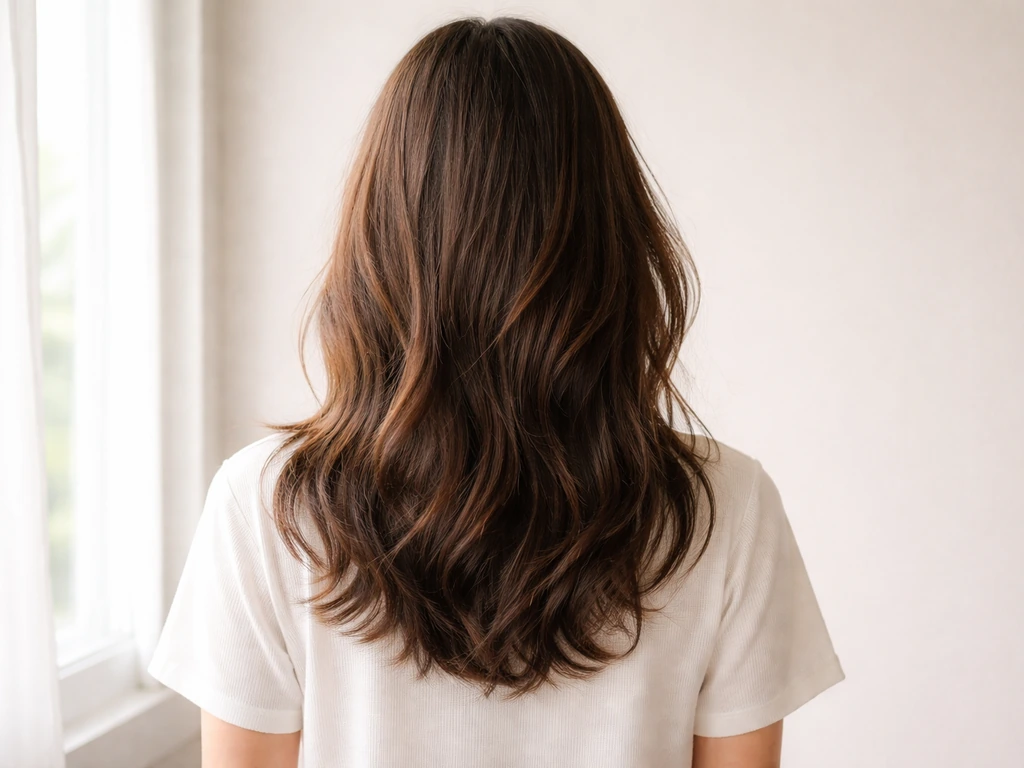
What to actually expect: timelines, growth, and your goal length
Scalp hair grows at roughly 0.35 mm per day, which works out to about 1 cm per month or around 6 inches per year. That rate is mostly set by genetics and overall health, not by any shampoo or oil. What varies enormously from person to person is how much of that growth survives as length. Breakage, split ends, and poor retention can silently eat up centimeters of growth every month, making it feel like your hair just isn't growing when it actually is.
Medium-length hair for men typically means somewhere between the ears and the shoulders, roughly 4 to 10 inches total. If you're starting from a short cut (say, 1 to 2 inches), getting to a medium length of 5 to 6 inches will take around 4 to 6 months minimum. Hitting the longer end of medium, around 8 to 10 inches, realistically takes 12 to 18 months. There's no shortcut around this math, so the most useful thing you can do right now is think of this as a long-term routine rather than a short-term sprint. If your goal is specifically to grow short hair out into longer hair, focus on retention first by preventing breakage at the ends as your new growth comes in long-term routine.
One thing that trips a lot of guys up is the awkward phase, usually around 3 to 6 months, where hair is too long to look tidy and too short to style properly. Planning for that phase (having a go-to style, using a light product) makes it much easier to push through instead of caving and cutting it. If you're aiming for something like waist length eventually, that's a much longer multi-year project with its own considerations, but for medium length the timeline is manageable.
Start here: your baseline check before anything else
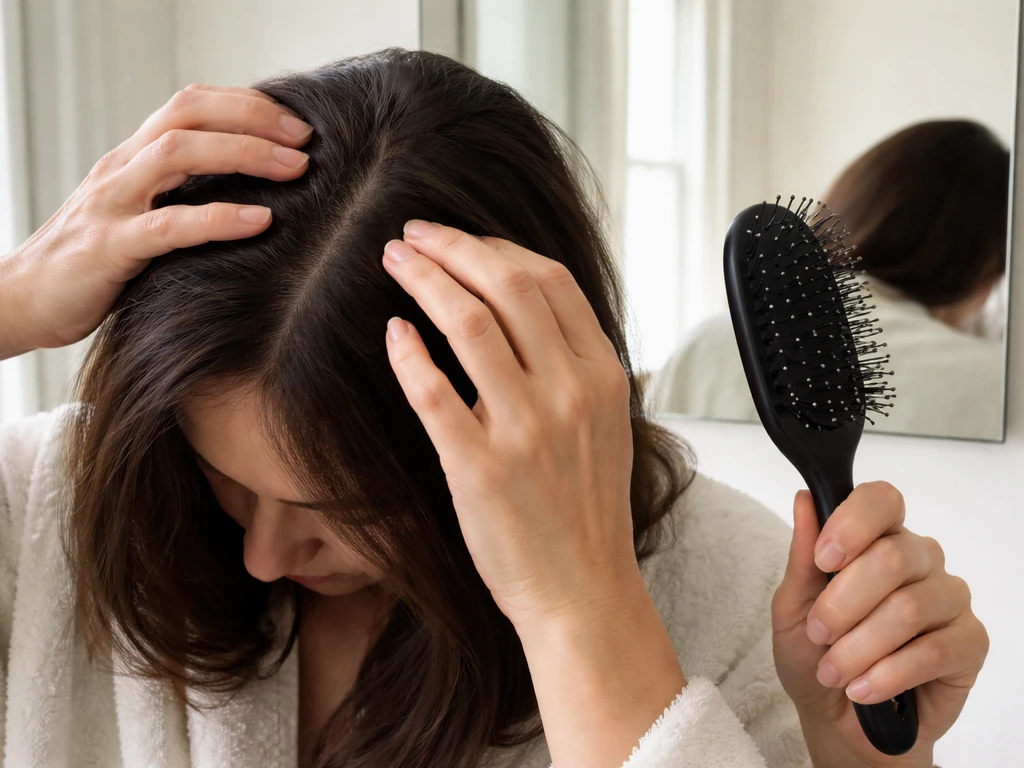
Before changing your routine or buying products, spend a few minutes assessing what's actually going on with your hair and scalp right now. It changes what you should prioritize.
Shedding vs. breakage: know which one you're dealing with
Look at the hairs that end up in your brush, on your pillow, or in the shower. If you see full-length hairs with a small white or translucent bulb at the root end, that's normal shedding. blank" rel="noopener noreferrer">Your hair follicles cycle through anagen (growth), catagen (transition), and telogen (rest and release) phases continuously, and losing 50 to 100 hairs a day in the telogen phase is completely normal. If instead you're seeing short, uneven fragments without a bulb, that's breakage, and it means your hair shaft is snapping somewhere along its length. Breakage is a care and moisture problem. Excessive shedding (well above 100 hairs a day, or patchy loss) can signal a health or hormonal issue. blank" rel="noopener noreferrer">Normal daily hair shedding is typically about 50 to 100 hairs per day, and telogen effluvium can substantially increase shedding. Treating these differently matters.
One important note on shedding: because telogen lasts about 2 to 4 months, a spike in shedding often shows up weeks to months after its cause, whether that's stress, illness, crash dieting, or a major life change. So if you're suddenly shedding a lot now, think back 2 to 3 months for the likely trigger.
Scalp condition
Run a finger along your scalp. Is there flaking, itching, excessive oiliness, or tenderness? An inflamed or congested scalp is a poor environment for hair growth. Dandruff, seborrheic dermatitis, and product buildup all compromise the follicle environment and can contribute to shedding and slow growth. You don't need a perfect scalp to grow hair, but addressing obvious issues early pays off over a year-long grow-out.
Hair type and texture
Your hair type matters for which routine tweaks will help most. Straight, fine hair tends to show oiliness and breakage from over-washing or heavy products. Wavy and curly hair needs more moisture and gentler handling to prevent mechanical breakage. Coily or kinky hair is especially prone to dryness and breakage at the curl points and needs the most protective care. Know your texture and adjust accordingly rather than following a one-size-fits-all routine.
A low-breakage hair care routine for growing out medium-length hair
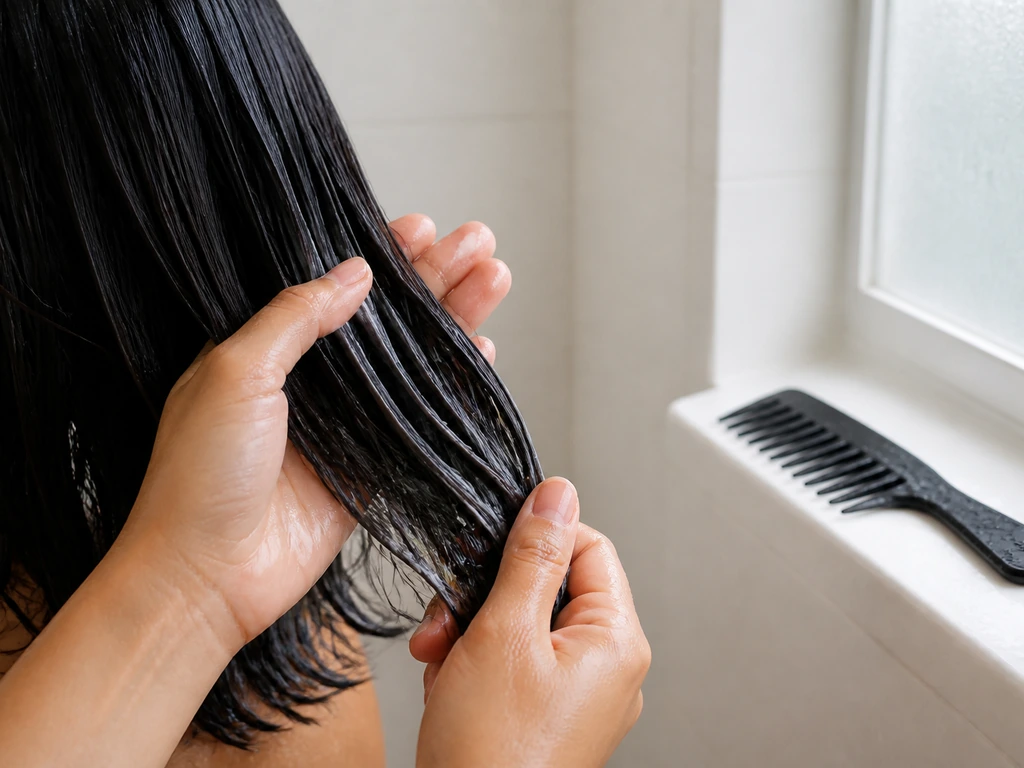
The goal of your daily and weekly routine is simple: keep the hair shaft strong and intact from root to tip while the new growth comes in. Every habit below serves that goal.
Washing frequency
Most guys wash their hair daily out of habit, but daily shampooing strips natural oils from the shaft and can leave hair dry and brittle, especially at medium length where the ends are older and more fragile. Aim to shampoo 2 to 3 times per week. On off days, rinse with water or use conditioner only if your scalp needs it. If you have a very oily scalp, a gentle sulfate-free shampoo daily is fine, but condition every time. If your scalp is dry or normal, 2 washes a week is usually plenty.
Conditioning every wash
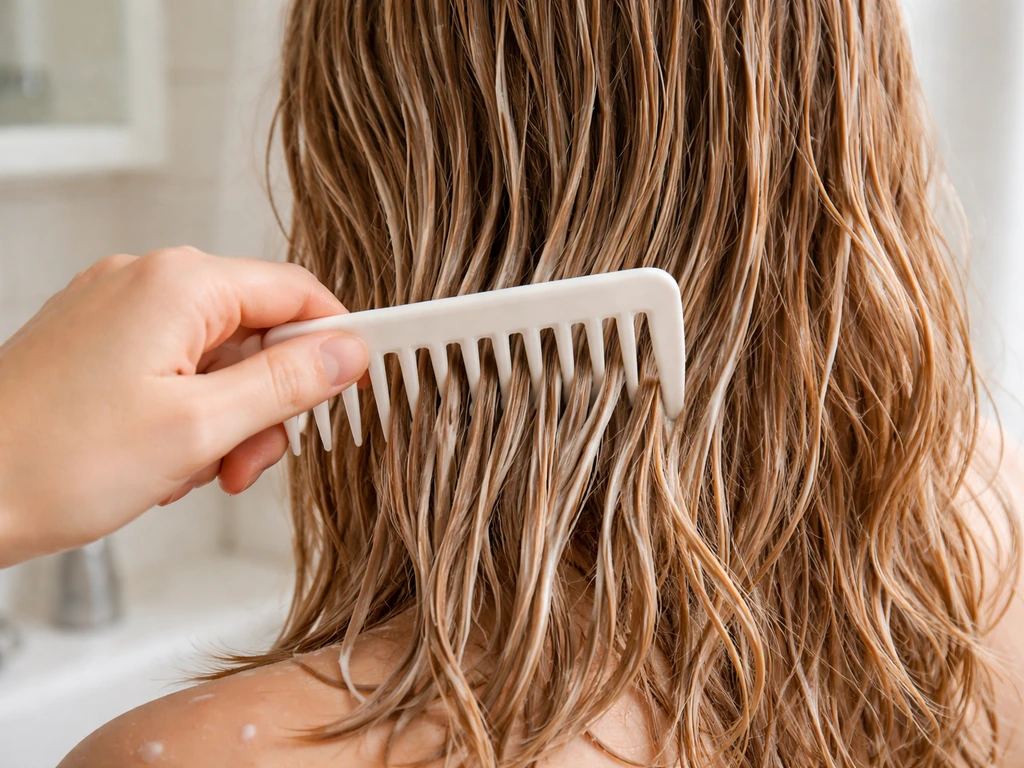
Conditioner is not optional at medium length. It restores moisture to the hair shaft, reduces friction during detangling, and dramatically cuts mechanical breakage. Apply from mid-length to ends (not the scalp) and leave it on for 2 to 5 minutes before rinsing. A weekly deep conditioner or hair mask once a week adds a noticeable difference in how your ends feel and hold up over a long grow-out.
Detangling the right way
Detangle when hair is wet and coated with conditioner, not dry. Start from the ends and work your way up toward the roots, holding hair above where you're working to avoid pulling tension through the shaft. A wide-tooth comb or a detangling brush is much gentler than a fine-tooth comb on wet hair. Rushing this step causes more breakage than almost anything else in a hair care routine.
Heat and styling
If you use a blow dryer or flat iron, use the lowest effective heat setting and always use a heat protectant first. Air drying is gentler when time allows. Avoid repeatedly pulling hair into tight styles that create tension at the hairline or roots, as this can cause traction stress on follicles over time.
The trimming question
Trimming does not make hair grow faster. It removes split ends before they travel up the shaft and cause more breakage. During a grow-out, a small trim every 10 to 12 weeks (just 0.5 to 1 cm) keeps ends healthy without losing meaningful length. If your ends are already significantly split or damaged, a slightly larger trim once to reset the baseline is worth it. Skipping trims entirely while growing out often leads to ends that snap off faster than new growth comes in.
Scalp care: the foundation of a healthy grow-out
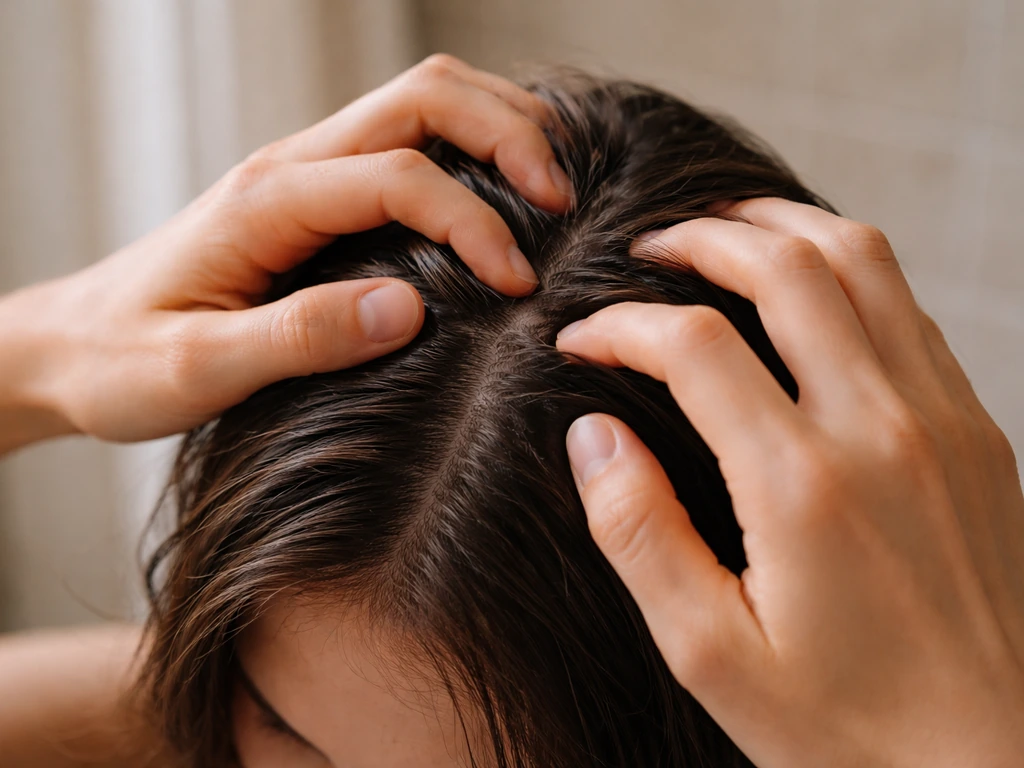
Your scalp is literally where hair is made, so keeping it clean, balanced, and well-circulated matters more than almost any product you put on your strands.
Keeping the scalp clean and balanced
Use a gentle, sulfate-free shampoo that cleans the scalp without stripping it aggressively. Massage your scalp for 2 to 4 minutes when shampooing rather than just scrubbing quickly. This lifts buildup, stimulates blood flow to follicles, and feels noticeably good. Avoid heavy waxes or pomades near the scalp if you're prone to buildup or clogging.
Dealing with dandruff, itch, and oiliness
If you have dandruff or seborrheic dermatitis, use an anti-dandruff shampoo containing zinc pyrithione, selenium sulfide, or ketoconazole 1 to 2 times per week until the flaking is under control, then maintain with once-a-week use. Don't skip this step thinking it's cosmetic. Chronic scalp inflammation can push follicles into the resting phase prematurely, contributing to excess shedding. If itch and flaking persist despite over-the-counter treatment for 4 to 6 weeks, see a dermatologist.
Scalp massage for circulation
Daily scalp massage (4 to 5 minutes, fingertips only, no nails) has shown some promising results in small studies for improving hair thickness, likely by increasing blood flow and mechanical stimulation to follicles. It costs nothing and is easy to add while watching TV or before bed. Consistency over weeks is what matters here, not the occasional session.
Nutrition and lifestyle: what actually fuels hair growth
Hair is a non-essential tissue from your body's perspective, which means it's one of the first things to get shortchanged when your nutrition or overall health is off. Getting this part right creates the internal environment that makes everything else work.
Protein and calories

Hair is made mostly of keratin, a protein, so low protein intake directly limits hair production. Aim for at least 0.7 to 1 gram of protein per pound of body weight daily. Crash dieting or significant caloric restriction is one of the most reliable ways to trigger telogen effluvium, that delayed mass shedding mentioned earlier. Eating at a healthy maintenance level, with plenty of lean protein (eggs, chicken, fish, legumes), is a non-negotiable foundation.
Key micronutrients
Several deficiencies are directly linked to hair loss and slower growth. Iron and ferritin (stored iron) are especially common culprits in chronic shedding, even in men. Zinc supports follicle function, and low levels are associated with hair loss. Vitamin D deficiency is widespread and connected to hair cycle disruption. Biotin gets a lot of marketing attention, but deficiency is rare and supplementing only helps if you're actually deficient. B vitamins (especially B12 for those eating less meat or dairy), and omega-3 fatty acids from oily fish, walnuts, or flaxseed also support scalp health. Rather than guessing, getting a basic blood panel to check iron, ferritin, vitamin D, and B12 is genuinely useful if you're experiencing unusual shedding.
Sleep, stress, and hydration
Chronic poor sleep and sustained high stress both elevate cortisol, which disrupts the hair growth cycle and pushes more follicles into the resting phase. You can have a perfect topical routine and still see increased shedding if you're consistently sleeping 5 hours and running on adrenaline. Aim for 7 to 9 hours of sleep. Even modest stress management, whether that's regular exercise, time outside, or better sleep habits, has a real downstream effect on hair. Staying well hydrated keeps the scalp and hair shaft from becoming dry and brittle.
When supplements make sense
If your diet is solid and your bloodwork is normal, adding a hair supplement is unlikely to change much. But if you're deficient in something, correcting it can make a noticeable difference within a few months. A good-quality multivitamin covering the bases above, or targeted supplements based on lab results, is the evidence-based approach. Avoid mega-doses of any single nutrient without reason.
Topical treatments and natural remedies: what's worth trying
There's a wide spectrum here, from treatments with solid clinical evidence to things that have just enough plausibility to be worth a try. Here's how to think about it.
| Treatment | Evidence Level | How to Use | Notes |
|---|---|---|---|
| Minoxidil (topical) | Strong (FDA-approved) | Apply 1 ml to scalp once or twice daily | Best for androgenic hair loss; requires ongoing use; takes 3-6 months to see results |
| Ketoconazole shampoo | Moderate | 1-2x/week as shampoo, leave on 3-5 min | Anti-fungal; reduces scalp inflammation linked to follicle disruption |
| Rosemary oil | Emerging (small studies comparable to minoxidil 2%) | Dilute in carrier oil (2-3 drops per tablespoon), massage into scalp 2-3x/week | Low risk; may take 3-6 months; promising but limited data |
| Castor oil | Minimal clinical evidence | Apply sparingly to scalp or ends, leave in 1-2 hours | Popular for moisture; very thick, can cause buildup if overused |
| Peppermint oil | Preliminary (animal and small human data) | Dilute heavily (1-2 drops per tablespoon carrier oil), scalp massage | May increase blood flow; always dilute to avoid irritation |
| Scalp massage (no product) | Modest evidence for thickness | 4-5 min daily, fingertips only | Zero cost, no downside; best used consistently over months |
If you're dealing with straightforward growth goals and a healthy scalp, rosemary oil and consistent scalp massage are reasonable natural starting points with a good safety profile. If you're seeing significant thinning or receding that you suspect is pattern hair loss (androgenic alopecia), minoxidil is the most evidence-backed option available without a prescription, and it's worth discussing with a doctor or dermatologist to confirm the cause before committing.
Troubleshooting common problems and your 30/60/90-day action plan
Common problems and quick fixes
- Hair feels dry and snaps easily: Add a weekly deep conditioning mask, cut down on heat styling, switch to a sulfate-free shampoo, and detangle gently on wet hair with conditioner in.
- Split ends appearing fast: You're likely skipping trims too long or using too much heat. Trim 0.5 to 1 cm every 10 weeks and use a heat protectant consistently.
- Hair doesn't seem to be growing: It almost certainly is at roughly 1 cm per month, but breakage is eating it. Focus on retention, not growth speed. Check your detangling habits, conditioning, and trimming schedule.
- Heavy shedding (way over 100 hairs/day): Think back 2 to 3 months for a trigger (illness, stress, diet change). If there's no obvious cause or it's been going on more than 3 months, see a doctor to check iron, ferritin, thyroid, and vitamin D.
- Itchy or flaky scalp: Start using a zinc pyrithione or ketoconazole shampoo 2x per week. Reduce product buildup at the scalp. If it persists 6 weeks, see a dermatologist.
- Patchy thinning: This needs professional evaluation. Patchy loss can indicate alopecia areata or other conditions that require proper diagnosis, not just a better routine.
Your 30/60/90-day action plan
- Days 1-7 (this week): Do a baseline check. Look at shed hairs to identify shedding vs. breakage. Assess your scalp (flaking, oiliness, tenderness). Switch to shampooing 2 to 3 times per week if you're currently daily washing. Add conditioner to every single wash. Start scalp massage for 4 to 5 minutes daily.
- Week 2-4 (Month 1): Buy a sulfate-free shampoo and a weekly deep conditioning mask. Start detangling gently on wet, conditioned hair from ends to roots. Evaluate your diet: are you getting enough protein? Consider a blood panel if you're shedding heavily. If you want to try a topical natural remedy, begin diluted rosemary oil scalp massage 3 times per week.
- Days 30-60 (Month 2): You won't see dramatic length yet (expect roughly 2 cm of new growth), but your hair should feel less brittle and break less. Note whether shedding has normalized. Schedule a small trim if your ends were damaged. Assess sleep and stress levels honestly. Adjust washing frequency if your scalp is still off-balance.
- Days 60-90 (Month 3): You should have about 3 cm of new growth from your starting point. Evaluate retention: are ends holding up? If you started minoxidil or rosemary oil, the first signs of response can appear around this window. Lock in the routine as a permanent habit rather than a temporary experiment. Take a photo at day 1 and day 90 to track actual progress.
The most honest thing to tell you is that growing medium-length hair is not complicated, but it does require patience and consistency over months. The guys who get there are the ones who lock in a simple routine early and don't abandon it during the awkward phase. The routine above covers every meaningful lever you actually control: scalp health, hair integrity, internal nutrition, and a few evidence-backed topicals. Run it consistently for 90 days and then reassess. If you're eventually aiming for something beyond medium length, the same principles apply whether you're going for longer styles or something more like waist length, the foundation is identical: protect what you grow, support the system that grows it, and give it time. If your goal is how to grow your hair to your waist, focus on minimizing breakage as the ends keep getting older over time waist length.
FAQ
How can I tell if my hair is shedding normally or breaking off when I’m trying to grow medium length hair?
If the shedding you notice is with a normal bulb at the root, it is usually routine telogen loss and not a growth problem. If you are seeing lots of short, uneven pieces with no bulb, that is breakage, and your fix should focus on detangling technique, moisture, and reducing friction or tension (like tight styles and harsh brushing), not on “boosting growth.”
What should I do if washing less improves dryness but my scalp gets oily or itchy during a hair grow-out?
Start by tracking patterns for 6 to 8 weeks. If you shampoo less frequently but your scalp feels greasy or itchy, you may need to shampoo slightly more often or use a targeted anti-dandruff option, then condition as normal on the lengths. Consistency matters more than hitting a perfect schedule, but a build-up or inflamed scalp can directly reduce retention.
Can medium-length growth be sabotaged by styling and sleep habits even if my shampoo and conditioner are on point?
A safe rule is to adjust tension, not just product. Use looser styles, avoid daily tight pulling at the hairline or crown, and be careful with “sleep habits” like rough towel drying and sleeping without a protective routine. Even with good shampooing, consistent mechanical tension can cause ongoing breakage and traction stress over time.
How do I know whether my blow-drying or straightening is hurting my ability to keep medium-length hair?
If you heat style, treat it like a damage budget. Use the lowest effective heat, apply heat protectant every time, and avoid repeatedly re-styling the same section in one session. If you notice increased frizz, rough ends, or more snap-off at the tips, reduce frequency and let the hair air dry more often before you chase new products.
Should I trim more often if I’m seeing splits at my current medium length?
If your hair is breaking at the ends, “trimming sooner” is about preventing split-end travel, not changing growth speed. A larger reset trim is reasonable when damage is obvious, then return to small trims every 10 to 12 weeks to maintain healthy ends. If you keep trimming too small while ends keep splitting, retention will keep losing ground.
Why did my shedding increase suddenly, even though I didn’t change my routine right away?
Not always. Low-volume, non-productive hair loss can still be breakage-related, so look at whether the pieces are short fragments or full hairs with a bulb. Also, delayed shedding often shows up weeks after the trigger, so a sudden shedding spike may be stress or illness from 2 to 3 months earlier rather than a current diet or product problem.
What’s the difference between dandruff-related shedding and dryness-related shedding, and how should I adjust my routine?
Go by what the scalp needs first, not by hair texture. If you get flaking or itching, use the medicated anti-dandruff shampoo on schedule (often 1 to 2 times per week initially) and keep conditioner off the scalp. If your issue is dryness without flakes, focus on rinsing, gentle shampooing, and conditioning on the lengths, then reassess after a few weeks.
Are natural options like rosemary oil actually helpful, or should I be doing something else first?
Yes, but be specific. Rosemary oil and scalp massage are reasonable as supportive habits, yet they should not replace fixing an inflamed scalp, correcting nutrition issues, or reducing breakage. If thinning is progressive or you notice widening parting or receding at the temples, consider ruling out androgenic pattern hair loss rather than only using oils.
When should I reassess progress, and what signs mean it’s time to change the plan or get testing?
Your body needs time to respond. Reassess after about 90 days of consistent habits, then compare shedding and how your ends behave (less snap-off, fewer new splits). If nutrition, sleep, and scalp care are consistent and shedding remains excessive for multiple cycles, that is when basic labs like iron and vitamin D become more worth it.
Will dyeing or bleaching my hair make it harder to grow to medium length, and what should I change if I do it?
Coloring, bleaching, and frequent chemical treatments can increase cuticle damage, leading to faster breakage and dullness that looks like “slow growth.” If you color, reduce frequency, use conditioner consistently, and consider a more damage-focused routine (like deeper conditioning and gentler detangling) because retention is what gets hit first during grow-out.
If my hair isn’t lengthening as expected, how do I know whether it’s a retention issue or a health/nutrition issue?
Yes. “Hair growth” is mostly biology, but retention is behavioral. Even if growth is normal, poor protein intake, iron or vitamin D deficiency, crash dieting, or sleep deprivation can push more follicles into a resting phase, making the hair cycle feel broken. If you have unusual shedding, weakness, or fatigue along with it, take that as a hint that the internal environment is likely involved.
Next Articles

How to Grow Your Hair to Your Waist: Step-by-Step
Step-by-step plan to grow hair to waist length, stop breakage, improve scalp health, and track progress safely.
How to Grow Waist Length Hair: A Realistic Plan
Realistic plan to grow waist length hair fast by boosting growth, reducing breakage, and protecting natural curls weekly
Tips on How to Grow Your Hair Out: A Step by Step Guide
Step-by-step tips to grow hair out: stop breakage, build scalp routine, nutrition, safe actives, and track progress.