
Growing your hair to waist length is absolutely possible, but it takes longer than most people expect and depends far more on keeping the hair you already have than on making it grow faster. The average scalp grows about 1 cm per month, and if you're starting from shoulder length (roughly 12–14 inches), you're looking at a journey of two to four years to reach your waist (around 28–30 inches for most people), depending on your hair type, health, and how well you retain length. The ATSDR summary report on hair analysis also reports that average scalp hair growth is about 1 cm per month, with a reported range of roughly 0.6 to 3.36 cm per month blank" rel="noopener noreferrer">The average scalp grows about 1 cm per month. The good news is that the biggest variable within your control isn't growth speed, it's breakage. Nail that, and you'll get there.
How to Grow Waist Length Hair: A Realistic Plan

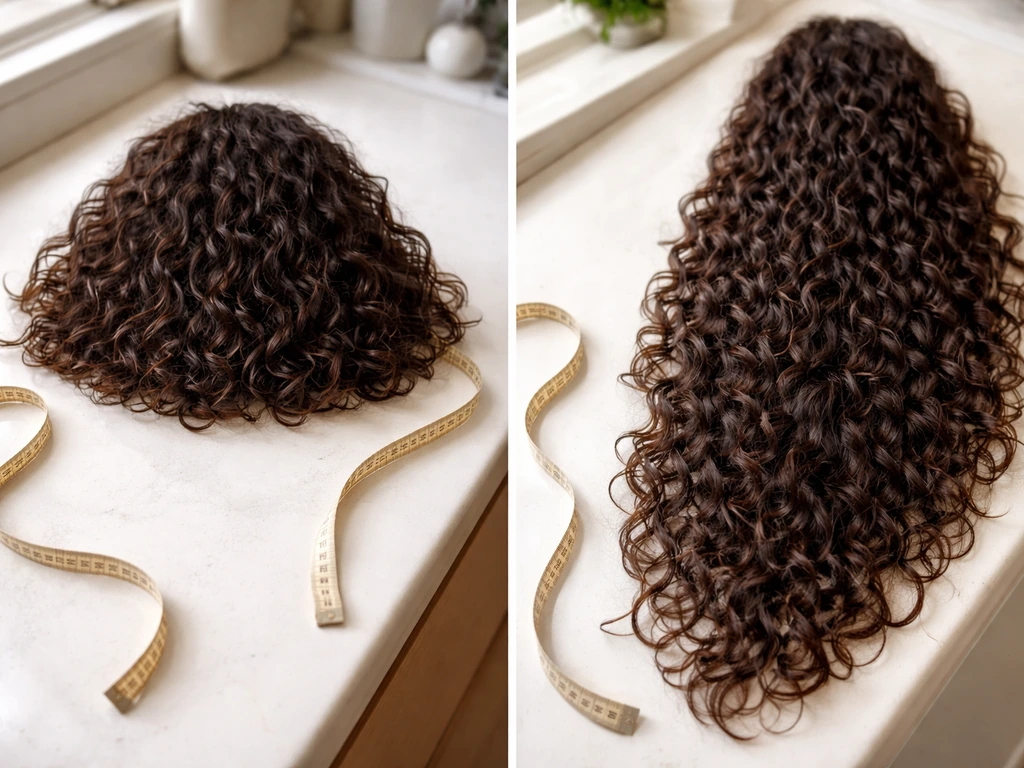
How Long It Actually Takes to Reach Waist Length
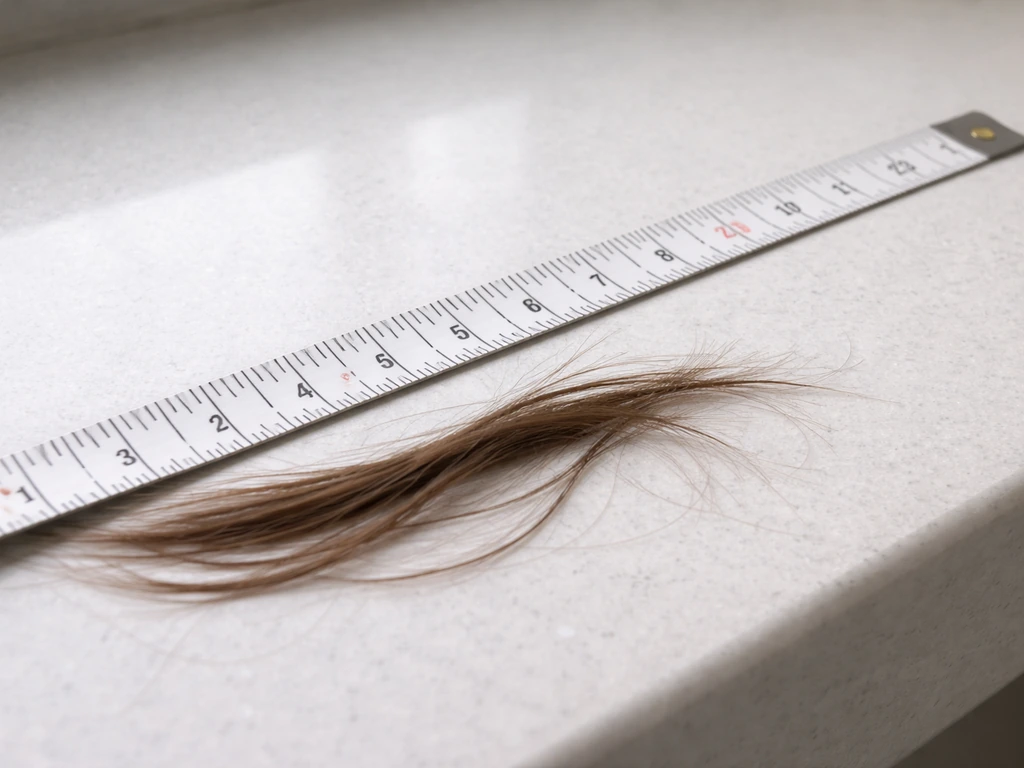
Let's do the honest math. Research puts average hair growth at about 1 cm per 28 days, though there's real individual variation, some people clock in closer to 0.6 cm/month, others up to 3.36 cm/month. If you're at shoulder length (around 12 inches) and your waist sits at about 28–30 inches, you need roughly 16–18 inches of retained growth. At 1 cm/month (about 0.4 inches), that's a minimum of 3 to 4 years under ideal conditions.
It's also worth knowing that your hair can only grow as long as your anagen phase allows. The anagen, or active growth, phase lasts anywhere from 2 to 6 years. If yours naturally runs shorter, there's a biological ceiling on your maximum length regardless of how well you care for your hair. Most people with long anagen phases can reach waist length; those with shorter phases may struggle to get past a certain point no matter what they do. If your hair seems to plateau at a certain length year after year, that's likely why.
Hair type also matters. Research from the Trichological Society notes that Afro-Caribbean hair grows at roughly half the rate of Caucasian hair and is statistically less likely to reach great lengths without deliberate protective care, not because it can't grow, but because its structure makes it more vulnerable to breakage along the way. If you have natural textured hair, the timeline may be longer, but the strategies below are especially impactful for you.
| Starting Length | Target (Waist) | Distance to Cover | Estimated Timeline (avg. 1 cm/month) |
|---|---|---|---|
| Shoulder (~12 in) | Waist (~28–30 in) | ~16–18 inches | 3–4 years |
| Collarbone (~14 in) | Waist (~28–30 in) | ~14–16 inches | 2.5–3.5 years |
| Armpit (~18 in) | Waist (~28–30 in) | ~10–12 inches | 2–2.5 years |
| Mid-back (~22 in) | Waist (~28–30 in) | ~6–8 inches | 1–1.5 years |
These timelines assume average growth AND good length retention. If you're dealing with a lot of breakage, it could easily add a year or more. Think of it this way: your hair might be growing 6 inches a year, but if 5 of those inches are snapping off, you'll only see 1 inch of progress. That's why the next section is arguably the most important in this entire guide.
Length Retention vs. Breakage: The Real Key to Growing Long Hair
Almost everyone focuses on trying to make their hair grow faster. If you're starting with shorter hair, the same length retention principles in this guide are the backbone of how to grow short hair to long hair. The smarter focus is on stopping the growth you already have from breaking off. Hair doesn't grow from the ends, it grows from the scalp, so the only way to accumulate length is to protect your ends from mechanical damage, heat, chemicals, and friction over time.
The American Academy of Dermatology is clear that tension from pulled hairstyles and excessive heat are two of the biggest causes of breakage. Research on textured hair specifically shows that chemical and physical damage increases hair porosity, which weakens the strand's mechanical and thermal properties, meaning chemically treated or over-bleached hair breaks far more easily under the same everyday stress. If you've ever bleached or relaxed your hair and noticed it felt more brittle and prone to snapping, that's exactly this mechanism at work.
Combing wet hair, using styling tools on high heat, tying hair in tight elastics, and sleeping on rough cotton pillowcases all add up. None of these individual habits seems like a big deal, but compounded over months and years, they're often the reason someone's hair seems stuck at the same length forever.
Your non-negotiable breakage-prevention habits
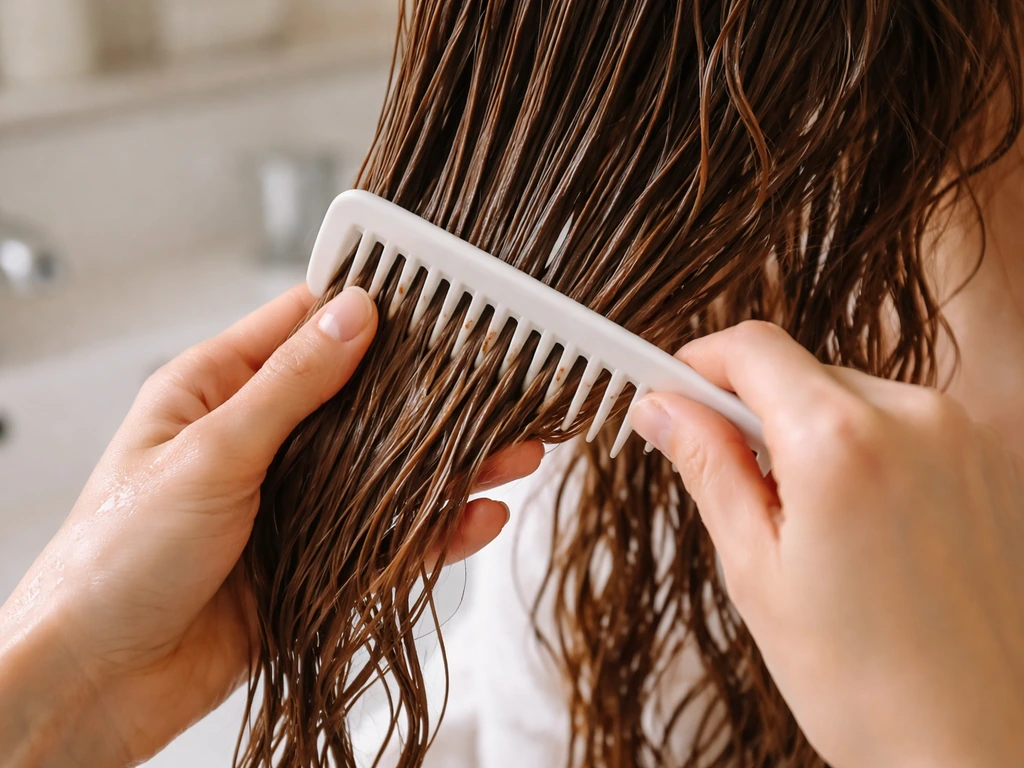
- Detangle gently with a wide-tooth comb or fingers, starting from the ends and working up — never drag a comb from root to tip on dry or semi-wet hair
- Use a heat protectant every single time you use heat tools, and keep temperatures below 350°F (175°C) for most hair types; go lower for fine or chemically treated hair
- Sleep on a silk or satin pillowcase, or use a silk/satin bonnet or scarf — friction from cotton causes mechanical wear every night
- Swap tight elastics for silk scrunchies or spiral hair ties that don't crease or pull the shaft
- Avoid styles that put constant tension on the same areas (tight ponytails, braids pulled hard at the root) — this causes both breakage and traction alopecia over time
- Trim only when needed to remove actual splits, not on a rigid schedule — trimming doesn't make hair grow faster, it just prevents splits from traveling up the shaft
Growing Natural Hair to Waist Length
If you have natural hair, whether that's type 3 curls, type 4 coils, or anything in between, getting to waist length requires a moisture-first, low-manipulation approach more than anything else. Natural hair in its unprocessed state can absolutely reach waist length, but its coiled structure means it's more prone to tangles, single-strand knots, and dryness, all of which lead to breakage if not managed consistently.
The stretched vs. natural length difference is real and worth tracking. Type 4 hair can appear to be at shoulder length when dry but actually be at mid-back length when stretched. Use stretched length as your measure of progress so you're not discouraged by shrinkage. Many natural hair journeys to waist length are documented in stretched measurements.
Going chemical-free: what it means for your growth plan
Avoiding chemical treatments (relaxers, perms, bleach, frequent coloring) is one of the most impactful things you can do for natural hair retention. As the research on porosity shows, chemically treated hair loses resistance to mechanical wear, which means everyday handling causes more damage on treated strands than on virgin hair. Going chemical-free doesn't mean going product-free, but it does mean your hair's baseline resilience stays higher.
For washing, some people with natural hair swear by co-washing (washing with conditioner only instead of shampoo). It's worth trying if your hair responds well to it, but be honest with yourself about whether it's actually cleaning your scalp. Research suggests co-washing can leave hair drier and more prone to breakage in some people, and it may not adequately remove product buildup, especially if you use silicone-based products regularly. A good middle ground is using a gentle sulfate-free shampoo once every one to two weeks and co-washing in between if needed, rather than defaulting entirely to one or the other.
Protective styling: your biggest retention tool
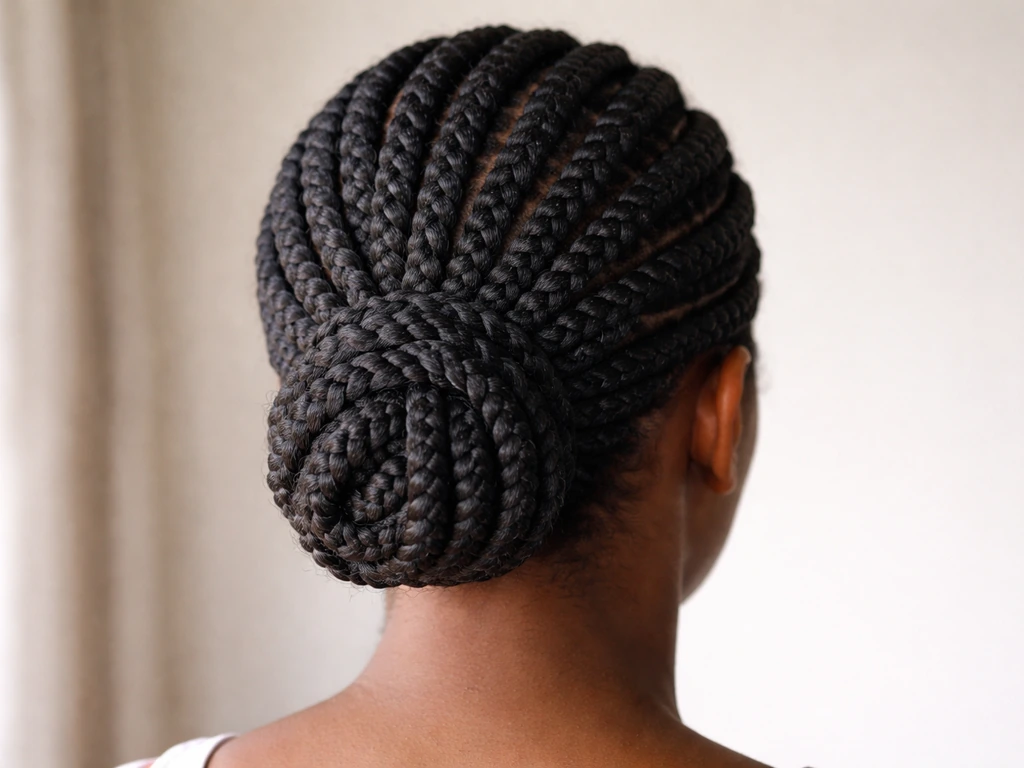
Protective styles, braids, twists, buns, and similar styles where your ends are tucked away and not exposed to daily manipulation, are the most reliable way to retain length on natural hair. The key word is "protective," which means the style itself shouldn't be creating tension at the root. Keep them in for two to six weeks at most, never neglect moisture underneath, and always take them down gently. Rushing out a protective style causes more damage than months of daily wear.
Going From Shoulder Length to Waist: A Realistic Routine
Moving from shoulder length to waist length is a multi-year commitment, so building a sustainable routine matters more than doing everything perfectly right now. Think in phases rather than trying to overhaul everything at once.
Phase 1 (Months 1–6): Build the foundation
This phase is about identifying and cutting out your biggest sources of damage, establishing a consistent wash routine, and starting any nutritional changes you need. Take a starting photo and measure your hair length in inches (stretched if natural). This is your baseline.
- Assess your current routine honestly — write down every heat tool use, every tight hairstyle, and any chemical treatments from the past 6 months
- Switch to a gentle cleanser appropriate for your hair type and establish a consistent wash day (every 1–2 weeks for most hair types)
- Add a deep conditioning treatment weekly or biweekly using a protein-balanced conditioner
- Start sleeping on silk or satin
- Photograph and measure length monthly — same day each month, same conditions
Phase 2 (Months 6–18): Optimize and protect
By now you should be seeing retained growth. This is when protective styling, moisture balance, and scalp care become your main tools. You'll likely hit the collarbone to armpit range during this phase if your retention is good.
- Incorporate protective styles for 2–4 week periods, especially during seasons when your hair is more exposed to drying conditions
- Assess heat tool use and reduce to once a week maximum, ideally less
- Check your nutrition (more on this below) and address any gaps
- Do a light scalp massage 3–5 times per week to support circulation
- Reassess your trim schedule — only trim if you see splits traveling up the shaft
Phase 3 (Months 18 onward): Stay consistent
The armpit-to-waist stretch is where a lot of people stall, not because growth slows but because hair at this length is older and more vulnerable at the ends. Focus heavily on moisture, gentle handling, and keeping ends tucked away as much as possible. This is also when monthly progress photos become most motivating, the changes are slower but they're real.
Your weekly routine structure
| Day | Task |
|---|---|
| Wash Day (1x per week or biweekly) | Gentle cleanse, deep condition, detangle with wide-tooth comb on wet/conditioned hair, apply leave-in and seal ends |
| 2–3x per week | Scalp massage (5–10 minutes), refresh moisture if hair feels dry |
| Daily | Sleep in silk bonnet or on silk pillowcase, avoid tight hairstyles, keep hands out of hair as much as possible |
| Monthly | Photograph and measure length, check ends for splits, assess any routine changes needed |
Scalp Care, Grooming, and Keeping Damage in Check
Your scalp is where everything begins. Hair grows from follicles in the scalp, and follicles that are clogged, inflamed, or under constant tension produce weaker hair or stop producing hair altogether. A clean, healthy scalp is non-negotiable for sustained long-term growth.
Scalp massage is one of the easiest and most accessible things you can add to your routine. It increases blood circulation to the follicles, which supports the delivery of nutrients during the anagen phase. Five to ten minutes of firm fingertip massage, not nail scratching, three to five times a week is a realistic habit that adds up over months. You can do it dry or with a lightweight oil, whichever you prefer.
On the grooming side, the AAD specifically flags combing as a damage risk when done aggressively, particularly on damp or product-laden hair. The fix is simple: always detangle from the ends upward, use your fingers first to remove major knots, then follow with a wide-tooth comb. Never use a fine-tooth comb on textured, tangled, or wet hair.
Managing heat and chemical damage going forward
If you've been using heat tools regularly, you don't have to quit cold turkey, but cutting back will make a visible difference in your retention over time. The goal is to heat-style strategically rather than habitually. Try limiting direct heat to once a week or less, always using a protectant, and using the lowest effective temperature setting. Hair that has already been bleached or chemically treated is significantly more porous and fragile, so it needs even lower heat thresholds and more frequent protein treatments to stay strong.
If you're considering any chemical treatments while trying to grow to waist length, think carefully about timing and condition. Overlapping bleach or relaxer applications onto previously treated hair is where the most mechanical damage happens. If you must color, try semi-permanent options or work with a stylist who understands how to minimize porosity damage.
What You Eat Makes a Difference: Nutrition and Supplements
Hair is not an essential tissue in the biological sense, so the body deprioritizes it when nutrients are scarce. If your diet is chronically low in protein, iron, or certain vitamins, your hair growth rate can slow and shedding can increase. Addressing deficiencies is one of the few evidence-backed levers you can actually pull to support better growth.
Iron and ferritin
Low iron, specifically low serum ferritin, is strongly associated with telogen effluvium, a condition where hair prematurely enters the shedding phase. Research shows that ferritin levels below roughly 41 µg/mL have been linked to significant hair shedding in some studies. If you're shedding more than usual and feel tired or cold easily, getting your ferritin checked is worth it. You can address mild iron deficiency through diet (red meat, lentils, spinach, pumpkin seeds) or iron supplements under medical guidance.
Vitamin D and zinc
A recent meta-analysis found a strong association between telogen effluvium and deficiencies in both ferritin and vitamin D, with zinc and copper also discussed as relevant trace elements. Vitamin D deficiency is extremely common and often goes undetected. If you're not spending much time in direct sunlight and don't eat fortified foods or fatty fish regularly, a vitamin D supplement (typically 1,000–2,000 IU daily) is a reasonable, low-risk addition. Get your levels tested first if you can.
Protein
Hair is made primarily of keratin, a protein. If you're not eating enough protein overall, common in people on restrictive diets, your hair growth can suffer. Aim for at least 0.8 grams of protein per kilogram of body weight daily, and ideally more if you're active. Eggs, fish, legumes, dairy, and meat are all excellent sources.
What about biotin?
Biotin supplements are heavily marketed for hair growth, but the evidence is more nuanced. Research reviews consistently find that true biotin deficiency is uncommon, and there's limited evidence supporting biotin supplementation for hair growth in people who are not actually deficient. If you're eating a varied diet, adding a biotin supplement on top of it is unlikely to meaningfully accelerate growth. That said, it's generally considered safe. Save your money for iron and vitamin D testing first.
| Nutrient | Role in Hair Health | Best Food Sources | Supplement Worth It? |
|---|---|---|---|
| Iron/Ferritin | Prevents excess shedding (telogen effluvium) | Red meat, lentils, spinach, pumpkin seeds | If deficient — yes, under guidance |
| Vitamin D | Strongly linked to telogen effluvium when low | Fatty fish, fortified foods, sunlight | Yes, especially if low sunlight exposure |
| Protein | Building block of keratin (hair structure) | Eggs, meat, fish, legumes, dairy | Only if dietary intake is genuinely low |
| Zinc | Supports follicle function and repair | Oysters, beef, seeds, nuts | If deficient — avoid excess, which can cause shedding |
| Biotin | Limited evidence unless actually deficient | Eggs, nuts, whole grains | Low priority unless deficient |
Home Remedies and Topical Treatments Worth Trying
There are a few topical approaches with credible evidence or at least plausible mechanisms. The key is managing expectations: none of these will double your growth rate, but they can support scalp health and reduce damage.
Coconut oil
This is one of the most well-supported natural hair treatments in the research. A published study found coconut oil reduced protein loss significantly more than mineral oil or sunflower oil when used as both a pre-wash and post-wash treatment. This matters because protein loss is a marker of structural hair damage. Coconut oil's unique molecular structure allows it to penetrate the hair shaft rather than just coating it, which is why it outperforms many other oils. Use it as a pre-wash mask (apply 30–60 minutes before shampooing) or as a lightweight sealant on damp ends.
Rosemary oil
Rosemary oil gets a lot of attention, partly because of a 2015 randomized trial that compared topical rosemary extract to 2% minoxidil in men with androgenetic alopecia over 6 months, finding comparable results between the two. The study has limitations and has attracted criticism about methodology, so it's not conclusive. However, rosemary oil is safe for scalp application when diluted (about 2–3 drops per tablespoon of carrier oil), and the scalp massage involved in applying it is itself beneficial. It's a reasonable low-risk addition to your routine, especially if you want to avoid minoxidil.
Minoxidil (topical)
Minoxidil is the only topical treatment with well-established, FDA-recognized evidence for stimulating hair regrowth in both men and women with certain types of hair loss (particularly androgenetic alopecia, or pattern hair loss). If your goal is just reaching waist length from a normal starting point without pattern hair loss, minoxidil isn't necessary. But if you've noticed significant thinning or a receding area that's slowing your length goals, it's worth a conversation with a dermatologist. One important caveat: hair loss typically resumes within a few months of stopping minoxidil, so it's more of an ongoing treatment than a one-time fix.
Scalp oils and DIY treatments
Beyond coconut oil, oils like jojoba, argan, and castor oil are popular for scalp and end care. Jojoba closely mimics the scalp's natural sebum and works well as a light scalp oil. Castor oil is thick and best used on the ends rather than the scalp directly, as it can be hard to wash out and may contribute to buildup. There's limited clinical research on most of these for growth specifically, but as moisturizing sealants that reduce mechanical friction on the hair shaft, they serve a legitimate purpose in a length retention routine.
How to Track Your Progress (and Stay Motivated)
Growing to waist length is a long game and it's easy to lose motivation when you can't see obvious change month to month. Building a simple tracking habit from day one makes a huge difference for staying the course.
- Take a photo on the same day each month (your wash day works well), under the same lighting, from the same angle — back photos are most useful for length tracking
- Measure in inches or centimeters from root to tip, stretched if your hair is natural and curly
- Note in a simple journal what your routine looked like that month — any heat use, protective styles worn, supplements started, or dietary changes
- Compare photos every 3 months rather than monthly — the 3-month comparison shows much clearer progress and keeps you from obsessing over daily variation
- Track shedding too: a rough count of hairs lost on wash day (normal is up to about 100 per day) can alert you to changes in shedding patterns before they affect visible thickness
If you're starting from short hair rather than shoulder length, or if you're on a completely different starting point like medium-length hair, the same core principles apply, the timeline just shifts accordingly. The foundational habits of breakage prevention, scalp care, nutrition, and consistent moisture work at every length stage.
Start Here: Your Next Steps Today
You don't have to do all of this at once. Pick three things from the list below and start them today. Build from there over the next few weeks. The people who reach waist length aren't those who found a magic product, they're the ones who stayed consistent with the basics for long enough.
- Take your starting photo and measure your current length — this is your baseline
- Order a silk or satin pillowcase or bonnet if you don't have one (this is the fastest and easiest win)
- Book a blood test to check ferritin and vitamin D levels if you haven't had one recently
- Try coconut oil as a pre-wash treatment on your next wash day
- Audit your heat tool use this week and set a realistic reduction goal
- Start a 5-minute scalp massage habit three times this week
- Write down your top two or three damage habits from your current routine and make a plan to replace them
Waist length hair is a realistic goal for most people. It just requires patience, consistency, and shifting your focus from chasing growth to protecting what you already have. If you want a clear, step-by-step plan for how to grow your hair to your waist, follow the routine phases in the next section and stick to length retention basics. The growth is happening, your job is to make sure it sticks around long enough to be measured. If you're specifically looking for how to grow korean hair, focus on the same length-retention basics here so breakage doesn't cancel out your progress.
FAQ
How should I measure my hair to track progress toward waist length without getting discouraged?
Measure on the same day and in the same way each month, ideally when hair is fully dry (or always in stretched form for natural hair). Use a soft tape from your scalp midline to the end, not the outer hairline, and compare against your baseline photo. If you measure on different days with different shrinkage, you can misread true retention as “no progress.”
What should I do if my hair growth seems to plateau for months?
If your hair growth has stopped or seems to plateau for 6 to 12 months, the most common reason is not slower scalp growth, it is increased shedding or breakage at the mid-length to ends. Look for patterns like more tangles, single-strand knots, roughness, and more hair coming out during detangling. The next step is to check your routine for mechanical damage (combing wet hair aggressively, high heat, tension styles) and consider labs for telogen effluvium if shedding is noticeable.
How do I handle chemical treatments if my goal is waist length?
Bleaching and relaxing can both affect porosity, but the timeline for “repair” is different from the timeline for growth. Plan for a longer length retention phase after chemical service, and prioritize strengthening before you chase any new growth tactics. If you want chemical color, choose lower-ammonia or semi-permanent options, space services out, and have a stylist do a porosity-aware plan to avoid overlapping damage.
Can I still use heat tools while trying to grow waist length hair?
Heat does not automatically ruin hair, but the safe approach is lower frequency, lower temperature, and consistent protection. A practical rule is to limit direct heat to once weekly or less, use a heat protectant every time, and keep tool temperature as low as you can while still getting the style in one pass. If your hair is already porous from bleach or texture treatments, reduce further and consider protein-moderate treatments during periods of more heat use.
What makes a protective style actually “length retention” and not just a longer wearing hairstyle?
Protective styles help most when they reduce friction and manipulation without creating tension at the roots. Avoid styles that pull hard at the hairline or scalp, and do not keep them indefinitely. Also make sure you moisturize and seal, and gently detangle any matted areas underneath before the style is taken down, because rushing the removal is a major source of breakage.
Is co-washing a good idea for growing long hair, or can it backfire?
Co-washing can work for some people, but it may not clean the scalp well enough if you use heavy silicones, oils, or styling products that build up. Signs it is not working include itchiness, persistent dullness, and more shedding. A good compromise is gentle sulfate-free shampoo once every 1 to 2 weeks, then conditioner-only washing in between if your scalp tolerates it.
How can I tell if my hair has a biological limit that affects reaching waist length?
Roughly 2 to 6 years of an active growth phase is typical, and some people naturally have a shorter anagen window. A realistic check is whether your length repeatedly stalls at the same zone despite excellent retention habits. If you suspect a biological ceiling, stop chasing “faster growth” products and focus on retention and scalp health, because even perfect breakage prevention may not push beyond your baseline ceiling.
Should I take biotin to grow my hair faster to waist length?
You do not need to take biotin if you are not deficient, and most people will not see growth acceleration. If you are considering supplements, start with labs that match common drivers of shedding and slow growth, especially ferritin and vitamin D. If you do test and find a deficiency, treat that first, because correcting nutrient issues has a clearer impact on hair cycles than adding extra biotin on top of a varied diet.
When should I get bloodwork for hair shedding or slow progress?
If you are shedding more than usual, feel unusually fatigued, or have symptoms like feeling cold, you may want ferritin and vitamin D checked. Ferritin below about 41 µg/mL has been linked to telogen effluvium in some studies, and low vitamin D is common. Treating deficiencies under medical guidance is one of the few evidence-based ways to reduce cycle-related shedding while you work on retention.
What is the simplest way to start a long-term routine without changing everything at once?
Track consistency by choosing three non-negotiables, for example, (1) a gentle detangling method, (2) heat reduction with protection, and (3) a moisture and end-protection routine (including regular conditioning and end sealing). If you change too many variables at once, it becomes hard to know what helped or harmed retention, especially during the slow armpit-to-waist phase.
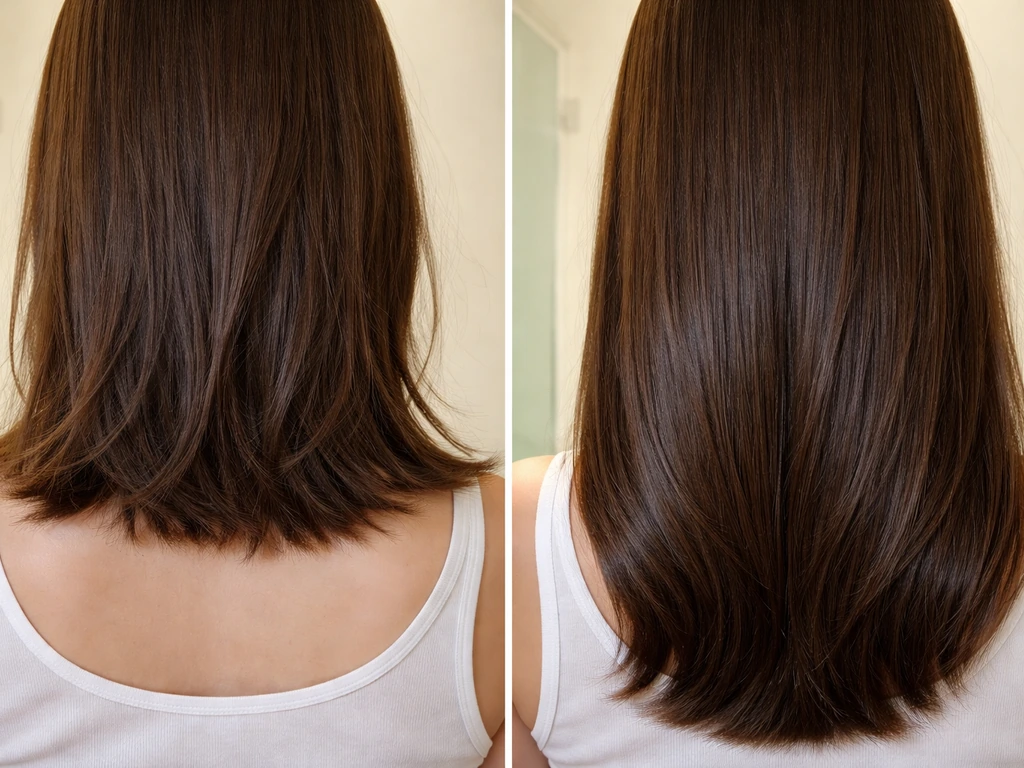
Step-by-step tips to grow hair out: stop breakage, build scalp routine, nutrition, safe actives, and track progress.
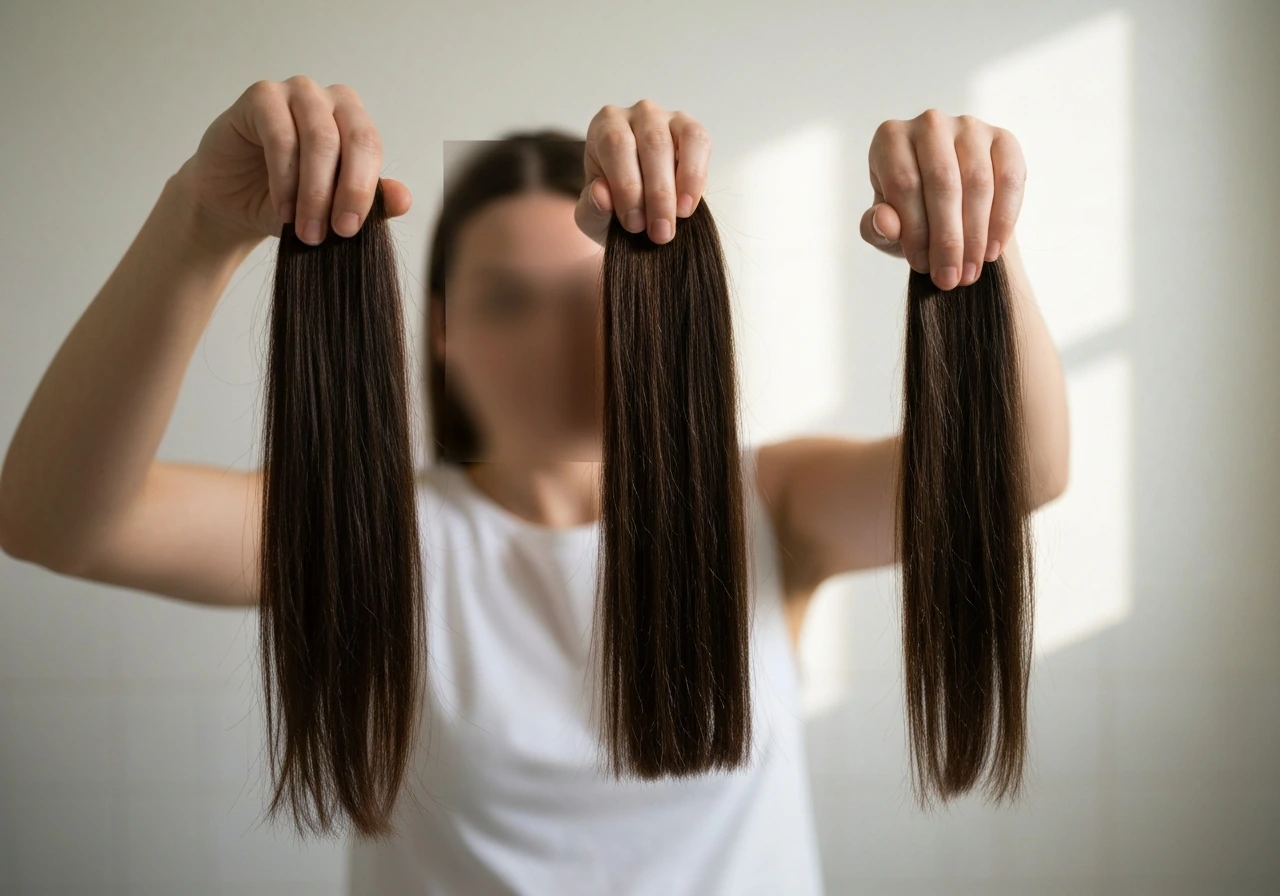
Step-by-step grow hair long tips: boost scalp health, cut breakage, improve diet, and track progress for length.
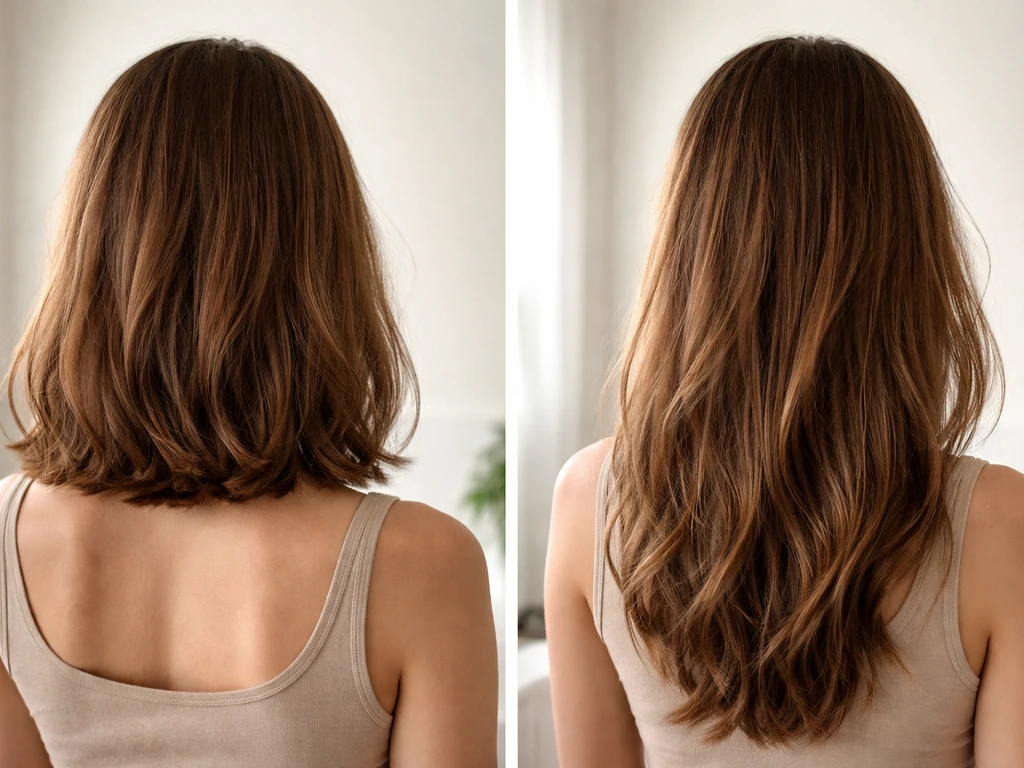
Actionable tips to grow long hair naturally: care routine, scalp habits, nutrition and breakage prevention for healthy l