
Growing your hair long as a man comes down to two things: keeping the hair you have from breaking off, and making sure your scalp is healthy enough to support steady growth. Hair grows roughly half an inch per month on average, so shoulder length from a buzzcut takes about two years. You can't speed that up dramatically, but you can absolutely stop losing ground to breakage, shedding, and poor scalp health, which is where most guys quietly fail without realizing it.
How to Grow My Hair Long for Men: Step-by-Step Plan

Marcus Holloway
16 Jun 2026
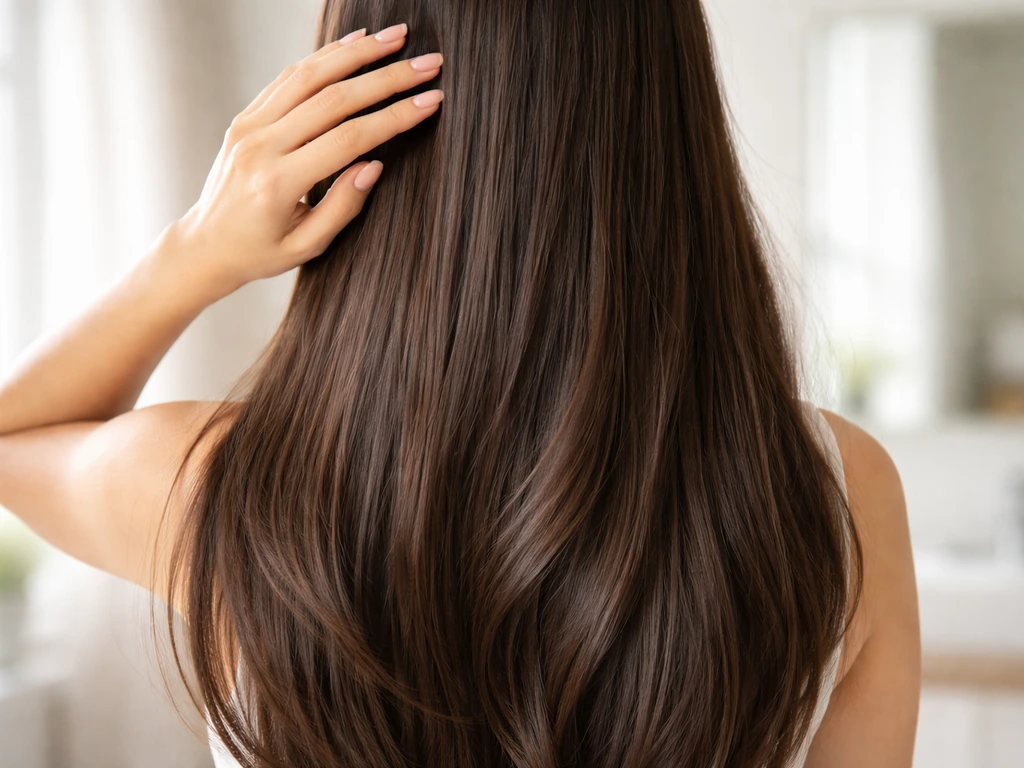
Set realistic goals and understand how male hair actually grows
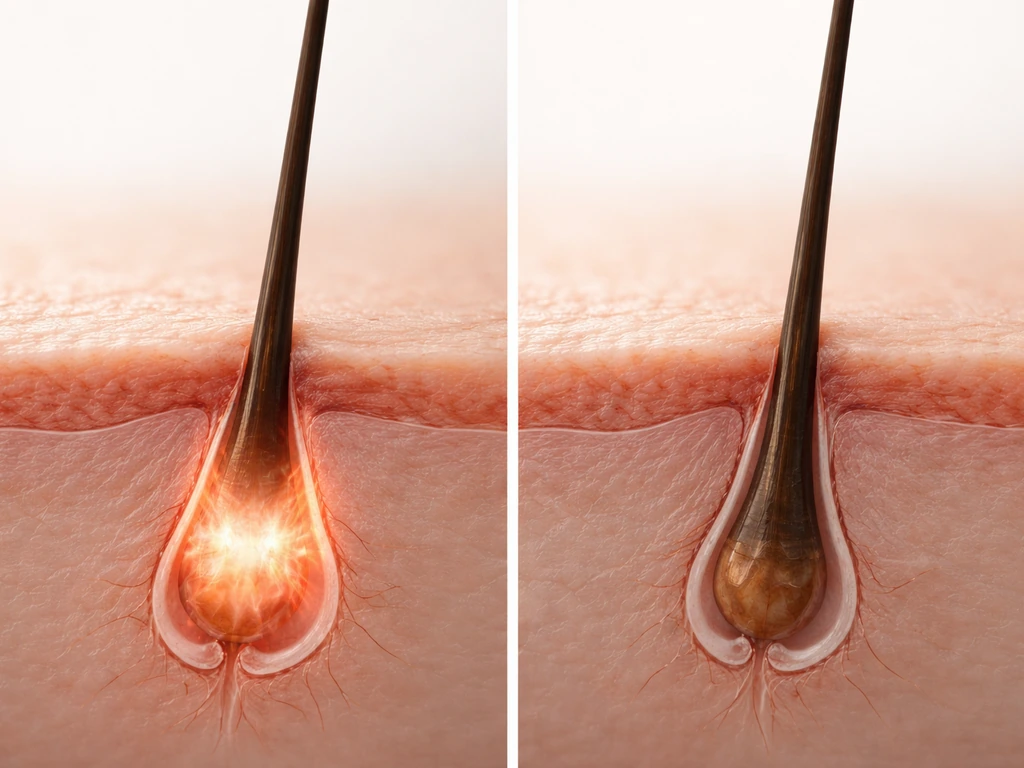
Your hair grows in cycles, and understanding them saves you a lot of frustration. Each follicle goes through an anagen (active growth) phase that lasts roughly 3 to 6 years, a brief catagen transition of about 1 to 2 weeks, and then blank" rel="noopener noreferrer">a telogen resting phase of 2 to 4 months, after which the old hair sheds. On a healthy scalp, blank" rel="noopener noreferrer">about 85 to 90% of your follicles are in anagen at any given time, with only 5 to 10% resting in telogen. When that telogen percentage climbs above 20%, you'll start noticing noticeably more shedding.
The practical takeaway: shedding 50 to 100 hairs a day is completely normal. What's also normal is that if something stresses your body (illness, crash dieting, surgery), the fallout doesn't show up for 2 to 4 months because the affected hairs sit in telogen before they shed. So if you notice a sudden increase in shedding, think back to what was happening two to four months ago, not last week. Factors like age, nutrition, and hormone levels all influence how long your anagen phase lasts, which is why some men can grow hair to their waist and others plateau at collar length.
Set a target length and map it to a realistic timeline. Ear length from very short takes about 3 to 4 months. Collar length takes roughly 9 to 12 months. Shoulder length is 18 to 24 months. Past the shoulders, you're looking at 3 years or more. Write the date down somewhere. Guys who track this way are much less likely to give up during the awkward in-between stages, which are genuinely the hardest part.
Build a hair care routine that actually keeps your length
Length retention is the unglamorous secret to growing hair long. For the best way to grow hair male, focus on length retention first, then support shedding control with scalp care and targeted treatment if needed Length retention is the unglamorous secret to growing hair long.. If you also want to know exactly what to do day to day, follow a complete hair-care routine that focuses on length retention. Your hair can be growing perfectly well at the root while you're losing just as much off the ends through breakage. The routine below is designed to minimize that loss.
Washing
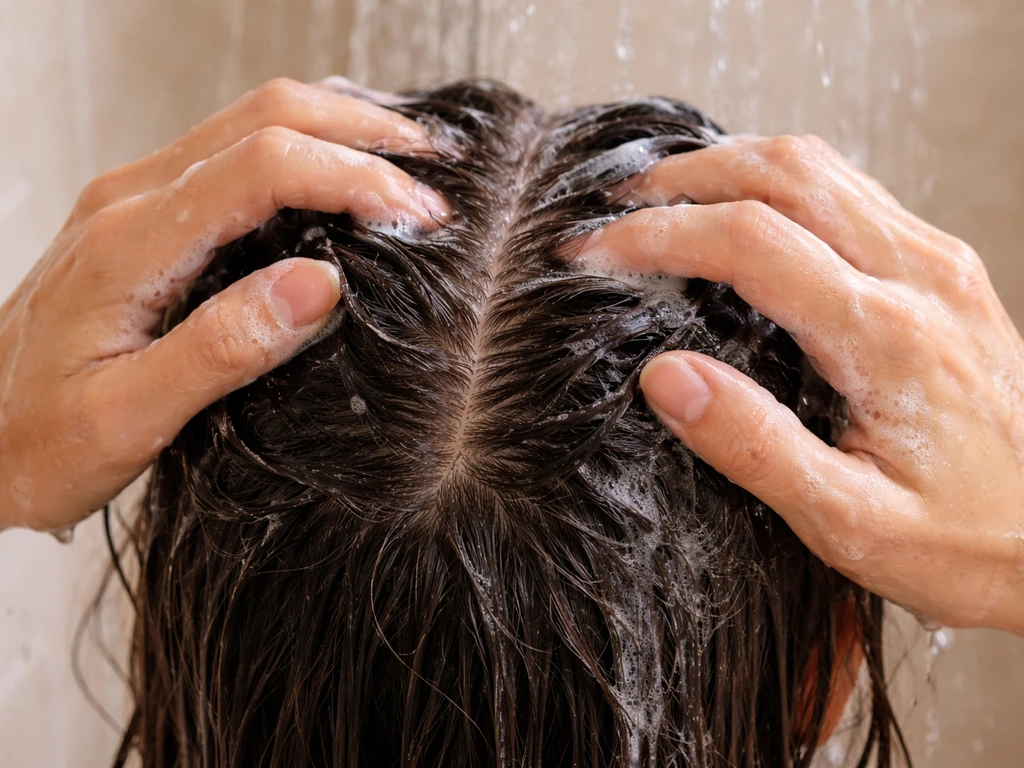
Wash your hair 2 to 3 times a week as a starting point. Daily washing strips the natural oils your scalp produces to protect the shaft, leaving longer hair dry and prone to snapping. If you exercise heavily or have an oily scalp, you can rinse with water on off days and use a small amount of conditioner on the lengths. Focus shampoo on the scalp only, not the ends, and let the suds rinse through the length as they wash out. That's enough to clean without over-drying.
Conditioning
Conditioner is not optional once your hair gets past ear length. Apply it from mid-shaft to ends every wash, and leave it on for at least 2 to 3 minutes before rinsing. Conditioner temporarily smooths the cuticle, reduces friction between strands, and dramatically cuts the breakage that happens when you detangle. If your ends feel rough or chronically dry, add a leave-in conditioner or a few drops of lightweight hair oil (argan or jojoba work well) after showering.
Detangling and brushing
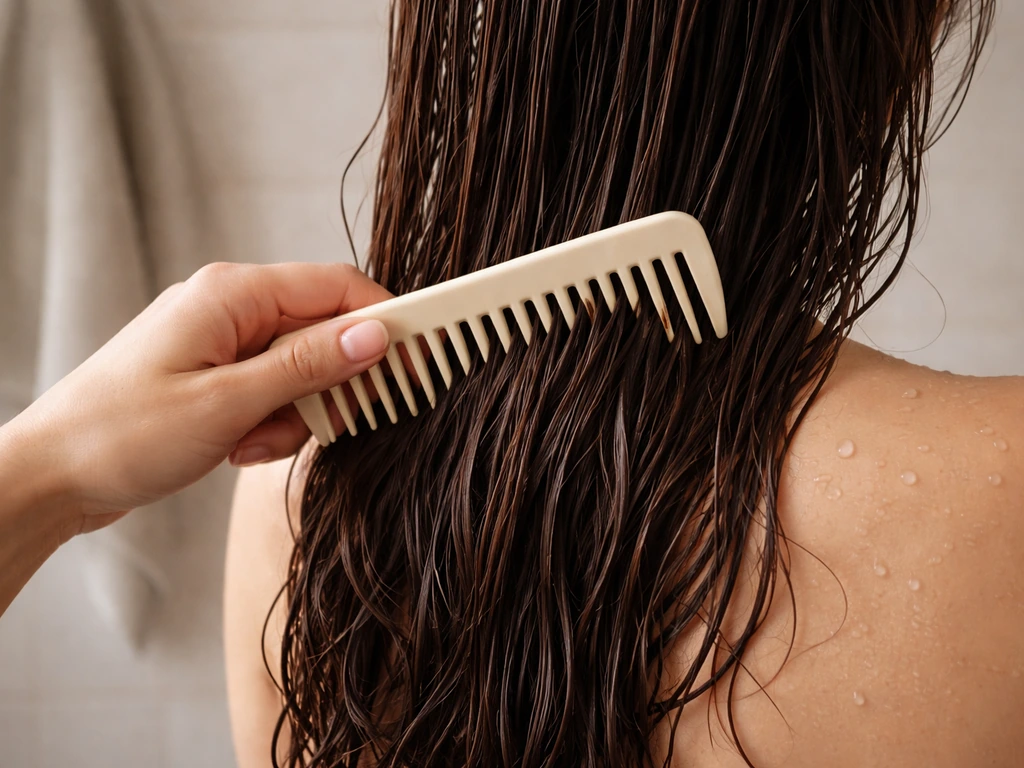
Wet hair is at its most fragile, so never brush it aggressively straight out of the shower. Use a wide-tooth comb or a wet brush, start at the ends and work your way up to the roots. This prevents you from dragging knots through the full length of the shaft and snapping strands. A boar bristle brush is great for distributing oils once your hair is dry, but save it for that stage. Brushing dry hair from root to tip is fine when the hair is actually dry and relatively tangle-free.
Towel drying
Rubbing your hair dry with a regular terry cloth towel is one of the easiest ways to create frizz and breakage. Squeeze out excess water instead, then either air dry or use a microfiber towel or an old cotton T-shirt to gently blot. If you use a hair dryer, keep it on medium heat and hold it at least 6 inches from your head. Let hair get to about 80% dry naturally before finishing with heat if you can.
Scalp care: less shedding starts here
Your scalp is the foundation. Chronic irritation, dandruff, product buildup, and poor circulation all interfere with the environment your follicles live in. Getting this right makes everything else work better.
Dandruff and seborrheic dermatitis are the most common scalp issues for men. Both cause flaking and inflammation, and that ongoing inflammation is a low-grade stressor for follicles. If you have either, use a medicated shampoo with zinc pyrithione, ketoconazole, or selenium sulfide two to three times a week until symptoms clear, then drop to once a week for maintenance. These are well-studied actives, and they actually work. Don't rely only on 'natural' dandruff remedies like apple cider vinegar if your flaking is persistent.
Scalp massage is one of the simplest things you can do and there's decent evidence it helps. Spend 4 to 5 minutes massaging your scalp with your fingertips (not nails) daily, either dry or with a small amount of oil before you shower. It increases blood flow to follicles and may help with thickness over time. It also feels good, so you'll actually do it.
Product buildup is a real issue as hair gets longer and you start using more styling products. Use a clarifying shampoo once every 2 to 4 weeks to clear residue, then follow with a deep conditioner because clarifying shampoos are more stripping. Keep oils and heavy styling products primarily on the lengths and ends, not the scalp, to avoid clogging follicles and triggering more oil production.
Nutrition that supports hair growth from the inside

Hair is made of protein, so adequate protein intake is the most fundamental dietary requirement. If you're eating less than about 50 to 60 grams of protein per day, your body deprioritizes hair growth, full stop. Most men eating a reasonable diet hit this without thinking about it, but if you're restricting calories aggressively, intermittent fasting heavily, or eating a poorly planned plant-based diet, check your numbers. Severe calorie restriction is one of the most reliable ways to push hair follicles into telogen and trigger shedding two to four months later.
Beyond protein, a few specific micronutrient deficiencies have a direct and well-documented link to hair shedding. Iron deficiency is the most common, especially if you don't eat much red meat. Ferritin (stored iron) levels below about 30 ng/mL are often associated with increased shedding even without full anemia. Vitamin D deficiency is extremely common and is linked to hair cycling disruption. Zinc deficiency causes diffuse thinning. If your diet is inconsistent or you suspect a deficiency, getting a simple blood panel is worth it before throwing money at supplements.
| Nutrient | Role in Hair Growth | Best Food Sources | Supplement If Needed |
|---|---|---|---|
| Protein | Building block of the hair shaft (keratin) | Eggs, chicken, fish, legumes, dairy | Whey or plant protein powder |
| Iron | Carries oxygen to follicles; deficiency causes shedding | Red meat, lentils, spinach, fortified cereals | Only if blood test confirms deficiency |
| Vitamin D | Regulates hair cycling; deficiency linked to loss | Fatty fish, egg yolks, sunlight | 1,000–2,000 IU/day is common and safe |
| Zinc | Supports follicle repair and protein synthesis | Oysters, beef, pumpkin seeds, chickpeas | Zinc gluconate or picolinate; avoid megadoses |
| Biotin | Often marketed for hair; true deficiency is rare | Eggs, nuts, sweet potato | Only worth taking if you have a confirmed deficiency |
On supplements generally: if you eat a varied diet, you probably don't need a hair-specific supplement. The one exception is vitamin D, where deficiency is genuinely widespread and supplementing 1,000 to 2,000 IU daily is both inexpensive and low risk. Biotin supplements are heavily marketed but biotin deficiency is rare, and most people see no benefit from adding more if they're not deficient. If you want to take a multi, choose one with iron only if a blood test shows you're low, since excess iron has its own problems.
Topical treatments worth your time (and a few not worth it)
Minoxidil (the active ingredient in Rogaine) is the only topical with strong, replicated clinical evidence for stimulating hair growth and reducing shedding. It's available over the counter in 2% and 5% concentrations and works by extending the anagen phase and increasing follicle size. If you're noticing thinning on top or a receding hairline alongside wanting to grow length, this is where you'd start. Apply it to a dry scalp, not to the lengths. It's not a quick fix and takes 4 to 6 months to show results, and shedding actually increases in the first few weeks as follicles reset, which is normal.
Rosemary oil has emerged as a legitimate supporting option. A 2015 study comparing rosemary oil to 2% minoxidil found similar hair count improvements after 6 months, with less scalp itching. It's not going to replace minoxidil for significant thinning, but massaging a few drops of diluted rosemary oil (mix with a carrier oil like jojoba) into your scalp a few times a week is low cost, low risk, and may help. Peppermint oil has some early animal study support but less human evidence.
Caffeine-based shampoos (like Alpecin) have some small studies suggesting they may help block DHT at the follicle level, but the evidence is not as robust as minoxidil. They're probably not harmful and may offer a mild benefit if you're prone to male pattern thinning. Coconut oil, argan oil, and similar products don't stimulate growth at the follicle but they do reduce protein loss from the hair shaft, which helps with breakage and length retention, so they have a legitimate place in your routine applied to the lengths and ends.
Stop doing these things if you want to keep your length
Most men growing their hair out don't lose length because their hair stopped growing. They lose it because of habits that damage and snap the ends off. These are the most common ones.
- Using heat tools (straighteners, curling irons) without a heat protectant spray. Always apply protectant to damp hair before any heat over 300°F (150°C).
- Tying hair up in tight elastic bands that create a stress point at the same spot every day. Switch to fabric hair ties or spiral ties, and vary where you put them.
- Sleeping on a rough cotton pillowcase, which creates friction and breakage overnight. A satin or silk pillowcase makes a real difference, especially as hair gets longer.
- Going months without trimming. Trimming half an inch every 3 to 4 months removes split ends before they travel up the shaft and cause more breakage than the trim itself.
- Raking fingers through tangled hair. This yanks and snaps strands. If you tangle your hair throughout the day, do a quick detangle with a wide-tooth comb before working out or sleeping.
- Excessive bleaching or chemical treatments. These structurally weaken the shaft. If you color your hair, space treatments out and deep condition consistently.
- Washing hair in very hot water. Lukewarm water for washing, cool water for the final rinse to close the cuticle.
Track your progress and know when something's actually wrong
Take a photo every 4 weeks in the same lighting and from the same angle. It sounds almost too simple, but hair growth progress is notoriously hard to perceive in the mirror day to day. Monthly photos give you an objective record and keep you motivated through the awkward phases. Use a fabric measuring tape from the nape of your neck or the top of your ear to your longest point and log it.
If your hair seems to have stopped growing after 3 to 4 months of good care, the more likely culprit is breakage matching your growth rate rather than your follicles actually stopping. Check your ends: are they splitting or looking thin and wispy? That's breakage. Step up your conditioning, add a leave-in treatment, and look honestly at your styling and detangling habits.
Distinguishing normal shedding from real hair loss is important. Losing 50 to 100 hairs a day is normal. If you're losing clumps, noticing your part widening, or seeing your hairline actively recede, that's a different situation. Sudden heavy shedding that started 2 to 4 months after a stressful event (illness, major surgery, crash diet, emotional trauma) is likely telogen effluvium, which usually resolves on its own within 6 months once the trigger is removed. Gradual thinning at the temples and crown that's been progressing over years is more likely androgenetic alopecia (male pattern hair loss), and that warrants a conversation with a dermatologist rather than just better shampoo.
See a doctor or dermatologist if: you're losing more than 150 hairs a day consistently, if the shedding hasn't slowed after 6 months, if you notice patchy bald spots, or if your scalp is consistently irritated and inflamed despite a good cleansing routine. Blood work to check ferritin, vitamin D, zinc, thyroid function, and complete blood count can rule out the most common correctable causes quickly.
Your next steps, right now
You don't need to overhaul everything at once. If you're just starting out, focus on the highest-impact changes first: reduce wash frequency to 2 to 3 times a week, start conditioning every wash, ditch the rough towel, and buy a wide-tooth comb. Those four changes alone will noticeably reduce breakage within a month. If your scalp is oily, flaky, or itchy, add a medicated or clarifying shampoo to your rotation next. Then look at your diet and correct anything obviously missing. If you're concerned about thinning on top, talk to a doctor about minoxidil.
Growing hair long is mostly a patience game with a few key habits that prevent you from undoing the progress you're making. If you're wondering how to grow healthy long hair as a man, focus on retaining length by preventing breakage and keeping your scalp in good shape. Growing long hair requires the right routine, healthy scalp care, and enough nutrition to support steady growth, which is the core of how to grow long hair for a guy.
The guys with great long hair aren't doing anything magical. They're consistent, they're gentle with their hair, and they've stopped expecting it to happen fast. If you're also interested in growing a specific style like a flow, building thickness, or targeting shoulder length, each of those goals has some nuances worth exploring separately, but the foundation covered here applies to all of them.
If you want to grow out a flow with thick hair, the main focus is reducing breakage and supporting scalp health so more of your length actually stays growing out a flow with thick hair. If you want a more targeted plan, learn how to grow thick hair long male with routine upgrades focused on retention and scalp support.
To grow a flow haircut, focus on the same fundamentals: minimize breakage, keep your scalp healthy, and stay consistent with conditioning and gentle detangling as your hair passes shoulder length growing a specific style like a flow.
FAQ
How long should I wait before judging whether my routine is working?
Use a 4 week check for breakage changes (ends, detangling behavior, how fast tangles form), and a 3 to 4 month check for shedding patterns. If shedding is noticeably higher, look back for a trigger 2 to 4 months earlier (illness, crash dieting, high stress).
Should I trim my hair while I’m growing it out?
Yes, but strategically. Trim split or see-through ends as needed, usually every 8 to 12 weeks once your hair reaches a length where splits travel up the shaft. The goal is to remove damage that would otherwise keep splitting and costing you length retention.
Is it better to grow hair without heat, or can I use tools?
You can use heat if you do it gently and infrequently. Let hair reach around 80% dry before blow-drying, use medium heat, keep the dryer at least about 6 inches away, and avoid repeated high-heat passes on the same section. Heat styling is most damaging to already rough, dry ends.
How often should I detangle, and what should I use?
Detangle only when you actually have tangles, typically a few times per week once you have length. Always detangle wet with conditioner as slip, or use a detangling spray, and start at the ends. Never force through knots with a narrow-tooth comb, that’s how breakage accelerates.
What if my hair is growing but it’s not getting thicker?
Two different problems can look similar: low density versus breakage. First, check your ends for damage and shedding patterns at the root versus along the shaft. If density on the crown or hairline is gradually thinning over years, consider discussing male pattern hair loss options with a dermatologist (minoxidil is usually the first evidence-based step).
How do I tell normal shedding from telogen effluvium?
Normal shedding stays relatively steady (around 50 to 100 hairs per day). Telogen effluvium is usually a noticeable jump in shedding that starts 2 to 4 months after a clear trigger, and it often improves within about 6 months once the trigger is resolved.
Can I wash daily if I use conditioner?
Daily washing can still be a problem for long hair retention because it removes scalp oils that protect the hair shaft, and it can increase dryness and snapping if your lengths are not conditioned well. If you have oily scalp, a better compromise is rinse on off days, shampoo less often, and keep conditioner focused mid-shaft to ends.
Do I need a clarifying shampoo, and how do I use it without over-stripping?
Clarifying shampoo is useful once every 2 to 4 weeks when styling buildup starts making hair feel coated or heavy. Use it on the scalp and roots as needed, then immediately follow with a deep conditioner. If your scalp gets dry or irritated easily, reduce frequency.
Will oiling my hair help it grow longer faster?
Oils do not usually extend the growth phase of follicles. Their biggest role is reducing protein loss and friction at the shaft, which improves length retention. Apply oils mainly to the lengths and ends, not the scalp, if you are prone to oily or flaky buildup.
If I start minoxidil, will my hair shedding ever stop?
Shedding often increases in the first few weeks because follicles cycle into a new growth pattern. It typically settles over time, with visible improvements taking about 4 to 6 months. If you stop early or miss doses, benefits can fade, so it’s worth planning for at least several months before judging.
What blood tests are most useful if I suspect nutritional shedding?
If shedding is persistent or sudden, ferritin (stored iron) and vitamin D are commonly helpful to check first. Zinc, thyroid function, and a complete blood count can also reveal correctable causes. The key is testing first rather than guessing with high-dose supplements.
What’s the biggest mistake men make when trying to grow long hair?
Optimizing growth while ignoring retention. The most common failure is damaging the ends through rough towel drying, aggressive detangling, and styling friction. Fixing wash frequency, using proper conditioner slip, and switching to gentle detangling often reduces breakage faster than any growth-focused product.
When should I see a dermatologist instead of trying more hair products?
Get help if you have patchy bald spots, consistent inflammation that does not improve with better cleansing, shedding that does not slow after about 6 months, or if daily shedding is consistently very high (for example, above roughly 150 hairs per day). Also seek care for long-term temple or crown thinning that progresses over years.
Next Articles
Best Way to Grow Hair Male: Step-by-Step Plan
Step-by-step plan to regrow or grow out male hair with scalp care, nutrition, minoxidil tips, timeline, and dermatologis

How to Grow Longer Hair Male: Faster Steps and Timeline
Step-by-step plan to grow longer hair for men faster, with timeline, routines, nutrition, and breakage control.

How to Grow Long Hair for a Guy: Fast Plan + Tips
Step by step routine to grow long hair for guys fast: wash, detangle, prevent breakage, scalp care, nutrition, fixes